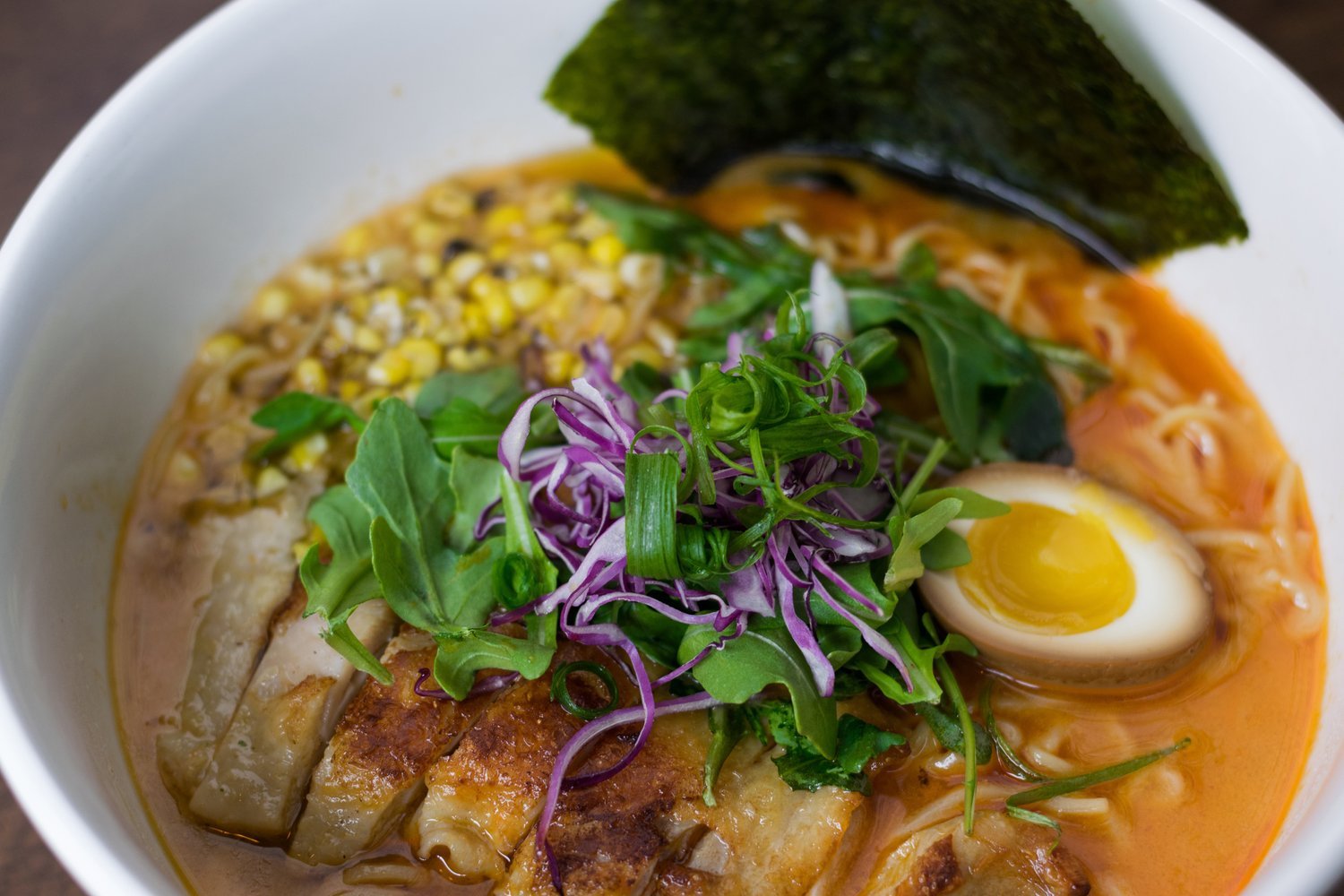
1981 Ramen Bar
Downtown Lowell, Lowell
Bar in Lowell, United States
 Book with Pearl
Why go
Book 1981 Ramen Bar when you want a focused downtown Lowell dinner built around ramen rather than a broad group menu. It is a better fit for a casual repeat visit or simple date than for a large, linger-all-night meal where cocktails, specials, or outdoor seating matter.
About 1981 Ramen Bar
Is 1981 Ramen Bar worth considering in Lowell? It can be a practical choice for a casual evening meal when you want a focused plan. The venue's Lowell location, casual dress code, and limited evening schedule make it a simple option rather than a place to anchor a tightly coordinated night.
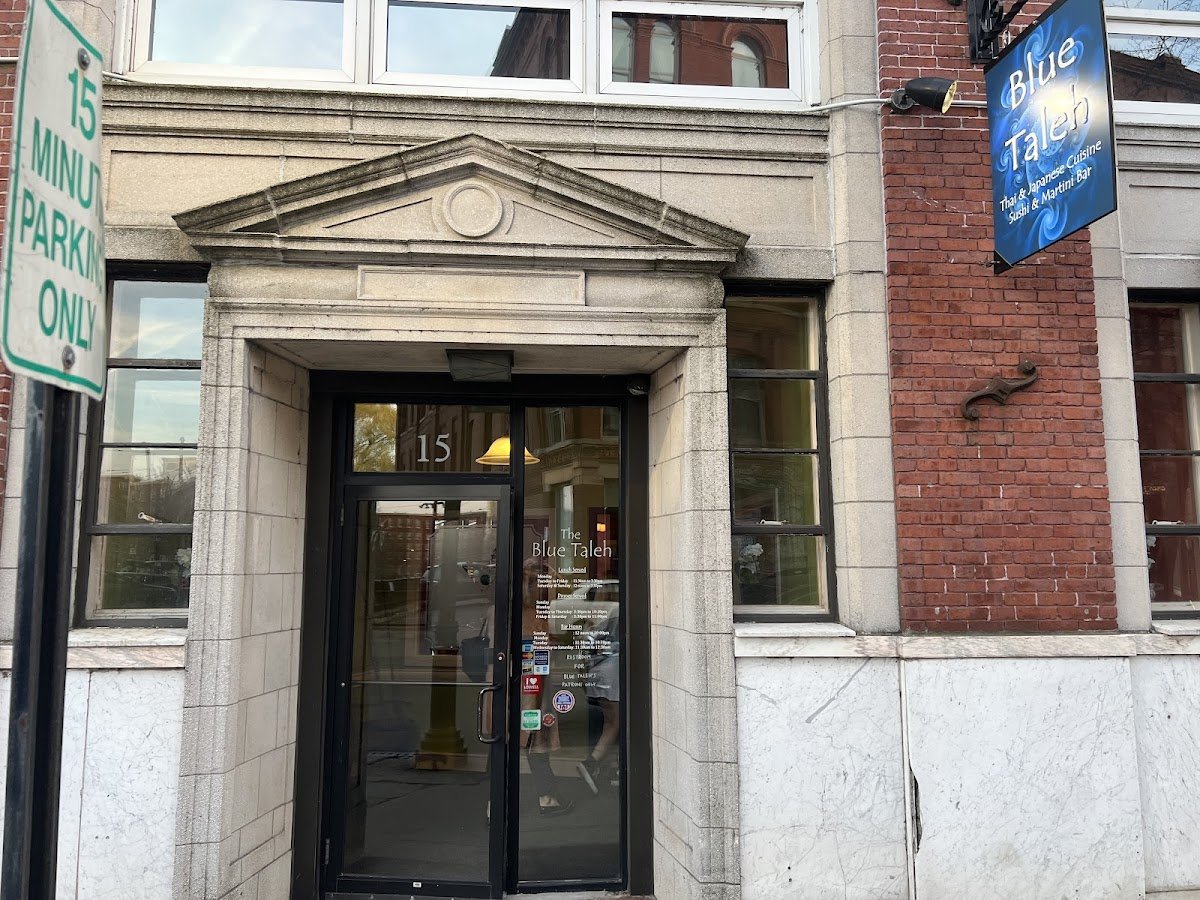
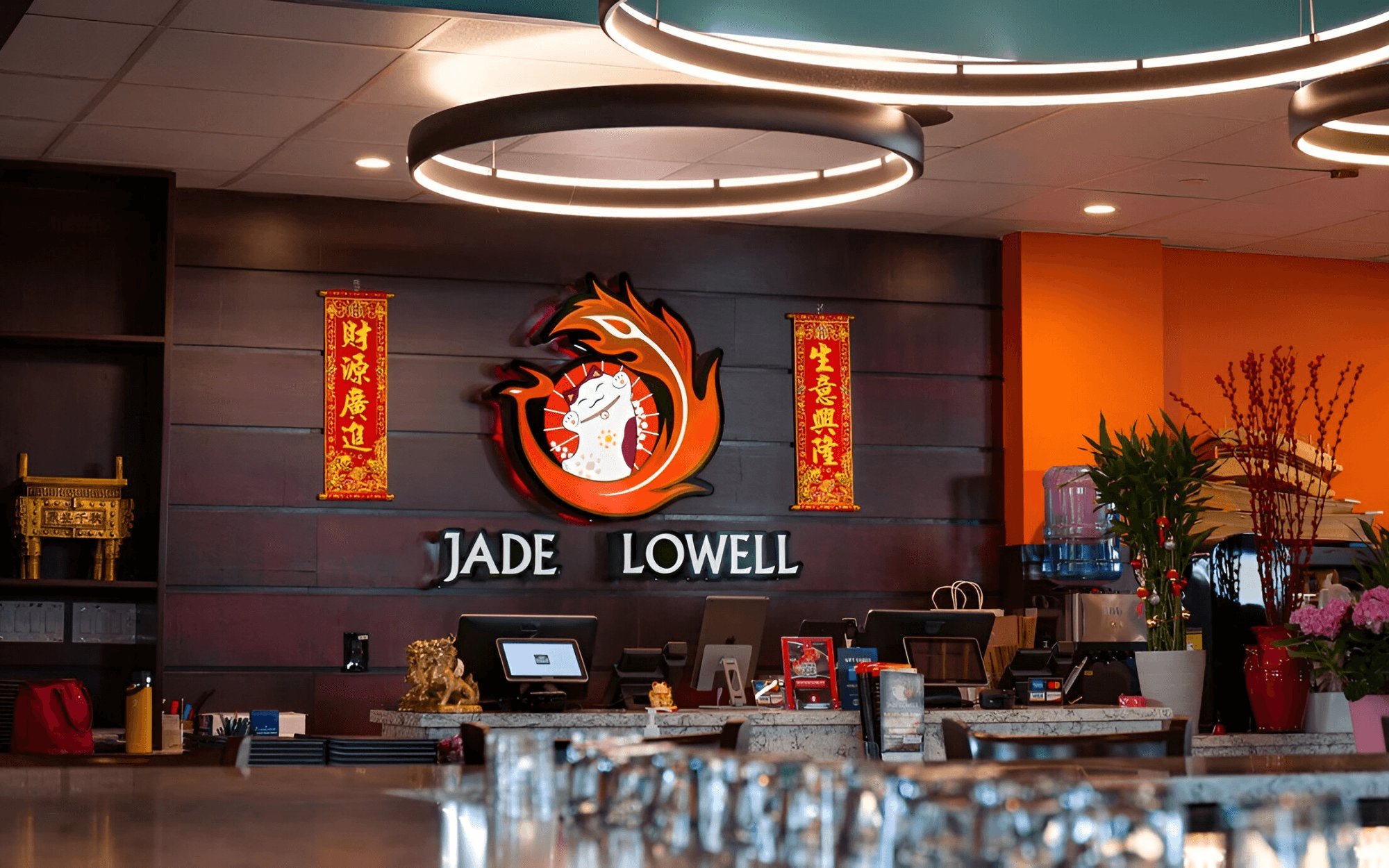
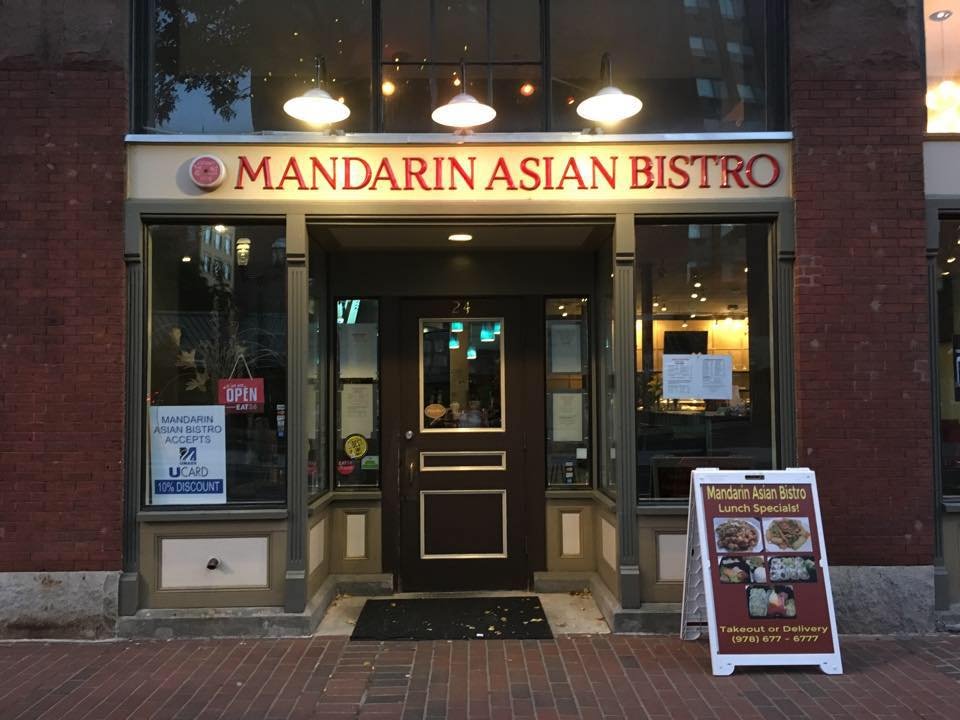
The safest way to read 1981 Ramen Bar is as a casual Lowell evening option with a narrow profile. In practical terms, that means it may fit when the main requirement is finding somewhere casual during its posted evening window, rather than comparing a long list of amenities. If your plans require a broader comparison, other options such as Mandarin Asian Bistro, Blue Taleh, or Jade Lowell Restaurant may be worth comparing based on your needs.
Choose it for a casual evening plan, not a detail-dependent booking
For 1981 Ramen Bar, the honest recommendation is to choose it only when your plan is flexible. The confirmed hours are Tuesday through Saturday from 5:00 PM to 8:45 PM, with Monday and Sunday closed, so it should not be treated as a lunch or late-night option. The narrower schedule is not a drawback if it matches your timing, but it does mean the visit should be planned around that specific evening window rather than assumed to work for any part of the day.
For a repeat visit, the decision comes down to fit. It works as a casual Lowell evening idea when the short evening window suits your schedule. If your group needs more certainty about menu range, table format, or a longer night out, compare it with Blue Taleh, Mandarin Asian Bistro, Jade Lowell Restaurant, Hong Cuc Grand Eatery, or The Down Low before committing. That comparison is especially useful for groups with different preferences, tighter schedules, or any need to know in advance how the evening will work.
Where it fits in a Lowell night out
1981 Ramen Bar fits best as a casual Lowell evening stop with a clear time window: Tuesday to Saturday, 5:00 PM to 8:45 PM. Its appeal is the simplicity of the basics and the straightforwardness of the schedule. The tradeoff is that there is no detail here on pricing, seating, specials, outdoor space, takeout, delivery, allergies, or drinks, so do not build a plan around any of those assumptions. For broader planning, compare it with other dining in Lowell based on the details that matter most for your visit, and treat 1981 Ramen Bar as a flexible evening possibility rather than a fully documented booking choice.
Planning details
- Location
- 129 Merrimack St, Lowell, MA 01852
- Website
- 1981ramenbar.com
- Phone
- +1 978 970 1981
The take
The Take
The Vibe
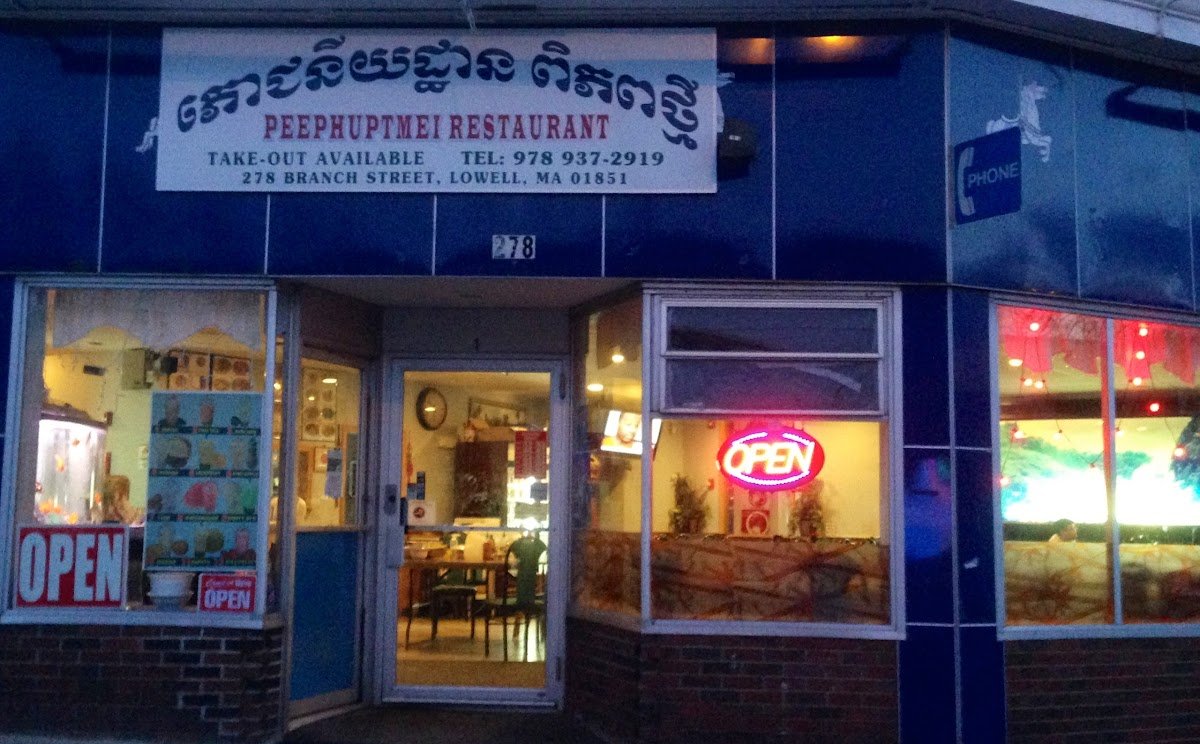
1981 Ramen Bar positions itself as a deliberate, historically minded addition to Merrimack Street’s long-standing pan-Asian dining corridor. The name signals a specific era and the copy frames the operation as part of a neighborhood tradition rather than a fleeting trend. That historical anchor gives the place a quietly rooted temperament: it reads as earnest and neighborhood-focused rather than flashy. Readers should expect a bar-forward, approachable spot that leans on ramen fundamentals and local context, fitting naturally into a stretch of Vietnamese pho houses, Chinese banquet rooms, and Cambodian family kitchens.
Best For
This ramen bar is best for locals and visitors who appreciate noodle culture and straightforward, bowl-driven dining. The piece emphasizes a knowledgeable local audience and the long-running culinary traditions of Merrimack Street, so the venue suits diners who want a focused, food-first experience—whether they come solo to concentrate on broth and noodles or in small groups sharing small plates and drinks. It skews casual and neighborhood-oriented, making it an easy stop for an after-work bowl or a low-key dinner where the emphasis is on depth of flavor rather than ceremony.
Ordering Tips
When you order, prioritize the foundations the write-up highlights: broth depth and noodle specification. The article explicitly notes the contemporary ramen bar’s competition now centers on the quality of broths and the right noodle for each soup, so ask about broth concentration and noodle texture if options are offered. Also sample the small plates and drinks mentioned as part of the evolved format—those accompaniments are part of the overall assessment of a ramen bar in 2024. Keep expectations practical: this is a neighborhood, bar-style ramen operation that rewards attention to technique and balance.
Venue details
Ambiance
Industrial chic with open kitchen, quiet atmosphere, and great soundtrack per guest reviews.
Tags
Vibe
Best For
Experience
Format
Accessibility
At the Bar
- Late Night
- Closes by Midnight
Signature Pours
- lychee_martini
- lychee_bellini
Know before you go
Know Before You Go
- Getting there
- 129 Merrimack St, Lowell, MA 01852
Planning details
Location
Also consider
Also Consider
- Mandarin Asian Bistro, Notable alternative
- Blue Taleh, Notable alternative
- Hong Cuc Grand Eatery, Notable alternative
- Jade Lowell Restaurant, Notable alternative
- The Down Low, Cocktails, Detroit-style pizza, Cocktails, Detroit-style pizza
Bar context
How it compares in Lowell
Choose 1981 Ramen Bar over Mandarin Asian Bistro or Blue Taleh when the table wants a tighter, ramen-led dinner instead of a wider Asian menu. Mandarin Asian Bistro and Blue Taleh are better for groups that need range; 1981 Ramen Bar is the cleaner choice for two people who already know what they want.
Hong Cuc Grand Eatery is the stronger value-minded backup if flexibility matters more than a ramen-specific meal. Jade Lowell Restaurant is the safer pick for a broader table order or a meal where not everyone wants the same format.
The Down Low is not a like-for-like substitute: go there when cocktails and Detroit-style pizza are the point. For a Lowell dinner where food comes first and the plan is compact, 1981 Ramen Bar is easier to justify; for a longer social night, The Down Low has the clearer bar-driven brief.
Explore Lowell
Around this place
Discover more on Pearl
Unlock the full 1981 Ramen Bar guide in Pearl, including awards, comparisons, FAQs, planning details, and nearby places.
Compare 1981 Ramen Bar
| Venue | Location | Cuisine | Awards |
|---|---|---|---|
| 1981 Ramen Bar | Lowell | , | No published awards |
| Mandarin Asian Bistro | Lowell | , | No published awards |
| Blue Taleh | Lowell | , | No published awards |
| Hong Cuc Grand Eatery | Lowell | , | No published awards |
| Jade Lowell Restaurant | Lowell | , | No published awards |
| The Down Low | Woburn | Cocktails, Detroit-style pizza | No published awards |
How 1981 Ramen Bar Lowell compares with similar nearby venues.
FAQ
Frequently Asked Questions
Is 1981 Ramen Bar open late?
No, this is not a late-night spot. The hours in Lowell run Tuesday to Saturday from 5:00 PM to 8:45 PM, with Monday and Sunday closed.
What's the crowd like at 1981 Ramen Bar?
The confirmed information is that it is a casual Lowell venue open Tuesday through Saturday from 5:00 PM to 8:45 PM.
Is 1981 Ramen Bar good for a date?
It may work for a casual Lowell evening date if the hours fit your plan. Check directly if ambience, seating, reservations, or service style matter.