Grupo Desportivo da Mouraria / Palácio dos Távora
Estefania, Lisbon
Bar in Lisbon, Portugal
 Book with Pearl
Why go
A flexible Mouraria fallback rather than a destination booking. Grupo Desportivo da Mouraria / Palácio dos Távora is worth considering when you want an informal Lisbon stop with low planning pressure, but choose a more defined peer if you need a known menu, view, or special-occasion setup.
About Grupo Desportivo da Mouraria / Palácio dos Távora
7-day opening is the practical reason to keep Grupo Desportivo da Mouraria / Palácio dos Távora on a Lisbon fallback list. With daily hours from 3–10:30 PM and a casual dress code, it is easier to place in a flexible afternoon or evening plan than to define as a destination built around a specific cuisine, chef, price point, or service style.
The recommendation is narrow but useful. Consider it if the plan is informal and easy to fit around the rest of a Lisbon day. Skip it if the decision hinges on a known cuisine, a published drinks program, a clearly priced meal, or a special-occasion format; those details are not specified.
Use it as a flexible Lisbon option, not the main event
For planning purposes, the value here is situational. It supports a casual stop with daily afternoon-to-evening hours, but it does not specify menu, pricing, atmosphere, booking process, or group capacity. That makes it better for a low-commitment plan than for a meal where everyone expects a defined format.
If you are comparing other options, ROOFTOP - TOPO MARTIM MONIZ is another venue to consider. Grupo Desportivo da Mouraria / Palácio dos Távora makes the most sense when the priority is a casual Lisbon stop with known daily hours rather than a venue chosen for a specific specialty.
Who should choose this over another Lisbon stop
Choose this for an easygoing plan that can tolerate limited detail around food and drinks. It is less suited to diners who need a clearly documented reason to choose it over Restaurant - Cervejaria Ramiro, Casa Independente, Botequim, A Cabreira, or another option. If the evening needs a reliable centerpiece, compare alternatives before committing.
For broader planning, use Our full Lisbon restaurants guide for meal-led decisions and Our full Lisbon bars guide if the night is more about drinks. If you are building a wider itinerary, Our full Lisbon hotels guide, Our full Lisbon wineries guide, and Our full Lisbon experiences guide are better starting points than forcing this venue to carry the whole plan.
Planning details
- Location
- Tv. da Nazaré 21, 1100-012 Lisboa, Portugal
- Phone
- +351 21 801 3077
The take
The Take
The Vibe
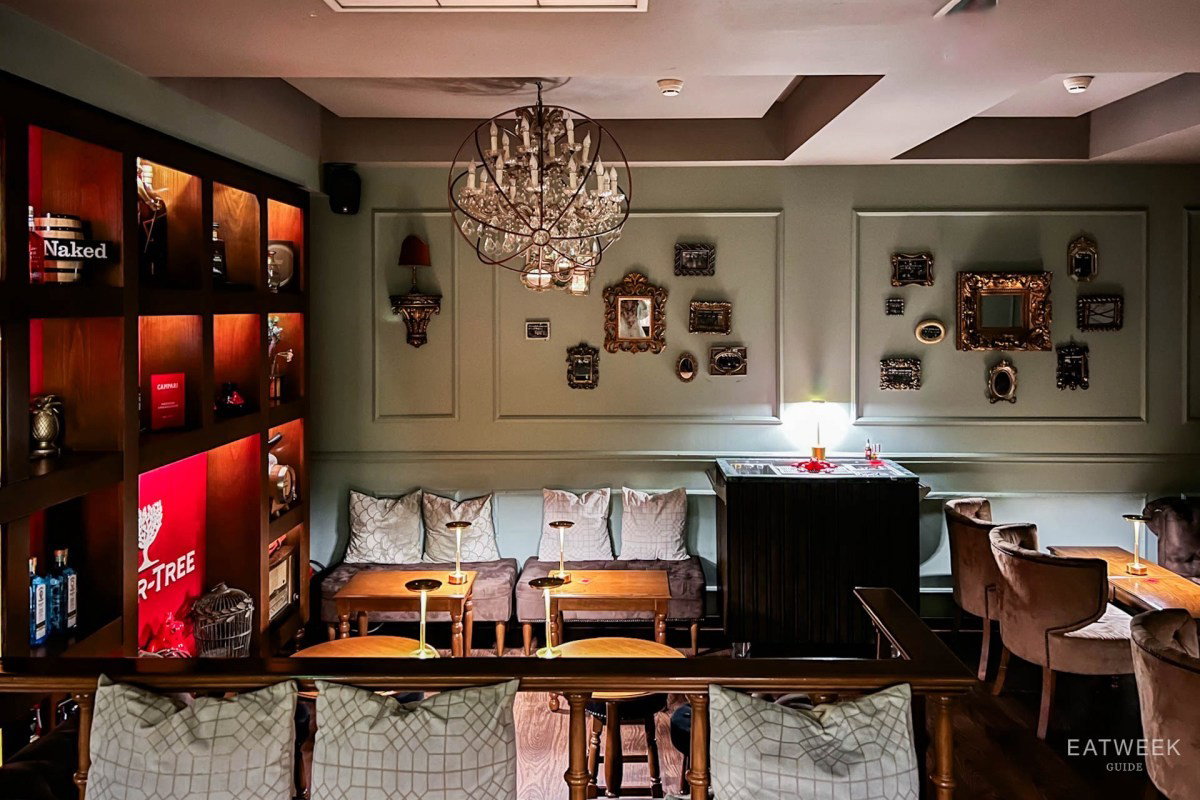
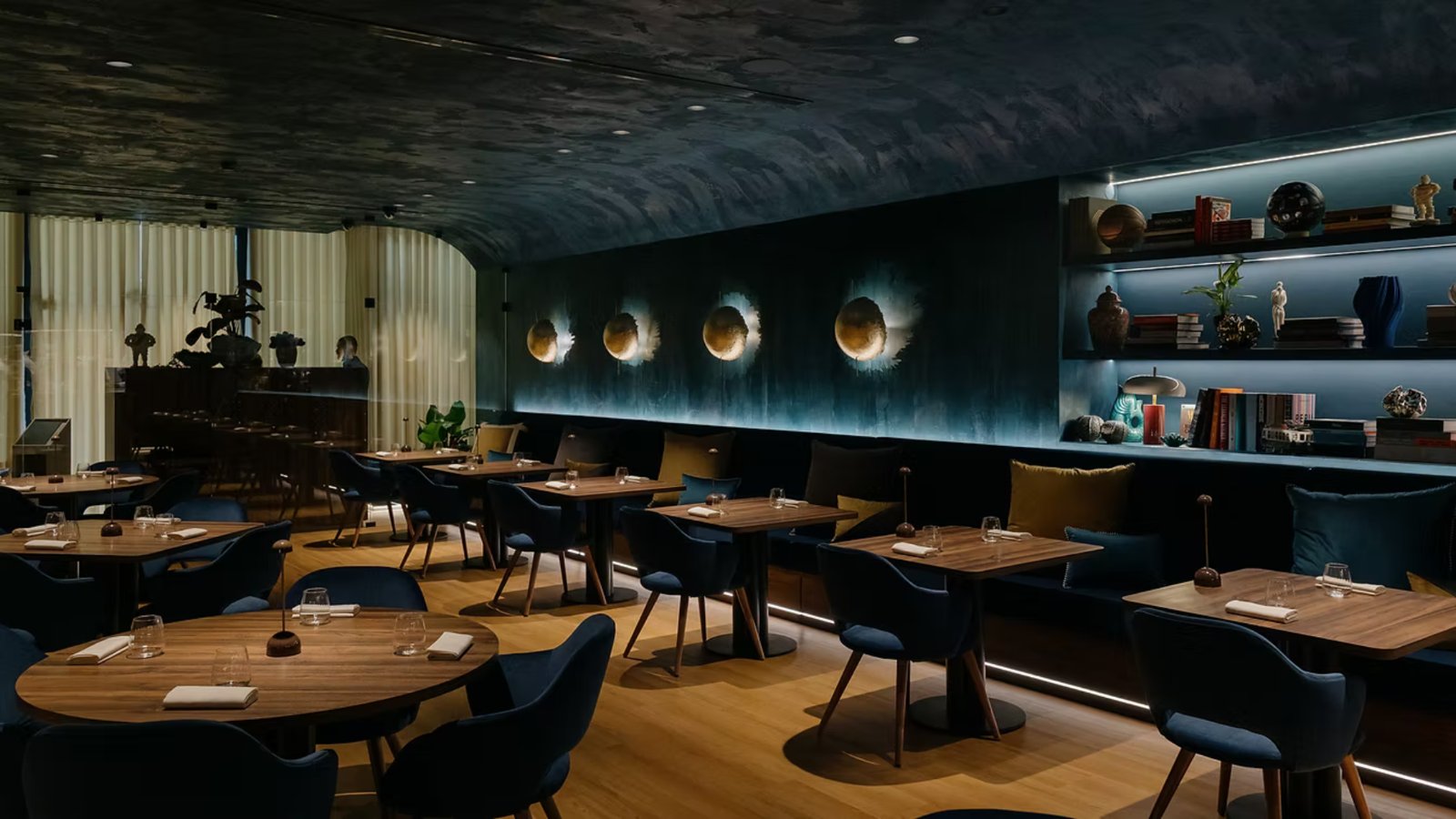
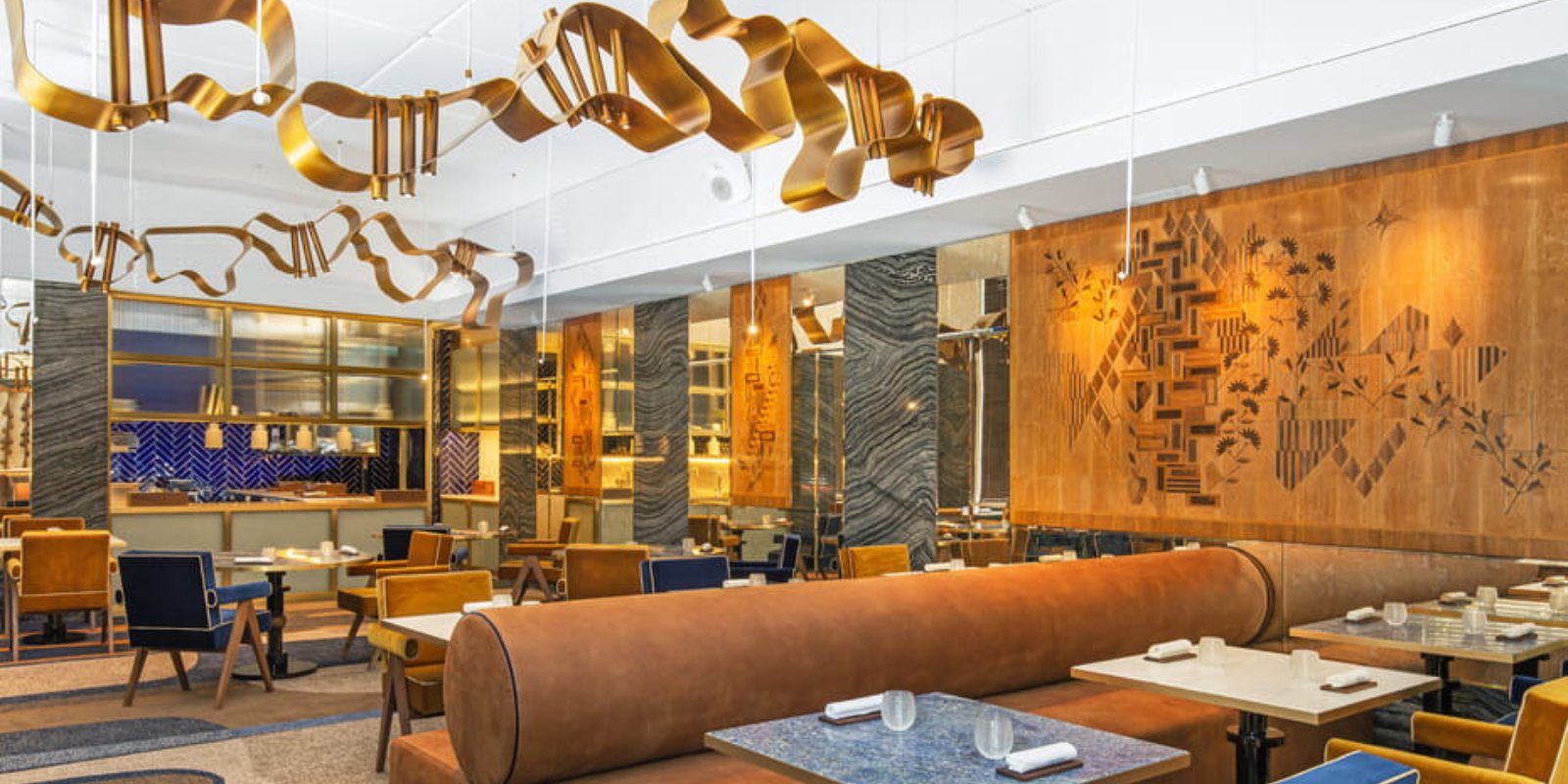
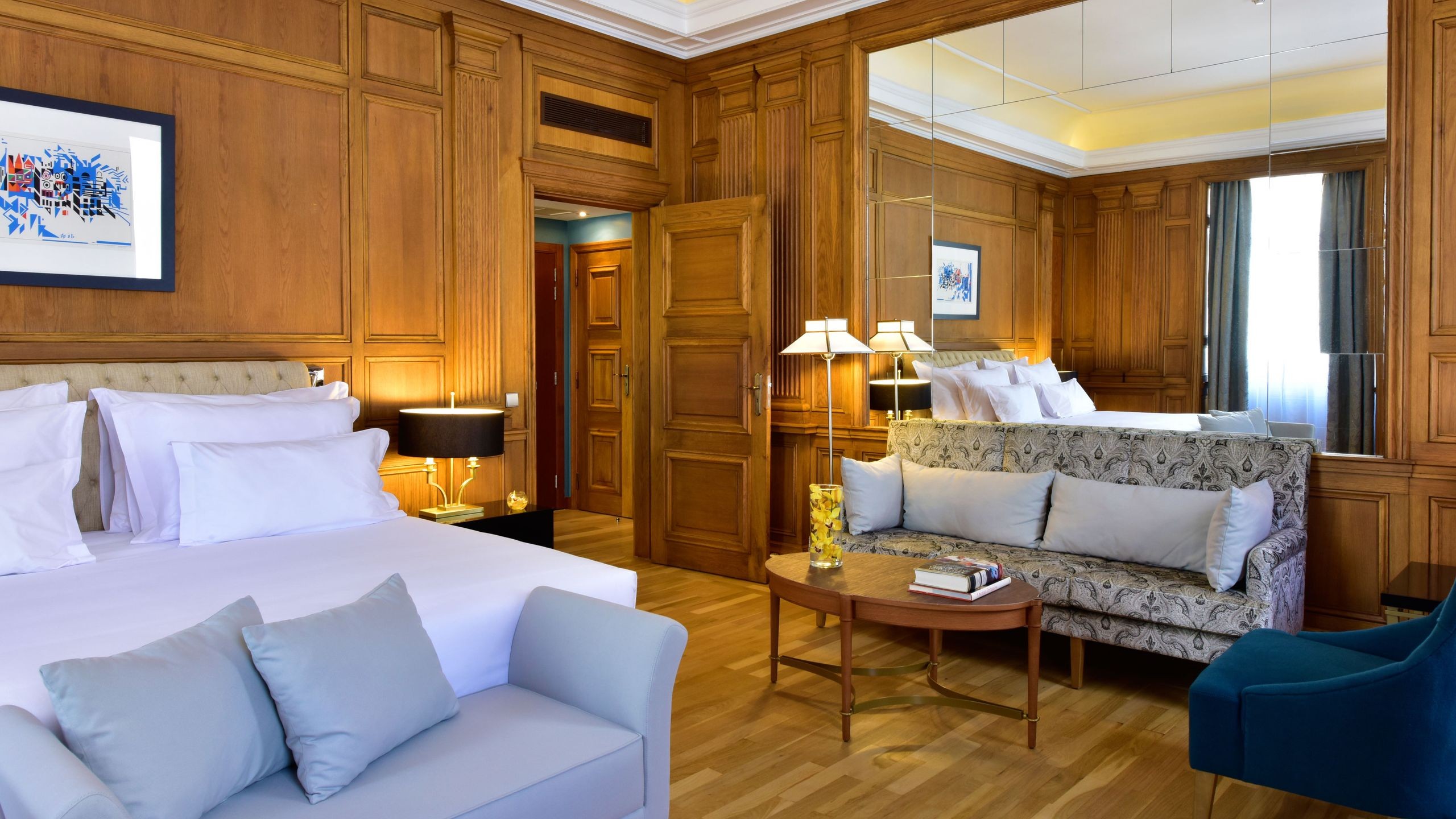
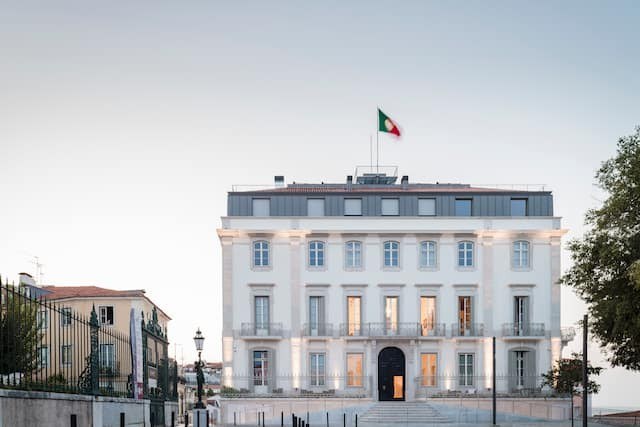
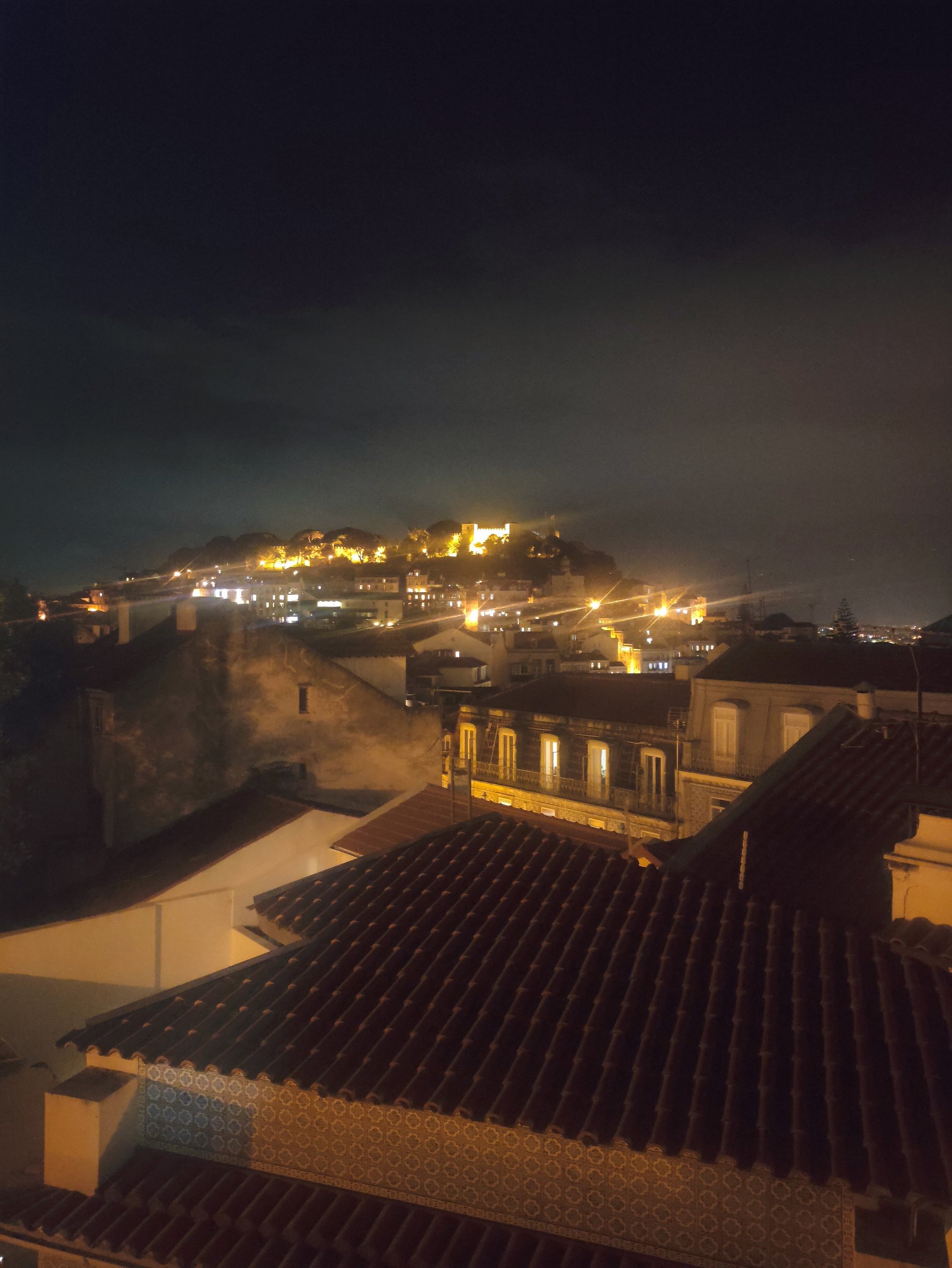
This bar is embedded in Mouraria’s winding, pre-modern street pattern and sits within the structures of the Palácio dos Távora, so atmosphere arrives as part of the architecture and the neighbourhood. Rather than feeling like a staged heritage attraction, the place reads as a working community hub where aristocratic shells meet everyday life: football commentary floats from open windows, cafés close for the afternoon, and the local cadence shapes the room. The result is quietly magnetic — a lived-in, unpolished spot where history is present but not performative, and where local rhythms define the mood.
Best For
This venue works best for casual, communal visits — locals dropping by to watch a game, groups from the community club gathering after activities, and visitors who want an authentic slice of Mouraria life. It’s not pitched as a formal dining destination; instead it suits informal meetups, group outings and anyone curious about the neighbourhood’s fabric. Because the site bridges a historic palatial setting and community use, it’s particularly rewarding for people who appreciate places that feel used and lived in rather than staged for tourists.
Ordering Tips
There are no menu specifics in the description, so practical tips focus on timing and context: come with the neighbourhood’s rhythms in mind — afternoons and evenings may carry the local noise of football and daily life — and be prepared for informal, community-oriented service. Treat the visit as part of Mouraria’s social fabric: mingle with locals, listen for match-day commentary, and accept that the experience is as much about place and people as about a curated bar program. Expect authenticity over tourist polish and let the setting guide your visit.
Venue details
Ambiance
Historic interiors with 18th-century azulejo tiles and atmospheric fado performance halls.
Tags
Vibe
Best For
Experience
Format
View
At the Bar
- Bar Category
- Lounge
- Late Night
- Closes by Midnight
- Music
- Fado
- Live Music
- Yes
Know before you go
Know Before You Go
- Getting there
- Tv. da Nazaré 21, 1100-012 Lisboa, Portugal
Planning details
Location
Tv. da Nazaré 21, 1100-012 Lisboa, Portugal · Directions
Also consider
If you cannot make this work
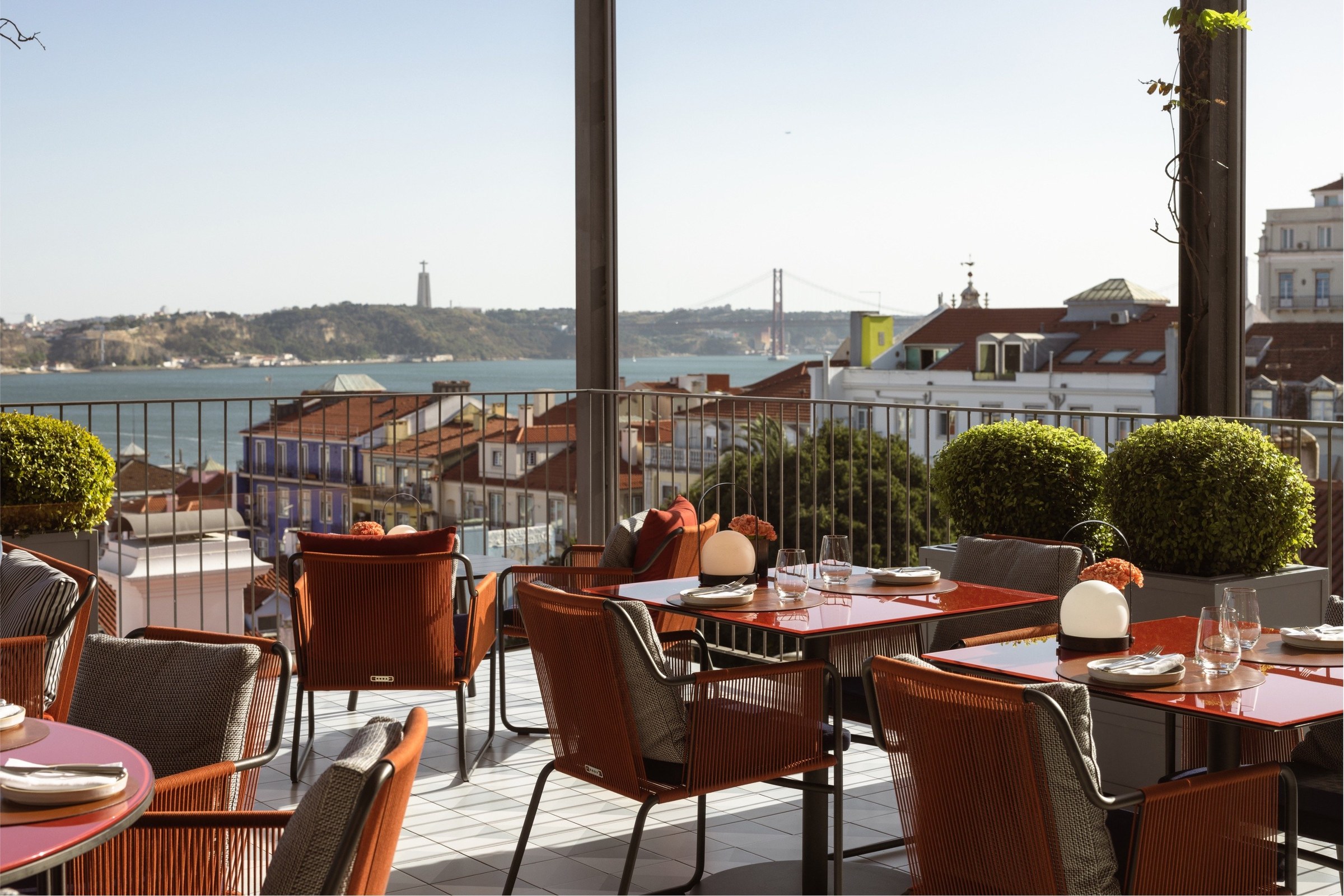
Choose ROOFTOP - TOPO MARTIM MONIZ if the plan needs outdoor space or a stronger sense of occasion. Choose Casa Independente if the group wants a clearer bar-led evening with less uncertainty around the vibe.
Bar context
How it compares in Lisbon
Grupo Desportivo da Mouraria / Palácio dos Távora is the low-commitment choice in this set: easier to fit into a Mouraria plan, but less defined than the peers. Restaurant - Cervejaria Ramiro is the better pick when seafood is the point of the meal and you are willing to deal with a more destination-style stop.
For atmosphere, ROOFTOP - TOPO MARTIM MONIZ is the clearer option if the brief includes open air and views. Casa Independente is stronger for a social bar-style evening with a more recognizable hangout identity, while Grupo Desportivo da Mouraria / Palácio dos Távora is better when staying embedded in Mouraria matters more than a polished setup.
A Cabreira and Botequim are the names to cross-shop if you want a more conventional Lisbon bar or restaurant decision. Pick Grupo Desportivo da Mouraria / Palácio dos Távora for flexibility; pick the peers when the group needs a clearer promise before leaving the hotel.
Around this place
Discover more on Pearl
Unlock the full Grupo Desportivo da Mouraria / Palácio dos Távora guide in Pearl, including awards, comparisons, FAQs, planning details, and nearby places.
Compare Grupo Desportivo da Mouraria / Palácio dos Távora
| Venue | Location | Awards |
|---|---|---|
| Grupo Desportivo da Mouraria / Palácio dos Távora | Lisbon | No published awards |
| Restaurant - Cervejaria Ramiro | Lisbon | No published awards |
| ROOFTOP - TOPO MARTIM MONIZ | Lisbon | No published awards |
| Casa Independente | Lisbon | No published awards |
| A Cabreira | Lisbon | No published awards |
| Botequim | Lisbon | No published awards |
How Grupo Desportivo da Mouraria / Palácio dos Távora compares with similar nearby venues.
FAQ
Frequently Asked Questions
Do I need a reservation at Grupo Desportivo da Mouraria / Palácio dos Távora?
A booking process is not specified. If you are planning around it, use the daily hours of 3–10:30 PM and treat the rest as uncertain. For comparison, Casa Independente is another option to check while planning.
What's the crowd like at Grupo Desportivo da Mouraria / Palácio dos Távora?
A specific crowd or scene is not established. What can be said is that the dress code is casual and the venue is in Lisbon. If the social setting is central to the plan, compare it with another option such as ROOFTOP - TOPO MARTIM MONIZ before deciding.
Is the food good at Grupo Desportivo da Mouraria / Palácio dos Távora?
There is not enough information to make a specific food recommendation. No cuisine type, chef, price range, or signature dish is specified, so treat it as a casual Lisbon option rather than a documented destination meal. Restaurant - Cervejaria Ramiro is another venue to consider if you are comparing food-led choices.
Is Grupo Desportivo da Mouraria / Palácio dos Távora open late?
It is open daily from 3–10:30 PM. That makes it usable for an afternoon or evening plan, but it should not be described as a late-night venue beyond those hours. Casa Independente is another option to compare if timing is the main concern.
Is Grupo Desportivo da Mouraria / Palácio dos Távora good for a date?
It may work for a casual date if the plan does not depend on a specific cuisine, price range, or polished dining format. The dress code is casual and the hours are daily from 3–10:30 PM. Botequim is another option to consider while comparing plans.
Is Grupo Desportivo da Mouraria / Palácio dos Távora good for groups?
Group capacity, seating, or reservation policy is not specified. It can be considered for a casual Lisbon plan because it is open daily from 3–10:30 PM, but larger groups should confirm practical details before relying on it. ROOFTOP - TOPO MARTIM MONIZ is another venue to compare.