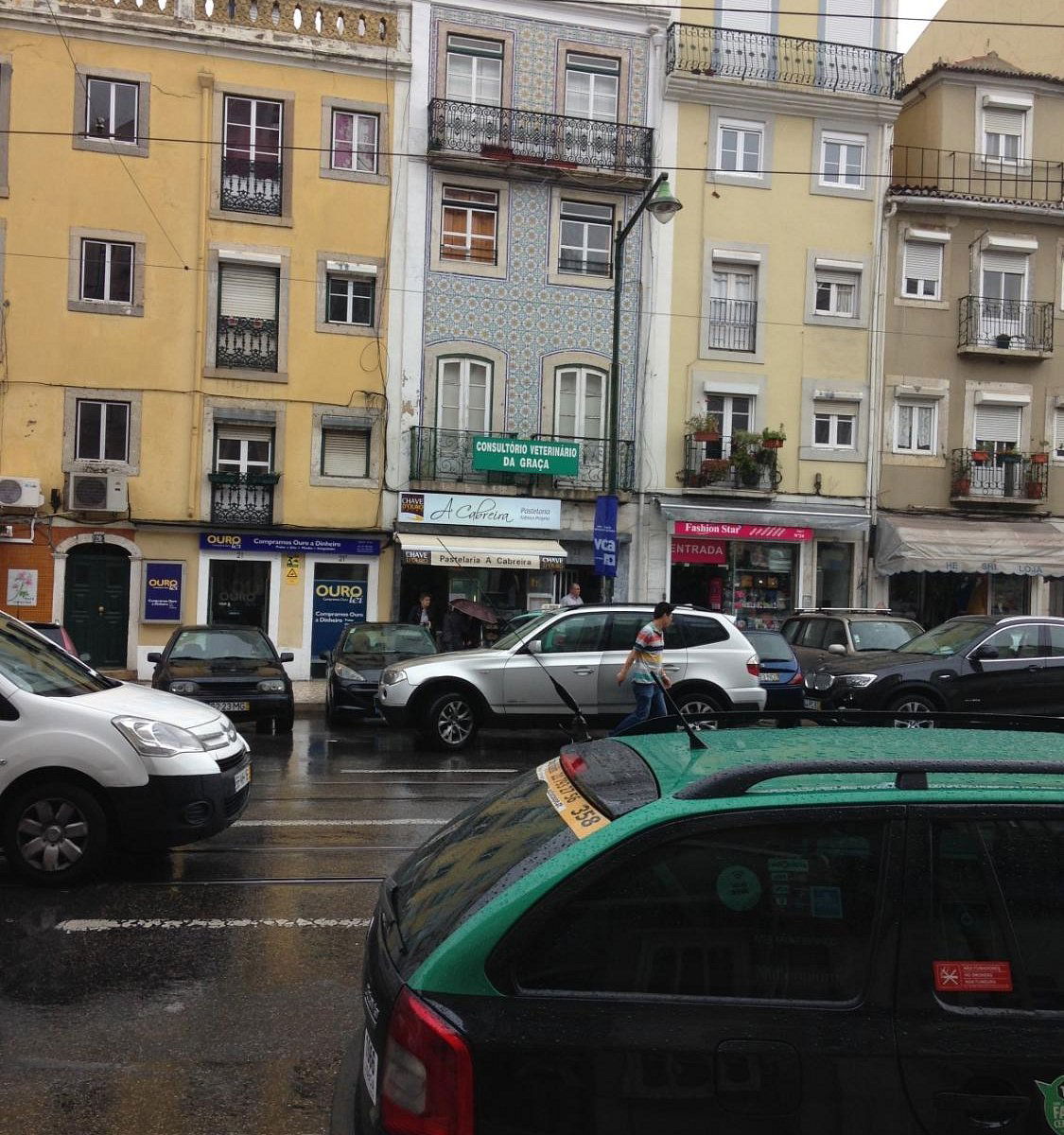
A Cabreira
Mouraria, Lisbon
Bar in Lisbon, Portugal
 Book with Pearl
Why go
A Cabreira is a practical Graça stop, not a destination wine bar. Go for an easy neighborhood pause when the address fits your route; choose a more drinks-focused venue if the night depends on a serious by-the-glass program, late hours, or a planned-out bar experience.
About A Cabreira
A Cabreira is a casual venue in Lisbon with a direct planning profile: it opens at 7 AM and closes at 9:15 PM from Monday through Saturday, and it is closed on Sunday. It is best approached as a simple Lisbon option rather than as a destination built around a specific cuisine, drinks program, tasting format, or special-occasion setup.
The case for going is practicality. The dress code is casual, and the hours make it easier to consider during the day or early evening than as a late-night stop. Details about menu style, prices, reservations, seating, outdoor space, or beverage focus should be checked directly with the venue before making firm plans.
Use it as a practical Lisbon stop, not a specialist destination
A Cabreira does not feature a by-the-glass program, producer list, cellar focus, or sommelier-led angle, so it should not be treated as a dedicated wine destination.
That does not make it a skip. It simply makes the decision narrower. Go when the hours, casual dress code, and Lisbon location fit the day. If the plan requires a more defined format, compare A Cabreira with other Lisbon options such as Botequim, Casa Independente, Grupo Desportivo da Mouraria / Palácio dos Távora, Restaurant - Cervejaria Ramiro, or Tasca Pete, and confirm current details before going.
Plan around daytime and early evening
The smart timing is earlier in the day or early evening, since A Cabreira closes at 9:15 PM Monday through Saturday and does not open on Sunday. It is not the place to rely on for a late finish, and it is not suitable as an anchor reservation.
For a fuller Lisbon plan, use A Cabreira as one small decision within the day rather than as the defining stop. Key details include its Lisbon location, casual dress code, Monday-to-Saturday hours from 7 AM to 9:15 PM, and Sunday closure. For anything beyond that, including menu, pricing, seating, reservations, and services, check the venue directly.
Planning details
- Location
- Largo da Graça 22, 1170-165 Lisboa, Portugal
- Website
- acabreira.eatbu.com
- Phone
- +351 21 886 1989
The take
The Take
The Vibe
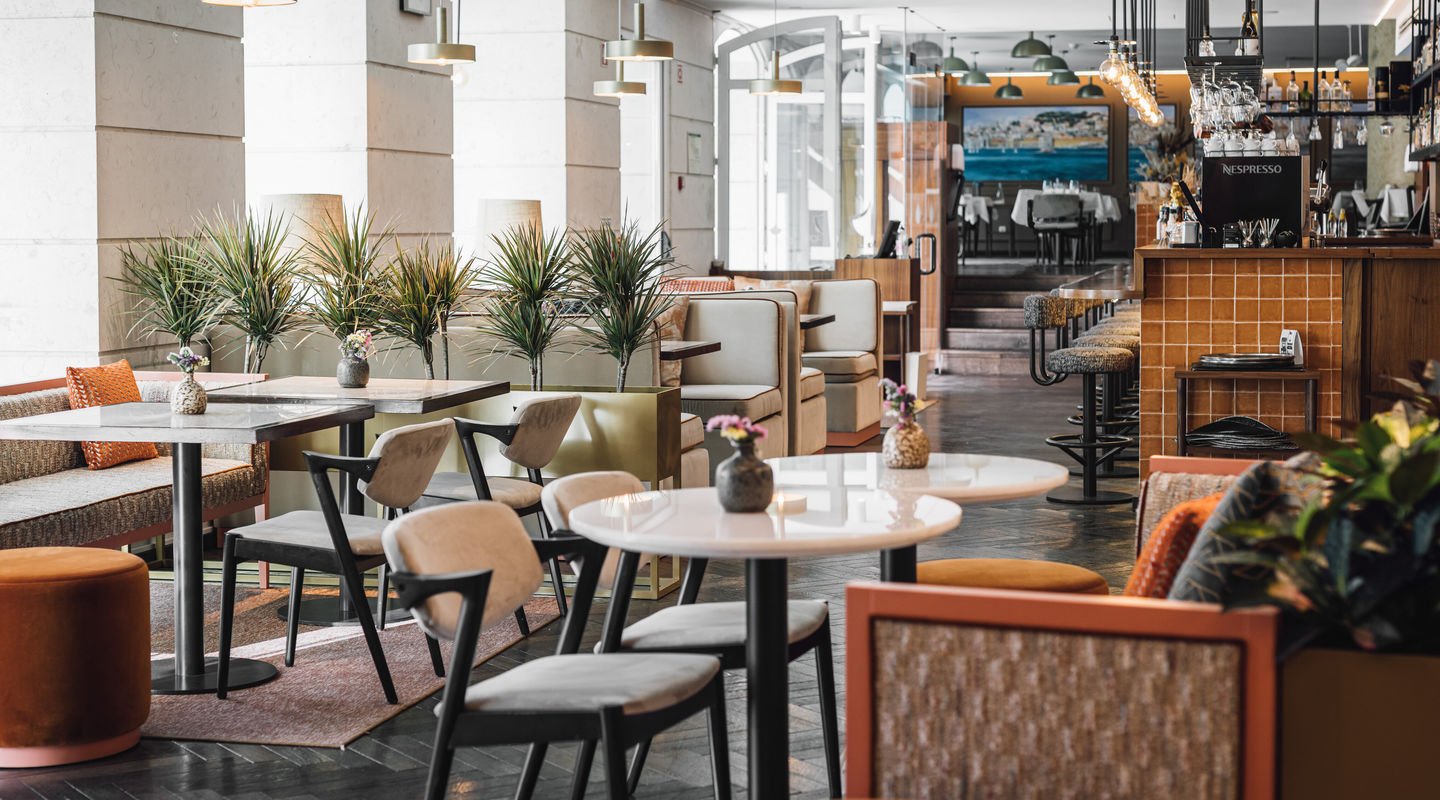
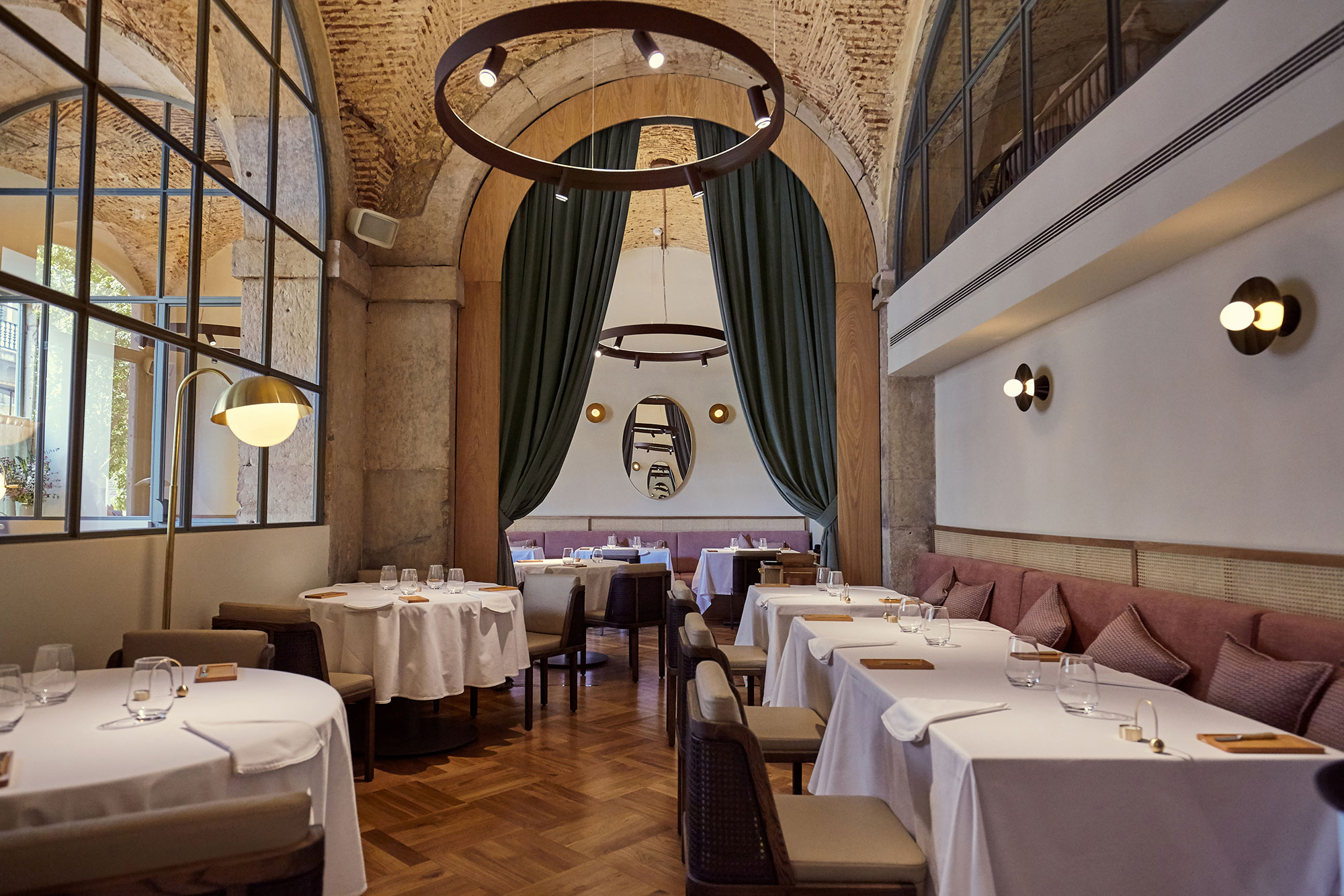
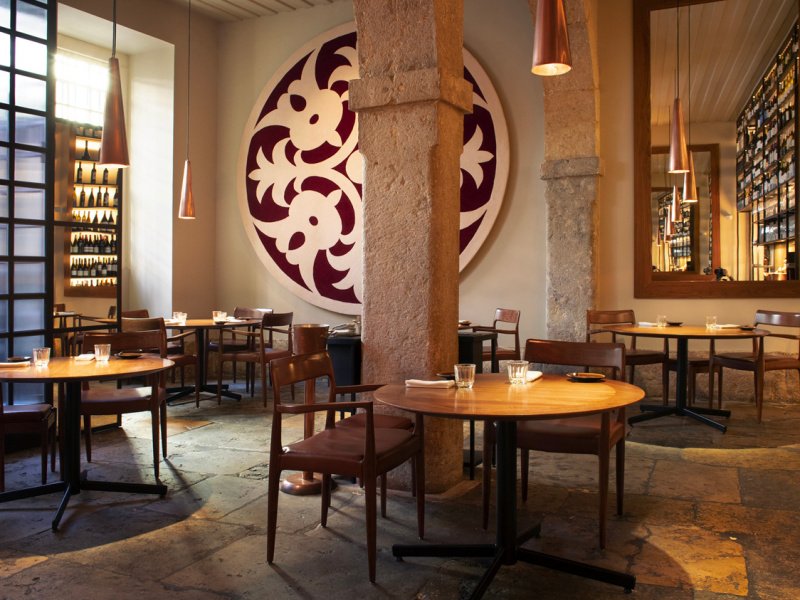
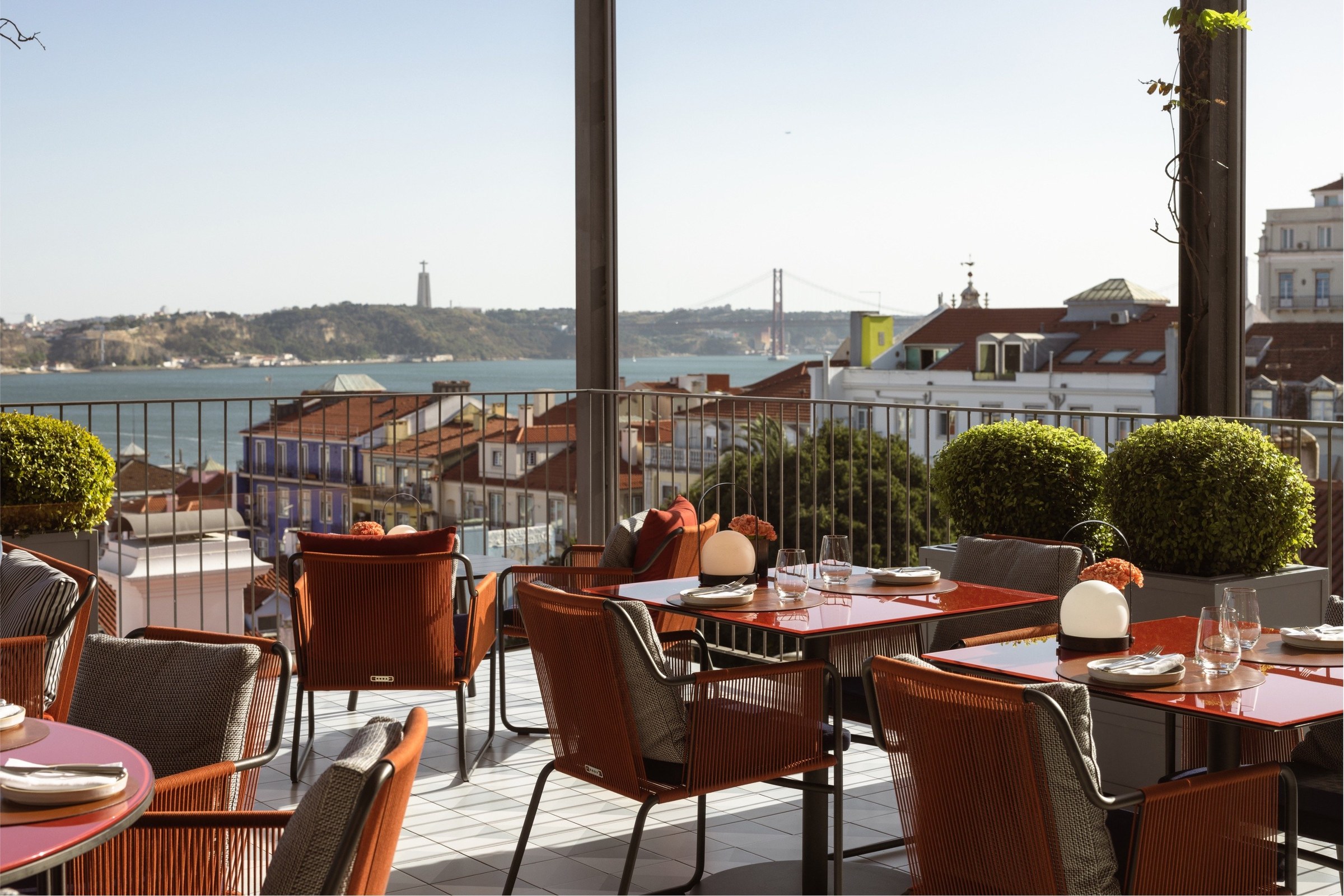
A Cabreira sits quietly at a small Graça square and reads like a neighbourhood bar that has aged gracefully rather than been refashioned for tourists. You arrive via steep, narrow streets and tiled facades; the Tagus appears in the distance from the miradouro benches, giving the room a scenic backdrop. The bar belongs to a continuum of working-class tascas and corner counters — afternoon light cutting across zinc surfaces, unlabelled bottles and single-quinta wines on the shelf. The overall feel is relaxed and unpretentious, a charming, historic spot that still serves locals first.
Best For
This is a spot for people who prize authenticity over spectacle. Locals, neighbourhood regulars and visitors who seek an off-the-beaten-path bar in Graça find it rewarding: daytime light, a modest square and the sightline to the Tagus set a low-key pace. The bar’s profile — rooted in simple, direct eating and drinking and an emphasis on Portuguese regional wines — makes it ideal for casual hangouts, solitary glasses after a walk through the bairro or quiet afternoons where the focus is on product and place rather than performance.
Ordering Tips
Lean into what the description highlights: order Portuguese wines and ask about small producers or single-quinta bottlings rather than looking for international labels. The bar’s lineage in old-style tascas suggests straightforward, local drinking — let the staff direct you toward regional varieties (Vinho Verde, Douro, Azores) and keep things simple. If available, take a spot at the counter to watch light fall across the zinc and to tap into the bar’s neighbourhood rhythm.
Venue details
Ambiance
Calm and welcoming with friendly service.
Tags
Vibe
Best For
At the Bar
- Late Night
- Closes by Midnight
Know before you go
Know Before You Go
- Getting there
- Largo da Graça 22, 1170-165 Lisboa, Portugal
Planning details
Location
Also consider
Also Consider
- Botequim, Notable alternative
- Grupo Desportivo da Mouraria / Palácio dos Távora, Notable alternative
- Tasca Pete, Notable alternative
- Casa Independente, Notable alternative
- Restaurant - Cervejaria Ramiro, Notable alternative
Bar context
How It Compares
A Cabreira is the easy Graça choice when convenience matters more than a produced night out. Botequim is the more natural cross-shop if the brief is a Lisbon bar with more of a deliberate evening feel, while A Cabreira works better as a low-commitment stop before or after time in the neighborhood.
For atmosphere, Casa Independente and Grupo Desportivo da Mouraria / Palácio dos Távora are stronger picks when the room and crowd are part of the reason to go. Choose them for a more social plan; choose A Cabreira when easy access and a simple stop are the priority.
If food is the anchor, Restaurant - Cervejaria Ramiro is the clearer meal-led move, with more planning pressure. Tasca Pete is the better comparison for a casual, value-minded outing. A Cabreira sits in the lighter-use lane: easiest to fold into a Graça route, less compelling as the main booking of the night.
Around this place
Discover more on Pearl
Unlock the full A Cabreira guide in Pearl, including awards, comparisons, FAQs, planning details, and nearby places.
Compare A Cabreira
| Venue | Location | Awards |
|---|---|---|
| A Cabreira | Lisbon | No published awards |
| Botequim | Lisbon | No published awards |
| Grupo Desportivo da Mouraria / Palácio dos Távora | Lisbon | No published awards |
| Tasca Pete | Lisbon | No published awards |
| Casa Independente | Lisbon | No published awards |
| Restaurant - Cervejaria Ramiro | Lisbon | No published awards |
How A Cabreira Lisbon compares with similar nearby venues.
FAQ
Frequently Asked Questions
What's the best time to go to A Cabreira?
Go earlier in the day or in the early evening, since A Cabreira runs from 7 AM to 9:15 PM Monday through Saturday and closes on Sunday. It works best as a casual Lisbon stop rather than a late-night plan. For other Lisbon options, you can also compare Botequim or Casa Independente and confirm current details before going.
Is A Cabreira good for groups?
Details about private rooms, large-party setup, or seating capacity are not available. Treat A Cabreira as a casual Lisbon option and check directly with the venue if you are planning for a group. Restaurant - Cervejaria Ramiro is another Lisbon venue to consider when comparing plans.
Is A Cabreira open late?
No, not by late-night standards. A Cabreira closes at 9:15 PM from Monday to Saturday and is closed on Sunday. That makes it a poor pick for a post-midnight plan. If you need a different social stop, compare it with Casa Independente; for an earlier casual stop, A Cabreira is simpler to plan around.
What's the crowd like at A Cabreira?
A crowd description for A Cabreira is not available. Key details include its Lisbon location, casual dress code, and hours from 7 AM to 9:15 PM Monday through Saturday, with Sunday closed. Compared with Tasca Pete, it is best evaluated by checking the latest information directly rather than relying on assumptions about atmosphere.
Does A Cabreira have outdoor seating?
Outdoor-seating details for A Cabreira are not available, so do not plan on it as a deciding factor. If terrace space matters, check directly with the venue before going. Botequim is another Lisbon option to compare while planning.