
Bar in Lima, Peru
Isolina
100Pearl PointsBarranco Meal Pick
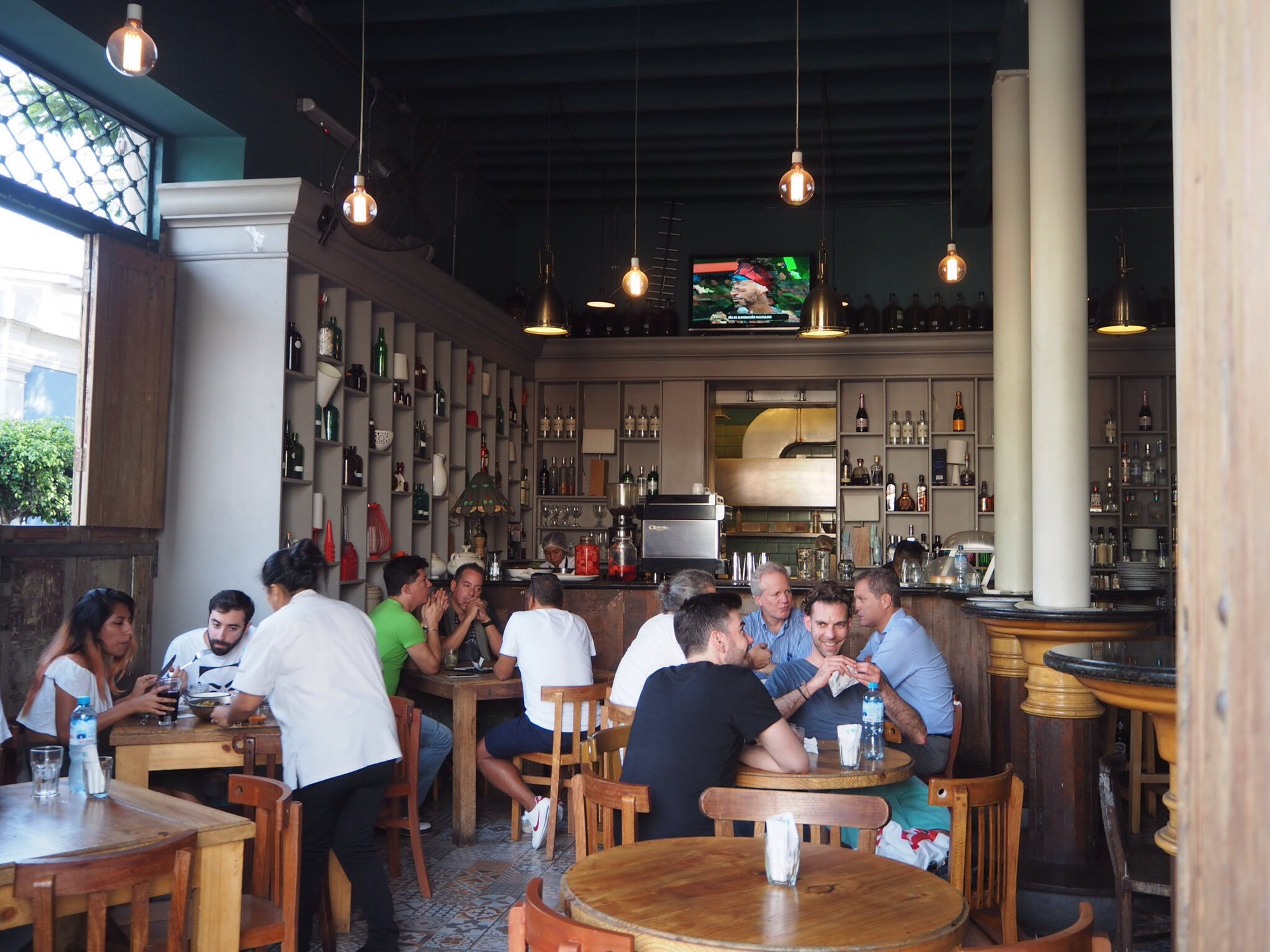
About Isolina
Isolina is the practical Barranco pick when the night needs a food-led anchor before drinks elsewhere. Booking difficulty is easy, the location is useful for a later neighborhood plan, and first-timers should cross-shop Lady Bee, Belo Bar, Dédalo, The Library, and Peña Don Porfirio if cocktails or atmosphere matter more than dinner.
Isolina in Lima is best approached with the few confirmed planning details in mind: it has a casual dress code and published hours that cover every day of the week. It can work as a practical stop when you want a direct Lima plan, but specific claims about menu, prices, booking difficulty, address, or service style should be checked directly with the venue.
The verified schedule is useful for planning: Monday through Wednesday run from 12–10 PM; Thursday and Friday from 12–11 PM; Saturday from 9–11 AM and 12–11 PM; and Sunday from 9–11 AM and 12–10 PM. Beyond those hours and the casual dress code, keep expectations flexible unless you confirm current details with Isolina.
Better as a simple Lima dining plan than an assumption-heavy occasion
The strongest grounded use case is a casual visit planned around the confirmed opening hours. First-timers should not rely on unverified claims about format, dishes, prices, reservations, or the kind of crowd it draws. If you are comparing it with other named options, Lady Bee and Belo Bar can be useful references to research separately.
Because booking information is not verified here, it is safest to confirm directly before making firm plans, especially for a group or a peak-time visit. The hours give useful flexibility across the week, but they do not confirm availability, table size, wait times, or any special service period.
Use it for Lima logistics, then cross-shop the bars
For a Lima plan, compare Isolina with Peña Don Porfirio, Barranco and Dédalo if you are weighing different possible stops. Pick Isolina when its confirmed hours and casual dress code fit your plan; consider the peers when you want to research alternatives before deciding. For another comparison point, The Library is also worth checking directly.
For wider planning, use Our full Lima restaurants guide, Our full Lima bars guide, Our full Lima hotels guide, Our full Lima wineries guide, and Our full Lima experiences guide.
Frequently Asked Questions
Is Isolina open late?
Isolina is open until 11 PM on Thursday, Friday, and Saturday, and until 10 PM on Monday, Tuesday, Wednesday, and Sunday. It also lists morning hours on Saturday and Sunday from 9–11 AM.
Is Isolina good for a date?
It can be, if a casual Lima venue with the listed hours fits your plan. Specific details about ambience, menu, price, and reservations are not verified here, so confirm directly if those factors matter for the occasion.
Is Isolina good for groups?
The confirmed hours give some planning flexibility, but group suitability, table availability, and booking details are not verified here. Check the venue's official channels before relying on it for a group plan.
What's the crowd like at Isolina?
The crowd is not verified here. The confirmed details are the Lima location, casual dress code, and weekly hours, including 12 PM openings on weekdays and split morning/midday service on Saturday and Sunday.
Is the food good at Isolina?
Specific menu details and food recommendations are not verified here. Treat Isolina as a venue to research directly, and check its official channels for current details before you go.
Does Isolina have happy hour deals?
There is no verified happy hour information here, so do not plan around deals. If you are comparing other options, Belo Bar or The Library may be useful references to research separately.
Location
Av. San Martín 101, Lima 15063, Peru
Lima, Peru
Compare Isolina
Logistics Compared
| Venue | Use it for | Booking read | Late-night fit |
|---|---|---|---|
| Isolina | Food-first Barranco start | Easy | Good early anchor before moving on |
| Peña Don Porfirio, Barranco | Barranco atmosphere | Plan ahead for groups | Better when the room matters more than dinner |
| Lady Bee | Cocktail-led night | Plan ahead at peak times | Stronger drinks-first choice |
| Dédalo | Casual Barranco cross-shop | Flexible | Better for a lighter stop |
| The Library | Quieter lounge-style evening | Plan around prime hours | Better for conversation |
| Belo Bar | Bar-forward night | Plan ahead for peak slots | Better if cocktails are the point |
Where to Go If This Does Not Fit
If the group wants cocktails more than dinner, cross-shop Lady Bee or Belo Bar. If the plan needs a quieter, more composed room, The Library is the better alternative.
If staying in Barranco matters more than the exact format, compare Peña Don Porfirio, Barranco and Dédalo before committing.
How It Compares
Choose Isolina when the evening needs a meal-first base in Barranco. Compared with Lady Bee and Belo Bar, it is the more practical dinner anchor; those two are stronger fits when the group wants a drinks-led night and less emphasis on a full meal.
Peña Don Porfirio, Barranco and Dédalo make more sense if the priority is Barranco atmosphere over a sit-down restaurant plan. Isolina is easier to justify for first-timers who want to eat before moving on, while Dédalo is the cleaner cross-shop for a lighter, browse-and-drink style evening.
The Library is the better contrast for a quieter, more lounge-like plan. If the group wants lower booking friction and a straightforward Barranco start, Isolina is the safer first stop; if conversation, cocktails, or a hotel-bar feel matter more, The Library or Belo Bar will fit the brief better.
Explore Lima
Save or rate Isolina on Pearl
Keep this venue in your Pearl passport, rate it after you visit, and track it alongside every other place you collect.