BAR Liquor Museum
Shimogyō, Kyoto
Bar in Kyoto, Japan
 Book with Pearl
The Read
Collection-Depth Spirits Curation
Why go
BAR Liquor Museum is a drink-first Kyoto option for small parties who care more about a focused liquor stop than a full restaurant-style evening. It makes sense before or after dinner; compare hotel-lounge peers if seating comfort, food, or service polish matter more.
About BAR Liquor Museum
BAR Liquor Museum is a Kyoto venue with a smart casual dress code. Beyond that, specifics such as menu, seating, prices, hours, reservation rules, and service format are best confirmed directly with the venue before going.
Choose it when a smart-casual Kyoto stop fits your plan
The practical case is simple: BAR Liquor Museum may suit a Kyoto plan when a smart-casual dress code works for your group. If you need clearer information on setting, menu, or reservation process before deciding, compare it against ALKAA, Tea Lounge & Bar Horikawa, Genji Lounge, or Le Bar FAUCHON before committing.
First-timers should keep expectations narrow: confirm current details directly, dress smart casual, and avoid assuming specifics about food, seating, or availability. For wider trip planning, use the Kyoto restaurants guide for dining options and the Kyoto hotels guide for stay-linked planning.
Planning details
- Location
- 160 Nishisakaichō, Shimogyo Ward, Kyoto, 600-8218
- Website
- osakeno-museum.com
- Phone
- +81 75-746-7864
The take
The Take
The Vibe
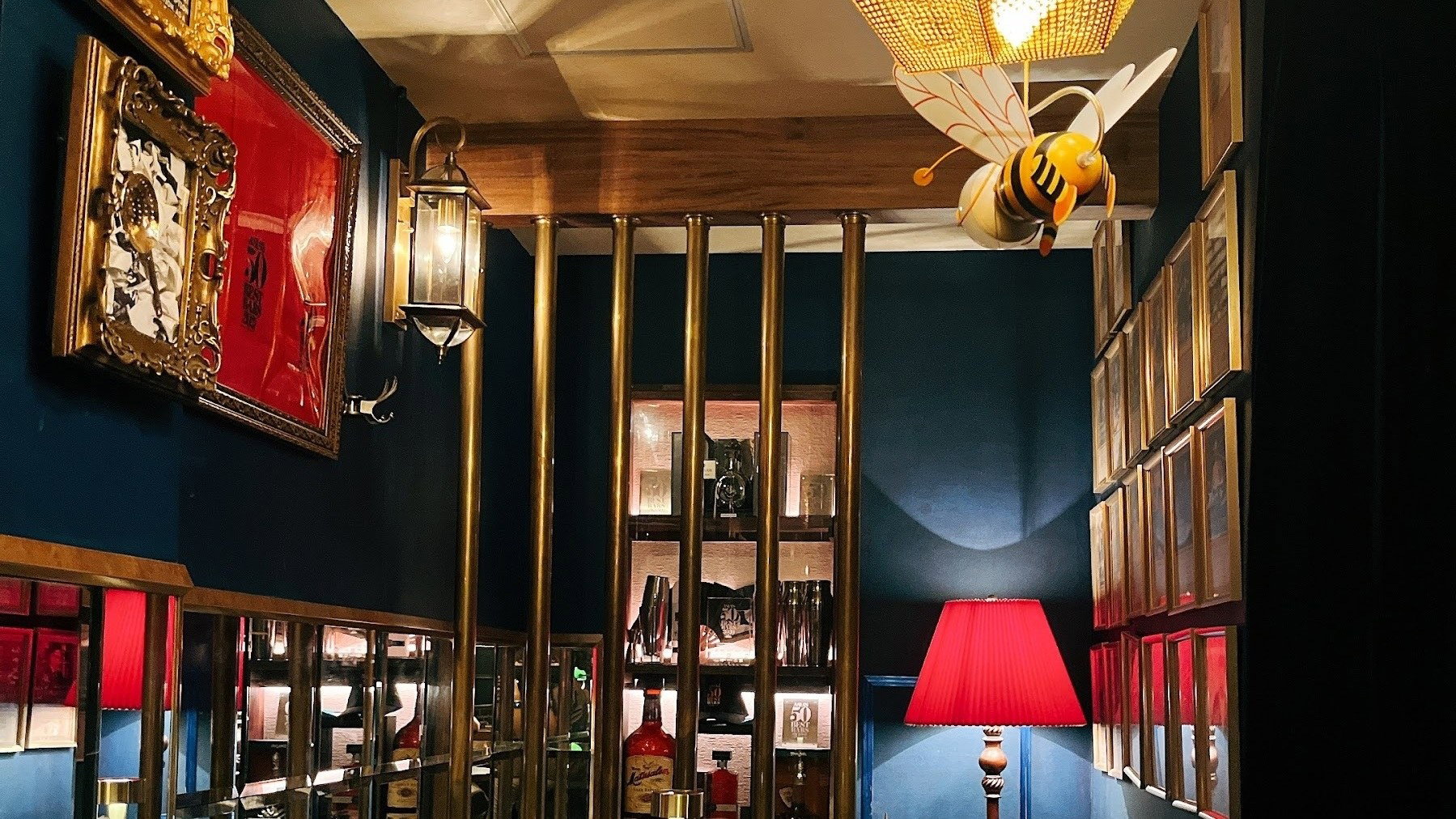
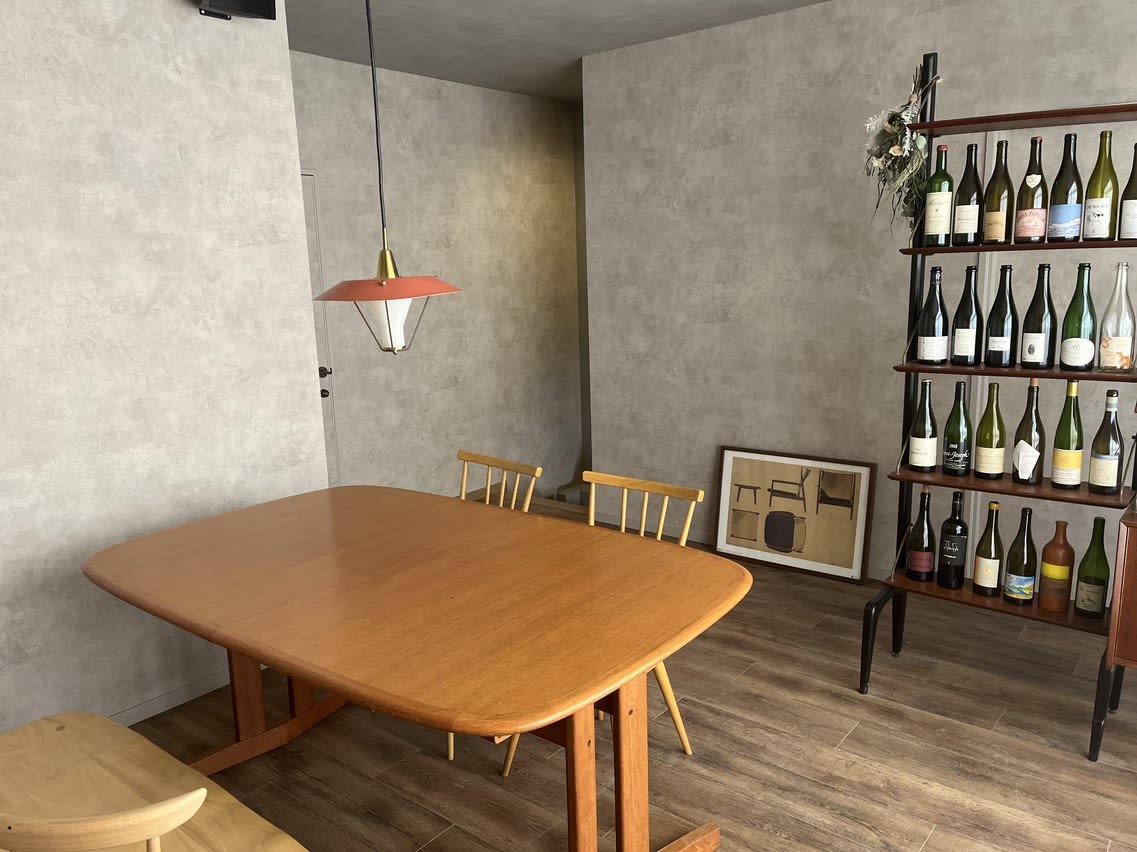
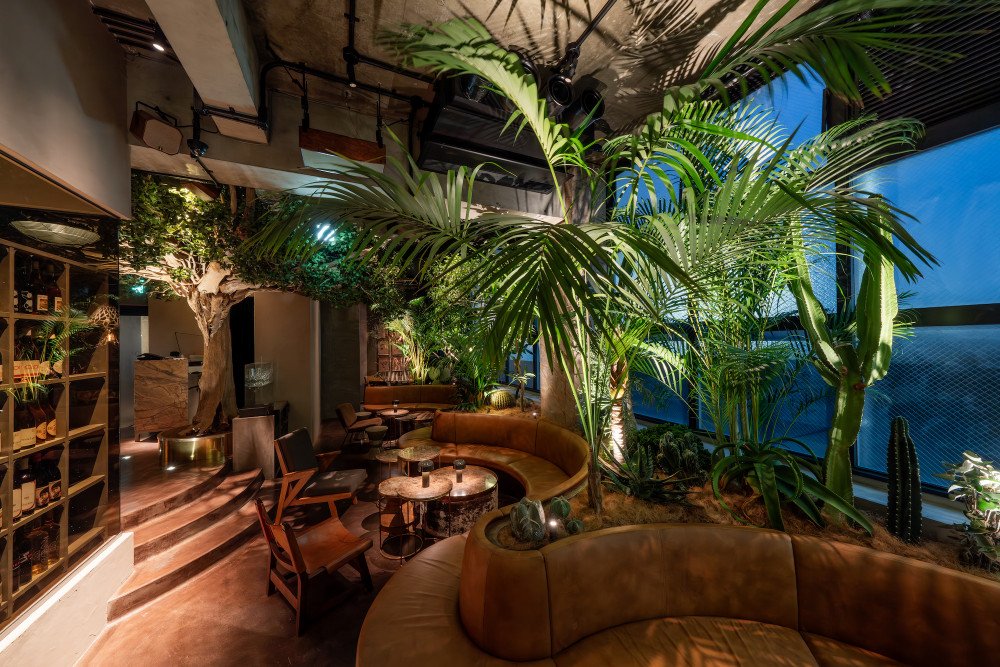
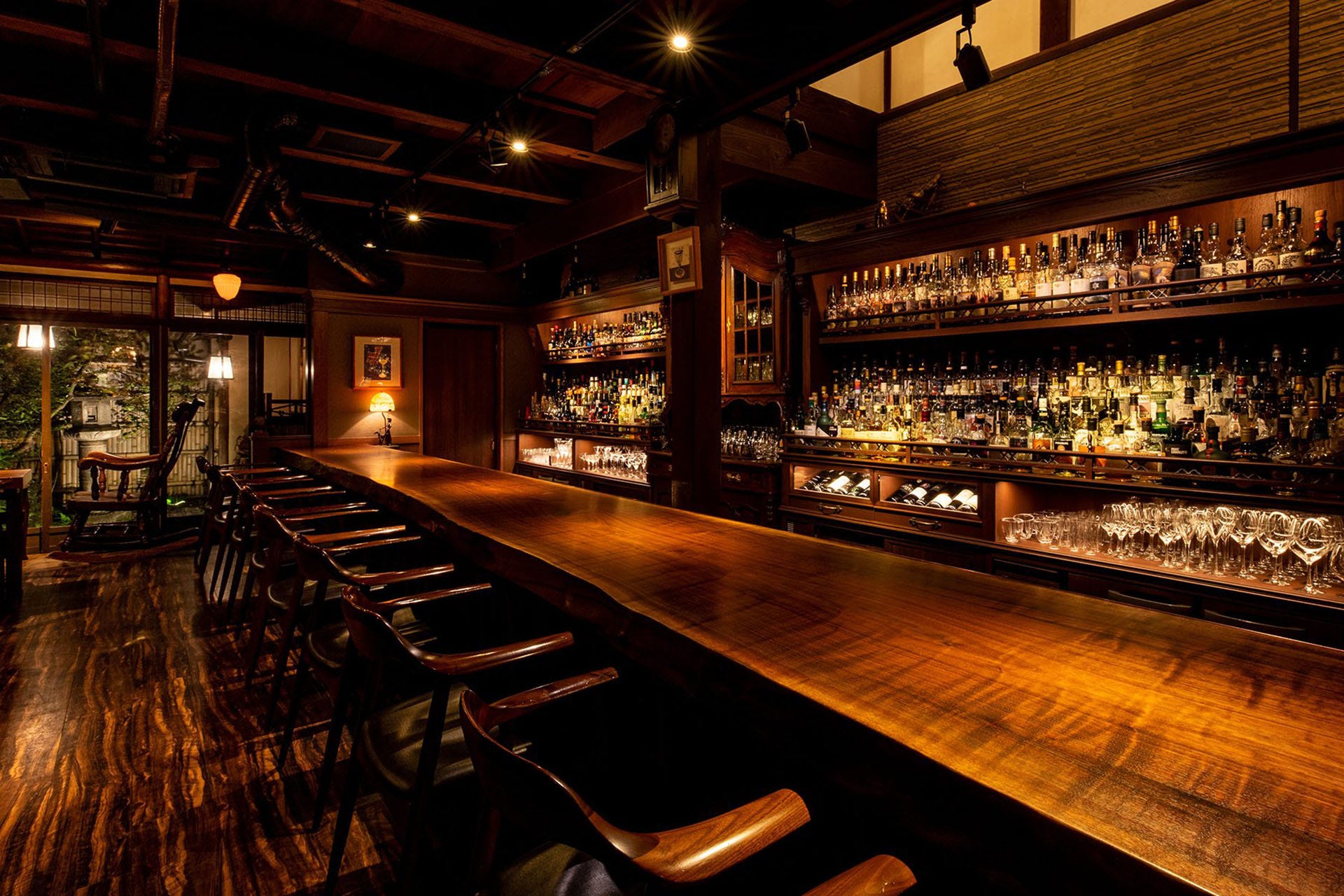
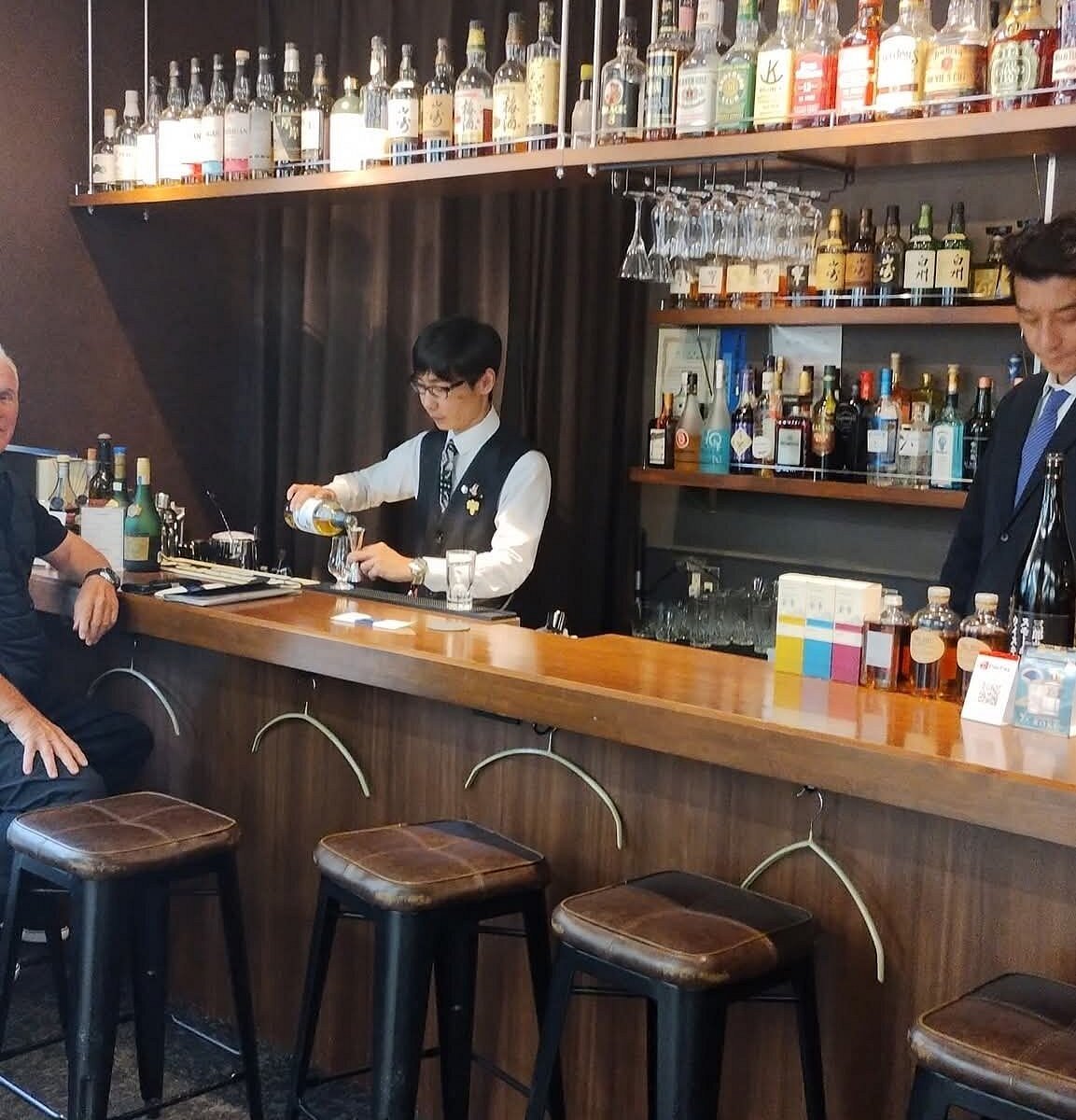
BAR Liquor Museum reads like a spirit library: the shelving is the show. Lighting is tuned to illuminate labels and the layout organises Japanese whisky and domestic spirits by producer, region and age, so the bottles themselves become the room’s primary visual language. The experience is archival rather than performative, and the design choices—floor-to-ceiling shelving and careful illumination—signal a deliberate, collector-focused atmosphere. Rather than theatrical bartending or flashy presentation, the bar privileges depth, cataloguing and quiet attention, making the room feel considered, purposeful and resolutely about the spirits on display.
Best For
This is a destination for serious drinkers, solo explorers and couples who prefer tasting and study to spectacle. The bar’s emphasis on inventory over theatrical cocktail work makes it ideal for after-work visits, quiet conversations and date nights where the shared focus is discovery of Japanese whisky and domestic spirits. Patrons who appreciate provenance—producer, region and age—find the format especially rewarding: the layout encourages browsing and comparison, and the atmosphere supports measured tastings rather than loud socializing or late-night revelry.
Ordering Tips
Expect a catalog-driven experience: browse the shelves, read labels and let the collection guide your choices. Because spirits are organised by producer, region and age, ask staff to point out notable bottlings or to recommend a comparative tasting across regions or ages. Don’t come expecting theatrical cocktail theatre; instead, lean into tasting and conversation about provenance and production. If you’re focused on Japanese whisky or domestic spirits, mention that interest up front—the bar’s strength is depth of selection and knowledgeable curation rather than showmanship.
Venue details
Ambiance
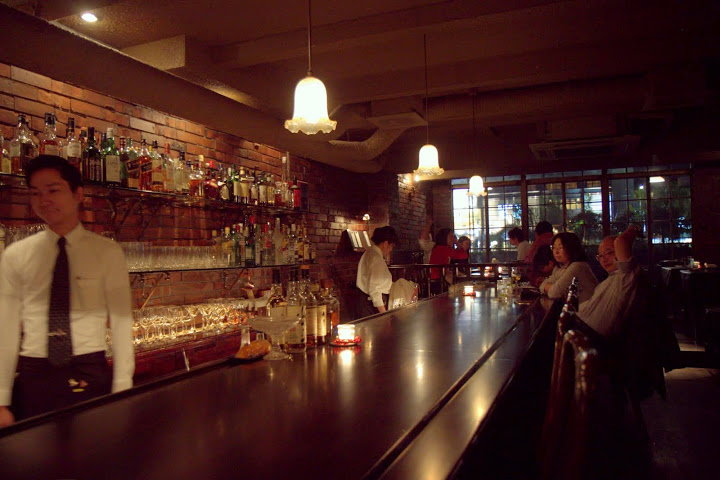
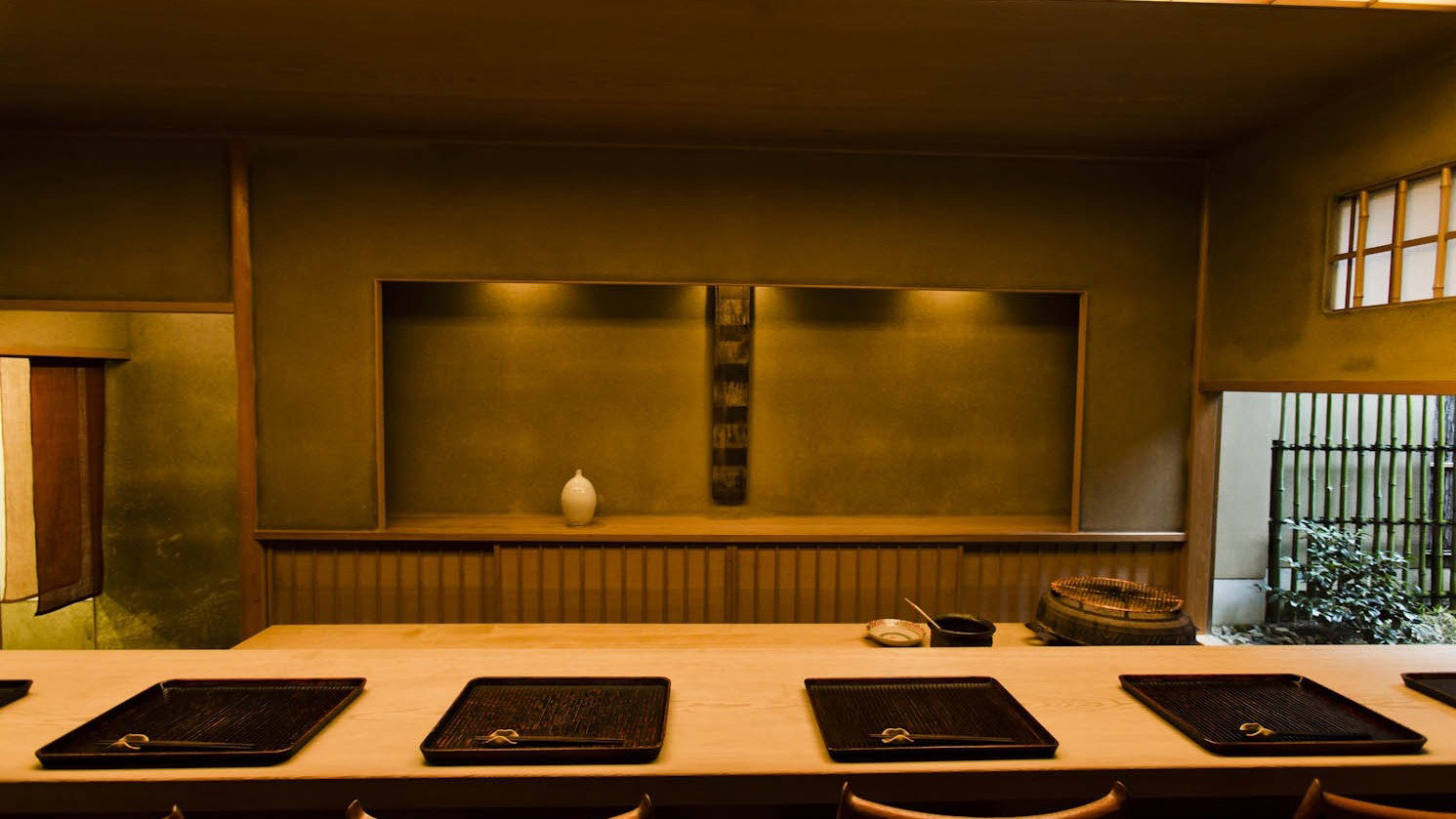
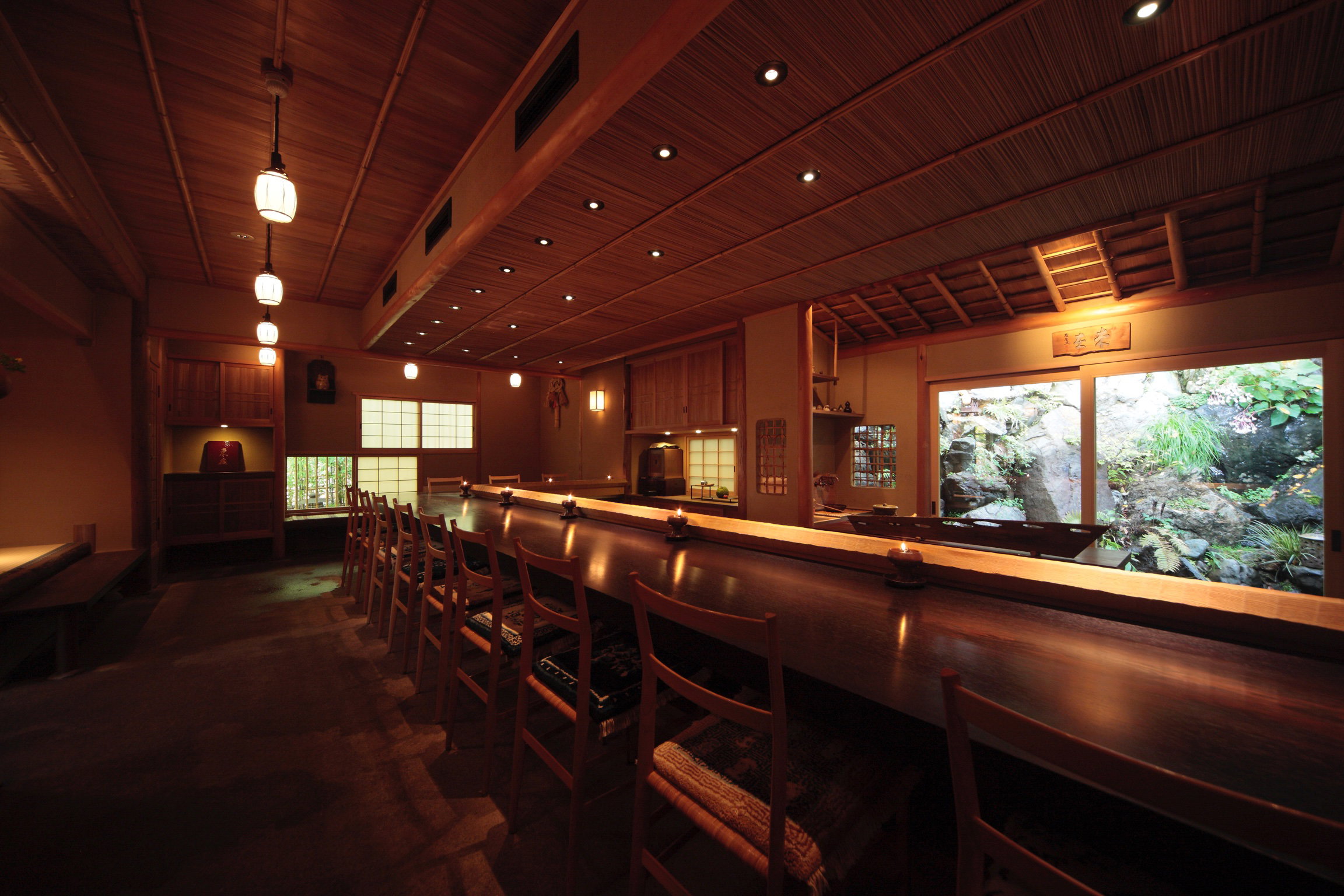
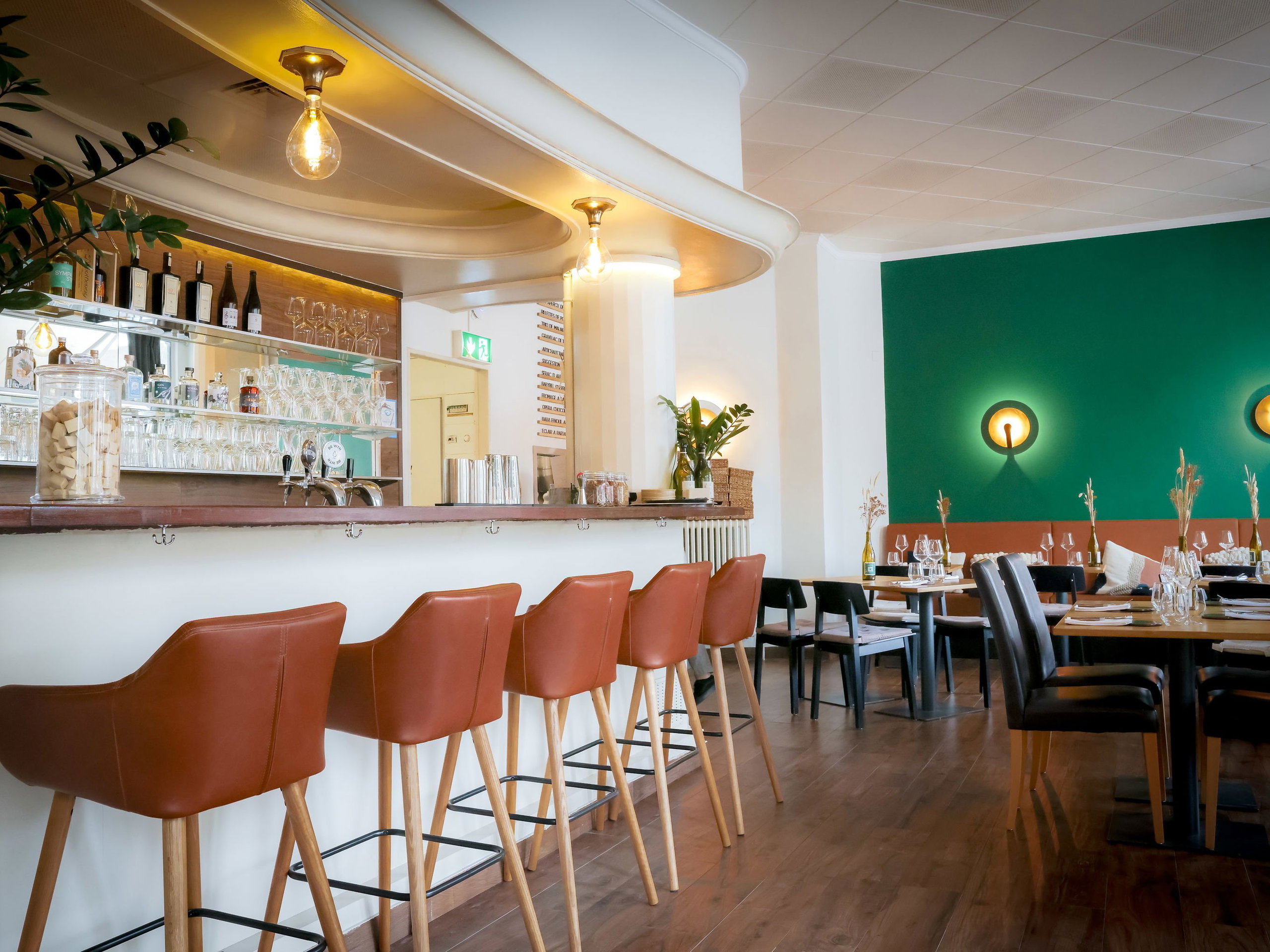
Warm and inviting with museum-quality bottle displays, formal yet relaxed atmosphere reminiscent of a London West End bar, with nice architecture and people-watching opportunities.
Tags
Vibe
Best For
Experience
Format
At the Bar
- Bar Category
- Lounge
- Late Night
- Closes by Midnight
- Music
- Jazz
- Live Music
- Yes
Know before you go
Know Before You Go
- Getting there
- 160 Nishisakaichō, Shimogyo Ward, Kyoto, 600-8218
Planning details
Location
Also consider
Also Consider
- ALKAA, Notable alternative
- Tea Lounge & Bar Horikawa, Notable alternative
- THE BLOSSOM KYOTO, Notable alternative
- Genji Lounge, Notable alternative
- Le Bar FAUCHON, Notable alternative
Bar context
How it compares with Kyoto bar peers
BAR Liquor Museum is the better fit when the priority is a compact, liquor-led stop rather than a hotel-lounge evening. ALKAA is the closer comparison for readers deciding between independent Kyoto bar formats; choose ALKAA if cocktail-bar identity matters more, and choose BAR Liquor Museum if the bottle-led premise is the draw.
For a softer, more hotel-paced experience, Tea Lounge & Bar Horikawa, Genji Lounge, and Le Bar FAUCHON are safer for dates, mixed-age groups, or visitors who want clearer service structure. They are less useful if the goal is a focused bar stop without the feel of a hotel lobby plan.
THE BLOSSOM KYOTO works better when convenience to a hotel itinerary drives the decision. BAR Liquor Museum is the more pointed choice for a drink-specific detour, while the hotel peers are easier to justify when comfort, conversation, and predictable pacing carry more weight than the bar's liquor focus.
Explore Kyoto
Around this place
Discover more on Pearl
Unlock the full BAR Liquor Museum guide in Pearl, including awards, comparisons, FAQs, planning details, and nearby places.
Compare BAR Liquor Museum
| Venue | Location | Awards |
|---|---|---|
| BAR Liquor Museum | Kyoto | No published awards |
| ALKAA | Kyoto | No published awards |
| Tea Lounge & Bar Horikawa | Kyoto | No published awards |
| THE BLOSSOM KYOTO | Kyoto Shi | No published awards |
| Genji Lounge | Kyoto | No published awards |
| Le Bar FAUCHON | Kyoto | No published awards |
How BAR Liquor Museum Kyoto compares with similar nearby venues.
FAQ
Frequently Asked Questions
Is BAR Liquor Museum good for groups?
Group suitability is best confirmed directly. If you are planning for several people, confirm seating and reservation details directly; you can also compare other Kyoto options such as THE BLOSSOM KYOTO depending on your plans.
What's the crowd like at BAR Liquor Museum?
Is BAR Liquor Museum good for a date?
BAR Liquor Museum may suit a date if the smart-casual dress code fits your plan. You can also compare Kyoto options such as Le Bar FAUCHON before deciding.
Is the food good at BAR Liquor Museum?
If dining details matter, confirm directly or plan separately using other Kyoto dining options, including venues such as Tea Lounge & Bar Horikawa where appropriate.
Does BAR Liquor Museum have happy hour deals?
Happy hour details are best confirmed directly.
Do I need a reservation at BAR Liquor Museum?
Contact BAR Liquor Museum directly before visiting, and compare other Kyoto options such as ALKAA if you are deciding based on planning needs.