


Yakoboku
Minamitsuboimachi, Kumamoto
Bar in Kumamoto, Japan
 Book with Pearl
The Read
Regional Japanese Precision
Why go
Yakoboku is the Kumamoto bar to prioritize if you want a serious cocktail-led stop with recognized Asia bar credentials. It is less useful as a wine-bar substitute or group-friendly lounge, so plan it as a focused small-party booking and keep dinner separate.
About Yakoboku
Consider Yakoboku if you want a Kumamoto bar with confirmed external recognition: it was ranked #25 on Asia's Best Bars 2025 by World's 50 Best and was listed in Tatler's Best Bars Asia-Pacific 2025. Beyond those accolades and a smart-casual dress code, Pearl does not have details on the menu, seating, pricing, hours, or service format, so the safest plan is to treat Yakoboku as a recognized bar stop rather than build the whole evening around assumptions.
The key caution is simple: do not infer specifics that are not confirmed. If you are comparing Yakoboku with other options, use the confirmed recognition as the main reason to prioritize it, then confirm practical details directly before going.
For a first visit, the most reliable planning information is that Yakoboku is in Kumamoto, has a smart-casual dress code, and carries notable 2025 bar recognition. That makes it a credible priority for travelers who value awards and listings, but it does not establish details such as seat count, menu structure, pricing, or whether it suits larger parties.
Because confirmed menu, seating, pricing, and hours are not part of the details here, avoid building the whole night around assumptions. Keep dinner separate unless the venue itself confirms otherwise. For broader trip planning, the Kumamoto restaurants guide, the Kumamoto hotels guide, the Kumamoto experiences guide, and the Kumamoto wineries guide are more useful than trying to make one bar cover every part of the evening.
How it fits into Japan's destination-bar map
Yakoboku is the Kumamoto option to prioritize if confirmed recognition matters in the decision. Its 2025 Asia's Best Bars ranking and Tatler 2025 listing give it external validation, while the rest of the practical experience should be confirmed directly with the venue before you go.
For travelers comparing options, keep the comparison narrow and practical. Bar Yamaneko, Inside Taru, Spirale. THE ROOF, and Wine & Tempura Araki may suit different plans, while Yakoboku is the Kumamoto bar with the clearest awards signal. It is not enough information to reshape an entire trip by itself, but it is enough to make Yakoboku worth checking if Kumamoto is already on the itinerary.
Quick reference: note the smart-casual dress code, confirm practical details directly, and use the confirmed 2025 recognition as the main reason to consider Yakoboku.
Planning details
- Location
- 〒860-0848 Kumamoto, Chuo Ward, Minamitsuboimachi, 5−21 1F 夜香木
- Website
- theworlds50best.com/bars/asia/the-list/yakoboku.html
- Phone
- +81 90-8408-5211
The take
The Take
The Vibe
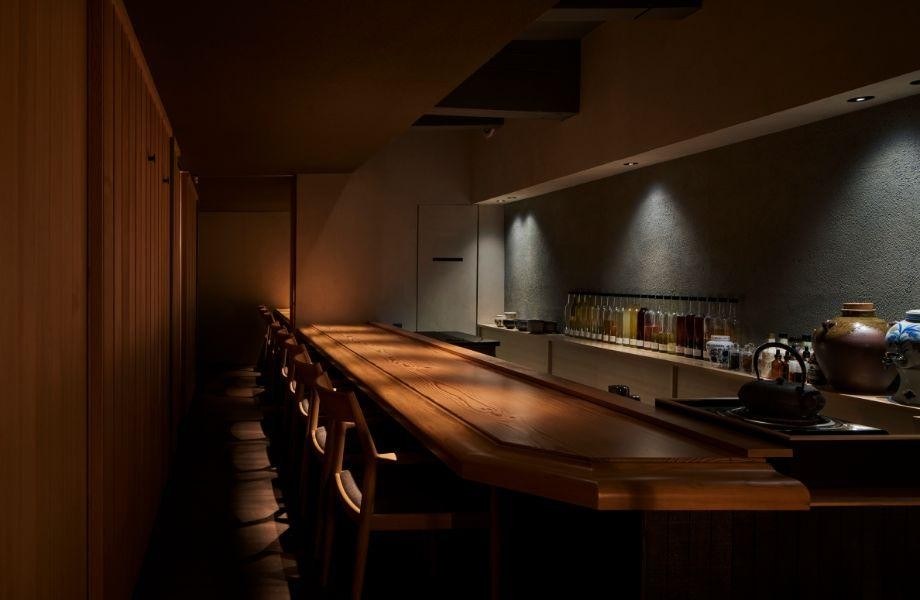
Yakoboku quietly redefines what a regional Japanese cocktail bar can be. Located on the ground floor in Minamitsuboimachi, the room reads as deliberately restrained and focused: craftsmanship is the point, not the ostentation. The bar’s rapid ascent in Asia’s Leading Bars signals a programme that rivals long-established urban peers, while its setting outside major nightlife hubs gives it an offbeat, discovery-oriented allure. Botanicals and foraged ingredients thread through the narrative here, and the mood favors concentrated, low-key interaction between guest and bartender—an intimate, thoughtfully curated experience for anyone interested in serious cocktails.
Best For
Yakoboku suits visitors who travel for craft cocktails and locals seeking an elevated, quietly exacting bar experience. It reads as a destination for cocktail-minded guests, whether arriving as part of a regional itinerary or stepping in for a considered evening in Kumamoto. The bar’s profile and programme make it especially appropriate for date nights and special occasions that prioritize quality and attention to detail. Industry professionals and curious solo visitors also find value in its focused approach to botanicals and technique—this is a venue for tasting and conversation rather than loud socializing.
Ordering Tips
Given Yakoboku’s emphasis on botanicals and a programme that has earned regional recognition, ask the bartender about seasonal infusions, house‑foraged ingredients and any signature serves that showcase that approach. Frame your preferences—spirit base, intensity, sweetness—and let the bartender steer you toward a bespoke option; this kind of bar privileges craft and skill, and the staff are positioned to translate local ingredients into distinctive cocktails. Come prepared to be curious and conversational: the best pours here come from dialogue rather than menu scanning.
Venue details
Ambiance
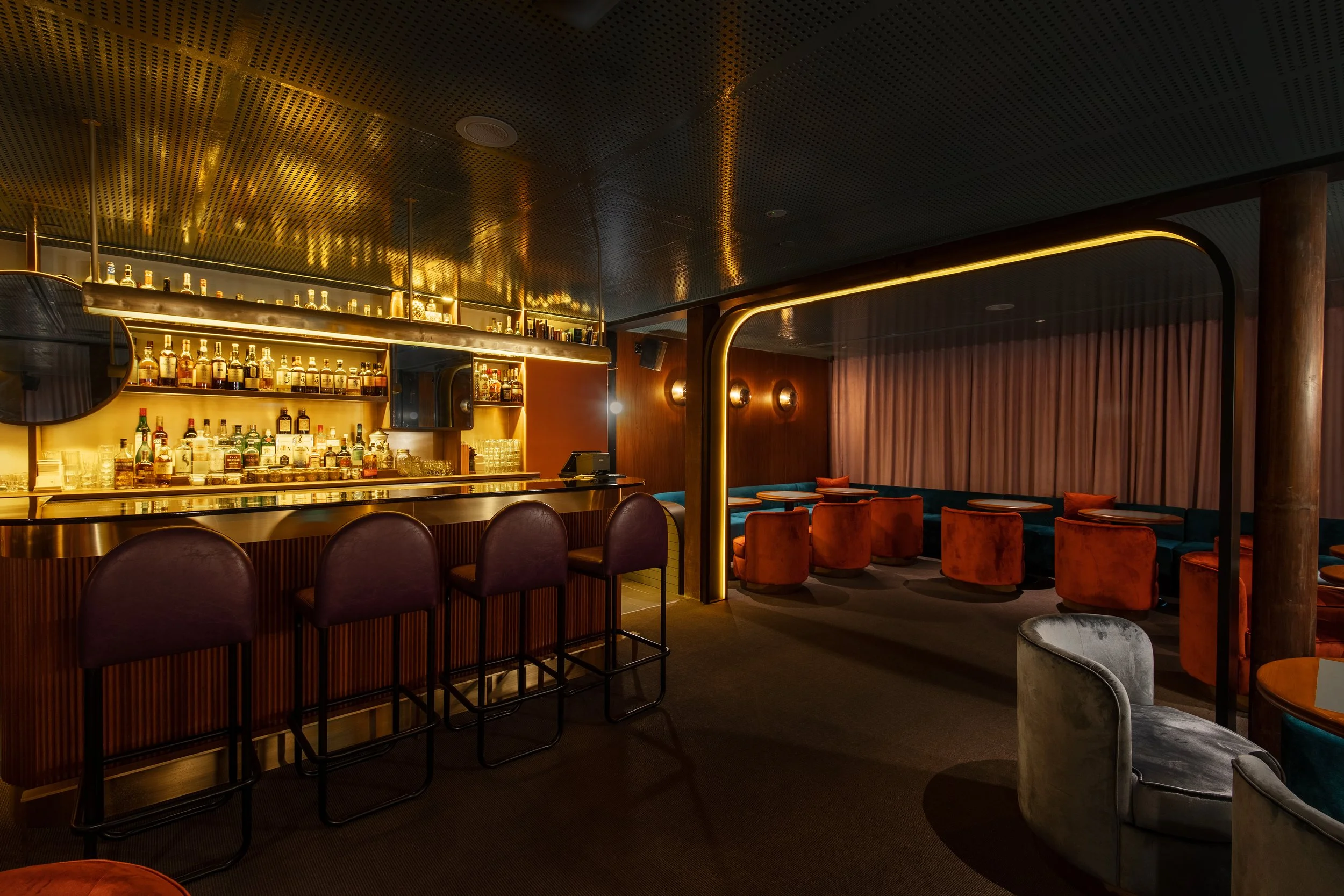
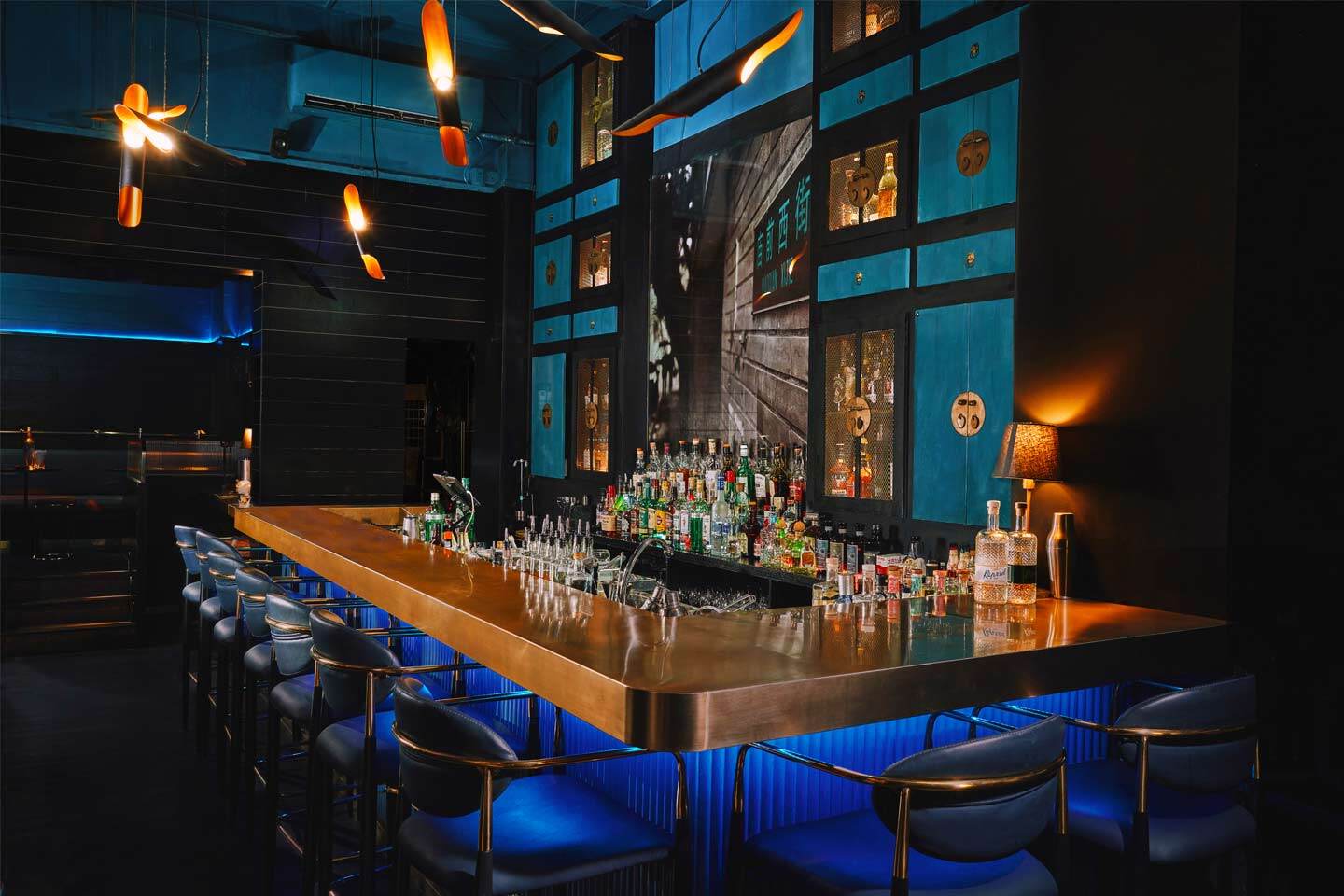
Warm ambient lighting in an all-wood interior with serene, contemplative atmosphere.
Tags
Vibe
Best For
Experience
Format
At the Bar
- Bar Category
- Cocktail Bar
- Late Night
- Closes by Midnight
- Music
- Jazz
Signature Pours
- Yakoboku
- Kyushu Old Fashioned
Know before you go
Know Before You Go
- Getting there
- 〒860-0848 Kumamoto, Chuo Ward, Minamitsuboimachi, 5−21 1F 夜香木
Planning details
Location
〒860-0848 Kumamoto, Chuo Ward, Minamitsuboimachi, 5−21 1F 夜香木 · Directions

Also consider
Where to go if you cannot get in
If Yakoboku is not workable, try Wine & Tempura Araki for a more food-and-drink-led evening, or THE ROOF when the priority is a more setting-driven drink. For a bar-first backup, check Bar Yamaneko before widening the search.
Bar context
How Yakoboku compares in Kumamoto
Yakoboku is the strongest choice here for travelers who care about destination-bar recognition and are willing to deal with harder access. Compared with Bar Yamaneko, Inside Taru, and Spirale. it is the safer recommendation when the night needs one serious bar rather than a casual sequence of stops.
If value means getting a full evening around drinks and food, Wine & Tempura Araki is the more practical cross-shop because the format signals a clearer food-and-drink pairing angle. If atmosphere matters more than bar pedigree, THE ROOF is the name to check before committing, especially for readers who prefer a more open-feeling setting over a tighter cocktail-room plan.
For booking difficulty, Yakoboku is the one to plan first and replace only if access fails. Bar Yamaneko, Inside Taru, Spirale. THE ROOF, and Wine & Tempura Araki are better treated as alternatives for different moods: easiergoing bar crawl, wine-and-food night, or a setting-led drink rather than the main cocktail booking.
Explore Kumamoto
Around this place
Discover more on Pearl
Unlock the full Yakoboku guide in Pearl, including awards, comparisons, FAQs, planning details, and nearby places.
Compare Yakoboku
| Venue | Location | Awards |
|---|---|---|
| Yakoboku | Kumamoto | 2026 Asia's 50 Best Bars 51-100 · #59Top 500 Bars 2026 · #3172025 Asia's 50 Best Bars · #25Tatler Best Bars Asia-Pacific 20252024 Asia's 50 Best Bars · #64 |
| Bar Yamaneko | Yufu | No published awards |
| Wine & Tempura Araki | Fukuoka | No published awards |
| THE ROOF | Fukuoka | No published awards |
| Inside Taru | Nagatoyumoto | No published awards |
| Spirale. | Hiroshima | No published awards |
How Yakoboku Kumamoto compares with similar nearby venues.
FAQ
Frequently Asked Questions
Does Yakoboku have happy hour deals?
There is no venue-specific happy hour detail to rely on, so do not plan around deals at Yakoboku in Kumamoto. The confirmed information is its smart-casual dress code, its #25 ranking on Asia's Best Bars 2025 by World's 50 Best, and its Tatler 2025 Best Bars Asia-Pacific listing.
Is Yakoboku good for groups?
Pearl does not have seating or group-capacity details for Yakoboku. If you are planning for a larger party, confirm directly with the venue rather than assuming it can accommodate the group.
Do I need a reservation at Yakoboku?
Pearl does not have a reservation policy for Yakoboku. Because it has confirmed 2025 bar recognition, it is sensible to check availability directly before making it a priority stop.
Is Yakoboku good for a date?
Yakoboku may be a good choice if you want a recognized bar in Kumamoto, but Pearl does not have details on seating, atmosphere, or service style. The confirmed planning note is to dress smart casual and verify practical details before going.
Is the food good at Yakoboku?
Pearl does not have food or menu details for Yakoboku. If food is central to the plan, confirm the current offering directly or compare with another dining option in Kumamoto.
What's the crowd like at Yakoboku?
Pearl does not have information about the typical crowd at Yakoboku. The confirmed facts are its Kumamoto location, smart-casual dress code, and 2025 recognition from Asia's Best Bars and Tatler.
Does Yakoboku have outdoor seating?
Pearl does not have outdoor-seating information for Yakoboku. Do not use outdoor seating as a deciding factor unless the venue confirms it directly.