
The Kilpeck Inn
Kilpeck
Bar in Kilpeck, United Kingdom
 Book with Pearl
Why go
A sensible Kilpeck choice when the brief is a food-led village pub meal rather than a specialist wine-bar night. The Good Food Guide 2025 “GFG Good” listing gives it more credibility than an unvetted rural stop, but wine-focused drinkers should treat it as a pub-restaurant decision, not a dedicated by-the-glass destination.
About The Kilpeck Inn
The Kilpeck Inn is a casual venue in Kilpeck. The Good Food Guide 2025 recognises it as GFG Good, making it a useful marker when planning a visit.
The case for considering it is simple: a GFG Good listing is a useful external marker when choosing where to eat in Kilpeck. It does not, by itself, define the whole experience, but it does make The Kilpeck Inn a more grounded candidate than an unvetted stop if the meal is the reason for going to Kilpeck.
Book it for a casual Kilpeck meal with recognised food credentials
For a visit, plan around the essentials: The Kilpeck Inn is in Kilpeck, the dress code is casual, it has Good Food Guide 2025 recognition as GFG Good. Those facts support a relaxed meal choice rather than a formal-occasion assumption.
How to use it in a Kilpeck trip
Make it a potential food stop in Kilpeck rather than the whole basis for an itinerary. For wider planning, use our full Kilpeck restaurants guide and compare it with other named options only where their details are relevant to your plans.
Verdict: consider The Kilpeck Inn if you want a casual Kilpeck meal with confirmed Good Food Guide 2025 recognition. Skip it if your decision depends on specifics such as a particular menu format, drinks focus, price level, or service setup.
Planning details
- Location
- Castle Park, Kilpeck, Hereford HR2 9DN, United Kingdom
- Website
- kilpeckinn.com
- Phone
- +44 1981 570464
The take
The Take
The Vibe
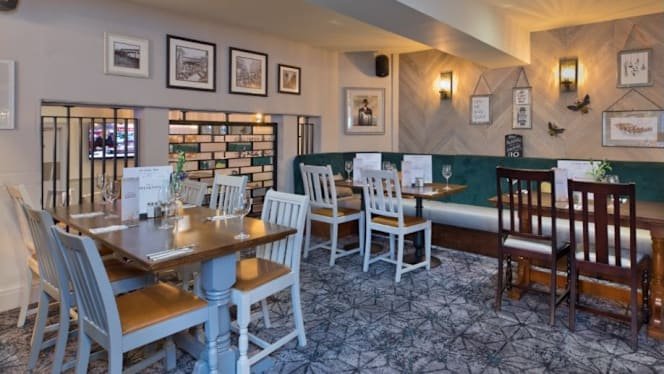
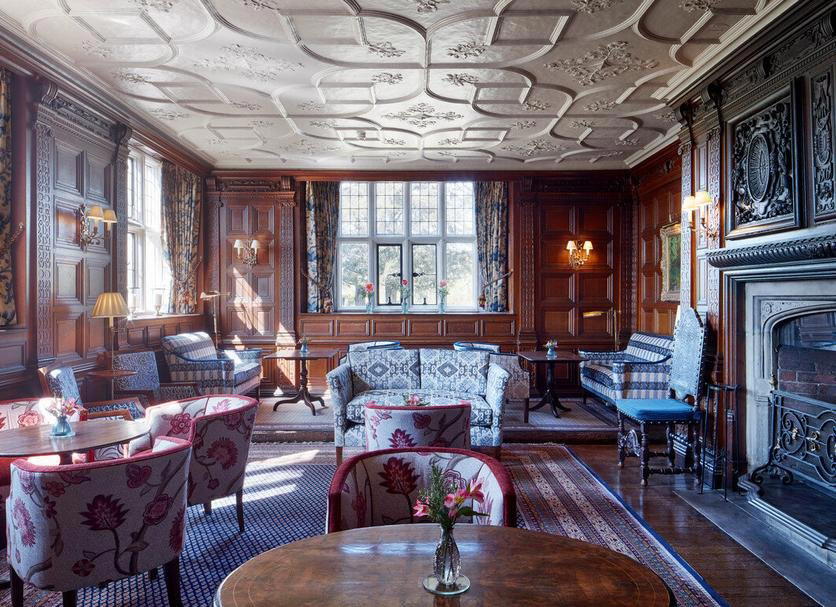
The Kilpeck Inn reads like a compact slice of Herefordshire history. Housed in a 250-year-old stone building near a celebrated 12th-century Norman church, it feels rooted rather than staged — its character comes from layered architecture and the agricultural landscape that surrounds it. The writing emphasizes an absence of shiny, Instagram-first affectation; instead the inn trades on provenance and authenticity. That combination of small‑village calm and historical fabric gives the place a quietly charming, slightly hidden‑gem quality: a pub where the setting and the story matter as much as the food and drink.
Best For
This is a pub built around drinking and locality, so it suits low-key social occasions. It works well as a casual hangout for locals and visitors, a comfortable spot for a relaxed date night, and a convivial stop for group outings exploring the Welsh Marches. The Kilpeck’s emphasis on regional ales, ciders and whiskies makes it especially appropriate when the purpose of the visit is to taste local produce rather than to seek formal dining theatrics. Expect an informal, convivial atmosphere that leans on provenance rather than presentation.
Ordering Tips
Center your order on the region: begin with the local ales and Herefordshire ciders that anchor the drinks list, since the copy highlights cider culture as fundamental to the area. For spirits, ask about the Welsh single‑malts on offer — the programme deliberately includes Welsh whisky as a point of regional interest. Because the venue frames its drinks list as an argument for provenance, staff are likely to be helpful about origins; pose straightforward questions about which producers are local and what’s seasonal rather than hunting for signature cocktails.
Venue details
Ambiance
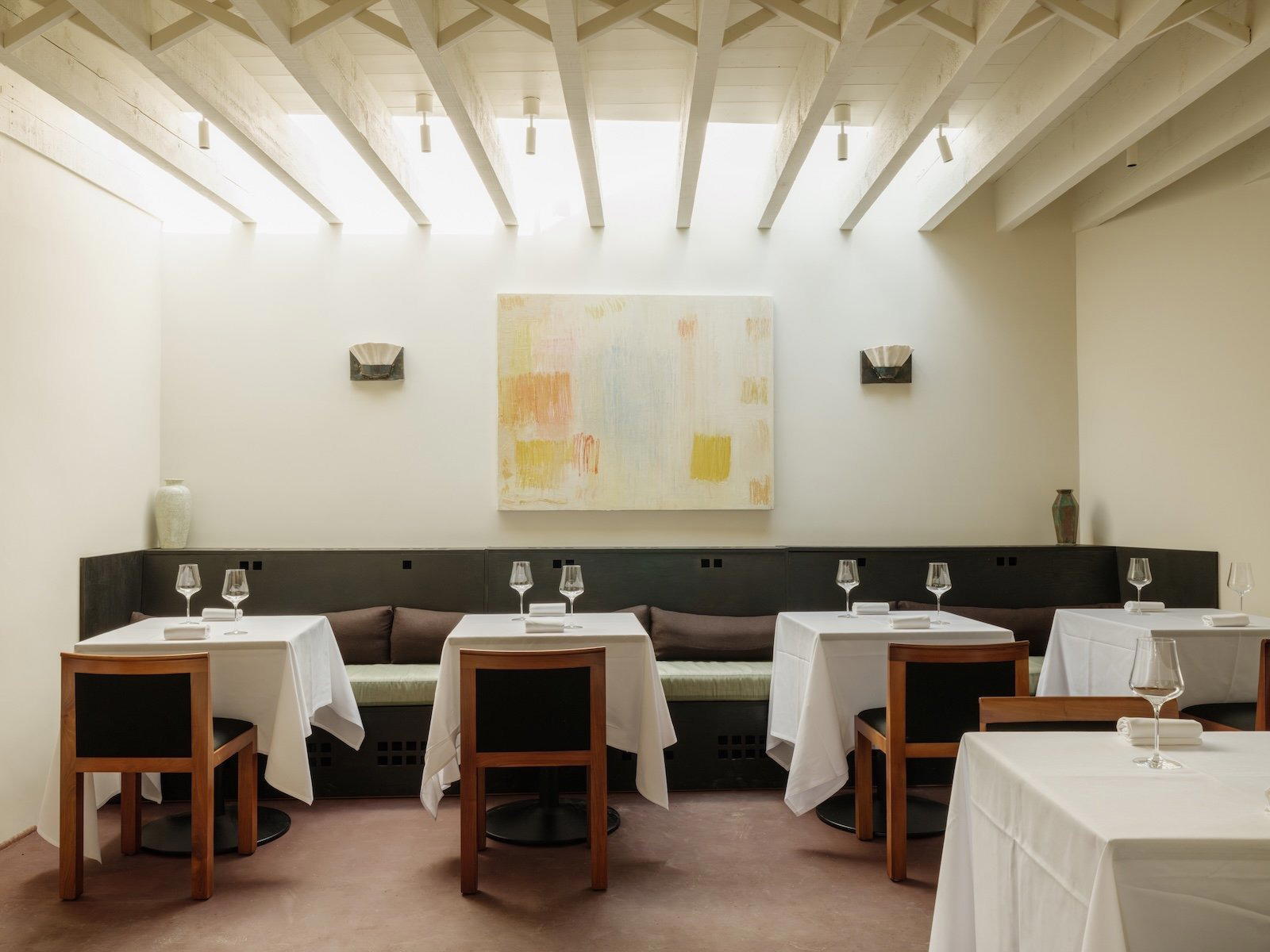
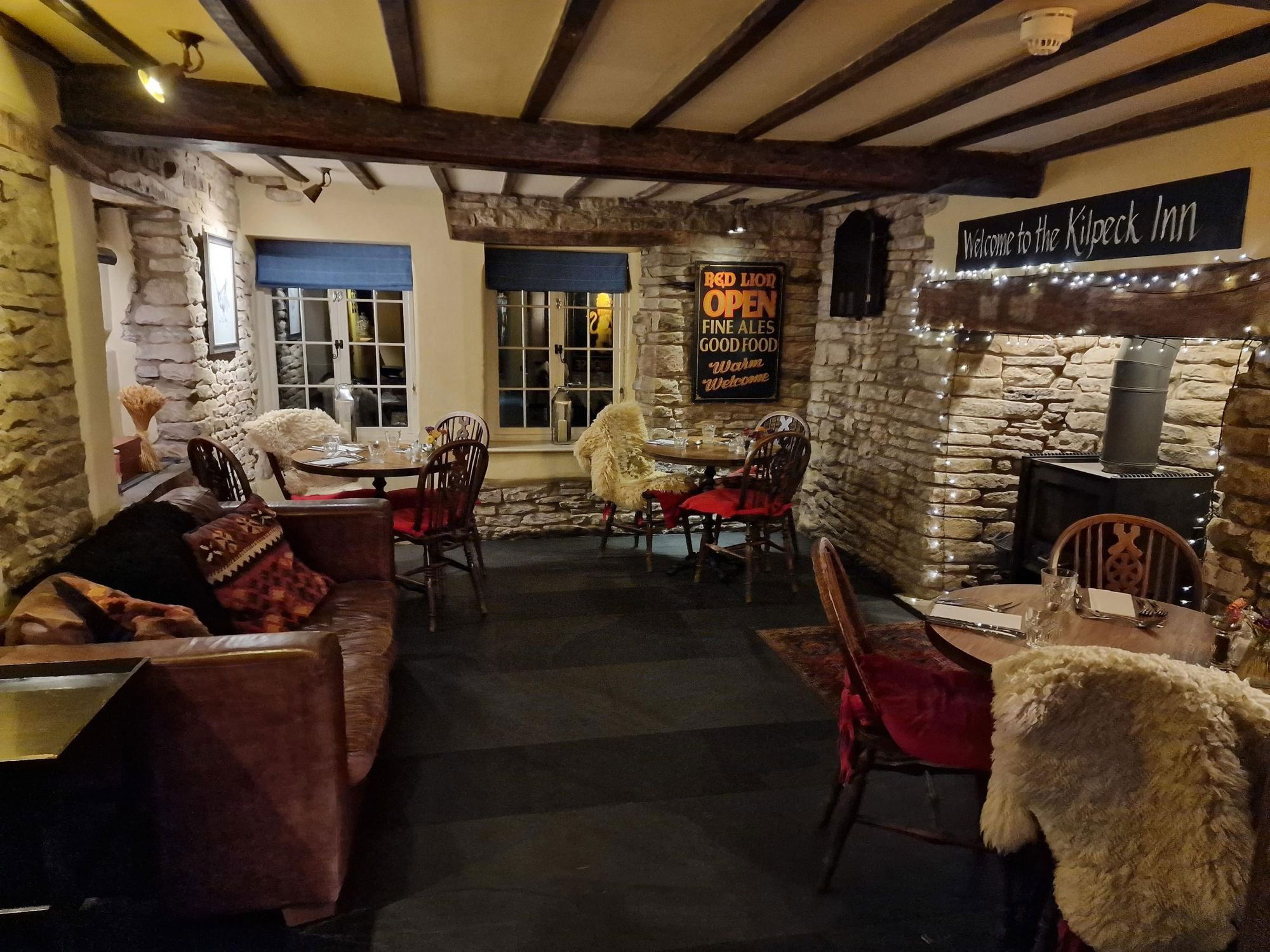
Cosy country pub atmosphere with log burner, ambient surroundings, and smart modern interiors.
Tags
Vibe
Best For
Experience
Format
Accessibility
At the Bar
- Bar Category
- Pub
- Late Night
- Closes by Midnight
Planning details
Location
Recognition and awards
Also consider
Also Consider
- The New Inn, Notable alternative
- The Black Bear Inn, Notable alternative
- The Riverside at Aymestrey, Notable alternative
- The Felin Fach Griffin, Notable alternative
- The Butchers Arms, Notable alternative
Bar context
How It Compares
Choose The Kilpeck Inn when food credibility is the deciding factor: its Good Food Guide 2025 “GFG Good” listing gives it a clearer quality signal than a casual pub pick. The New Inn and The Black Bear Inn are better cross-shops if the priority is a familiar inn atmosphere and a simpler countryside stop rather than an award-noted meal.
For a more destination-leaning rural dining plan, compare it with The Riverside at Aymestrey and The Felin Fach Griffin. Those make more sense when the whole outing is built around the meal; The Kilpeck Inn is the easier choice when the plan is centred on Kilpeck itself and the booking needs to feel low-effort.
The Butchers Arms is the alternative to check if value and classic pub feel matter more than external food recognition. For a date or small group where the meal quality needs a stronger signal, The Kilpeck Inn is the safer first call; for a casual pint-led plan, the peers may fit better.
Explore Kilpeck
Around this place
Discover more on Pearl
Unlock the full The Kilpeck Inn guide in Pearl, including awards, comparisons, FAQs, planning details, and nearby places.
Compare The Kilpeck Inn
| Venue | Location | Awards |
|---|---|---|
| The Kilpeck Inn | Kilpeck | The Good Food Guide 2025 |
| The New Inn | Hereford | No published awards |
| The Black Bear Inn | Bettws Newydd | No published awards |
| The Riverside at Aymestrey | Aymestrey | No published awards |
| The Felin Fach Griffin | Brecon | No published awards |
| The Butchers Arms | Eldersfield | No published awards |
How The Kilpeck Inn Kilpeck Review & Verdict compares with similar nearby venues.
FAQ
Frequently Asked Questions
Does The Kilpeck Inn have outdoor seating?
Is the food good at The Kilpeck Inn?
The clearest signal is The Good Food Guide 2025 recognition as GFG Good. That makes it worth considering for a casual meal in Kilpeck, while still leaving menu details to be checked directly with the venue.
What's the crowd like at The Kilpeck Inn?
The crowd profile is not defined in the listing. The confirmed planning point is that the dress code is casual, so expect to plan for an informal visit rather than a formal dress requirement.
Is The Kilpeck Inn good for groups?
Is The Kilpeck Inn good for a date?
It can make sense for a low-key date if you want a casual meal in Kilpeck with confirmed Good Food Guide 2025 recognition. If you need a specific atmosphere, menu format, or seating style, confirm those details directly before booking.