
Regency Club
Jung-gu, Incheon
Bar in Incheon, South Korea
 Book with Pearl
Why go
Regency Club is a practical Incheon pick when you want wine-led light dining rather than a full restaurant night. Its 2026 Star Wine List recognition gives it more drinks credibility than a generic executive lounge, while the easy booking profile makes it better for flexible plans, small groups, and low-effort evenings than special-occasion dining.
About Regency Club
Regency Club in Incheon is categorized for executive lounge services and light dining. That makes it a better fit for a lighter, lounge-style plan than for a full restaurant meal. It was recognized by Star Wine List in 2026, while the core offering remains executive lounge services and light dining.
This is not the choice for someone looking for a full dinner format. Expect light dining in an executive lounge setting, not a detailed chef-led menu or tasting-menu experience. If the goal is a broader restaurant search in the city, use our full Incheon restaurants guide instead.
Book it for executive lounge services and light dining
The main reason to consider Regency Club is direct: it combines executive lounge services with light dining in Incheon. Star Wine List recognition in 2026 adds a wine-related signal. Plan around the lounge format rather than a specific drinks program, wine-by-the-glass setup, pricing, or menu structure.
The trade-off is limited public detail. The safest planning stance is to treat Regency Club as a light-dining lounge option rather than a full standalone restaurant or bar. For a wider search, browse our full Incheon bars guide. For broader trip planning around the city, pair it with our full Incheon hotels guide.
Who should choose it in Incheon
Choose Regency Club when executive lounge services and light dining are the right fit for the occasion. It can work when the plan is simpler than a full restaurant booking and when Incheon is the right location for the evening.
Skip it if the brief depends on specifics such as a particular cocktail program, a detailed dinner menu, published pricing, or a destination-bar atmosphere. In those cases, compare other dining and drinking options in Incheon before deciding.
Know Before You Go
- Best use case: executive lounge services and light dining in Incheon.
- Dress code: smart casual.
- Food expectation: light dining rather than a full restaurant format.
- Wine signal: Star Wine List recognition in 2026.
- Planning links: use broader Incheon dining, bar, and hotel guides for a wider itinerary.
Planning details
- Location
- Incheon, South Korea
The take
The Take
The Vibe
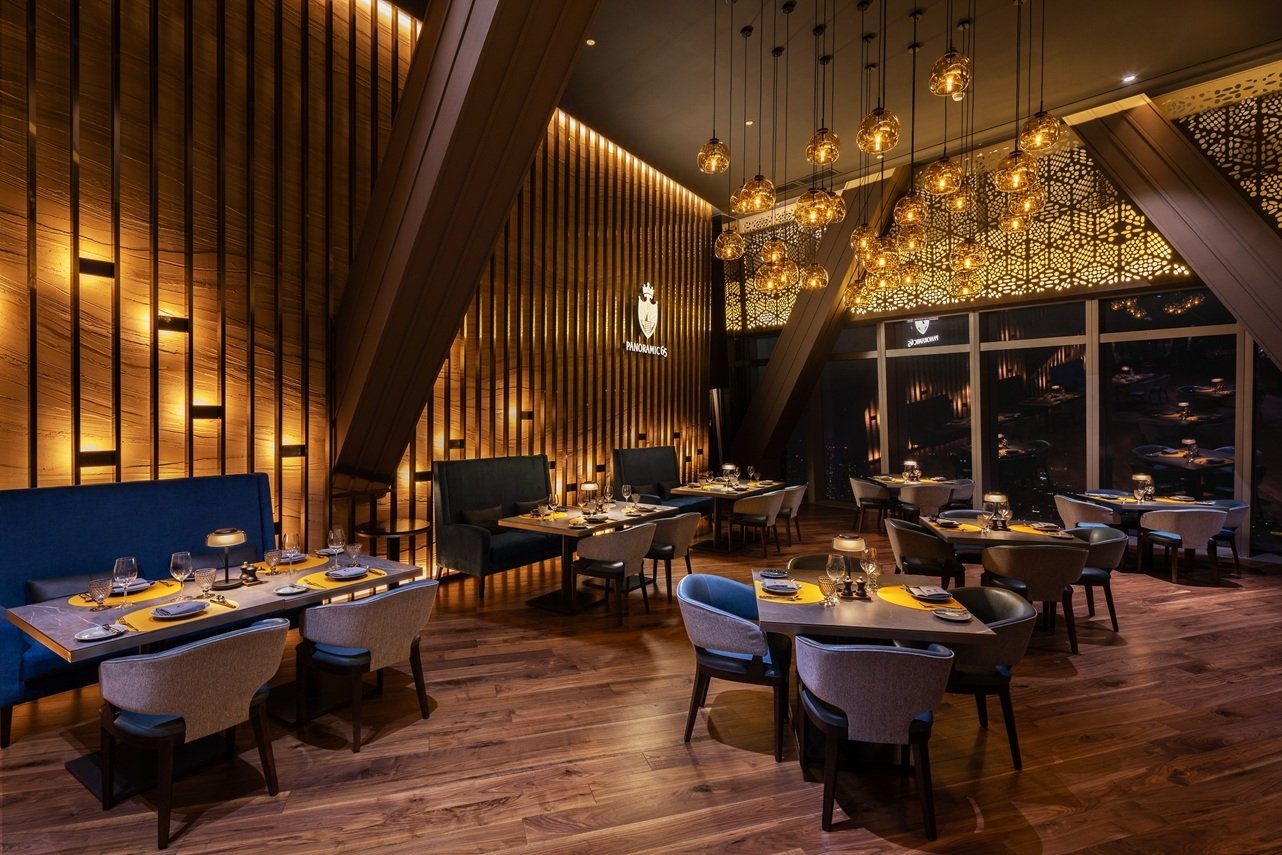
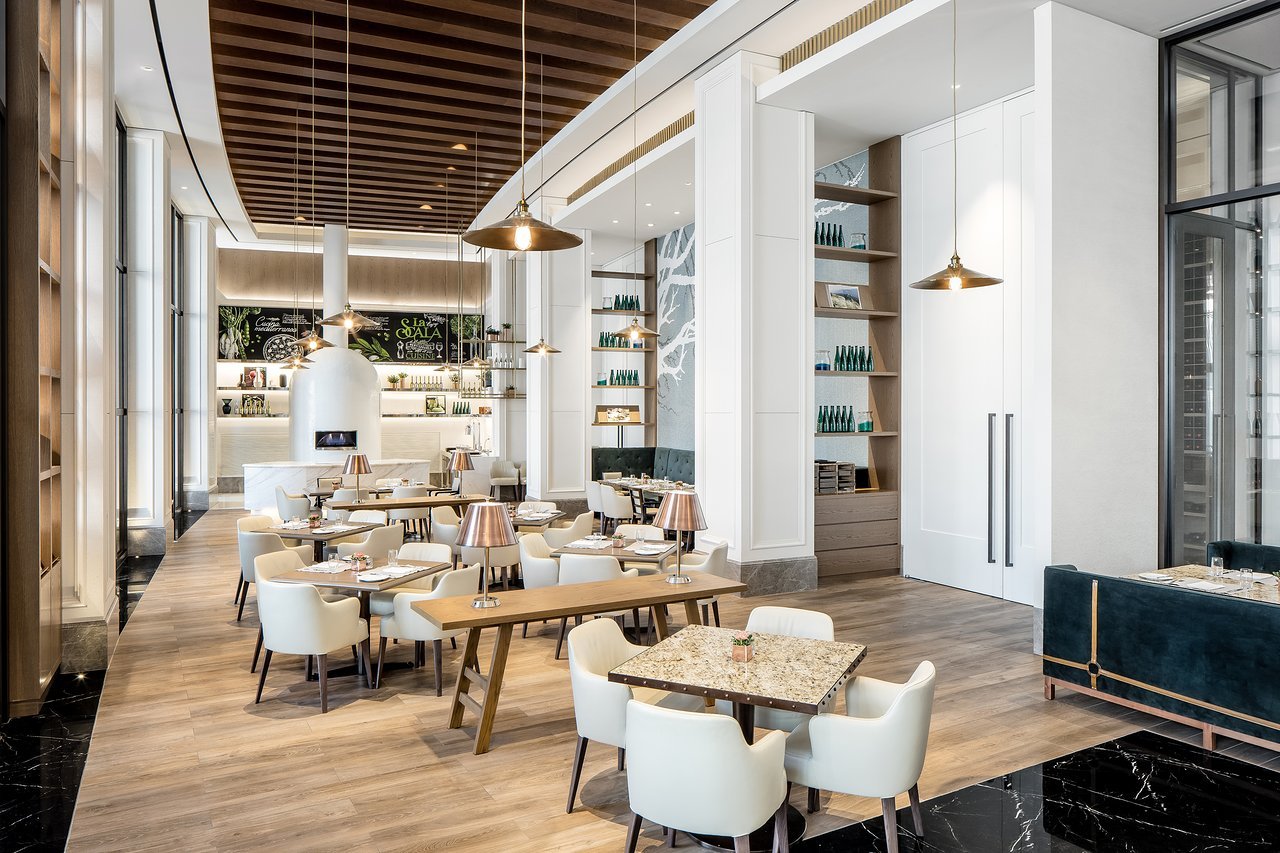
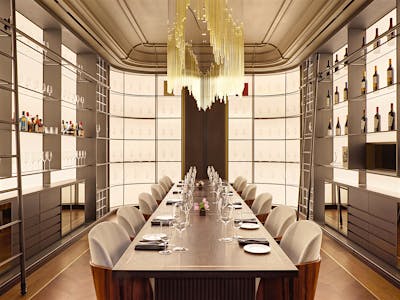
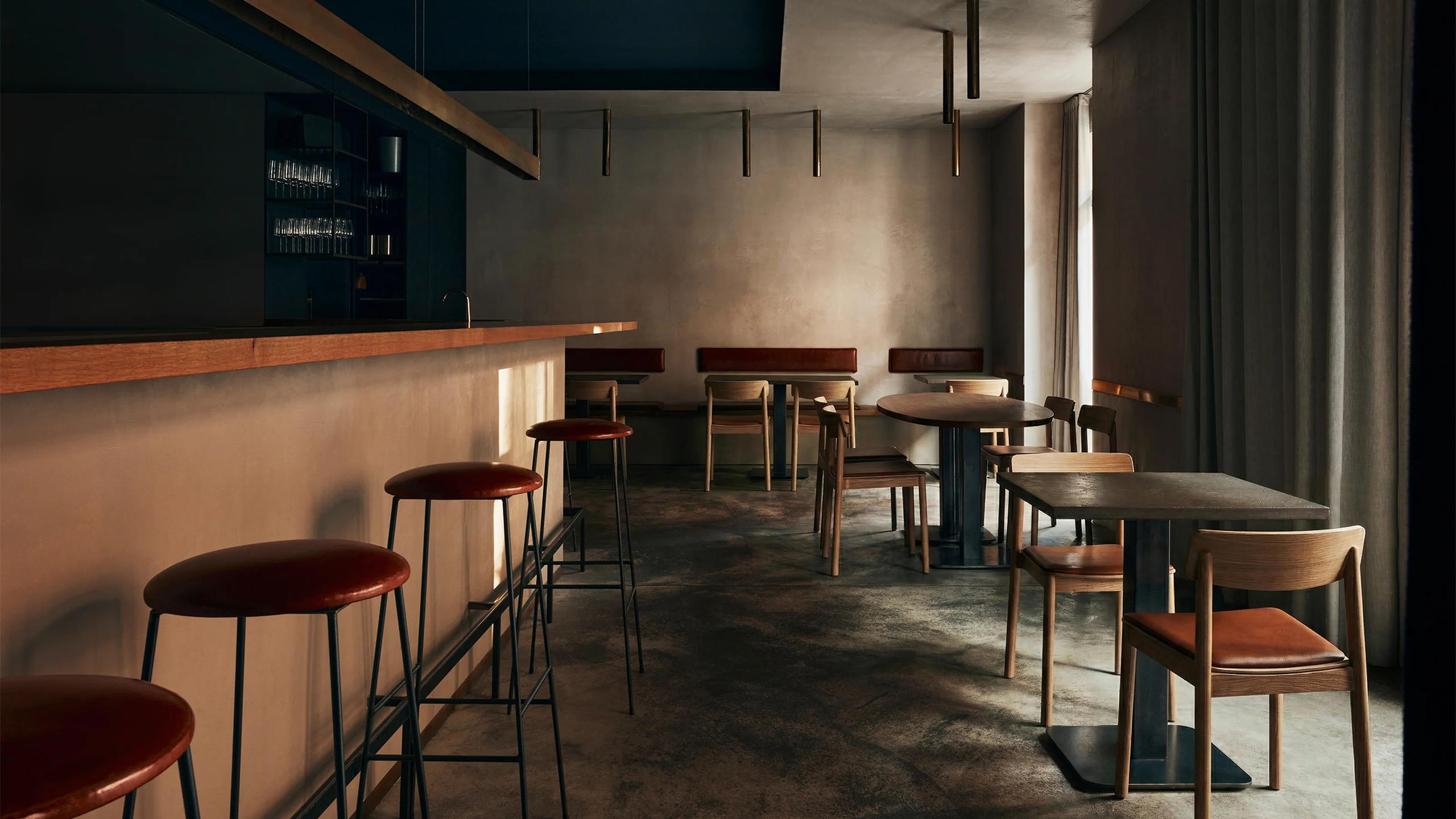
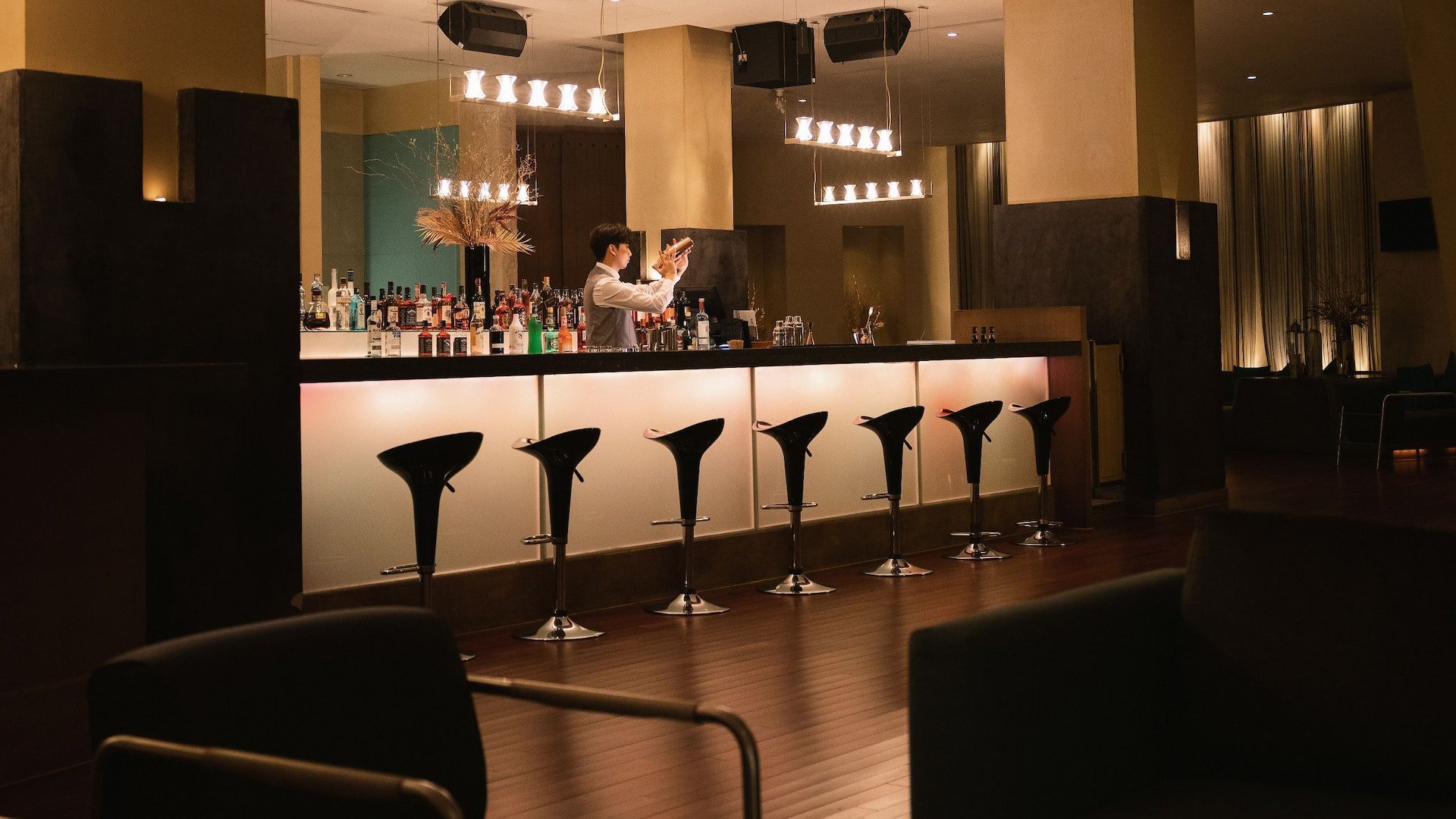
The Regency Club reads like a composed, low-key airport lounge that privileges the glass over spectacle. Situated inside Incheon International Airport, it forgoes loud nightlife energy in favor of a considered mood: subdued seating, measured service and an emphasis on wine curation. The venue’s 2026 Star Wine List recognition signals that the experience centers on discovery and provenance rather than high-volume pours. Travelers find a quietly modern, intimate setting where conversation and tasting take precedence, making it feel less like a transient waiting area and more like a small, well-curated wine room for discerning guests.
Best For
This lounge is best for travelers who have time to linger and for anyone traveling on business or alone and seeking a calm spot to unwind. The write-up highlights long-haul Asia–Pacific traffic and the reality that guests 'may have hours to spend,' so the Regency Club caters to layovers, business trips and transitional moments between flights. Its industry-recognized wine list also makes it appealing for wine-minded visitors who want to sample thoughtfully selected bottles while waiting for a connection, rather than for rowdy group nights or late‑night partying.
Ordering Tips
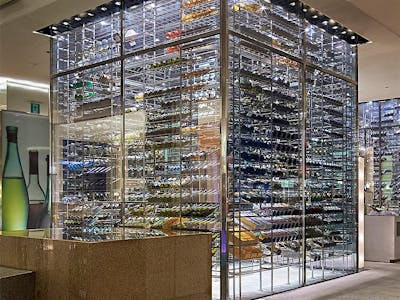
Treat the wine list as the primary attraction: the Star Wine List award indicates a selection curated for depth and producer diversity, so ask staff about standout bottles or regions that reflect the list’s strengths. Given the lounge format, plan for relaxed tasting rather than rushed pours—allow time to explore less familiar producers highlighted on the menu. If you’re short on time, request a recommended glass that showcases the club’s curation; if you have longer layovers, inquire about broader flights or bottle recommendations that reward a leisurely tasting session.
Venue details
Ambiance
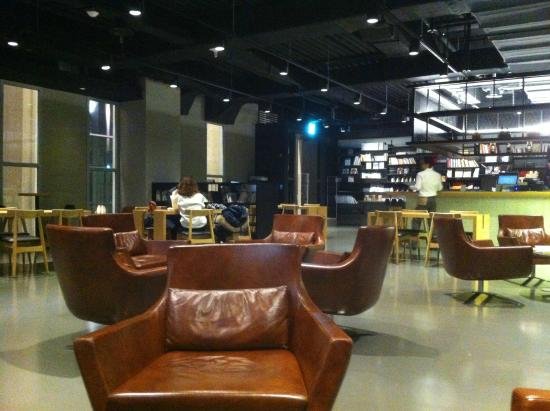
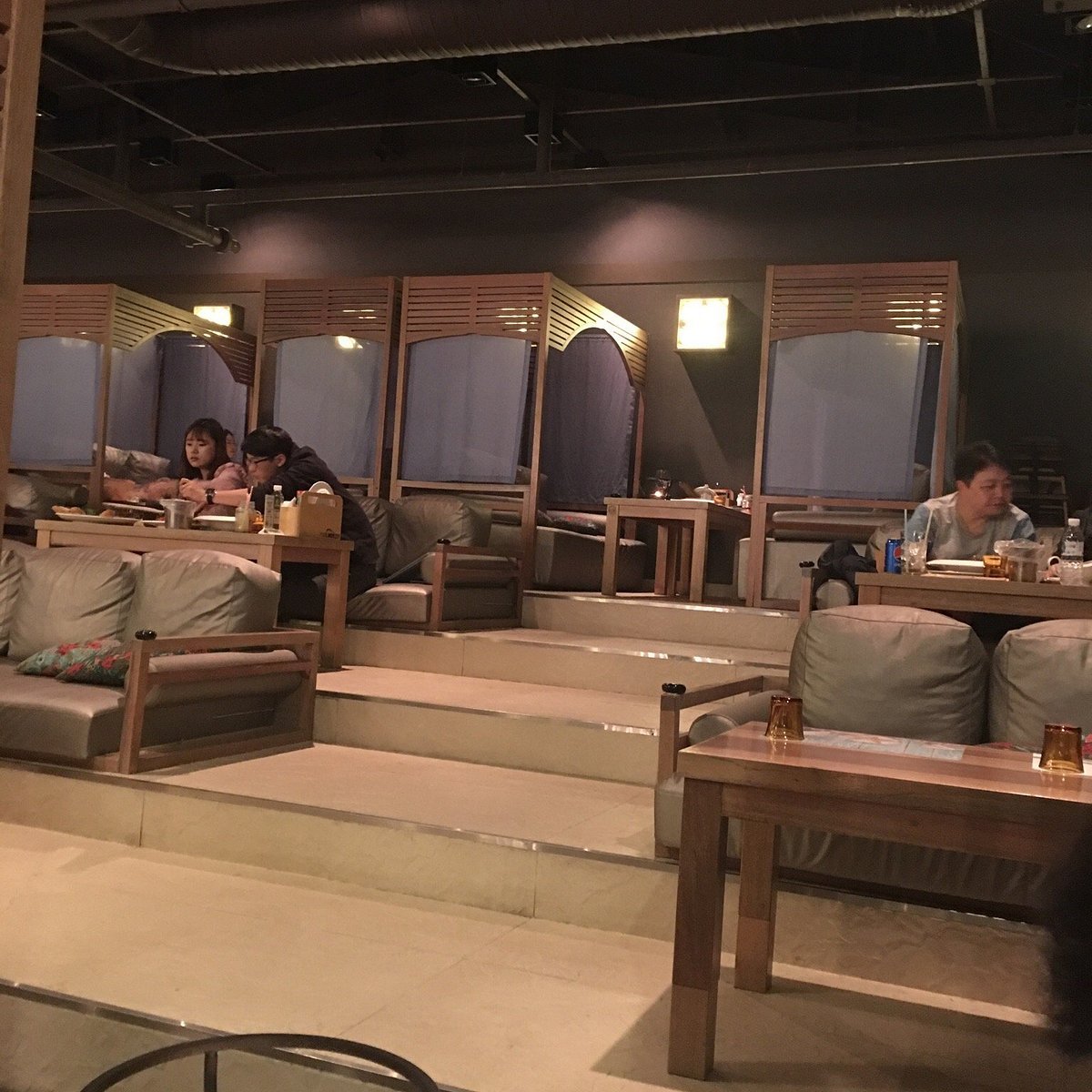
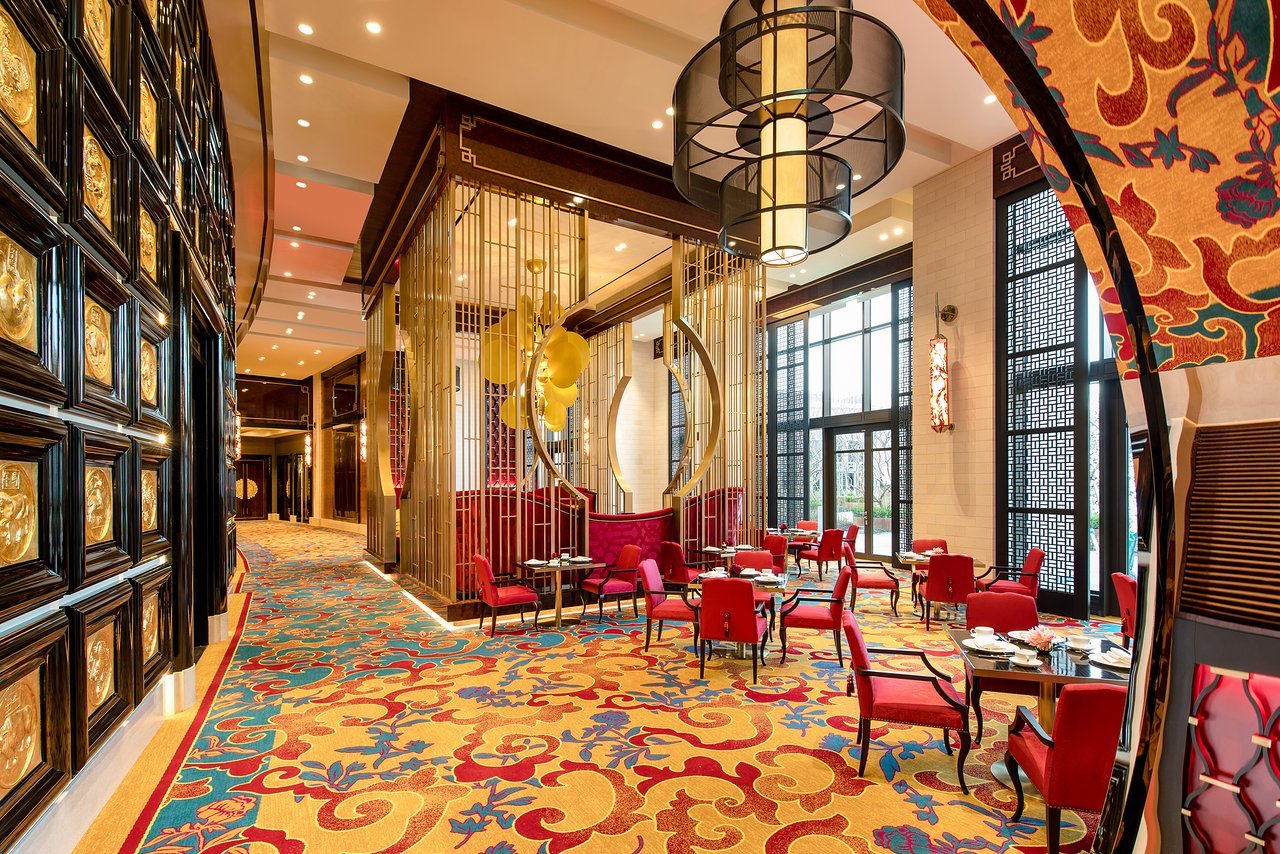
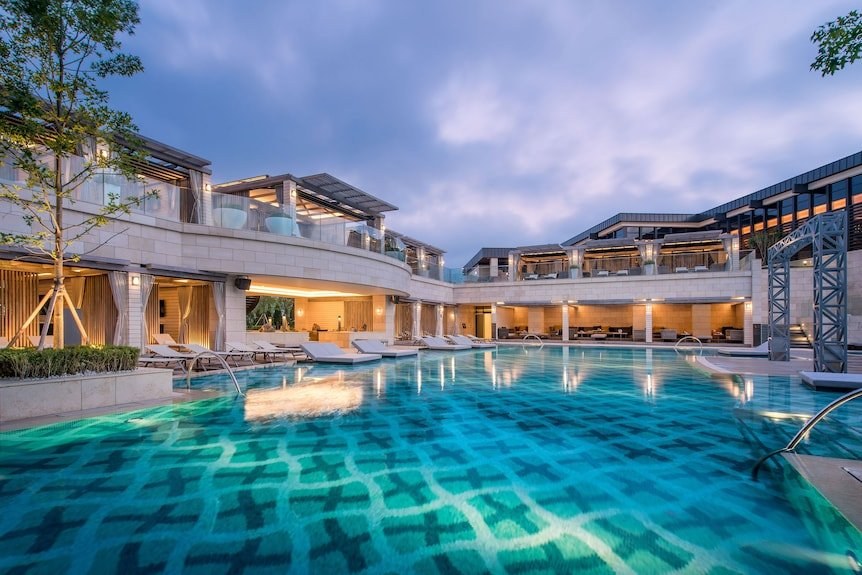
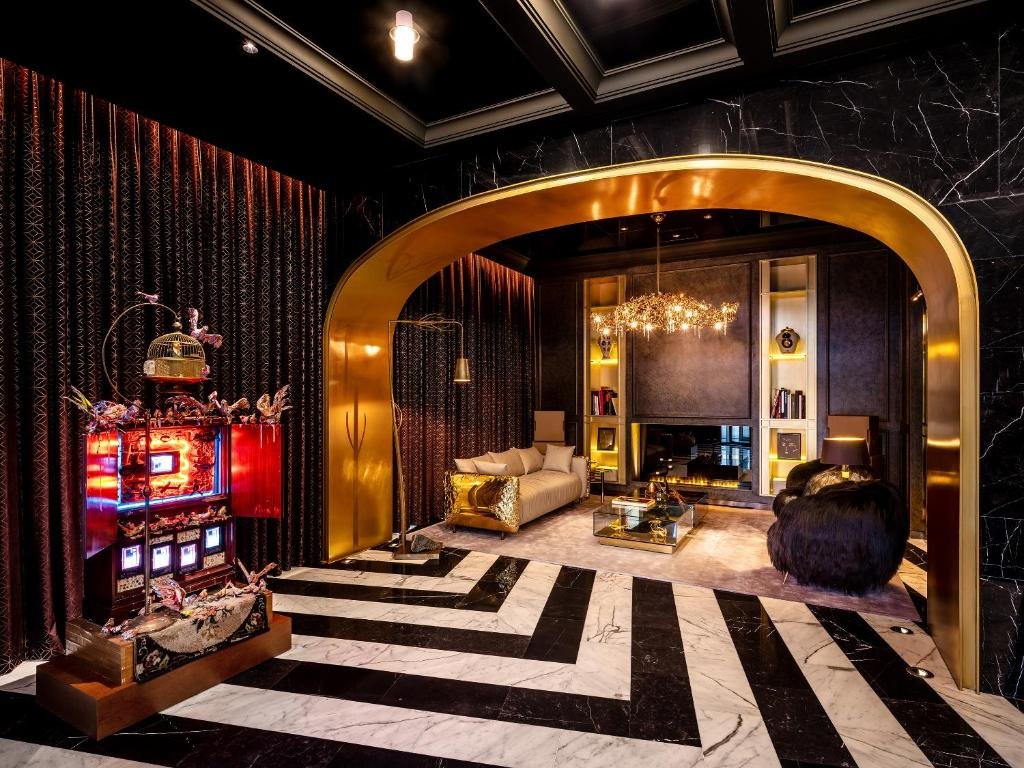
Elegant and modern with attentive service, though some describe the lounge areas as slightly cold and sterile.
Tags
Vibe
Best For
Experience
Format
At the Bar
- Bar Category
- Hotel Bar
- Late Night
- Closes by Midnight
- Music
- Curated
Planning details
Location
Incheon, South Korea
Recognition and awards

Explore Incheon
Around this place
Discover more on Pearl
Unlock the full Regency Club guide in Pearl, including awards, comparisons, FAQs, planning details, and nearby places.
FAQ
Frequently Asked Questions
What's the crowd like at Regency Club?
Regency Club is listed for executive lounge services and light dining in Incheon, so plan around that format rather than an assumed scene.
Is Regency Club good for groups?
Is the food good at Regency Club?
The cuisine category is light dining alongside executive lounge services. Go in expecting light dining rather than assuming a full restaurant menu.
Is Regency Club good for a date?
It may suit a date if executive lounge services and light dining in Incheon match the plan. Check current ambience, seating, and menu details before making it the center of the evening.