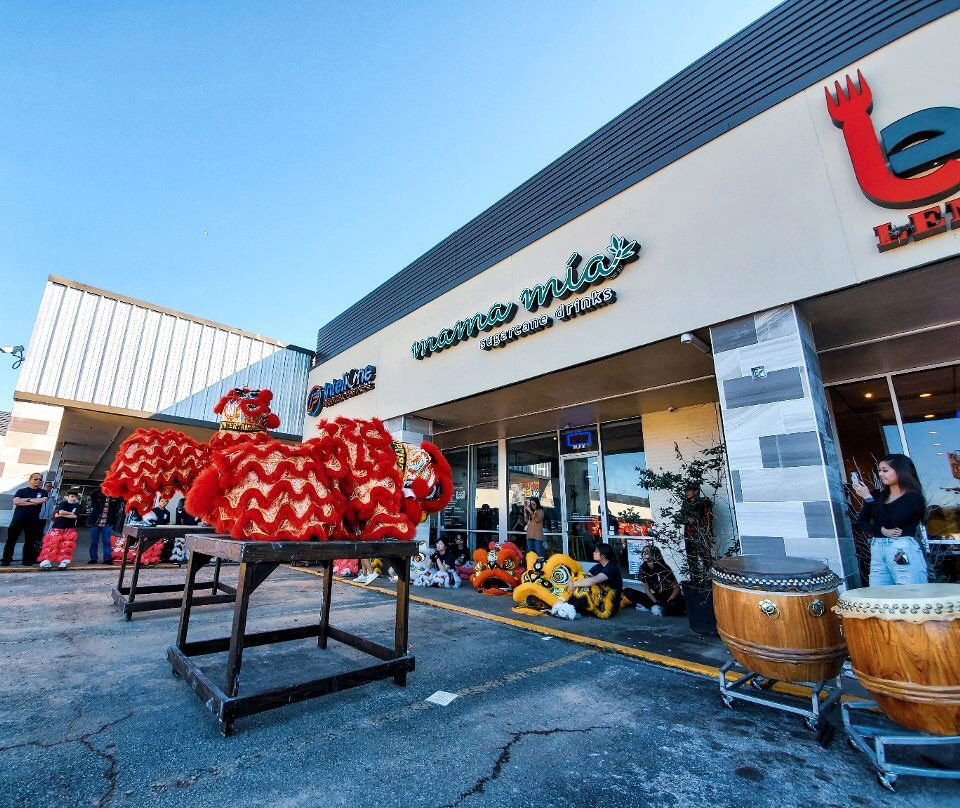
Mama Mia
Bellaire West, Houston
Bar in Houston, United States
 Book with Pearl
Why go
Mama Mia is a practical west Houston pick when ease matters more than a destination dining experience. With no public awards, chef details, price range, or confirmed outdoor setup available, treat it as a casual repeat option rather than a special-occasion booking.
About Mama Mia
Do not treat Mama Mia as a one-size-all plan: in Houston, the smarter move is often choosing the place that fits the errand, the group, and the time of day. Mama Mia is a practical option when convenience matters, especially for someone who wants a direct casual stop rather than a heavily planned night.
The case for going is practical: this is not a venue to overstate. Its appeal lies in its Houston location, casual dress code, and daily hours, making it suitable for simple planning rather than for specific cuisine, chef, price, awards, or drinks details. If the goal is a casual stop in Houston with daytime-to-evening usefulness, it can make sense. If the goal is a date-night room with a documented culinary reputation or a specific service format, compare other options before committing.
Use it for an easy Houston stop, not a high-stakes night
The decision should be about occasion fit. Mama Mia works better as a convenient casual choice than as the anchor for a major evening. It offers easy logistics, with hours from 9 AM–7 PM Monday through Thursday and 9 AM–8 PM Friday through Sunday.
Atmosphere-wise, set expectations around casual dress rather than formal polish. Since information on outdoor seating, room layout, menu format, or service style is not available, do not make any of those features the reason to go. If a specific setup is the deciding factor, check with the venue before heading over.
Where it fits in a Houston plan
Pair this with a broader Houston shortlist rather than treating it as the whole night. For drinks-led planning, use our full Houston bars guide; for restaurant alternatives, start with our full Houston restaurants guide. If the night needs a hotel base, our full Houston hotels guide is the better planning layer.
For wider category browsing, also use guides to Houston dining, bars, hotels, and experiences. If you are comparing specific alternatives, Fernando's, Guadalajara Hacienda, Imperial Wine SLTX, London Sizzler, and Bun Bo Hue Duc Chuong 1 - Buba T-2 can help frame whether Mama Mia is the right fit for the occasion.
The verdict: go when the priority is ease, casual dress, and daily hours in Houston. Skip it when the night needs culinary credentials, a named chef, an outdoor setup, or a specific room format.
Planning details
- Location
- 11111 Bellaire Blvd, Houston, TX 77072, USA
- Website
- mamamiasugarcane.com
- Phone
- +1 832 230 4667
The take
The Take
The Vibe
Mama Mia reads like a neighborhood institution: its longevity on Bellaire Boulevard frames it as a steady, classic presence rather than a fleeting trend. The profile stresses community loyalty and the corridor’s reliance on repeat local customers, which gives the place an unassuming, resilient character. Service and atmosphere are oriented toward familiarity and consistency; this is not a tourism-driven destination but a restaurant that has calibrated itself to meet regulars’ expectations. Expect an approachable, unpretentious environment where reliability and value matter as much as culinary flash.
Best For
Mama Mia is best for locals and anyone seeking steady, dependable neighborhood dining. The description centers on repeat clientele and community return visits, so it’s a fit for weeknight dinners, regular family meals and gatherings where consistency and value matter more than novelty. It’s not framed as a destination for tourists or fine-dining experiences; instead, it appeals to diners who prioritize familiar flavors, fair prices and a place that knows its neighborhood. Frequent visitors and people who appreciate tried-and-true dishes will find it most rewarding.
Ordering Tips
When ordering at Mama Mia, lean into the familiar: the write-up stresses that local customers 'know exactly what a dish should taste like and how much it should cost,' so classics and house standards are likely the safest bets. Prioritize menu items that reflect the restaurant’s established offerings rather than experimental specials, and expect consistent preparation born from long-term community feedback. If you’re unsure, ask staff for the regulars’ favorites: consistency is the restaurant’s strength, so choose dishes that have clearly stood the test of time.
Venue details
Ambiance
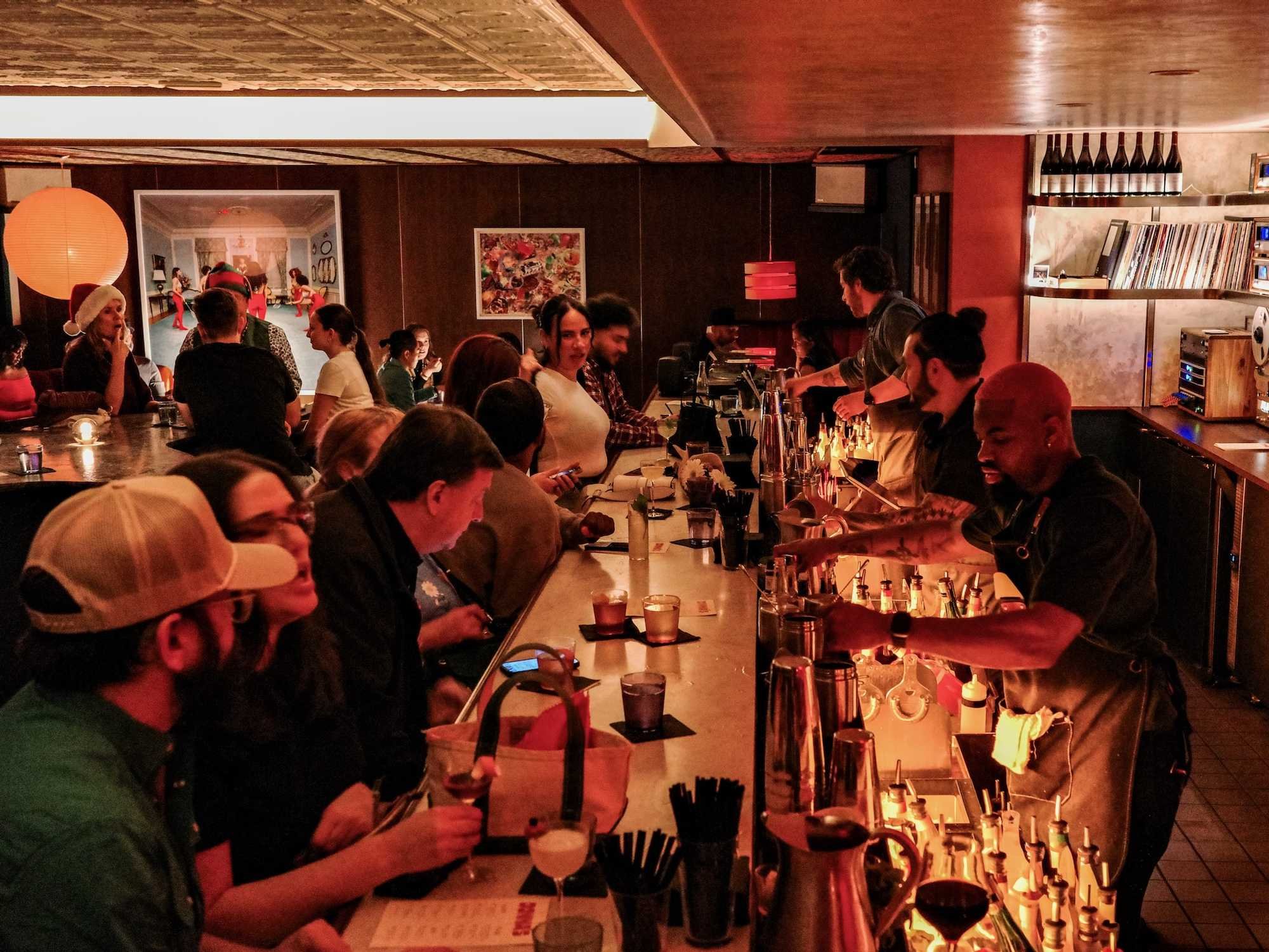
High-energy party atmosphere with themed decor and entertainment focused on ABBA music and culture
Tags
Vibe
Best For
Experience
Format
At the Bar
- Bar Category
- Lounge
- Late Night
- Open Until 2am
- Music
- Abba Hits and Iconic Era Music
- Live Music
- Yes
Know before you go
Know Before You Go
- Getting there
- 11111 Bellaire Blvd, Houston, TX 77072, USA
Planning details
Location
Also consider
Also Consider
- Bun Bo Hue Duc Chuong 1 - Buba T-2, Notable alternative
- London Sizzler, Notable alternative
- Guadalajara Hacienda, Notable alternative
- Fernando's, Notable alternative
- Imperial Wine SLTX, Notable alternative
Bar context
How Mama Mia compares in Houston
Mama Mia is the easiest recommendation when the brief is simple convenience in west Houston. Compared with Bun Bo Hue Duc Chuong 1 - Buba T-2, it is less clearly defined by a specific food mission, so choose Bun Bo Hue Duc Chuong 1 - Buba T-2 when the meal itself is the point and Mama Mia when logistics matter more.
London Sizzler and Guadalajara Hacienda are better cross-shops for diners who want a more obvious cuisine-led plan. Mama Mia is the safer low-pressure choice if the group wants an easy stop, but it is not the strongest pick for a date where ambience and a clear food identity carry the night.
If the occasion leans more adult-night-out than casual meal, compare against Fernando's or Imperial Wine SLTX. Those make more sense when drinks, pacing, and a more deliberate evening are the priority; Mama Mia is the value-by-convenience option, not the splurge choice.
Around this place
Discover more on Pearl
Unlock the full Mama Mia guide in Pearl, including awards, comparisons, FAQs, planning details, and nearby places.
Compare Mama Mia
| Venue | Location | Awards |
|---|---|---|
| Mama Mia | Houston | No published awards |
| Bun Bo Hue Duc Chuong 1 - Buba T-2 | Houston | No published awards |
| London Sizzler | Houston | No published awards |
| Guadalajara Hacienda | Houston | No published awards |
| Fernando's | Sugar Land | No published awards |
| Imperial Wine SLTX | Sugar Land | No published awards |
How Mama Mia Houston compares with similar nearby venues.
FAQ
Frequently Asked Questions
What's the best time to go to Mama Mia?
Use the listed hours to plan: Mama Mia is open 9 AM–7 PM Monday through Thursday and 9 AM–8 PM Friday through Sunday. Choose a time within those hours that fits your Houston plans, and confirm directly with the venue if timing is critical.
Does Mama Mia have happy hour deals?
Do not count on happy hour unless you verify it before you go, since drink specials are not specified. If your goal depends on specials or a particular drinks setup, compare options carefully and check official channels for the latest details.
Is Mama Mia good for a date?
It may fit a low-pressure casual date, but details for a special-occasion format, cuisine, price point, or drinks program are not available. If you want a more deliberate date-night comparison, consider Fernando's as another option to evaluate.
Is the food good at Mama Mia?
Treat Mama Mia as a convenience-first pick rather than a documented food-first destination. Cuisine, chef, price, or award details are not specified, making its appeal primarily its Houston location, casual dress code, and daily hours. Guadalajara Hacienda is another option to compare if you want to broaden the shortlist.