Eugene's Gulf Coast Cuisine
Neartown, Houston
Bar in Houston, United States
 Book with Pearl
The Read
Price
$30–50per person
Why go
A practical pick for a Gulf Coast-leaning sit-down meal in Houston when dinner, not the bar program, needs to carry the night. Book it for dates, family occasions, or business meals where conversation and an easy table matter more than cocktail specialization or wine-bar energy.
About Eugene's Gulf Coast Cuisine
Is Eugene's Gulf Coast Cuisine worth considering in Houston? Yes if you want a direct venue choice with daily 11 AM–10 PM hours and a business-casual dress code. The schedule is 11 AM–10 PM every day, which makes it easier to plan than venues with narrower hours.
Best fit: a Houston plan with daily hours and dress code
The recommendation is strongest when the plan calls for a Houston venue with a business-casual dress code and a daily 11 AM–10 PM schedule. It may fit a range of outings; for atmosphere, noise level, reservations, and group setup, check directly with the venue.
Use Eugene's Gulf Coast Cuisine as a practical Houston venue rather than a destination you build a whole Houston trip around. If the group wants a drink-focused stop as part of the same outing, use Pearl's Houston bars guide to pick another stop. If the evening is part of a wider city stay, Pearl's Houston restaurants guide is the better place to compare dining options across town.
Best timing: use the daily 11 AM–10 PM schedule
The hours are 11 AM–10 PM every day, so timing can be flexible. If a specific time matters, check current availability directly before you go.
For visitors pairing Eugene's Gulf Coast Cuisine with a weekend in Houston, keep the rest of the plan simple: choose a hotel from Pearl's Houston hotels guide, then add another stop only if it fits the schedule. If the group wants something before or after, compare Eugene's Gulf Coast Cuisine with other Houston options through Pearl's Houston bars guide and Pearl's Houston restaurants guide.
Planning details
- Location
- 1985 Welch St, Houston, TX 77019
- Reservations
- Book on OpenTable
- Website
- eugeneshouston.com
- Phone
- +1 713 807 8883
The take
The Take
The Vibe
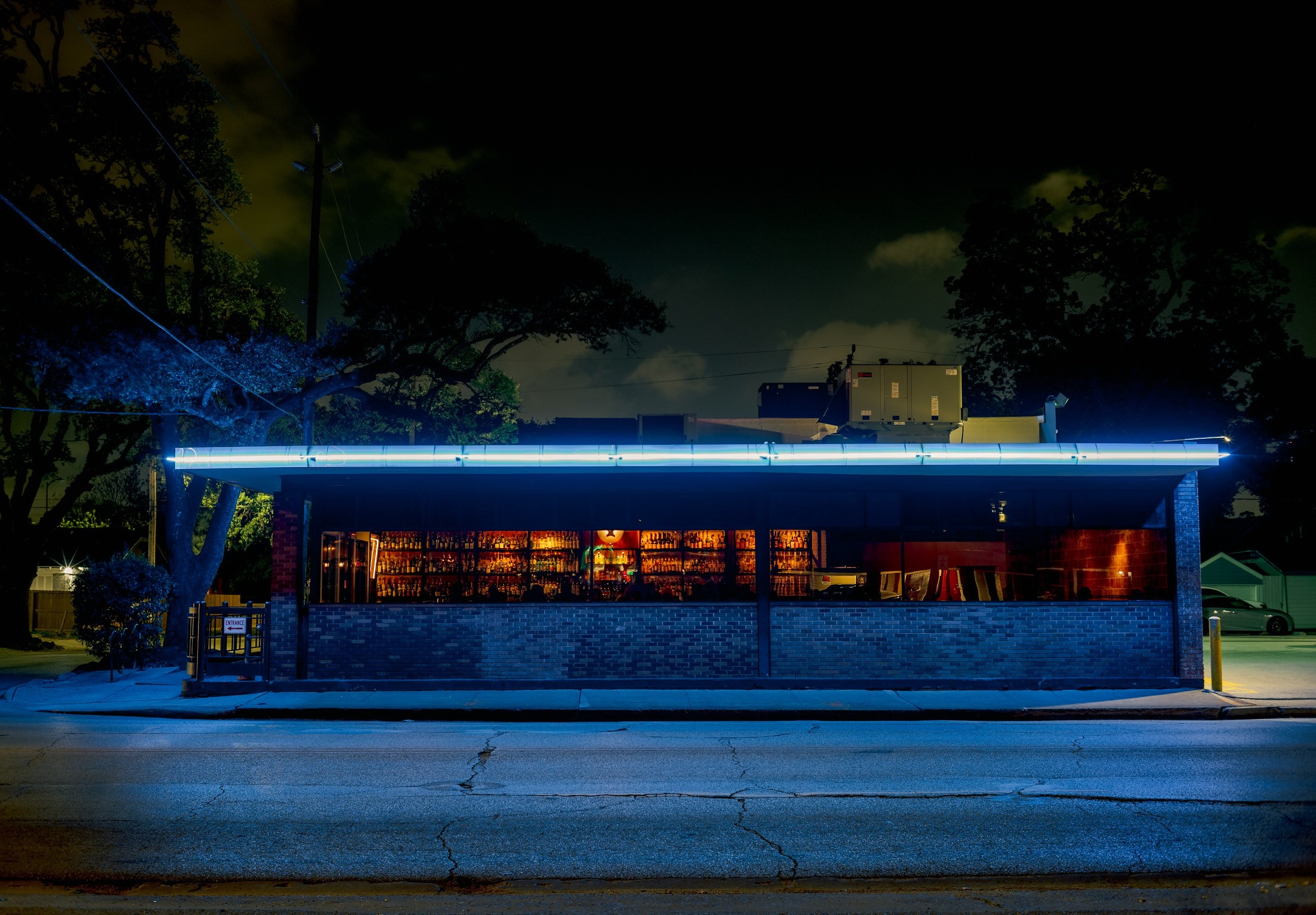
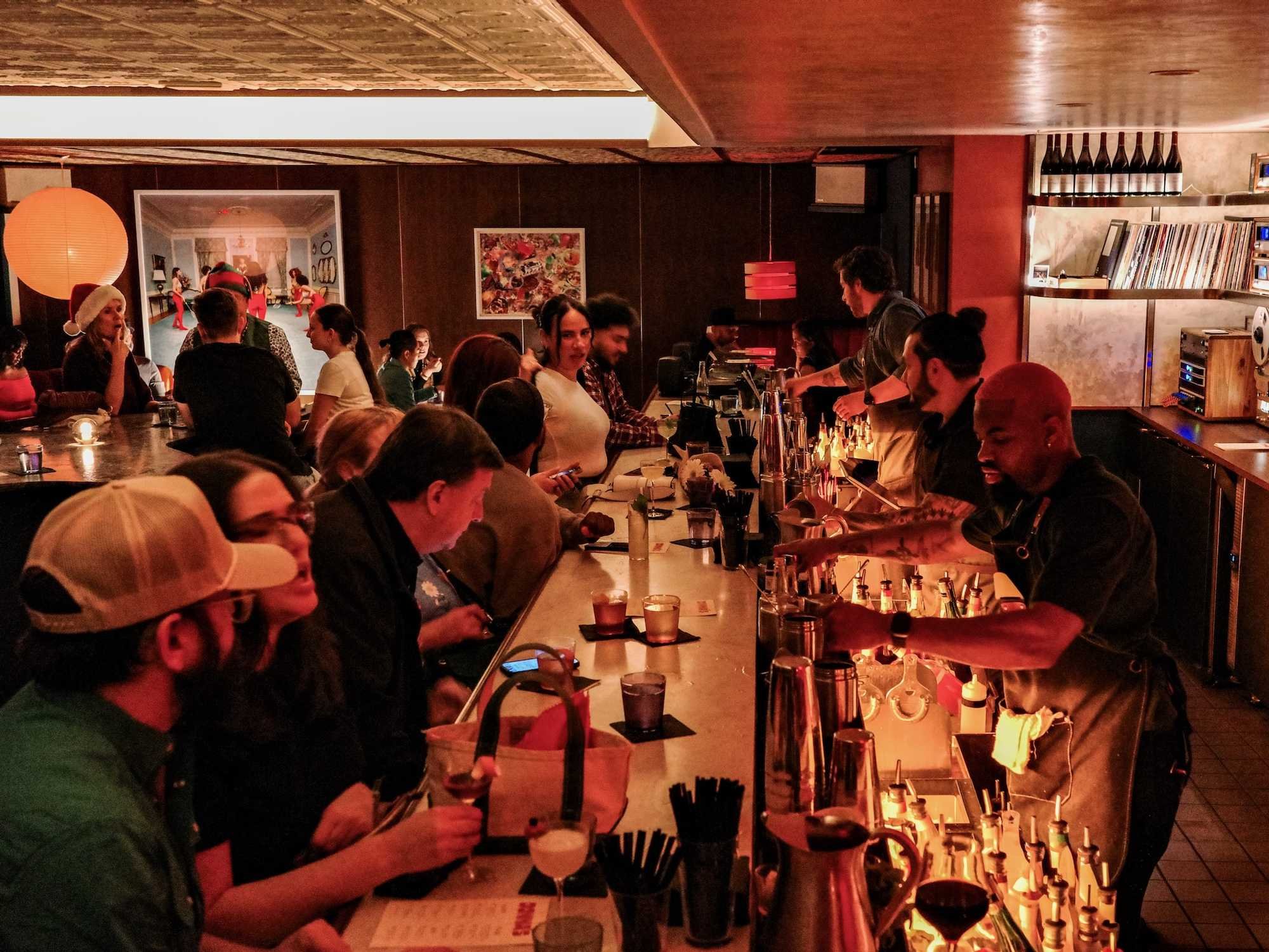
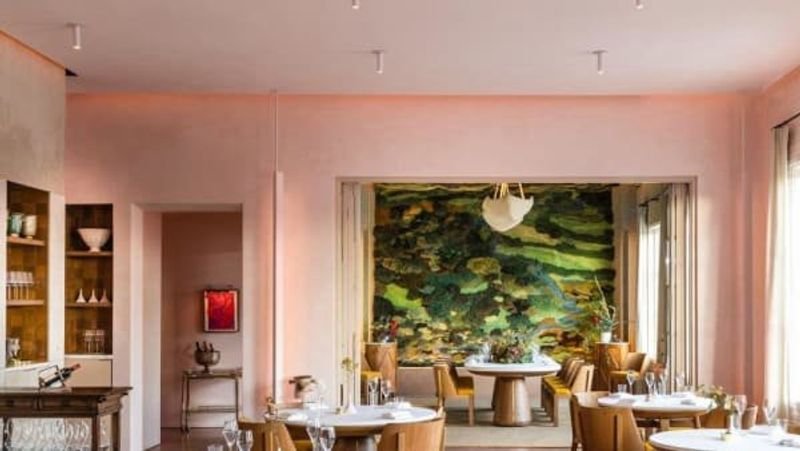
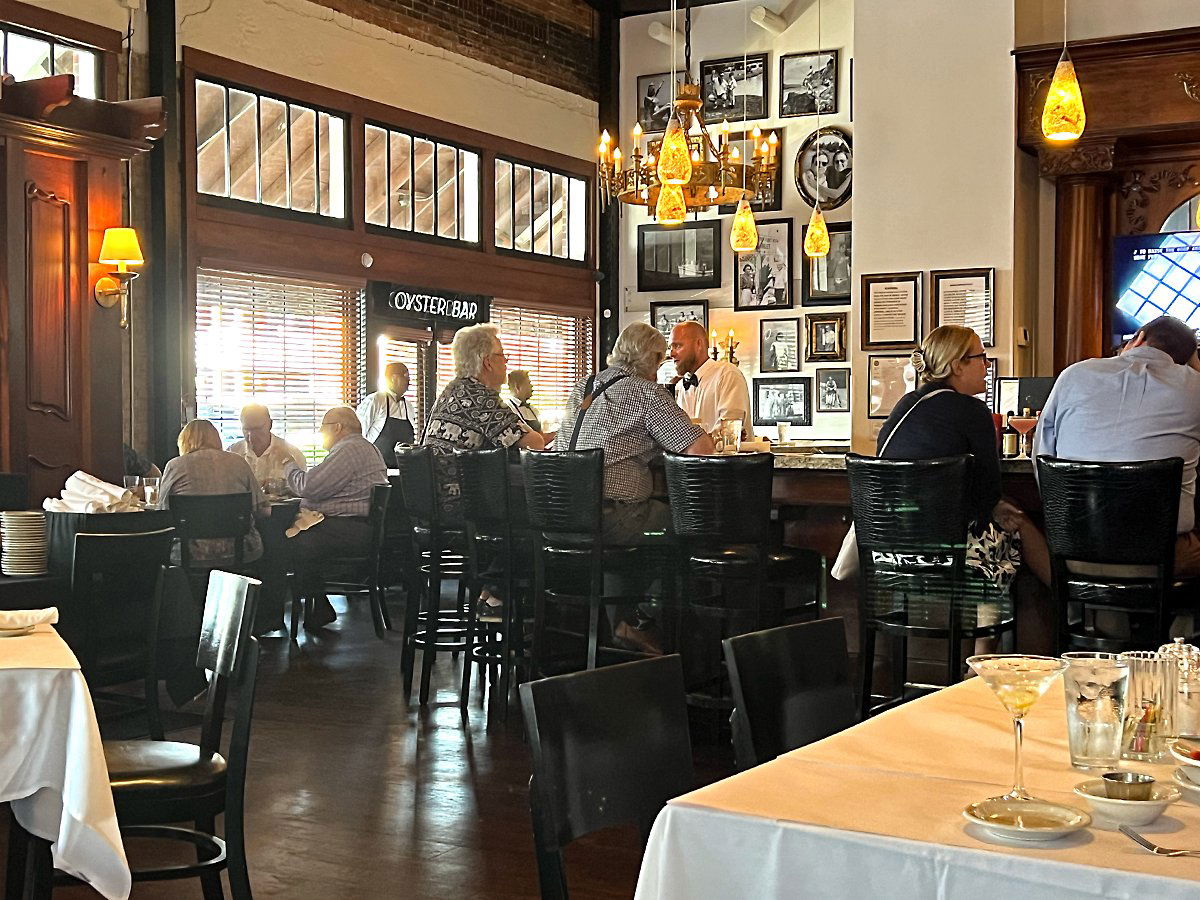
Set on a tree-lined stretch of Montrose, Eugene's reads like a mid‑century neighborhood kitchen that brings Gulf Coast technique into a composed, low-key room. The description emphasizes older residential proportions and the overhead canopy, which give the place a charming, relaxed feel; the writing about culinary inheritance and technical range also signals a quietly sophisticated focus. Guests encounter food that puts the sea first, and the restaurant matches that clarity with a measured atmosphere: not flashy, but purposeful, where attention is on bright, saline flavors and a thoughtfully paced meal.
Best For
Eugene's is tailored to evening dining where a sequential, ingredient-forward meal matters most. The text centers on arriving in the evening and reading a meal as a sequence (lighter, brinier courses early, then more technically driven middle plates) so it is best experienced at dinner by diners who want a considered progression of Gulf Coast flavors. Montrose locals and visitors looking for a composed, slightly elevated coastal meal find it suited to date nights, small groups that appreciate seafood-focused menus, and anyone seeking a relaxed but refined evening out.
Ordering Tips
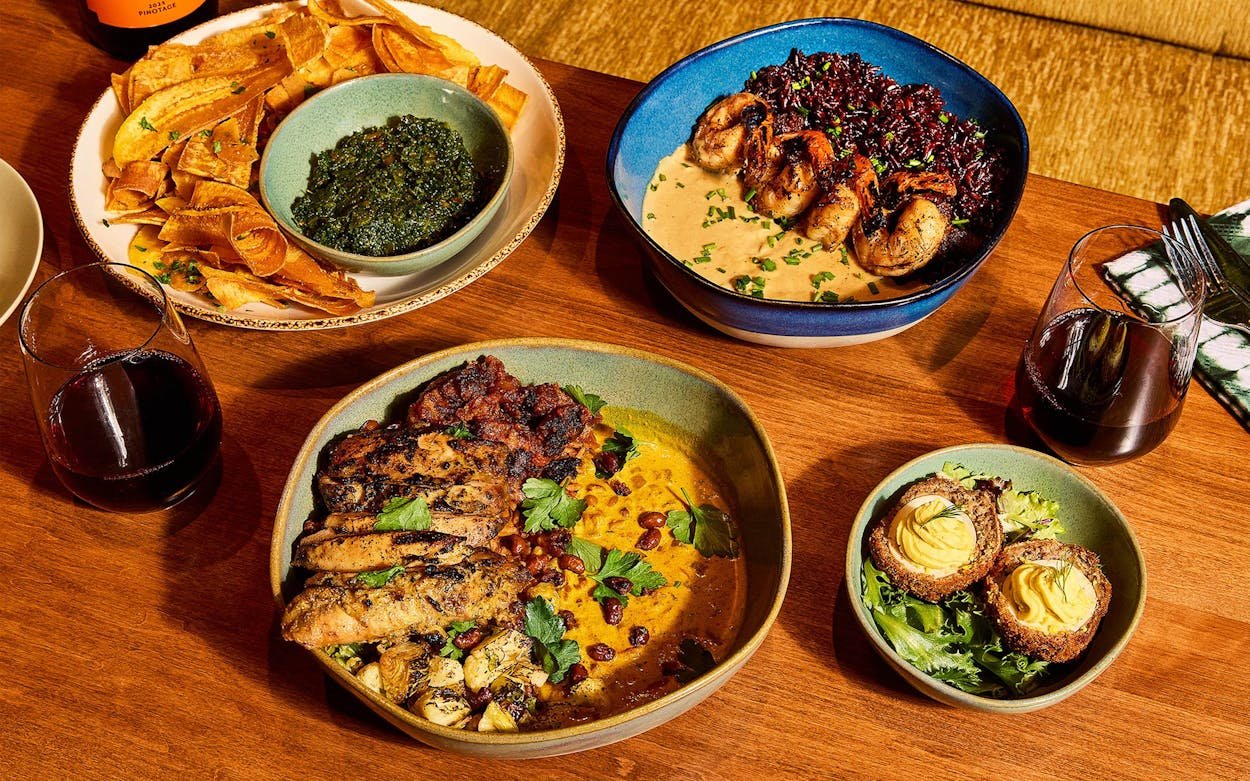
Start your meal with the raw-bar-style and marinated preparations that the description highlights: oysters and other early, briny courses are meant to showcase the bay’s mineral signature. Let those lighter plates lead the meal, then move into the middle courses where the kitchen’s technical range shows on Gulf fish and heartier preparations. The write-up explicitly advises following a sequence, so resist overwhelming the early courses with heavy sauces and instead order to progress from saline, bright beginnings to more structured, cooked dishes as the meal unfolds.
Venue details
Ambiance
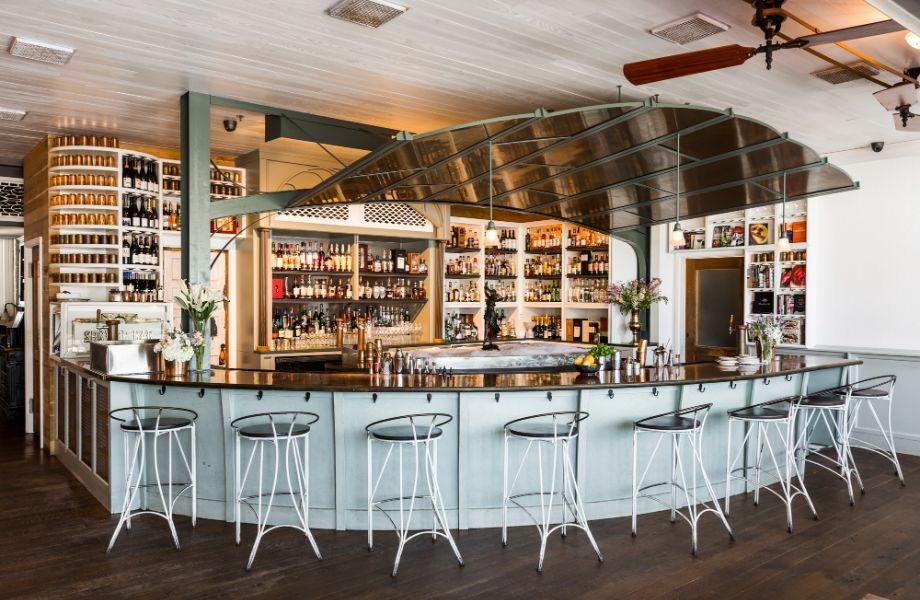
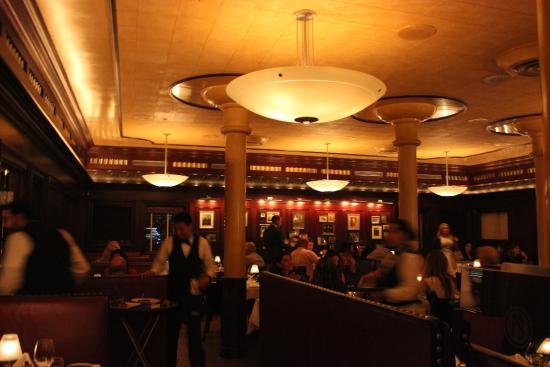
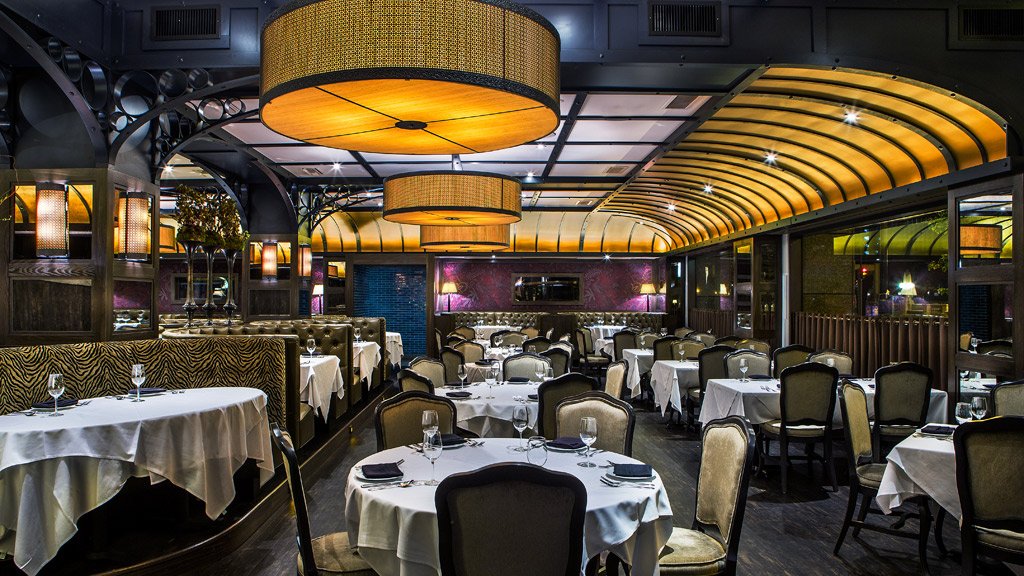
Charming casual-fine dining with soft wall lamps, vintage decor, and an intimate vibe.
Tags
Vibe
Best For
Experience
Format
At the Bar
- Bar Category
- Lounge
- Late Night
- Closes by 10pm
- Music
- Blues
- Live Music
- Yes
Signature Pours
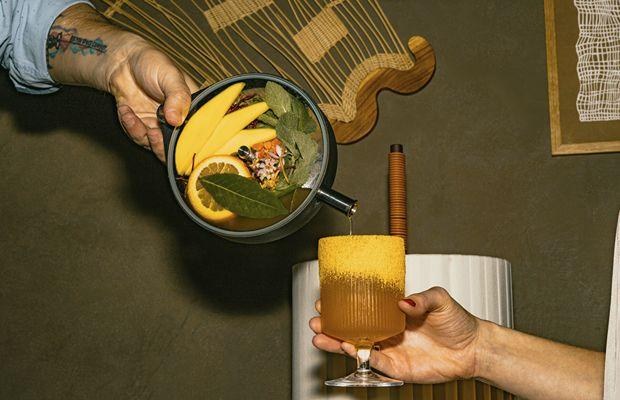
- Bloody Danton
- Bevo Mojito
Know before you go
Know Before You Go
- Getting there
- 1985 Welch St, Houston, TX 77019
Planning details
Location
Also consider
Also Consider
- The Red Lion Houston, Notable alternative
- Camerata, Notable alternative
- Bar Buena, Tequila and agave spirits, Tequila and agave spirits
- Poison Girl, Notable alternative
- Montrose Cheese & Wine, Notable alternative
Bar context
How It Compares
Choose Eugene's Gulf Coast Cuisine when the priority is a full dinner in Houston rather than a drinks-led night. Bar Buena is the clearer pick for tequila and agave spirits, while Camerata and Montrose Cheese & Wine make more sense when wine is the point of the evening.
For ambiance, Poison Girl is better for a casual bar stop, and The Red Lion Houston is the better fit for a pub-style night. Eugene's Gulf Coast Cuisine is the stronger choice when the group wants to sit down, eat properly, and avoid making the beverage program the whole decision.
Booking difficulty appears easier here than at venues where the format itself creates demand, so it works well as a lower-stress celebration or business-meal option. Cross-shop Bar Buena for agave spirits, Camerata for wine, and Poison Girl for a more casual Houston bar mood.
Around this place
Discover more on Pearl
Unlock the full Eugene's Gulf Coast Cuisine guide in Pearl, including awards, comparisons, FAQs, planning details, and nearby places.
Compare Eugene's Gulf Coast Cuisine
| Venue | Location | Cuisine | Awards |
|---|---|---|---|
| Eugene's Gulf Coast Cuisine | Houston | , | No published awards |
| The Red Lion Houston | Houston | , | No published awards |
| Camerata | Houston | , | No published awards |
| Bar Buena | Houston | Tequila and agave spirits | No published awards |
| Poison Girl | Houston | , | No published awards |
| Montrose Cheese & Wine | Houston | , | No published awards |
How Eugene's Gulf Coast Cuisine Houston compares with similar nearby venues.
FAQ
Frequently Asked Questions
Is Eugene's Gulf Coast Cuisine good for a date?
It can be, if you want a business-casual venue in Houston with a daily 11 AM–10 PM schedule. If you are comparing other venues for the same outing, Camerata or Bar Buena are also worth considering.
What's the best time to go to Eugene's Gulf Coast Cuisine?
The hours are 11 AM–10 PM every day. Choose a time that fits your plan, and check availability directly if you need a specific time.
Is the food good at Eugene's Gulf Coast Cuisine?
Check the current menu to decide whether it matches what you want, and compare with options such as Montrose Cheese & Wine if you are considering alternatives.
Do I need a reservation at Eugene's Gulf Coast Cuisine?
The hours are 11 AM–10 PM daily, but you should check directly with the venue for booking availability, walk-in policies, and peak-time guidance. The Red Lion Houston is another option to compare if your plan is flexible.
What's the crowd like at Eugene's Gulf Coast Cuisine?
For crowd, atmosphere, or noise-level details, check directly with the venue. Eugene's Gulf Coast Cuisine is in Houston, keeps daily 11 AM–10 PM hours, and has a business-casual dress code. Camerata and Bar Buena are other venues to compare depending on the kind of outing you want.
Does Eugene's Gulf Coast Cuisine have outdoor seating?
Check directly with the venue before you go if patio or outdoor seating is essential. You can also compare with Montrose Cheese & Wine when planning alternatives.
Is Eugene's Gulf Coast Cuisine good for groups?
It may work for a group that wants a Houston venue with daily 11 AM–10 PM hours and a business-casual dress code. For group seating, private dining, and reservation policies, check directly before making plans. The Red Lion Houston is another option to compare for a flexible group plan.