
Bar in Henrico County, United States
Blue Bee Cider
100ptsOrchard-Focused Fermentation
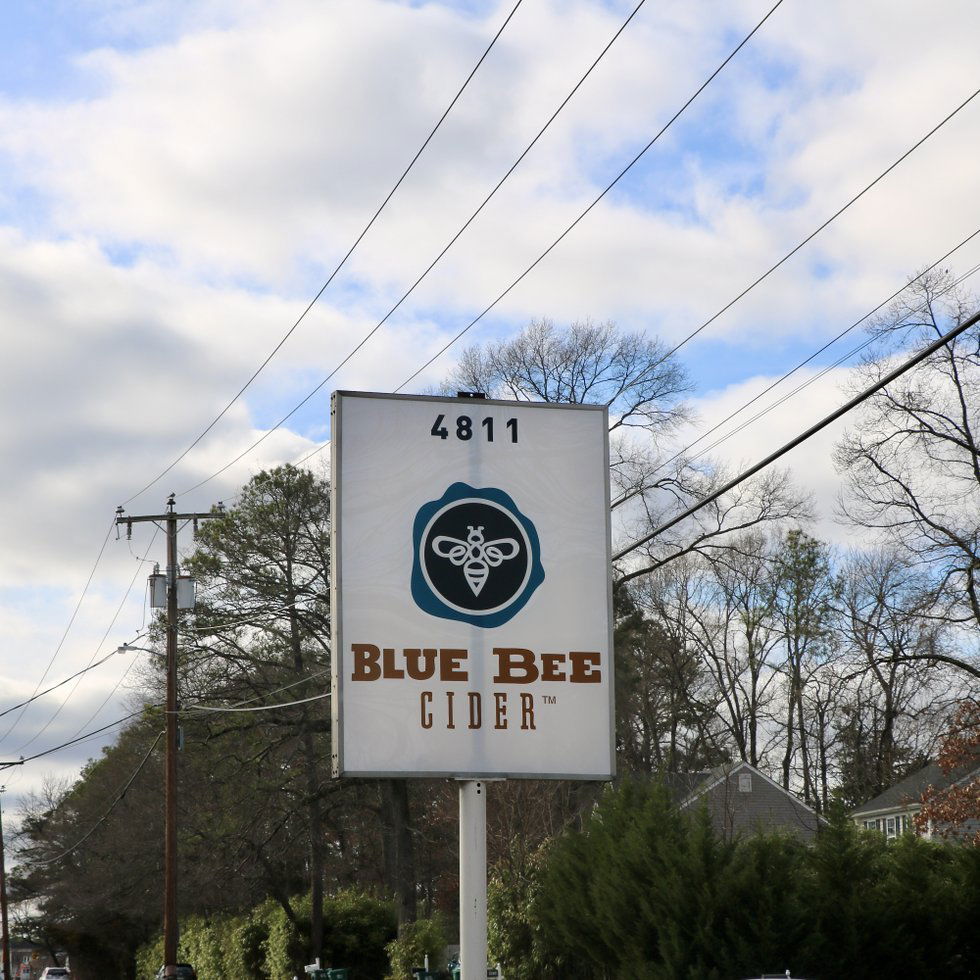
About Blue Bee Cider
Blue Bee Cider operates out of Richmond's Scott's Addition corridor, bringing a focused cider program to a city better known for craft beer. The taproom at 4811 Bethlehem Rd draws a crowd that takes fermented apple seriously, with a range that spans dry farmhouse styles to fruit-forward small-batch releases. It sits alongside [Mekong Restaurant](https://www.enprimeurclub.com/bars/mekong-restaurant-henrico-county-bar) as part of Henrico County's broadening drinks scene.
Where Fermented Apple Gets Taken Seriously
Richmond's drinking culture has spent the last decade building one of the Mid-Atlantic's more diverse craft beverage scenes, and the shift has not been limited to beer. The city's Scott's Addition neighbourhood and its surrounding corridors have become a proving ground for producers who work outside the dominant hop-forward idiom. Blue Bee Cider, operating from a production facility and taproom at 4811 Bethlehem Rd in Henrico County, sits at the leading edge of that diversification. The building itself signals what you're walking into before you reach the door: utilitarian, production-facing, with the kind of no-ceremony exterior that tells you the priority is what's in the tanks, not the fit-out.
Virginia's cider history runs considerably deeper than its craft beer story. The state was apple country long before it was wine country, and the tradition of fermented cider as a table drink predates Prohibition by centuries. Blue Bee draws on that regional legacy, positioning its program within a line of Virginia producers who treat cider with the seriousness typically reserved for wine: varietal sourcing, controlled fermentation, attention to acid structure and finish. In that context, a visit here reads less like a trip to a taproom and more like a short-form tasting education.
The Cider Program as a Curated Collection
The editorial angle that applies most cleanly to Blue Bee is curation depth. Where many cideries build a range anchored by one approachable semi-sweet pour and a handful of fruit additions, the approach here is more deliberate. Virginia's orchard diversity gives producers access to heritage and cider-specific apple varieties that produce juice with genuine tannin structure, and how a cidery chooses to use those varieties reveals its priorities. At Blue Bee, the range spans dry and bone-dry expressions through to fruit-influenced releases, but the spine of the program is the drier, more complex work.
Think of it in the same framework you'd apply to a serious back bar: the question isn't whether they have something approachable, it's whether the collection has depth, range, and internal logic. A strong back bar at a cocktail program like Kumiko in Chicago or Jewel of the South in New Orleans reflects deliberate curation decisions that teach the drinker something. The same principle applies to a well-run cider program: the range should reflect a point of view, not just an attempt to satisfy every demographic at once.
Blue Bee's production facility is part of its transparency as a venue. Visitors can observe the fermentation environment, which reinforces the message that this is a craft operation working at a specific quality level, not a brand importing juice and applying a label. That distinction matters more than it might seem: the Mid-Atlantic cider category has grown quickly, and the gap between serious production-focused cideries and marketing-led operations has widened accordingly.
Richmond and the Regional Context
Henrico County's drinking scene is worth understanding on its own terms rather than as a suburb of Richmond proper. The area around Scott's Addition has absorbed a concentration of production-oriented beverage businesses over the past decade, a pattern repeated across American mid-size cities where industrial real estate remains accessible enough for cideries, distilleries, and small breweries to operate tasting rooms alongside working facilities. Blue Bee fits that pattern precisely.
What separates the better operators in this tier from the generic taproom format is program discipline. The strongest examples nationally, whether cocktail-focused like ABV in San Francisco or Allegory in Washington, D.C., or production-driven like Blue Bee, share a commitment to a defined point of view. You know what you're getting, and the range reflects consistent decision-making rather than reactive menu expansion. For a broader map of where Blue Bee fits within Henrico County's evolving drinks scene, the full Henrico County restaurants guide provides useful cross-category context.
Virginia as a cider-producing state has received growing attention from the drinks press over the past several years, with the Blue Ridge region's apple orchards increasingly cited as a source of genuine cider-specific fruit. That supply chain advantage is not universally used well, but producers who engage with varietal sourcing seriously have a meaningful edge over cideries working with commodity juice. The interest in Virginia cider as a category is real, and it tracks a broader national pattern in which American cider has moved, slowly but legibly, toward a more European-influenced model of dry, complex fermented apple.
Placing It Alongside the Wider Drinks Map
For the kind of drinker who approaches a visit to Bar Leather Apron in Honolulu or Julep in Houston with genuine curiosity about the producer's logic and the depth of the program, Blue Bee offers a comparable intellectual engagement in a different format. The product category is less immediately glamorous than aged spirits or a Japanese whisky collection, but the curatorial questions are identical: What does this producer prioritize? Is there range with internal coherence? Does the selection teach you something about the category?
Across American cities, the taproom format has proliferated to the point where differentiation requires either exceptional production quality or a clearly defined niche. Blue Bee's niche is Virginia cider taken seriously, which is a narrower and more defensible position than most. That specificity is what keeps it from reading as interchangeable with the broader wave of craft beverage tasting rooms.
Visitors planning a broader evening should note that Mekong Restaurant represents a different but equally serious end of Henrico County's drinks culture, and the two make a coherent pairing for anyone interested in the area's range. For out-of-town reference points on what a focused, curation-led drinks program looks like in other American cities, Bitter & Twisted in Phoenix, Superbueno in New York City, Bar Kaiju in Miami, and The Parlour in Frankfurt all demonstrate the same underlying principle: clarity of concept produces better programs than breadth for its own sake.
Planning Your Visit
Blue Bee Cider is located at 4811 Bethlehem Rd Suite A, Richmond, VA 23230. As a production cidery with an attached taproom, the operation runs on its own schedule, and confirming current hours directly before visiting is advisable, particularly for weekday visits. No booking information is available through EP Club at time of publication, which is consistent with most taproom-format operations in this category, where walk-in is the standard access model. Pricing at production taprooms in this tier typically runs below cocktail bar benchmarks, making Blue Bee an accessible entry point into the Virginia cider conversation regardless of prior familiarity with the category.
Frequently Asked Questions
- What's the general vibe of Blue Bee Cider?
- The setting is production-forward and unpretentious: a working cidery that happens to have a tasting room rather than a hospitality venue that happens to make cider. The tone is relaxed and educational rather than performative. If the venue were located in a city with a more active cocktail culture, the equivalent would be a technically serious program without the theatre.
- What do regulars order at Blue Bee Cider?
- Virginia's cider-specific apple varieties give producers access to juice with genuine tannin structure, and the drier expressions at Blue Bee are where that terroir advantage is most legible. Regulars tend to gravitate toward the drier, more complex pours rather than the fruit-forward options, which tracks with the broader shift in American cider toward a more European-influenced style.
- What's the main draw of Blue Bee Cider?
- The main draw is the depth and coherence of the cider program relative to the category norm. In a segment where many producers default to semi-sweet crowd-pleasers, Blue Bee's commitment to complex, dry-leaning expressions built from Virginia-sourced fruit gives it a distinct position within Henrico County's craft beverage scene.
- Is Blue Bee Cider reservation-only?
- Production taprooms in this format typically operate on a walk-in basis, and Blue Bee follows that model. No reservation system is listed in available data. Confirming hours directly before visiting is advisable, as taproom schedules at production facilities can vary by season and day of week.
- Does Blue Bee Cider focus on Virginia-grown apples specifically?
- Virginia's orchard heritage gives producers in this state access to heritage and cider-specific apple varieties that most American cideries cannot source locally. Blue Bee's program reflects that regional advantage, with a range built around fermented apple as a serious agricultural product rather than a sweetened alternative to beer. That commitment to local sourcing connects the cidery directly to a centuries-old Virginia tradition of cider as a primary table drink.
Related editorial
- Best Fine Dining Restaurants in ParisFrom three-Michelin-star icons to the next generation of Parisian chefs pushing boundaries, these are the restaurants that define fine dining in the world's culinary capital.
- Best Luxury Hotels in RomeFrom rooftop terraces overlooking ancient ruins to Michelin-starred hotel dining, these are the luxury hotels that make Rome unforgettable.
- Best Cocktail Bars in KyotoFrom sleek lounges to hidden speakeasies, Kyoto's cocktail scene blends Japanese precision with global influence in ways you won't find anywhere else.
Save or rate Blue Bee Cider on Pearl
Keep this venue in your Pearl passport, rate it after you visit, and track it alongside every other place you collect.