
Wijnbar Dito
historic city center, Hasselt
Bar in Hasselt, Belgium
 Book with Pearl
The Read
Price
$20–30per person
Why go
Wijnbar Dito is worth shortlisting in Hasselt when the night is built around wine rather than a full dining format. Star Wine List recognition in 2026 gives it a credible reason to choose it, but larger groups should stay flexible because seating, food format, and group policy details are not confirmed.
About Wijnbar Dito
Wijnbar Dito is a Hasselt wine bar with Star Wine List recognition for 2026. The strongest planning details are practical ones: its opening days, late closing times, and smart-casual dress code. That makes it easier to understand as a place to slot into an evening rather than a venue whose full experience can be described in detail. For seat count, private-room details, food format, or group policy, check with the venue, especially if you are planning for more than a small catch-up.
The useful way to read this place is as an evening wine-bar stop in Hasselt rather than a fully specified restaurant plan. It can fit into a wider city evening, particularly when the priority is wine and an uncomplicated setting. Readers mapping a full night can use our full Hasselt restaurants guide if dinner needs to carry the night, or if the occasion depends on clearer information about food, seating, and the rhythm of service.
Choose it for wine-led plans, not a large-group dinner
The main decision point is format. Wijnbar Dito is a wine bar with Star Wine List recognition for 2026, so the clearest reason to consider it is a wine-led stop in Hasselt. That recognition gives the venue a specific point of interest for drinkers building a route around wine, even though it does not, by itself, fill in the operational details a planner may need. Plan it as a flexible bar choice rather than as a tightly planned dinner anchor unless you have checked cuisine, chef, tasting-menu structure, price point, and seating setup directly.
For four or more, the safer approach is to keep expectations loose. Without firm capacity or group-policy details, avoid building the whole evening around a large table unless the party is comfortable with a casual bar rhythm. This is especially relevant if the evening has fixed timing, a special-occasion brief, or guests who need certainty before they arrive. If the group is comparing other options, Robijn Wine&Food;, Wine Bar César, Bar Papillon, Café Barolo, and Spencer's Bar are natural names to check alongside Wijnbar Dito.
Plan around an evening window and keep the brief simple
Wijnbar Dito's hours point to an evening-led schedule: Monday, Thursday, and Sunday from 4 PM to 12 AM; Friday from 4 PM to 1 AM; Saturday from 2 PM to 1 AM; and closed Tuesday and Wednesday. Saturday is the only day with a 2 PM opening, while the other open days begin at 4 PM. In practical terms, that pattern suits people thinking in terms of after-work drinks, a relaxed pre-dinner glass, or a later stop rather than a tightly timed daytime meal.
Use those hours to keep the plan simple: an evening drink, a later stop on Friday or Saturday, or an earlier Saturday start in Hasselt. The dress code is smart casual, which supports the same straightforward reading of the venue: polished enough to plan for, but not something that requires a formal brief. For food, seating, prices, reservations, or extra services, check directly with the venue before making a firm plan. That direct check is the cleanest way to turn a promising wine-bar idea into a dependable evening plan.
Planning details
- Location
- Schrijnwerkersstraat 8, 3500 Hasselt, Belgium
- Website
- wijnbardito.be
- Phone
- +32 11 91 70 95
The take
The Take
The Vibe
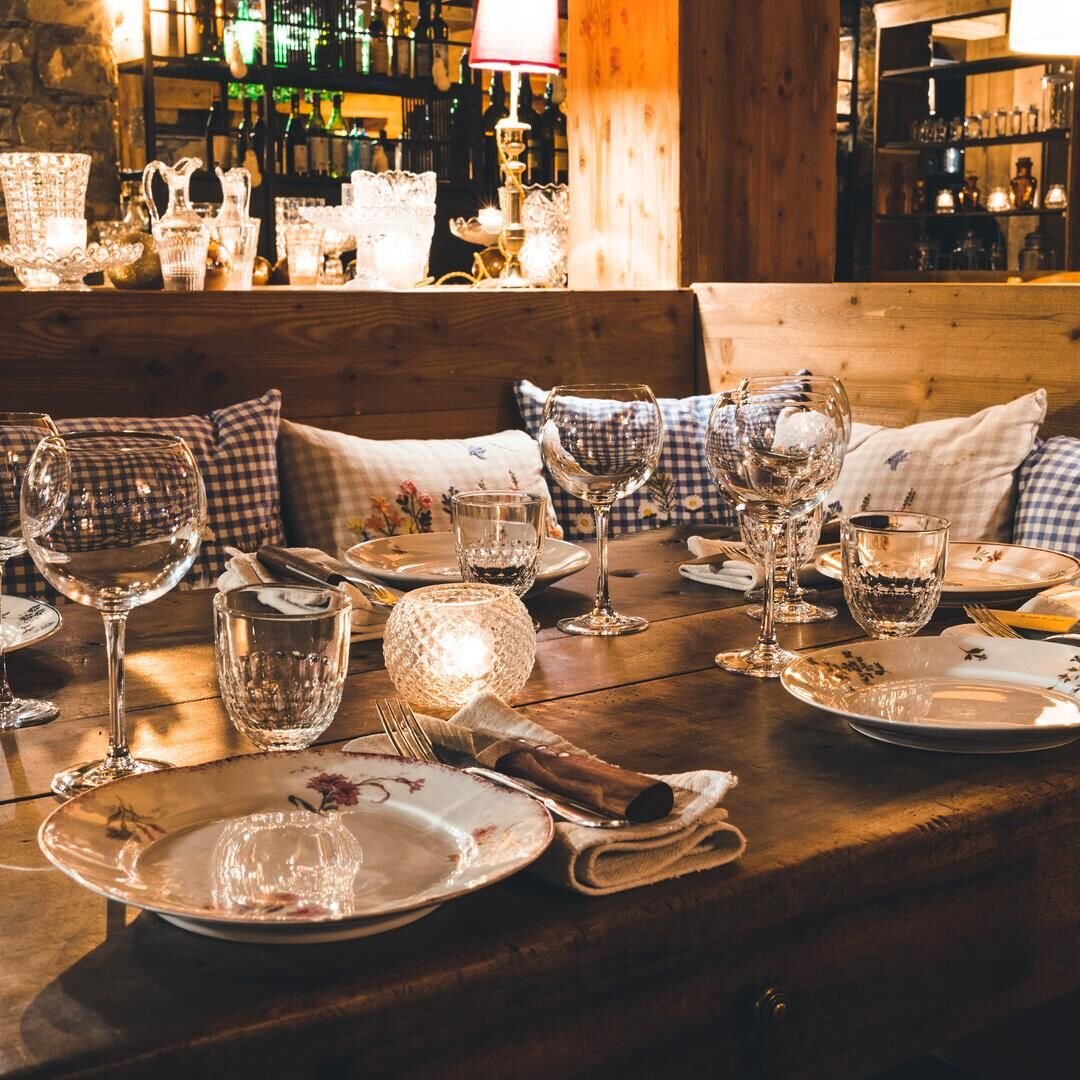
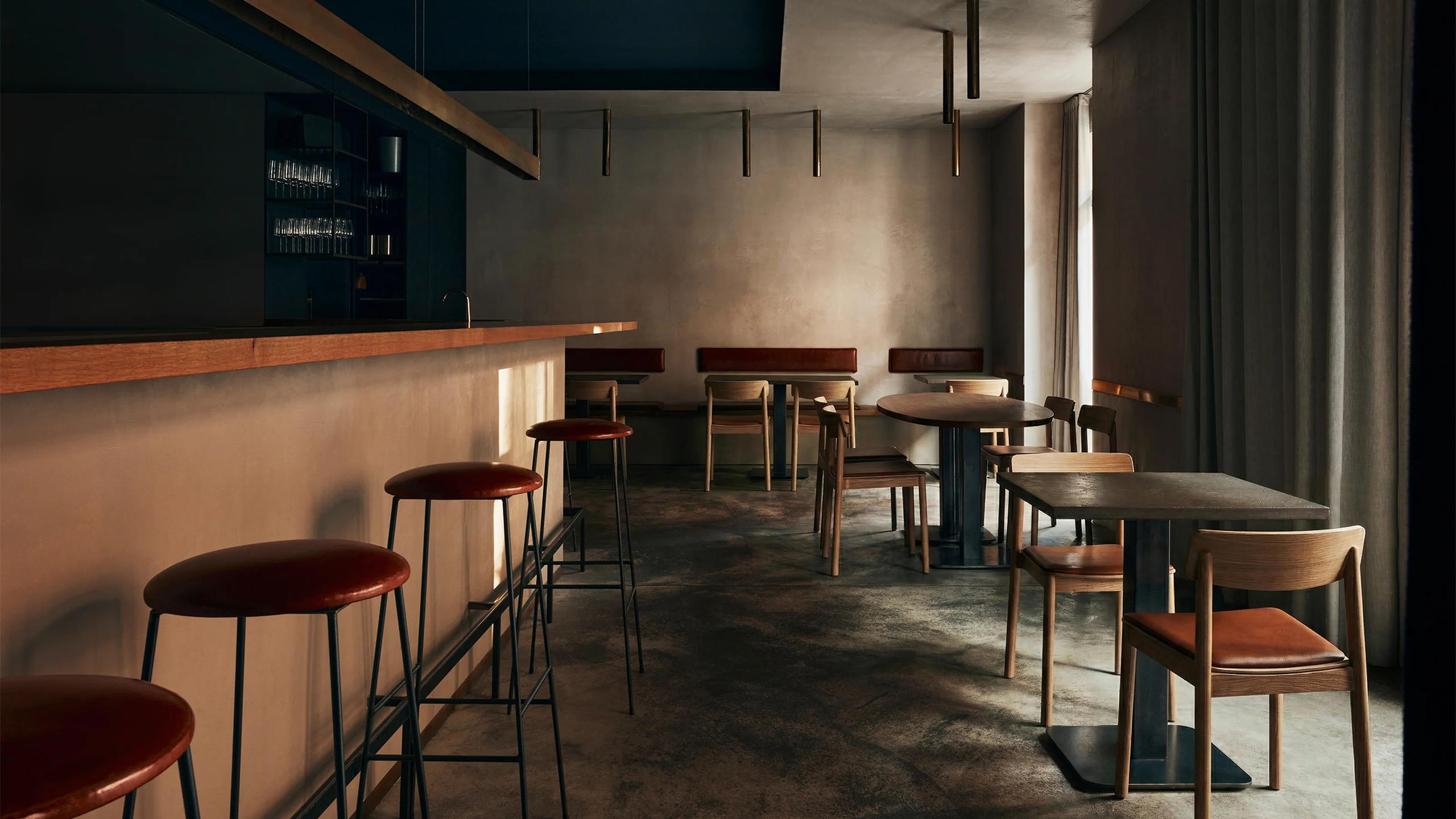
Wijnbar Dito presents a programme-first, quietly confident atmosphere in Hasselt’s historic centre. The room is organised around a thoughtfully edited wine list — its 2026 Star Wine List recognition confirms that the venue prioritises depth and coherence over sheer inventory. That editorial focus gives the bar a sophisticated, classic tone: conversations revolve around bottles, producers and stylistic threads rather than decor or location. The space reads as deliberate and composed, an intimate setting where wine selection drives the experience and knowledgeable service helps translate an ambitious list for curious guests.
Best For
This is a destination for wine-minded visitors plotting a Belgian drinks itinerary and for locals seeking an elevated night out. Dito suits date nights and casual hangouts alike, but its primary appeal is educational: the curated list rewards lingering, comparison and conversation. Readers traveling between specialist wine bars in cities like Brussels, Namur or Ostend will find Dito’s programme a useful benchmark — a place to taste low-intervention and classically styled wines side by side. It also functions well for small, focused gatherings where the glass, not the menu, is the main event.
Ordering Tips
Wijnbar Dito’s strength is its curated, coherent list; use that as your ordering compass. Staff and sommeliers are the natural route to navigate the programme: mention producers or styles you like and ask for guidance through the selection of natural, low-intervention and classically structured wines referenced in the profile. Trust the Star Wine List recognition as a shorthand for considered curation, and be prepared to focus on tasting and comparison rather than broad bottle hunting. If you’re building a broader Belgian itinerary, consider sampling a few contrasting regions or styles here to calibrate your palate.
Venue details
Ambiance
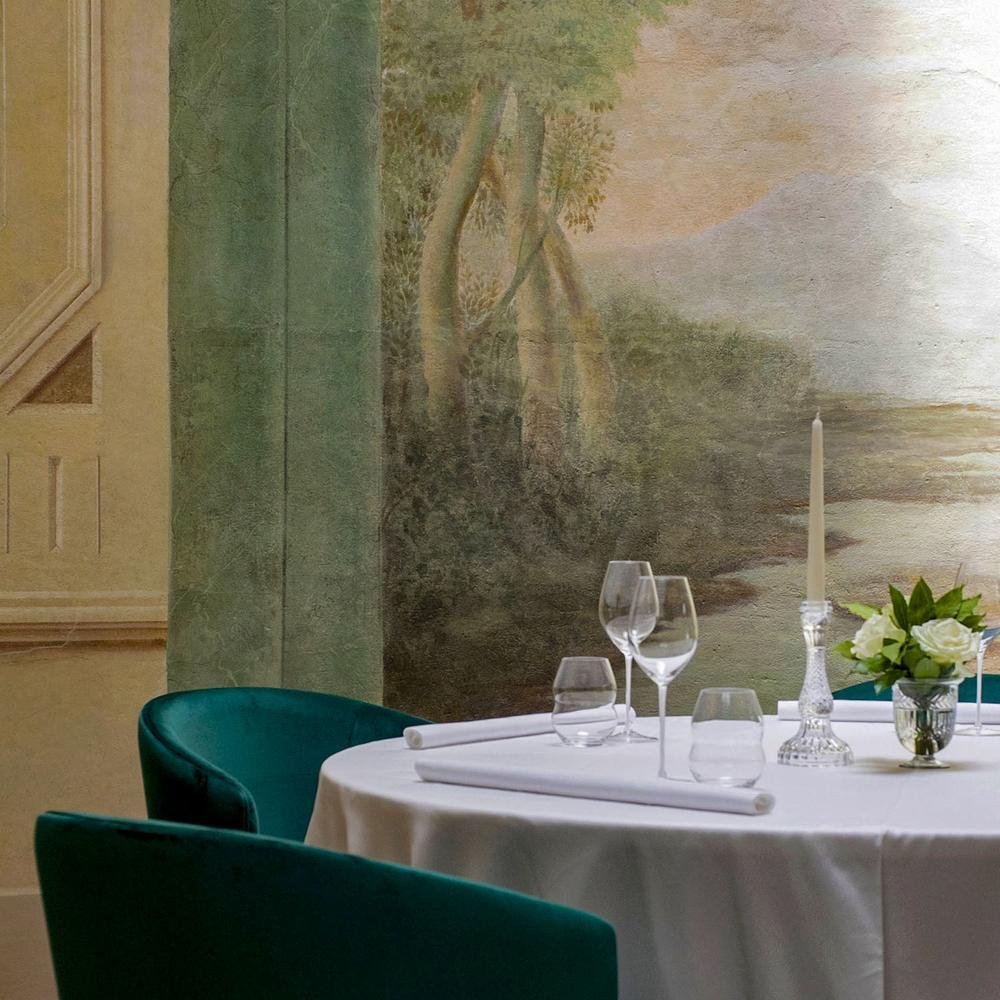
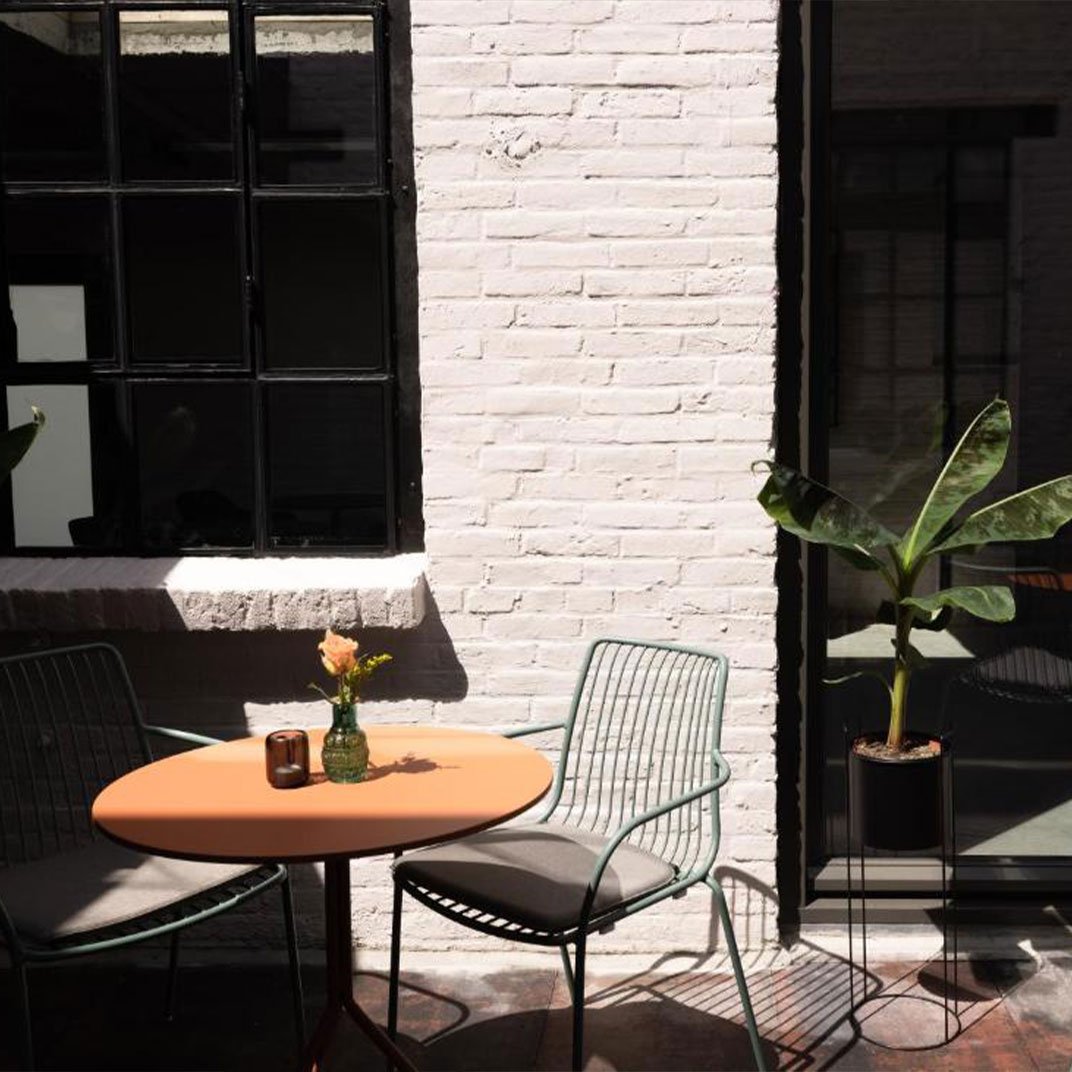
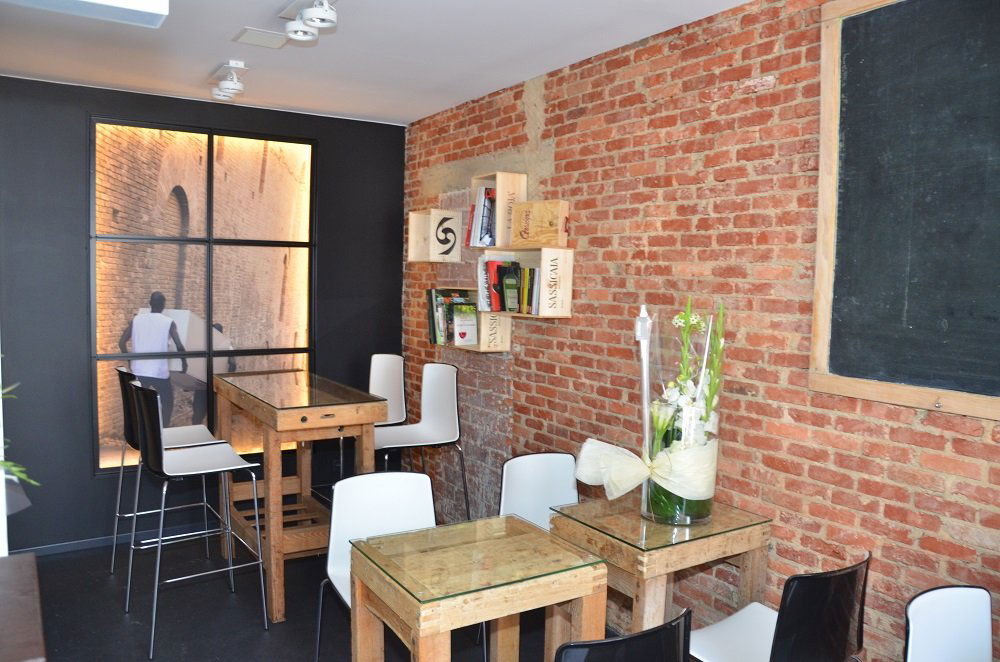
Compact and atmospheric interior evoking Mediterranean enotecas, cozy with heated terrace in winter.
Tags
Vibe
Best For
Experience
Format
At the Bar
- Bar Category
- Wine Bar
- Late Night
- Open Until 2am
- Spirits Focus
- Gin, Whiskey
Know before you go
Know Before You Go
- Getting there
- Schrijnwerkersstraat 8, 3500 Hasselt, Belgium
Planning details
Location
Recognition and awards

Also consider
Where to go if this does not fit
If the group wants wine but needs a fallback, try Café Barolo or Wine Bar César. If the group is less wine-focused, Bar Papillon or Spencer's Bar is the safer move.
Bar context
How it compares in Hasselt
Pick Wijnbar Dito when wine is the main reason for going and the group is small enough to stay flexible. Against Robijn Wine&Food and Wine Bar César, the cleaner case here is a drinks-led evening rather than a food-led plan, because the available detail points more clearly to wine-bar credibility than to a defined dining format.
Bar Papillon and Spencer's Bar read as better cross-shops if the priority is atmosphere and an easier mixed-drinks night. Choose Dito when at least one person in the group actively wants to talk through wine; choose those peers when the group has broader tastes and does not want the evening to revolve around the list.
Café Barolo is the closer alternative if the group wants a wine-friendly fallback but cannot make Dito work. For value, the deciding factor is not a published price tier; it is whether the group will use the wine focus. If not, a broader bar will feel like the safer spend.
Explore Hasselt
Around this place
Discover more on Pearl
Unlock the full Wijnbar Dito guide in Pearl, including awards, comparisons, FAQs, planning details, and nearby places.
Compare Wijnbar Dito
| Venue | Location | Awards |
|---|---|---|
| Wijnbar Dito | Hasselt | Star Wine Lists 2026 |
| Robijn Wine&Food | Genk | No published awards |
| Bar Papillon | Lanaken | No published awards |
| Spencer's Bar | Maastricht | No published awards |
| Wine Bar César | Maastricht | No published awards |
| Café Barolo | Eindhoven | No published awards |
How Wijnbar Dito Hasselt compares with similar nearby venues.
FAQ
Frequently Asked Questions
Do I need a reservation at Wijnbar Dito?
What's the best time to go to Wijnbar Dito?
Go during its opening windows: Monday, Thursday, and Sunday from 4 PM to 12 AM; Friday from 4 PM to 1 AM; and Saturday from 2 PM to 1 AM. It is closed Tuesday and Wednesday.
Is the food good at Wijnbar Dito?
Treat Wijnbar Dito primarily as a Hasselt wine bar with Star Wine List recognition for 2026. If food is the main event, compare it with options such as Robijn Wine&Food; or Wine Bar César.
Is Wijnbar Dito open late?
Yes. Wijnbar Dito is open until 12 AM on Monday, Thursday, and Sunday, and until 1 AM on Friday and Saturday. It is closed Tuesday and Wednesday.
Is Wijnbar Dito good for a date?
It can be a good fit if you want a smart-casual wine-bar stop in Hasselt. Its evening hours and late-week timing suit a wine-led plan; for seating style, prices, or food format, check ahead.