The Hanoi Social Club
Hoan Kiem, Hanoi
Bar in Hanoi, Vietnam
 Book with Pearl
The Read
Price
$10–20per person
Why go
The Hanoi Social Club is worth considering when the priority is an easy Hoàn Kiếm meet-up rather than a specialist wine or cocktail night. Choose Tannin Wine Bar Hang Vai for a more wine-focused plan, or keep this as the flexible option for a date, casual group, or repeat Hanoi evening.
About The Hanoi Social Club
The Hanoi Social Club is a direct Hanoi option when the plan is loose and casual. It is in Hanoi, the dress code is casual, and it is open daily from 8 AM to 11 PM. If you are comparing options, Tannin Wine Bar Hang Vai may be worth considering; if the goal is an easy Hanoi stop with broad timing, The Hanoi Social Club is the simpler fit.
Book it for an easy Hanoi night, not a specialist agenda
The right expectation is practical rather than specialist. Cuisine type, chef, price range, wine list detail, outdoor-seating detail, reservation policy, and awards signal are not specified here, so the recommendation should stay limited to what is known: choose it when casual dress and long daily hours matter more than a destination-level food or drink agenda. If you need a clearer brief, compare it with other Hanoi options before committing.
For another route in Hanoi, keep Botan Bar & Dine, Longer Than a Summer, and Garbo Bar in the mix. Hello Hanoi Restaurant Vietnamese Cuisine & Vegetarian food may also be worth considering. Hanoi planning can also start with Our full Hanoi bars guide, while broader planning sits in Our full Hanoi restaurants guide and Our full Hanoi hotels guide.
Where it fits in a repeat Hanoi plan
Treat this as an easy anchor rather than the whole night. Its daily 8 AM–11 PM schedule makes it useful when timing flexibility is the priority. For wider trip-building, keep The Hanoi Social Club in the mix alongside other Hanoi venue options, then narrow the choice based on the latest details from the venue.
Planning details
- Hours
- Monday: 8 AM–11 PM · Tuesday: 8 AM–11 PM
- Location
- 6 Ng. Hội Vũ, Hàng Bông, Hoàn Kiếm, Hà Nội, Vietnam
- Website
- facebook.com/TheHanoiSocialClub
- Phone
- +84 24 3938 2117
The take
The Take
The Vibe
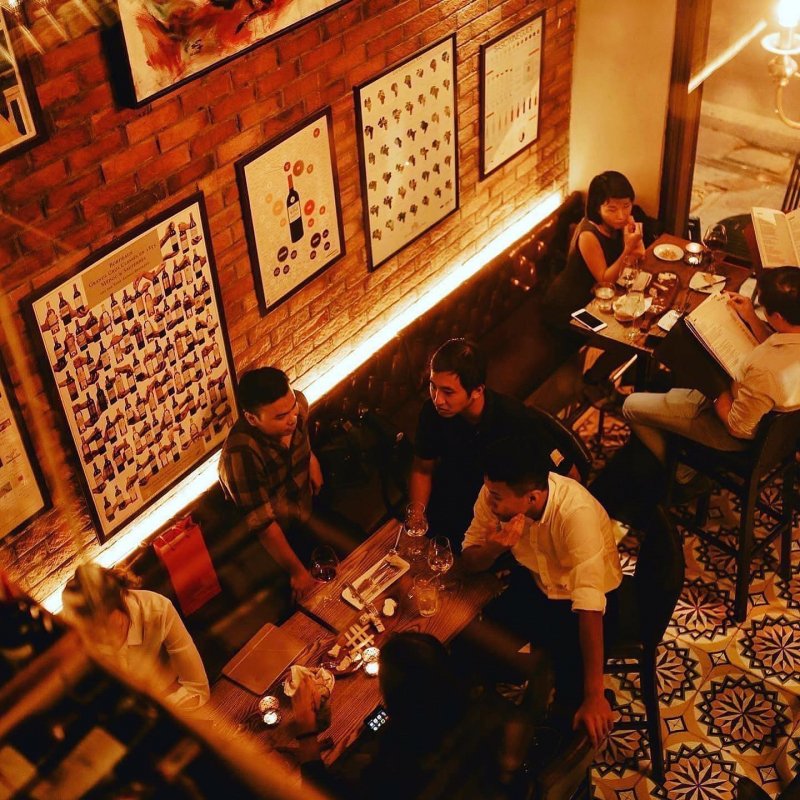
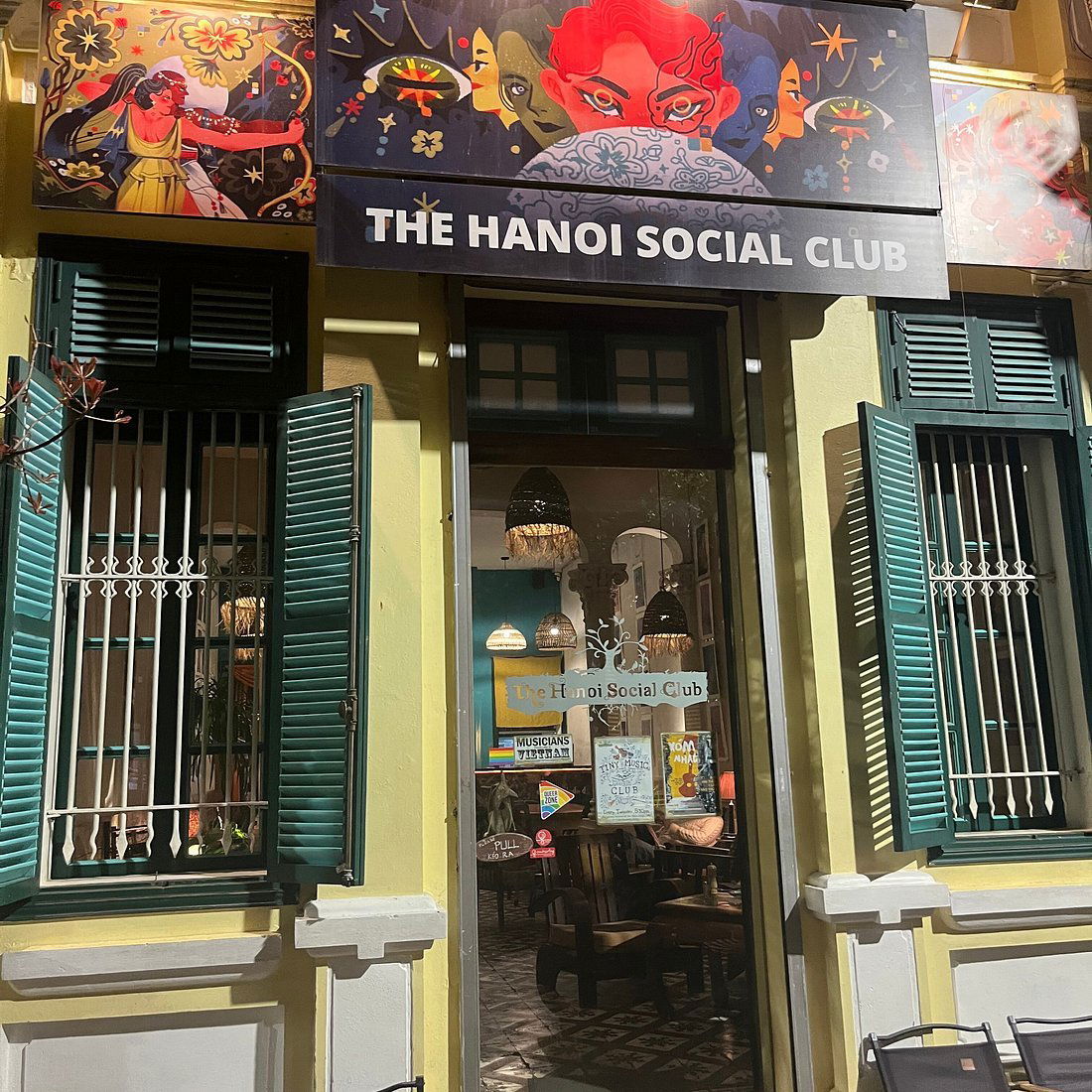
The Hanoi Social Club occupies a converted colonial building tucked down a narrow Hoàn Kiếm lane, and the place feels like the product of time rather than a showroom. Its multi-level, slightly worn interior reads as layered and lived-in, registering as a steady fixture on the Old Quarter’s more considered eating-and-drinking circuit. The program leans cafe-bar rather than tourist rooftop or bia hơi spillover, and a quiet confidence comes from operators who blend local produce culture with international techniques. Overall the room is charming and quietly sophisticated, ideal for visitors who value atmosphere built from character rather than gloss.
Best For
This is a venue that rewards a slower, seasonal approach: visits in the cooler months land especially well, when Hanoi’s temperate weather suits lingering over food and drink indoors. The café-bar format makes it a natural pick for daytime and early-evening gatherings: think leisurely brunches and relaxed post-work hangs away from the city’s louder corners. It also suits solo diners and small groups who want thoughtful, ingredient-driven cooking in a setting that feels intimate without being precious. Expect a grounded Old Quarter experience rather than high-energy nightlife.
Ordering Tips
Timing is one of the clearest tips: plan a visit between November and February when the city cools and the café-bar format feels most comfortable. On the menu, look for dishes that foreground northern Vietnamese herbs and light acids; the kitchen explicitly works with local markets and applies fermentation and European technique, so plates that highlight herbs, bright acid, and subtle fermentation typically showcase the restaurant’s strengths. Opt for shared plates to experience the kitchen’s hybrid approach, and allow time to linger: the venue rewards unhurried tasting.
Venue details
Ambiance
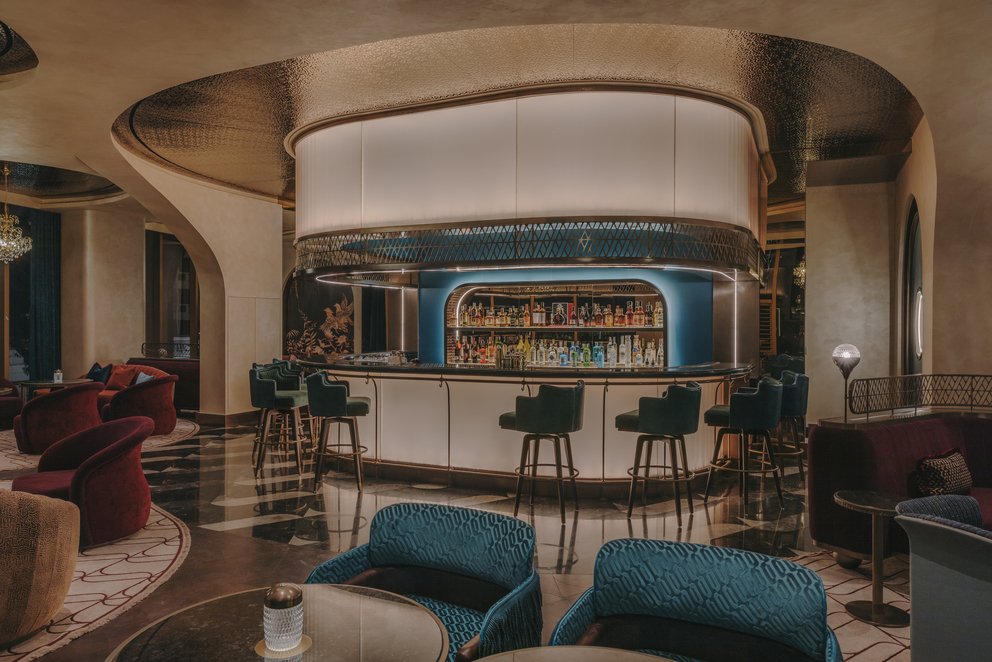
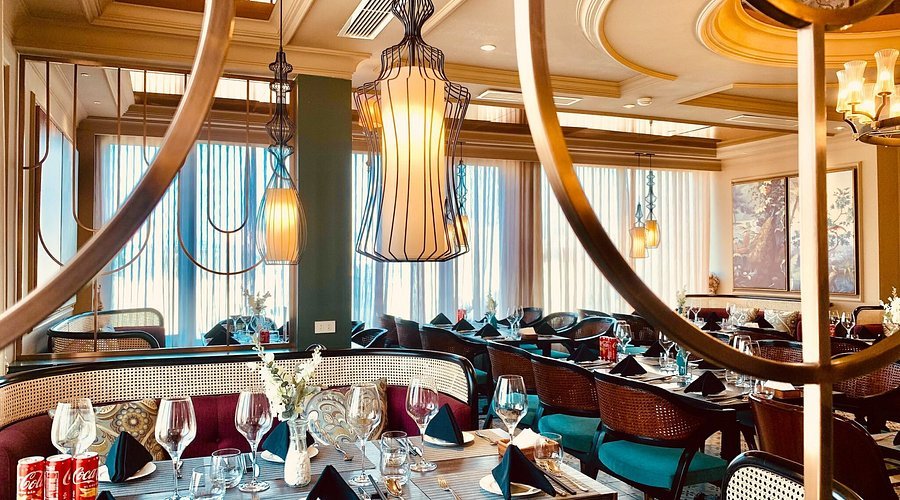
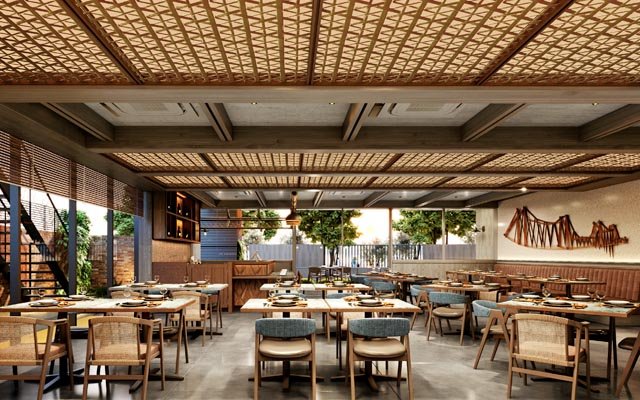
Warm and inviting with hand-made wooden tables, shelves adorned with books and plants, modern artwork, and candlelit spaces creating a living room-like atmosphere.
Tags
Vibe
Best For
Experience
Format
At the Bar
- Bar Category
- Lounge
- Late Night
- Closes by Midnight
- Music
- Eclectic Live Music Including Low Key Local Sounds, Underground Contemporary, and Traditional Ethnic Instruments
- Live Music
- Yes
- Spirits Focus
- Gin, Rum
- Zero-Proof Program
- Yes
Signature Pours
pho cocktail
Know before you go
Know Before You Go
- Getting there
- 6 Ng. Hội Vũ, Hàng Bông, Hoàn Kiếm, Hà Nội, Vietnam
Planning details
Hours
- Monday
- 8 AM–11 PM
- Tuesday
- 8 AM–11 PM
- Wednesday
- 8 AM–11 PM
- Thursday
- 8 AM–11 PM
- Friday
- 8 AM–11 PM
- Saturday
- 8 AM–11 PM
- Sunday
- 8 AM–11 PM
Location
6 Ng. Hội Vũ, Hàng Bông, Hoàn Kiếm, Hà Nội, Vietnam · Directions
Also consider
Where to go if this is not the right fit
Pick Tannin Wine Bar Hang Vai if the group wants a clearer wine-bar brief. Pick Hello Hanoi Restaurant Vietnamese Cuisine & Vegetarian food if dinner matters more than drinks.
Bar context
How it compares in Hanoi
The Hanoi Social Club is the flexible choice in this set: easier for mixed groups and casual plans than a tightly focused wine or cocktail room. Tannin Wine Bar Hang Vai is the better pick when the night is specifically about wine by the glass, while The Hanoi Social Club works better when some people want food, some want drinks, and nobody wants a formal plan.
Botan Bar & Dine, Longer Than a Summer, and Garbo Bar are stronger cross-shops for a bar-led evening, especially if ambiance matters more than a broad social format. For a food-first Hanoi plan, Hello Hanoi Restaurant Vietnamese Cuisine & Vegetarian food is the more direct alternative.
Booking difficulty reads easier here than at venues where the whole appeal rests on a narrower drinks program or a smaller-room feel. Choose The Hanoi Social Club for low-friction value and flexibility; choose Tannin when wine is the point; choose Botan, Longer Than a Summer, or Garbo when the bar itself should drive the night.
Explore Hanoi
Around this place
Discover more on Pearl
Unlock the full The Hanoi Social Club guide in Pearl, including awards, comparisons, FAQs, planning details, and nearby places.
Compare The Hanoi Social Club
| Venue | Location | Awards |
|---|---|---|
| The Hanoi Social Club | Hanoi | No published awards |
| Botan Bar & Dine | Hanoi | No published awards |
| Longer Than a Summer | Hanoi | No published awards |
| Garbo Bar | Hanoi | No published awards |
| Tannin Wine Bar Hang Vai | Hanoi | No published awards |
| Hello Hanoi Restaurant Vietnamese Cuisine & Vegetarian food | Hanoi | No published awards |
How The Hanoi Social Club Hanoi compares with similar nearby venues.
FAQ
Frequently Asked Questions
Is The Hanoi Social Club good for a date?
It can be a practical choice if you want a casual Hanoi stop with flexible timing. It is open daily from 8 AM to 11 PM and has a casual dress code.
Is The Hanoi Social Club open late?
Yes. The Hanoi Social Club is open until 11 PM every day, with hours of 8 AM–11 PM Monday through Sunday.