Nola Cafe & Bar
Hoan Kiem, Hanoi
Bar in Hanoi, Vietnam
 Book with Pearl
The Read
Price
$10–20per person
Why go
Nola Cafe & Bar is worth considering as a casual Old Quarter stop, especially for a relaxed date or flexible evening rather than a destination dinner. The draw is convenience and atmosphere over documented culinary credentials, so cross-shop it with nearby Hanoi bar options if food, cocktails, or a livelier crawl setting matter more.
About Nola Cafe & Bar
Consider Nola Cafe & Bar as a casual Hanoi café-bar option with daily hours from 10 AM to 11:30 PM. It is in Hanoi, has a casual dress code, and keeps the same opening hours every day. Plan around convenience rather than a documented dining program.
A casual Hanoi café-bar with long daily hours
The clearest reason to keep Nola Cafe & Bar on a Hanoi itinerary is flexibility. It opens daily from 10 AM to 11:30 PM, which makes it easier to fit into a loose day or evening plan than venues with narrower hours. The dress code is casual, so it is not positioned here as a formal dining room.
There is no price tier, cuisine focus, signature food program, beverage program, chef information, award history, seating count, or take-out and delivery information listed. Treat it as a direct café-bar listing, not as a destination restaurant with a documented culinary identity.
Who should choose it, and who should cross-shop
Choose Nola Cafe & Bar if you want a casual Hanoi stop with long daily hours. If the decision depends on a specific cuisine, menu, price range, outdoor seating, or formal service style, those details should be checked directly with the venue before planning around it.
For other Hanoi options, compare it with 20 P. Tạ Hiện, 5 P. Nguyễn Siêu, or 12 P. Phúc Tân. For wider planning, use Our full Hanoi bars guide, then pair it with Our full Hanoi restaurants guide if food is the main event.
Planning details
- Hours
- Monday: 10 AM–11:30 PM · Tuesday: 10 AM–11:30 PM
- Location
- in the alley, 89 Mã Mây, Hàng Buồm, Hoàn Kiếm, Hà Nội 100000, Vietnam
- Website
- facebook.com/Nola.in.hanoi
- Phone
- +84 865 596 190
The take
The Take
The Vibe
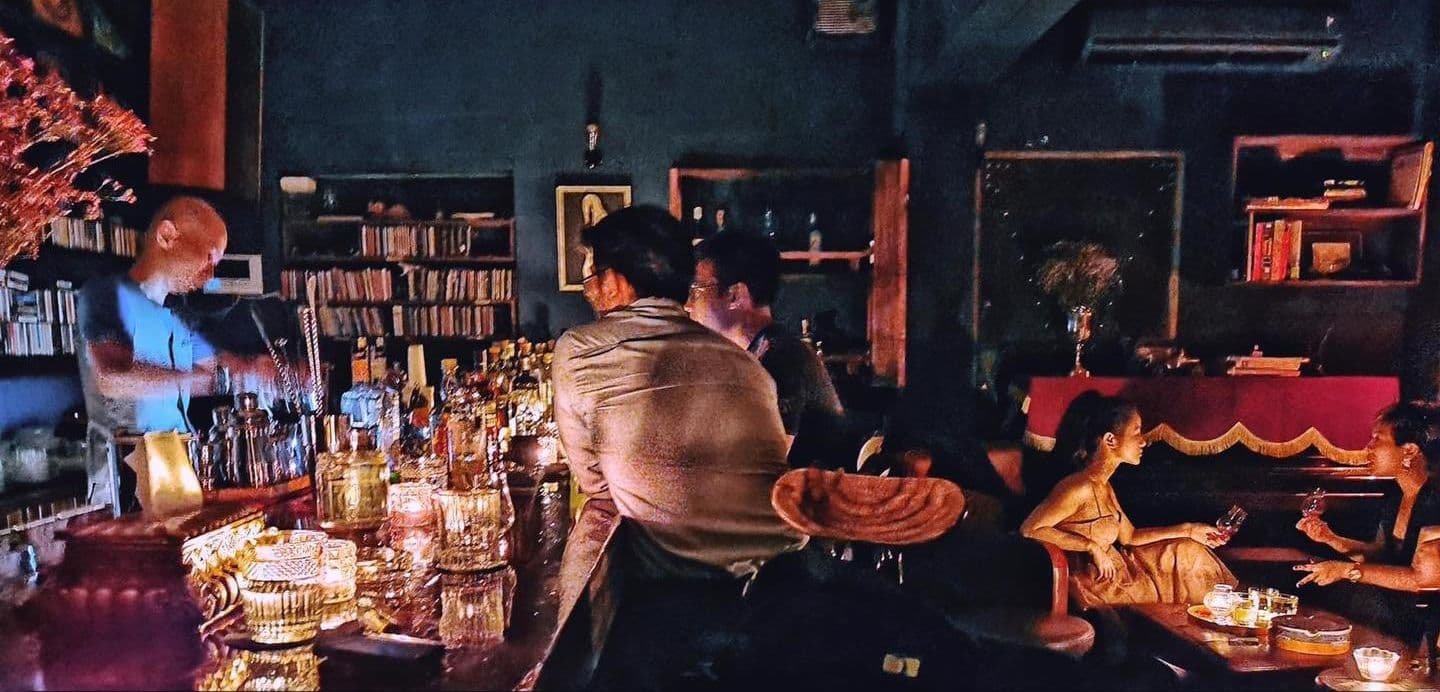
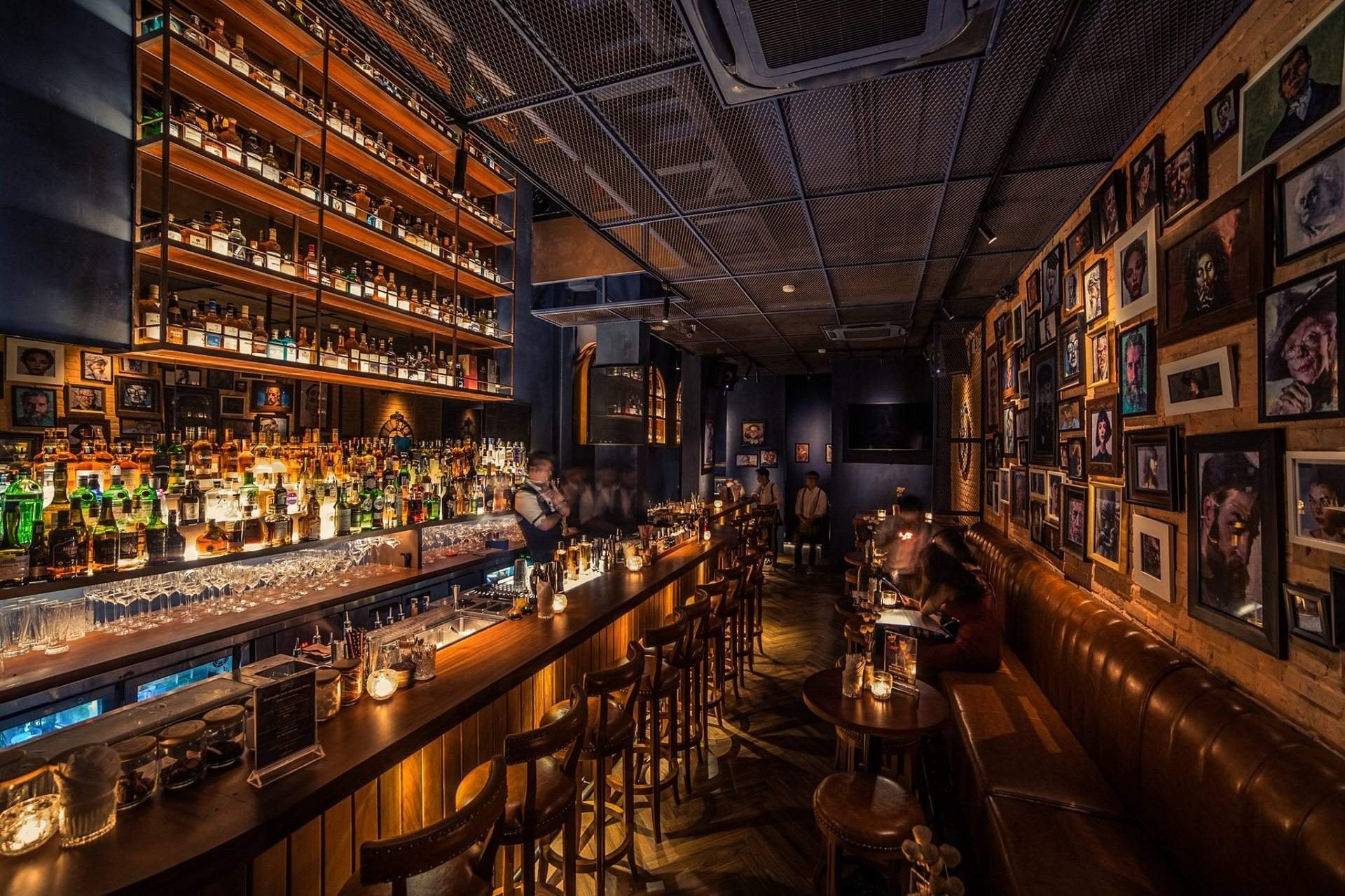
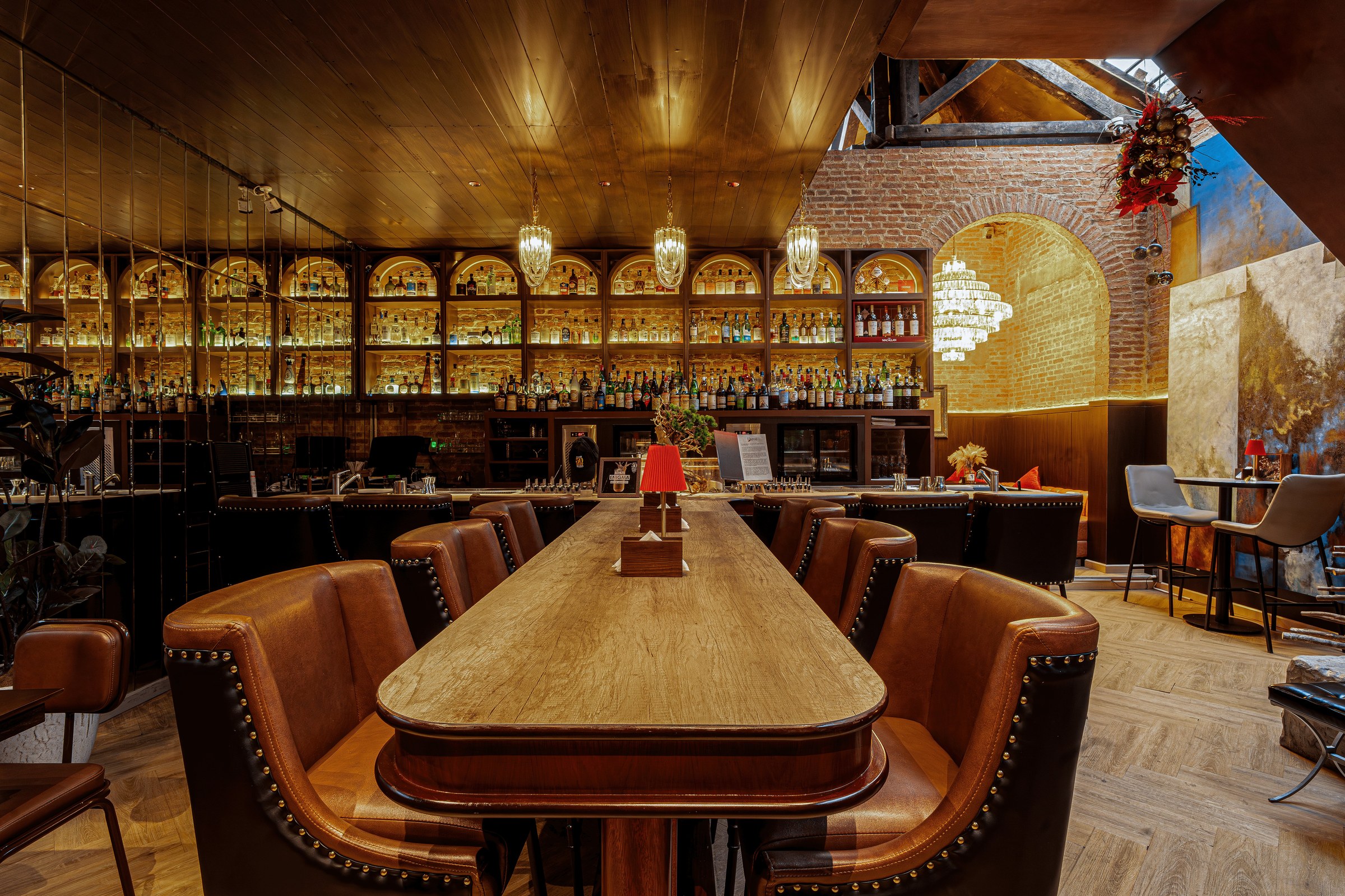
Nola Cafe & Bar occupies a tucked-away alley in Hanoi’s Old Quarter and reads as an intimate, low-key hideaway. The room feels small and deliberate, with a compact footprint and limited seating. Staff interaction and the coherence of the drink program are the core of the experience; there’s no rooftop spectacle to distract from the team’s service. The result is a quietly charming, focused bar where atmosphere comes from the people and the room’s modest scale, not from big views or busy crowds.
Best For
This is a place for visitors who prefer a measured, deliberate night out: think low-key date nights, small casual hangouts, or solo visits where the service and drink program are the draw. The alley location and dependence on word-of-mouth means it’s not a high-volume tourist spot; instead it rewards guests who seek a quieter, more considered experience. Limited seating and a small-format team make it better suited to intimate groups rather than large parties or rowdy evenings.
Ordering Tips
Expect a service style that emphasizes staff guidance and drink-program depth over gimmicks. Because the bar occupies an alley with a compact footprint and limited seating, come knowing the address and be prepared for a quieter pace of service; the team’s recommendations matter here. Rely on the staff to match pace and selections to the room rather than hunting for a fixed, large-menu offering.
Venue details
Ambiance
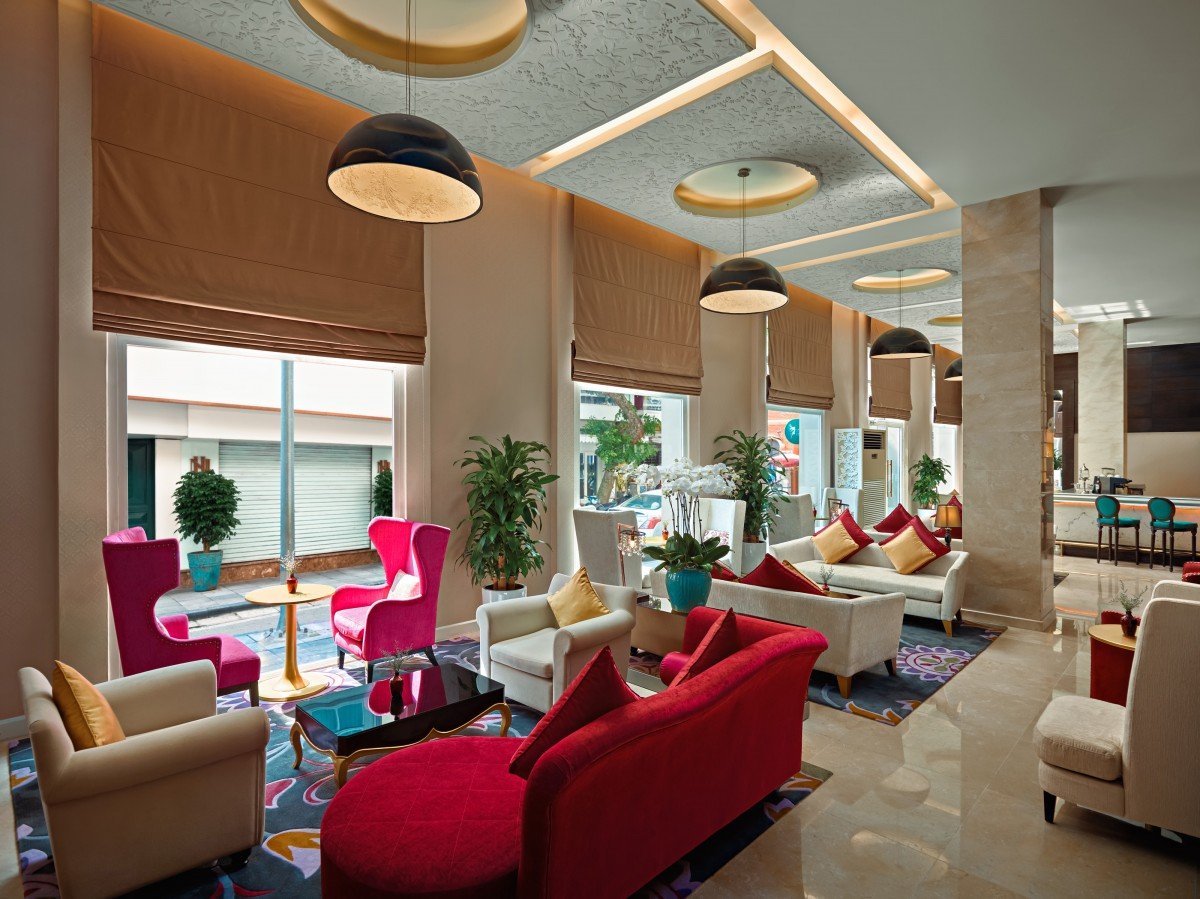
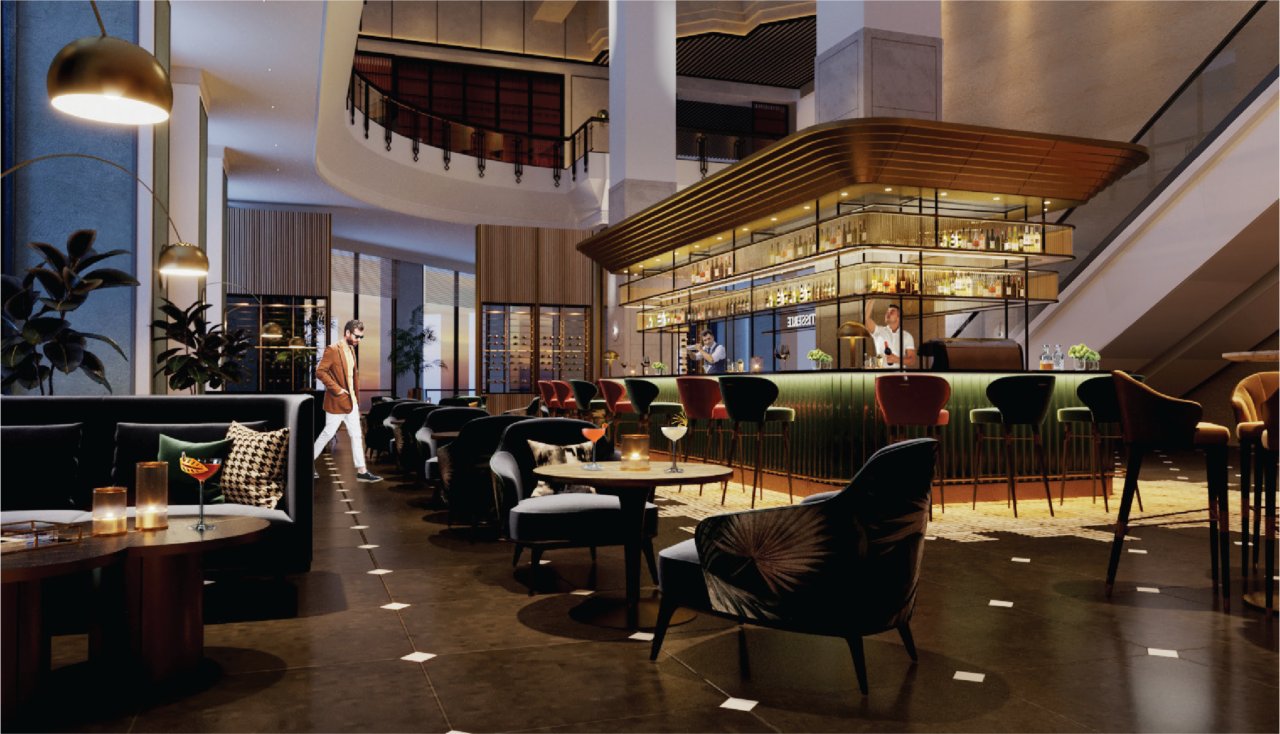
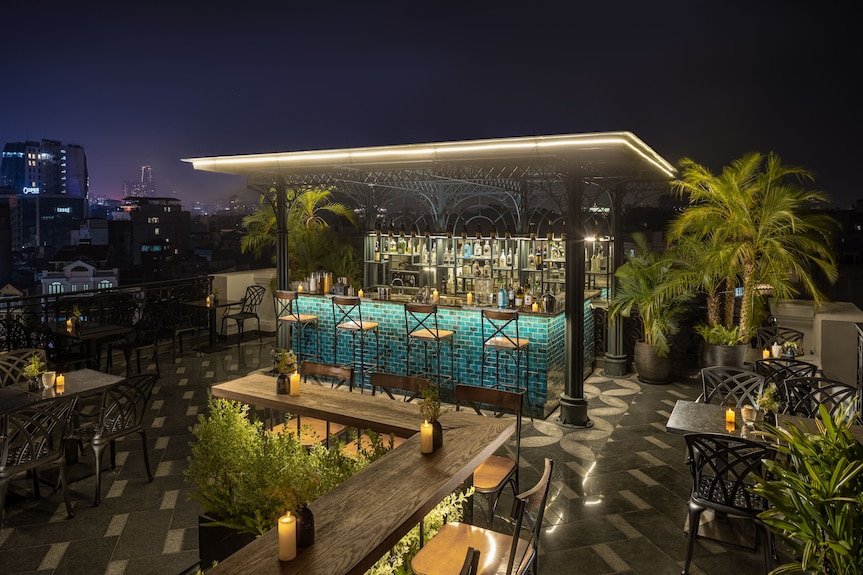
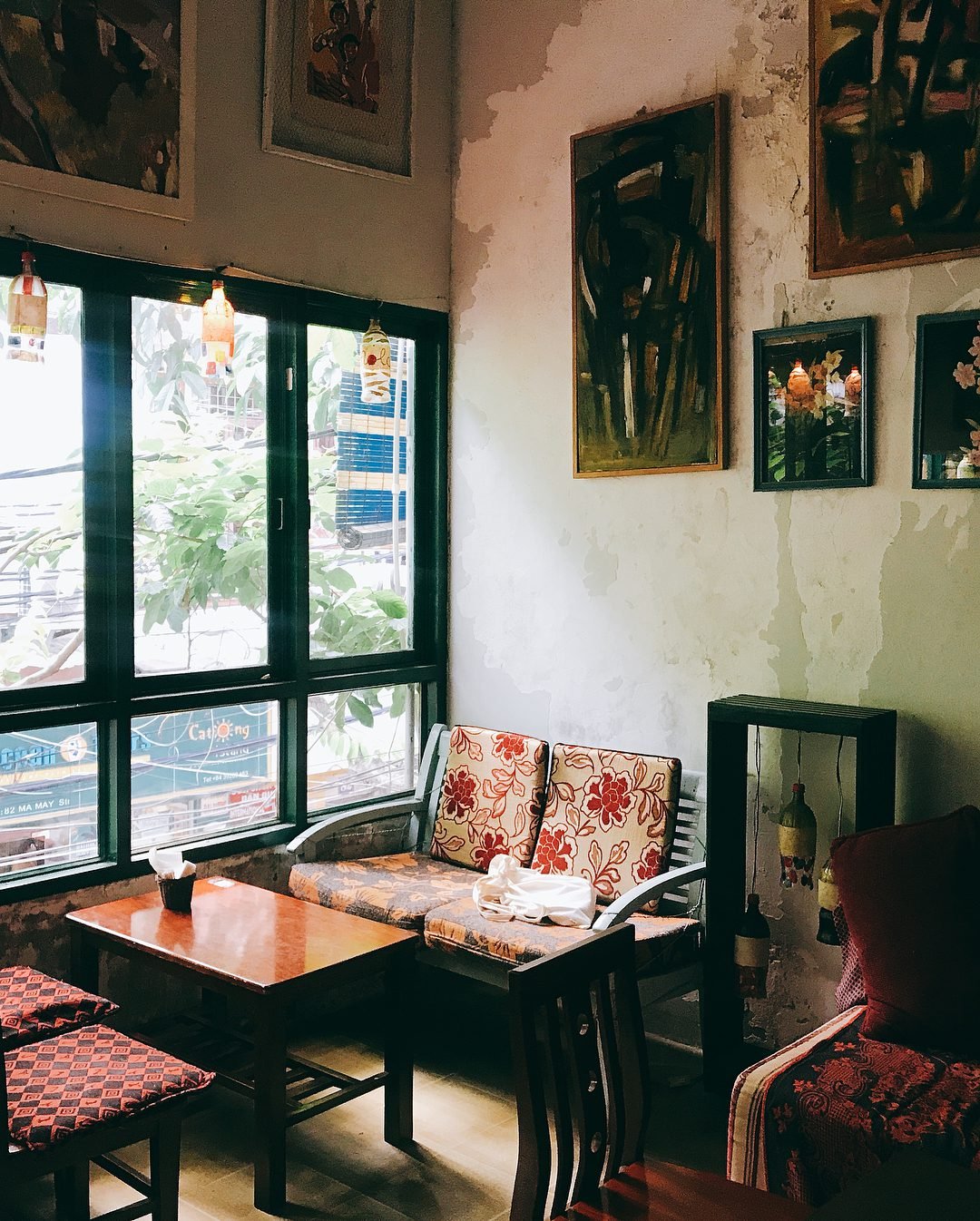
Cozy and inviting with colorful lamps, abundant greenery, art pieces, and multiple floors offering nooks for relaxation.
Tags
Vibe
Best For
Format
At the Bar
- Bar Category
- Lounge
- Late Night
- Closes by Midnight
- Music
- Soft Jazz
Signature Pours
- Long Island Iced Tea
- Cosmopolitan
- Margarita
Know before you go
Know Before You Go
- Getting there
- in the alley, 89 Mã Mây, Hàng Buồm, Hoàn Kiếm, Hà Nội 100000, Vietnam
Planning details
Hours
- Monday
- 10 AM–11:30 PM
- Tuesday
- 10 AM–11:30 PM
- Wednesday
- 10 AM–11:30 PM
- Thursday
- 10 AM–11:30 PM
- Friday
- 10 AM–11:30 PM
- Saturday
- 10 AM–11:30 PM
- Sunday
- 10 AM–11:30 PM
Location
in the alley, 89 Mã Mây, Hàng Buồm, Hoàn Kiếm, Hà Nội 100000, Vietnam · Directions
Also consider
Also Consider
- 20 P. Tạ Hiện, Notable alternative
- Hidden Gem Cafe Hanoi, Notable alternative
- Hello Hanoi Restaurant Vietnamese Cuisine & Vegetarian food, Notable alternative
- 5 P. Nguyễn Siêu, Notable alternative
- 12 P. Phúc Tân, Notable alternative
Bar context
How It Compares
Nola Cafe & Bar is the easier, lower-commitment choice in this Hanoi set: better for a relaxed pause than a planned-out dinner or bar crawl anchor. 20 P. Tạ Hiện is the stronger pick if the night is built around the Old Quarter's busy drinking streets, while Nola is better when conversation matters more than momentum.
Against Cafe Hanoi and Hello Hanoi Restaurant Vietnamese Cuisine & Vegetarian food, the decision is about format. Choose Nola for café-bar flexibility; choose Hello Hanoi when the group needs a clearer restaurant brief, especially with vegetarian-friendly intent. Cafe Hanoi is the more obvious cross-shop for café atmosphere, though the decision should come down to which location fits the route.
5 P. Nguyễn Siêu and 12 P. Phúc Tân are useful backups when availability or routing makes Nola inconvenient. None of these peers carries enough published pricing or awards detail here to justify a splurge-versus-value ranking, so prioritize ease, neighborhood flow, and whether the night calls for a café stop, a restaurant, or a bar-heavy plan.
Explore Hanoi
Around this place
Discover more on Pearl
Unlock the full Nola Cafe & Bar guide in Pearl, including awards, comparisons, FAQs, planning details, and nearby places.
Compare Nola Cafe & Bar
| Venue | Location | Awards |
|---|---|---|
| Nola Cafe & Bar | Hanoi | No published awards |
| 20 P. Tạ Hiện | Hanoi | No published awards |
| Hidden Gem Cafe Hanoi | Hanoi | No published awards |
| Hello Hanoi Restaurant Vietnamese Cuisine & Vegetarian food | Hanoi | No published awards |
| 5 P. Nguyễn Siêu | Hanoi | No published awards |
| 12 P. Phúc Tân | Hanoi | No published awards |
How Nola Cafe & Bar Hanoi compares with similar nearby venues.
FAQ
Frequently Asked Questions
Is Nola Cafe & Bar good for a date?
It may suit a casual, low-pressure meet-up in Hanoi. Its casual dress code and daily 10 AM to 11:30 PM hours make it easy to plan around.
What's the crowd like at Nola Cafe & Bar?
The dress code is casual, so it suits an easygoing crowd. Plan for a casual Hanoi café-bar rather than a formal dining setting.
What's the best time to go to Nola Cafe & Bar?
The venue is open daily from 10 AM to 11:30 PM.