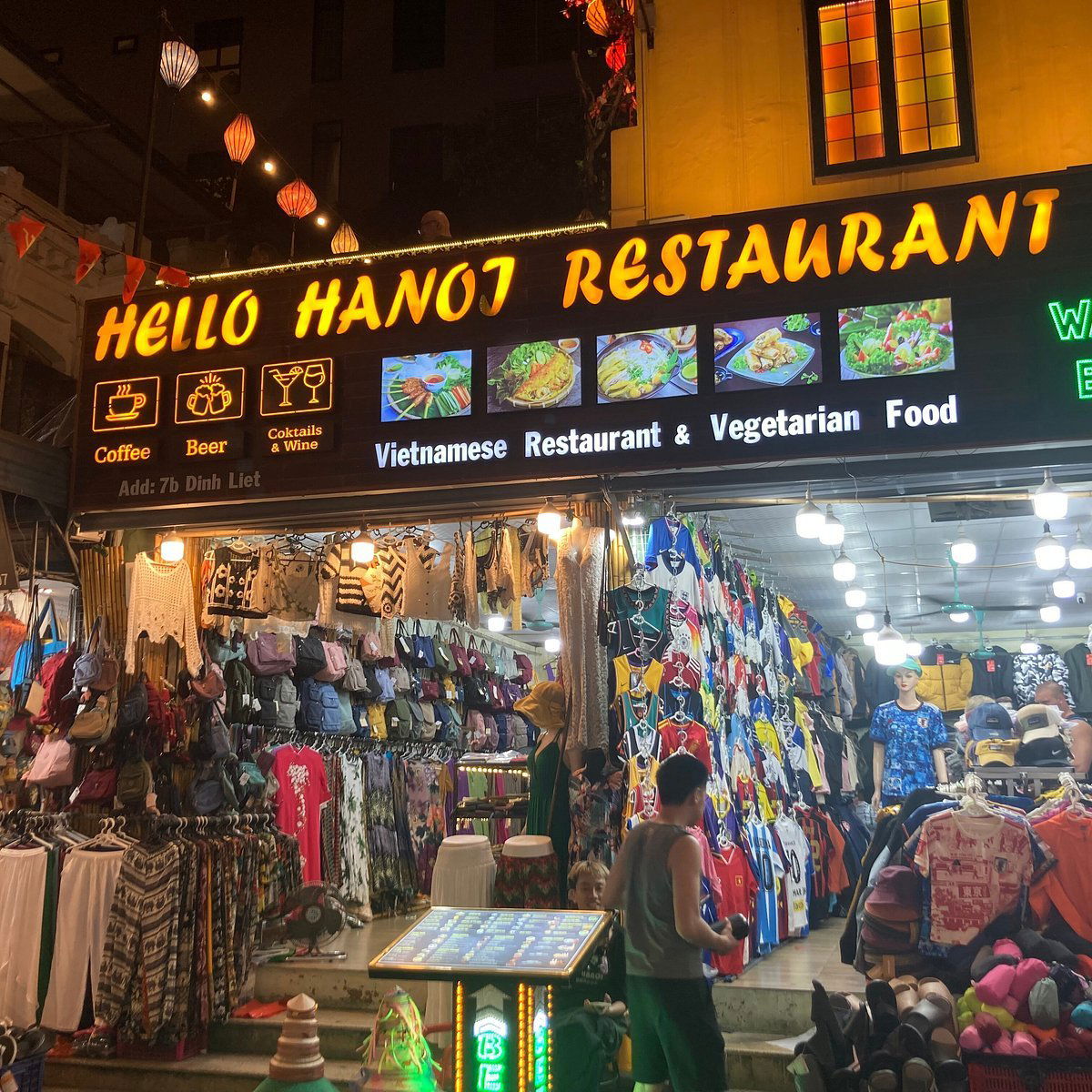
Hello Hanoi Restaurant Vietnamese Cuisine & Vegetarian food
Hoan Kiem, Hanoi
Bar in Hanoi, Vietnam
 Book with Pearl
Why go
A practical Old Quarter pick for mixed groups, especially when vegetarian-friendly Vietnamese food and late hours matter more than ceremony. Choose it as an easy meal anchor near Hoàn Kiếm, then move on to nearby bars if the night needs more atmosphere.
About Hello Hanoi Restaurant Vietnamese Cuisine & Vegetarian food
Hello Hanoi Restaurant Vietnamese Cuisine & Vegetarian food is a Hanoi restaurant with a casual dress code and daily hours from 10 AM to 12 AM.
The most concrete planning detail is the schedule: it opens daily at 10 AM and closes at 12 AM. That makes it useful to consider when you need a Hanoi restaurant with late operating hours.
Works better for flexible plans than for detail-heavy planning
Do not build a plan around a specific seating style, private room, outdoor setup, chef-led format, price point, or particular dish without checking directly first. The safer approach is to use Hello Hanoi Restaurant Vietnamese Cuisine & Vegetarian food as a casual Hanoi option and keep expectations simple.
The casual dress code is the key style note.
Use it as one Hanoi dining option
If you are comparing places for the same evening, start with the basics: Hanoi location, casual dress code, and daily 10 AM to 12 AM hours. You can also compare broader nightlife and dining options through our full Hanoi bars guide and our full Hanoi restaurants guide. Travelers building a wider itinerary can also use our full Hanoi hotels guide, our full Hanoi experiences guide, and our full Hanoi wineries guide.
Planning details
- Hours
- Monday: 10 AM–12 AM · Tuesday: 10 AM–12 AM
- Location
- 7B P. Đinh Liệt, Hàng Đào, Hoàn Kiếm, Hà Nội 10000, Vietnam
- Website
- hellohanoirestaurant.com
- Phone
- +84 964 375 588
The take
The Take
The Vibe
Hello Hanoi sits on Đinh Liệt in Hoàn Kiếm’s Old Quarter and reads like a classic, mid-market Hanoi eatery that quietly rewards walkers who stray from the main tourist drag. The space is part of the narrow-shophouse fabric of the neighbourhood, and the kitchen’s dual-track menu, traditional Vietnamese dishes alongside a dedicated vegetarian section, signals a restaurant rooted in local culinary practice while accommodating contemporary visitor tastes. The result feels familiar rather than flashy: traditional flavors and temple-inspired vegetarian techniques anchor the menu, creating a straightforward, approachable dining presence in a historic quarter.
Best For
This is a practical spot for people exploring the Old Quarter who want a down-to-earth meal that spans traditional Vietnamese and serious vegetarian options. It suits solo travellers and casual hangouts among friends who are mixing sightseeing with food; the restaurant’s mid-range positioning and menu breadth make it an easy choice for visitors and local regulars alike. Guests who appreciate herb-forward, temple-inspired vegetarian plates as well as conventional Vietnamese staples will find the concept especially fitting, with accessible prices and a street-level, neighbourhood setting.
Ordering Tips
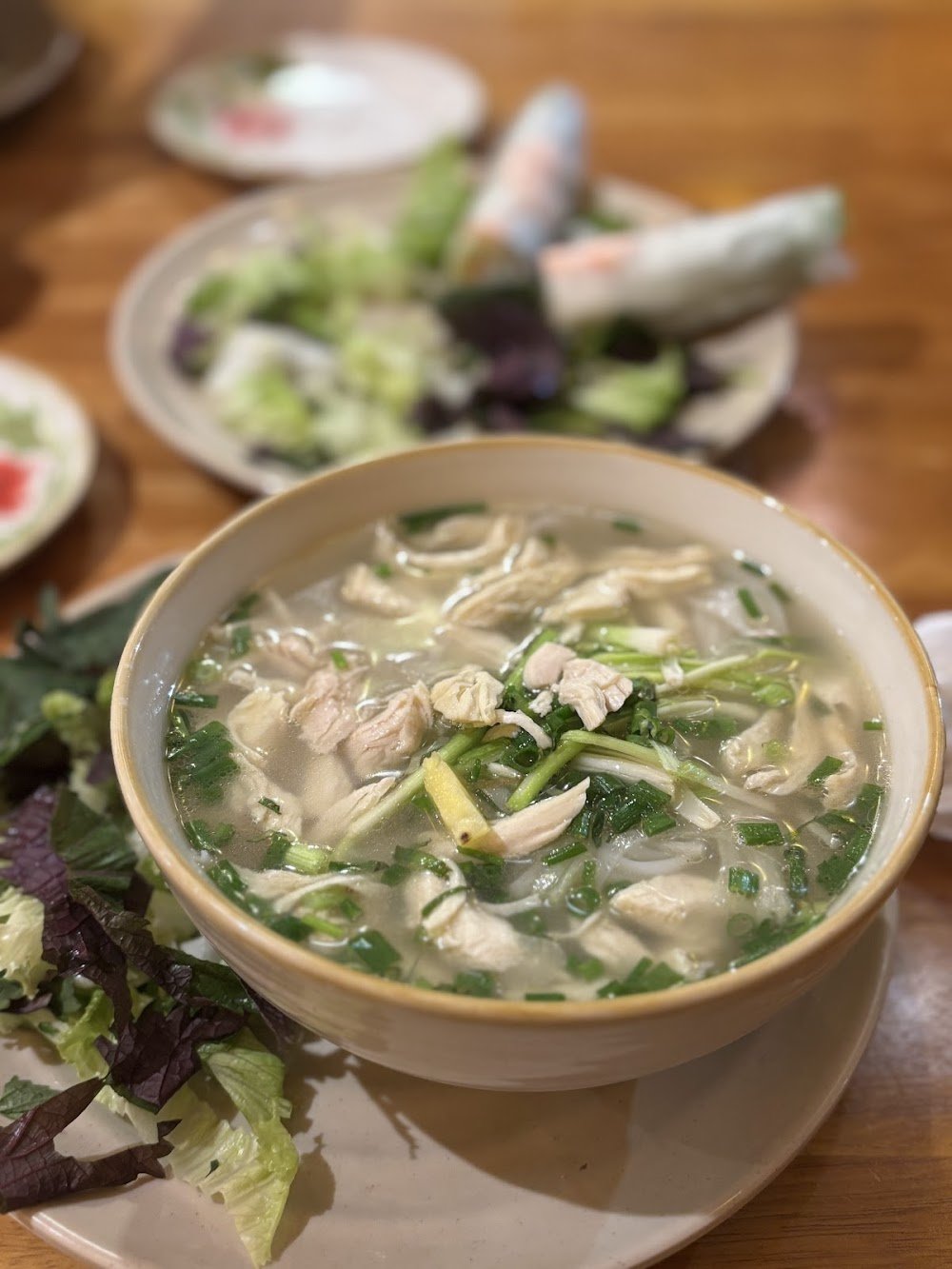
Approach the menu with an eye to its two parallel tracks: order from the dedicated vegetarian section to sample Buddhist-temple techniques: mock meats from tofu and gluten, broths built on shiitake and dried fungi, and herb-forward garnish plates are all described as central. At the same time, consider trying a traditional item to compare approaches to broth and seasoning. The menu’s structure invites tasting across both sides, so mix vegetarian specialties with classic Vietnamese staples to appreciate how the kitchen balances both traditions.
Venue details
Ambiance
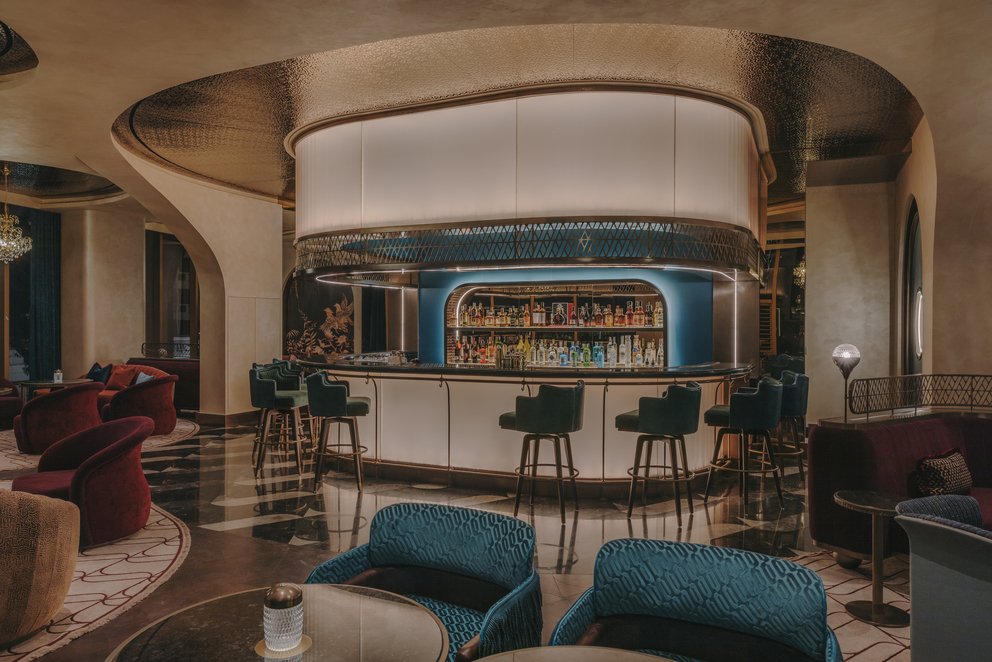
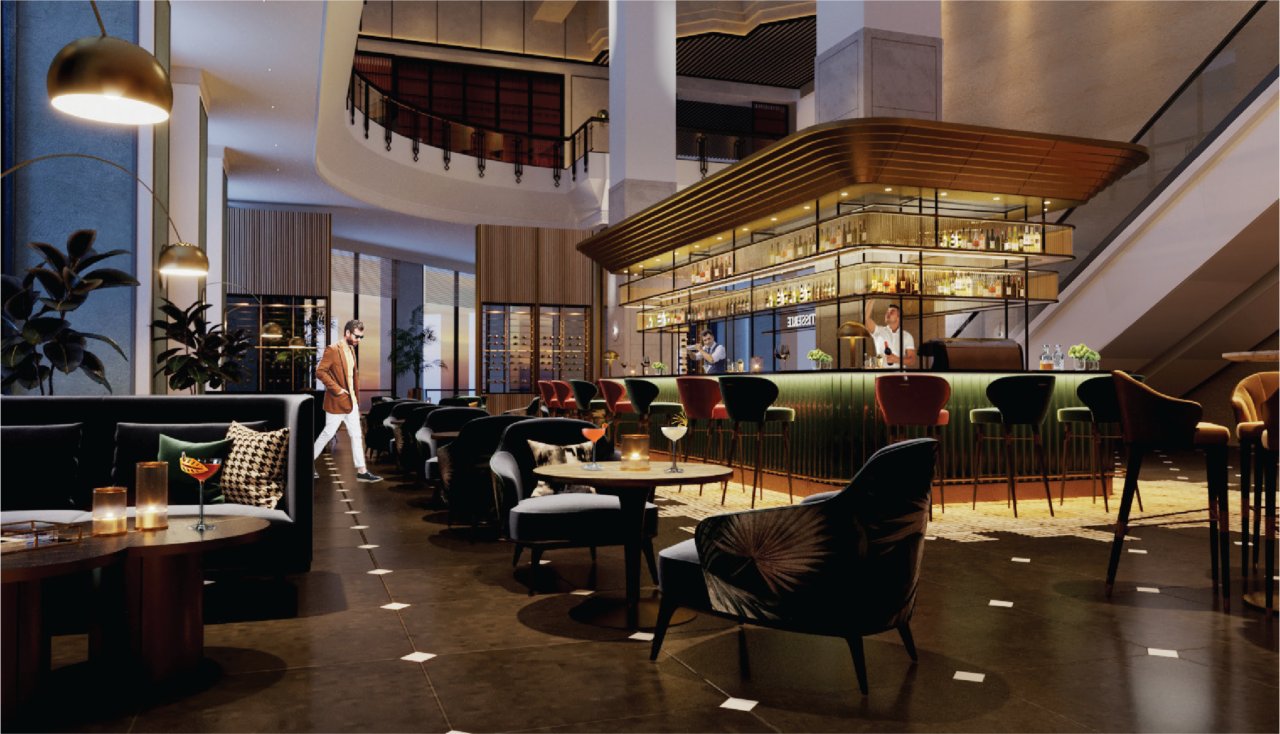
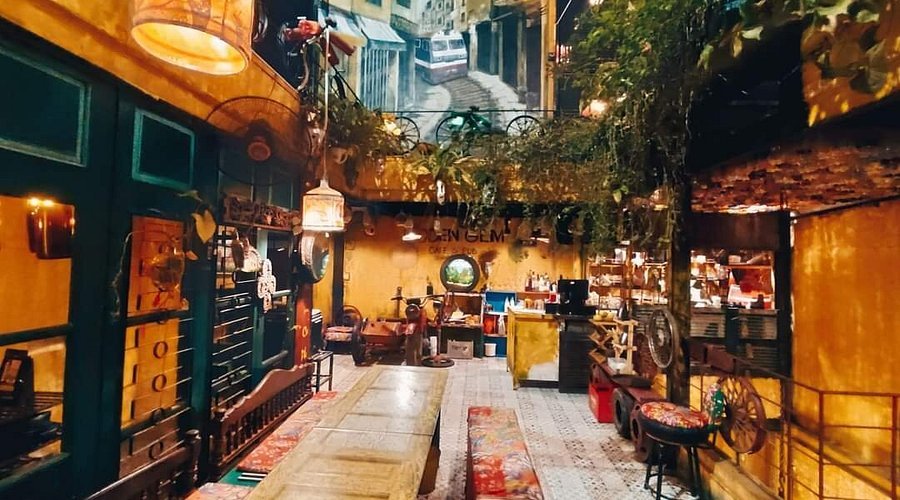
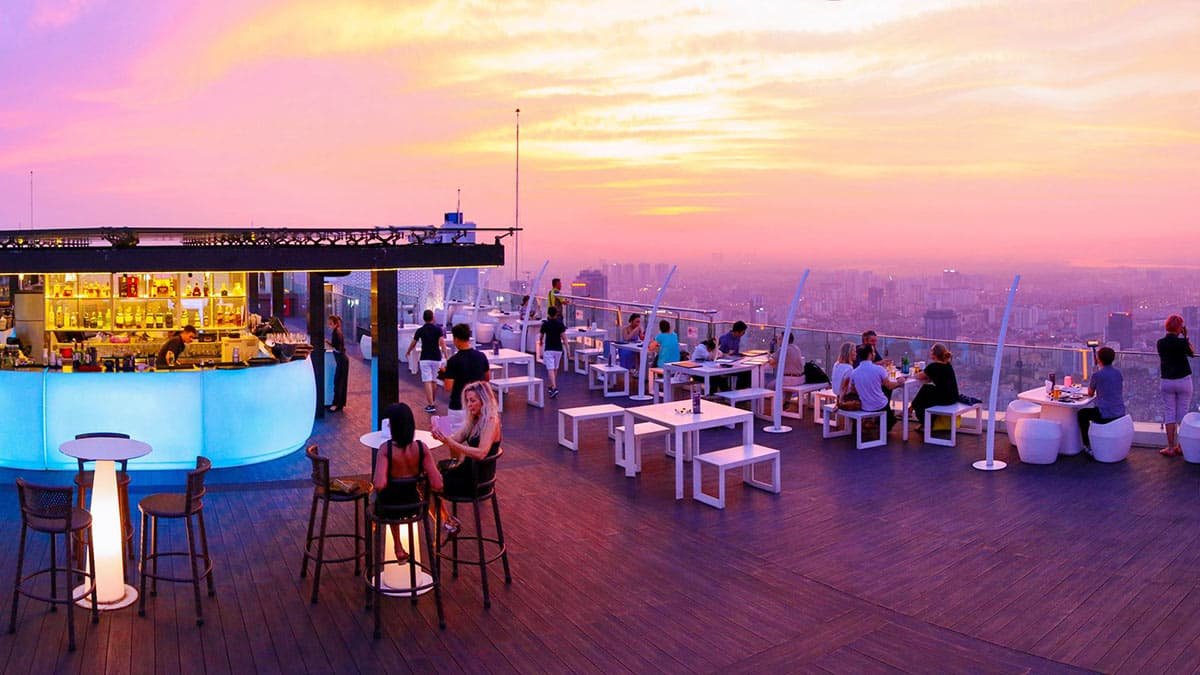
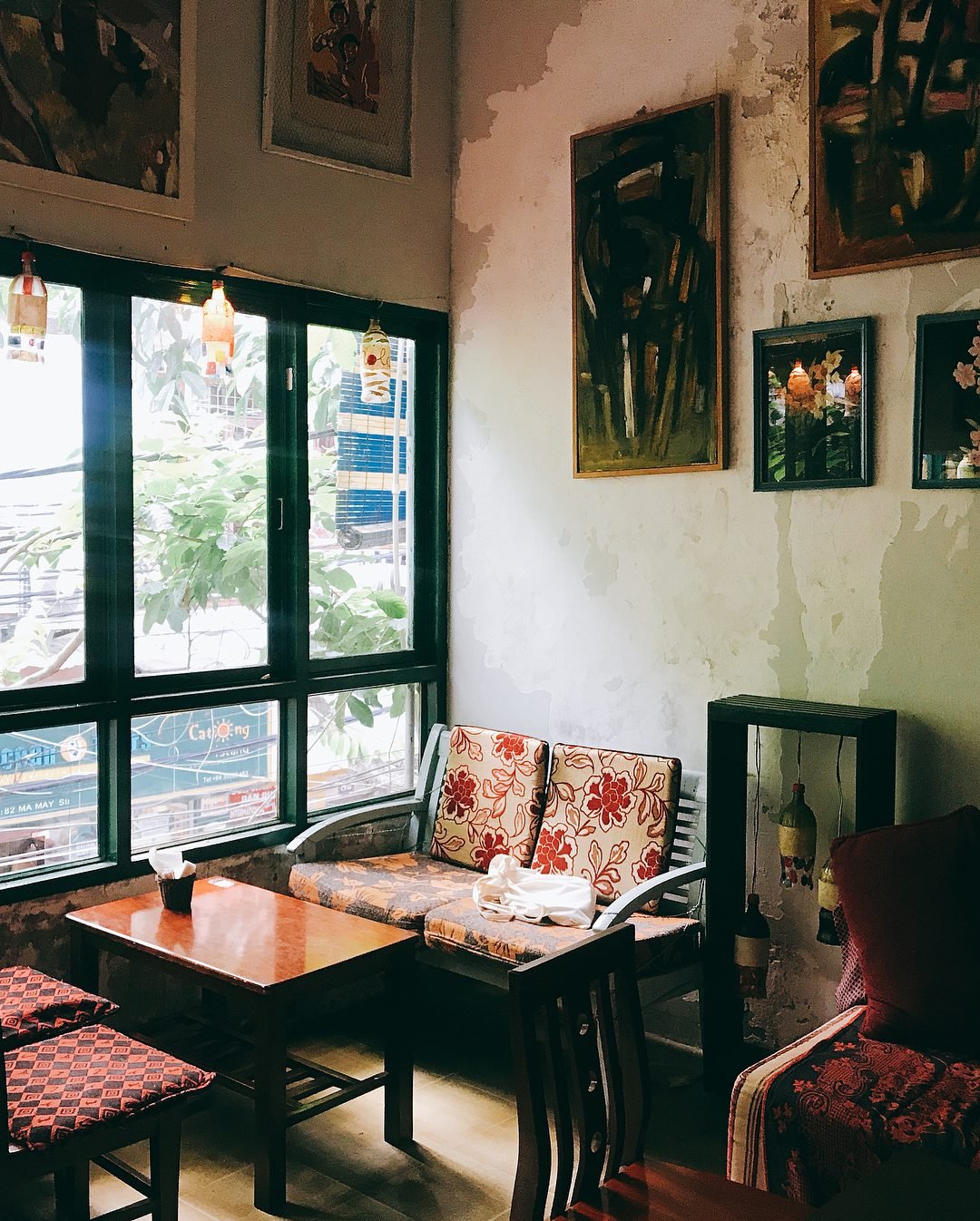
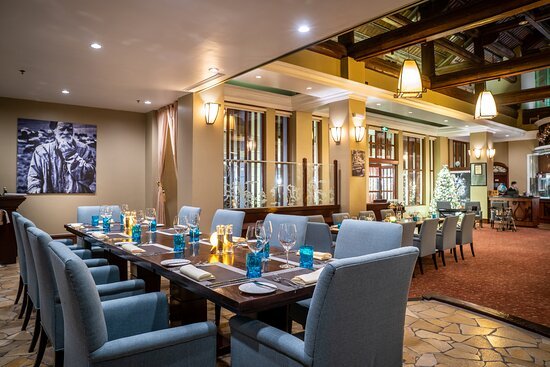
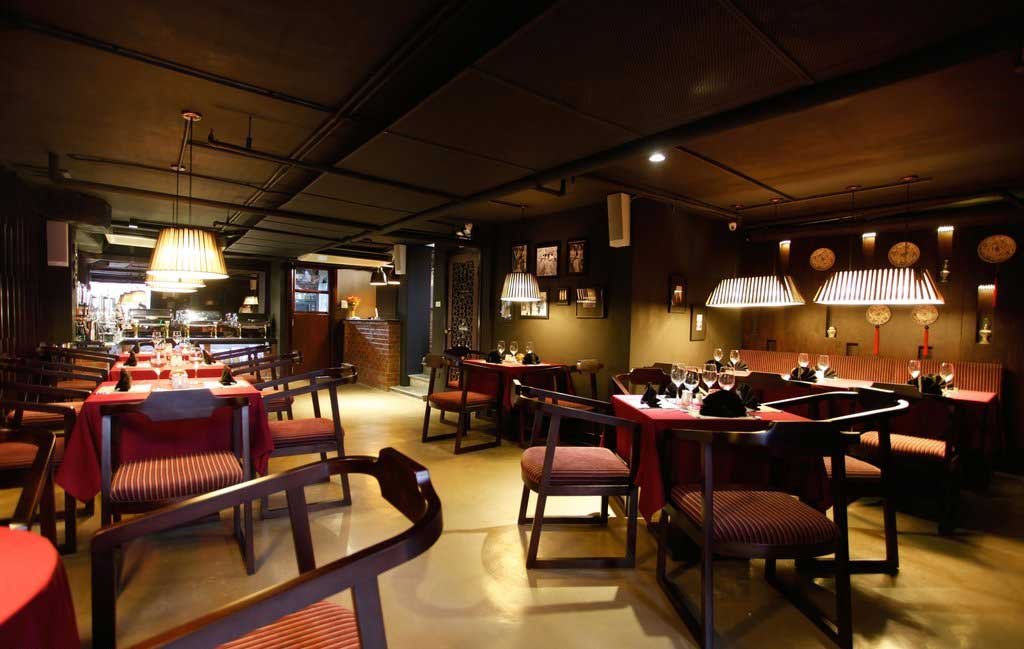
Cozy atmosphere on the 2nd floor of a busy street, enhanced by friendly staff and warm hospitality.
Tags
Vibe
Best For
Experience
View
At the Bar
- Bar Category
- Wine Bar
- Late Night
- Closes by Midnight
Know before you go
Know Before You Go
- Getting there
- 7B P. Đinh Liệt, Hàng Đào, Hoàn Kiếm, Hà Nội 10000, Vietnam
Planning details
Hours
- Monday
- 10 AM–12 AM
- Tuesday
- 10 AM–12 AM
- Wednesday
- 10 AM–12 AM
- Thursday
- 10 AM–12 AM
- Friday
- 10 AM–12 AM
- Saturday
- 10 AM–12 AM
- Sunday
- 10 AM–12 AM
Location
7B P. Đinh Liệt, Hàng Đào, Hoàn Kiếm, Hà Nội 10000, Vietnam · Directions
Also consider
If you cannot make this work
Try Nola Cafe & Bar if the group wants a more hangout-led stop, or Longer Than a Summer if drinks are the main event. Keep Hello Hanoi as the better choice when dinner logistics and vegetarian-friendly ordering matter more.
Bar context
How it compares in Hanoi
Choose Hello Hanoi Restaurant Vietnamese Cuisine & Vegetarian food when the priority is feeding a mixed group in the Old Quarter without making the night revolve around cocktails. Compared with 20 P. Tạ Hiện and 5 P. Nguyễn Siêu, it is the more practical meal-first option; those addresses make more sense when the group wants a bar-led stop.
Nola Cafe & Bar and Cafe Hanoi are better cross-shops if ambiance is the point of the plan. Pick them when the group wants to linger over drinks or a café-bar setting. Pick Hello Hanoi when vegetarian-friendly Vietnamese food is the anchor and the rest of the evening can happen elsewhere.
Longer Than a Summer is the stronger fit for a drinks-focused night. Hello Hanoi is easier to justify for value and group utility because it solves dinner first. For a casual group of four or more, that distinction matters more than polish.
Explore Hanoi
Around this place
Discover more on Pearl
Unlock the full Hello Hanoi Restaurant Vietnamese Cuisine & Vegetarian food guide in Pearl, including awards, comparisons, FAQs, planning details, and nearby places.
Compare Hello Hanoi Restaurant Vietnamese Cuisine & Vegetarian food
| Venue | Location | Awards |
|---|---|---|
| Hello Hanoi Restaurant Vietnamese Cuisine & Vegetarian food | Hanoi | No published awards |
| 20 P. Tạ Hiện | Hanoi | No published awards |
| Nola Cafe & Bar | Hanoi | No published awards |
| Hidden Gem Cafe Hanoi | Hanoi | No published awards |
| 5 P. Nguyễn Siêu | Hanoi | No published awards |
| Longer Than a Summer | Hanoi | No published awards |
How Hello Hanoi Restaurant Hanoi compares with similar nearby venues.
FAQ
Frequently Asked Questions
Is Hello Hanoi Restaurant Vietnamese Cuisine & Vegetarian food open late?
Yes. The hours are 10 AM to 12 AM every day.