

Tapasbaren
Majorna, Gothenburg
Bar in Gothenburg, Sweden
 Book with Pearl
The Read
Price
$20–30per person
Why go
Tapasbaren is worth shortlisting for a relaxed Gothenburg date or small celebration where wine matters and a flexible shared-plates format is useful. Star Wine List (2026) gives it a stronger drinks signal than a generic neighborhood bar, but the appeal is casual rather than formal.
About Tapasbaren
Tapasbaren is a Gothenburg venue with casual dress and evening hours through the week. Its clearest hook is its Star Wine List (2026) recognition, which makes it a relevant choice for readers specifically comparing places where wine is part of the decision.
Detailed public facts such as menu format, prices, seating, reservation policy, and dietary accommodations are not available. However, Tapasbaren is in Gothenburg, it has a casual dress code, and it opens in the evening on weekdays, with longer hours on Friday and Saturday.
Choose it for a casual Gothenburg evening
Tapasbaren makes the most sense when the plan calls for a casual venue rather than a formal, heavily choreographed meal. Its hours support dinner-time and later-evening planning: Monday through Thursday and Sunday run from 5 PM to 11 PM, Friday runs from 5 PM to 12 AM, and Saturday runs from 12:30 PM to 12 AM.
The Star Wine List (2026) recognition is the main distinction. It is a useful trust signal for anyone comparing Gothenburg options with wine in mind, while still leaving room to check current menus, availability, and booking details directly with the venue before committing.
The right plan is to confirm the details before you go
Use the schedule as the foundation of the plan, then confirm the details that matter to your group: current menu, table availability, accessibility, outdoor seating, and any dietary needs. These details should be confirmed directly with the venue.
For readers mapping a wider Gothenburg night, compare the rest of the plan through our full Gothenburg bars guide or the broader Gothenburg restaurants guide. If the trip is more than one night, use the Gothenburg hotels guide, Gothenburg experiences guide, and Gothenburg wineries guide to decide whether Tapasbaren should be the main evening plan or one stop among other bookings.
Planning details
- Location
- Mariagatan 17, 414 72 Göteborg, Sweden
- Website
- tapasbaren.se
- Phone
- +46 31 42 42 11
The take
The Take
The Vibe
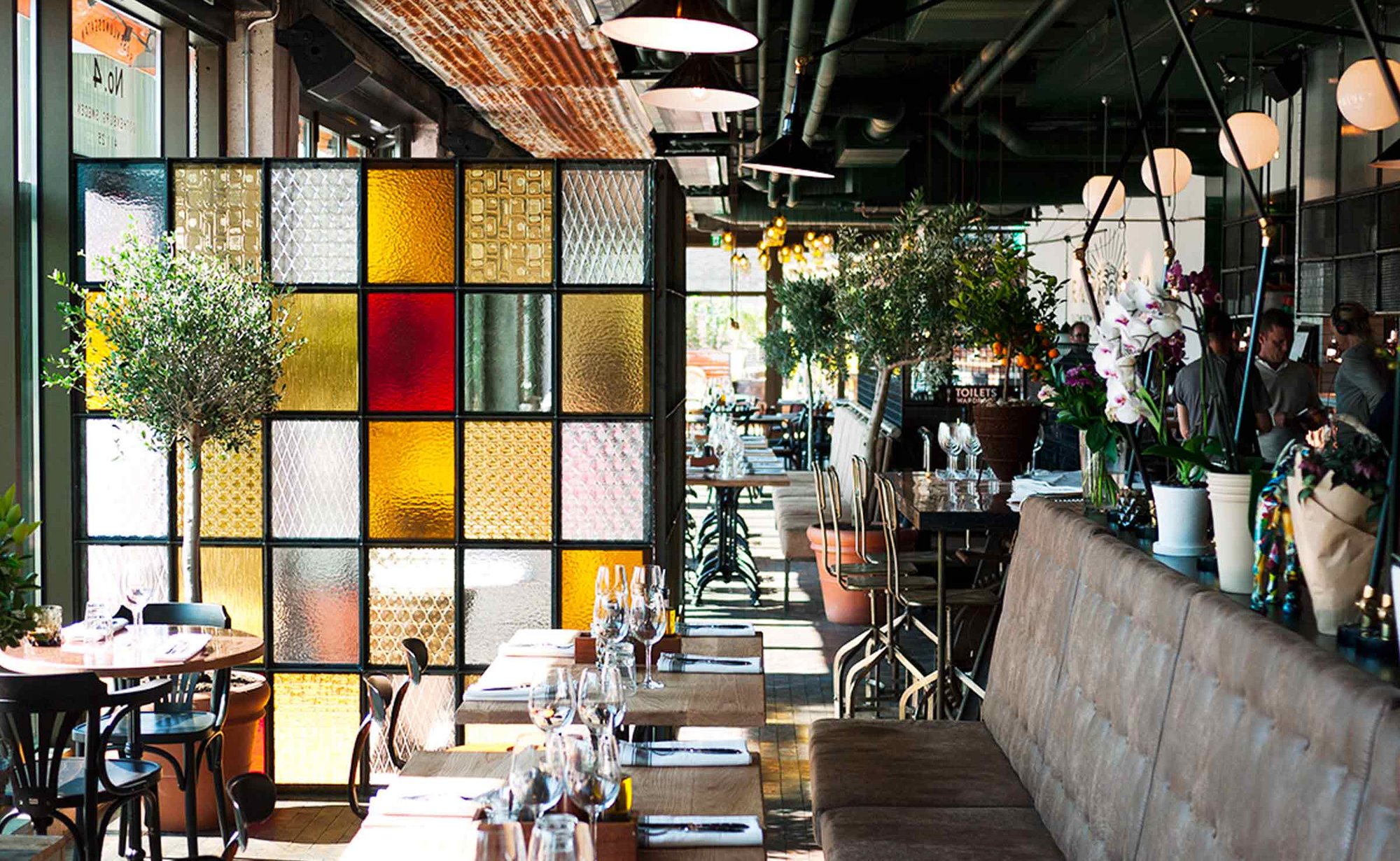
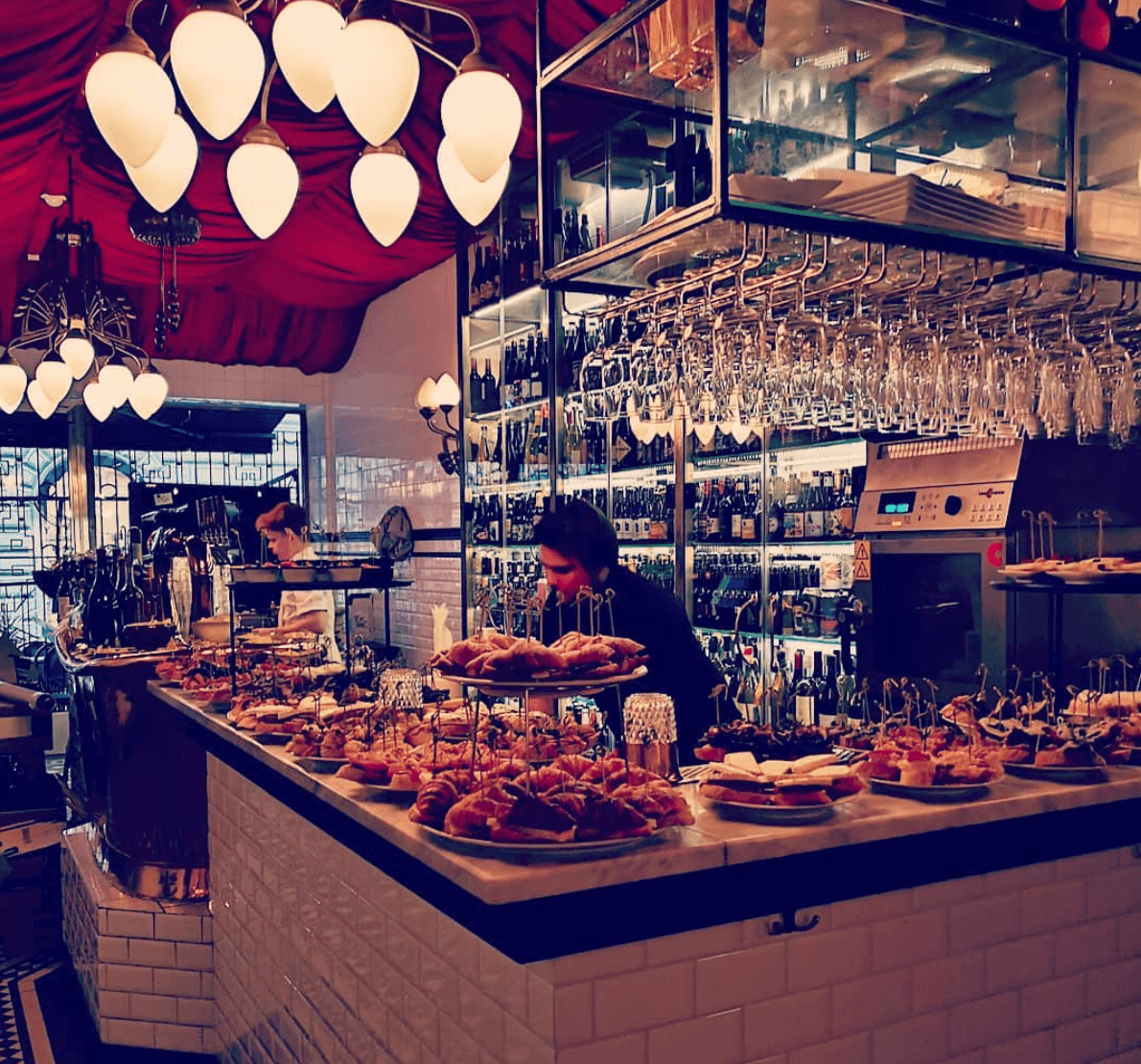
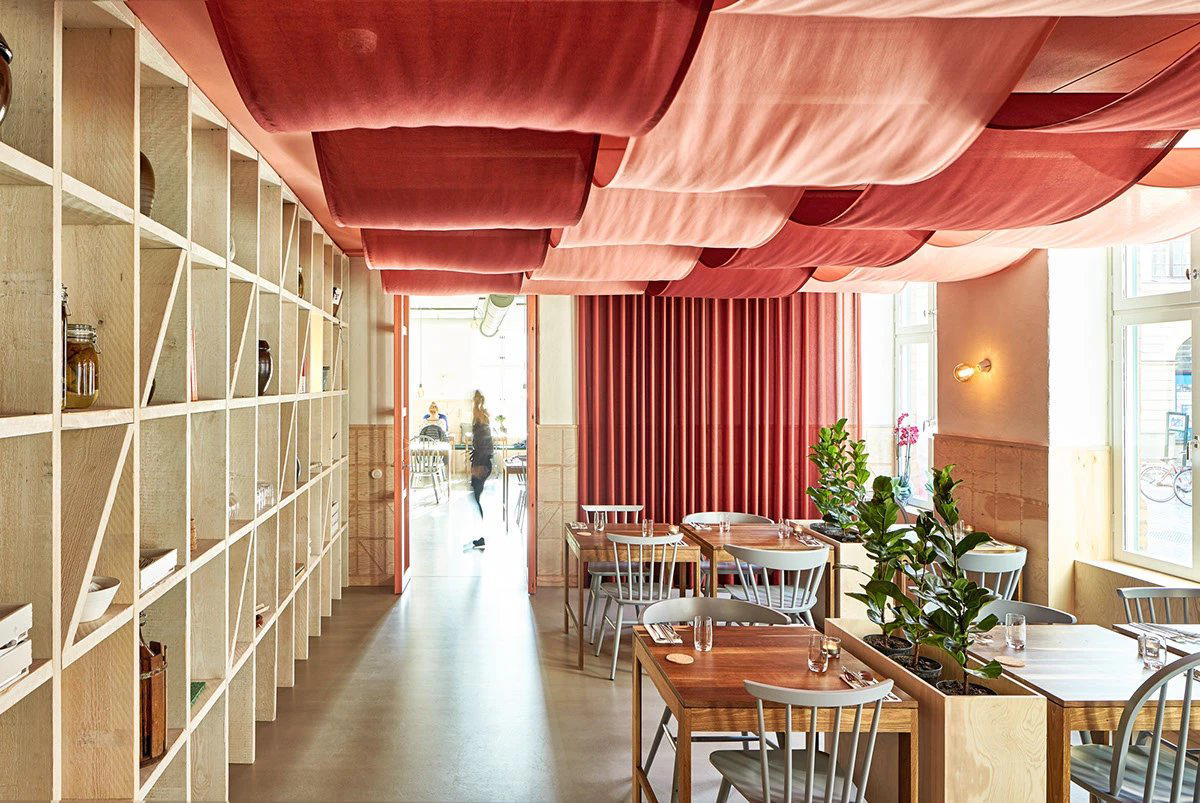
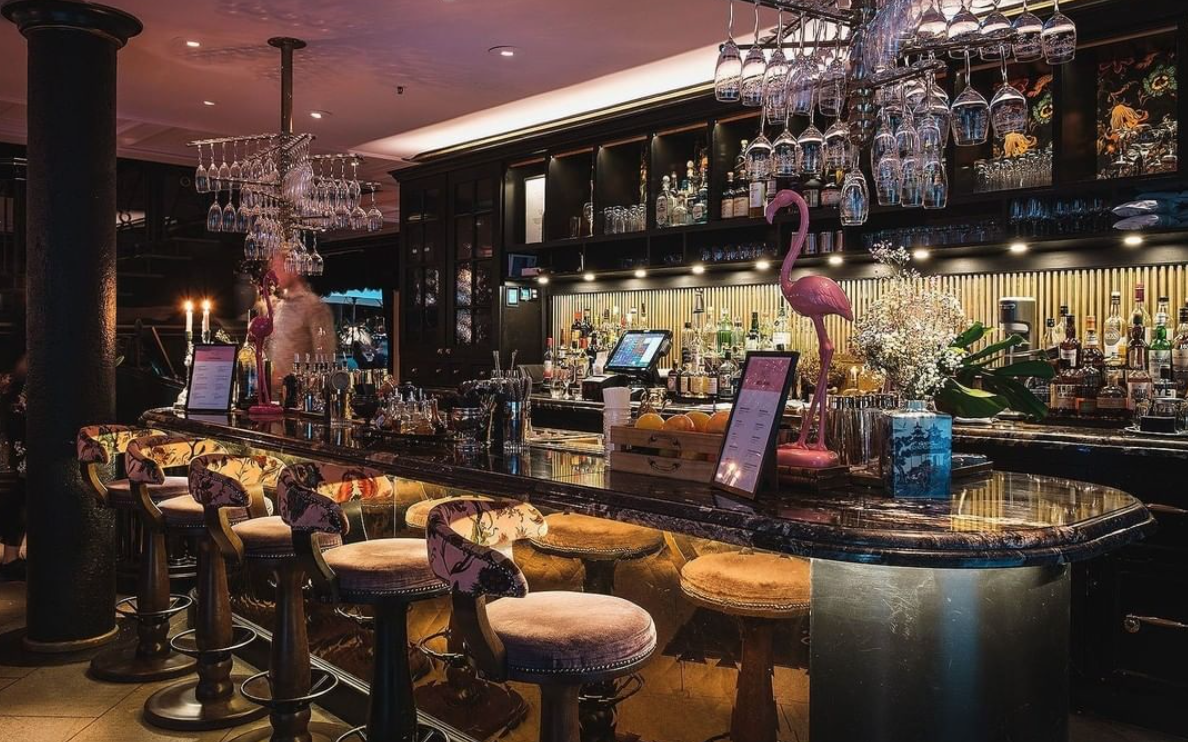
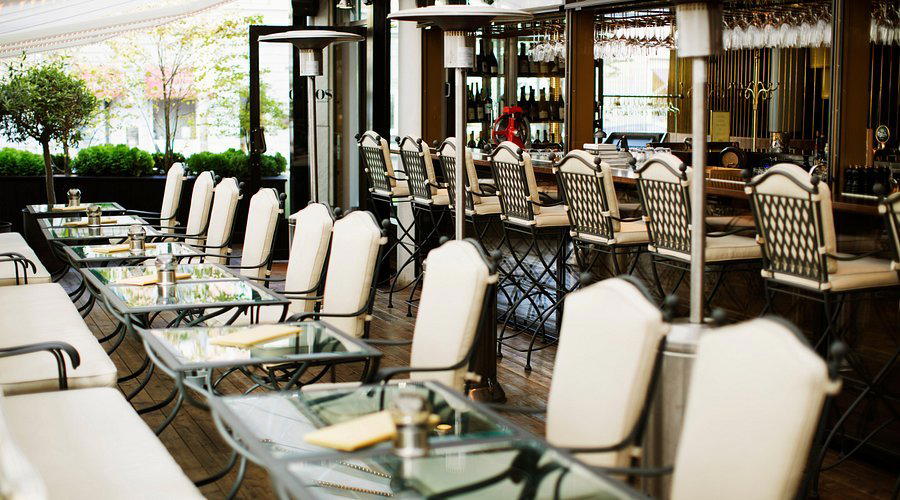
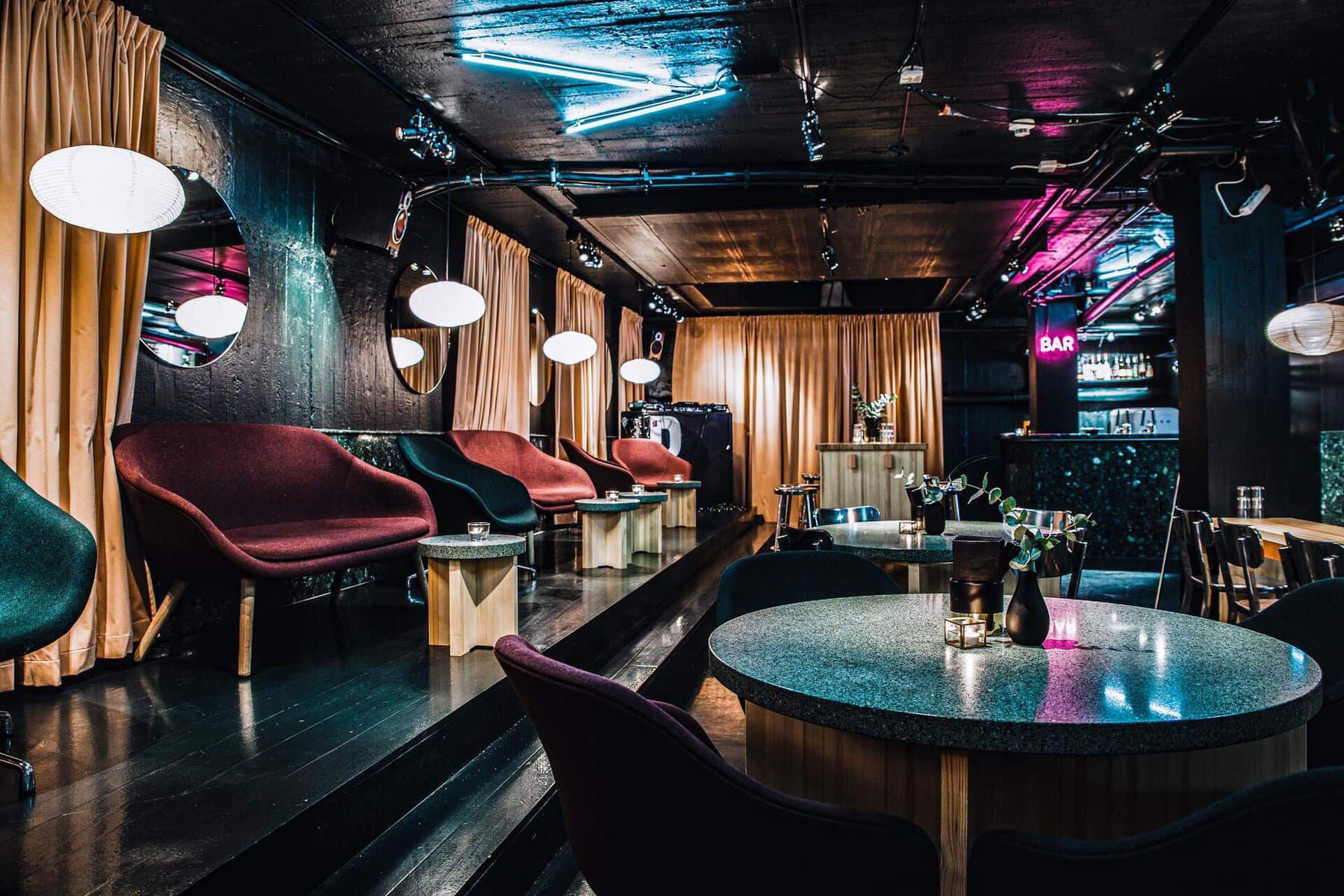
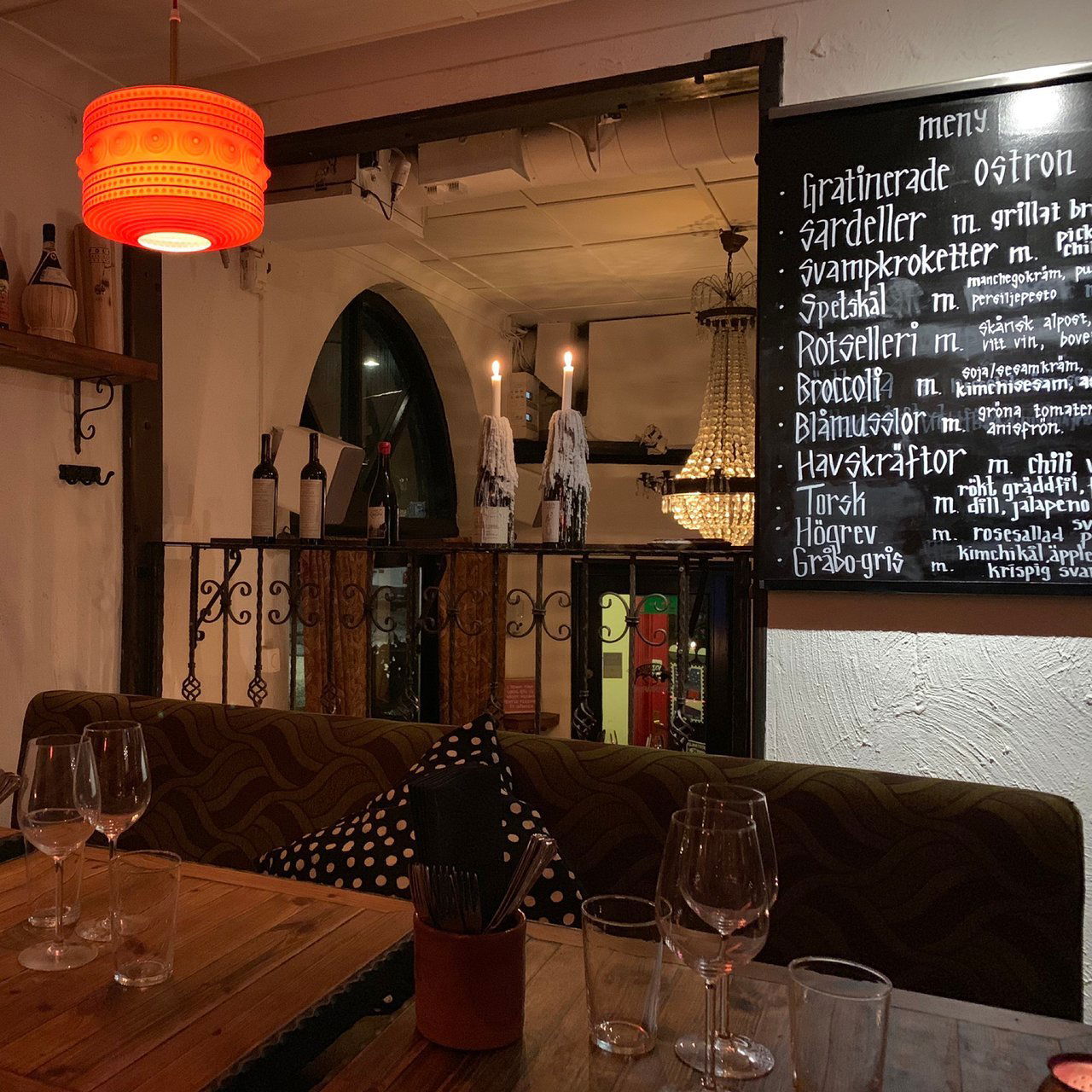
Tapasbaren settles into Majorna's smaller-room, neighbourhood rhythm with a quietly sophisticated manner. The room reads as deliberately unpolished rather than loud or flashy: it favors regulars and repeat visits over one-off destination experiences. In the kitchen a cross‑current of Spanish technique, Nordic ingredients and French inflection keeps the menu purposeful and restrained, so the atmosphere feels considered rather than ostentatious. The sharing-plate format organizes the evening; plates move quickly, conversation stays central and the overall effect is intimate, charming and quietly refined—a relaxed local bar with a mindful culinary edge.
Best For
Tapasbaren is best for gatherings that enjoy a convivial, shared style of eating. The tapas architecture explicitly rewards communal decision-making, so it's ideal for groups who want to order several small plates and sample broadly. The scale and layout of the room also suit low-key date nights and casual hangouts—smaller rooms and a neighbourhood clientele encourage conversation rather than spectacle. Regular visitors will appreciate the seasonal shifts and technique-driven dishes, so it also works well for repeat visits when you want a reliably sociable, thoughtfully executed meal.
Ordering Tips
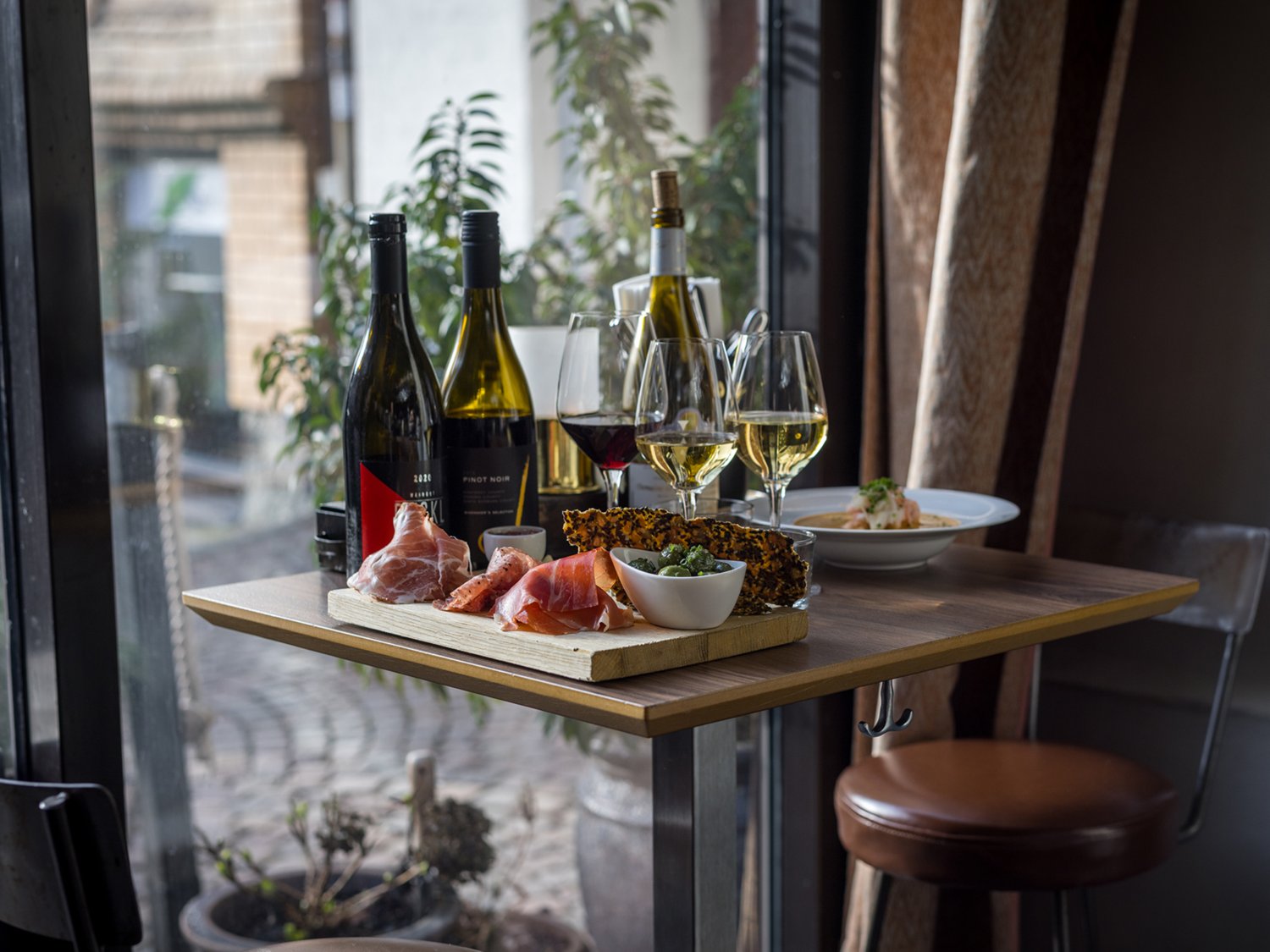
Approach the menu with a sharing mindset: order multiple small plates to spread across the table so the kitchen can showcase contrasts in technique and seasonality. Look for items that highlight preservation techniques and West Coast ingredients—charcuterie, cured fish and aioli are specifically noted as tools the kitchen uses—alongside fresher seasonal plates sourced locally. The tapas framework rewards variety and flexibility, so mix preserved, cured and fresh offerings to get a full sense of the kitchen's Spanish foundations and Nordic/French inflections.
Venue details
Ambiance
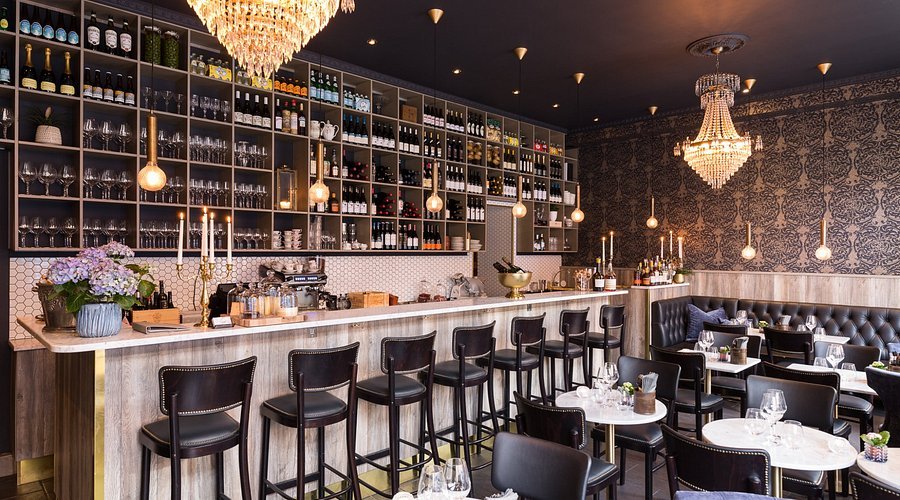
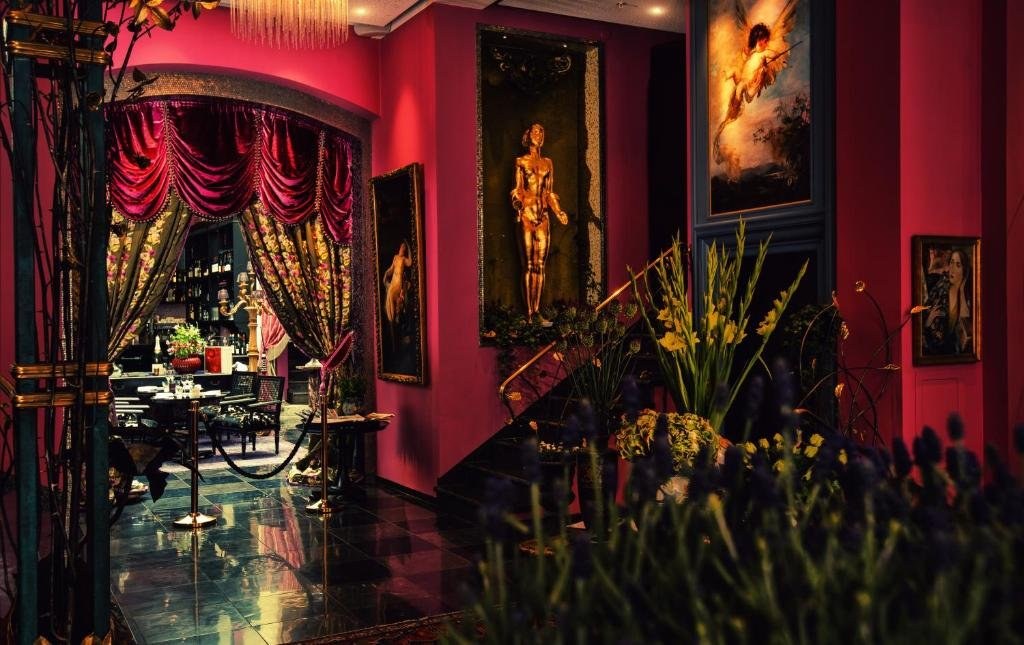
Cozy, relaxed atmosphere with stylish, minimalist design and warm, attentive service.
Tags
Vibe
Best For
Experience
Format
At the Bar
- Late Night
- Open Until 2am
Signature Pours
mushroom croquettes
Know before you go
Know Before You Go
- Getting there
- Mariagatan 17, 414 72 Göteborg, Sweden
Planning details
Location
Recognition and awards


Also consider
Also Consider
- Robb, Notable alternative
- Crippas Café, Notable alternative
- Suggan Vinbar, Notable alternative
- Kulturhuset Oceanen, Notable alternative
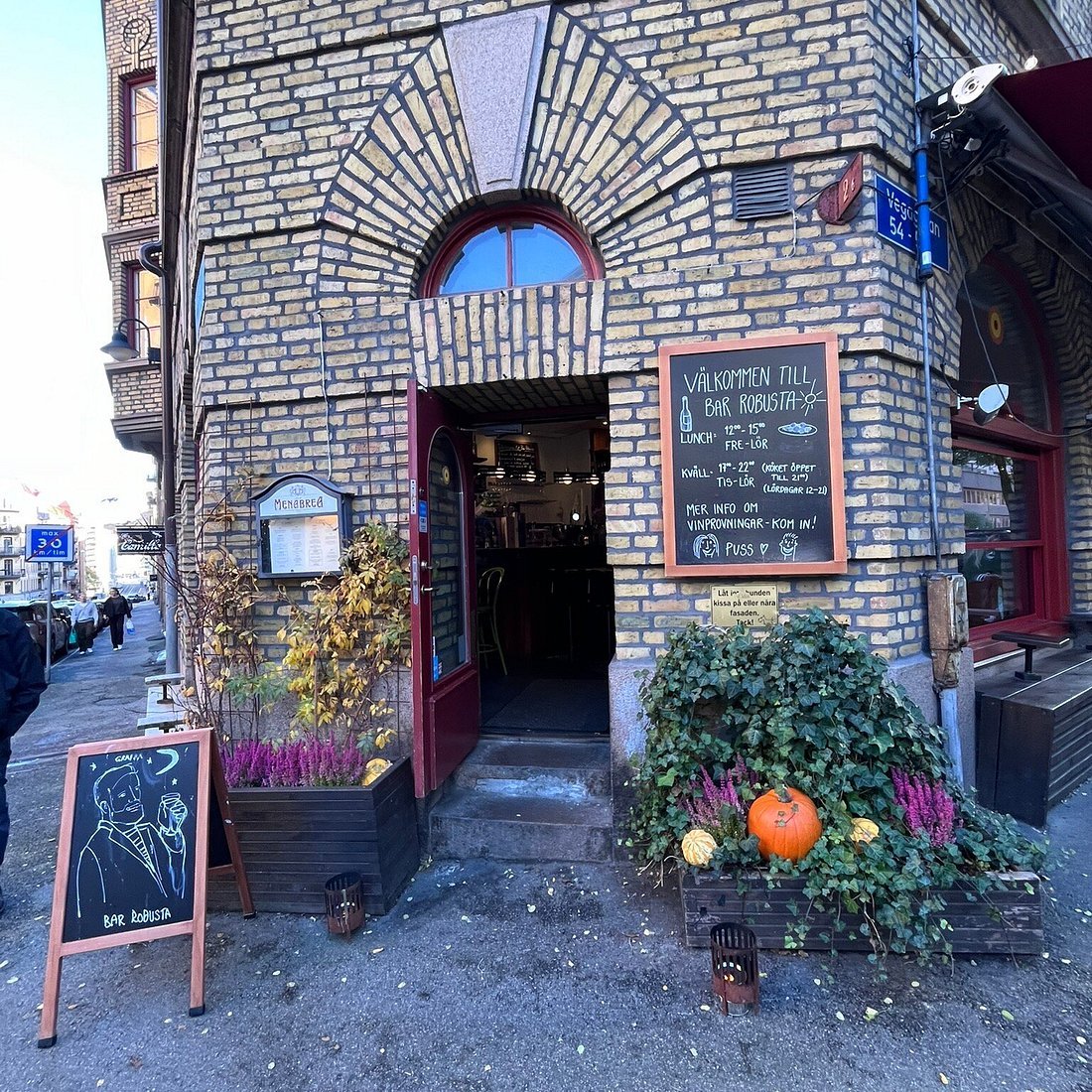
- Bar Robusta, Notable alternative
Bar context
How It Compares
Choose Tapasbaren when the priority is a flexible food-and-wine evening rather than a pure drinks stop. Compared with Robb, Crippas Café, and Suggan Vinbar, it is the better fit for a table that wants to order in stages and turn one round into dinner if the night is going well.
If booking ease is the deciding factor, Tapasbaren is the low-friction choice in this set. For a more open-ended cultural night, compare it with Kulturhuset Oceanen; for a tighter bar-led plan, look at Bar Robusta. The practical split is simple: Tapasbaren for shared plates with wine, Bar Robusta for a bar-focused stop, Kulturhuset Oceanen when the venue itself is part of the evening's activity.
For value per round, Tapasbaren is strongest when the group wants control over pace and spend. It is less compelling if everyone wants a single quick drink, where a dedicated bar such as Bar Robusta may make more sense, but stronger for dates and small celebrations that need food, wine, and room to extend the evening.
Explore Gothenburg
Around this place
Discover more on Pearl
Unlock the full Tapasbaren guide in Pearl, including awards, comparisons, FAQs, planning details, and nearby places.
Compare Tapasbaren
| Venue | Location | Awards |
|---|---|---|
| Tapasbaren | Gothenburg | Star Wine Lists 20262026 White Guide Sweden Restaurants - Fine Level |
| Robb | Gothenburg | No published awards |
| Crippas Café | Gothenburg | No published awards |
| Suggan Vinbar | Gothenburg | No published awards |
| Kulturhuset Oceanen | Gothenburg | No published awards |
| Bar Robusta | Gothenburg | No published awards |
How Tapasbaren Gothenburg compares with similar nearby venues.
FAQ
Frequently Asked Questions
Is Tapasbaren open late?
Yes. Tapasbaren is open until 12 AM on Friday and Saturday, and until 11 PM on Monday through Thursday and Sunday. Saturday also has earlier service from 12:30 PM.
What's the crowd like at Tapasbaren?
The dress code is casual, but information on the specific crowd, atmosphere, and noise level is not available. Check the venue's current channels if the mood of the room is important for your plans.
Is Tapasbaren good for groups?
Tapasbaren may work for a group if its hours and casual dress code fit your plan, but group suitability, table sizes, and booking requirements should be confirmed directly before going, especially for busier evening times.
Is Tapasbaren good for a date?
It can be considered for a casual date in Gothenburg, particularly if the Star Wine List (2026) recognition matters to you. For a more specific fit, compare it with options such as Kulturhuset Oceanen or other Gothenburg venues based on the atmosphere and availability you want.
Is the food good at Tapasbaren?
Menu details, dishes, prices, or independent food ratings are not available. Its distinction is Star Wine List (2026) recognition, so check the current menu if the food offering is the main reason for your visit.
Do I need a reservation at Tapasbaren?
Information on reservation requirements is not available. Because Friday and Saturday service runs until 12 AM, it is sensible to check availability directly with Tapasbaren before planning around a specific time.