
Bar in Fremont, United States
Satomi Sushi
100Pearl PointsPractical Sushi Stop
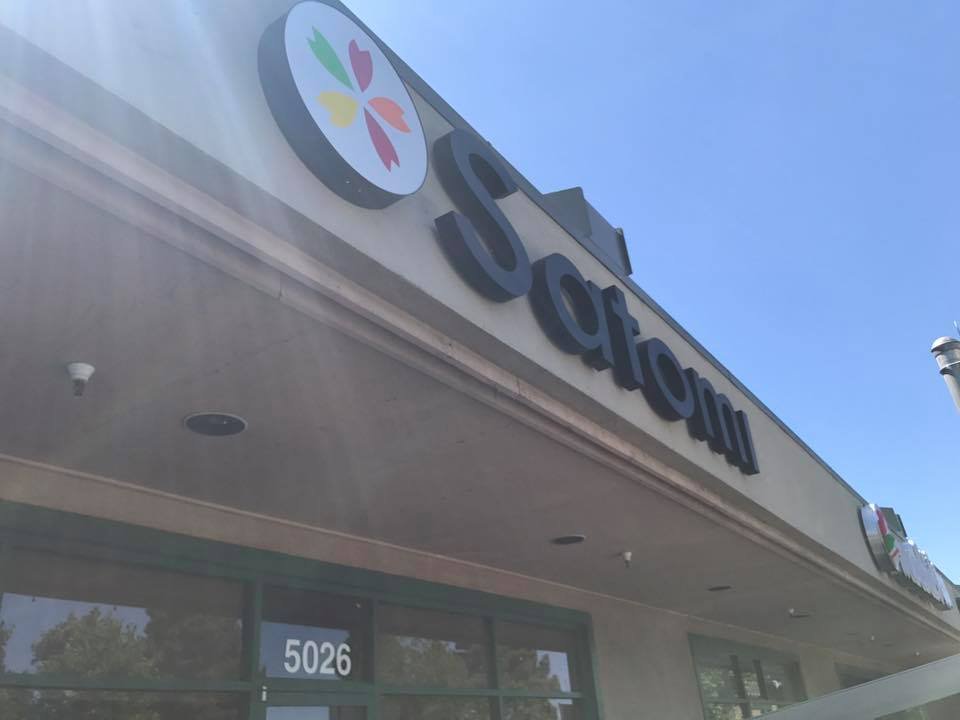
About Satomi Sushi
Satomi Sushi is a practical Fremont pick for a casual sushi date or relaxed weeknight dinner, especially when the group wants Japanese food without a formal tasting-menu setup. It is less convincing for major celebrations or private-event needs, where Massimo's or Papillon make a stronger case.
Satomi Sushi is a Fremont venue with verified casual dress and a daily schedule that includes midday and evening hours. Beyond those basics, the available verified details are limited, so plan around the confirmed practical information rather than assumptions about menu format, pricing, service style, or special-occasion amenities.
The decision point is simple. Consider Satomi Sushi when you want a casual Fremont meal and the posted hours fit your plan. Choose another venue when you need confirmed private-event details, a formal dining setup, or a broader set of verified planning information before committing.
Use it for a casual Fremont meal, not a heavily scripted occasion
The clearest confirmed signal is the dress code: casual. The hours also make it possible to plan around both midday and evening windows: Monday through Friday from 11:30 AM to 2:30 PM and 5 PM to 9 PM, and Saturday and Sunday from 11:30 AM to 9 PM.
For celebrations, keep expectations calibrated because verified details do not confirm private rooms, event pacing, set menus, or special-occasion services. If the meal needs a venue with clearer private-event positioning, compare it with Massimo's Restaurant, Bar and Private Event Venue or Papillon Restaurant.
Plan from the confirmed basics
The grounded case for Satomi Sushi is practical: it is in Fremont, it has casual dress, and its verified hours cover weekday midday and evening periods plus continuous weekend hours from late morning through evening. Details such as pricing, specific dishes, beverage options, seating style, reservations, takeout, delivery, and dietary accommodations are not confirmed here.
If Satomi Sushi does not match the timing or occasion, consider other Fremont options such as Freewheel Brewing Company, or use Our full Fremont restaurants guide, Our full Fremont bars guide, Our full Fremont hotels guide, Our full Fremont wineries guide, and Our full Fremont experiences guide to build the rest of the plan.
Frequently Asked Questions
Is Satomi Sushi good for a date?
It can work for a low-key Fremont plan if casual dress and the posted hours fit what you need. Verified details do not confirm the room style, seating setup, pricing, or special-occasion services, so keep the plan simple.
What's the best time to go to Satomi Sushi?
Use the verified hours to choose your timing: Monday through Friday, Satomi Sushi is open 11:30 AM to 2:30 PM and 5 PM to 9 PM. Saturday and Sunday, it is open 11:30 AM to 9 PM.
Does Satomi Sushi have happy hour deals?
Happy hour information is not confirmed in the verified details. Plan around the posted hours rather than assuming any deal-driven timing.
Is Satomi Sushi open late?
Satomi Sushi is open until 9 PM every day according to the verified hours. It is not listed here as a late-night venue beyond that time.
Is the food good at Satomi Sushi?
The verified details do not include ratings, awards, specific dishes, prices, or chef information. The safest grounded takeaway is that Satomi Sushi is a casual Fremont option with confirmed daily hours.
What's the crowd like at Satomi Sushi?
The verified information does not describe the crowd. The only confirmed style detail is casual dress, so expect to plan without relying on a specific scene or atmosphere claim.
Do I need a reservation at Satomi Sushi?
Reservation requirements are not confirmed in the verified details. If the occasion needs more formal planning, compare your options with Massimo's Restaurant, Bar and Private Event Venue; if you choose Satomi Sushi, plan around its posted Fremont hours.
Location
3655 Thornton Ave, Fremont, CA 94536
Fremont, United States
Compare Satomi Sushi
| Venue | Booking Difficulty |
|---|---|
| Satomi Sushi | Easy |
| Papillon Restaurant | Unknown |
| Massimo's Restaurant, Bar and Private Event Venue | Unknown |
| Freewheel Brewing Company | Unknown |
| St. John's Bar & Grill | Unknown |
| OFF THE RAILS BREWING CO. | Unknown |
Key differences to consider before you reserve.
Also Consider
- Papillon Restaurant, Notable alternative
- Massimo's Restaurant, Bar and Private Event Venue, Notable alternative
- Freewheel Brewing Company, Notable alternative
- St. John's Bar & Grill, Notable alternative
- OFF THE RAILS BREWING CO., Notable alternative
How it compares in Fremont
Choose Satomi Sushi when the priority is sushi and an easier Fremont dinner plan. It is a better fit for a casual date than Freewheel Brewing Company, which makes more sense for beer, groups, and a louder social meal. For diners choosing by food category first, sushi gives Satomi the clearer role; for drinks-led nights, Freewheel is the more natural pick.
Papillon Restaurant and Massimo's Restaurant, Bar and Private Event Venue are stronger choices for occasions where ambiance, pacing, and a polished room matter more than cuisine preference. Massimo's is the safer call for private-event framing; Papillon reads better for a composed dinner. Satomi is the lower-pressure alternative when the meal does not need that level of structure.
If Satomi is not the right fit, St. John's Bar & Grill and OFF THE RAILS BREWING CO. point the night in a more casual bar-and-grill or brewery direction. They are not sushi substitutes, but they work better for groups that care more about drinks, familiar comfort food, and a relaxed hang than a focused Japanese meal.
Explore Fremont
Save or rate Satomi Sushi on Pearl
Keep this venue in your Pearl passport, rate it after you visit, and track it alongside every other place you collect.