
The Station
Framlingham
Bar in Framlingham, United Kingdom
 Book with Pearl
The Read
Price
$20–30per person
Why go
A practical Framlingham choice for relaxed celebrations, dates, and group meals when ease matters more than a formal destination-dining feel. The Good Food Guide 2025 recognition gives it credibility, but wine-list depth, cuisine detail, and pricing are not the reason to choose it. Book for a dependable Station Road meal, not a specialist wine-bar night.
About The Station
For a Framlingham meal that needs to feel relaxed rather than formal, The Station is a sensible name to consider. Its Framlingham setting, casual dress code, and broad weekly opening hours make it an easy option to consider.
The clearest external trust signal is that The Good Food Guide included The Station in its 2025 guide with a GFG Good listing. That gives it more context than a purely convenience-led choice. Treat it as a recognised Framlingham option where the practical appeal is ease rather than ceremony.
Choose it for an easy special occasion, not a destination splurge
The decision point is occasion fit. For a relaxed date, birthday meal, or family plan in Framlingham, The Station may suit a group that values a casual setting and flexible timing. For a food-led trip where the cooking itself has to be the main reason to travel, compare it with other dining rooms such as The Unruly Pig, The Bildeston Crown, The Anchor, Greyhound Inn, or The Brewers before committing.
The Station is best approached as a casual Framlingham meal rather than specifically as a specialist wine bar, cocktail destination, or drink-led venue. If drinks choice is the main event, check current details directly before booking. The safer use case is a casual Framlingham meal where the Good Food Guide recognition adds confidence, with specific menu and drinks details checked through the venue's own channels.
Where it sits in a Framlingham plan
For visitors building a town stay, start with our full Framlingham restaurants guide, then check current opening times and booking details with the venue before making firm plans. The Station's hours run from 12–10pm Monday to Wednesday and 12–11pm Thursday to Sunday, which makes it relatively easy to fit into a Framlingham itinerary.
Readers cross-shopping by occasion should keep the comparison simple: choose The Station for a casual Framlingham option with Good Food Guide recognition and broad opening hours; look to other dining rooms if the priority is a more clearly defined destination format, a published specialist drinks list, or detailed chef-led menu information.
Planning details
- Location
- Station Rd, Framlingham, Woodbridge IP13 9EE, United Kingdom
- Reservations
- Book on ResDiary
- Website
- thestationframlingham.com
- Phone
- +44 1728 723455
The take
The Take
The Vibe
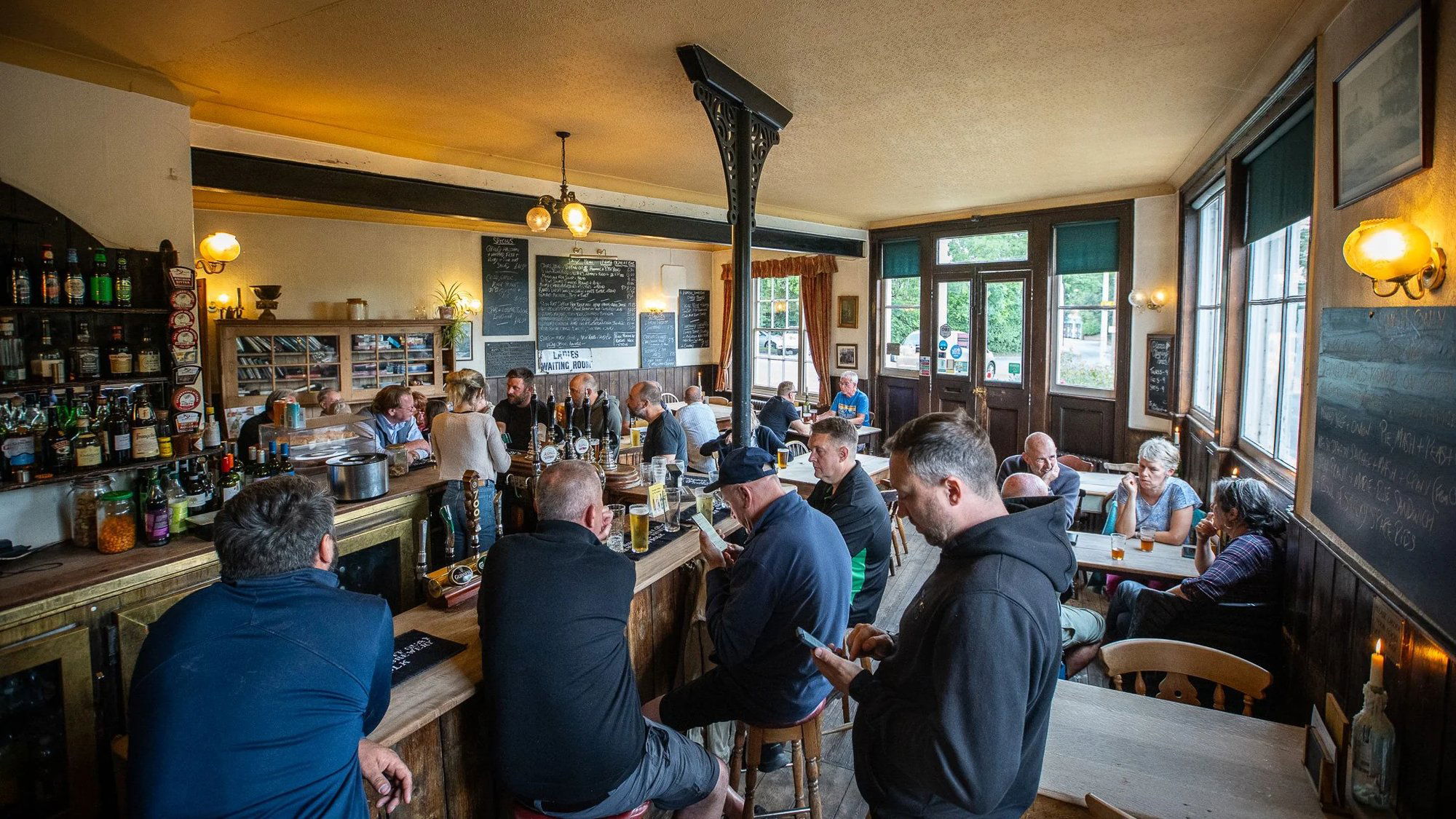
The Station occupies a Victorian railway building that still reads as a station rather than a contemporary gastropub. The bar room's proportions and plain, functional approach recall waiting rooms and goods yards, and the place deliberately feels "used" rather than styled — a quality the write-up treats as a Suffolk compliment. Its program leans local and straightforward, with a blackboard that changes daily and a wine list that rewards attention. Overall the vibe is historic and quietly classic, a comfortable counterpoint to more polished city bars and an honest expression of a small-market-town pub elevated by thoughtful drink and food choices.
Best For
The Station is best for midday and evening meals: the kitchen explicitly moves between a lunch register and an evening register, so it comfortably handles both simple daytime plates and more considered dinners. As a standalone pub and restaurant in a market town, it suits casual hangouts and group outings — the bar and dining spaces retain communal proportions that welcome conversation. The drinks programme, which emphasizes local provenance (notably the house Aspall cider) and a wine list that "merits consideration," also makes it a good stop for guests who want something more than a standard pint alongside their meal.
Ordering Tips
Check the blackboard on arrival: the menu changes daily, so the chef's fresh offerings are best found there. For drinks, ask for the house cider — Aspall is named as the house choice and comes from nearby Debenham — and scan the wine list carefully; the write-up highlights it as worthy of consideration, suggesting attentive selections beyond standard pub pours. Given the pub's focus on local and rotating options, ask staff about the current cask or any specials that reflect local producers.
Venue details
Ambiance
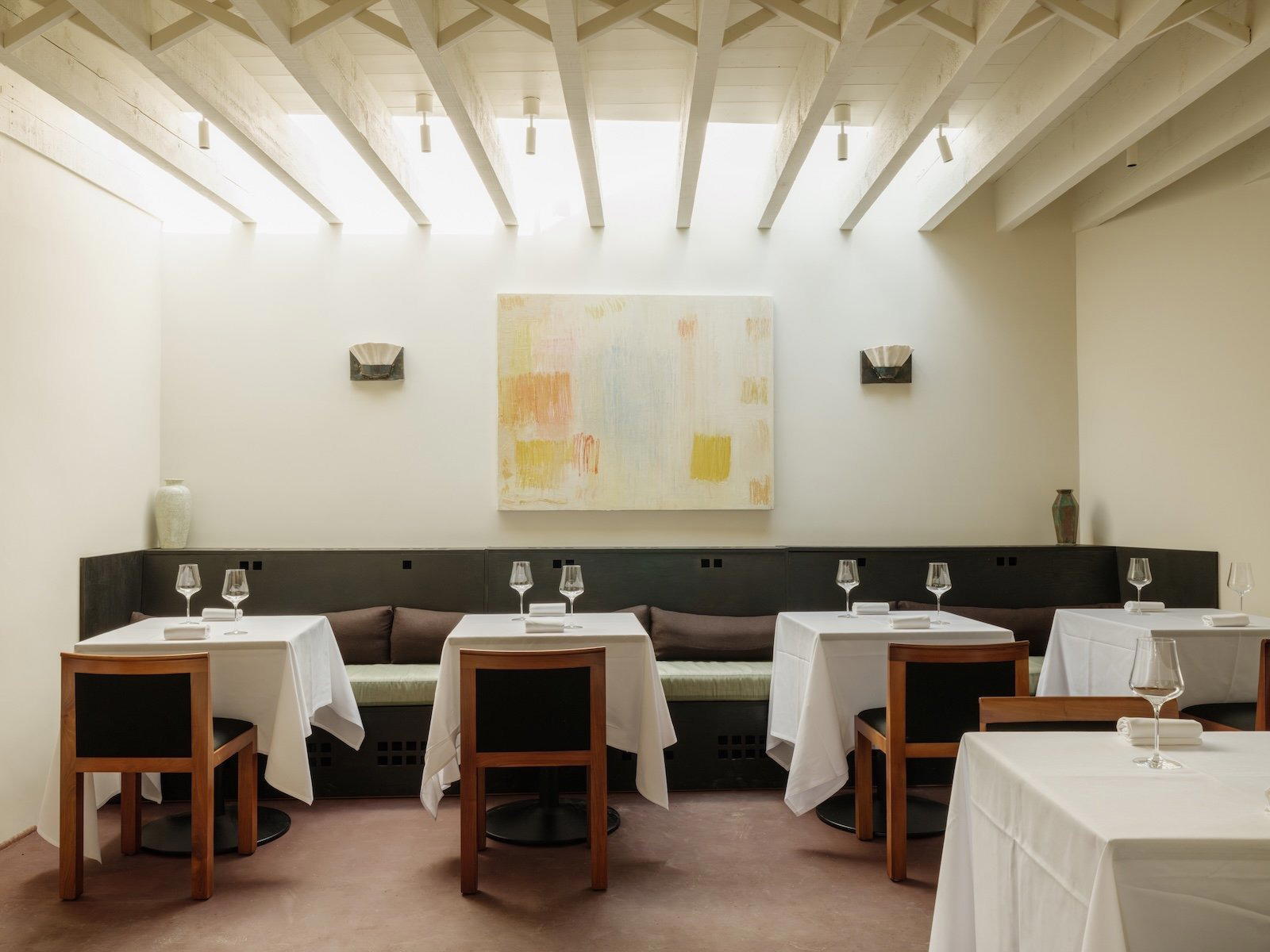
Casual and relaxed with a great, buzzing atmosphere, wooden tables, mismatched chairs, and a rustic pub feel.
Tags
Vibe
Best For
Experience
Format
At the Bar
- Bar Category
- Pub
Know before you go
Know Before You Go
- Getting there
- Station Rd, Framlingham, Woodbridge IP13 9EE, United Kingdom
Planning details
Location
Station Rd, Framlingham, Woodbridge IP13 9EE, United Kingdom · Directions
Recognition and awards
Also consider
Also Consider
- Greyhound Inn, Notable alternative
- The Unruly Pig, Notable alternative
- The Anchor, Notable alternative
- The Brewers, Notable alternative
- The Bildeston Crown, Notable alternative
Bar context
How it compares in and around Framlingham
The Station is the easier, lower-friction choice if the priority is a relaxed Framlingham meal with simple planning. Greyhound Inn and The Anchor are the natural cross-shops for a pub-style meal, but this is the safer pick when all-week opening and an easy town stop matter more than chasing a destination feel.
For a more food-led occasion, compare it directly with The Unruly Pig and The Bildeston Crown. Those are better fits when the meal itself needs to justify the journey. The Station makes more sense for dates, family meals, and casual celebrations where comfort and convenience carry equal weight with the cooking.
The Brewers is the other practical alternative for readers who want a familiar pub rhythm. Choose The Station if Framlingham location and easy timing are the deciding factors; choose one of the more destination-leaning peers if the group is willing to travel for a more ambitious experience.
Explore Framlingham
Around this place
Discover more on Pearl
Unlock the full The Station guide in Pearl, including awards, comparisons, FAQs, planning details, and nearby places.
Compare The Station
| Venue | Location | Awards |
|---|---|---|
| The Station | Framlingham | The Good Food Guide 2025 |
| Greyhound Inn | Pettistree | No published awards |
| The Unruly Pig | Bromeswell | No published awards |
| The Anchor | Walberswick | No published awards |
| The Brewers | Rattlesden | No published awards |
| The Bildeston Crown | Bildeston | No published awards |
How The Station Framlingham compares with similar nearby venues.
FAQ
Frequently Asked Questions
What's the best time to go to The Station?
The Station is open from 12–10pm Monday to Wednesday and 12–11pm Thursday to Sunday. Choose a time that suits your plans, and check directly for current booking availability.
Is The Station good for a date?
It may suit an easy, casual Framlingham date rather than a high-stakes splurge. The Good Food Guide 2025 recognition gives it a useful trust signal, but specific menu and atmosphere details should be checked directly.
Is the food good at The Station?
The Good Food Guide 2025 GFG Good listing is the clearest sign that The Station is worth considering. Check the venue's current menus for dishes, cuisine, and pricing.