
Bar in Eugene, United States
Akira
100ptsSpirits-First Curation
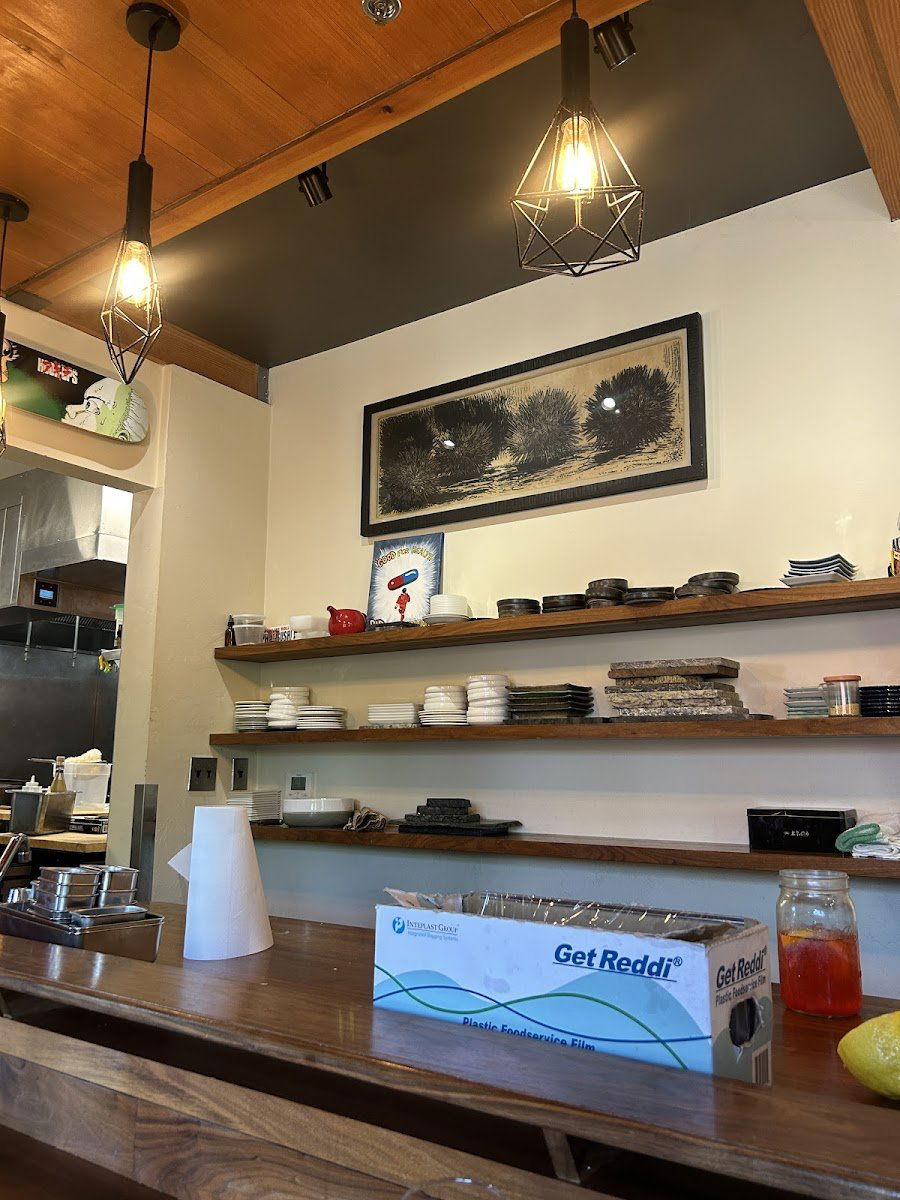
About Akira
Akira sits on Mill Street in downtown Eugene, Oregon, representing the quieter, more considered end of the city's drinking scene. The bar's address places it within walking distance of Eugene's main dining corridor, making it a natural stop for those working through the city's independent venues. Check directly for current hours and booking arrangements before visiting.
Where Eugene's Bar Scene Gets Serious About Spirits
Downtown Eugene has never been a city that chases trends set elsewhere. While Portland absorbed the national cocktail movement's second wave with speed, Eugene's independent bar scene developed more slowly, shaped by a university-town economy and a local culture that prizes unpretentious expertise over spectacle. On Mill Street, that dynamic plays out on a smaller scale: the strip's venues tend toward substance rather than theater, and Akira, at 359 Mill St, fits that pattern. The address puts it in the commercial core of the city, close to the Willamette River and within the walkable radius that connects Eugene's main independent dining and drinking venues.
The Spirits-First Approach in a Wine-Heavy State
Oregon's drinks identity is built around wine. The Willamette Valley's Pinot Noir dominance shapes what most visitors expect when they sit down at a bar in the state, and local pride in that heritage runs deep across the wider drinks scene. Against that backdrop, venues that orient their programs around spirits rather than local wine occupy a specific niche, one that requires a more deliberate curatorial argument. In a city like Eugene, where Cafe Soriah and Cafe Med Eugene draw their identities partly from wine-forward programming, a spirits-led back bar represents a different kind of commitment.
That commitment, when done well, shows up in how a back bar is assembled. Rare bottles, allocated releases, and category depth across whisky, rum, agave, and brandy tell you more about a venue's seriousness than the cocktail menu does. The cocktail menu changes. The back bar is the institutional memory.
The Back Bar as Editorial Argument
Across the tier of bars that have built genuine reputations for spirits curation, the back bar functions less as a menu and more as a point of view. Venues like Kumiko in Chicago and Bar Leather Apron in Honolulu have used deep, disciplined collections to anchor their identities in cities with far more competitive drinks scenes than Eugene. The same structural logic applies at a smaller scale: a carefully assembled back bar signals intent, and in a mid-size university city where generic pours remain the norm at most venues, that signal is meaningful.
In Eugene, the bar scene is anchored by a handful of independent operators who have built their own identities rather than importing a template. Ambrosia Restaurant and Bar and Bar Purlieu each take a different approach to the evening program, and Akira operates within that small cohort of venues where the drinks program warrants attention on its own terms. The proximity of these venues along Eugene's central strip means that a single evening can cover several distinct approaches without requiring a car.
What a Spirits Collection Says About a Room
Beyond the bottles themselves, the architecture of a back bar shapes the entire experience of a room. Guests who know what they are looking at can read a collection the way a reader reads a library: the categories represented, the producers favored, the gaps deliberately left or accidentally revealing. The difference between a back bar assembled for visual impact and one assembled for drinking depth is immediately legible to anyone who has spent time in rooms like ABV in San Francisco or Jewel of the South in New Orleans, both of which have built their reputations on collections that reward the guest who asks questions rather than orders the familiar.
In smaller cities, that depth is rarer simply because the economics are harder. A bottle of allocated bourbon or aged agricole rum sitting on a shelf in a 150-seat venue in a city without a large cocktail-literate customer base is a slower investment than the same bottle in New York or Chicago. Venues that make that investment anyway, and hold it, signal something about their ambitions that goes beyond the immediate transaction.
Whether Akira's back bar meets that standard in full is something that requires a visit to assess. The venue's Mill Street address, in a part of downtown Eugene that has historically attracted operators with independent programming instincts, places it in a context where that level of curation is at least plausible.
Eugene's Place in the Regional Drinking Conversation
Eugene sits roughly 110 miles south of Portland, and the distance is more cultural than geographic. Portland's bar scene, which has generated nationally recognized programs and contributed to the broader Pacific Northwest's reputation for ingredient-led cocktail culture, casts a long shadow. Bars in Eugene operate in that shadow, which can push independent venues toward differentiation rather than imitation. The venues that have built lasting reputations in Eugene, including the small cluster around the Mill Street corridor, have generally done so by serving their own community rather than auditioning for a national audience.
That orientation suits a spirits-collection approach well. Regulars who return to a venue for the back bar are among the most loyal customers in any drinking scene, and in a university city with a consistent annual turnover of younger drinkers discovering serious spirits for the first time, the educational dimension of a well-curated collection has real value. Venues like Julep in Houston and Superbueno in New York City have built substantial followings by treating the back bar as a teaching tool as much as a product list. The Parlour in Frankfurt demonstrates that this approach scales across very different market contexts.
Planning a Visit
Akira is located at 359 Mill St, Eugene, OR 97401, on the downtown corridor that connects several of the city's independent evening venues. Contact details and current hours were not confirmed at the time of publication; checking recent local listings or walking the strip is the reliable approach for up-to-date operational information. Eugene's downtown is compact enough that the Mill Street cluster of bars, including Bar Purlieu and Ambrosia, can be covered on foot in a single evening. For a fuller map of the city's independent venues, the EP Club Eugene guide covers the broader dining and drinking scene with venue-by-venue context.
Frequently Asked Questions
- What do regulars order at Akira?
- Given Akira's position in Eugene's independent bar scene and its Mill Street address among venues known for deliberate programming, regulars tend to engage with whatever the back bar offers beyond standard pours. Without confirmed menu data, the most reliable approach is to ask the staff what has arrived recently or what they would point a spirits-interested guest toward. Bars in this tier typically have a handful of bottles they are genuinely excited about at any given time.
- Why do people go to Akira?
- Akira sits in the part of downtown Eugene where independent bars have established a corridor of venues worth seeking out specifically rather than stumbling into. In a city where the drinks scene is smaller and less nationally profiled than Portland's, venues on Mill Street tend to draw guests who are making a considered choice rather than a default one. Akira's location places it within that deliberate-choice category.
- Is Akira reservation-only?
- Phone and website details for Akira were not confirmed at the time of publication, which makes it difficult to state booking requirements with certainty. In Eugene's independent bar scene, walk-in access is common at most venues of this scale, but confirming directly before a visit is advisable, particularly on weekends when the Mill Street corridor is busier.
- How does Akira fit into Eugene's broader spirits scene compared with Oregon's dominant wine culture?
- Oregon's drinks identity centers on Willamette Valley wine, and most Eugene venues reflect that priority in their programming. A spirits-focused bar on Mill Street therefore occupies a specific counter-position in the local scene, appealing to guests who arrive with curiosity about whisky, agave, or rum categories rather than local Pinot. In a state where wine commands the room, that specialization is a distinguishing posture rather than a default one, and it aligns Akira with a national tier of bars that have built their reputations on collection depth rather than regional beverage identity.
Related editorial
- Best Fine Dining Restaurants in ParisFrom three-Michelin-star icons to the next generation of Parisian chefs pushing boundaries, these are the restaurants that define fine dining in the world's culinary capital.
- Best Luxury Hotels in RomeFrom rooftop terraces overlooking ancient ruins to Michelin-starred hotel dining, these are the luxury hotels that make Rome unforgettable.
- Best Cocktail Bars in KyotoFrom sleek lounges to hidden speakeasies, Kyoto's cocktail scene blends Japanese precision with global influence in ways you won't find anywhere else.
Save or rate Akira on Pearl
Keep this venue in your Pearl passport, rate it after you visit, and track it alongside every other place you collect.