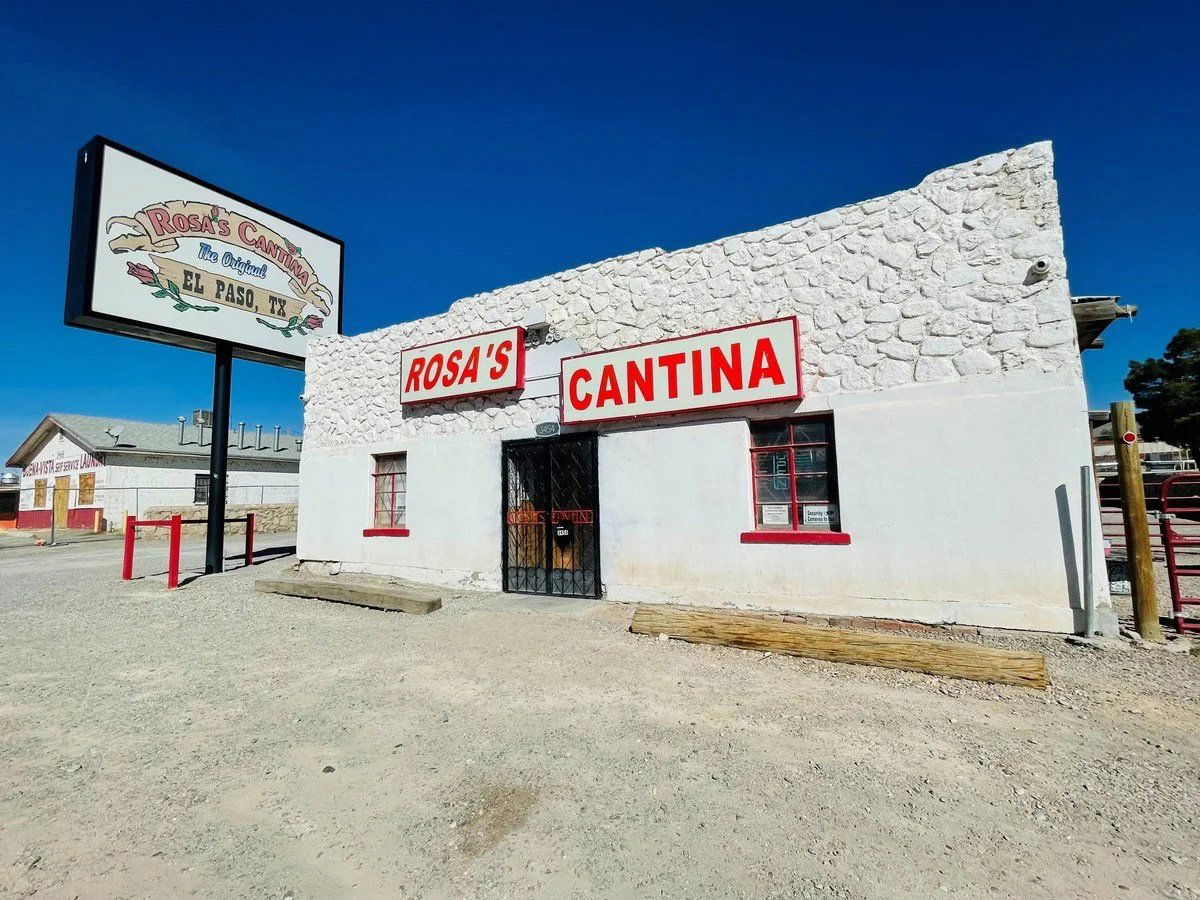
Rosa's Cantina
westside, El Paso
Bar in El Paso, United States
 Book with Pearl
Why go
Rosa's Cantina is worth keeping as an easy El Paso fallback, especially for a casual west-side plan with late hours Tuesday through Sunday. Do not treat it as a documented chef-led or cocktail-specialist destination; cross-shop DeadBeach Brewery for a clearer beverage format or L & J Cafe for a more established restaurant choice.
About Rosa's Cantina
Rosa's Cantina is a casual El Paso option with a straightforward schedule: closed Monday and open Tuesday through Sunday from 11 AM to 12 AM. With a casual dress code and broad service window, it works best as a practical planning choice for an easy night out rather than a destination built around a specific culinary program.
For someone who has been once, the decision is straightforward: return when the timing and casual setting fit the night. Do not choose it for a specific cuisine, signature drink, chef-led meal, or known price range. If the night needs a different option to compare, DeadBeach Brewery is one possible cross-shop. L & J Cafe is another named El Paso option to consider when comparing plans.
Use it for low-friction nights in El Paso
The strongest case is timing. Being closed Monday but open from 11 AM to 12 AM Tuesday through Sunday makes it useful when the group needs a casual El Paso stop with a broad service window. Do not build a plan around online booking, prepaid menus, or a tasting-menu format.
Readers comparing across El Paso should focus on what matters for the night: Rosa's Cantina has a casual dress code and a Tuesday-through-Sunday schedule. DeadBeach Brewery and L & J Cafe can also be considered as named alternatives, especially if cuisine, pricing, reservations, or awards are important to the decision.
How to decide against other options
Choose Rosa's Cantina for an easy, casual plan where the schedule works for the group and no one needs a tasting menu, award signal, or specific chef-led format. If you want to compare named alternatives before deciding, look at SAZON BY CHEF RULIS, Ristorante Casanova, or The Tap Bar & Restaurant as separate options and check the details that matter for your plan.
Before going, scan El Paso restaurant listings and El Paso bar listings if the night could swing either way. If the plan involves visitors, pair the decision with broader El Paso planning rather than forcing one casual venue to carry the whole itinerary.
Planning details
- Location
- 3454 Doniphan Dr, El Paso, TX 79922
- Website
- rosas-cantina.com
- Phone
- +1 915 833 0402
The take
The Take
The Vibe
Rosa's Cantina reads like a working‑class neighbourhood staple rooted in the borderlands. The copy places it squarely in El Paso’s upper valley—an agricultural corridor where produce moves across the border—so the place feels ingredient-first and unpretentious. Regulars come for consistent cooking rather than culinary theater; the tone is communal and familiar rather than curated for tourists. Expect a warm, approachable cantina where provenance matters in a quiet, matter-of-fact way: the atmosphere is shaped by local rhythms and the kind of dependable hospitality that keeps neighbourhoods coming back.
Best For
This is a spot for people seeking honest, everyday Mexican food anchored in local supply chains. The piece emphasizes repeat clientele and portions sized for outdoor workers, so Rosa’s works well for midday refueling and relaxed evening meals with friends, coworkers, or family. It’s not positioned as a destination for sightseeing diners; instead it suits locals and visitors who want an authentic borderlands experience—casual, unpolished, and rooted in a regional tradition that prioritizes freshness and value.
Ordering Tips
Order with the neighbourhood rhythm in mind: portions are described as generous and tuned to hearty appetites, so plan to share or leave room for seconds. The copy highlights the upper valley’s produce—pecans, chiles, corn and other staples—so look for dishes that showcase those ingredients or ask staff what’s arriving from the farms. Because the kitchen trades on regional sourcing and consistency, favor straightforward, ingredient-driven plates rather than experimental off-menu items.
Venue details
Ambiance
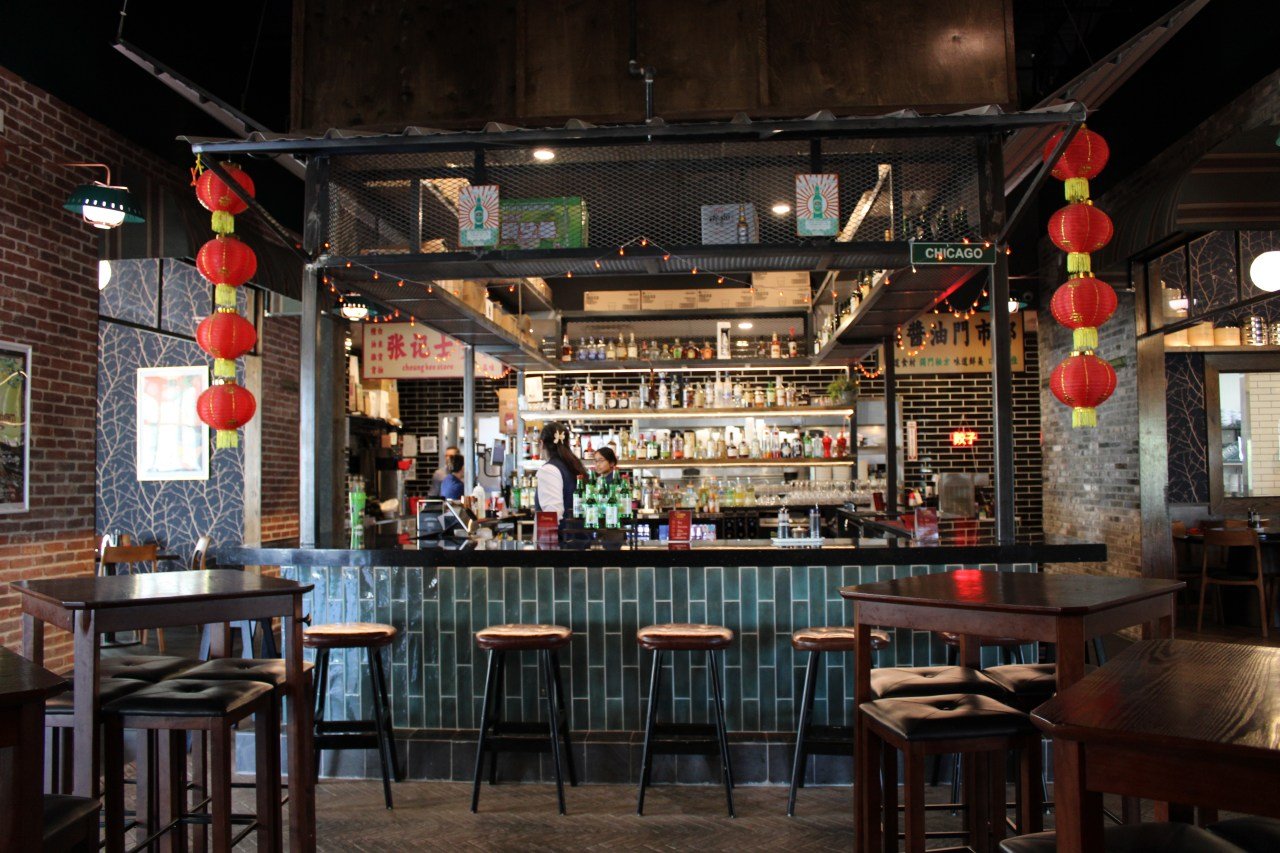
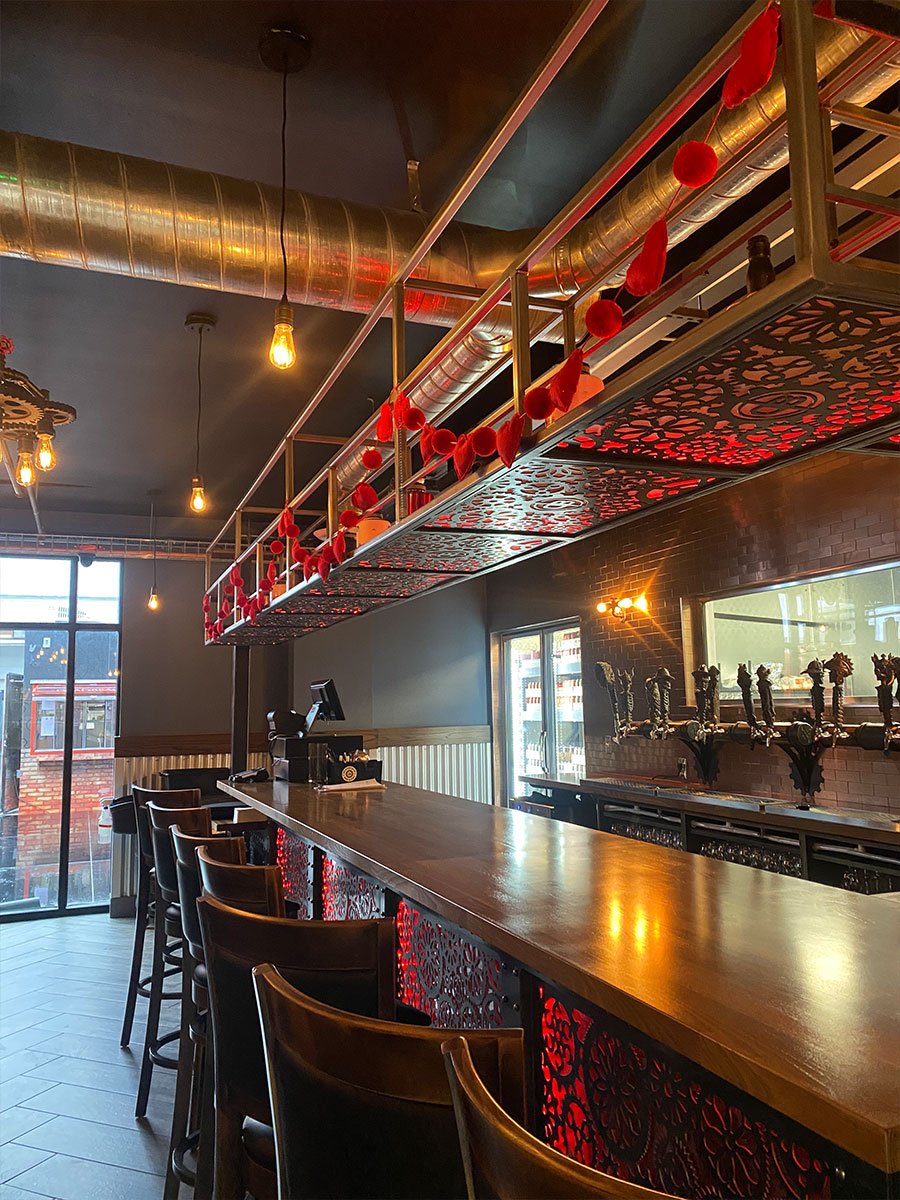
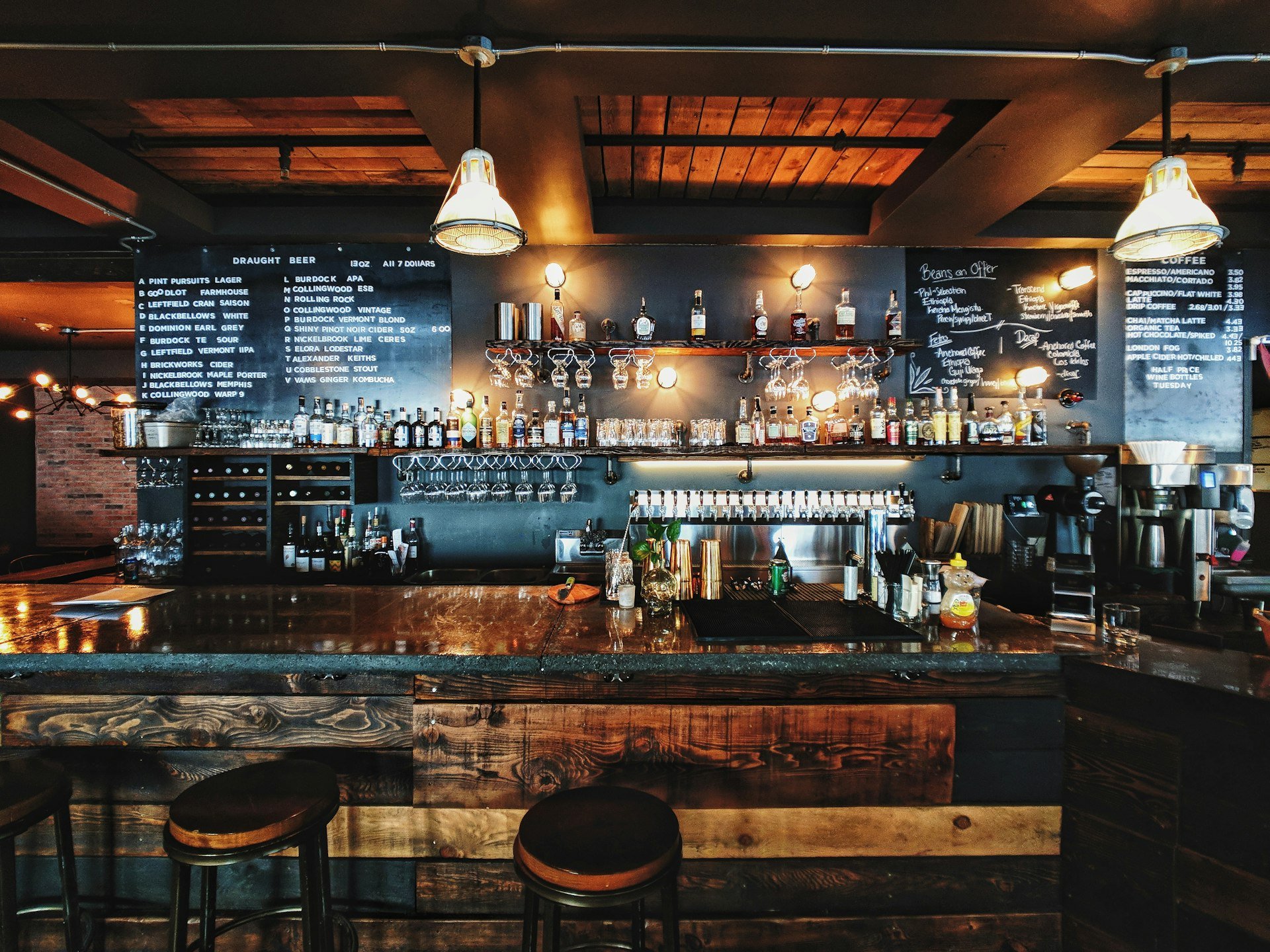
Lively atmosphere with dim lighting, jukebox, spacious dance floor, and crowds enjoying live bands and dancing.
Tags
Vibe
Best For
Experience
Format
At the Bar
- Bar Category
- Dive Bar
- Late Night
- Open Until 2am
- Music
- Country, Tejano, Cumbia, Mariachi, Classic Rock
- Live Music
- Yes
Know before you go
Know Before You Go
- Getting there
- 3454 Doniphan Dr, El Paso, TX 79922
Planning details
Location
Also consider
Also Consider
- SAZON BY CHEF RULIS, Notable alternative
- Ristorante Casanova, Notable alternative
- The Tap Bar & Restaurant, Notable alternative
- DeadBeach Brewery, Notable alternative
- L & J Cafe, Notable alternative
Bar context
Rosa's Cantina is the easy-choice option in this El Paso set: useful when the group wants a casual bar-and-food plan and does not need a documented chef, award signal, or tightly defined menu format. SAZON BY CHEF RULIS and Ristorante Casanova read as better fits for a more deliberate dinner, while Rosa's Cantina makes more sense when timing and low planning effort matter.
For beverage-led plans, DeadBeach Brewery is easier to understand before arrival because the brewery format is clear. For a more classic El Paso restaurant pick, L & J Cafe gives the meal more built-in direction. Rosa's Cantina sits closer to The Tap Bar & Restaurant as a flexible, casual option rather than a splurge plan.
Book Rosa's Cantina when the group values access, late timing, and a relaxed setting. Cross-shop SAZON BY CHEF RULIS or Ristorante Casanova when the meal itself is the point, DeadBeach Brewery when drinks define the night, and L & J Cafe when visitors want a more established local restaurant decision.
Explore El Paso
Around this place
Discover more on Pearl
Unlock the full Rosa's Cantina guide in Pearl, including awards, comparisons, FAQs, planning details, and nearby places.
Compare Rosa's Cantina
| Venue | Location | Awards |
|---|---|---|
| Rosa's Cantina | El Paso | No published awards |
| SAZON BY CHEF RULIS | El Paso | No published awards |
| Ristorante Casanova | El Paso | No published awards |
| The Tap Bar & Restaurant | El Paso | No published awards |
| DeadBeach Brewery | El Paso | No published awards |
| L & J Cafe | El Paso | No published awards |
How Rosa's Cantina El Paso compares with similar nearby venues.
FAQ
Frequently Asked Questions
Does Rosa's Cantina have happy hour deals?
Do not plan the visit around drink specials. Rosa's Cantina is open Tuesday through Sunday from 11 AM to 12 AM, with Monday closed.
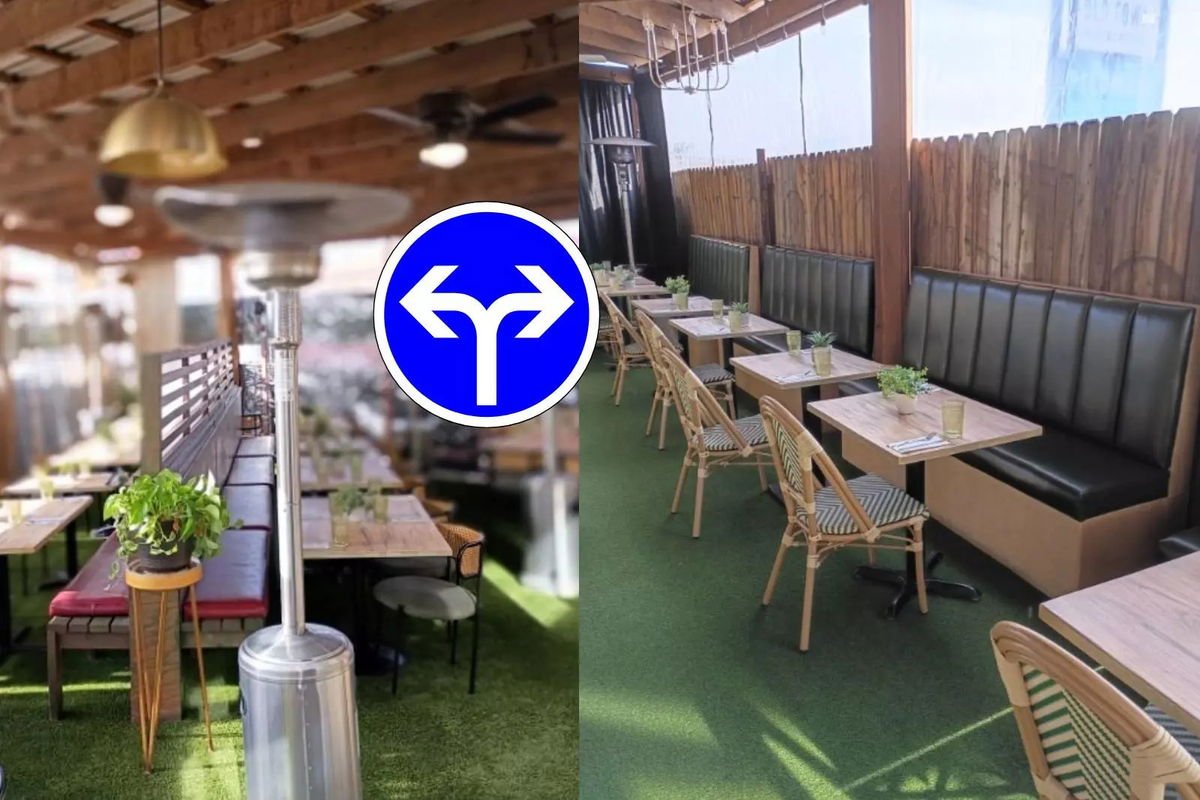
Does Rosa's Cantina have outdoor seating?
Is the food good at Rosa's Cantina?
Treat it as a casual El Paso option with useful hours, not as a destination meal built around a specific cuisine, chef, menu specialty, price range, or award signal.
What's the crowd like at Rosa's Cantina?
The dress code is casual, and the venue is open until 12 AM Tuesday through Sunday.
Is Rosa's Cantina good for a date?
It may fit a low-pressure date if a casual El Paso setting and the hours work for your plan. For a milestone dinner, compare it with a venue that gives you more to evaluate on menu, service style, and reservations.
Is Rosa's Cantina good for groups?
It may suit groups that want a casual plan and can use the Tuesday-to-Sunday 11 AM to 12 AM schedule. For larger groups, check directly about seating capacity, reservations, or private dining.
Do I need a reservation at Rosa's Cantina?
If your group is larger or you are aiming for a busy night, check directly or compare with another option that offers a clearer reservation process.