Centro
Downtown Des Moines, Des Moines
Bar in Des Moines, United States
 Book with Pearl
The Read
Price
$30–50per person
Why go
Centro is a practical downtown Des Moines pick when the night needs an easy sit-down dinner rather than a hard-to-book occasion meal. Choose it for convenience, first-date flexibility, and group-friendly planning; cross-shop Fong's Pizza, Akebono 515, or Captain Roy's if the priority is a more casual, bar-led, or hangout-driven night.
About Centro
For a first-timer planning a visit in Des Moines, the useful question is whether Centro's posted schedule fits the plan. Centro is in Des Moines, lists daily hours, and has a smart casual dress code. Use those facts as the planning baseline, then confirm any current availability or visit-specific details directly before you go.
The case for considering Centro is simple: it has posted daily hours and a smart casual dress code. Monday runs 4–9 PM; Tuesday through Thursday run 11 AM–9 PM; Friday and Saturday run 11 AM–10 PM; and Sunday runs 11 AM–9 PM. If you are comparing other options, consider it alongside Fong's Pizza or Akebono 515, which may fit a different plan.
Book it for a practical Des Moines plan, not for a trophy claim
The strongest reason to choose Centro is planning clarity. The venue's Des Moines location, posted hours, and smart casual dress code make it a practical choice when timing and a direct outing are the priority. For a date or group plan, confirm the details that matter through the venue's current contact channels rather than assuming a specific format.
Later in the evening, the better use case is still schedule-first planning. For Centro, prioritize the posted hours and practical fit. For plans centered on another kind of outing, xBk Live, Captain Roy's, or Jasper Winery may be worth comparing depending on the night. Centro is the more direct answer when the group needs a Des Moines option that fits the posted schedule.
Know Before You Go
- Good for: Des Moines planning when the posted hours and smart casual dress code fit your plans.
- Less ideal for: visitors who need confirmed details beyond hours and dress code before choosing a venue.
- Booking read: confirm availability, group fit, and any current visit details directly with the venue.
- Area planning: pair the visit with broader guides to Des Moines restaurants, Des Moines bars, Des Moines hotels, Des Moines wineries, and Des Moines experiences.
Planning details
- Location
- 1003 Locust St, Des Moines, IA 50309
- Website
- centrodesmoines.com
- Phone
- (515) 248-1780
The take
The Take
The Vibe
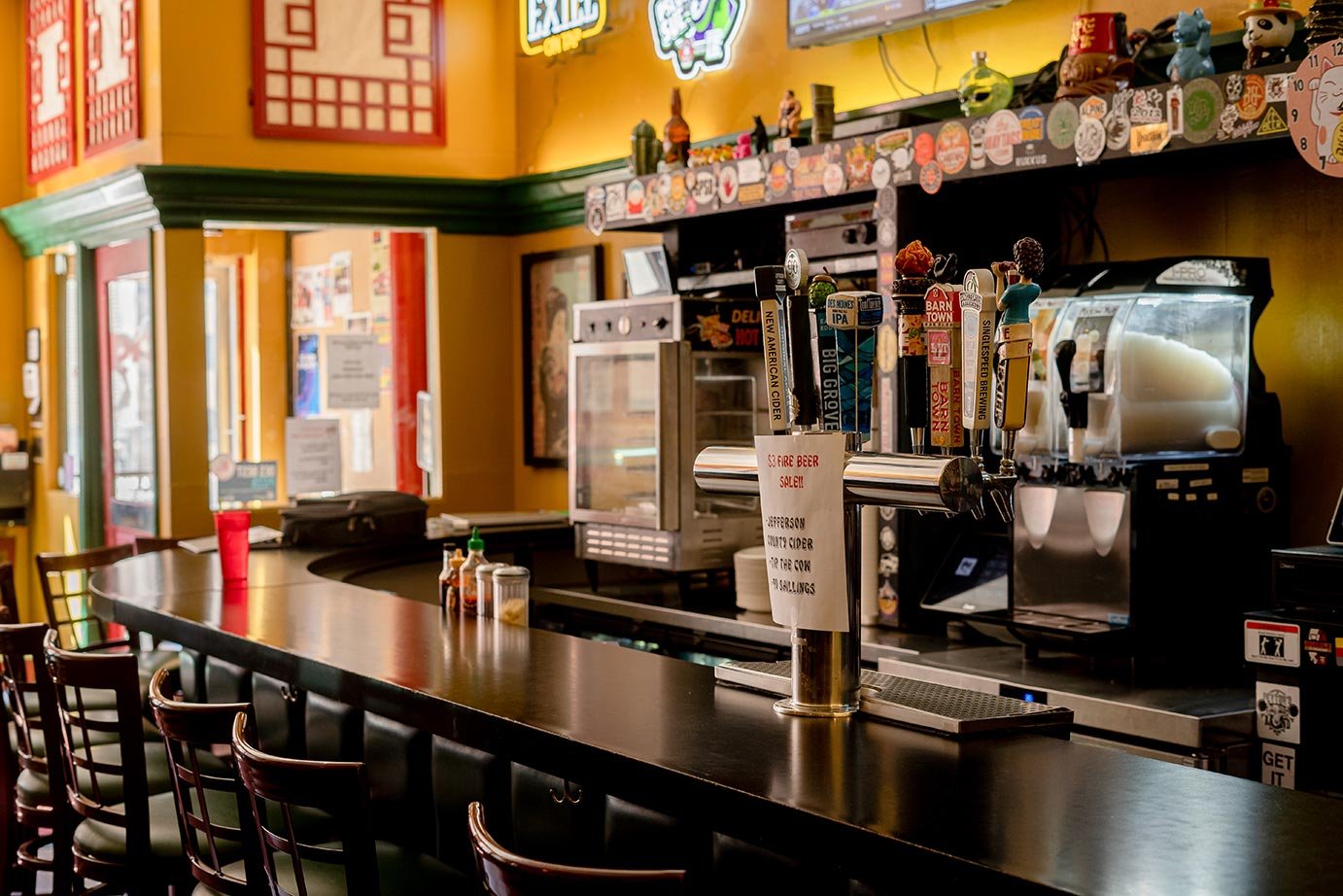
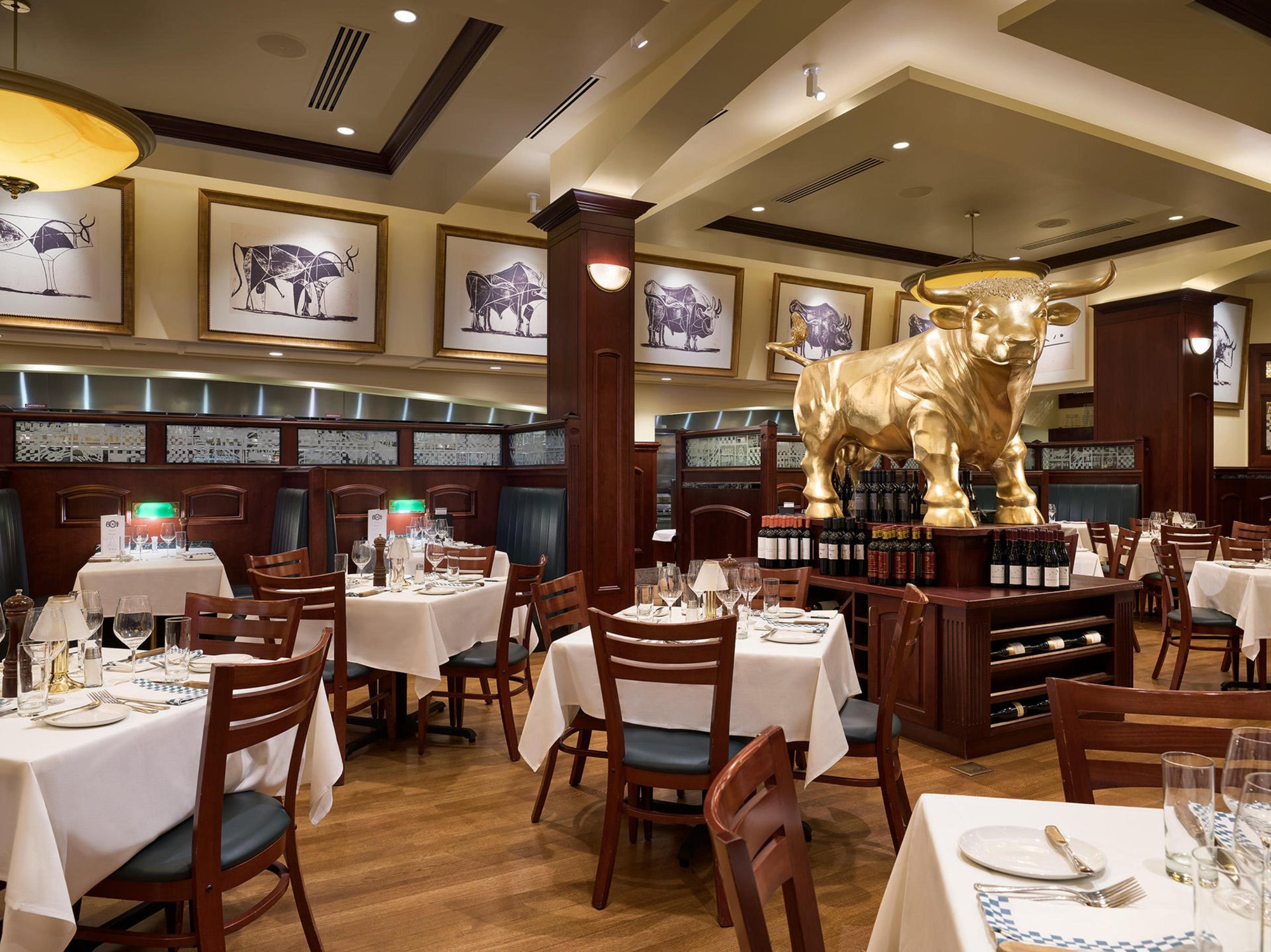
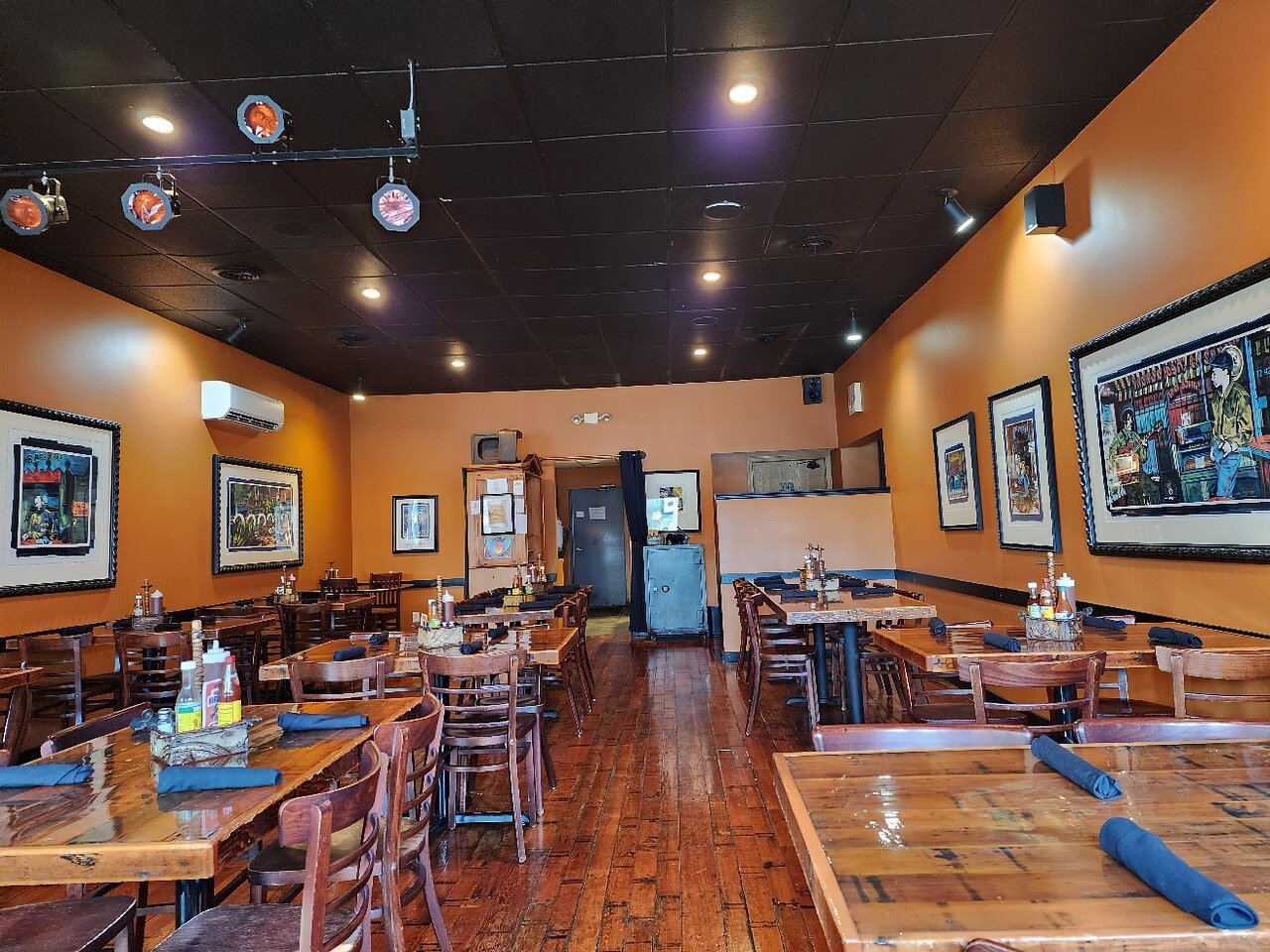
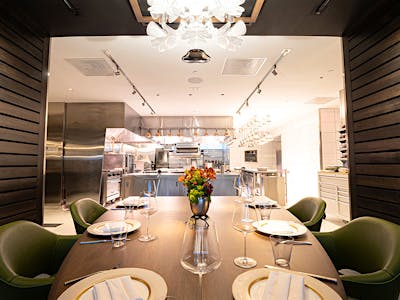
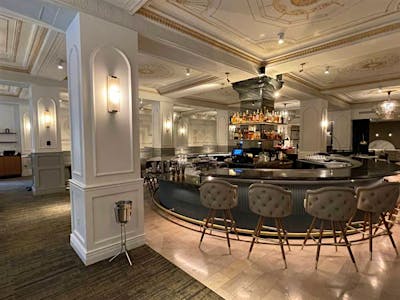
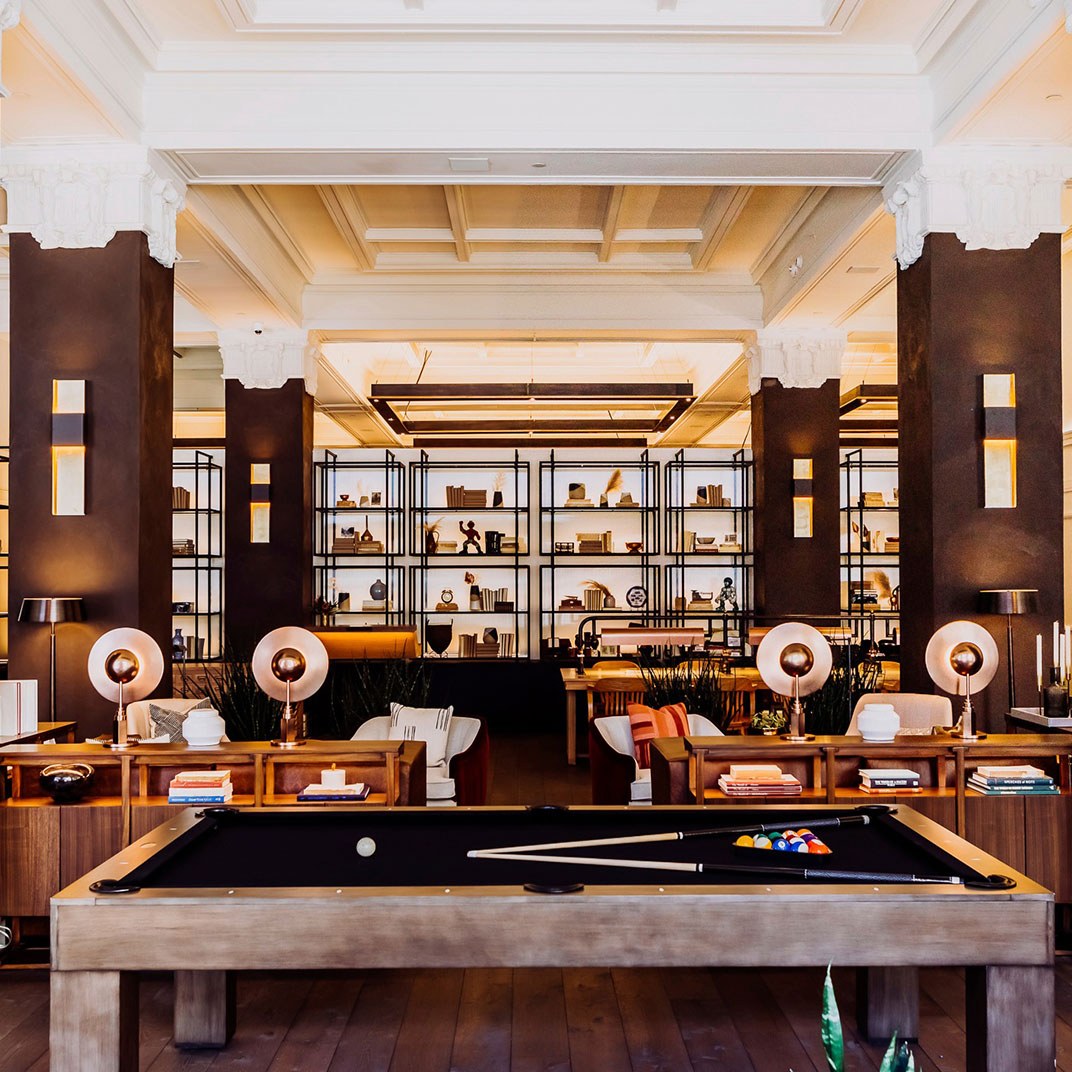
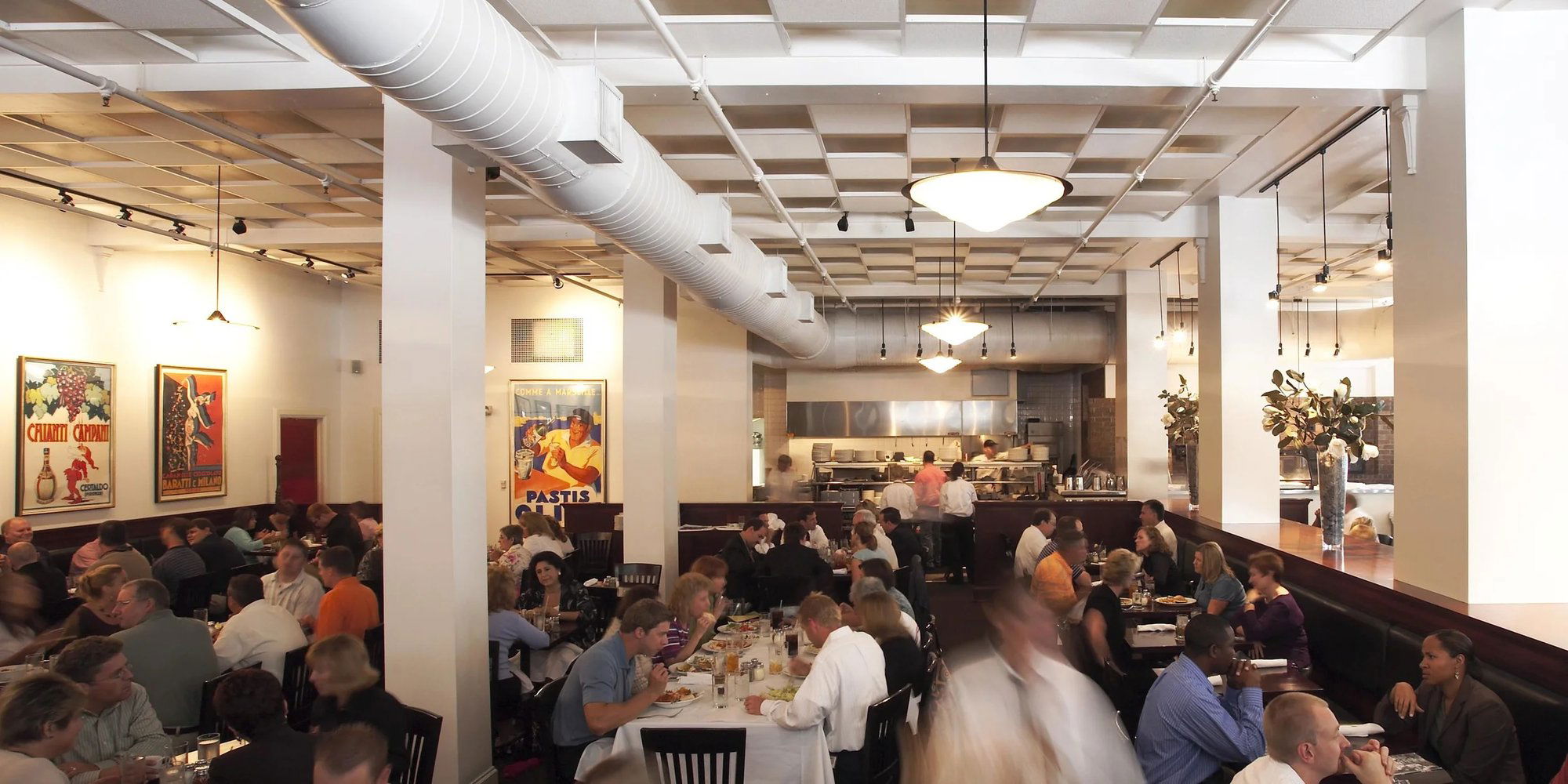
Centro settles into a low-lit, intentionally composed mood that privileges conversation and a deliberate pace. Warm, restrained lighting and reclaimed or darkened materials give the room a lived-in, quietly modern character; the bar is positioned as an anchor that helps shape the space rather than simply serving it. Tables are spaced to avoid the feeling of maximized covers, and acoustic choices keep noise at a level where talking is easy. The result is an intimate, warm room that reads like a destination inside downtown Des Moines rather than an extension of the city’s louder, high-volume dining circuit.
Best For
Centro is best for evenings when the point is the room as much as the meal. Its Locust Street corner sits comfortably between the East Village and Court Avenue corridors, making it an easy choice for a purposeful night out rather than a quick, high-turn dinner. The space suits date nights and special-occasion dinners, gatherings that value conversation and atmosphere, and small group outings that prefer a more composed, destination-style restaurant to loud, event-driven venues. It’s a place you choose when you want the city’s downtown dining scene to feel curated and deliberate.
Venue details
Ambiance
High-ceilinged historic space with lively, casual yet upscale atmosphere featuring vibrant energy and intimate bar seating near front windows.
Tags
Vibe
Best For
Experience
Format
At the Bar
- Bar Category
- Lounge
- Late Night
- Closes by Midnight
- Spirits Focus
- Italian Liqueurs
Signature Pours
Limoncello
Know before you go
Know Before You Go
- Getting there
- 1003 Locust St, Des Moines, IA 50309
Planning details
Location
Also consider
Also Consider
- Akebono 515, Notable alternative
- Fong's Pizza, Notable alternative
- xBk Live, Notable alternative
- Jasper Winery, Notable alternative
- Captain Roy's, Notable alternative
Bar context
How Centro Compares in Des Moines
Centro is the safer dinner-first choice in this Des Moines set: easier to plan around than a night built on entertainment, drinks, or a more casual format. Akebono 515 is the better cross-shop if the group wants a more specific dining mood, while Fong's Pizza is the more casual value play for a looser night.
If ambiance is the main event, Centro is not the automatic pick. xBk Live makes more sense when live programming drives the evening, Jasper Winery is the better fit for a wine-led outing, and Captain Roy's is stronger for a relaxed hangout. Centro wins when the decision is about dependable downtown dinner logistics.
For booking difficulty, Centro reads as the easier anchor. Use it when the group needs a reliable meal slot, then move elsewhere if the night calls for music, wine, or a more casual bar stop. Also compare nearby casual options like F&O;'s / Felix and Oscars, or broaden the search with Pearl city guides and out-of-market references such as 'O Munaciello MiMo District Neapolitan Pizza in Miami, (405) Brewing Co. LLC in Norman, and ¡BE! Club in San Sebastián.
Explore Des Moines
Around this place
Discover more on Pearl
Unlock the full Centro guide in Pearl, including awards, comparisons, FAQs, planning details, and nearby places.
Compare Centro
| Venue | Location | Awards |
|---|---|---|
| Centro | Des Moines | No published awards |
| Akebono 515 | Des Moines | No published awards |
| Fong's Pizza | Des Moines | No published awards |
| xBk Live | Des Moines | No published awards |
| Jasper Winery | Des Moines | No published awards |
| Captain Roy's | Des Moines | No published awards |
How Centro Des Moines compares with similar nearby venues.
FAQ
Frequently Asked Questions
Is Centro good for groups?
Centro may work for a group if the posted hours fit your plan, but group size, seating, and availability should be confirmed directly with the venue. The schedule is Monday 4–9 PM; Tuesday through Thursday 11 AM–9 PM; Friday and Saturday 11 AM–10 PM; and Sunday 11 AM–9 PM. If you are comparing other Des Moines options, Akebono 515 is another venue to consider.
What's the crowd like at Centro?
The crowd or atmosphere is not specified beyond a smart casual dress code. Plan around the posted hours and confirm current details with the venue. If you are comparing different outings, xBk Live is a separate option to consider.
Is Centro good for a date?
Centro can be considered for a date if you want a Des Moines option that fits its posted hours and smart casual dress code. A specific menu format, special occasion package, or other visit format is not indicated. For a different kind of outing, Jasper Winery is another option to compare.
Does Centro have happy hour deals?
Happy hour details are not listed. The confirmed schedule is Monday 4–9 PM; Tuesday through Thursday 11 AM–9 PM; Friday and Saturday 11 AM–10 PM; and Sunday 11 AM–9 PM. If a deal is the main goal, Captain Roy's is another venue to compare, and you should check official channels for current details.
Is the food good at Centro?
Specific dishes, cuisine, prices, awards, and chef details are not listed for Centro. The grounded planning facts are that it is in Des Moines, has posted daily hours, and lists a smart casual dress code. If you want to compare another venue, Fong's Pizza is an easy side-by-side option. Check official channels for current menu details.