
Bar in Denver, United States
The Grand Atrium at The Brown Palace
100ptsHistoric Atrium Hospitality
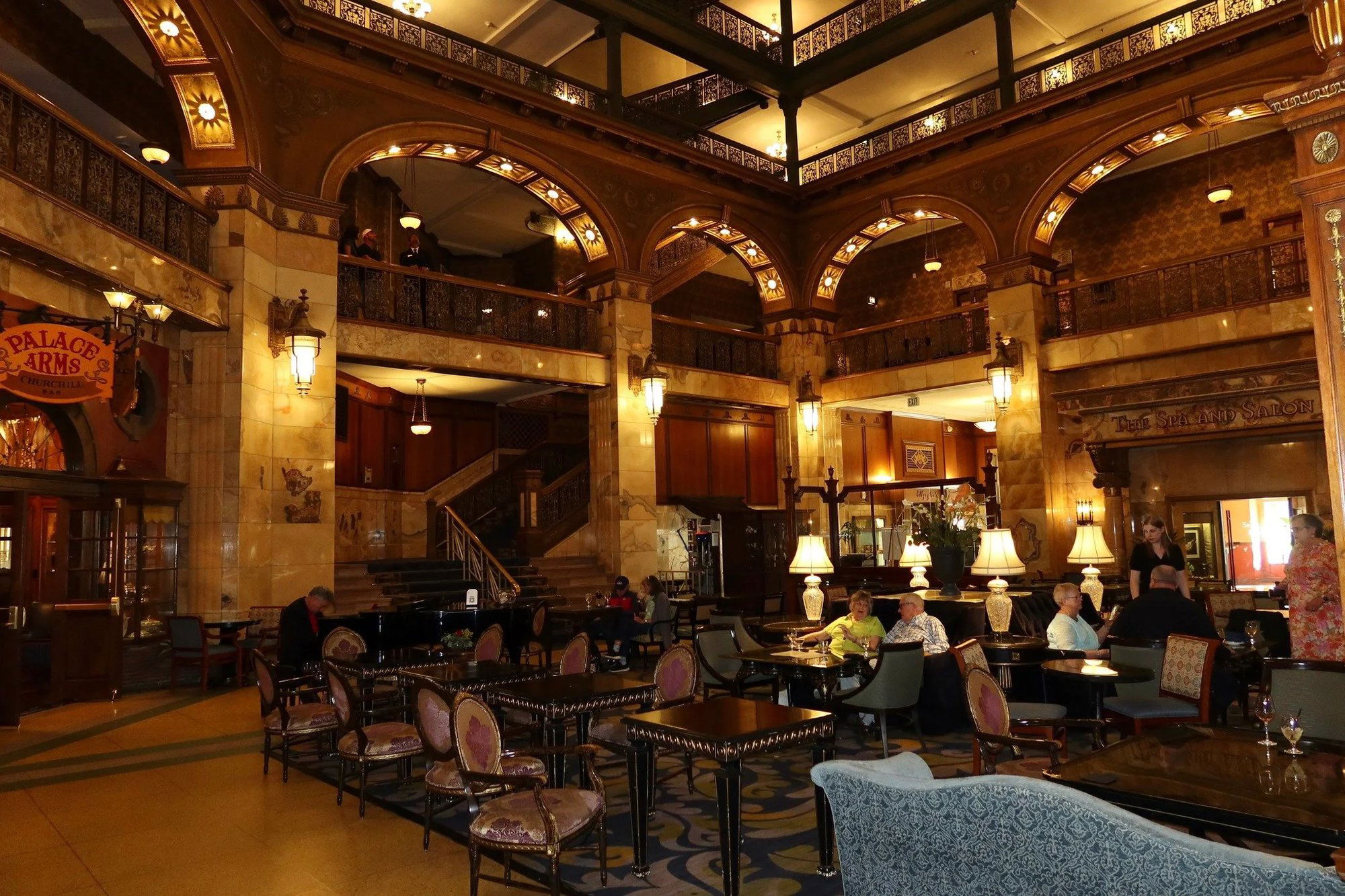
About The Grand Atrium at The Brown Palace
The Grand Atrium at The Brown Palace occupies one of Denver's most architecturally significant interiors, a soaring nine-story atrium that has anchored the city's hospitality identity since 1892. The space sits in a different register from Denver's cocktail-forward bar scene, functioning as a reference point for anyone interested in how a historic hotel property sustains relevance through setting alone.
Where the Building Does the Talking
Denver's bar and hotel scene has split decisively over the past decade. On one side sit the cocktail-forward independent programs at places like Death & Co (Denver) and Williams & Graham, where the drinks list is the primary editorial statement. On the other sit a smaller number of historic hotel venues where architecture carries more weight than the cocktail menu. The Grand Atrium at The Brown Palace belongs firmly in the second category, and that distinction matters when you are deciding where it fits in a Denver itinerary.
The Brown Palace opened in 1892 at 321 17th Street, and the atrium that gives this space its name is the structural argument for visiting. Nine floors of cast-iron balconies rise above the lobby floor, topped by a stained-glass ceiling that diffuses light differently depending on the hour and the season. That physical fact — the sheer scale and age of the architecture — positions the Grand Atrium in a peer set that has nothing to do with craft cocktail bars. Its comparators are storied American hotel lobbies: the Palmer House in Chicago, the Willard in Washington, the Pfister in Milwaukee. The question is not whether the drinks program competes with Denver's independent bars, because it does not try to. The question is whether the food and drink pairing holds up inside a room that commands that kind of architectural attention.
The Pairing Logic in a Historic Atrium Setting
Hotel atrium drinking has its own internal logic that differs from bar-format drinking. The pace is slower, the occasion more ambient, and the food-and-drink relationship tends toward the complementary rather than the contrasting. In venues of this type, a well-constructed afternoon tea or a bar menu of composed small plates can function as the programming layer that gives guests a reason to stay rather than pass through. The room provides the spectacle; the food and drink need to provide the sustained comfort.
That pairing dynamic is where Denver's historic hotel spaces have historically been inconsistent. The Grand Atrium's position on 17th Street, close to the financial district, places it in a corridor where the guest mix runs from hotel residents to professionals seeking a meeting-appropriate setting to tourists working through a Denver list. Each of those groups arrives with different expectations for what the food-and-drink programme should do. A menu that anchors itself in the hotel's era , classic cocktails, composed plates that read as refined rather than experimental , tends to serve that range more reliably than one that tries to track Denver's current culinary moves.
Compared to the cocktail-program intensity at Ace Eat Serve or the deliberately intimate scale of Yacht Club, the Grand Atrium operates at a different frequency. The bar is not the reason people come here; it is the reason they stay once they have arrived for the room. That is a meaningful operational distinction, and it shapes how you should read the programme.
How the Grand Atrium Fits the Wider American Hotel-Bar Tradition
The hotel atrium bar as a format has a particular place in American hospitality history. These spaces emerged in the late nineteenth century as civic gathering points as much as commercial ones, designed to signal a city's ambitions through architecture. The Brown Palace was built during Colorado's silver-boom period, and its construction in the then-novel triangular footprint was a direct statement of civic confidence. That context is not incidental to how you experience drinking here. You are sitting inside a piece of deliberate city-making, which is a different register than sitting at a technically accomplished cocktail counter.
Internationally, that tradition of the great hotel bar as cultural and civic anchor shows up in venues across the spectrum: Bar Leather Apron in Honolulu, Jewel of the South in New Orleans, and The Parlour in Frankfurt on the Main each hold a particular position in their city's hospitality story, though each through a different mechanism. Kumiko in Chicago and Julep in Houston show how a drinks-first programme can carry as much historical weight as architecture. ABV in San Francisco and Superbueno in New York City represent the newer wave where the bar is self-consciously the destination, not the container for one. The Grand Atrium's argument is architectural rather than programmatic, and that clarity of purpose is its most defensible position.
Afternoon vs. Evening: When the Room Works Hardest
Hotel atrium spaces typically perform differently across the day, and the Grand Atrium is no exception as a category. Afternoon light through a stained-glass ceiling is a different experience than evening lighting, and historic hotel lobbies tend to lose something after dark when their defining feature , natural light diffused through art glass , is no longer operative. This is a pattern across comparable American hotel atrium spaces, not a criticism specific to this venue.
The practical implication is that visitors with flexibility should consider an afternoon visit, particularly during Denver's shoulder seasons when midday temperatures make the indoors feel like the appropriate setting. The Brown Palace's position in downtown Denver, walkable from the 16th Street Mall and a short distance from Union Station, makes it a natural mid-itinerary stop rather than a standalone evening destination. For anyone building a Denver itinerary with multiple bar visits, the sequencing logic points to the Grand Atrium earlier in the day and the independent cocktail programmes at venues like Death & Co or Williams & Graham in the evening hours. See our full Denver restaurants guide for broader itinerary context.
What to Know Before Visiting
Know Before You Go
- Address: 321 17th St, Denver, CO 80202
- Setting: Nine-story cast-iron and stained-glass atrium inside a building dating to 1892
- Leading timing: Afternoon visits capture the stained-glass ceiling at its most operative; the room is a different experience after dark
- Context: Positioned in Denver's financial district, walkable from Union Station and the 16th Street Mall
- Booking: Specific booking details unavailable at time of publication; contact the hotel directly for reservations or walk-in availability
- Phone/Website: Not confirmed in current data; verify through The Brown Palace hotel directly
Frequently Asked Questions
- What is the signature drink at The Grand Atrium at The Brown Palace?
- Specific menu details are not confirmed in current data, and the drinks programme may shift seasonally. The atrium's positioning within a historic hotel aligns it with classic cocktail formats rather than the technical or avant-garde programmes you will find at Denver's independent cocktail bars. For current menu specifics, contact the hotel directly.
- What is the standout thing about The Grand Atrium at The Brown Palace?
- The architecture. The nine-story cast-iron atrium topped by a stained-glass ceiling is one of the most significant interior spaces in Colorado, and it has been central to Denver's hospitality identity since 1892. No other downtown Denver bar or hotel space operates at that scale or with that historical depth.
- How hard is it to get into The Grand Atrium at The Brown Palace?
- As a hotel atrium space rather than a reservation-heavy cocktail counter, access tends to be more casual than at Denver's booked-out independent bars. That said, peak periods and private events can limit availability. Current booking details are not confirmed in our data, so verify directly with the hotel before planning a visit around it.
- Is The Grand Atrium at The Brown Palace better for first-timers or repeat visitors?
- First-time visitors to Denver should treat it as a reference point: the building gives you context for the city's history that no cocktail bar can replicate. Repeat visitors who already know the room may find the independent bar scene, from Williams & Graham's library-format programme to Death & Co's cocktail depth, offers more variation on subsequent trips.
- Does The Grand Atrium at The Brown Palace live up to the hype?
- The architectural case is well-founded; the building has been making the same argument since 1892 and it holds. Whether the food and drink programme rises to match the setting is a more variable proposition, as is common across historic hotel spaces where the physical envelope often outpaces the F&B offer. The room earns the visit; the programme should be treated as an unknown until you have current menu information.
- Is The Brown Palace atrium suitable for a business meeting or a special occasion, and what does it offer beyond drinks?
- Historic hotel atriums of this scale have long functioned as meeting-appropriate spaces in American cities, and the Brown Palace's downtown Denver address, open since 1892, positions it naturally for both professional and celebratory occasions. The setting provides a degree of formality that most independent bars cannot match, making it a practical option for visitors who need an environment with gravitas rather than a cocktail-program-first atmosphere. For current food programme details, hours, and event availability, verify with the hotel directly before planning around a specific offering.
More bars in Denver
- Ace Eat ServeAce Eat Serve at 501 E 17th Ave is Denver's most direct answer to 'where do we go that actually does something.' The ping-pong-and-drinks format works best for groups of four or more; pairs looking for a serious cocktail bar should look elsewhere. Booking ahead for weekend table time is worth it — walk-ins on weeknights are fine.
- AdriftAdrift on South Broadway is Denver's kind of low-pressure neighborhood spot — easy to book, accessible for groups, and positioned on one of the city's most walkable bar and dining corridors. Pricing isn't confirmed in current data, so check ahead, but the South Broadway location alone makes it a practical anchor for a multi-stop evening. A solid call when you need somewhere that seats your group without drama.
Related editorial
- Best Fine Dining Restaurants in ParisFrom three-Michelin-star icons to the next generation of Parisian chefs pushing boundaries, these are the restaurants that define fine dining in the world's culinary capital.
- Best Luxury Hotels in RomeFrom rooftop terraces overlooking ancient ruins to Michelin-starred hotel dining, these are the luxury hotels that make Rome unforgettable.
- Best Cocktail Bars in KyotoFrom sleek lounges to hidden speakeasies, Kyoto's cocktail scene blends Japanese precision with global influence in ways you won't find anywhere else.
Save or rate The Grand Atrium at The Brown Palace on Pearl
Keep this venue in your Pearl passport, rate it after you visit, and track it alongside every other place you collect.