Retrograde
North Capitol Hill, Denver
Bar in Denver, United States
 Book with Pearl
The Read
Price
$20–30per person
Why go
Retrograde is a flexible Denver drinks pick when the night needs late hours and low planning friction. Treat it as a bar-forward stop rather than a food-led booking, especially for first dates, nightcaps, or small groups that do not need a confirmed outdoor setup.
About Retrograde
For a Denver night out, Retrograde is best evaluated on the few confirmed practical details available: it is in Denver, it keeps late hours every night, and the dress code is smart casual. Beyond that, the profile is limited, so the safest plan is to treat it as a flexible late-evening option rather than building an entire itinerary around unconfirmed details.
The main confirmed reason to choose it is timing. The listed hours run until 1 AM every night, with earlier starts on Friday and Saturday. That makes Retrograde easier to fit after another plan, as a later stop, or as a backup when the evening needs more flexibility. Because no confirmed cuisine, menu, price range, seating format, reservation policy, awards, or outdoor seating details are available here, keep expectations focused on the basics that.
Use it as a late-night Denver option, not a dinner substitute
First-timers should treat Retrograde as a late-hours choice with limited detail in this guide. There is no confirmed cuisine, chef, menu, price range, award, or seating format to support a food recommendation, so the safer play is to make dinner plans separately if food is the priority. If you want a venue with a clearer fit for a specific plan, compare other options before committing. White Pie and Onefold may be useful names to research alongside Retrograde, depending on what kind of evening you are planning.
For ambiance and format, do not overstate what is known. Outdoor seating is not confirmed, and neither is a specific room style, group setup, or reservation experience. If those factors matter, check Retrograde's official channels before heading over. The 1up Arcade Bar - Colfax is another name worth comparing if you are deciding among late-evening options.
Who should pick it over Denver's more defined options
Pick Retrograde when the key needs are Denver, late hours, and a smart-casual dress code. Skip it for visitors trying to maximize one meal in Denver, since the available details do not support a food-led verdict. For a fuller dinner-and-evening plan, pair research here with our full Denver restaurants guide and our full Denver bars guide; travelers building a full itinerary can also use our full Denver hotels guide, our full Denver wineries guide, and our full Denver experiences guide.
The practical verdict: go if the night needs a flexible Denver venue with late hours and an easy decision path. Do not overbuild the plan around food, awards, outdoor seating, a specific menu, or a formal reservation experience unless you confirm those details directly. Names such as La Bouche, White Pie, Onefold, Yazoo BBQ Company, and The 1up Arcade Bar - Colfax are useful comparison points when the evening needs a more specific structure.
Planning details
- Location
- 530 E 19th Ave, Denver, CO 80203
- Website
- retrogradednvr.com
- Phone
- +1 720 994 5210
The take
The Take
The Vibe
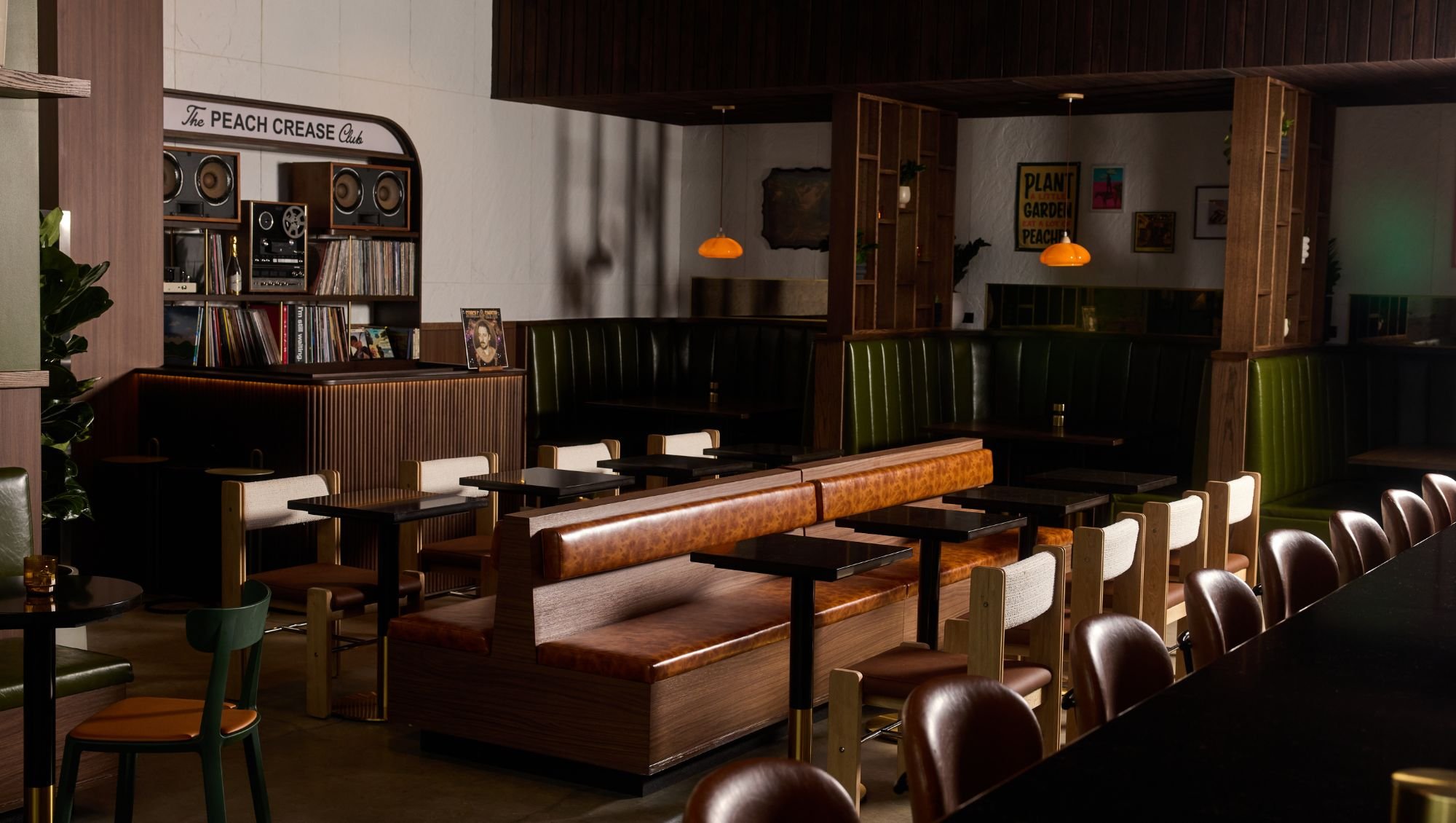
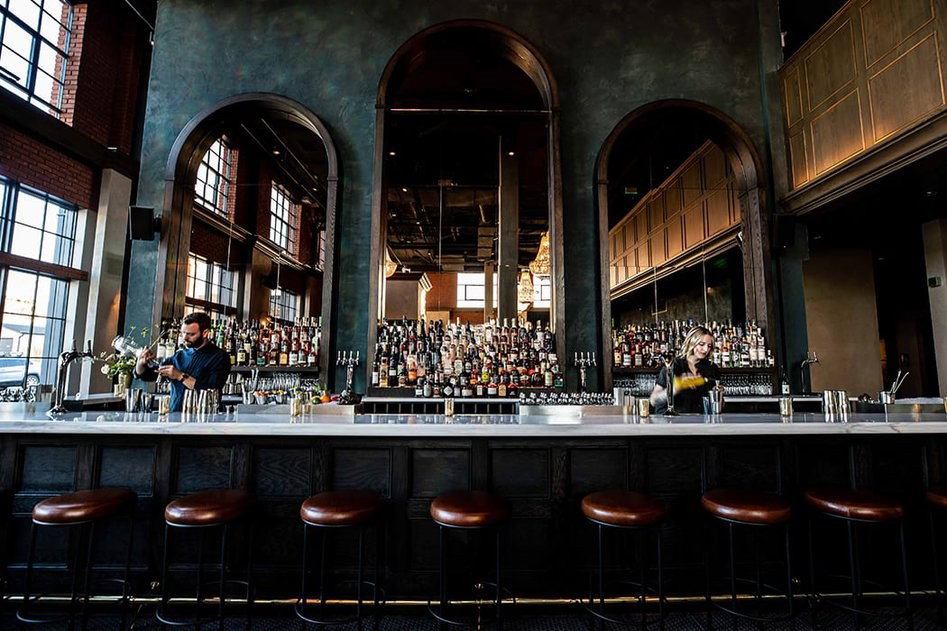
Retrograde reads as a neighborhood cocktail bar that brings a level of seriousness to Uptown’s East 19th Avenue corridor. The profile places it within Denver’s evolving drinking culture — a shift from a beer-first identity toward a layered, cocktail-forward scene. It feels intentionally local rather than tourist-targeted, the kind of place that rewards repeat visits and word-of-mouth. While it nods to the craft and rigor associated with larger-city cocktail bars, Retrograde stays rooted in Capitol Hill’s culturally engaged atmosphere, delivering a composed, modern bar experience built around attention to what’s in the glass.
Best For
This is a bar for locals and repeat visitors who value well-made drinks over spectacle. It suits low-key date nights and casual hangouts where the emphasis is on cocktails and conversation rather than loud, high-volume activity. Because Retrograde sits in a stretch of bars that favor craft credentials and neighborhood patronage, it works best as a spot to revisit — a reliable place for an evening of thoughtful drinks rather than a one-off tourist stop or a destination for large, raucous groups.
Ordering Tips
Focus your order on the cocktail program: the write-up emphasizes attention to what’s in the glass and Retrograde’s placement in Denver’s cocktail-serious tier. Expect a craft-minded menu and bartenders who prioritize balanced, considered drinks; approaching the bar with an openness to classic or craft cocktails will likely yield the best experience. Given the neighborhood orientation, orders that favor skillful mixing over novelty are most aligned with the bar’s intent—think thoughtfully prepared cocktails rather than high-volume, novelty-focused offerings.
Venue details
Ambiance
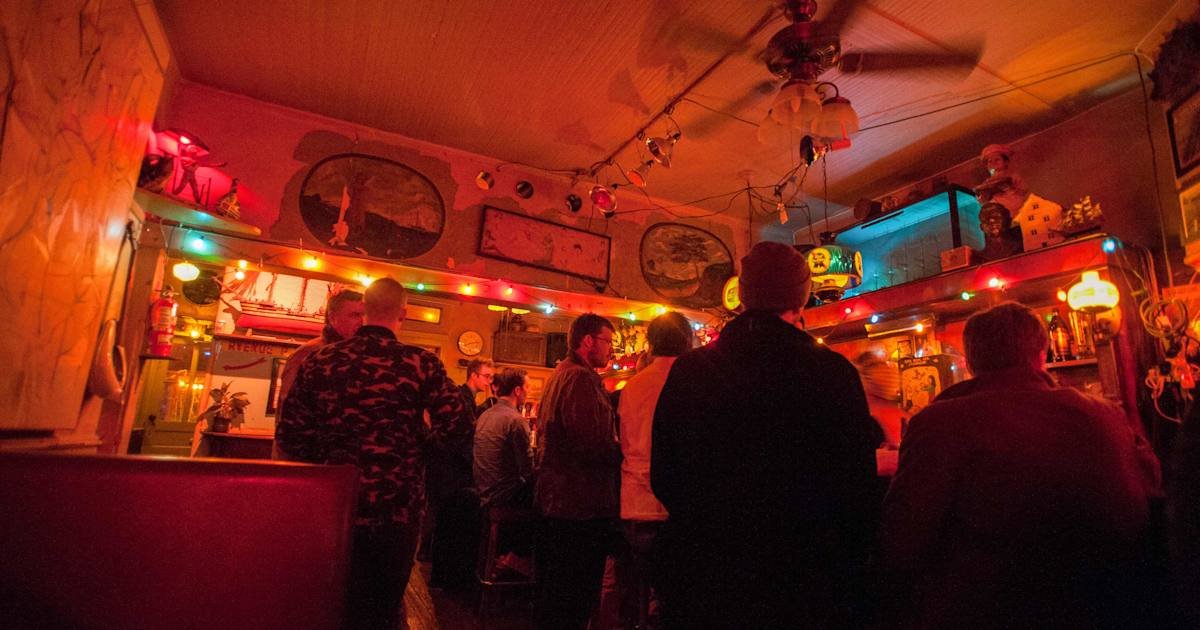
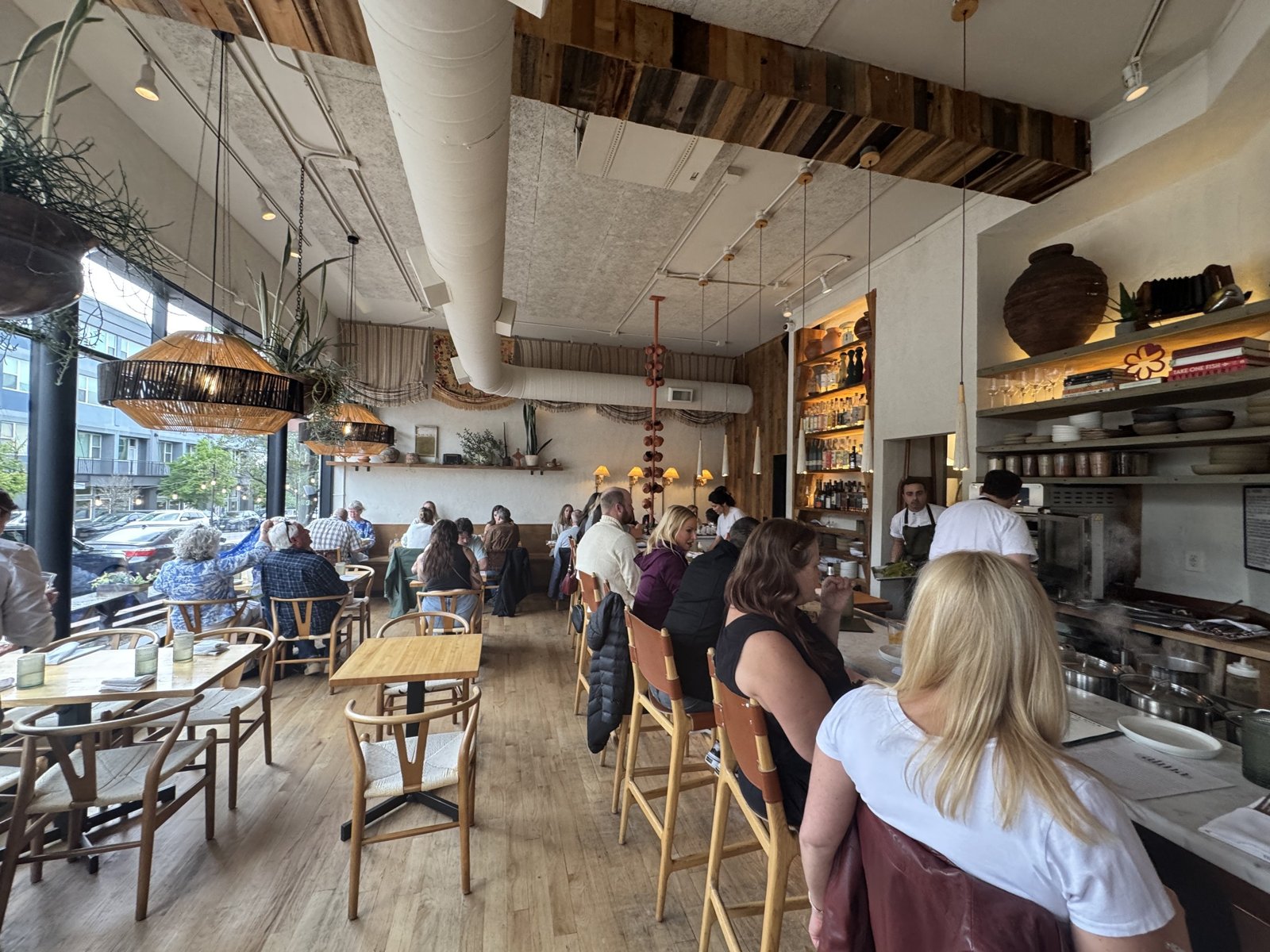
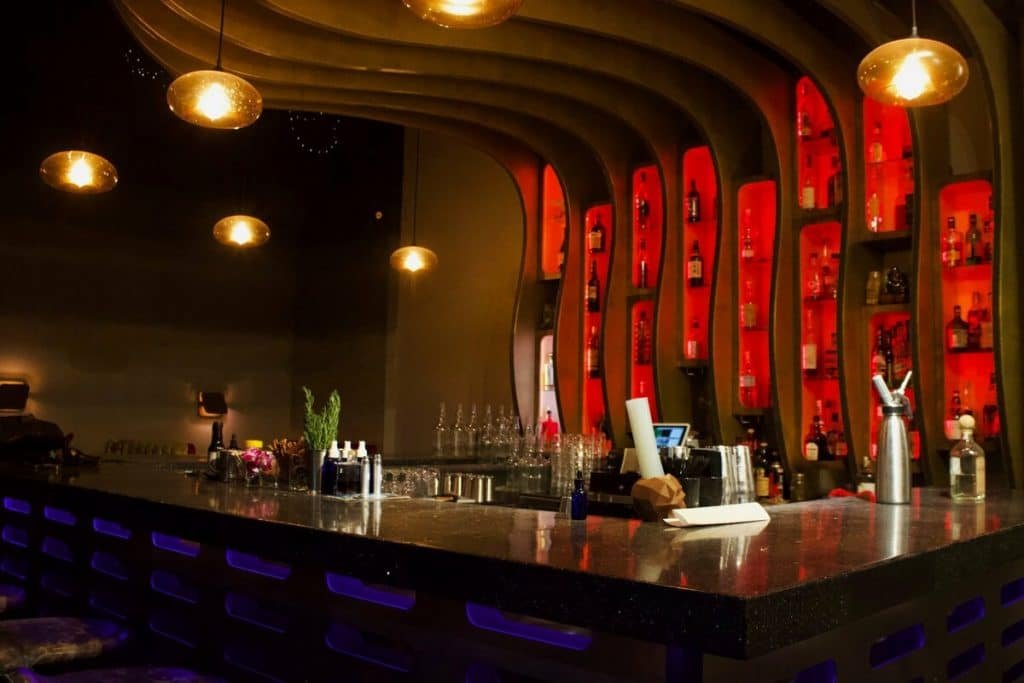
Dimly lit room with blacklight glow, space theme, mid-mod bar, and cult-classic movies playing.
Tags
Vibe
Best For
Experience
Format
At the Bar
- Bar Category
- Speakeasy
- Late Night
- Closes by Midnight
- Music
- 90s Hip Hop
Signature Pours
- Little Green Ghouls
- Laserblast
- Space Ninjas
- Galaxy Lords
Know before you go
Know Before You Go
- Getting there
- 530 E 19th Ave, Denver, CO 80203
Planning details
Location
Also consider
Where to go if this is not the right fit
If the plan needs built-in entertainment, choose The 1up Arcade Bar - Colfax instead. If dinner needs to be part of the same stop, White Pie or Onefold gives the evening a clearer food focus.
Bar context
How Retrograde compares in Denver
Retrograde is the easier choice when flexibility matters more than a defined food plan. Compared with The 1up Arcade Bar - Colfax, it is the better fit for a drinks-focused conversation; The 1up makes more sense when games and noise are part of the appeal. If the group wants a clearer dining angle, White Pie and Onefold are safer cross-shops.
For value, the available details do not support a price-led ranking, so choose by occasion instead. La Bouche reads as the better alternative for a wine-bar-style decision, while Yazoo BBQ Company is more useful when the group wants food to carry the outing. Retrograde wins on late-night utility and booking ease, not on a documented kitchen, awards, or outdoor setup.
Around this place
Discover more on Pearl
Unlock the full Retrograde guide in Pearl, including awards, comparisons, FAQs, planning details, and nearby places.
Compare Retrograde
| Venue | Location | Awards |
|---|---|---|
| Retrograde | Denver | No published awards |
| The 1up Arcade Bar - Colfax | Denver | No published awards |
| La Bouche | Denver | No published awards |
| Yazoo BBQ Company | Denver | No published awards |
| Onefold | Denver | No published awards |
| White Pie | Denver | No published awards |
How Retrograde Denver compares with similar nearby venues.
FAQ
Frequently Asked Questions
What's the best time to go to Retrograde?
Retrograde opens at 5 PM on Friday and Saturday and 6 PM Sunday through Thursday. It is listed as open until 1 AM every night, so it works best as a later Denver option rather than a lunch or early-day plan.
Is Retrograde good for a date?
It can fit a low-pressure Denver evening if late hours and a smart-casual dress code suit the plan. If you are comparing different kinds of evening stops, The 1up Arcade Bar - Colfax may be another name to research.