Harvest House
Downtown Denton, Denton
Bar in Denton, United States
 Book with Pearl
The Read
Price
$20–30per person
Why go
Harvest House is worth considering as a casual Denton bar stop, especially for groups or first-timers who want a flexible night rather than a formal dinner plan. With no confirmed chef, cuisine, menu pricing, or awards profile, treat it as a drinks-and-crowd choice and cross-shop food-led venues if dinner is the main event.
About Harvest House
Is Harvest House worth considering for a first Denton night out? Yes, if the goal is a casual, late-running venue with simple expectations. Harvest House is in Denton, the dress code is casual, and the posted hours run until 2 AM every day.
Plan around those basics rather than expecting a specific cuisine, menu, service format, or awards profile. If a broader plan is the priority, start with our full Denton restaurants guide or compare other Denton options such as El Taco H.
Go for late Denton hours and a casual dress code
The most useful facts are the hours and the casual dress code. Harvest House is open 2 PM to 2 AM Monday through Friday, and 12 PM to 2 AM on Saturday and Sunday. That makes it a practical option when you need a Denton stop that stays open late.
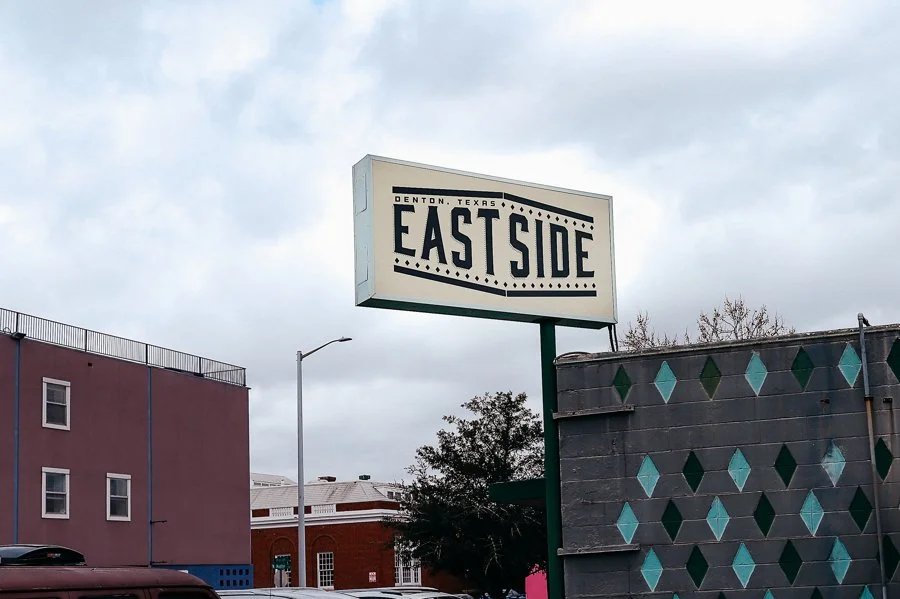
Compared with Dan's SilverLeaf, this should be chosen based on the kind of night you want and the current details you confirm before going. Compared with East Side Denton, the decision should come down to fit, timing, and what each venue is offering that day. For a wider scan, use our full Denton bars guide.
First-timer advice: keep the plan loose
For a first visit, keep the plan flexible. The schedule supports afternoon, evening, and late-night visits, but food, pricing, seating, reservations, entertainment, and specials are not part of the details here.
Travelers building a fuller Denton itinerary should separate categories instead of forcing one venue to do everything: use local guides for where to stay, daytime planning, and other Denton options.
Planning details
- Location
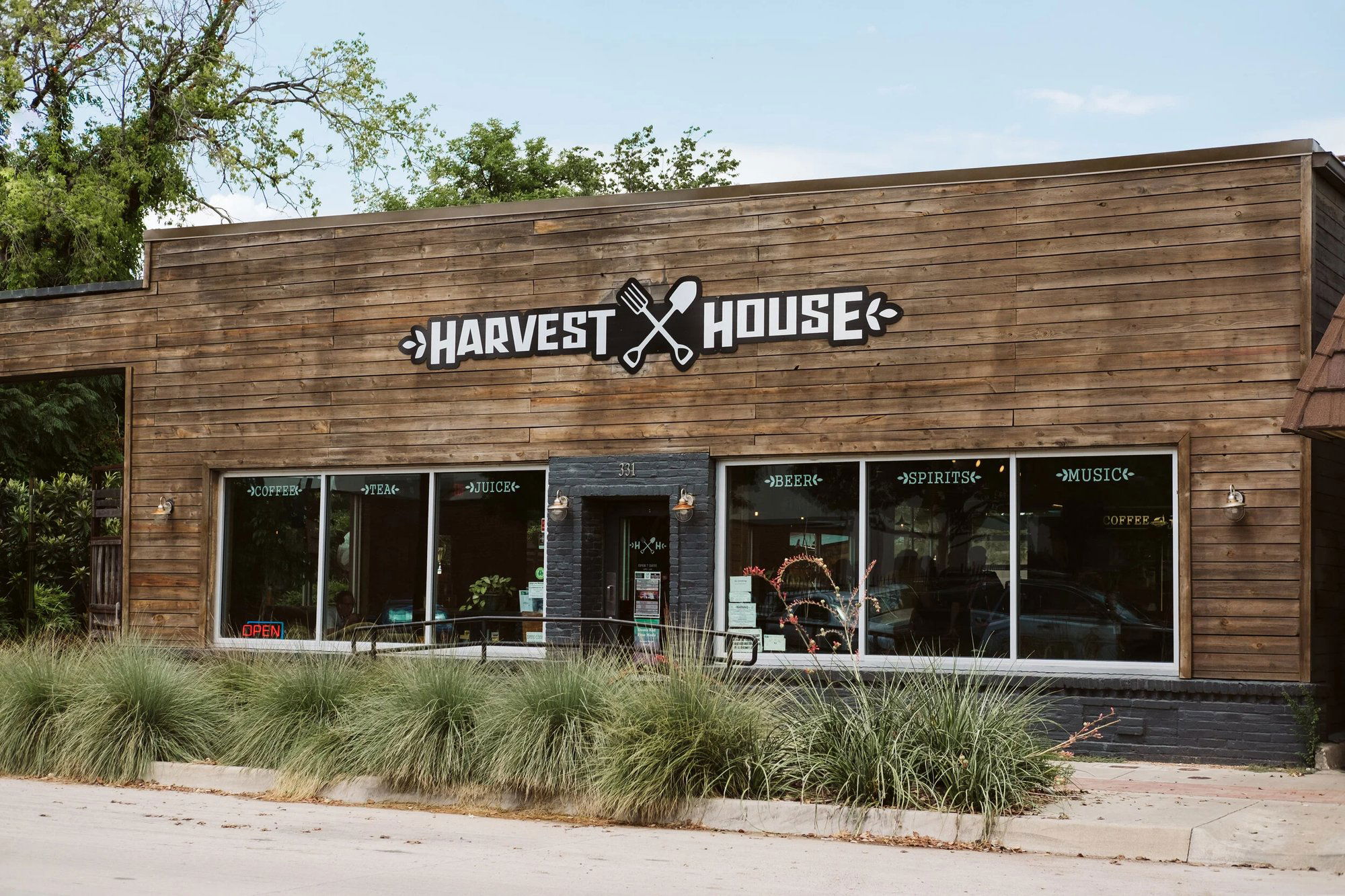
- 331 E Hickory St, Denton, TX 76201
- Reservations
- Book on the venue's website
- Website
- dentonharvesthouse.com
- Phone
- +1 940 218 6148
The take
The Take
The Vibe
Harvest House reads like a thoughtful craft bar rooted in Denton’s downtown neighborhood scene. The write-up emphasizes the bartender’s role and a carefully considered drink list rather than sheer scale or spectacle. That focus positions the bar as approachable but purposeful—less about booming TVs and more about technique and hospitality that feels local. The tone is quietly sophisticated: it rewards a palate that appreciates craft but resists pretension, making the space feel like an intentional counterpoint to the city’s louder sports-bar tradition.
Best For
This is a solid pick for after-work gatherings, casual hangouts, and small group outings where drinks and conversation matter. The description frames Harvest House as a neighborhood-minded venue that trades volume for consistency and a well-curated drinks program, so it appeals to locals, students, and visitors seeking something more thoughtful than the big-room bars. It’s best when you want a balanced, social evening centered on cocktails and friendly bar service rather than a high-energy sports crowd.
Ordering Tips
Because the bar’s value is in the person behind the bar and the curated drink list, let the bartender know your tastes and budget—Harvest House is described as balancing technical craft with crowd-pleasing accessibility. Ask for recommendations and be open to a bartender-tailored pour: the venue’s ethos is about calibrating precision to suit regulars and newcomers alike. Avoid expecting gimmicky signature shots or stadium-style pours; instead, seek out thoughtful cocktails that reflect the bar’s craft-oriented approach.
Venue details
Ambiance
Spacious wooded patio with natural plant life, fire pits, and outdoor games creating a relaxed, social atmosphere with live musical entertainment.
Tags
Vibe
Best For
Experience
Format
View
At the Bar
- Bar Category
- Beer Bar
- Late Night
- Open Until 2am
- Music
- Diverse Lineup Including Funk, Rock and Roll, Blues, Jazz, and Local Touring Acts
- Live Music
- Yes
- Spirits Focus
- Vodka, Whiskey, Gin
- Zero-Proof Program
- Yes
Signature Pours
- The Steve Buscemi
- The Danny Trejo
- The Mini Claw
- Pomegranate Pear Margarita
Know before you go
Know Before You Go
- Getting there
- 331 E Hickory St, Denton, TX 76201
Planning details
Location
331 E Hickory St, Denton, TX 76201 · Directions
Also consider
Also Consider
- Komodo Loco, Notable alternative
- Dan's SilverLeaf, Notable alternative
- El Taco H, Notable alternative
- East Side Denton, Notable alternative
- Rubber Gloves Rehearsal Studio, Notable alternative
Bar context
How it compares in Denton
Choose Harvest House when the priority is an easy, casual bar plan. Komodo Loco is the better cross-shop if the night needs a stronger food angle, while El Taco H makes more sense when the group wants a quicker, food-forward stop before or after drinks.
Dan's SilverLeaf and Rubber Gloves Rehearsal Studio are stronger picks when live music or a show-driven night is the point. Harvest House is the easier recommendation for a looser meet-up where not everyone wants the evening built around a performance schedule.
East Side Denton is the closest practical comparison for a relaxed Denton bar night. Cross-shop both based on crowd preference and ambiance: East Side Denton if the group wants a more beer-hall-style stop, Harvest House if the plan is a broader social hang with less commitment.
Explore Denton
Around this place
Discover more on Pearl
Unlock the full Harvest House guide in Pearl, including awards, comparisons, FAQs, planning details, and nearby places.
Compare Harvest House
| Venue | Location | Awards |
|---|---|---|
| Harvest House | Denton | No published awards |
| Komodo Loco | Denton | No published awards |
| Dan's SilverLeaf | Denton | No published awards |
| El Taco H | Denton | No published awards |
| East Side Denton | Denton | No published awards |
| Rubber Gloves Rehearsal Studio | Denton | No published awards |
How Harvest House Denton compares with similar nearby venues.
FAQ
Frequently Asked Questions
Is the food good at Harvest House?
There is no cuisine, menu, dish, or pricing information here, so do not plan a visit around a specific food offering unless you confirm it directly. The confirmed details are that Harvest House is in Denton, has a casual dress code, and keeps late daily hours.
Does Harvest House have happy hour deals?
What's the best time to go to Harvest House?
Use the hours to choose your timing: Harvest House is open 2 PM to 2 AM Monday through Friday, and 12 PM to 2 AM on Saturday and Sunday. For any preference beyond timing, confirm current conditions directly.
Is Harvest House open late?
Yes. Harvest House is open until 2 AM every day: 2 PM to 2 AM Monday through Friday, and 12 PM to 2 AM on Saturday and Sunday.
Is Harvest House good for a date?
It can be considered for a casual Denton outing, especially if late hours matter. There is no information here about ambience, seating, food, or service style, so confirm any date-specific needs before you go.
Does Harvest House have outdoor seating?
What's the crowd like at Harvest House?
The crowd is not included here. The confirmed details are the Denton location, casual dress code, and daily hours extending to 2 AM.