Frankie's Downtown
Downtown, Dallas
Bar in Dallas, United States
 Book with Pearl
Why go
Frankie's Downtown is the practical Dallas pick when convenience matters more than ceremony. Use it for a casual downtown round, an informal date, or a flexible group meet-up; choose a rooftop or hotel-bar peer instead if the night needs views, polish, or a stronger special-occasion feel.
About Frankie's Downtown
Frankie's Downtown in Dallas has a simple profile: it is open daily from 11 AM to 2 AM, and the dress code is casual. That makes it easiest to evaluate on timing and formality rather than on claims about cuisine, price, awards, service format, or a specific room style.
Use it when you want a Dallas option with long daily hours and a casual dress code. If the plan depends on a specific menu, chef, price point, seating setup, or confirmed accolade, those details are not available in the venue data, so it is better to confirm directly before building the night around them.
Daily 11 AM–2 AM hours are the clearest advantage
The strongest confirmed reason to consider Frankie's Downtown is scheduling flexibility. It is listed as open from 11 AM to 2 AM every day of the week, which makes it useful for plans that may start earlier, run late, or shift at the last minute.
The casual dress code also keeps the commitment low. For visitors comparing Dallas options, the safest read is that Frankie's Downtown is a practical choice when timing and ease matter more than a highly specific dining or occasion format.
Use it when the plan needs flexibility
Because no price tier, cuisine, chef, awards, seating format, or booking details are available, the value question should stay practical: do the hours and casual dress code fit the plan? If they do, Frankie's Downtown is worth considering.
If the night requires a confirmed menu style, a particular level of service, or a clearly defined special-occasion setting, compare it with other Dallas options and verify current details before going. Based on the available facts, Frankie's Downtown is best judged by its Dallas location, casual dress code, and daily 11 AM–2 AM schedule.
Planning details
- Location
- 1303 Main St, Dallas, TX 75202
- Website
- frankiesbar.com
- Phone
- +1 214 741 1919
The take
The Take
The Vibe
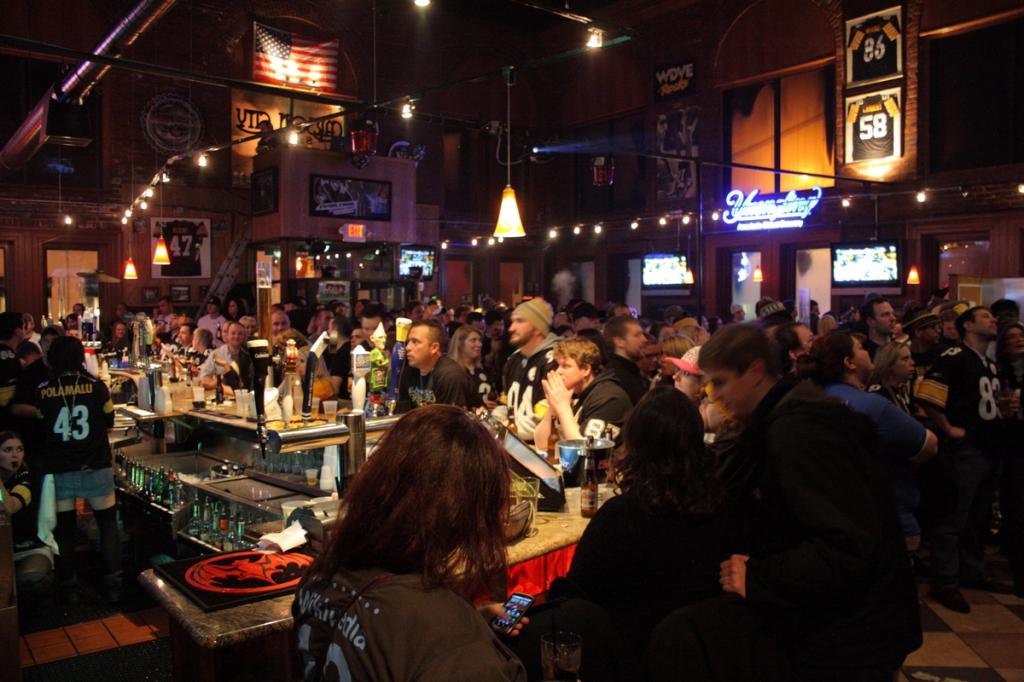
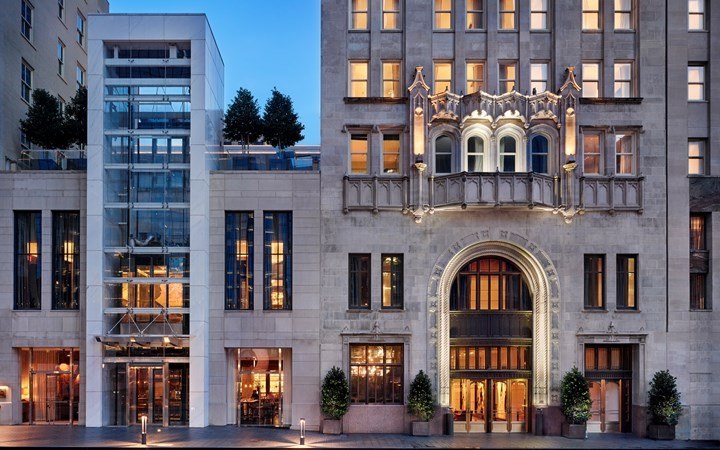
Frankie's Downtown sits firmly in the renewed pulse of Main Street, offering a friendly, unstudied atmosphere that welcomes hotel guests, office workers and converted-loft residents alike. It leans into a casual, modern sensibility rather than a tightly curated neighborhood identity; the crowd is varied and the energy feels communal rather than clubby. The ground-floor location on a walkable stretch of Main Street keeps the room connected to the streetscape, and the bar reads as an approachable, everyday place in a part of downtown that is actively reclaiming after-hours life.
Best For
Frankie's suits after-work drinks, late-night hangs and informal group outings where variety in the crowd is part of the appeal. It functions as a neighborhood bar for people coming off shifts at nearby offices, guests from downtown hotels and residents of nearby lofts, so it's equally easy for solo visitors and small groups to drop in. Expect a downtown energy that fits casual celebrations and nights when you want a lively but unpretentious setting rather than a formal dining experience.
Ordering Tips
The profile highlights Texas sourcing and the region’s agricultural strengths, so menus at venues like Frankie's often emphasize locally sourced ingredients and seasonal preparations. When ordering, look for items that reference Texas producers or seasonal sourcing and expect straightforward, bar-friendly plates that complement drinks. Because the spot plays into a broader downtown revival, you’ll also find it suited to sharing plates and moving between the bar and standing or seated areas with a flexible, casual approach.
Venue details
Ambiance
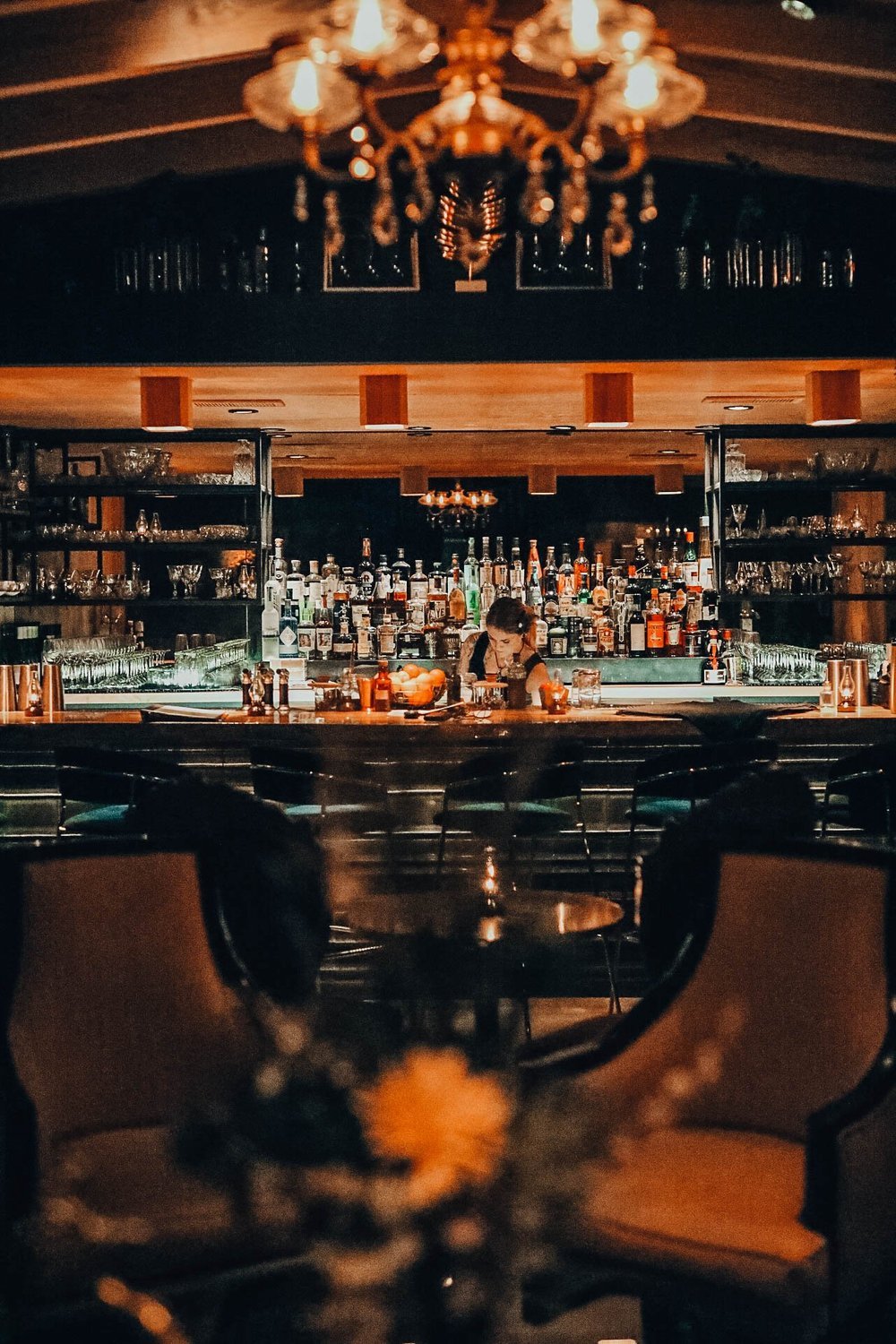
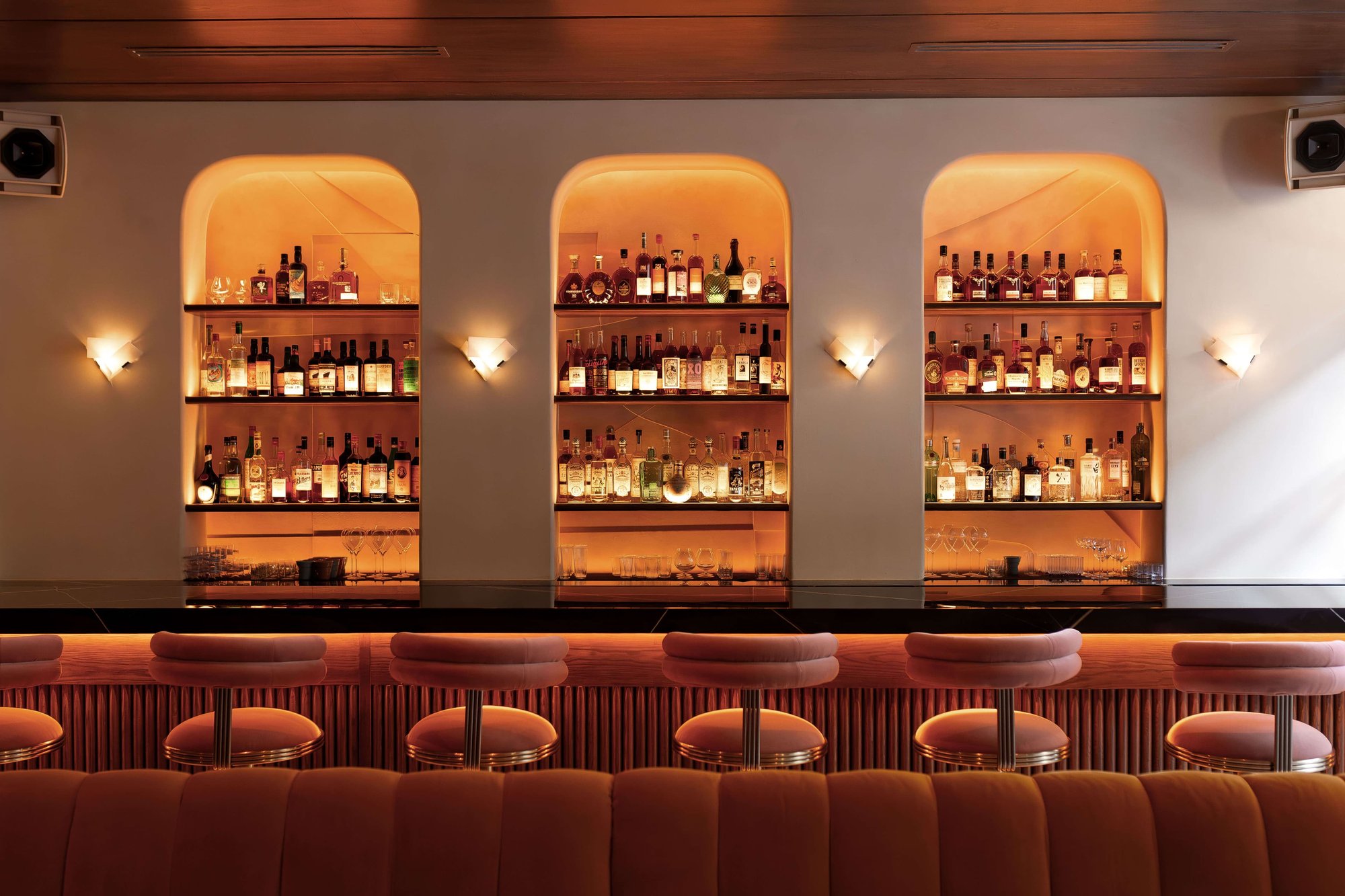
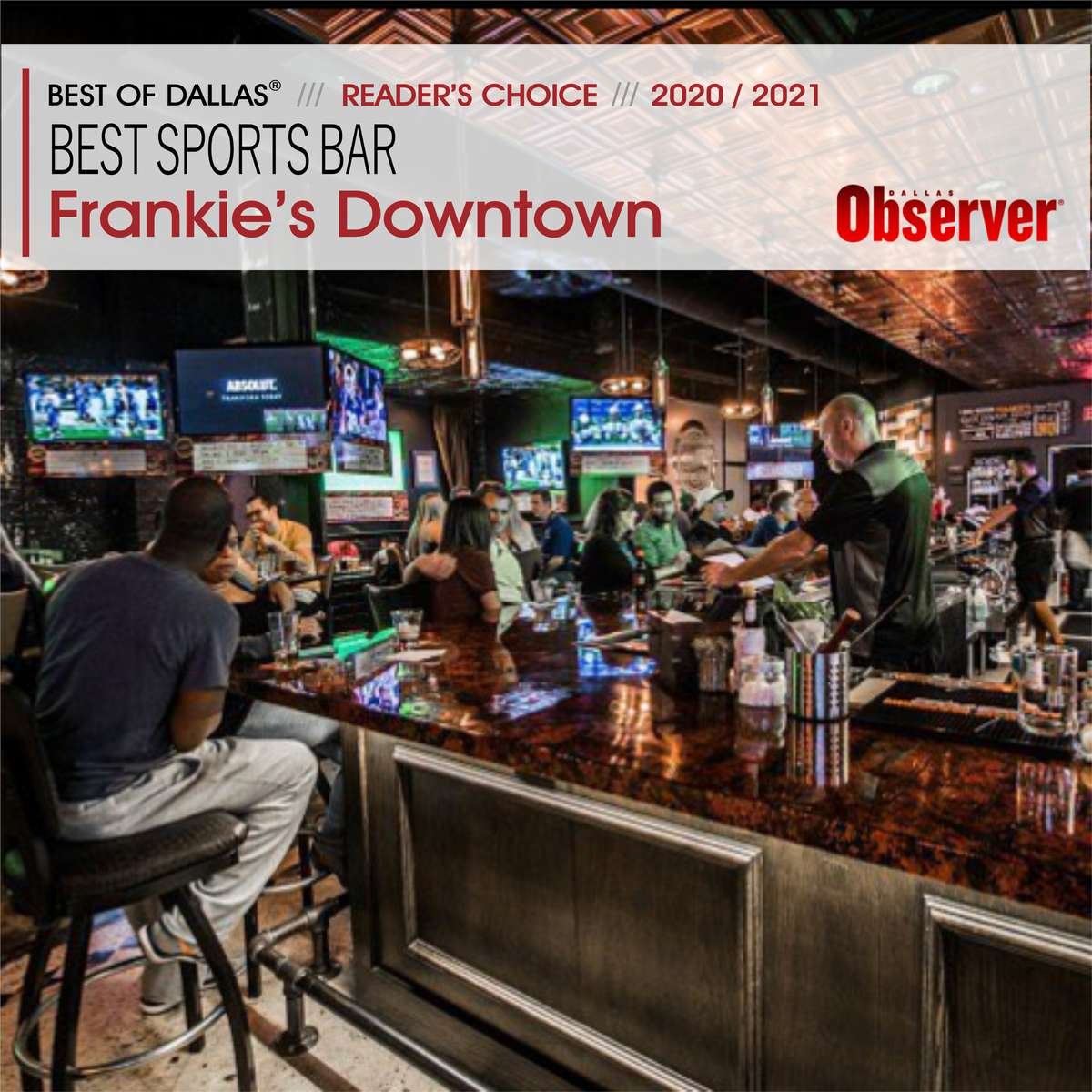
Comfortable lighting with earth tones, black-and-white Dallas photos, '80s comfort music, and flashing flat screen TVs creating a hip, neighborhood bar atmosphere.
Tags
Vibe
Best For
Experience
Format
At the Bar
- Bar Category
- Sports Bar
- Late Night
- Open Until 2am
- Music
- '80s Comfort Music with Live Music in Speakeasy
- Live Music
- Yes
Signature Pours
- Frankie’s Stein
- Garden Gimlet
- Ward 8
Know before you go
Know Before You Go
- Getting there
- 1303 Main St, Dallas, TX 75202
Planning details
Location
Also consider
Also Consider
- Pool Adolphus, Notable alternative
- Rodeo Bar, Notable alternative
- City Hall Social Lobby Bar, Notable alternative
- Catbird, Notable alternative
- Sky Blossom Rooftop Bistro Bar, Notable alternative
Bar context
How Frankie's Downtown compares in Dallas
Frankie's Downtown is the easiest recommendation when the plan is casual and downtown logistics matter. Compared with Pool Adolphus or Catbird, it reads as less occasion-driven and more useful for a simple round before or after another downtown plan.
For ambiance, Sky Blossom Rooftop Bistro Bar is the stronger choice if a view is part of the brief, while City Hall Social Lobby Bar is a better fit for a composed hotel-adjacent drink. Frankie's Downtown wins when the group needs a lower-pressure meeting point rather than a room that defines the whole night.
If the mood is more casual and bar-forward, cross-shop Rodeo Bar. Pick Rodeo Bar when the night should feel more character-led; pick Frankie's Downtown when Main Street convenience and easy booking are the deciding factors.
Around this place
Discover more on Pearl
Unlock the full Frankie's Downtown guide in Pearl, including awards, comparisons, FAQs, planning details, and nearby places.
Compare Frankie's Downtown
| Venue | Location | Awards |
|---|---|---|
| Frankie's Downtown | Dallas | No published awards |
| Pool Adolphus | Dallas | No published awards |
| Rodeo Bar | Dallas | No published awards |
| City Hall Social Lobby Bar | Dallas | No published awards |
| Catbird | Dallas | No published awards |
| Sky Blossom Rooftop Bistro Bar | Dallas | No published awards |
How Frankie's Downtown Dallas compares with similar nearby venues.
FAQ
Frequently Asked Questions
What's the best time to go to Frankie's Downtown?
The hours are 11 AM to 2 AM every day, so the best time depends on your plan. Go when those long daily hours are useful, and confirm any timing-sensitive details directly before visiting.
Is Frankie's Downtown good for a date?
It can be, if your date calls for a casual Dallas option with flexible hours. The dress code is casual, but there are no details here about menu, seating, atmosphere, or service style.
Is Frankie's Downtown open late?
Yes. Frankie's Downtown is as open until 2 AM every day.
Is the food good at Frankie's Downtown?
The venue data does not name a cuisine, chef, menu format, or specific dishes. If food is central to your plans, check current details directly with Frankie's Downtown before going.
What's the crowd like at Frankie's Downtown?
The details do not describe the crowd. What is confirmed is that Frankie's Downtown is in Dallas, has a casual dress code, and is open daily from 11 AM to 2 AM.