
Bar in Costa Mesa, United States
Shunka Sushi & Japanese Cuisine
100Pearl PointsSushi-first choice
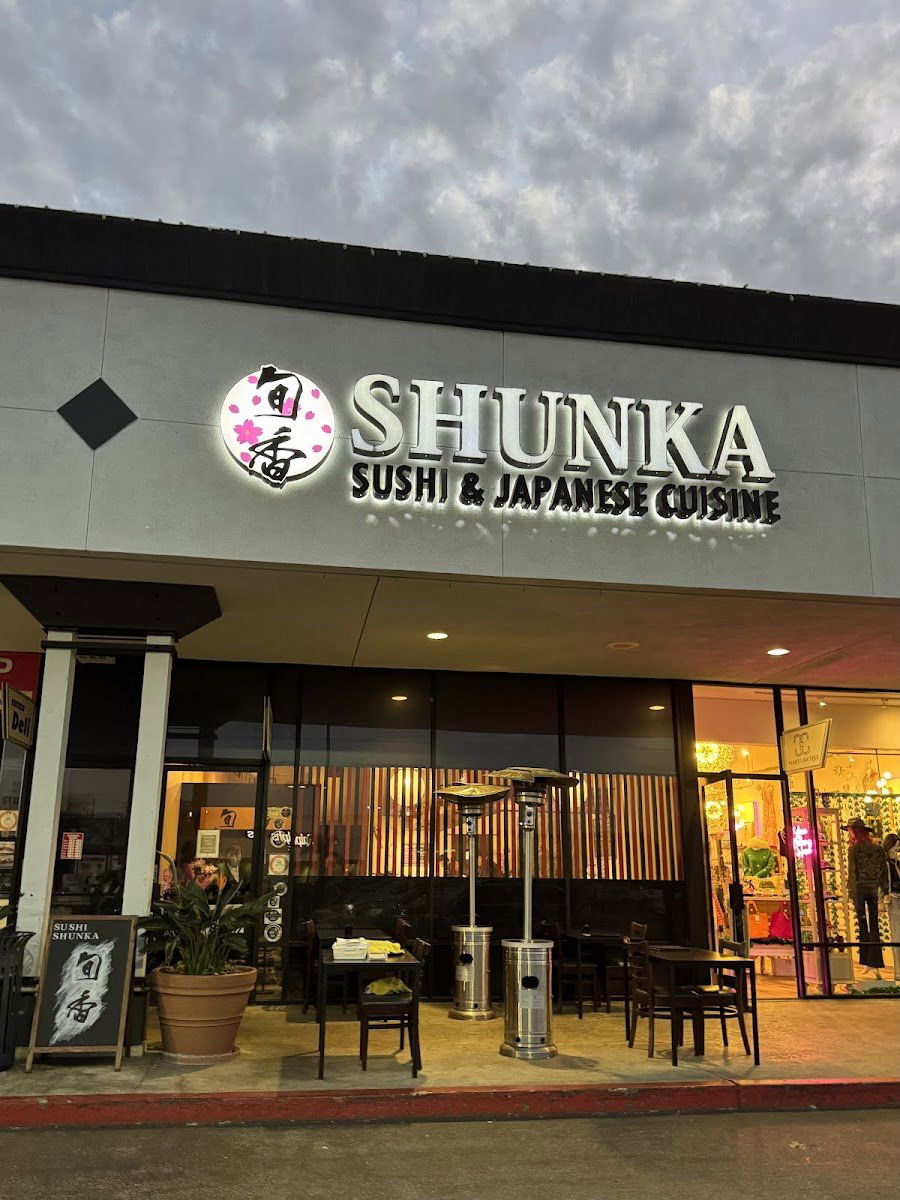
About Shunka Sushi & Japanese Cuisine
Shunka Sushi & Japanese Cuisine is the Costa Mesa pick for a sushi-led date or small celebration when the meal matters more than a bar scene. Cross-shop Sushi Shibucho for a direct sushi comparison, or Topside Roof Deck and The Wayfarer if the night needs drinks, views, or a livelier room.
Shunka Sushi & Japanese Cuisine is a Costa Mesa venue with verified lunch and dinner hours Monday through Saturday and a casual dress code. Because the available verified details are limited, the most reliable planning points are direct: confirm the current schedule before going, note that Sunday is closed, and compare it with other options based on the kind of outing you want.
For a Costa Mesa meal centered on Shunka Sushi & Japanese Cuisine, the useful distinction is practical rather than promotional. If the plan is built around this restaurant, use its split daily hours to choose between lunch and dinner. If the outing depends on a different setting, timing, or group preference, compare it with places such as Topside Roof Deck, The Wayfarer, Descanso Restaurant, or Trenta Pizza & Cucina and Trenta Lounge without assuming they serve the same purpose.
Book it for a meal plan, not a late-night plan
Shunka Sushi & Japanese Cuisine is not a late-night option based on the verified hours. It is open from 11:30 AM to 2 PM Monday through Saturday, reopens from 5 to 9 PM Monday through Thursday, and stays open until 9:30 PM on Friday and Saturday. It is closed Sunday.
The verified dress code is casual, which makes it easy to fit into a simple Costa Mesa lunch or dinner plan. Beyond that, specific claims about seating, service style, reservations, drinks, prices, or menu format are not confirmed here, so guests should check directly with the restaurant for those details.
Where it sits in a Costa Mesa dinner plan
Against other options, the decision comes down to intent. Sushi Shibucho is one possible comparison for guests considering another restaurant plan. Descanso Restaurant, Topside Roof Deck, The Wayfarer, and Trenta Pizza & Cucina and Trenta Lounge may make more sense when the outing is driven by a different setting, timing, or group preference. For additional planning around the area, use our full Costa Mesa restaurants guide, then layer in our full Costa Mesa bars guide if the night needs stops before or after dinner.
Quick reference: consider Shunka Sushi & Japanese Cuisine for a casual Costa Mesa lunch or dinner within its posted hours; compare other venues when the setting, timing, or overall outing matters as much as the restaurant choice.
Frequently Asked Questions
What's the best time to go to Shunka Sushi & Japanese Cuisine?
Use the verified hours to plan around lunch or dinner. Shunka Sushi & Japanese Cuisine is open 11:30 AM–2 PM and 5–9 PM Monday through Thursday, 11:30 AM–2 PM and 5–9:30 PM Friday and Saturday, and closed Sunday.
Is Shunka Sushi & Japanese Cuisine open late?
Not especially. It closes at 9 PM Monday through Thursday and 9:30 PM on Friday and Saturday, with Sunday closed, so it works better for lunch or standard dinner plans than late-night dining.
Does Shunka Sushi & Japanese Cuisine have happy hour deals?
Happy hour details are not verified here. If that is important, check directly with the restaurant before going.
Is the food good at Shunka Sushi & Japanese Cuisine?
The verified information here does not include ratings, rankings, awards, prices, or specific menu details. If you are comparing it with another option, Sushi Shibucho is one possible reference point.
Is Shunka Sushi & Japanese Cuisine good for a date?
It can fit a simple Costa Mesa lunch or dinner plan, especially if casual dress and the posted hours work for the occasion. Specific details about atmosphere, seating, or service style are not verified here.
Do I need a reservation at Shunka Sushi & Japanese Cuisine?
Reservation requirements are not verified here. Because dinner hours end at 9 PM Monday through Thursday and 9:30 PM Friday and Saturday, it is a good idea to check directly with the restaurant before planning around a specific time.
Does Shunka Sushi & Japanese Cuisine have outdoor seating?
Outdoor seating is not verified here. If outdoor seating is a priority, check directly with the restaurant before going.
Location
369 E 17th St #17th, Costa Mesa, CA 92627
Costa Mesa, United States
Compare Shunka Sushi & Japanese Cuisine
How it compares in Costa Mesa
Shunka Sushi & Japanese Cuisine is the sushi-focused choice in this set, which makes it a better fit for dates and small celebrations than Trenta Pizza & Cucina and Trenta Lounge if the group wants Japanese food rather than a broader Italian-and-lounge plan. Trenta is the safer group option; Shunka is the cleaner call when the dinner brief is narrower.
Sushi Shibucho is the direct cross-shop, so compare those two first if sushi is non-negotiable. For ambiance-led plans, Topside Roof Deck has the stronger setting signal, while The Wayfarer is better for a drinks-and-music type of night.
Descanso Restaurant is the better fallback for mixed groups that want energy and broader appeal. Shunka is easier to recommend when the group is small, the plan is dinner-first, and the experience quality is judged by the sushi rather than the room.
Where to go if this is not the right fit
If the group wants sushi, start with Sushi Shibucho as the closest comparison. If the night needs a stronger drinks or atmosphere component, choose Topside Roof Deck for the setting or The Wayfarer for a looser night out.
How it compares in Costa Mesa
Shunka Sushi & Japanese Cuisine is the sushi-focused choice in this set, which makes it a better fit for dates and small celebrations than Trenta Pizza & Cucina and Trenta Lounge if the group wants Japanese food rather than a broader Italian-and-lounge plan. Trenta is the safer group option; Shunka is the cleaner call when the dinner brief is narrower.
Sushi Shibucho is the direct cross-shop, so compare those two first if sushi is non-negotiable. For ambiance-led plans, Topside Roof Deck has the stronger setting signal, while The Wayfarer is better for a drinks-and-music type of night.
Descanso Restaurant is the better fallback for mixed groups that want energy and broader appeal. Shunka is easier to recommend when the group is small, the plan is dinner-first, and the experience quality is judged by the sushi rather than the room.
Explore Costa Mesa
Save or rate Shunka Sushi & Japanese Cuisine on Pearl
Keep this venue in your Pearl passport, rate it after you visit, and track it alongside every other place you collect.