

The Double Red Duke
Clanfield
Bar in Clanfield, United Kingdom
 Book with Pearl
The Read
Price
$30–50per person
Why go
The Double Red Duke is a sensible Clanfield pick when the brief is a calm, food-led country-pub meal rather than a high-energy bar night. The Good Food Guide 2025 recognition gives it useful credibility; choose it for conversation, small groups, and low-pressure occasions where the setting matters.
About The Double Red Duke
The Double Red Duke is a venue in Clanfield with a clearly confirmed recognition point: The Good Food Guide 2025 lists it as GFG Good. That is the main reason to keep it on a dining shortlist, rather than relying on unconfirmed claims about its menu, service style, room, pricing, or facilities.
The other confirmed practical detail is the dress code: smart casual. For planning purposes, that is the safest expectation to set. Anything more specific, including outdoor seating, group capacity, lunch service, private rooms, or a particular food or drink format, should be checked directly with the venue before making plans.
Why it works better as a planned meal than a casual fallback
Recommendation is cautious but positive: consider The Double Red Duke when you want a Clanfield venue with confirmed Good Food Guide 2025 recognition. The available data supports that trust signal, but it does not confirm a detailed menu style, price level, booking policy, or service format.
For a return visit, the practical value is knowing what is confirmed and what is not. The Good Food Guide 2025 listing gives the venue a stronger basis for consideration than an local pick, while the smart-casual dress code gives a basic cue for how to prepare.
Use it for conversation, not spectacle
There is not enough venue data here to make firm claims about atmosphere, noise level, outdoor seating, or whether the room suits a particular occasion. If those details matter, confirm them before committing to a plan. The grounded case for The Double Red Duke rests on its Clanfield location, smart-casual dress code, and Good Food Guide 2025 GFG Good recognition.
For groups, dates, or special occasions, the safest advice is to plan ahead and ask the venue directly about availability and suitability. No confirmed private-room, capacity, outdoor-seating, or table-configuration detail is available here. For a bigger Clanfield plan, use our full Clanfield restaurants guide, our full Clanfield bars guide, our full Clanfield hotels guide, our full Clanfield wineries guide, and our full Clanfield experiences guide to build around the meal.
If the comparison set widens, keep the mission clear. Options such as Graze, Living Room Bar, The Eagle Tavern, The Lamb Inn, and The White Hart may suit different plans, while The Double Red Duke's confirmed strengths here are its Clanfield setting, smart-casual dress code, and Good Food Guide 2025 GFG Good recognition.
Planning details
- Location
- Bourton Rd, Clanfield, Bampton OX18 2RB, United Kingdom
- Reservations
- Book on SevenRooms
- Website
- countrycreatures.com/double-red-duke
- Phone
- +44 1367 810222
The take
The Take
The Vibe
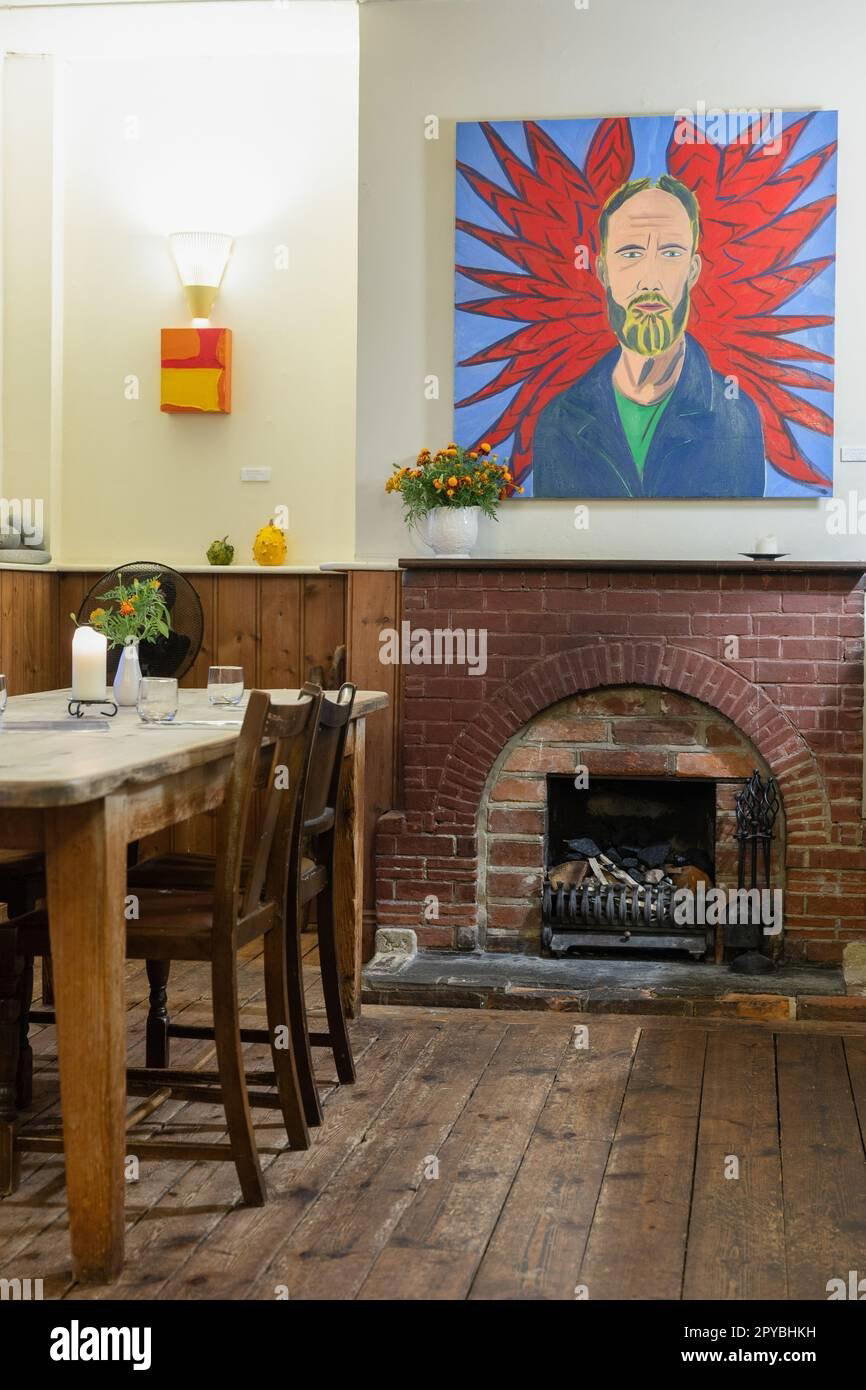
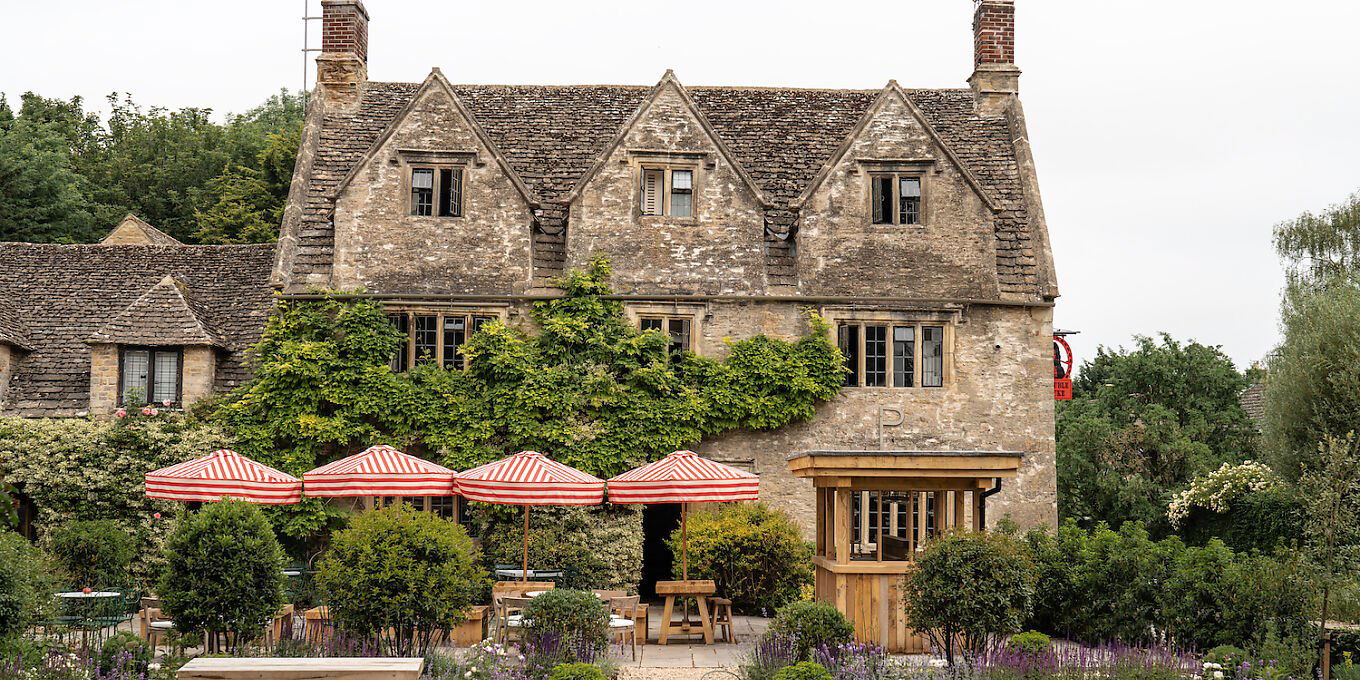
The Double Red Duke feels like a thoroughly restored 17th‑century country inn that leans into its age without trading on it as a gimmick. Stone walls, low beams and oil portraits create a warm, intimate room, and a fire that smoulders through the colder months reinforces that close, fireside mood. Owners Sam and Georgie Pearman have calibrated the fit‑out and service so the place reads as destination dining rather than a mere heritage curiosity. At once charming and quietly sophisticated, the bar balances rustic, country comfort with a carefully edited drinks programme that elevates the whole experience.
Best For
This is primarily an evening destination: the writing on the room and the drinks list positions the Double Red Duke as a dinner spot well suited to date nights, small celebrations and convivial group outings. The pub’s scale and fireside intimacy make it a good choice for couples looking for a cosy getaway in the village, while the generous by‑the‑glass wine options mean mixed tables can each find something pleasing. The tone sits between relaxed country hospitality and a polished, deliberate drinking programme, so it suits guests who want quality without formality.
Ordering Tips
Treat the drinks list as part of the experience: the wine selection favours the Old World with English labels alongside European producers and offers ample by‑the‑glass options, which is handy for groups with differing tastes. Browse the list rather than defaulting to a house pour, and use the by‑the‑glass choices to sample English wines alongside continental bottles. For cocktails, expect a programme that blends polished technique with a relaxed country‑pub sensibility—ask the bar team for something balanced and characterful if you want an option that complements the room without being overly metropolitan.
Venue details
Ambiance
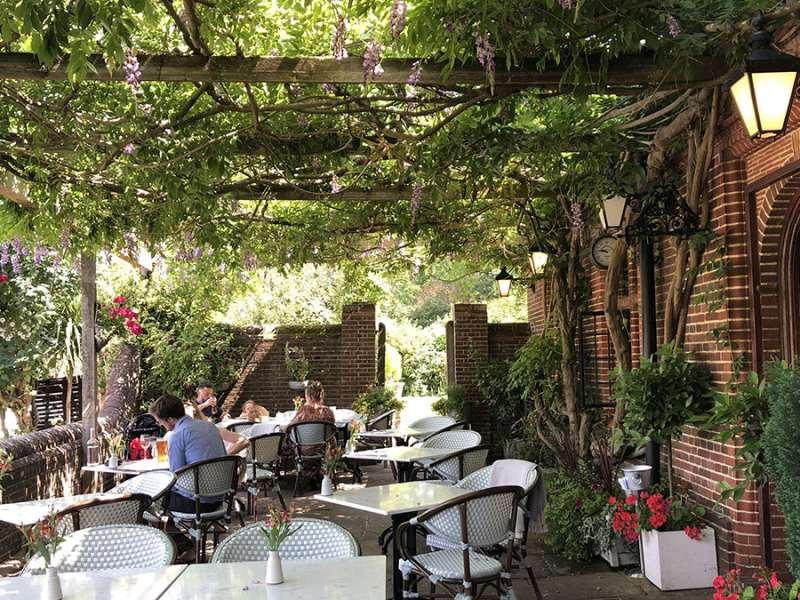
Chic rusticity with low-level lighting, smoldering fires, natural light-filled atrium, cozy velvet booths, and garden terrace.
Tags
Vibe
Best For
Experience
Format
View
At the Bar
- Bar Category
- Pub
Know before you go
Know Before You Go
- Getting there
- Bourton Rd, Clanfield, Bampton OX18 2RB, United Kingdom
Planning details
Location
Bourton Rd, Clanfield, Bampton OX18 2RB, United Kingdom · Directions
Recognition and awards

Also consider
Where to look if this is not the right fit
If the plan shifts toward drinks rather than a full meal, cross-shop Graze or Living Room Bar. If the group wants another pub-style option, compare availability with The Lamb Inn or The White Hart.
Bar context
How it compares in the Clanfield set
The Double Red Duke is the safer choice when food credibility matters, because its Good Food Guide 2025 listing gives it a clearer quality signal than the peer options shown here. If the priority is a lower-risk meal rather than a quick pint, start here before cross-shopping The Eagle Tavern or The White Hart.
For booking pressure, this is an easier play than venues that require heavy advance planning. That makes it useful for a countryside lunch or early dinner where the group wants a credible room without treating the meal like a major occasion. Graze and Living Room Bar may fit better if the plan is drinks-first, while The Double Red Duke is the stronger call for a meal-led stop.
If ambience is the deciding factor, compare it against The Lamb Inn for a similar pub-leaning decision. The clean split: choose The Double Red Duke for recognised food and a calmer country-pub brief; use the alternatives when location, availability, or a simpler drinks plan matters more.
Explore Clanfield
Around this place
Discover more on Pearl
Unlock the full The Double Red Duke guide in Pearl, including awards, comparisons, FAQs, planning details, and nearby places.
Compare The Double Red Duke
| Venue | Location | Awards |
|---|---|---|
| The Double Red Duke | Clanfield | 2026 Estrella Damm Top 100 Gastropubs · #87The Good Food Guide 2025 |
| The Eagle Tavern | Little Coxwell | No published awards |
| Graze | Burford | No published awards |
| The Lamb Inn | Crawley | No published awards |
| The White Hart | Fyfield | No published awards |
| Living Room Bar | North Leigh | No published awards |
How The Double Red Duke Clanfield compares with similar nearby venues.
FAQ
Frequently Asked Questions
Is the food good at The Double Red Duke?
The clearest signal is that The Good Food Guide 2025 lists The Double Red Duke as GFG Good. No specific dishes, cuisine, menu format, or price details are confirmed here.
Is The Double Red Duke good for a date?
It may be worth considering for a date if a smart-casual Clanfield venue with Good Food Guide 2025 recognition fits the brief. The available data does not confirm atmosphere, seating style, or noise level, so check directly if those details matter.