
Bar in Chattanooga, United States
Attack of the Tatsu
100Pearl PointsChattanooga Cocktail Stop
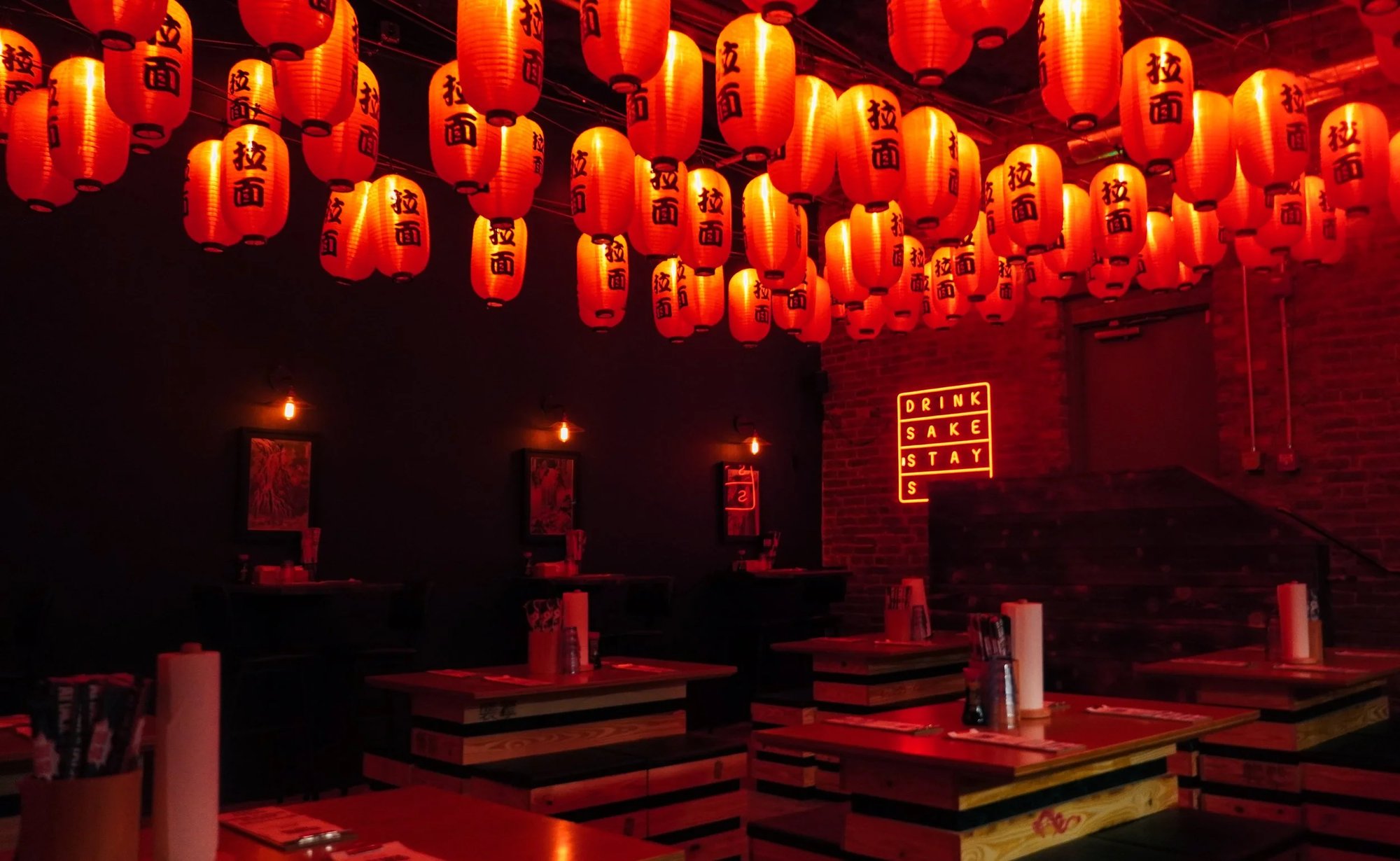
About Attack of the Tatsu
Attack of the Tatsu belongs in the Chattanooga conversation for drinkers tracking how smaller American cities are treating cocktails as a serious evening format rather than a supporting act. Verified public details are limited, so the smarter read is contextual: place it against the city’s growing bar-and-restaurant circuit, then plan with flexibility rather than relying on assumed menus, prices, or booking rules.
Chattanooga’s cocktail scene is moving beyond the supporting role
Approach a serious cocktail room in a mid-sized Southern city and the first signal is rarely a velvet rope. It is the shift in pace: dining rooms giving way to later-evening drinkers, bartenders working with the concentration of a kitchen pass, and menus that ask guests to think beyond the default call drink. In Chattanooga, that shift matters. The city has long been easy to read through riverfront dining, brewery culture, and casual Southern hospitality, but its more interesting bar conversation now sits in the space between restaurant drinking and destination cocktail programs.
Attack of the Tatsu should be read through that change rather than through unsupported claims about a specific drink list. That absence is useful intelligence for a traveler: this is not a page where verified data supports claims about a particular martini variation, clarified punch, Japanese whisky list, or reservation system. The editorial case rests on how to approach it within Chattanooga’s broader drinking circuit, with caution around details that should be verified before you go.
The city’s comparable set helps frame the decision. Restaurant bars such as Alleia, Boathouse Rotisserie & Raw Bar, and Calliope Restaurant & Bar anchor drinking to dinner. Chattanooga Whiskey Experimental Distillery pulls the conversation toward local spirits, production, and tasting-room culture. Attack of the Tatsu sits in the reader’s itinerary as a bar-first question: where does a cocktail-led stop fit when the night is not built entirely around a table reservation?
The useful comparison is format, not hype
Smaller American cities have developed serious cocktail scenes in a different rhythm from New York, Chicago, Miami, or New Orleans. The major-market model often depends on deep labor pools, press cycles, and drinkers who will cross town for a single technique-driven menu. Chattanooga operates differently. The practical bar crawl is tighter, dinner plans carry more weight, and a room can gain local pull before it produces the volume of documentation that larger-city venues accumulate through awards lists, national reviews, and high-frequency social media coverage.
That distinction is why the lack of awards data in the record should not be inflated into a verdict. No Michelin, James Beard, 50 Best, or comparable recognition is listed for Attack of the Tatsu. A reader who uses awards as a filter should treat that as a clear boundary. The trust signal here is contextual rather than trophy-based: Chattanooga has enough restaurant-bar density to support a proper drinking itinerary, and the venue’s inclusion in that set indicates relevance to the city’s bar map, not a documented national accolade.
For calibration, it helps to look outside Tennessee. Café La Trova in Miami ties cocktail identity to Cuban cantinero tradition and live-room energy. Jewel of the South in New Orleans works inside a city where cocktail history carries unusual weight. Superbueno in New York City reflects a contemporary, high-recognition urban cocktail model. Bar Leather Apron in Honolulu, Julep in Houston, Kumiko in Chicago, and The Parlour in Frankfurt on the Main each show how a cocktail program can be shaped by region, technique, service ritual, or spirits focus. Chattanooga’s version should be judged on its own scale: whether the bar can make a night feel intentional without relying on the infrastructure of a major cocktail capital.
What to look for in the glass
The cocktail program is the right lens, but the available record does not name a bartender, list signature drinks, or identify a house style. That means the responsible approach is to look for structural clues once seated. A serious program usually reveals itself through balance across categories: stirred drinks, citrus-led sours, lower-ABV options, nonalcoholic builds, spirit-forward classics, and at least a few choices that show technical intent without turning the menu into a chemistry demonstration.
Technique should serve the drink rather than announce itself. In a city like Chattanooga, where the evening may start with dinner and end with one focused round, the strongest cocktail formats tend to be legible. A guest should be able to understand the base spirit, modifier, acidity, sweetness, and aromatic direction without needing a glossary. If Attack of the Tatsu is being assessed as part of a premium bar route, the questions are practical: does the menu give range, does the first round arrive with clarity, and does the staff steer guests toward the right drink style rather than the loudest-sounding option?
Because no verified signature cocktail appears in the record, no specific drink should be treated as the house order from this page. The safer editorial recommendation is to ask for a drink that expresses the bar’s current point of view, then give the bartender useful parameters: spirit preference, sweetness tolerance, stirred or shaken, and appetite for bitter, smoky, herbal, or bright flavors. That approach is more reliable than chasing an unverified online favorite, especially in bars where menus can change faster than listings are updated.
How it fits into a Chattanooga evening
Chattanooga rewards compact planning. The city is not a sprawling nightlife machine; its appeal for visitors lies in putting dinner, drinks, riverfront time, and neighborhood wandering into a coherent evening without turning the plan into transit arithmetic. That makes Attack of the Tatsu a better candidate for a deliberate cocktail stop than a vague afterthought. Build the night around one meal, one drink-focused room, and enough margin to adjust if hours, seating, or crowd levels differ from expectations.
The absence of address and hours changes the planning logic. Do not assume walk-in ease, late-night service, or a published booking channel. Before setting an itinerary, verify current operating details through a live search or the venue’s active social channel if available. Treat same-day confirmation as part of the plan.
For a dinner-led route, compare the role of nearby restaurant bars. Alleia gives the evening an Italian-leaning restaurant structure, Boathouse Rotisserie & Raw Bar points toward casual waterfront-adjacent drinking and seafood, and Calliope Restaurant & Bar expands the city’s dining conversation through a restaurant-bar format. The distillery option, Chattanooga Whiskey Experimental Distillery, works differently: it places spirits education and local production at the center. Attack of the Tatsu belongs after that decision tree. Choose it when the priority is a cocktail-room experience rather than a meal with drinks attached.
Planning notes for a data-light venue
For travelers, sparse public data is not a reason to skip a place; it is a reason to plan like an adult. That means the smart move is to avoid building a tight schedule around assumptions. Leave time between dinner and drinks, check the latest location and operating information on the day, and keep a second Chattanooga bar option ready if the room is closed, full, private, or operating on altered hours.
Price expectations should also stay flexible. Without a verified price range, do not use national cocktail capitals as a direct benchmark, but do not assume neighborhood-bar pricing either. Serious cocktail programs in smaller cities often fall into a middle zone: less expensive than prestige rooms in Manhattan or Chicago, but materially above a beer-and-shot stop. The right question is not whether the bill feels low; it is whether the drink construction, pacing, glassware, dilution, and service justify making the bar a named stop in the evening.
For wider planning, The full Chattanooga restaurants guide gives the broader dining context. Use it to decide whether this should be the night’s main drinks destination, a pre-dinner test round, or a late stop after a restaurant booking. In a city where the dining map is still easier to parse than the cocktail map, that sequencing matters.
Location
Chattanooga, United States
Explore Chattanooga
Save or rate Attack of the Tatsu on Pearl
Keep this venue in your Pearl passport, rate it after you visit, and track it alongside every other place you collect.