
Bar in Charleston, United States
The Dewberry Charleston
100ptsArchitectural Bar Precision
About The Dewberry Charleston
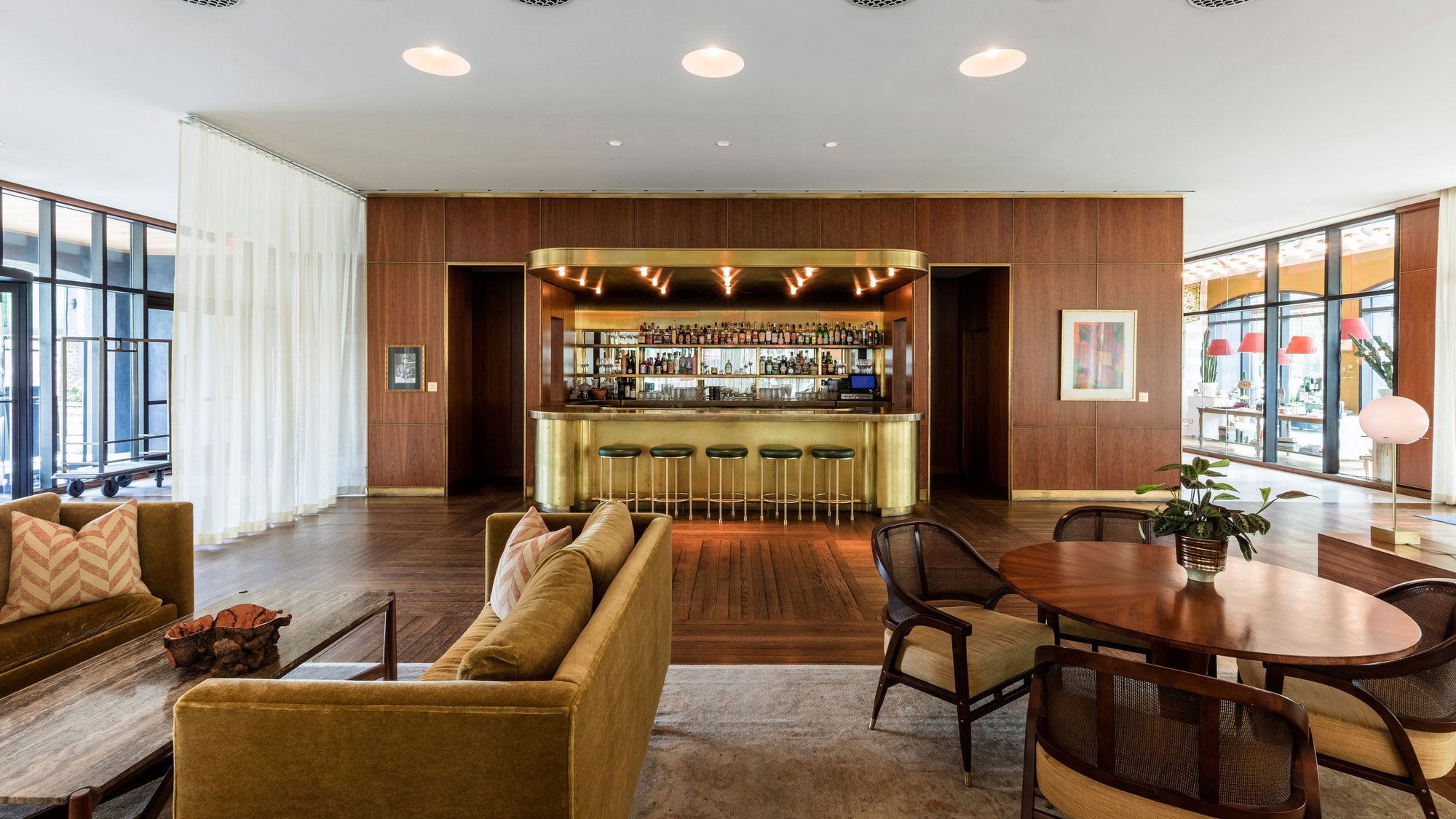
The Dewberry Charleston occupies a restored 1964 federal building on Meeting Street, positioning it among Charleston's most architecturally deliberate hotel bars. Where peers lean into Southern rusticity, The Dewberry's mid-century interiors set a different register for the city's cocktail scene, anchoring a drinks program that pairs seriously with its food offer.
Where the Bar and the Kitchen Speak the Same Language
Charleston's hotel bar circuit has quietly matured over the past decade. The city that once defined its drinking culture through dive bars and tourist-facing frozen-drink spots now hosts a tier of serious cocktail programs attached to design-led properties, each competing less on price and more on program coherence. The Dewberry Charleston, housed in a restored 1964 federal building at 334 Meeting St, belongs to that upper register. Its mid-century bones, preserved rather than reimagined into something trendier, give the bar a visual grammar that the drinks and food program has to match. In Charleston, that is not a small ask.
The Architecture of a Pairing Program
The strongest hotel bar programs in the American South share a structural quality: the food side does not feel like an afterthought designed to slow alcohol absorption. At The Dewberry, the bar's relationship with its kitchen follows that discipline. The mid-century room, with its clean lines and deliberate material choices, sets an expectation of precision that extends from the physical environment into the glass and onto the plate. This is the register in which The Dewberry operates, and it separates the property from Charleston venues that treat bar food as a secondary function.
Across the wider American bar scene, the food-and-drink pairing format has become a credibility signal. Programs like Kumiko in Chicago have shown that a thoughtfully constructed bar menu can anchor an entire hospitality concept, while Jewel of the South in New Orleans demonstrates how Southern ingredient traditions translate into a complementary food-and-cocktail pairing framework. The Dewberry occupies a similar conceptual position in Charleston, though the local culinary vocabulary here leans toward lowcountry produce, coastal seafood, and the rice-based traditions that define South Carolina's food identity.
Charleston's Bar Scene and Where The Dewberry Fits
Meeting Street sits at Charleston's civic and architectural core, and the address alone positions The Dewberry differently from venues that have built their identities in the French Quarter or along upper King Street. The city's cocktail bars cluster in distinct tiers. At the accessible end, spots like 39 Rue de Jean and babas on cannon serve well-executed programs without the overhead or ambition of a hotel property. The Cocktail Club sits in a more focused technical tier, while 82 Queen leans into the historic courtyard experience that Charleston's tourism economy rewards.
The Dewberry's peer set is neither the neighborhood bar nor the tourist courtyard. It competes with other hotel programs nationally, and its mid-century aesthetic places it in conversation with design-forward properties that treat the bar as an architectural room rather than a branded afterthought. For a broader map of how Charleston's bars and restaurants relate to each other by neighborhood, style, and price tier, our full Charleston restaurants guide provides the category-level context.
What the Drinks Program Says About the Room
In cities where bar programs have matured beyond the speakeasy-revival template, the cocktail list functions as an editorial statement. The format at ABV in San Francisco or the technical precision of Bar Leather Apron in Honolulu each reflect the city and room they inhabit. At The Dewberry, the mid-century environment suggests a cocktail approach that favors restraint and proportion over theatrical garnish, the kind of program where a well-built Negroni variation or a spirit-forward lowball communicates more than an elaborate multi-component construction.
The pairing question for any serious bar food program is whether the kitchen is calibrated to the drinks, or whether the two sides are running independent agendas. At its leading, a hotel bar kitchen will develop a menu where the fat content, acidity, and salt levels of each dish respond to the alcohol and sugar structure of the cocktails beside it. This is the standard set by programs like Julep in Houston, where Southern ingredients are treated with technical seriousness rather than nostalgic shorthand. Superbueno in New York City approaches the same problem from a different culinary angle, using bold flavors to bridge the food-drink divide in a way that feels intentional rather than accidental. The Parlour in Frankfurt on the Main demonstrates that this discipline translates across culinary traditions and geographies.
Planning a Visit
The Dewberry sits at 334 Meeting St in downtown Charleston, within walking distance of the city's major historic sites and the concentrated restaurant and bar strip along King Street. As a hotel property, the bar is accessible to non-guests, and the mid-century lobby functions as a distinct destination rather than a pass-through space. Charleston's high season runs from March through May and again from September through November, when the humidity drops and the city's restaurant reservations tighten accordingly. Visitors planning around bar access rather than dining reservations have more flexibility, though weekend evenings at a property of this profile will fill without much notice. Given the property's position on Meeting Street and its architectural profile, arrival on foot from the historic district is the most coherent way to approach it, allowing the building's exterior to frame the experience before you reach the bar.
Frequently Asked Questions
What is The Dewberry Charleston known for?
Dewberry Charleston is known primarily for its mid-century modern interiors housed inside a restored 1964 federal building, a visual identity that sets it apart from the antebellum-inflected aesthetic that dominates Charleston's hotel market. The property operates at the design-led end of the city's hotel bar spectrum, with a drinks program calibrated to the room's register rather than to the broader tourist market. Its Meeting Street address places it at the center of Charleston's historic core, where the combination of architectural seriousness and accessible bar programming draws both hotel guests and the city's more discerning after-work and late-evening crowd.
What's the must-try cocktail at The Dewberry Charleston?
Dewberry's bar program sits within a mid-century framework that favors technically precise, spirit-forward builds over decorative complexity. Without confirmed current menu data, the reliable approach at a program of this type is to ask the bartender about whatever spirit-forward original they're rotating on the short list, the kind of preparation that reflects the room rather than chasing a trend. That said, Charleston's lowcountry ingredient tradition, which runs through its food menu, frequently surfaces in the cocktail side through local amaro, citrus, and rice-spirit references.
How does The Dewberry Charleston's bar compare to other serious cocktail programs in the American South?
Among hotel bar programs in the South, The Dewberry positions itself through architectural coherence rather than cocktail celebrity: the room and the program share a visual and tonal language that is less common in a market where hotel bars often default to broad-audience formats. Compared to destination-focused independent programs like Jewel of the South in New Orleans or Julep in Houston, The Dewberry operates with the added variable of a full hotel operation behind it, which tends to raise the floor on service consistency while placing different constraints on menu experimentation. For visitors specifically interested in Charleston's independent cocktail bars, The Cocktail Club and babas on cannon offer a useful contrast in format and ambition.
More bars in Charleston
- 39 Rue de Jean39 Rue de Jean is Charleston's most accessible French bistro option, with an outdoor terrace that earns it a place on the shortlist for group dinners and relaxed evening drinks. Booking is easy, the format is familiar, and it's a useful change of pace from the city's Lowcountry-heavy dining scene. Best for returning visitors who want variety without the reservation battle.
- 82 Queen82 Queen is an easy book by Charleston standards, with a historic courtyard that outperforms most indoor dining rooms in the city during spring and fall evenings. If you've visited once and sat inside, the outdoor terrace is the reason to return. Reservations are straightforward, the address is central, and the setting does most of the heavy lifting.
Related editorial
- Best Fine Dining Restaurants in ParisFrom three-Michelin-star icons to the next generation of Parisian chefs pushing boundaries, these are the restaurants that define fine dining in the world's culinary capital.
- Best Luxury Hotels in RomeFrom rooftop terraces overlooking ancient ruins to Michelin-starred hotel dining, these are the luxury hotels that make Rome unforgettable.
- Best Cocktail Bars in KyotoFrom sleek lounges to hidden speakeasies, Kyoto's cocktail scene blends Japanese precision with global influence in ways you won't find anywhere else.
Save or rate The Dewberry Charleston on Pearl
Keep this venue in your Pearl passport, rate it after you visit, and track it alongside every other place you collect.