
Bar in Charleston, United States
Malagón
100Pearl PointsIberian South Crossover
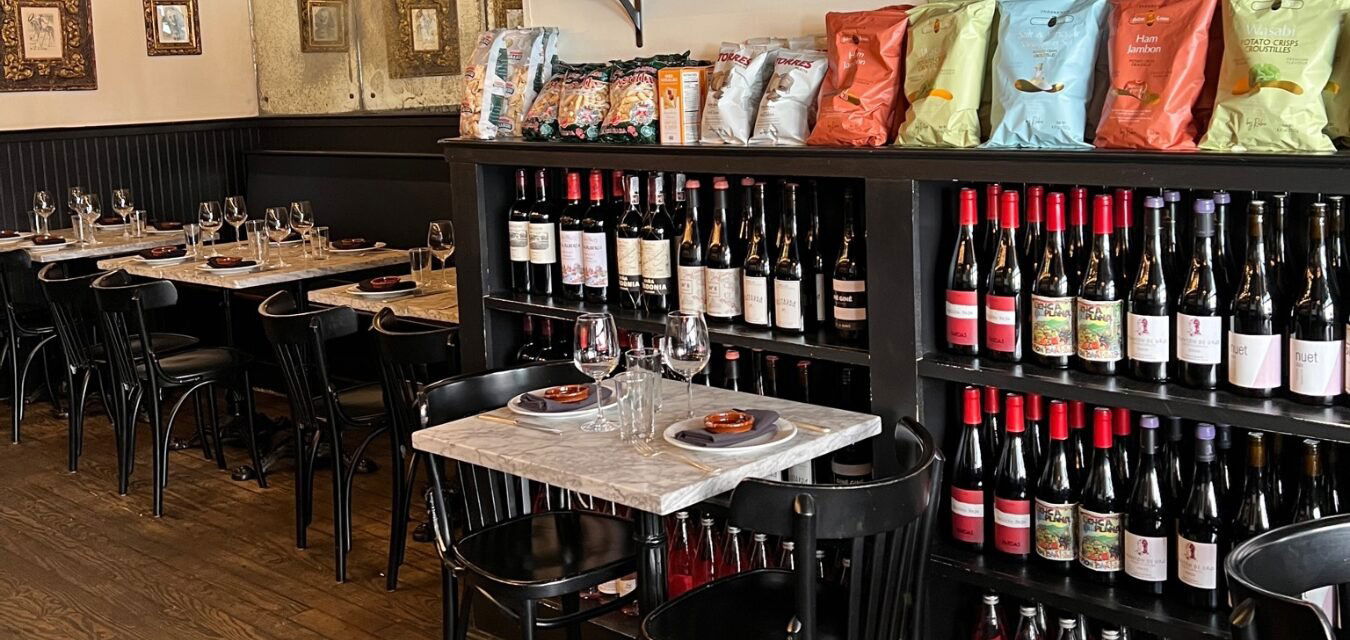
About Malagón
Malagón on Spring Street is one of Charleston's more accessible bar options on the Lower Peninsula — easier to get into than The Cocktail Club, with a crowd that skews local rather than tourist-heavy. If you're comparing mid-range Charleston bars and want somewhere that feels like a genuine neighborhood spot, this is a reasonable first choice.
Spanish Roots on a Charleston Street Corner
Charleston's dining scene has spent decades refining a specific identity: local shellfish, rice-based dishes inherited from West African foodways, and a slow-food reverence for the Low Country pantry. That identity is strong enough that restaurants operating outside it tend to be read as outliers, which makes the appearance of a Spanish-focused address at 33 Spring Street worth paying attention to. Spanish cuisine, when executed with seriousness, carries its own weight of tradition: Iberian charcuterie culture, the discipline of the tapa as a complete thought rather than a half-portion, and a wine program logic built around regions like Rioja, Ribera del Duero, and Galicia. When that tradition lands in a city already fluent in ingredient-driven cooking, the conversation between the two can be genuinely productive.
The Spring Street address puts Malagón at the southern end of the Charleston peninsula, in a neighborhood that has gradually accumulated a serious bar and dining circuit. A short walk covers The Cocktail Club, 39 Rue de Jean, and 82 Queen, each representing a different register of Charleston's drinking culture. Malagón sits within that network as a food-first anchor rather than a bar stop, though the two functions are rarely cleanly separated in this part of the city.
What Spanish Tradition Means at This Latitude
The cultural argument for Spanish food in the American South is more legible than it might first appear. Spain's culinary identity rests on a few structural pillars: preserved and cured proteins, seafood treated with minimal intervention, bread as a vehicle rather than an afterthought, and wine that is expected to work alongside food rather than independently of it. These are not abstract values. They map reasonably well onto a Low Country sensibility that prizes local sourcing, technique over spectacle, and the idea that a single well-prepared ingredient can carry a plate.
Tapa format, in particular, demands a kind of editorial discipline that Charleston diners schooled on small-plates dining will recognize. The leading tapas are not appetizers in disguise. They are complete expressions of a single idea, portioned to be eaten in two or three bites, and designed to accumulate into a meal rather than to preview one. That discipline is harder to maintain than it looks, and it separates Spanish restaurants that understand the tradition from those that use the format as a convenience.
Spanish wine culture adds another layer of specificity. A program built around Spanish regions operates by different logic than one anchored in California or France. Albariño from Galicia, Txakoli from the Basque Country, and the oxidative whites of Jerez occupy a different flavor register than the Chardonnay-Sauvignon axis that dominates most American wine lists. For a diner willing to follow that program, the pairing possibilities with food built from Iberian ingredients become considerably more interesting.
The Charleston Bar Circuit as Context
Understanding where Malagón fits in Charleston's evening economy requires a brief look at how the city's bar scene has evolved. Charleston has moved steadily toward technically serious cocktail programs. The Cocktail Club represents the craft end of that shift, while babas on cannon occupies a more approachable register. The result is a drinking culture that rewards venues with a clear point of view. Malagón, positioned as a food destination with a Spanish identity, functions as a distinct counterpoint to the cocktail-led options nearby: somewhere to eat deliberately before or after the bar circuit rather than somewhere to drink with food as a secondary consideration.
That positioning is not unique to Charleston. Across American cities with maturing hospitality scenes, Spanish-format restaurants have carved out a specific niche: food-serious enough to anchor an evening, social enough to sustain a long table, and wine-forward in a way that complements rather than competes with cocktail culture. Superbueno in New York City operates in adjacent territory with a Latin-inflected approach, while venues like Kumiko in Chicago and Jewel of the South in New Orleans demonstrate how a clear culinary identity creates durable positioning even in competitive markets.
Planning a Visit
Spring Street is walkable from the French Quarter and from much of the lower peninsula, which makes Malagón a practical choice for visitors staying in Charleston's central hotel corridor. The surrounding block has enough foot traffic and adjacent options that arriving early or lingering afterward both make sense. For visitors building a longer evening, the proximity to 39 Rue de Jean and 82 Queen means the block rewards planning rather than improvisation. Charleston's dining scene runs busy on weekends from spring through fall, and Spanish-format restaurants that operate on a sharing-plates model tend to fill quickly on those evenings because group sizes are flexible and tables turn at a pace that suits the format. Booking ahead is the practical approach. Our full Charleston restaurants guide covers the broader neighborhood context and peer venues worth considering alongside Malagón.
Location
33 Spring St, Charleston, SC 29403
Charleston, United States
Explore Charleston
Save or rate Malagón on Pearl
Keep this venue in your Pearl passport, rate it after you visit, and track it alongside every other place you collect.