
Bar in Charleston, United States · Inside The Nickel Hotel
Bar Daniel
100Pearl PointsQuiet Technique
About Bar Daniel
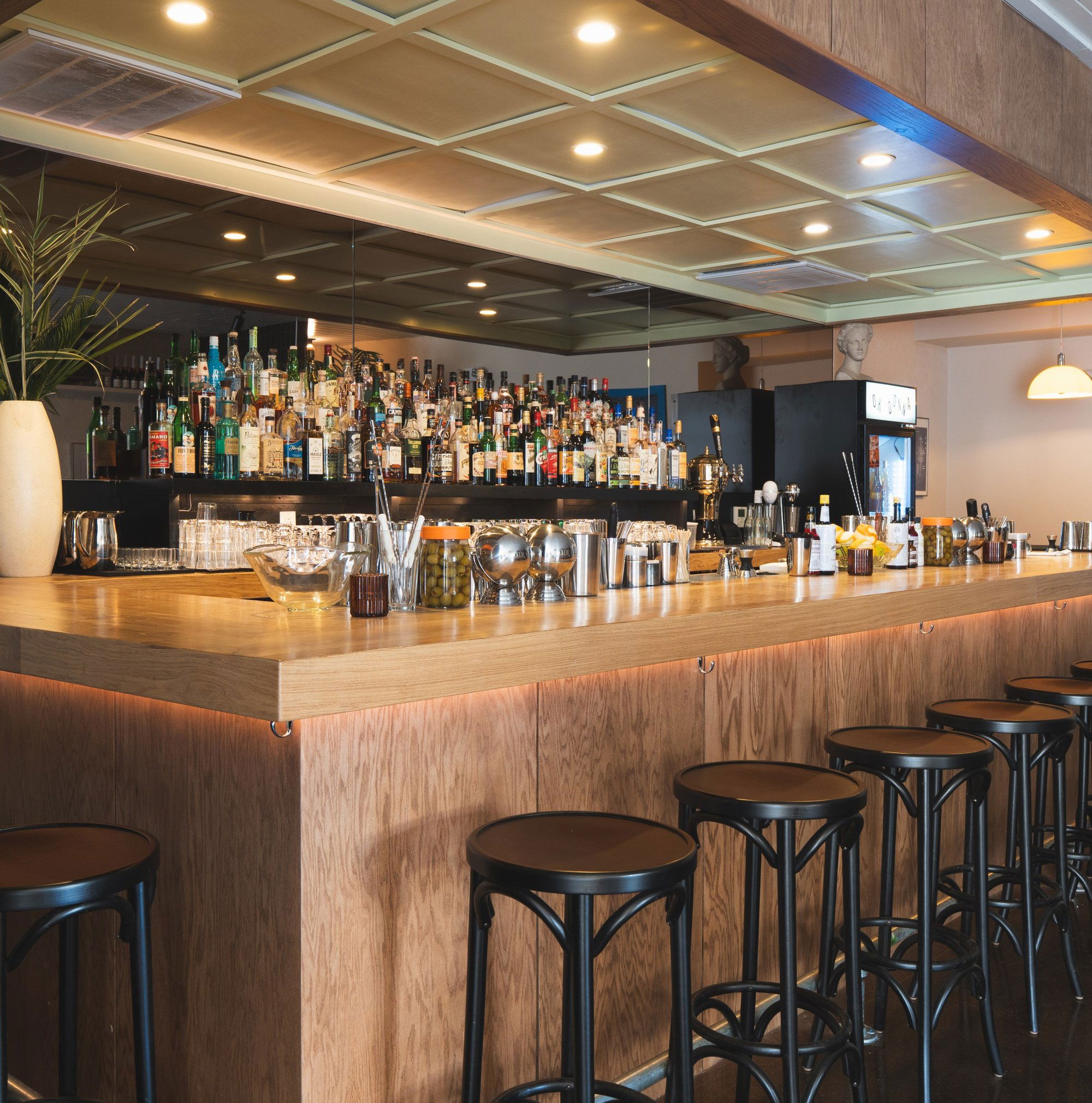
Bar Daniel occupies a particular tier in Charleston's bar scene: serious about its cocktail program without the theatrics that often accompany ambition at this level. The drinks lean precise and seasonal, the room reads intimate, and the overall register is calm confidence rather than spectacle. For a city whose bar culture has matured considerably over the past decade, Bar Daniel sits at a considered end of that spectrum.
Where Charleston's Cocktail Seriousness Gets Quiet
Charleston has spent the better part of a decade building a bar culture that punches beyond its size. The city that once defined its drinking life around bourbon-forward Southern staples and tourist-facing porch pours now sustains a tier of cocktail programs that would hold their own in New York or Chicago. Bar Daniel operates inside that upper register, and what distinguishes it from the more theatrical end of the Charleston scene is restraint. This is not a bar that announces itself loudly.
The physical approach matters here. Like the leading small American cocktail bars, Bar Daniel reads intimate before it reads impressive. There is no performative grandeur, no design element that exists to be photographed rather than experienced. The room invites the kind of attention that moves toward what's in the glass rather than what's behind the bar for display. That atmosphere is itself an editorial statement about what the program prioritizes.
The Cocktail Program: Technique Over Theatrics
Charleston's bar scene has matured in a way that mirrors broader national shifts. Through the 2010s, the dominant cocktail idiom across American cities was the speakeasy register: hidden doors, era cosplay, and drinks that leaned heavily on narrative rather than craft. That wave has receded. What replaced it, at least at the serious end, is a more transparent technical approach, where the drink itself carries the argument. Bar Daniel belongs to this later cohort.
The cocktail programs that earn sustained attention in mid-size American cities tend to share certain structural commitments: seasonal ingredient sourcing that connects to local agricultural rhythms, a base spirits selection that goes beyond the obvious call brands, and a format that allows bartenders to express a point of view without overwhelming the guest. These are not revolutionary ideas, but executing them consistently is harder than it looks, and most bars that attempt this register slide into either preciousness or mediocrity. The ones that hold the line, places like Kumiko in Chicago and Jewel of the South in New Orleans, tend to do so by keeping the guest experience primary rather than the concept.
Bar Daniel operates in this same discipline. The drinks are where the program's seriousness is most evident, built around technique and balance rather than the kind of theatrical presentation that photographs well but often drinks awkwardly. Across the American bar circuit, programs like Bar Leather Apron in Honolulu and Café La Trova in Miami have demonstrated that regional identity and technical ambition are not in tension. Bar Daniel draws on Charleston's own material, the low-country pantry, the coastal spirit tradition, the agricultural particularity of the South Carolina Lowcountry, without reducing those references to novelty garnishes.
Where Bar Daniel Sits in the Charleston Pecking Order
Charleston's bar scene is now layered enough to warrant real internal comparison. At the high-volume, high-energy end, you have venues built around their rooms as much as their drinks. The Cocktail Club has built its reputation on program depth and range. 39 Rue de Jean pairs its bar program with a French brasserie format that keeps the energy up. 82 Queen operates in the classic Charleston mode, where Southern hospitality and historic setting share weight with what's in the glass.
Bar Daniel positions itself differently from all of these. Its competitive peer set is not the high-traffic Charleston bar but the focused, smaller-format program that courts repeat visitors and local regulars over destination-seekers. Babas on Cannon occupies a similarly considered niche in the city's wine-forward drinking culture. Bar Daniel is the cocktail equivalent: deliberate, un-flashy, and more interested in what the drink does than in how the room reads on arrival.
That positioning maps to a national pattern. Across American cities with developed cocktail cultures, the most durable programs tend to be the ones that resist the pressure to scale theatrics alongside ambition. Superbueno in New York City and Julep in Houston both occupy this tier in their respective cities, where the bartender's craft is the point rather than the backdrop. Internationally, The Parlour in Frankfurt on the Main demonstrates how the same technical seriousness translates across very different cultural contexts. Bar Daniel fits that peer group more naturally than it fits the louder end of its home city.
The Guest Experience in Practice
The bars that sustain this register tend to be better at conversation than competition. The staff-to-guest ratio matters at this level: a bartender who can speak to the sourcing of a particular amaro or explain why a stirred drink works better cold than the menu might suggest is not a bonus feature but a structural part of the experience. The format rewards guests who engage with the program rather than those moving through quickly.
Practically, this means Bar Daniel rewards a slower visit. Arriving early in the evening, before the room fills, allows the kind of interaction with the bar team that turns a good drink into a considered one. The Charleston bar scene at this level does not typically require weeks-ahead reservations the way an omakase counter might, but showing up without a plan on a Friday or Saturday evening in peak season carries obvious risk. The city's tourism calendar, with its heavy spring and fall shoulder peaks, compresses demand across the better small bars in a way that makes timing worth thinking about.
For visitors working through Charleston's broader drinking scene, this bar sits at a natural complement to a dinner at one of the city's better Southern tables rather than as a standalone destination. The room and the program both support a post-dinner register better than a long pre-dinner session. See our full Charleston restaurants guide for how to build the broader evening.
Frequently Asked Questions
- Is Bar Daniel more low-key or high-energy?
- Bar Daniel reads definitively low-key. The room prioritizes intimacy over spectacle, and the cocktail program reflects that same preference for quiet precision over theatrical presentation. Charleston has no shortage of higher-energy drinking options across its bar tier, from the Cocktail Club to the livelier French Quarter venues, but Bar Daniel is not competing in that register. It is a bar for people who want to focus on what's in the glass.
- What should I try at Bar Daniel?
- Without fabricating specific menu items, the honest answer is to trust the bartender's recommendation and signal your preferences clearly. Programs at this level in Charleston tend to rotate seasonally and respond to what's available locally, so the most interesting option on any given visit may not be the most obvious one. Ask what's working right now. Bars in this tier, like Jewel of the South in New Orleans, reward that kind of direct dialogue.
- What's the main draw of Bar Daniel?
- The draw is a cocktail program that treats technical craft as the primary argument rather than an atmosphere or a concept. In a city where the bar scene has matured considerably, Bar Daniel represents the quieter, more considered end of that maturity: a place where the drink itself is the event, and the room exists to support that rather than compete with it.
- How does Bar Daniel compare to other serious cocktail bars in the American South?
- Bar Daniel operates in the same general tier as the handful of Southern bars that have built reputations on consistent craft rather than on a single signature concept or press moment. That peer set includes Jewel of the South in New Orleans, which brought James Beard-level recognition to the format, and Julep in Houston, known for its Southern spirits focus. Bar Daniel's Charleston context gives it a distinct local material to work with, from Lowcountry ingredients to the particular hospitality register the city has long cultivated, but the underlying commitment to technique over spectacle places it inside this broader Southern craft cohort.
Location
Charleston, United States
Explore Charleston
Save or rate Bar Daniel on Pearl
Keep this venue in your Pearl passport, rate it after you visit, and track it alongside every other place you collect.