
Bar in Castellina in Chianti, Italy
Fonterutoli
100ptsChianti Classico Estate Tradition
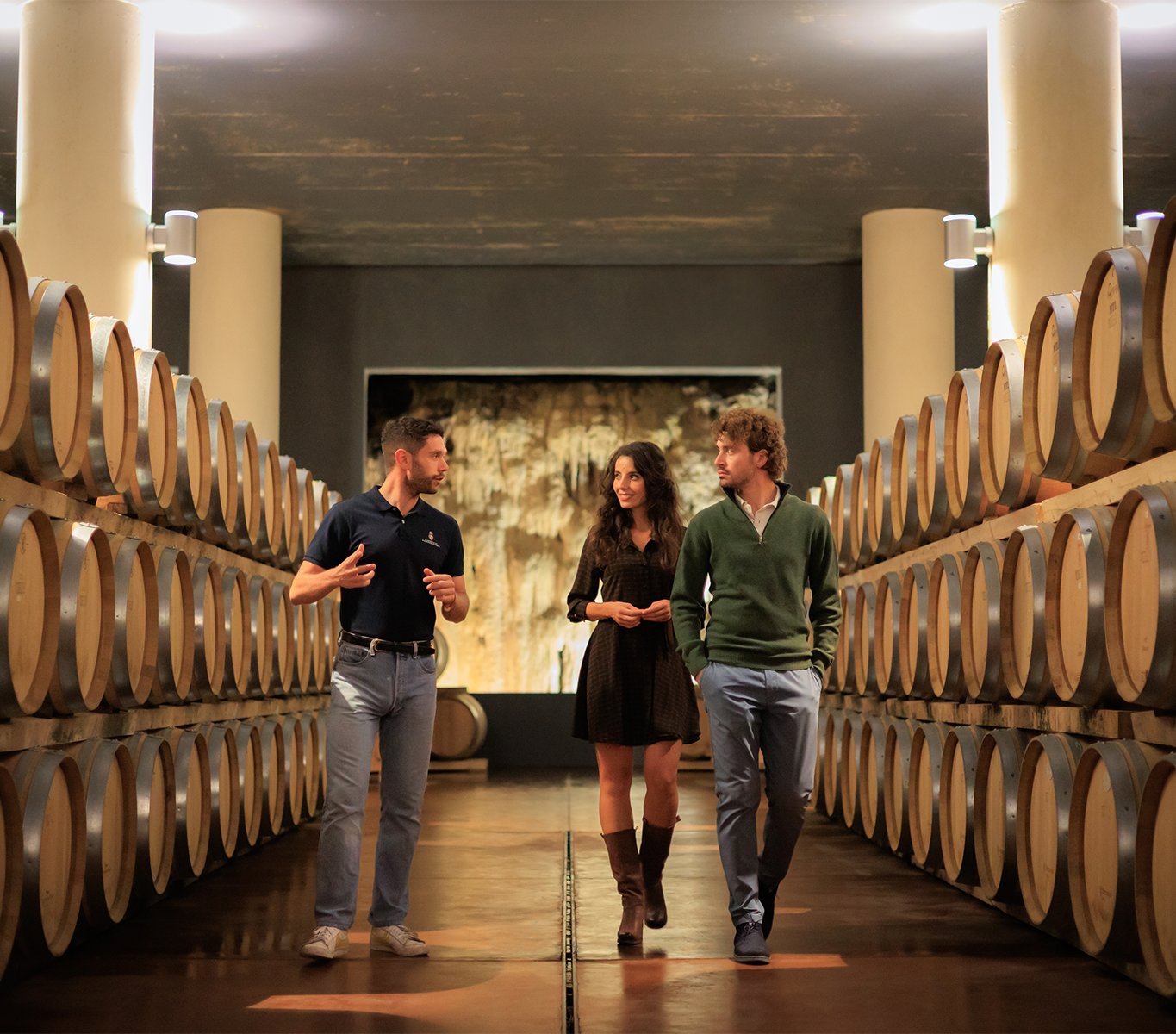
About Fonterutoli
Fonterutoli sits in Castellina in Chianti, deep in Siena province, where the Chianti Classico tradition frames every pour and every plate. The address alone signals a particular kind of seriousness: this is estate country, where wine and food are inseparable from the land they come from. For visitors arriving from Florence or Siena, it represents a more grounded, territory-rooted experience than anything the cities offer.
Wine Country Drinking: What Fonterutoli Signals About Castellina's Approach
Castellina in Chianti occupies a specific position in the Italian drinking map that often gets collapsed into the broader Tuscany category, losing its particular character in the process. The Siena province communes along the Via Cassia, including Castellina, sit inside the Chianti Classico denomination's historical heartland, which means the relationship between producer, land, and glass here is more tightly drawn than in most of Italy. Venues that operate in this territory, whether as enoteca, bar, or dining destination, tend to reflect that specificity. The wine list is rarely decorative. It functions as a statement of local allegiance. Our full Castellina in Chianti restaurants guide maps the broader territory for visitors planning a longer stay.
Fonterutoli, addressed within the boundaries of Castellina in Chianti at 53011 in the Province of Siena, operates in this context. Understanding what a venue here means requires understanding what this part of Tuscany values: restraint over performance, territorial depth over cosmopolitan range, and a drink program that earns its credibility through provenance rather than technique-for-its-own-sake.
The Atmosphere Coming In
Arriving in Castellina in Chianti from either Florence or Siena, the shift from urban to rural is abrupt. The provincial road passes through cypress-lined ridgelines, vineyards in various stages depending on season, and the occasional stone village that has resisted the homogenizing pressure applied to more tourist-accessible Tuscan towns. The village of Fonterutoli itself, which shares its name with the address, is one of the smallest and most intact medieval hamlets in the zone: a cluster of stone buildings, a piazza that functions on a human rather than spectacle scale, and an immediate sense that this place did not configure itself around visitor expectations.
That physical environment shapes what a drink or meal here feels like before any service begins. In the way that Gucci Giardino in Florence calibrates its atmosphere to the Florentine luxury design context, or Fauno Bar in Sorrento reads directly off the Piazza Tasso energy, a venue in Fonterutoli draws its atmosphere from the surrounding agricultural landscape and its centuries of wine culture. The experience begins in the approach, not just at the table.
The Drink Program in Chianti Classico Country
Italian bar culture has split along a fairly clear axis over the past decade. On one side are the technically ambitious urban programs, represented by places like Drink Kong in Rome, 1930 in Milan, or L'Antiquario in Naples, where the cocktail program is the central proposition and spirits knowledge is the primary credential. On the other side are territory-rooted venues where the wine list, the amaro selection, and the aperitivo format carry the weight, and where cocktail ambition, if it exists at all, is filtered through local product rather than international technique.
Castellina in Chianti sits firmly on the second side of that divide. A drinks program in this context is intelligible only if it connects to Sangiovese-based production, to the Chianti Classico DOCG and its crus, to the amari and grappas produced within the broader Tuscan region, and to the aperitivo rhythm that precedes rather than replaces food. That is not a limitation. It is a discipline, and it produces a different kind of authority from the clarified-and-carbonated ambition of a Lost and Found in Nicosia or the natural-wine enoteca depth of Enoteca Storica Faccioli in Bologna. Each represents a coherent position. Fonterutoli's position is anchored in place.
The Mazzei family, among the oldest documented noble families in Tuscany and associated with wine production in Castellina in Chianti for centuries, is the dominant estate presence in this village. That estate history sets the frame for any wine-related experience in the area: the pours reference a specific lineage, a specific denomination, and a specific argument about how Sangiovese expresses itself in this soil type at this elevation. The aperitivo hour, if followed properly in this part of Chianti, begins with a local Vermentino or a lighter Chianti Classico, not a Negroni or a Spritz, though regional amaro-based aperitivi are entirely consistent with the territory.
What Regulars Order and Why It Matters
In estate village contexts across Tuscany, regular ordering patterns reveal more about the venue's identity than any menu description. Visitors arriving without local knowledge tend to default to tourist-pattern orders. Those who understand the territory go to the wine. In Chianti Classico country, that means Sangiovese across different production philosophies: the traditional approach that emphasizes dried fruit and leather at age, the modernist approach that prioritizes structure and primary fruit, and the increasingly prevalent Gran Selezione tier, introduced to the DOCG in 2014, which competes with Brunello and Bolgheri at the premium end of Tuscan red wine.
Comparable territory-rooted venues across Italy, from Al Covino in Venice to Cascate del Mulino in Manciano, share the same organizational principle: what you order should reflect what grows or is produced nearby, and the venue's credibility rests on how well it communicates that connection. In Fonterutoli, that connection is geographic rather than aspirational.
Planning a Visit: Practical Notes
Castellina in Chianti sits roughly 20 kilometres north of Siena and approximately 35 kilometres south of Florence, making it accessible by car from both cities in under an hour. Public transport options are limited, and the surrounding terrain makes self-driving the functional approach for most visitors. The Chianti Classico zone is most visited between late spring and early autumn, when vineyard access and outdoor dining are both viable, but autumn harvest season (late September through October) carries particular significance for anyone interested in how this wine is made. Booking ahead, where that option exists, is advisable during peak Tuscan season, particularly August and the early September period when Florentine and Sienese visitors combine with international traffic on the same small-village roads.
For visitors building a broader Italian bar and drinks itinerary, it is worth noting the contrast between this rural estate-village experience and the urban programs that define Italy's cocktail conversation. Bistrot Torrefazione Samambaia in Turin and Bar Leather Apron in Honolulu represent entirely different orientations, but understanding the full range of what serious drinking looks like across formats and geographies makes any single experience more legible. Fonterutoli's version of seriousness is territorial and slow. It rewards visitors who arrive with time rather than urgency.
Frequently Asked Questions
- What should I expect atmosphere-wise at Fonterutoli?
- If you are arriving expecting an urban bar experience with a curated cocktail list, adjust expectations before the drive. Fonterutoli is a medieval hamlet in the Siena province, and the atmosphere reflects agricultural Chianti rather than city dining culture. The environment is low-key, place-anchored, and oriented around wine and food in a territorial rather than trend-driven sense. It suits visitors who find meaning in context rather than performance.
- What do regulars order at Fonterutoli?
- Given the estate wine context of the Chianti Classico denomination that surrounds this address, Sangiovese-based wine in its various expressions is the organizing principle. The denomination's Gran Selezione tier, introduced in 2014 as the DOCG's leading classification, is the reference point for serious ordering, but the full range from entry-level Chianti Classico to Riserva reflects the territory's breadth. Food follows the same local-produce logic: Tuscan salumi, aged pecorino, and seasonal preparations tied to what the Siena province grows.
- What's the defining thing about Fonterutoli?
- The defining quality is geographic specificity. This is not a venue that exists independently of its location: the address in the Province of Siena, inside the Chianti Classico heartland, and within a hamlet whose identity is inseparable from centuries of wine production, determines what you drink, how it is framed, and what the experience means. Visitors for whom place-rooted drinking is the point will find that premise consistently delivered here.
- Is Fonterutoli suitable for visitors primarily interested in Chianti Classico wine tourism rather than cocktails?
- Castellina in Chianti, and the Fonterutoli address specifically, sits at the center of Chianti Classico DOCG production, making it a natural base for wine-focused visitors rather than cocktail-program seekers. The estate context and the denomination's history, including the Gran Selezione classification, give wine tourism here a depth that urban venues cannot replicate. Visitors interested in understanding how Sangiovese expresses itself in the Siena province's specific soils and elevations will find this geography more instructive than any city wine bar.
Related editorial
- Best Fine Dining Restaurants in ParisFrom three-Michelin-star icons to the next generation of Parisian chefs pushing boundaries, these are the restaurants that define fine dining in the world's culinary capital.
- Best Luxury Hotels in RomeFrom rooftop terraces overlooking ancient ruins to Michelin-starred hotel dining, these are the luxury hotels that make Rome unforgettable.
- Best Cocktail Bars in KyotoFrom sleek lounges to hidden speakeasies, Kyoto's cocktail scene blends Japanese precision with global influence in ways you won't find anywhere else.
Save or rate Fonterutoli on Pearl
Keep this venue in your Pearl passport, rate it after you visit, and track it alongside every other place you collect.