
Bar in Cartagena, Colombia
Lobo de Mar
100ptsColombian Caribbean Sourcing
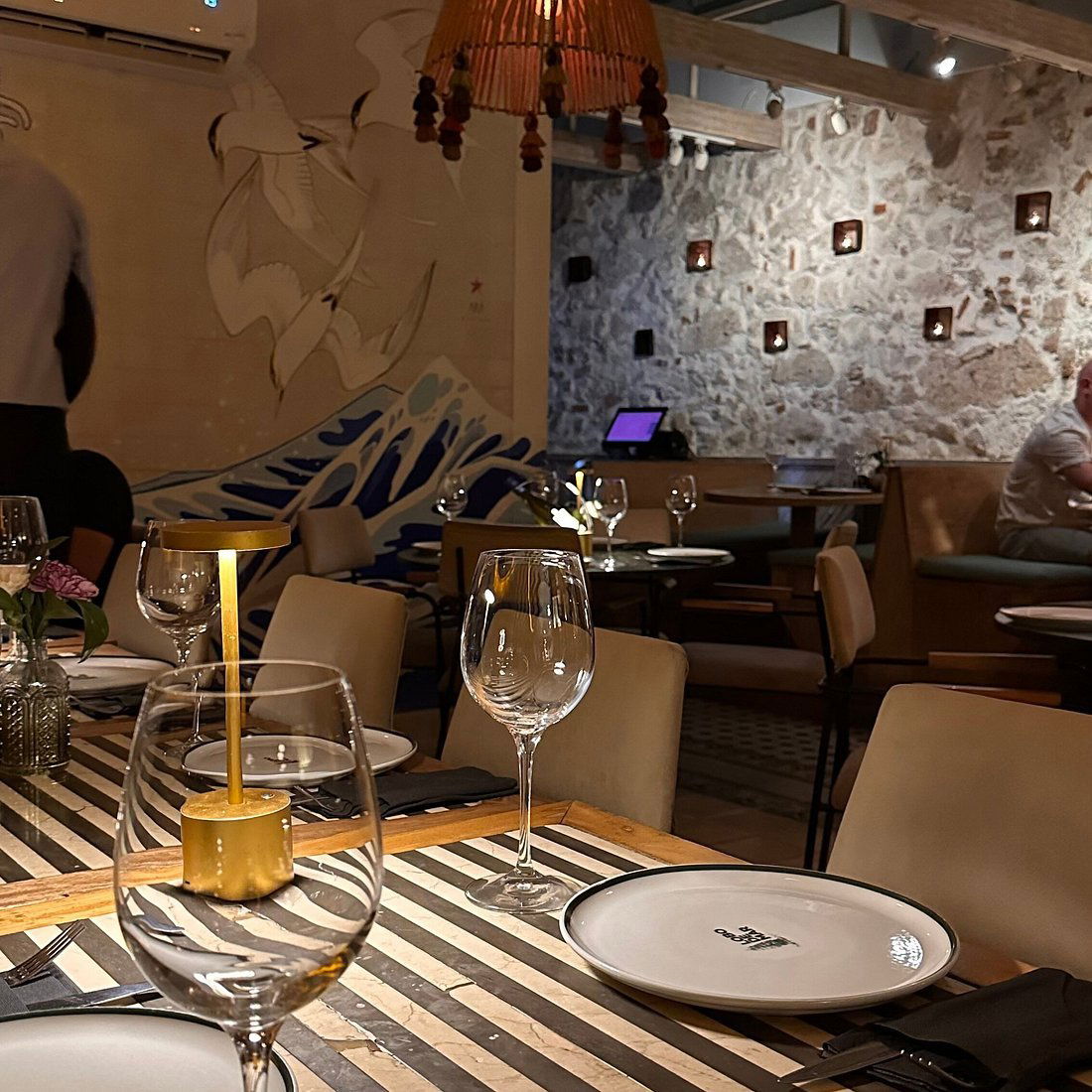
About Lobo de Mar
Lobo de Mar occupies a Colonial-era address in Cartagena's Centro, where the Caribbean coast's ingredient culture shapes what arrives at the table. In a city where the line between bar and kitchen has blurred across a generation of ambitious openings, this address on Calle del Santísimo holds its position through a grounding in coastal sourcing. A practical entry point for the Walled City's more considered drinking and eating scene.
Where the Caribbean Coast Meets the Glass
Calle del Santísimo runs through Cartagena's Centro Histórico like a condensed lesson in the city's architectural memory: thick whitewashed walls, wrought-iron balconies trailing bougainvillea, colonial doorways that open onto something you didn't expect. Lobo de Mar sits at number 8-15 along this corridor, and the address does half the contextual work before you've ordered anything. The building's proportions, the quality of light in the late afternoon, the sounds filtering in from the street — these are conditions the Walled City imposes on every operator who opens inside it, and they shape the experience more than any single design decision.
That physical context matters because Cartagena's Centro has spent the past decade developing a more demanding hospitality identity. The city has moved well past its postcard moment: openings like Alquímico put the Walled City on international cocktail shortlists, and that recognition raised the floor for everyone operating nearby. Lobo de Mar enters this environment with the name of the sea wolf — a creature associated with Colombian coastal folklore , and a location that places it squarely in the district's premium tier.
Sourcing as the Starting Point
The Colombian Caribbean coast runs from the Gulf of Urabá east toward the Guajira Peninsula, and that stretch of water and coastline produces an ingredient catalogue that most of the world's premium bar and kitchen programs would find competitive. Lobo de Mar's address in Cartagena means access to fish markets where the catch arrives same-day, tropical fruits that don't exist in meaningful form outside the region, and a botanical range that gives bartenders and cooks material that European or North American operations would need to import at significant cost and quality loss.
This sourcing reality is worth pausing on, because it explains why Cartagena's more considered operators consistently outperform their price point relative to peer cities. When a bar on Calle del Santísimo reaches for a corozo , the small, tart fruit from the corozo palm , it's reaching for something harvested close enough to have texture and acidity that a bottled product cannot replicate. The same logic applies to fresh coconut, níspero, tamarind, and the range of tropical aromatics that appear across the Centro's better programs. Bar Lelarge, operating nearby with a focus on local and seasonal fruits and Cuban influence, demonstrates how that sourcing philosophy can anchor an entire program's identity.
Lobo de Mar's name signals an orientation toward the sea, which in Cartagena's context means both the Caribbean itself and the cultural traditions built around it. The coast's influence on what gets poured and plated here isn't a styling choice , it's a supply chain reality that operators either commit to or sidestep in favor of more predictable international inputs.
The Centro's Competitive Field
Any reading of Lobo de Mar requires a clear picture of who it's operating beside. The Walled City has developed a layered bar and dining ecosystem over the past several years, with distinct tiers operating simultaneously. At the leading of the recognition hierarchy sits Alquímico, which has appeared on global cocktail rankings and draws visitors from outside Colombia specifically to drink there. One tier down are the neighborhood-embedded operators: Demente BAR TAPAS with its hybrid bar-kitchen format, and Atrio serving the hotel-adjacent crowd with international fare and drinks. Each occupies a distinct position, and together they create a district dense enough to support multiple visits over a short stay.
Lobo de Mar's Calle del Santísimo address places it in the heart of this ecosystem rather than at its periphery. That positioning carries competitive pressure but also a form of endorsement: the Centro's real estate economics mean that operators in this corridor are accountable to a high-traffic, high-expectation clientele that includes sophisticated domestic travelers from Bogotá and Medellín alongside international visitors.
For comparative context across Colombia, the coastal ingredient focus that distinguishes Cartagena's better operators contrasts with the more urban-cosmopolitan programs found at venues like La Sala de Laura in Bogotá or Bar Carmen in Medellín. The Caribbean coast's raw material advantage is genuinely distinct, and Cartagena operators who use it well are making something that can't be replicated inland. Internationally, the closest parallel programs , operations built around indigenous coastal ingredients and daily-harvest sourcing , appear in places like Honolulu's Bar Leather Apron and the ingredient-first approach championed by Jewel of the South in New Orleans, though the botanical and tropical range available in Cartagena has no direct equivalent in either of those markets.
Planning Your Visit
Lobo de Mar occupies Centro, Calle del Santísimo #8-15 in the Walled City, which is walkable from the major hotel clusters in Getsemaní and the Centro Histórico itself. The Walled City's compact geography means that a single evening can reasonably include Lobo de Mar alongside other stops on the same circuit. The Centro's bars and restaurants run later on weekends, and the shoulder period between sunset and 9pm tends to be the most comfortable window in terms of both temperature and crowd density.
Booking availability and current hours are worth confirming before arrival, as Centro operators adjust their schedules seasonally and around Cartagena's event calendar. For a fuller picture of what the city's eating and drinking scene currently offers, see our full Cartagena restaurants guide, which maps the Walled City's tiers and covers neighborhoods beyond the Centro. Those traveling along the coast may also find useful context in the broader regional scene: BK Burukuka in Santa Marta represents the sunset-facing, coastal-ingredient model as it operates further east along the Caribbean, while La Troja in Barranquilla shows how the coast's cultural traditions translate into a very different city context. For those building a wider Americas itinerary, Julep in Houston rounds out the Gulf-adjacent drinking circuit with its own regional sourcing philosophy.
Frequently Asked Questions
- What's the signature drink at Lobo de Mar?
- Specific menu details aren't confirmed in our current data, but the venue's name and coastal orientation suggest a program built around Caribbean-sourced ingredients. Cartagena's better operators in this address tier typically work with local tropical fruits, regional spirits, and fresh aromatics that reflect the city's proximity to both the sea and the interior lowlands. Confirming current offerings directly with the venue before your visit is advisable.
- What makes Lobo de Mar worth visiting?
- The combination of a Colonial address on Calle del Santísimo and a name that anchors the operation in Caribbean coastal identity places it within Cartagena's more considered hospitality tier. In a district where Alquímico has set an internationally recognized benchmark and operators like Demente and Bar Lelarge have developed distinct program identities, a venue at this address is operating in a competitive environment that tends to produce higher overall quality. The Centro's sourcing access to fresh tropical and coastal ingredients adds a material advantage that operators in other cities cannot easily match.
- How far ahead should I plan for Lobo de Mar?
- Confirmed booking policies aren't available in our current data. In the Centro Histórico generally, popular operators fill quickly around Cartagena's high season (December through March) and during festival periods. Contacting the venue directly ahead of your trip is advisable, particularly for weekend evenings when the Walled City's hospitality corridor operates at capacity.
- What's the leading use case for Lobo de Mar?
- If you're spending two or more evenings in Cartagena's Walled City and want to work through the Centro's layered bar and dining circuit, Lobo de Mar fits as part of a multi-stop evening that might also include Alquímico for cocktail benchmarking and Bar Lelarge for a local-fruit-forward comparison. The Calle del Santísimo address is walkable within the broader Centro circuit, making it a logical component of a considered night rather than a standalone destination requiring specific planning.
- Does Lobo de Mar focus on Colombian coastal cuisine specifically, or is it a broader concept?
- The venue's name references the sea wolf of Colombian Caribbean folklore, signaling an orientation toward the coast rather than a generalist concept. Cartagena's Centro operators at this address tier increasingly anchor their identities in regional specificity , using the Caribbean's botanical range, daily-catch seafood, and lowland agricultural products , as a differentiator against more internationally templated programs. That regional grounding is the dominant pattern among the Walled City's more recognized openings, and Lobo de Mar's naming and location are consistent with that positioning.
Related editorial
- Best Fine Dining Restaurants in ParisFrom three-Michelin-star icons to the next generation of Parisian chefs pushing boundaries, these are the restaurants that define fine dining in the world's culinary capital.
- Best Luxury Hotels in RomeFrom rooftop terraces overlooking ancient ruins to Michelin-starred hotel dining, these are the luxury hotels that make Rome unforgettable.
- Best Cocktail Bars in KyotoFrom sleek lounges to hidden speakeasies, Kyoto's cocktail scene blends Japanese precision with global influence in ways you won't find anywhere else.
Save or rate Lobo de Mar on Pearl
Keep this venue in your Pearl passport, rate it after you visit, and track it alongside every other place you collect.