
Publik Wine Bar
Higgovale, Cape Town
Bar in Cape Town, South Africa
 Book with Pearl
The Read
Price
$20–30per person
Why go
Publik Wine Bar is the Cape Town pick when the night is wine-led, small-scale, and conversation-friendly. The 2026 Star Wine List recognition gives it a useful trust signal, and the easy booking profile makes it lower-risk than more scene-driven bars. Skip it if the priority is cocktails, dinner, or a larger group night.
About Publik Wine Bar
Publik Wine Bar is a Cape Town option to consider when you want a wine bar rather than a broader restaurant or late-night venue. It keeps evening hours from Monday to Friday, opens earlier on Saturday, closes on Sunday, and lists a smart casual dress code.
For first-timers, the clearest external signal is its Star Wine List recognition for 2026. That makes Publik Wine Bar a useful choice for guests specifically comparing wine-bar options in Cape Town. If the night calls for a different style of bar, Asoka, Planet Bar, The Power & The Glory, Vine & Dandy, or Yours Truly may suit a different mood.
A Cape Town wine-bar choice with recognition
Publik Wine Bar is a Cape Town wine bar with Star Wine List recognition for 2026. Use the hours as the main planning anchor. Publik Wine Bar is open Monday to Friday from 4–11 PM, Saturday from 3–8 PM, and closed on Sunday. For a wider scan before committing, use our full Cape Town bars guide alongside our full Cape Town restaurants guide if dinner is part of the plan.
Who should choose it, and who should skip it
Choose Publik Wine Bar if you are looking for a Cape Town wine bar with evening opening hours and a smart casual dress code. Skip it if you need a Sunday option, lunch service, or confirmed details on food, seating, group capacity, or outdoor space before booking.
For broader trip planning, our full Cape Town hotels guide can sit alongside your bar and restaurant research. Here, the decision is narrower: pick Publik Wine Bar when its Cape Town location, evening hours, smart casual dress code, and Star Wine List 2026 recognition match the kind of stop you want.
Planning details
- Location
- 11d Kloof Nek Rd, Tamboerskloof, Cape Town, 8001, South Africa
- Website
- publik.co.za
The take
The Take
The Vibe
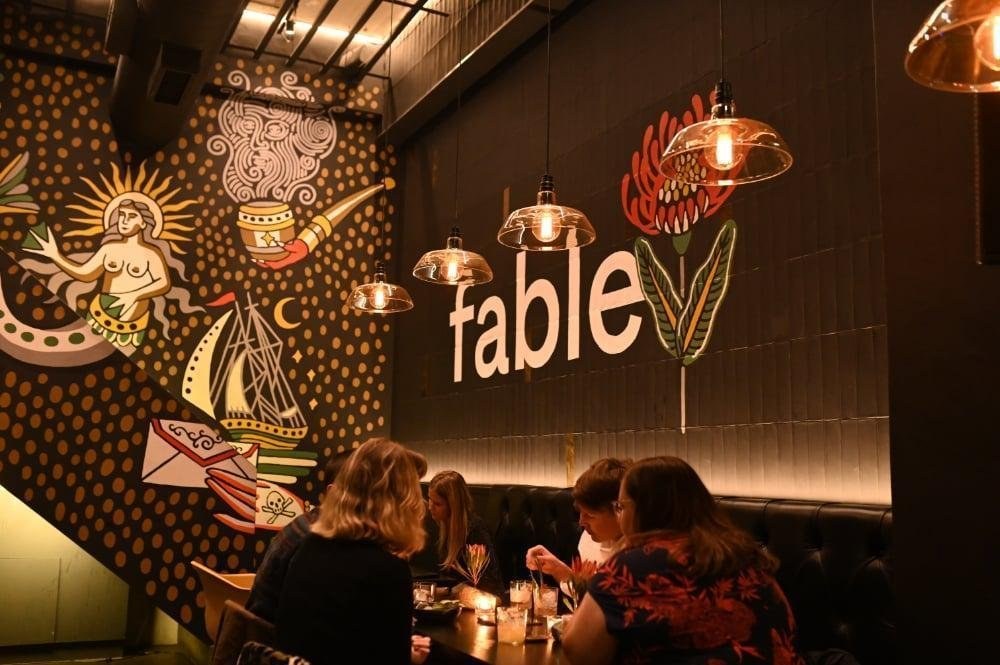
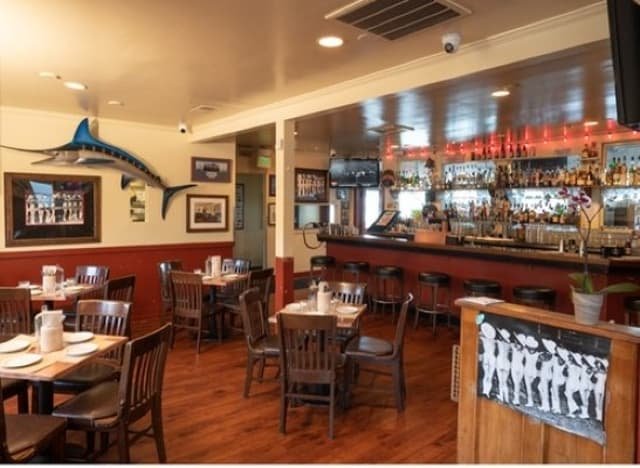
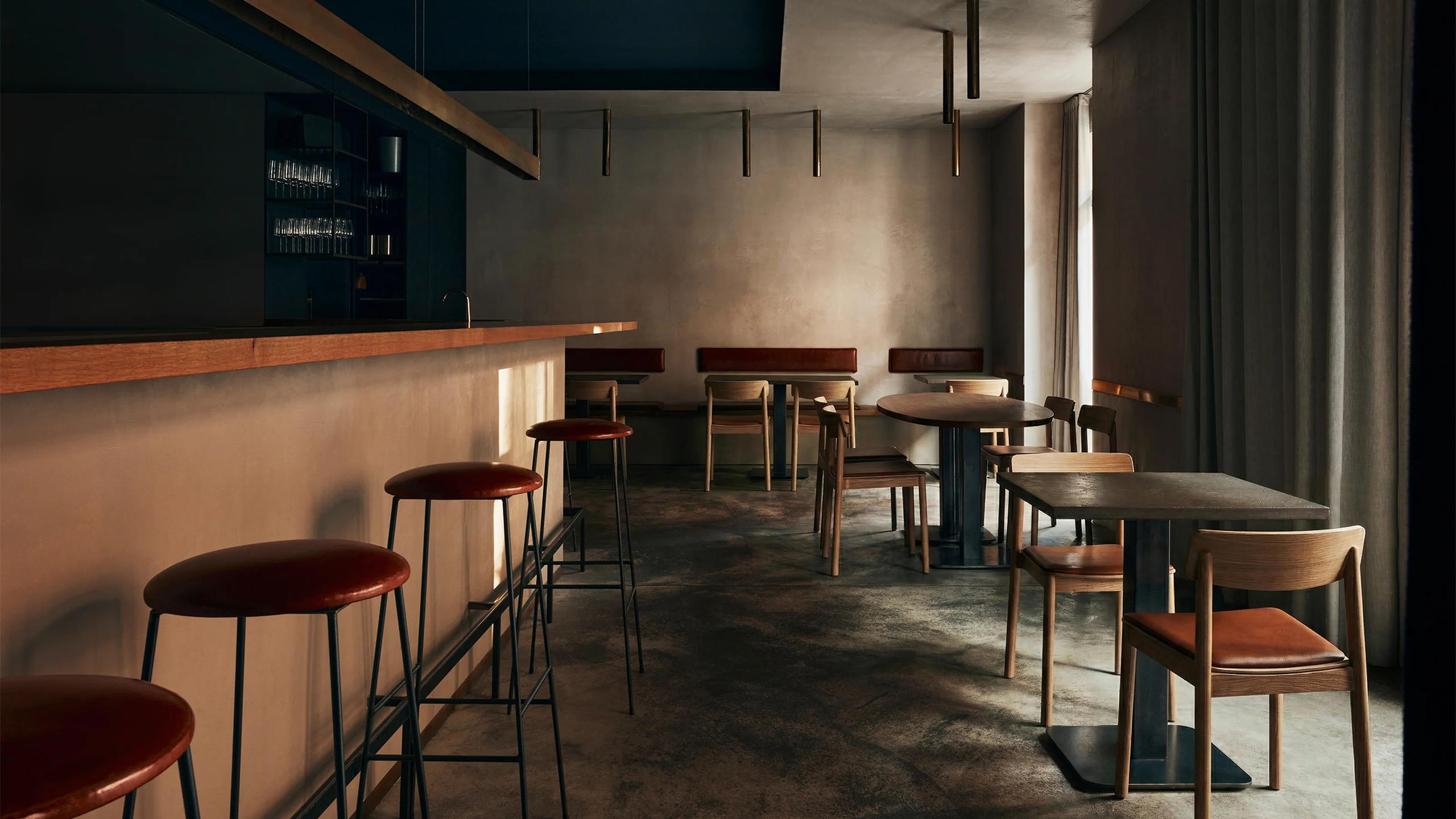
Publik Wine Bar trades spectacle for discipline: the room is deliberately unassuming and the emphasis is on wine rather than theatrics. Located on Kloof Nek, it draws a local, trade-savvy crowd — winemakers, sommeliers and importers — which gives the place a quietly serious, insider energy. Service and design favor restraint over flash, so the bar feels like a classic neighborhood institution for people who know bottles and labels. If you visit, expect a compact, low-key space where conversation and tasting take precedence over scene-making.
Best For
Publik is best for evenings when the focus is on tasting and conversation. The clientele and programming skew toward professionals and committed wine drinkers, so it suits date nights for couples who prefer a restrained setting, after-work drinks with colleagues, or visits by people keen to explore South African wines. Because the bar attracts industry visitors and guests working through flights, it also works well for anyone looking for a more serious, educational sip rather than a loud night out.
Ordering Tips
Ask for guidance and consider a flight or curated pours: the description notes guests working through flights and a list that is distinctly South African, so the staff expect to talk through bottles. Keep the request focused — the bar's authority is vinous and local — and mention producers or styles you like to get pointed recommendations. Given the insider clientele, bartenders and sommeliers are likely to offer thoughtful context rather than showy cocktails, so lean into tasting and conversation.
Venue details
Ambiance
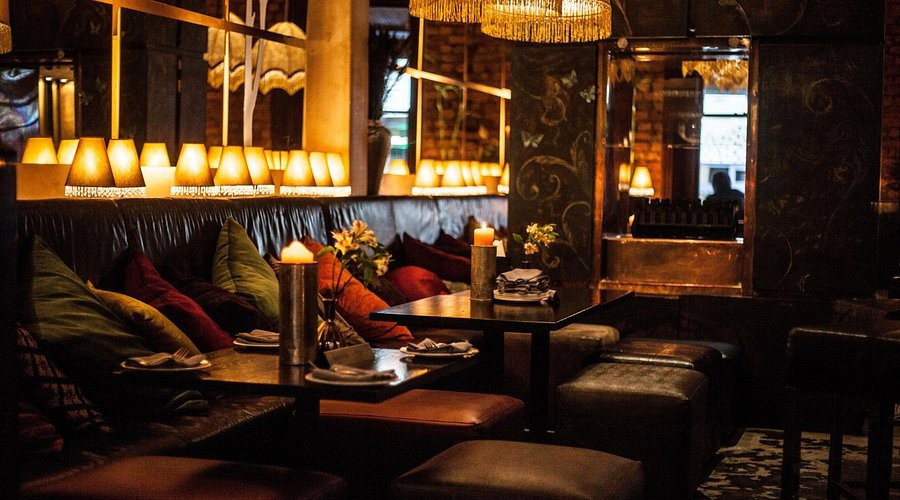
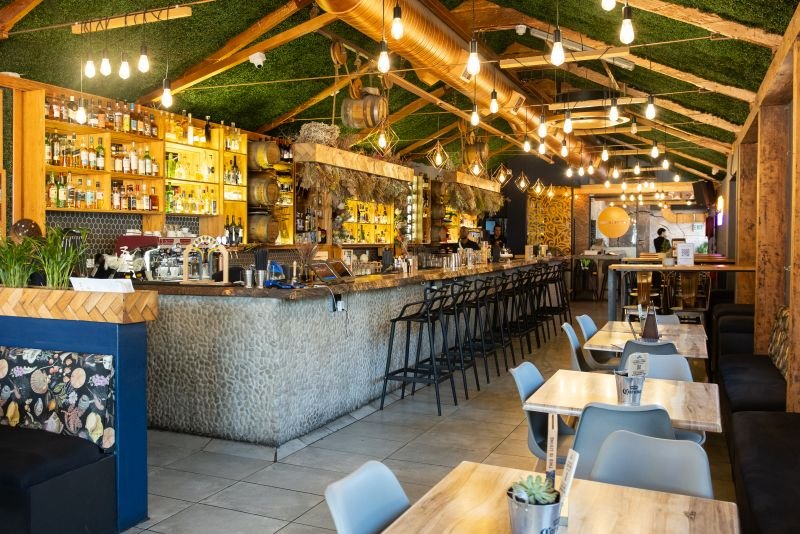
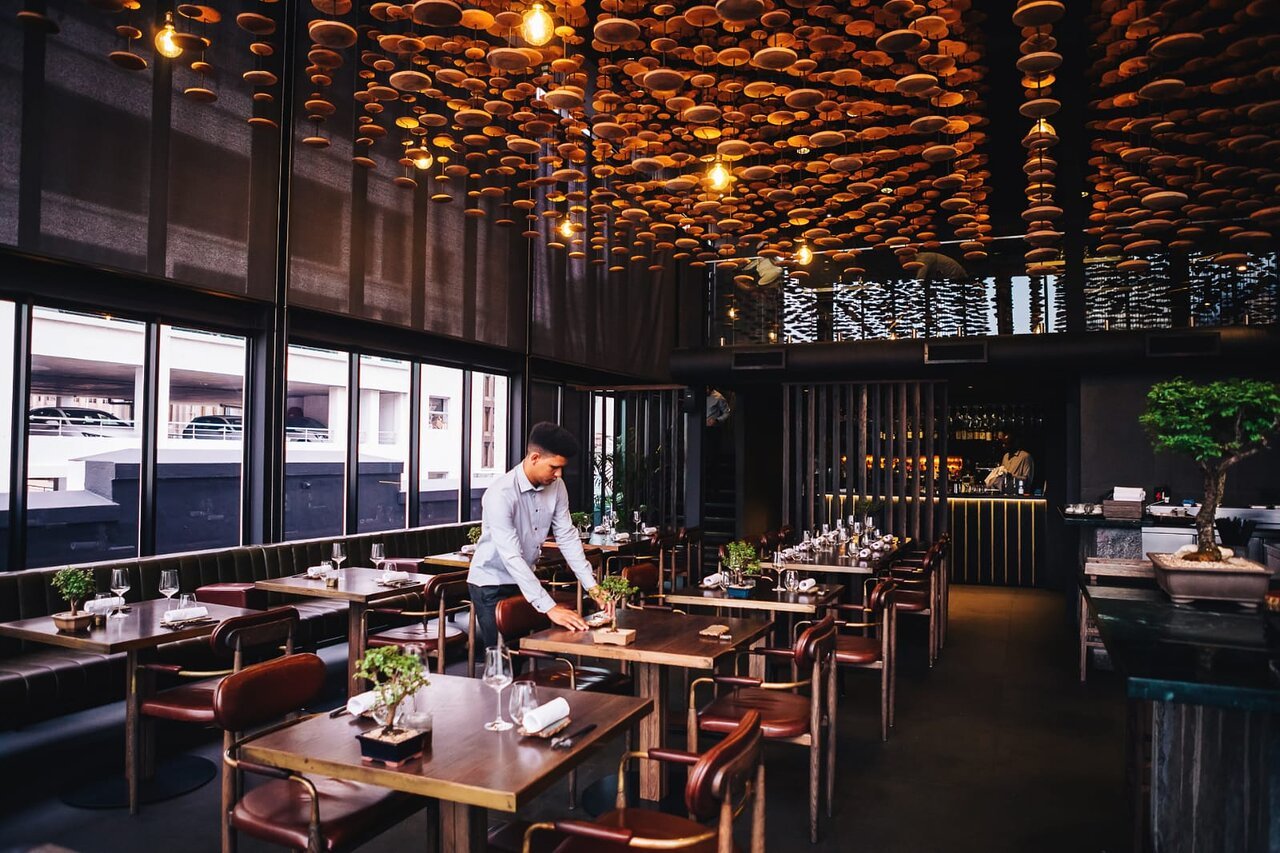
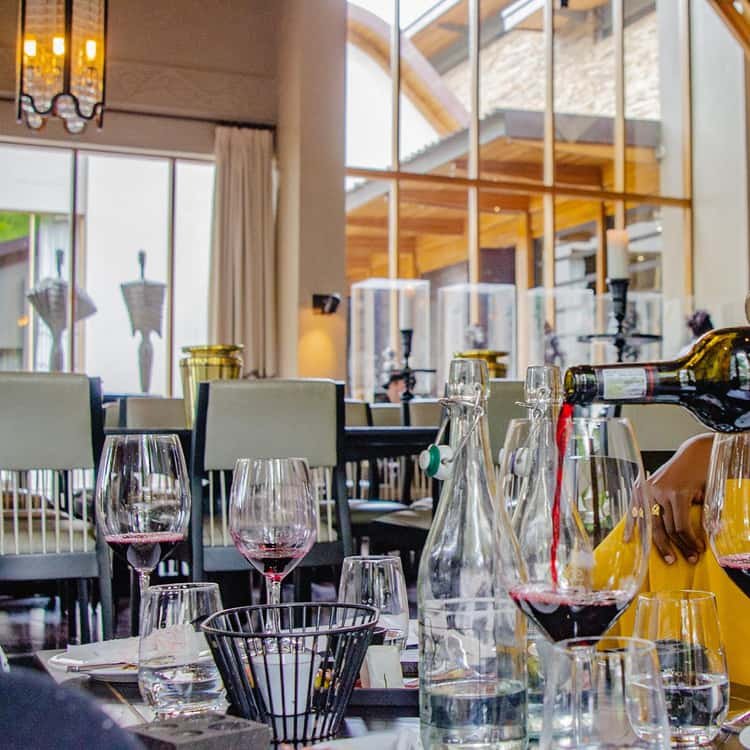
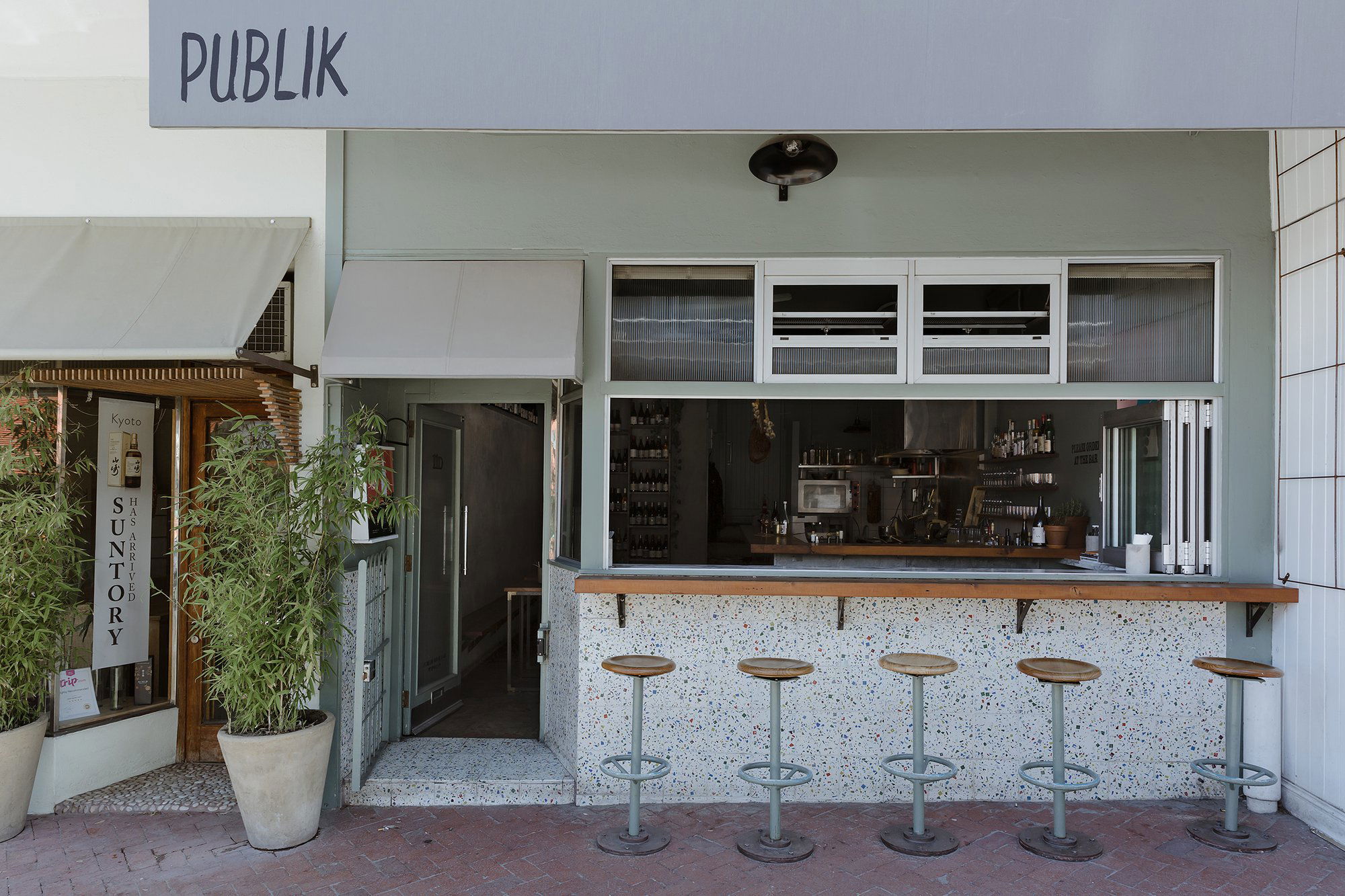
Industrial with concrete walls and metal accents, casual sophistication evoking small-town Spain or Portugal, warm and compact with a cool, buzzy vibe.
Tags
Vibe
Best For
Experience
Format
At the Bar
- Bar Category
- Wine Bar
- Late Night
- Closes by Midnight
Know before you go
Know Before You Go
- Getting there
- 11d Kloof Nek Rd, Tamboerskloof, Cape Town, 8001, South Africa
Planning details
Location
11d Kloof Nek Rd, Tamboerskloof, Cape Town, 8001, South Africa · Directions
Recognition and awards

Also consider
Also Consider
- The Power & The Glory, Notable alternative
- Yours Truly, Notable alternative
- Asoka, Notable alternative
- Vine & Dandy, Notable alternative
- Planet Bar, Notable alternative
Bar context
How It Compares
The Power & The Glory is the better call for a looser neighbourhood-bar mood, while Publik Wine Bar is the sharper choice when wine selection is the reason for going. For value, Publik is easier to justify if the group cares about what is in the glass rather than a broader social scene.
Yours Truly suits a more casual, drop-in crowd; Asoka is better for a dressed-up night with more atmosphere and late-evening energy. Publik is the quieter recommendation for first drinks, dates, and smaller groups that want less noise around the decision.
Vine & Dandy is the closest cross-shop for wine-minded drinkers, so compare based on location and the kind of room wanted that night. Planet Bar is the hotel-lounge alternative: better for polish and occasion drinks, less compelling if the priority is an independent wine-bar feel.
Around this place
Discover more on Pearl
Unlock the full Publik Wine Bar guide in Pearl, including awards, comparisons, FAQs, planning details, and nearby places.
Compare Publik Wine Bar
| Venue | Location | Awards |
|---|---|---|
| Publik Wine Bar | Cape Town | Star Wine Lists 2026 |
| The Power & The Glory | Cape Town | No published awards |
| Yours Truly | Cape Town | No published awards |
| Asoka | Cape Town | 2012 World's 50 Best Bars · #502009 World's 50 Best Bars · #45 |
| Vine & Dandy | Cape Town | No published awards |
| Planet Bar | Cape Town | 2010 World's 50 Best Bars · #292009 World's 50 Best Bars · #43 |

How Publik Wine Bar Cape Town compares with similar nearby venues.
FAQ
Frequently Asked Questions
What's the crowd like at Publik Wine Bar?
Publik Wine Bar is a Cape Town wine bar with Star Wine List recognition for 2026, so it is best approached as a wine-bar stop rather than assuming a particular scene or atmosphere.
Is the food good at Publik Wine Bar?
What's the best time to go to Publik Wine Bar?
Use the hours to plan: Monday to Friday from 4–11 PM, Saturday from 3–8 PM, and closed on Sunday. If timing, availability, or a specific kind of visit matters, confirm directly with the venue before you go.
Is Publik Wine Bar good for a date?
It may suit a date if you want a Cape Town wine-bar setting with smart casual dress, but specific atmosphere, seating, and noise-level details are not available. Check current details if those factors matter.
Is Publik Wine Bar good for groups?
If you are planning for a group, contact Publik Wine Bar directly; you can also compare the evening with The Power & The Glory or Vine & Dandy for a different bar option.
Does Publik Wine Bar have outdoor seating?
If alfresco seating matters, check Publik Wine Bar's official channels before visiting, or compare with another option such as The Power & The Glory or Asoka.