
Naranjo
Chacarrita, Buenos Aires
Bar in Buenos Aires, Argentina
 Book with Pearl
The Read
Price
$30–50per person
Why go
Naranjo is the Buenos Aires pick when wine is the main reason to go, not just a supporting drink before dinner. Choose it for an easy Palermo date or small-group night with a wine-first focus; look to 878 Bar or Frank's if the plan needs cocktails, or Anchoita Cava if the cellar experience should be more meal-led.
About Naranjo
Naranjo is a Buenos Aires venue with Star Wine List (2026) recognition, casual dress, and evening hours most of the week. Its schedule is Monday through Friday from 6 PM to 12 AM, Saturday from 12:30 PM to 12 AM, and closed Sunday.
Plan around its Buenos Aires location, hours, casual dress code, and Star Wine List (2026) recognition. Cuisine, dishes, prices, seating, reservations, service style, or a broader drinks program are not specified.
Choose it for a wine-recognized Buenos Aires plan
If the group is deciding among different kinds of nights out, Naranjo stands out with its Star Wine List (2026) recognition. For comparison planning, 878 Bar, Frank's, and Anchoita Cava may be useful reference points. Plan for Naranjo with its hours in mind, as specific menu or service format details are not available.
Its schedule is an important planning detail. It is open in the evening Monday through Friday, has a Saturday opening from 12:30 PM, and is closed Sunday. Beyond that, confirm current details directly with the venue before relying on specifics such as reservations, seating, food, or special services.
Who should pick it over other options
Pick Naranjo if Star Wine List (2026) recognition and its Buenos Aires hours match the kind of night you are planning. If you are comparing broader bar options, the full Buenos Aires bars guide will be more useful.
For planning around the rest of the trip, pair it with the Buenos Aires restaurants guide if dinner is the main event, or use the Buenos Aires hotels guide if location matters more than the venue itself. Travelers can also compare Naranjo with other options in Argentina before deciding how much of the trip should revolve around it.
Planning details
- Location
- Ángel Justiniano Carranza 1059, C1414 Cdad. Autónoma de Buenos Aires, Argentina
- Website
- instagram.com/naranjo_bar?igshid=1v0yyvotcs9sb
The take
The Take
The Vibe
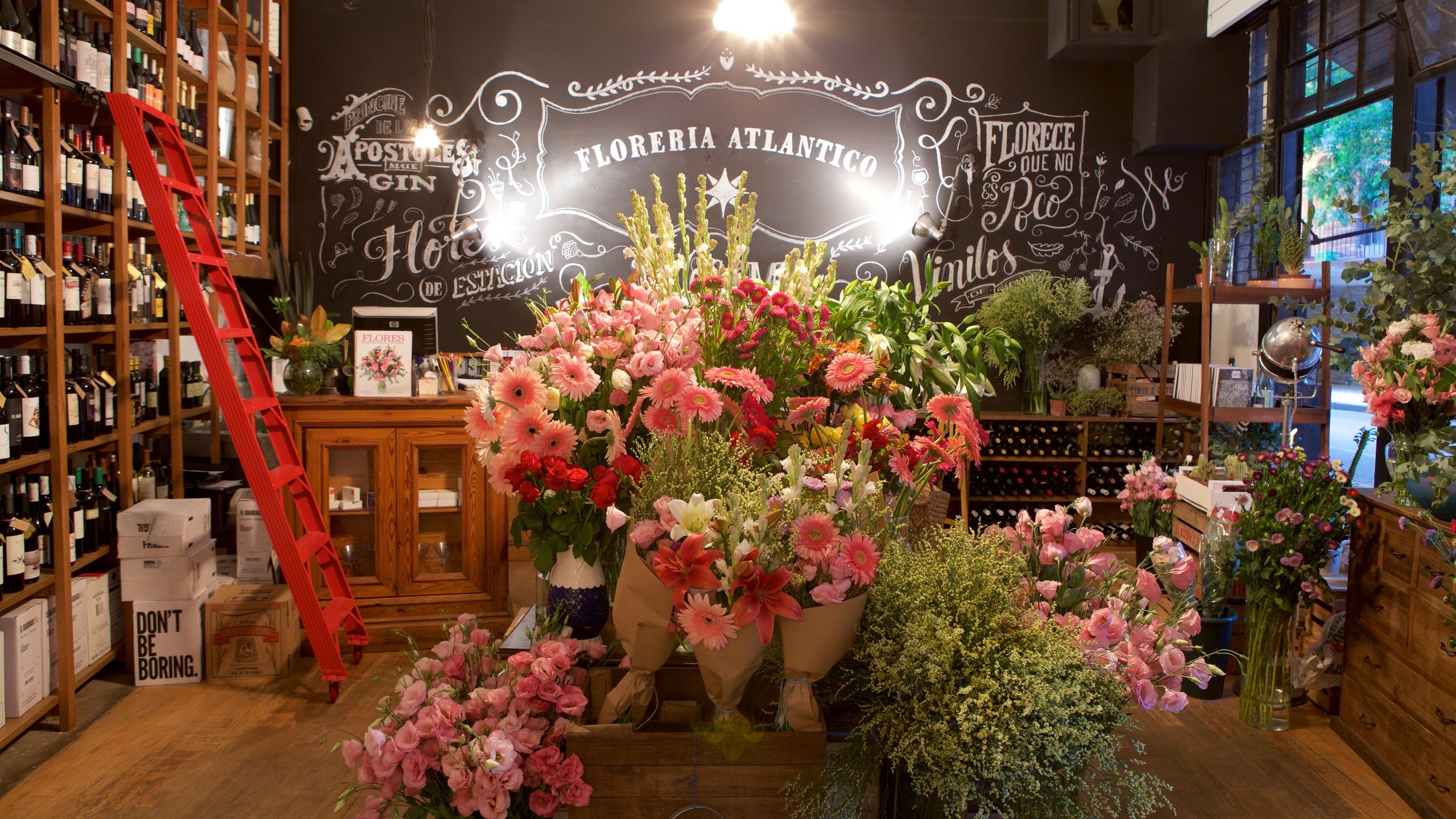
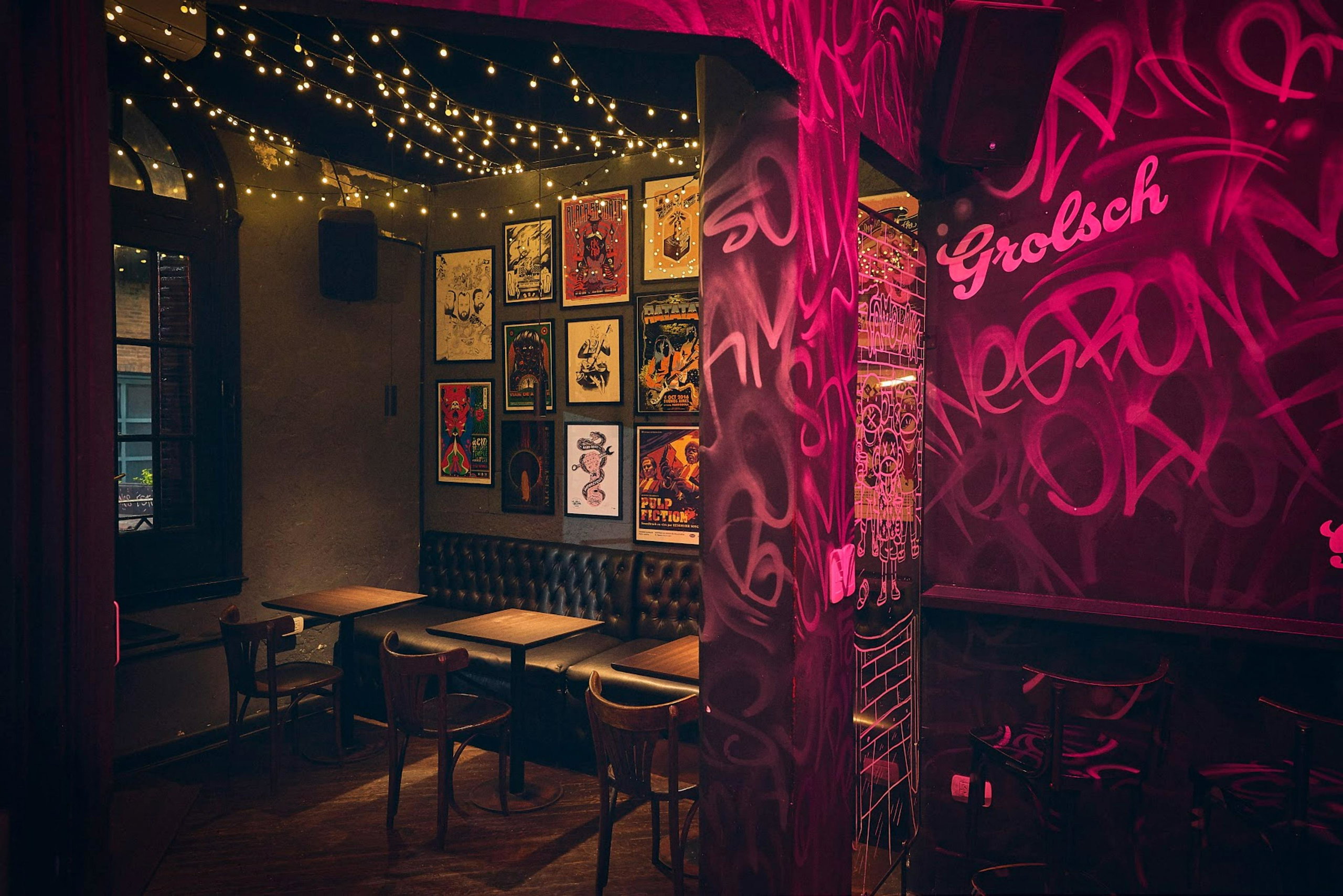
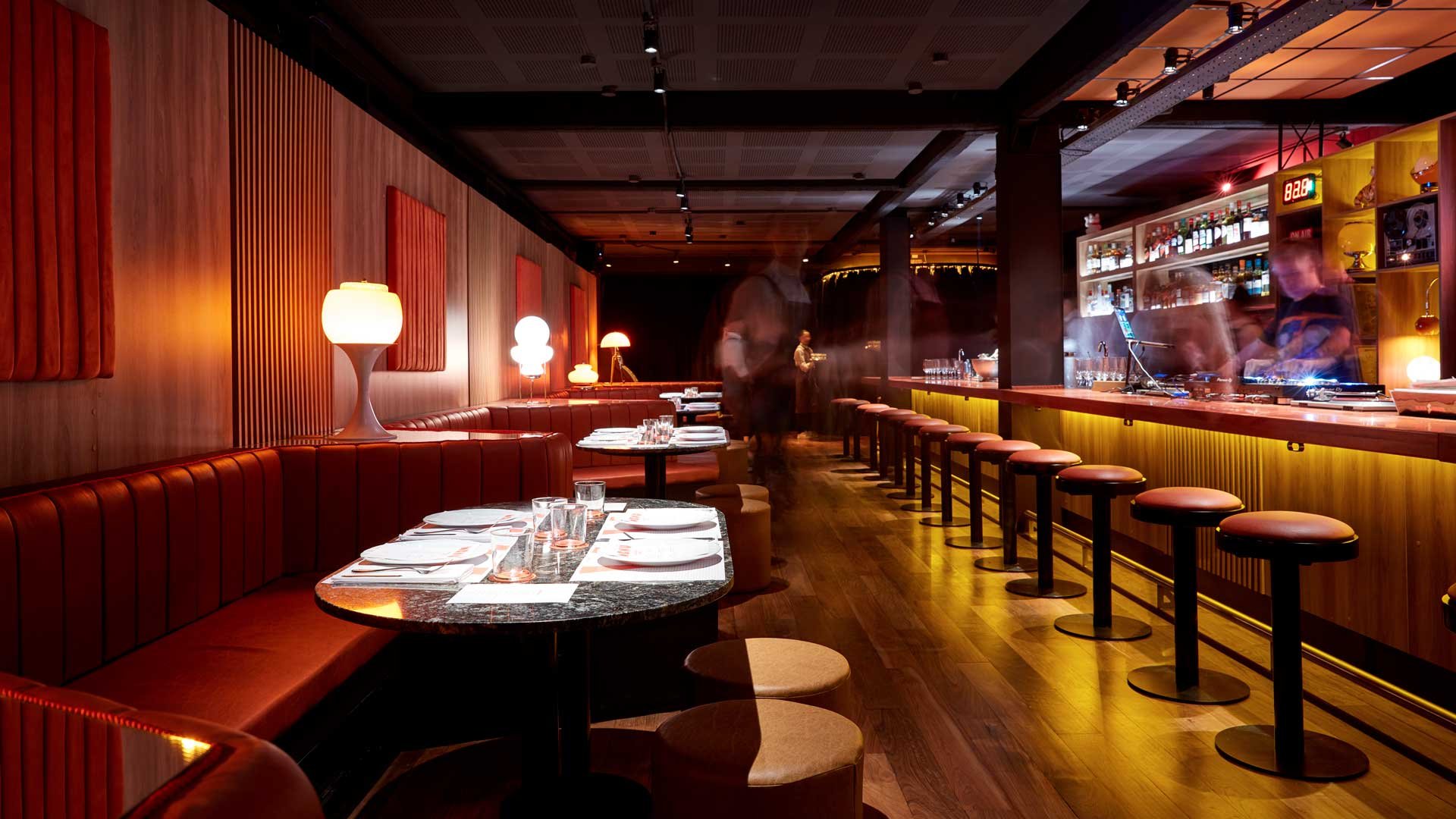
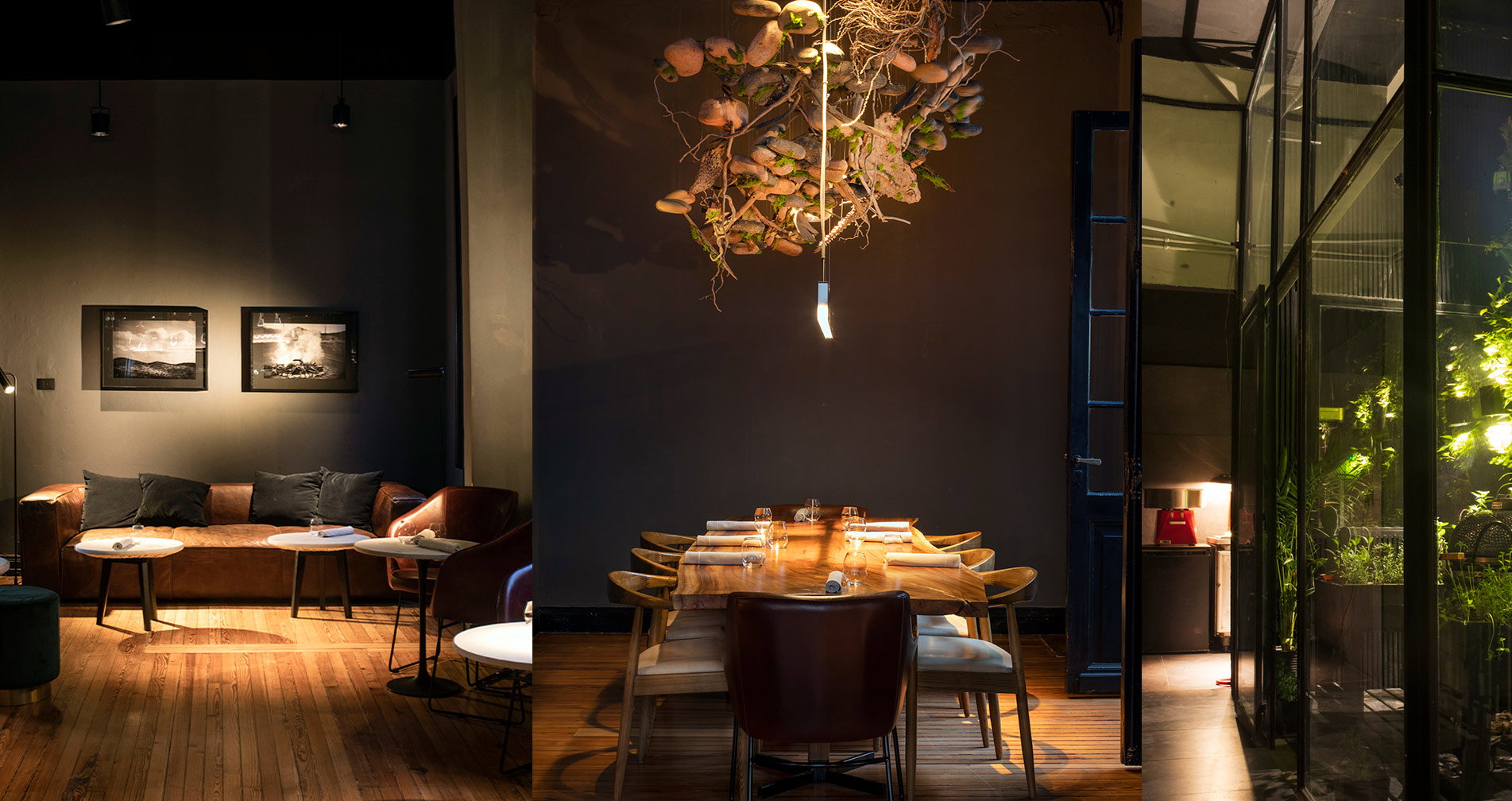
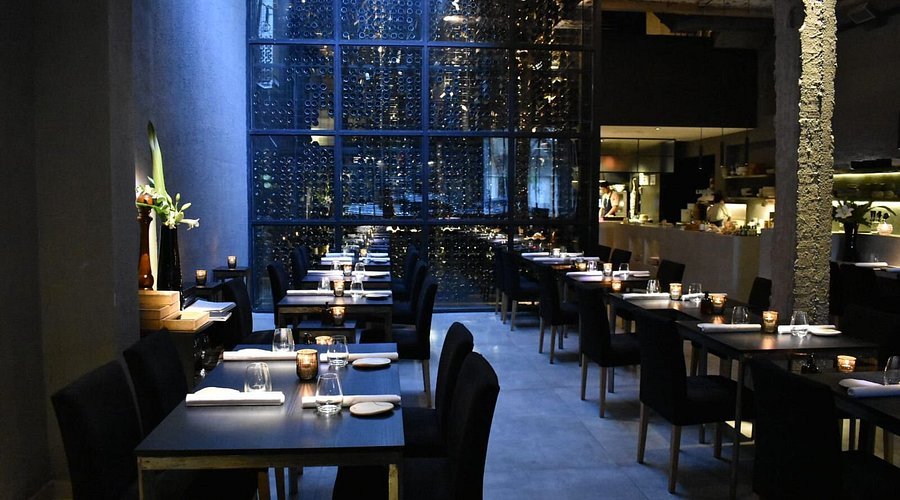
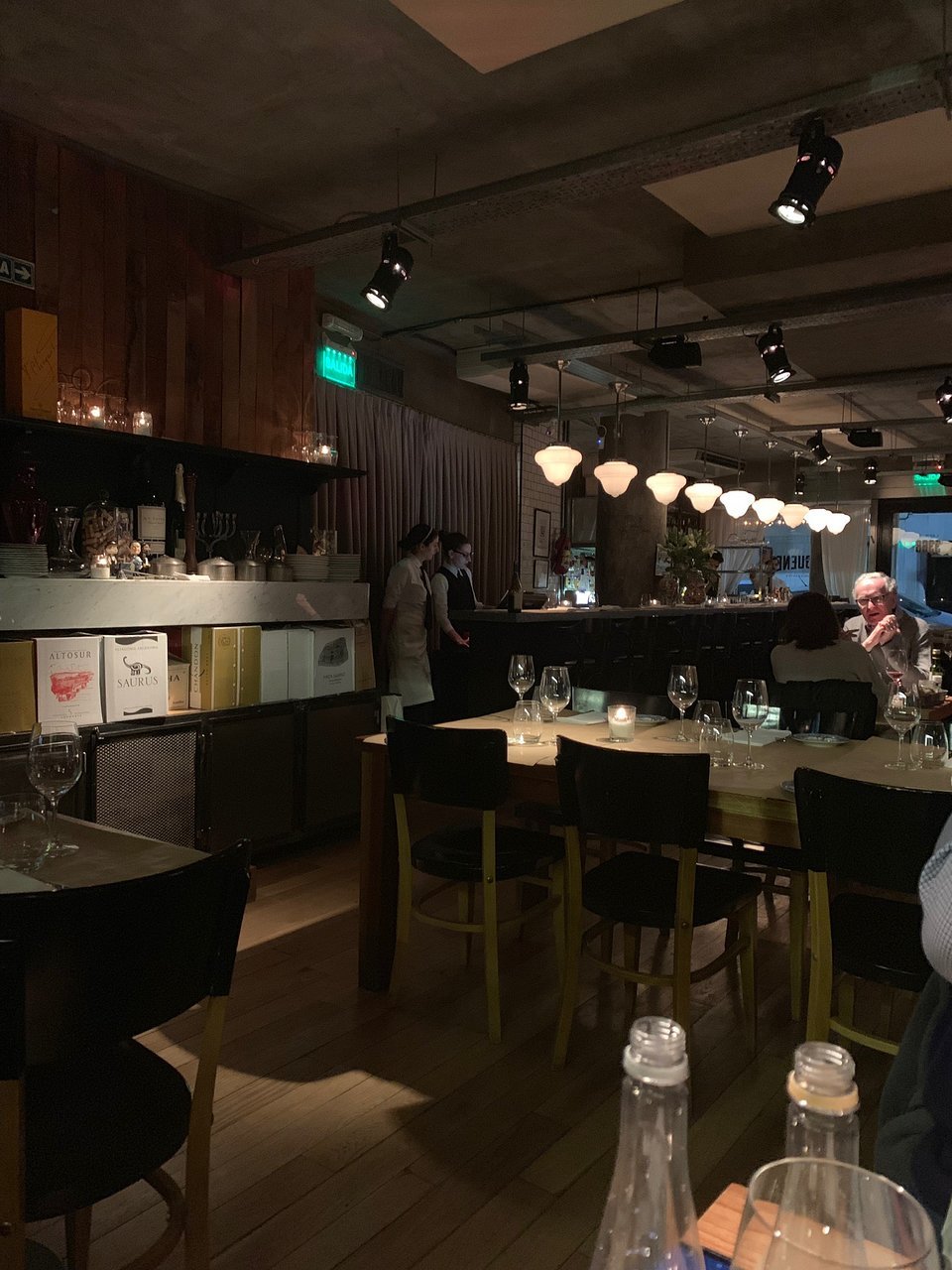
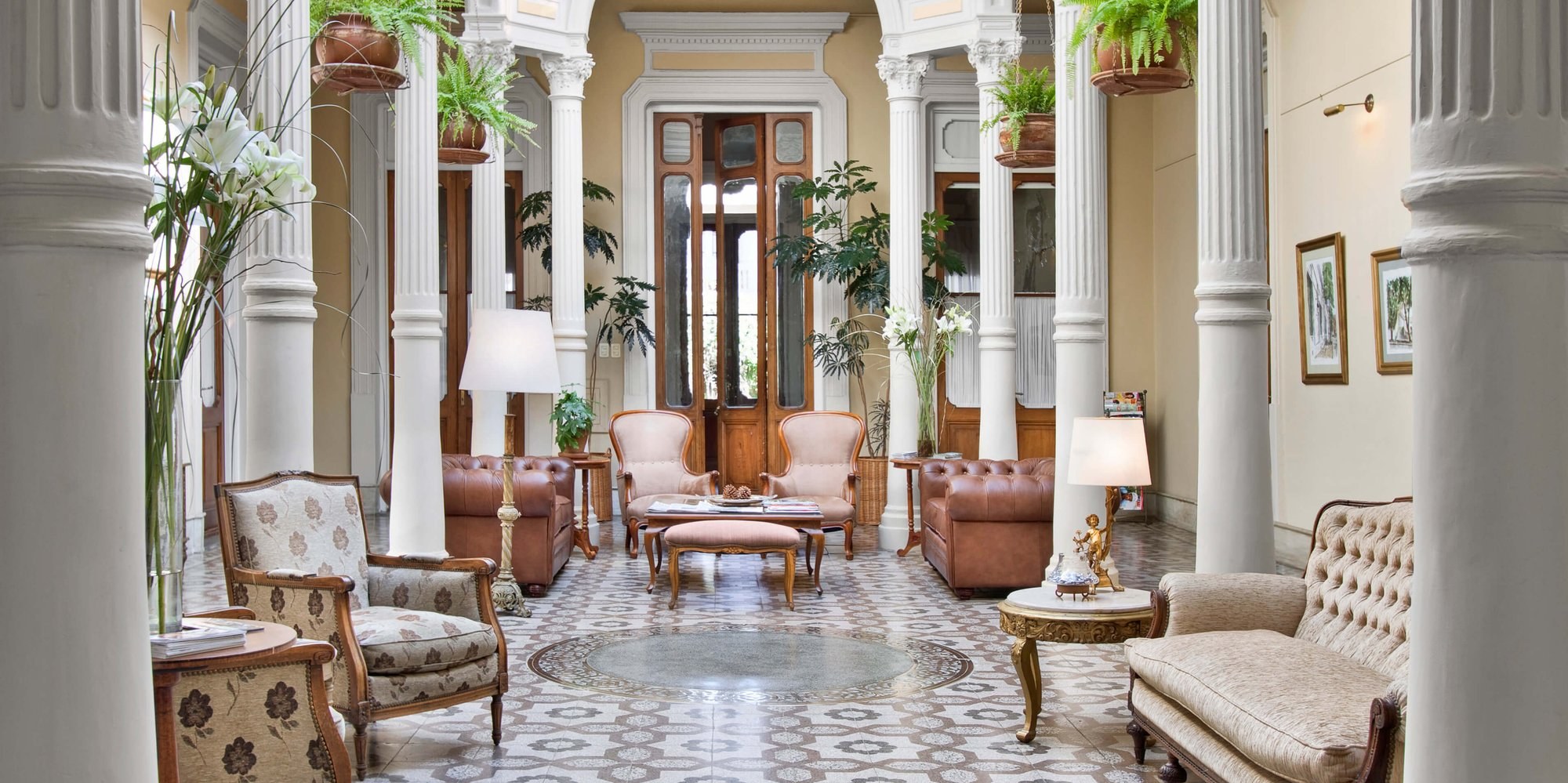
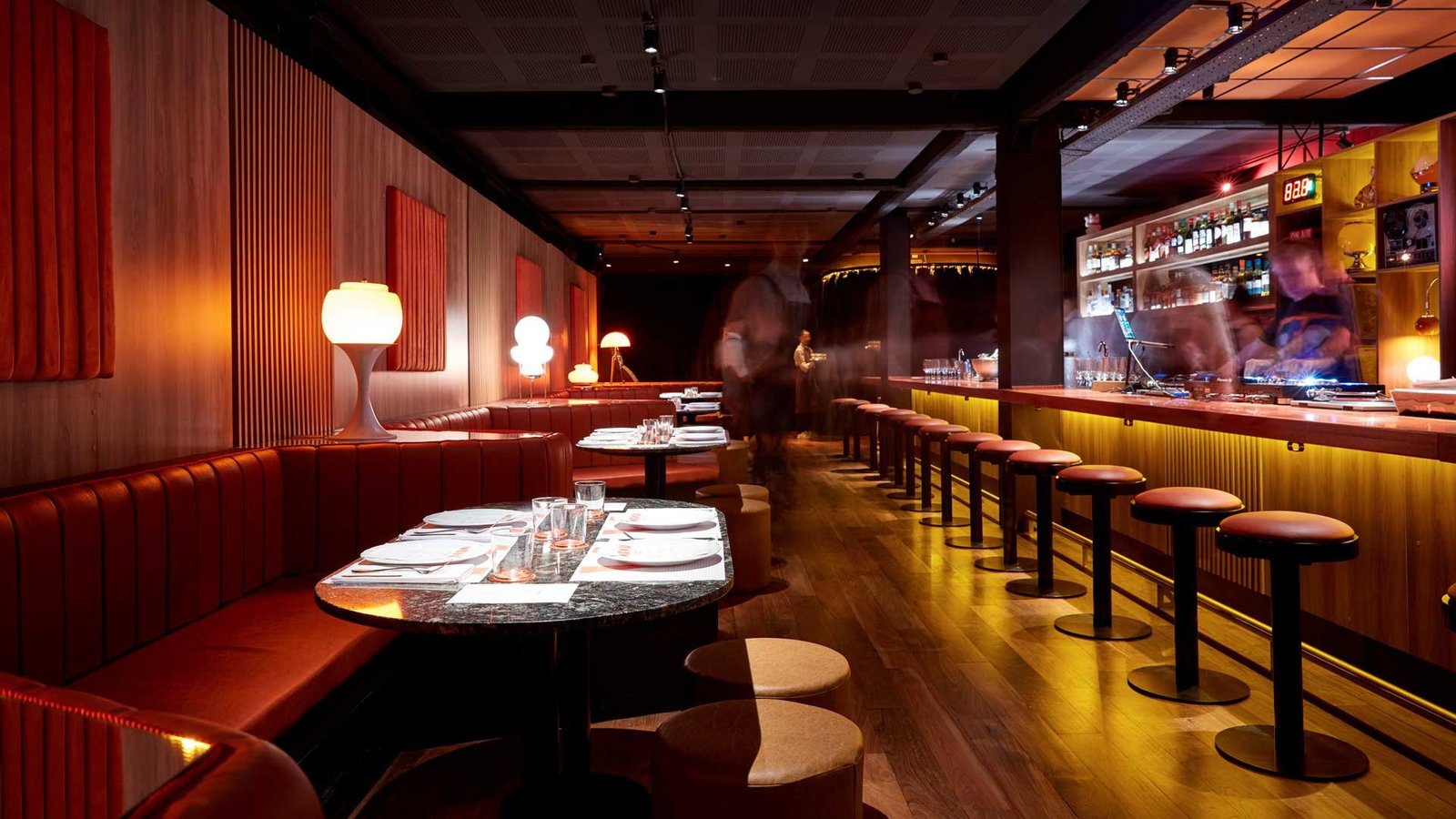
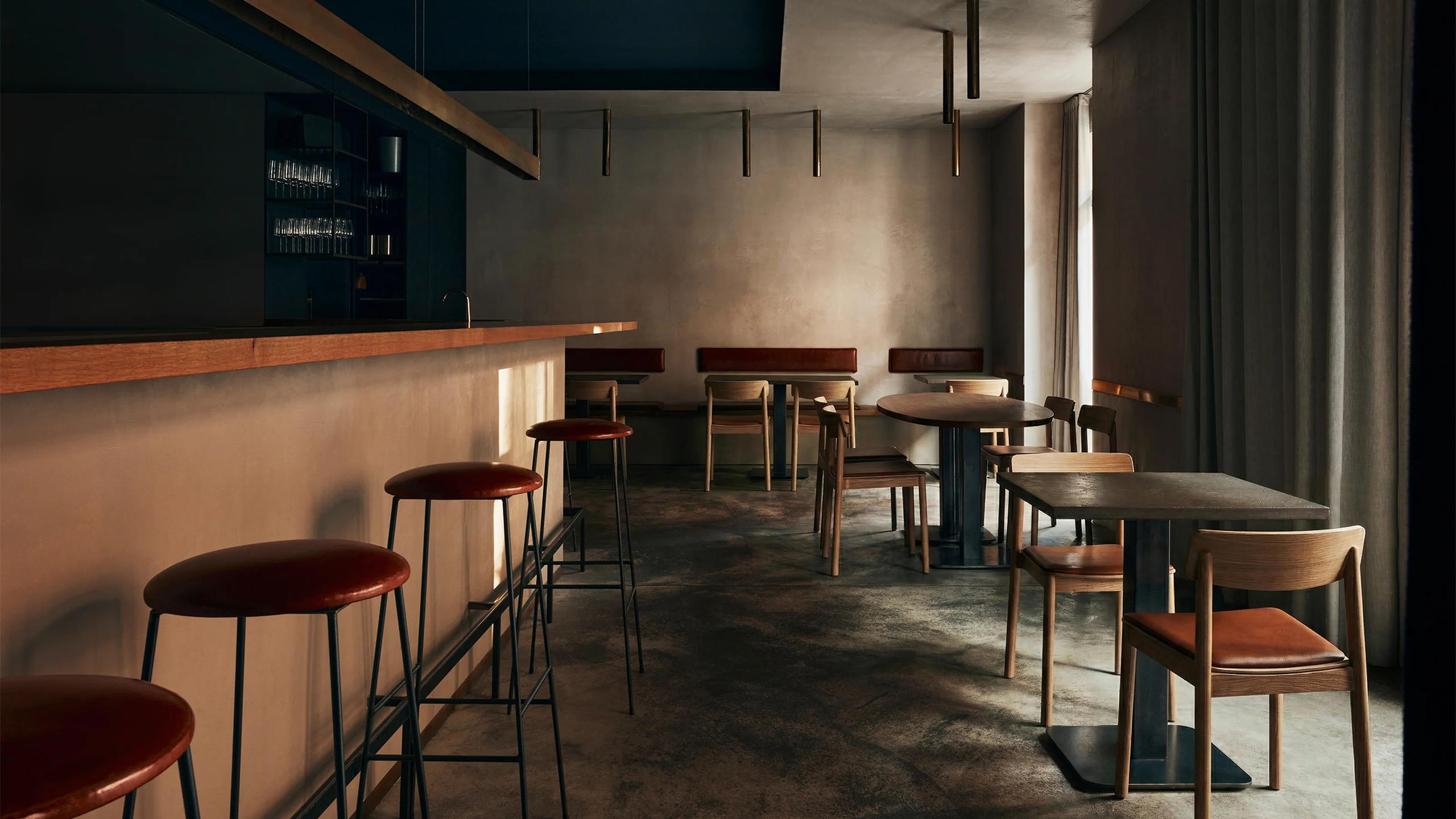
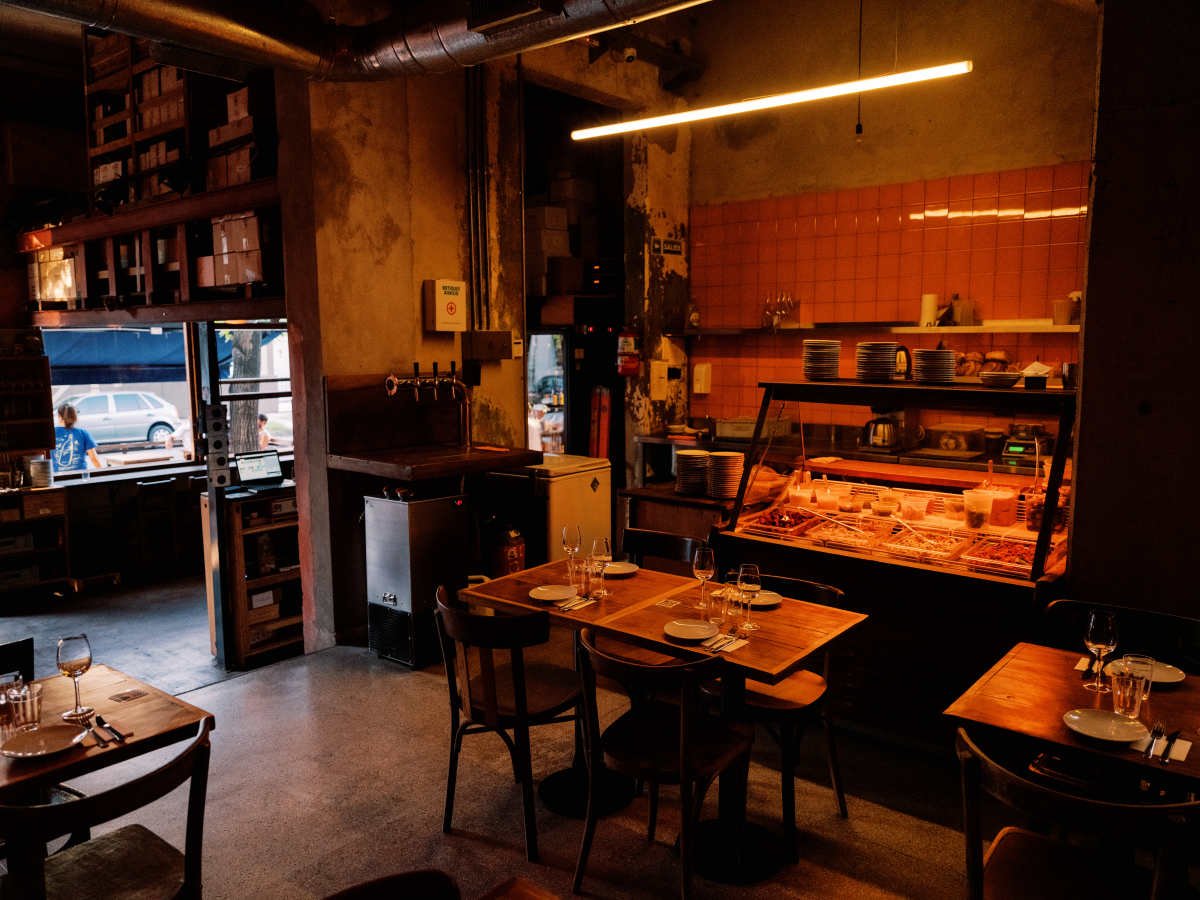
Naranjo reads as a compact, purposeful wine bar that functions as an editorial statement about what neighborhood wine hospitality can be. The room is intentionally small and spare—furniture is minimal and bottles are visible—so attention lands on the wines and the conversations that surround them. Rather than trying to impress with sheer range, the bar favors a curated, defensible list that reflects Argentina's regions. The result is a quiet, close-knit environment where the space itself argues for slow drinking and attentive service, and where the venue’s historical role in Chacarita is felt the moment you enter.
Best For
This is a place for people who want to center wine and conversation: couples on a deliberate evening out, small groups exploring regional bottles, and solo guests who appreciate staff-led recommendations. Because the bar helped define Chacarita’s low-intervention wine scene, it attracts drinkers interested in Argentine terroir and in talking through selections rather than skimming a lengthy list. The compact room and shop-like presentation make it best suited to evening visits when you can linger, compare bottles, and let staff contextualize choices.
Ordering Tips
Expect a curated, conversation-driven list and let the staff do the talking: the selection is assembled to be defended in person, so asking for recommendations yields context you won’t get from a menu alone. Be prepared for tight seating and a small room—pace your visit and treat it like a tasting rather than a fast drink. Embrace short plates or shared bites if available, but primarily order with curiosity: request regional threads or recent arrivals to understand how the bar maps Argentina’s wine regions across a focused list.
Venue details
Ambiance
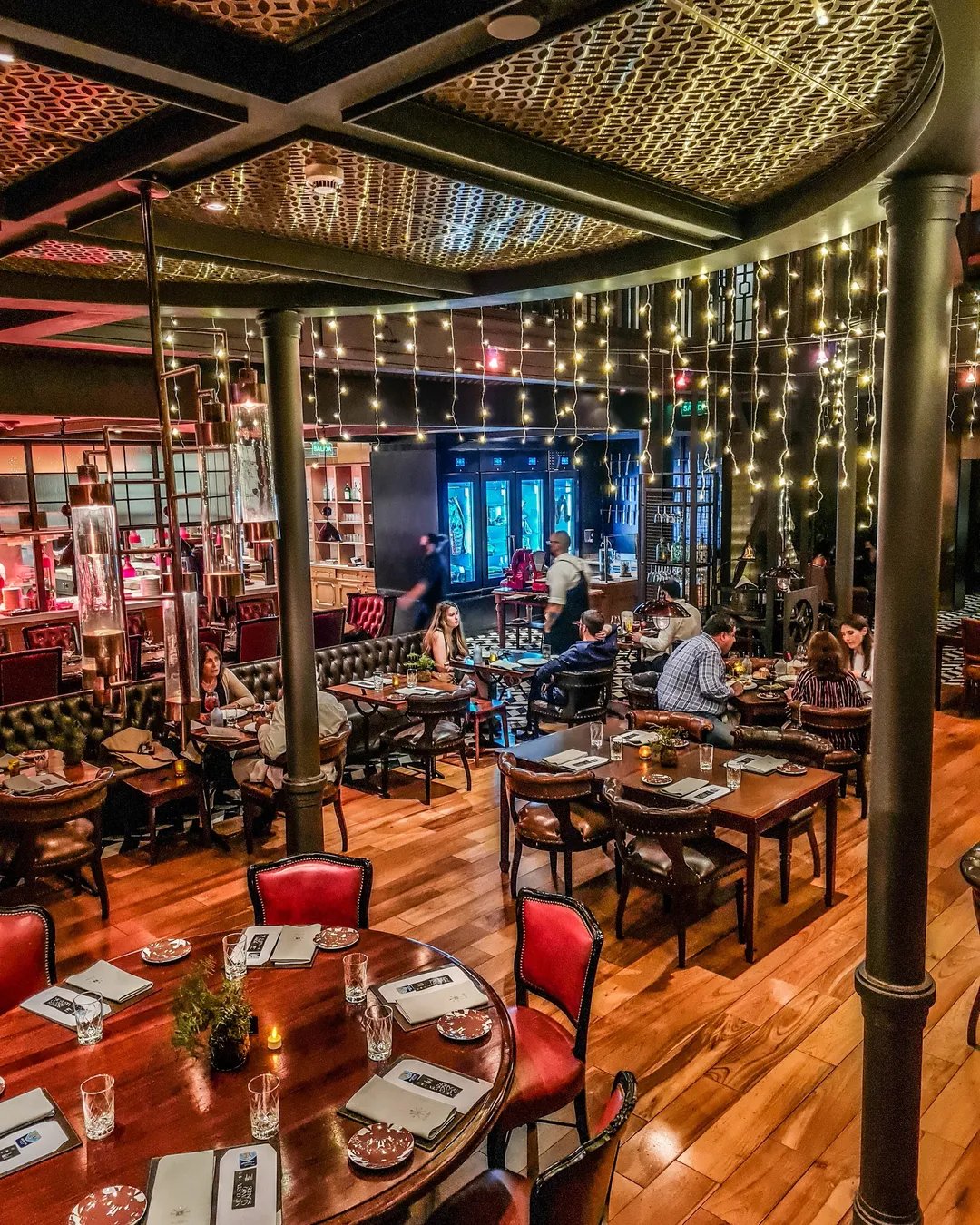
Warm, welcoming atmosphere with exposed brick and high ceilings; described as unpretentious with kind service, though some note it can get loud during busy times.
Tags
Vibe
Best For
Experience
Format
At the Bar
- Bar Category
- Wine Bar
Know before you go
Know Before You Go
- Getting there
- Ángel Justiniano Carranza 1059, C1414 Cdad. Autónoma de Buenos Aires, Argentina
Planning details
Location
Ángel Justiniano Carranza 1059, C1414 Cdad. Autónoma de Buenos Aires, Argentina · Directions
Recognition and awards

Also consider
Also Consider
- Anchoita Cava, Notable alternative
- Frank's, Notable alternative
- Lardito, Notable alternative
- 878 Bar, Notable alternative
- Rodney Bar, Notable alternative
Bar context
Naranjo is the easiest recommendation here for a wine-first night that does not need to feel like a formal restaurant booking. Compared with Anchoita Cava, it reads as the more flexible choice; Anchoita Cava is the better fit when the cellar experience is tied to a fuller meal, while Naranjo works better when the bottle is the plan.
For cocktails, choose Frank's or 878 Bar instead. Those make more sense for a bar-hop, a higher-energy group, or anyone who wants the drink list to revolve around mixed drinks rather than wine. Naranjo is quieter in intent: less performance, more conversation, and a better match for a second drink rather than a scene-setting first stop.
Lardito and Rodney Bar are useful cross-shops if the group is undecided on format. Pick Lardito when food is carrying more weight, Rodney Bar when the group wants a looser bar choice, and Naranjo when value is measured by how much attention the wine list gets rather than by room drama or cocktail range.
Around this place
Discover more on Pearl
Unlock the full Naranjo guide in Pearl, including awards, comparisons, FAQs, planning details, and nearby places.
Compare Naranjo
| Venue | Location | Awards |
|---|---|---|
| Naranjo | Buenos Aires | Star Wine Lists 2026 |
| Anchoita Cava | Buenos Aires | No published awards |
| Frank's | Buenos Aires | 2012 World's 50 Best Bars · #36 |
| Lardito | Buenos Aires | No published awards |
| 878 Bar | Buenos Aires | Top 500 Bars 2026 · #436Star Wine Lists 2026Top 500 Bars 2025 · #4412011 World's 50 Best Bars · #25 |
| Rodney Bar | Buenos Aires | No published awards |


How Naranjo Buenos Aires compares with similar nearby venues.
FAQ
Frequently Asked Questions
Is the food good at Naranjo?
Cuisine, dishes, menu format, or food quality are not specified at Naranjo. Its known details are its Buenos Aires location, casual dress code, hours, and Star Wine List (2026) recognition.
Is Naranjo good for a date?
Naranjo may suit a casual Buenos Aires night if its hours and casual dress code fit your plan. Specific details about ambience, seating, noise level, or service style are not available, so check current venue information if those factors matter.