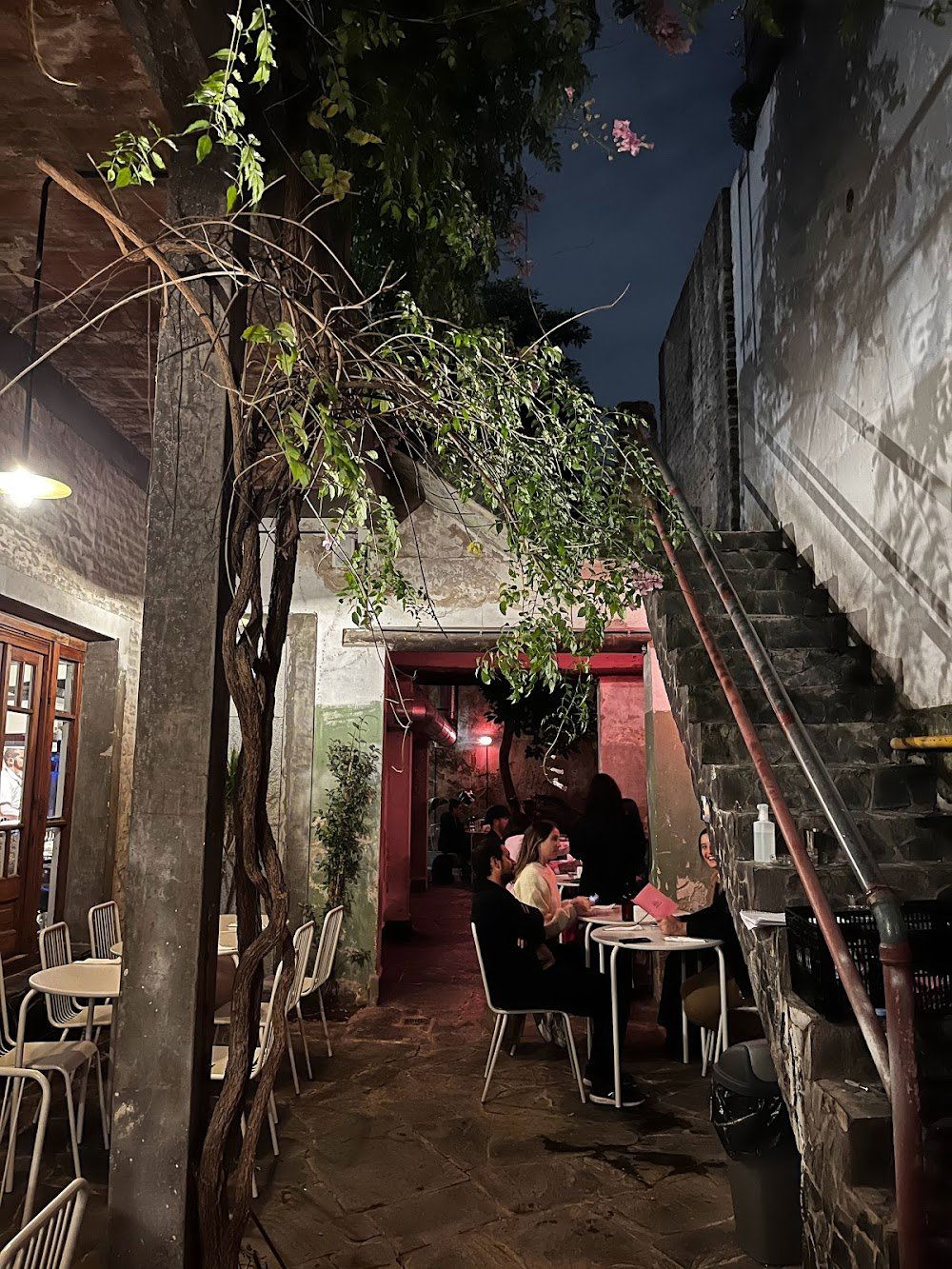

Lardito
Chacarrita, Buenos Aires
Bar in Buenos Aires, Argentina
 Book with Pearl
The Read
Price
$50–100per person
Why go
Lardito is worth booking when the priority is a wine-led night in Buenos Aires rather than a full restaurant production. The strongest signal is its Star Wine List recognition in 2026, which makes it a better fit for bottle-focused diners than groups chasing a theatrical cocktail bar.
About Lardito
For a visit in Buenos Aires, Lardito is best evaluated on the basics: it is an evening venue with smart casual dress and Star Wine List recognition in 2026. cuisine, chef, seat count, menu pricing, and service-format details are not available here, so the safer read is to plan around the confirmed schedule and recognition rather than assume a specific dining format.
The confirmed opening pattern is evening-only: Lardito is closed Monday and Sunday, open Tuesday through Thursday from 7 PM to 12 AM, and open Friday and Saturday from 7:30 PM to 12:30 AM. Star Wine List recognition in 2026 is the clearest confirmed recognition available here. For a broader sweep of the city before choosing, compare it against Buenos Aires bars guide and Buenos Aires restaurants guide.
Choose it for an evening visit in Buenos Aires, not an restaurant production
The confirmed plan is an evening visit from Tuesday through Saturday, with the later posted closing times on Friday and Saturday. Because lunch service is not available, do not plan on Lardito as a daytime stop. Because menu pricing, cuisine, chef, and seat count are also not available here, avoid treating it as a known tasting-menu destination or a specific-format room unless the venue confirms those details directly.
What: Lardito is in Buenos Aires, follows a smart casual dress code, and has Star Wine List recognition in 2026. If food format is the deciding factor, cross-shop with venues where the dining details are clearer before committing the whole evening. If the priority is a Buenos Aires night built around a confirmed recognition, Lardito remains a relevant candidate.
Who will fit here, and who should choose another venue
Lardito is a stronger match for guests who want an evening venue in Buenos Aires with confirmed Star Wine List recognition. If the group wants to compare other named options, Frank's, Anchoita Cava, Naranjo, Rodney Bar, or Uptown may be worth considering as part of the same planning conversation.
The verdict: consider Lardito when its Tuesday-to-Saturday evening hours, smart casual dress code, and Star Wine List recognition fit the plan. For a first-night-in-town crowd, use Buenos Aires hotels guide alongside Buenos Aires restaurants and bars coverage to plan the rest of the trip.
Planning details
- Location
- Av. Jorge Newbery 3655, C2410 Cdad. Autónoma de Buenos Aires, Argentina
- Website
- lardito.meitre.com
- Phone
- +54 11 3509-7293
The take
The Take
The Vibe
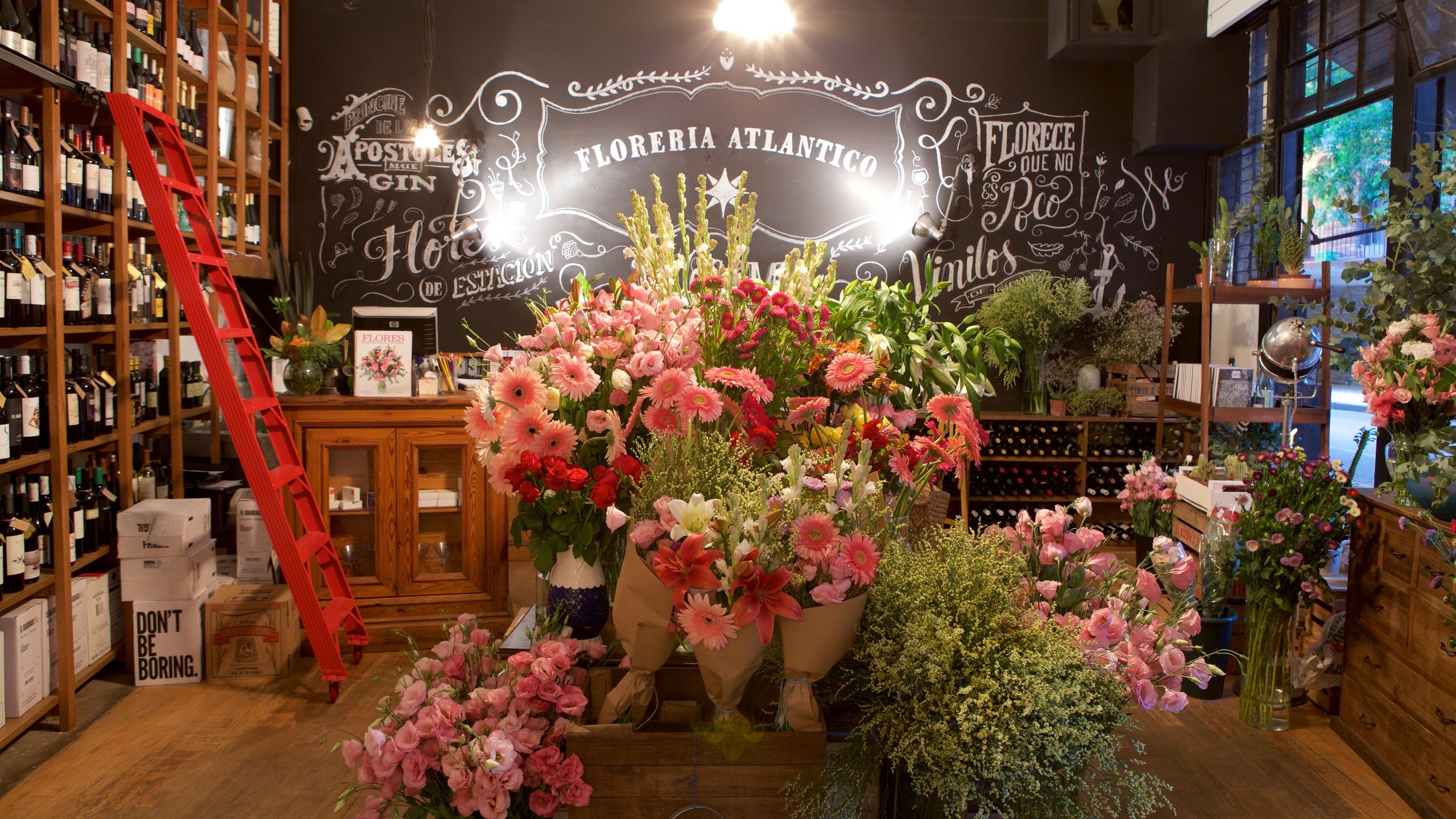
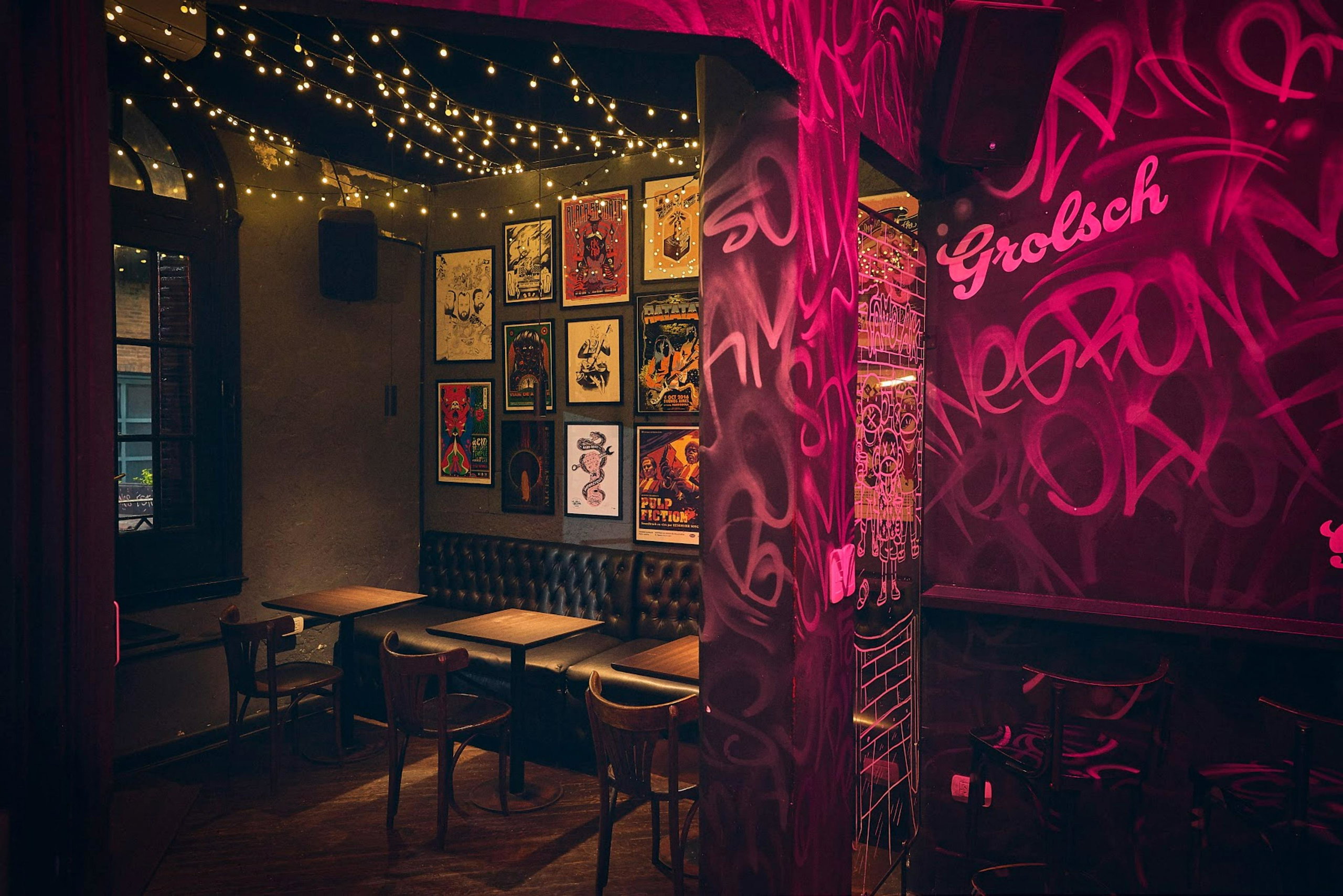
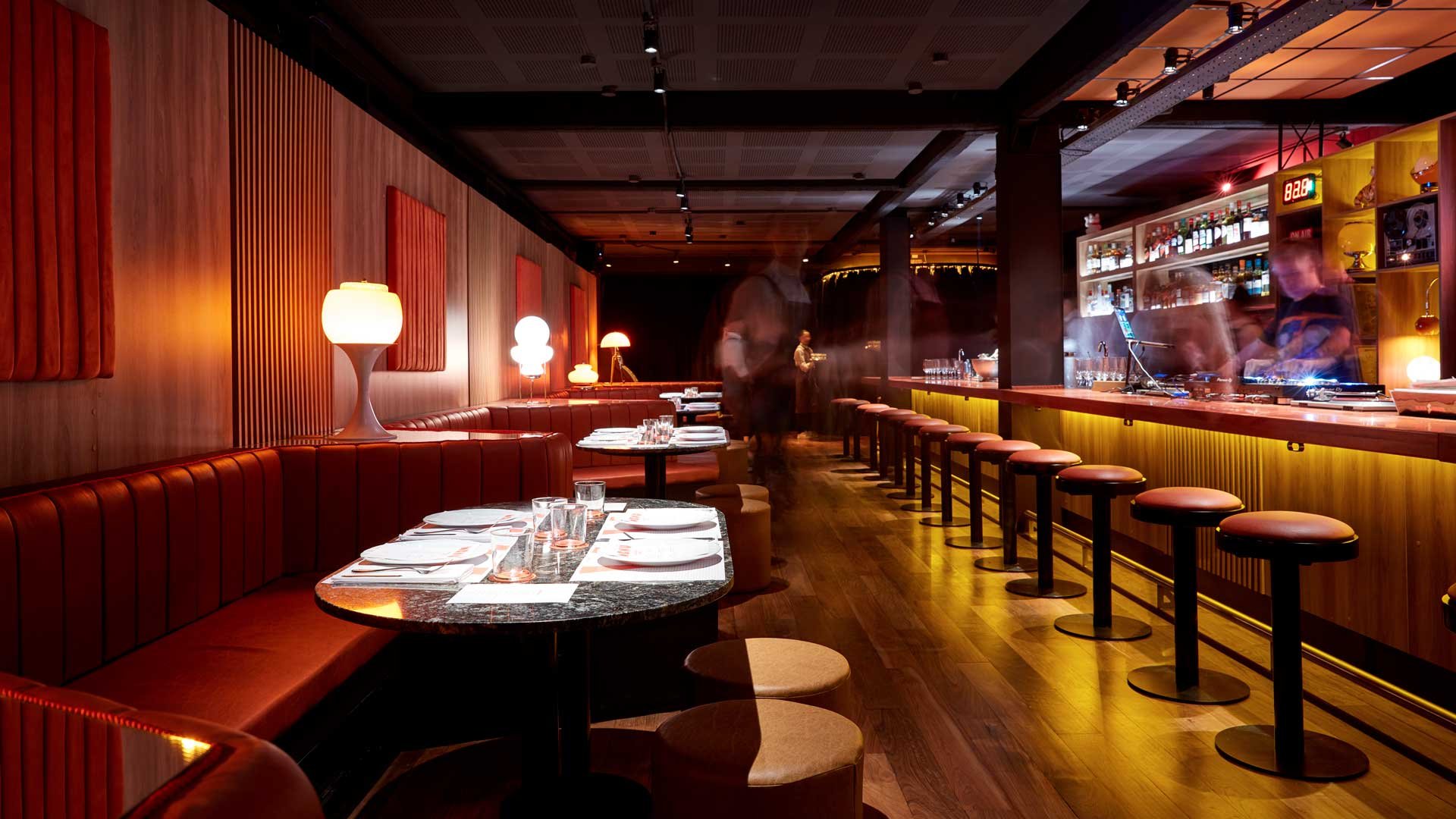
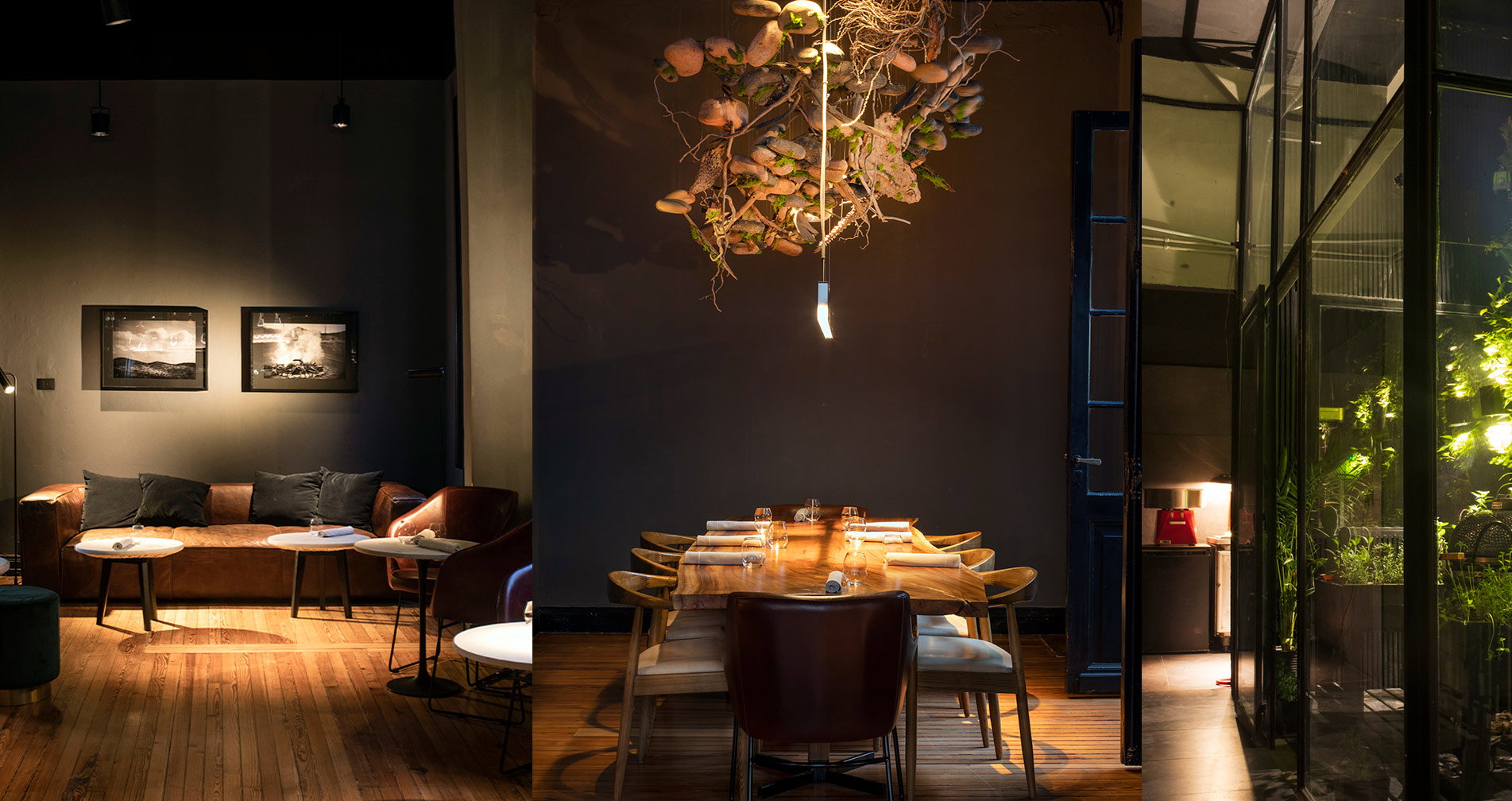
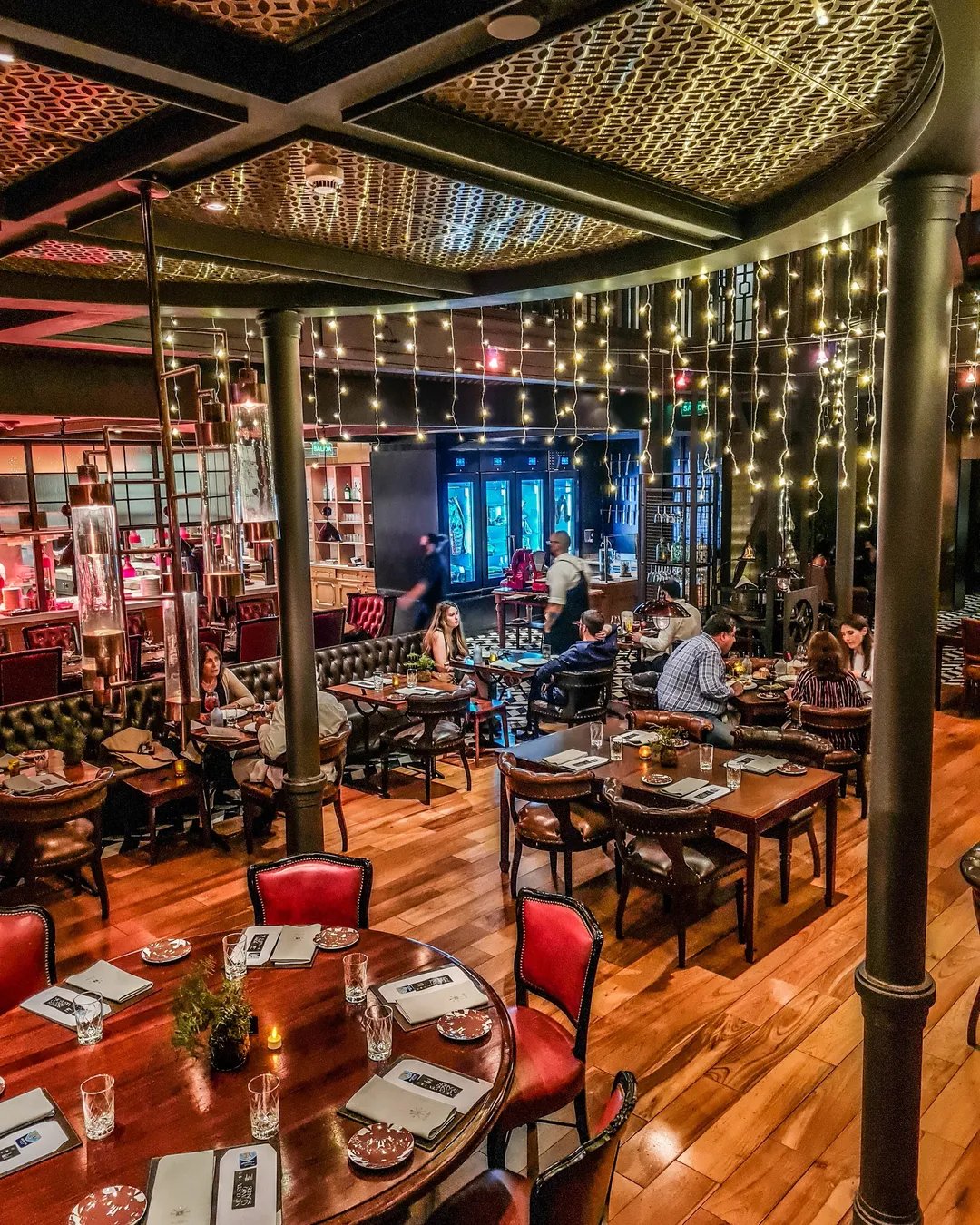
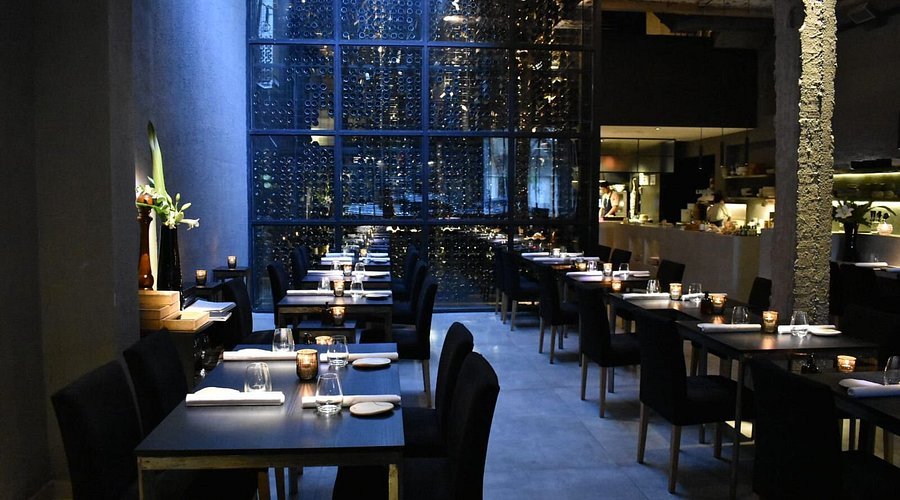
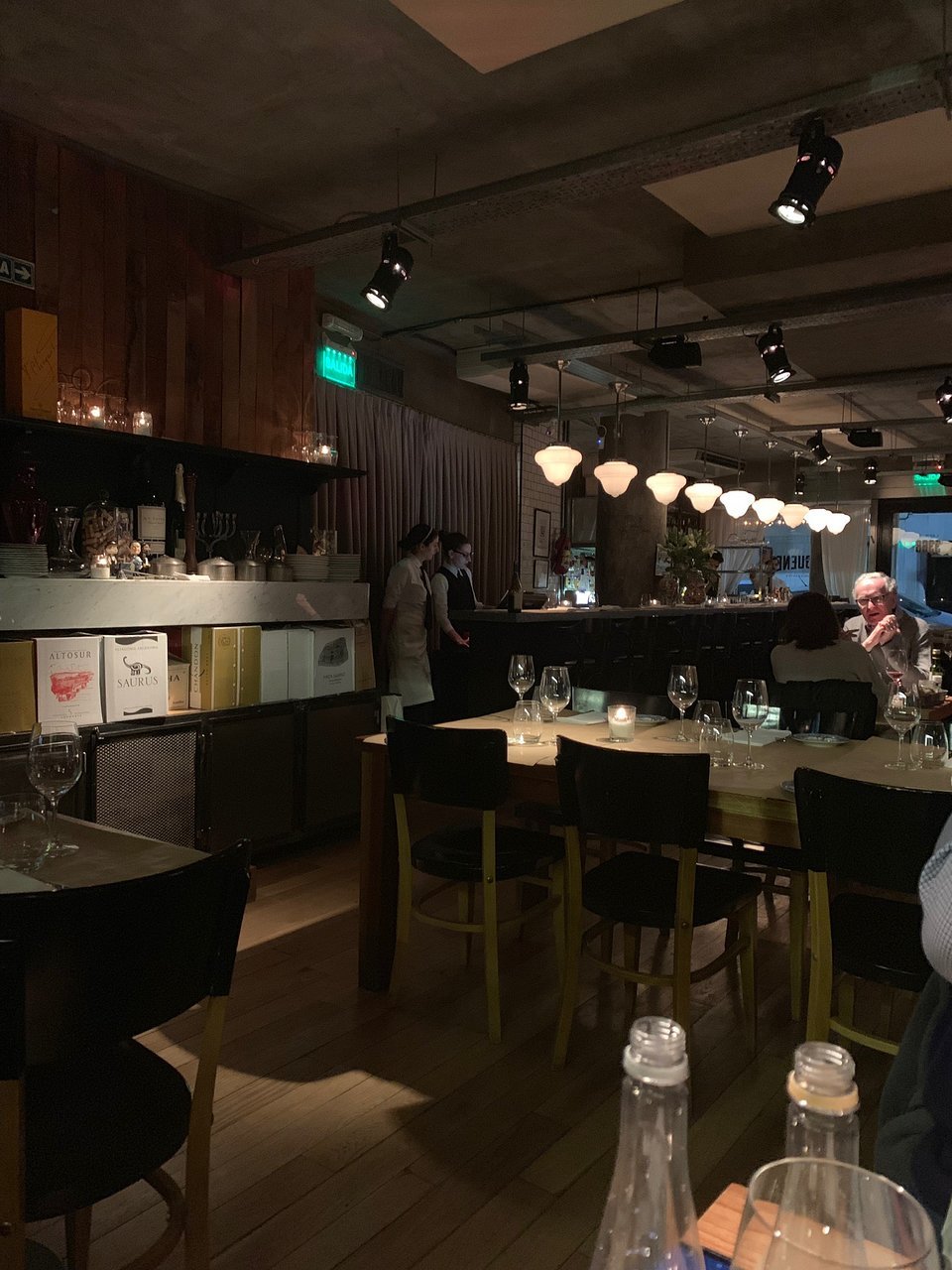
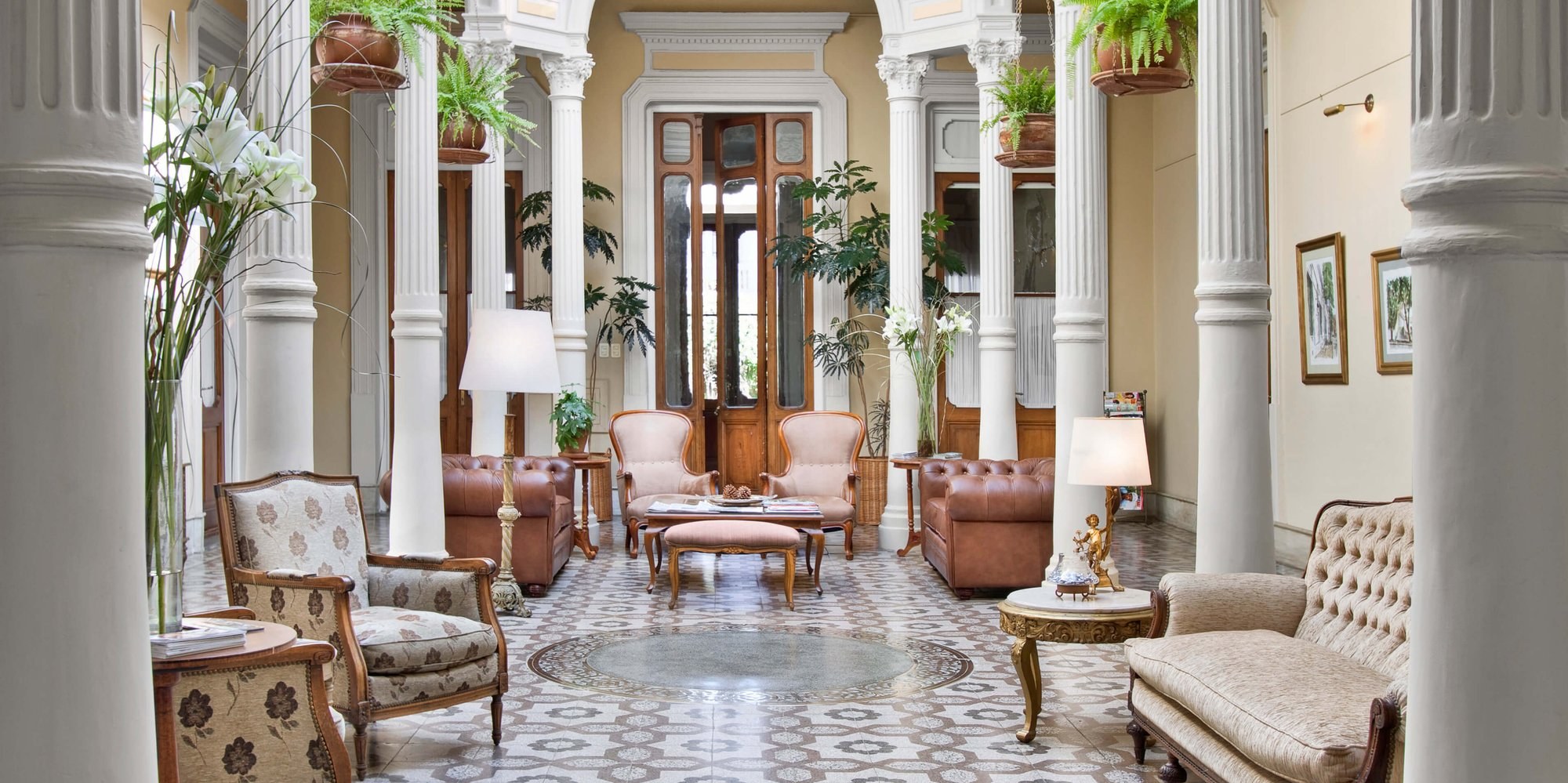
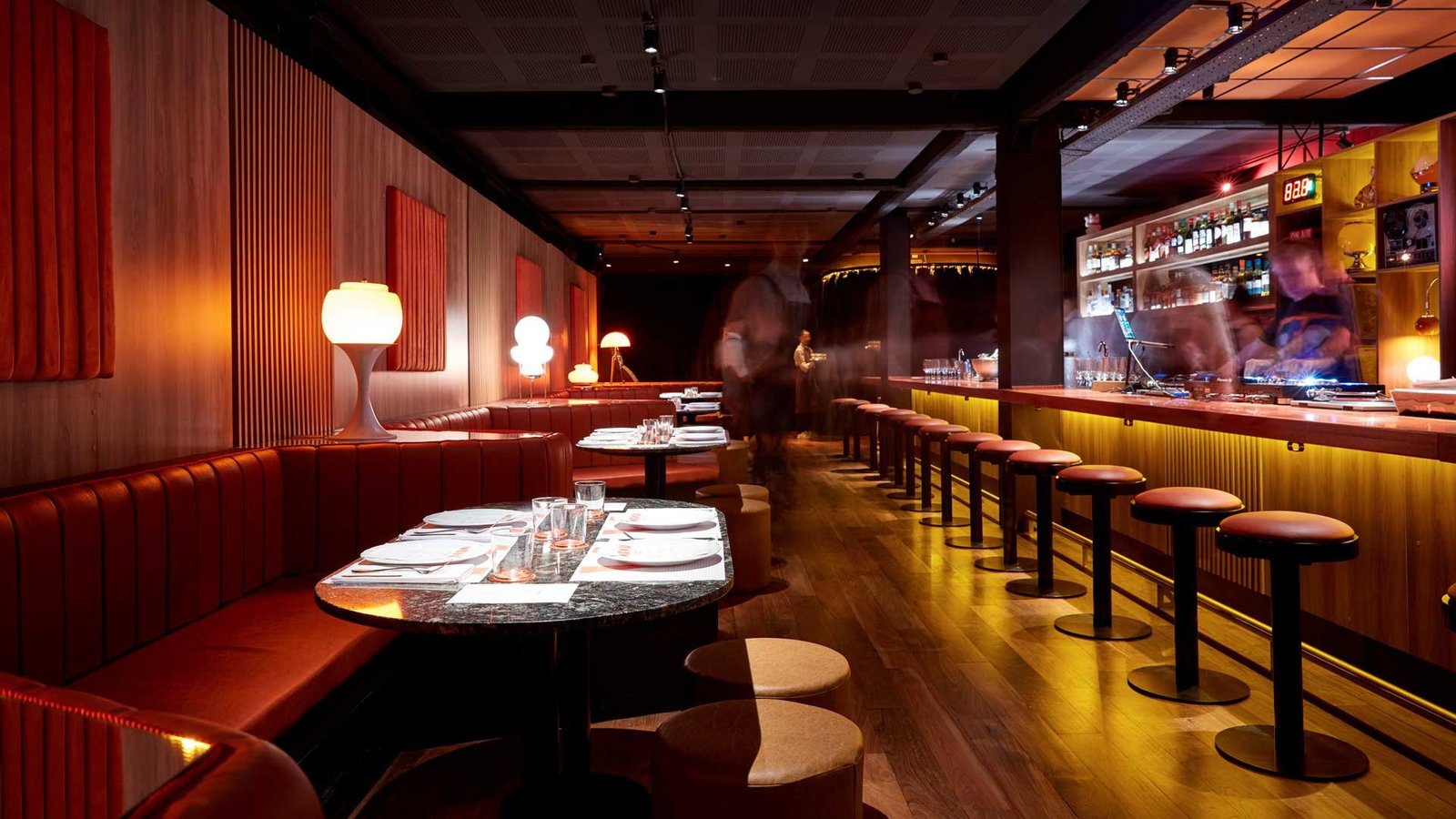
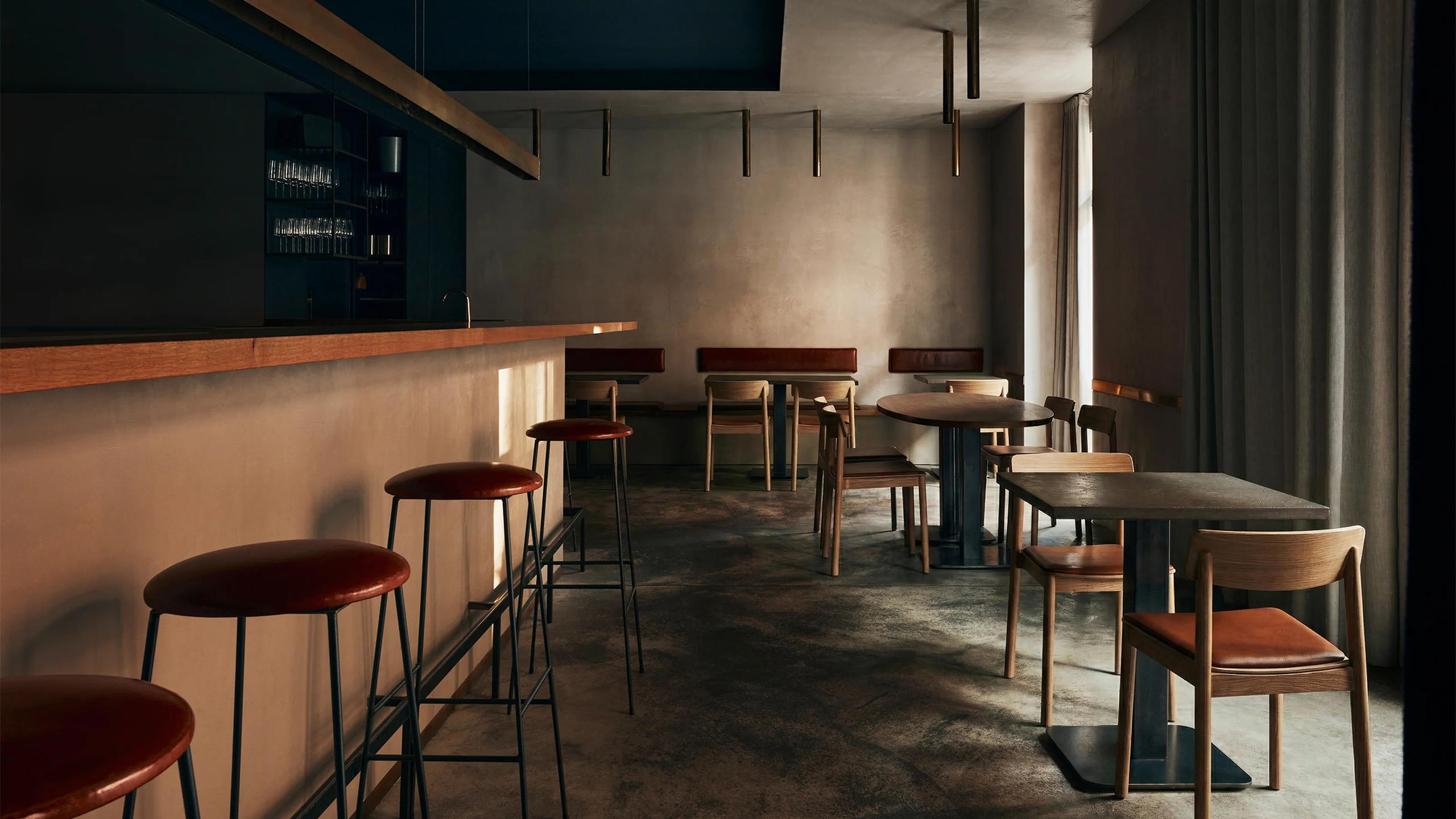
Lardito reads as a considered, plant-forward wine address in Chacarita. The main dining room’s living greenery softens an otherwise utilitarian layout, and the space favors restraint over flash — a low-key neighbourhood confidence rather than theatrical showmanship. It belongs to Buenos Aires’s wine-shop-meets-restaurant scene, so the focus feels deliberate: bottles and cellar knowledge sit at the center, while the kitchen supports the drinks rather than competing with them. The result is an approachable, intimate room that feels curated without being precious — a cozy, quietly charming place to linger over a bottle.
Best For
Lardito works best for unhurried evening dinners and wine-focused nights. The venue frames itself as a wine destination rather than a conventional restaurant, and the service invites conversation about bottles and provenance; expect an evening that unfolds over a couple of hours rather than a quick meal. It suits couples and small groups who want to explore Argentina’s wines while enjoying thoughtful, restraint-driven food that is built to open up the list. Use it for date nights, small celebrations, or any occasion where wine exploration is the point of the evening.
Ordering Tips
Approach an evening at Lardito with the bottle selection first: the description makes clear that the wine list drives the menu construction rather than the other way around. Let staff guide you through the cellar and be ready to talk through options — the team expects curious diners and will happily recommend bottles. Order food that is meant to open up the wines, pace the meal to accommodate a leisurely two-hour table, and treat the service as a source of wine education as much as dish suggestions.
Venue details
Ambiance
Modern and elegantly appointed with a polished granite communal table as the centerpiece, separated by tall vases of gerberas; features both an intimate interior dining room and a beautiful outdoor patio with warm, relaxed lighting.
Tags
Vibe
Best For
Experience
Format
At the Bar
- Bar Category
- Wine Bar
- Late Night
- Closes by Midnight
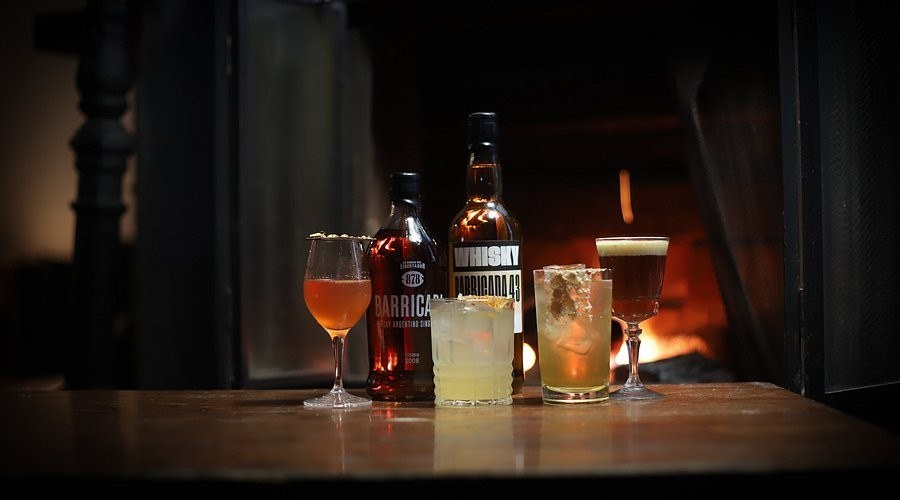
Signature Pours
- aguachile
- prawn bao
- xiaolongbao
- Japanese tataki
Know before you go
Know Before You Go
- Getting there
- Av. Jorge Newbery 3655, C2410 Cdad. Autónoma de Buenos Aires, Argentina
Planning details
Location
Av. Jorge Newbery 3655, C2410 Cdad. Autónoma de Buenos Aires, Argentina · Directions
Recognition and awards

Also consider
If Lardito is not the right fit
Try Naranjo if the plan is still wine-first but the location or timing works better. Choose Anchoita Cava if the group wants a clearer food-and-wine structure.
For a cocktail-led night, Frank's and Uptown are better alternatives than forcing Lardito into a party-bar brief.
Bar context
How Lardito compares in Buenos Aires
Choose Lardito when wine is the point of the night and the group wants a Chacarita address rather than a hotel-bar or cocktail-club setup. Naranjo is the closest comparison for a wine-first decision; pick between them by neighborhood convenience and the mood you want, since both make more sense for drinkers than for a party looking for a high-theater bar.
Frank's and Uptown are better cross-shops when the group wants a louder, cocktail-led night with more built-in spectacle. Lardito is the calmer call for a date or a smaller table where the wine list matters more than the entrance ritual or late-night scene.
If food is carrying the decision, Anchoita Cava is the safer comparison because it reads more clearly as a culinary wine stop. Rodney Bar is the looser alternative for a less planned bar night. Lardito lands in the middle: easy to justify for wine-focused drinkers, less compelling if the group needs a defined dinner format or a big-room atmosphere.
Around this place
Discover more on Pearl
Unlock the full Lardito guide in Pearl, including awards, comparisons, FAQs, planning details, and nearby places.
Compare Lardito
| Venue | Location | Awards |
|---|---|---|
| Lardito | Buenos Aires | Star Wine Lists 2026 |
| Naranjo | Buenos Aires | No published awards |
| Frank's | Buenos Aires | 2012 World's 50 Best Bars · #36 |
| Anchoita Cava | Buenos Aires | No published awards |
| Rodney Bar | Buenos Aires | No published awards |
| Uptown | Buenos Aires | Top 500 Bars 2025 · #396 |


How Lardito Buenos Aires compares with similar nearby venues.
FAQ
Frequently Asked Questions
Does Lardito have outdoor seating?
Is the food good at Lardito?
cuisine, menu, chef, and dish information is not available for Lardito. The clearest confirmed recognition is Star Wine List (2026), so use that as the signal rather than assuming a specific food style.
Does Lardito have happy hour deals?
happy-hour information is not available for Lardito. The confirmed hours are Tue-Thu from 7 PM to 12 AM and Fri-Sat from 7:30 PM to 12:30 AM, with Monday and Sunday closed.
What's the best time to go to Lardito?
Plan for an evening visit. Lardito is open Tuesday through Thursday from 7 PM to 12 AM and Friday through Saturday from 7:30 PM to 12:30 AM; it is closed Monday and Sunday.
Is Lardito good for a date?
It can be a sensible date option if the plan fits its evening hours, smart casual dress code, and Star Wine List recognition. For a different night out, Frank's, Naranjo, Anchoita Cava, Rodney Bar, or Uptown may also be worth comparing.
Is Lardito open late?
Yes. Lardito is open Tue-Thu until 12 AM and Fri-Sat until 12:30 AM. It is closed on Monday and Sunday.
What's the crowd like at Lardito?
crowd information is not available for Lardito. The confirmed planning details are its Buenos Aires location, smart casual dress code, evening hours, and Star Wine List (2026) recognition.