Papillon
Chartrons - Grand Parc - Jardin Public, Bordeaux
Bar in Bordeaux, France
 Book with Pearl
Why go
Papillon is a practical Chartrons pick for drinks, dates, and small-group evenings when flexibility matters more than a documented food program. Book it as an easy Bordeaux bar stop rather than a destination meal; cross-shop more wine-led venues if cellar depth is the priority.
About Papillon
Papillon is a Bordeaux option with a simple profile: casual dress and evening hours from Tuesday to Saturday, running from 6 PM to 2 AM. That makes it easier to place in a late-night plan than in a food-led itinerary. The safest reason to choose it is timing rather than a specific dining program.
Use Papillon when you want a flexible Bordeaux evening and do not need the reservation to carry a formal meal. If your plans depend on a specific cuisine, a known chef, or an award-backed dinner, compare with another Bordeaux venue whose food details are clearer before committing.
Book for a casual Bordeaux night, not for a food-led splurge
The decision point is simple. Papillon's schedule gives it a late operating rhythm from Tuesday through Saturday, so it can work as part of an evening plan after other commitments. For a broader scan, compare dinner plans through our full Bordeaux restaurants guide.
Do not over-plan the food side here. The safer read is to treat Papillon as a casual Bordeaux venue with late hours. That is not a negative if the evening is informal: it means the choice should be based on schedule and fit rather than on menu claims.
Better for flexible evenings than formal hosting
For a date or small meet-up, Papillon may be useful if the priority is a casual setting and a late schedule. For a larger celebration or formal hosting, confirm practical details directly before building the night around it, including capacity, seating format, and private-event details.
The practical advantage is timing. Papillon is open Tuesday through Saturday from 6 PM to 2 AM, and closed Sunday and Monday. That late window can be useful in Bordeaux when a plan needs room to extend beyond a standard dinner schedule.
Quick reference: choose this for a casual Bordeaux evening with late hours; look elsewhere if you need a food-first, award-driven, or highly specified booking.
Planning details
- Location
- 8 Quai des Chartrons, 33000 Bordeaux, France
- Website
- papillon-bordeaux.eatbu.com/?lang=fr
- Phone
- +33 5 56 52 53 82
The take
The Take
The Vibe
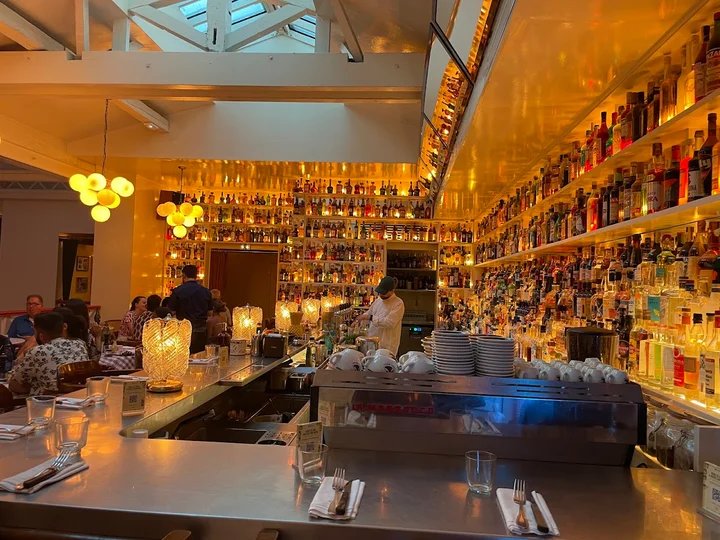
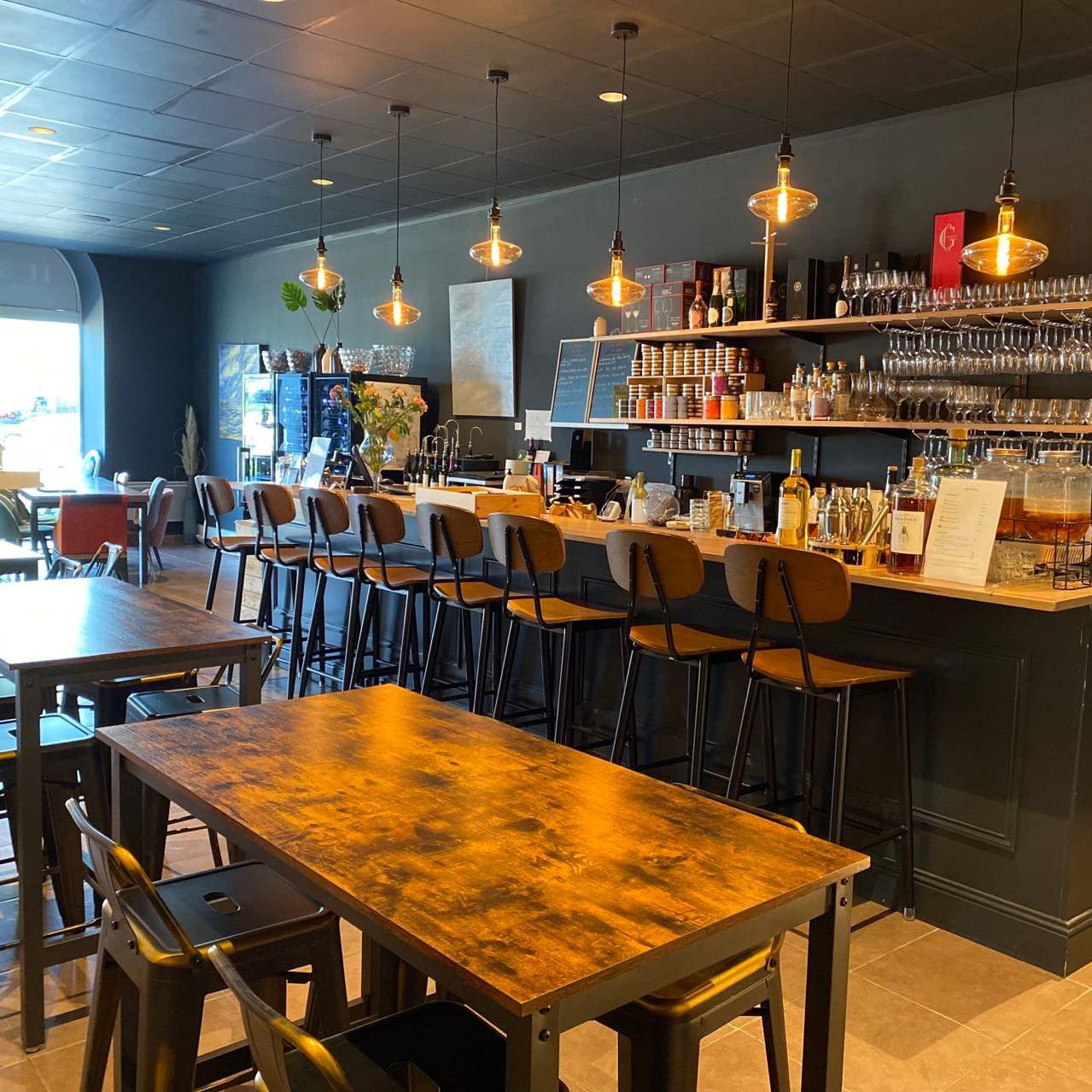
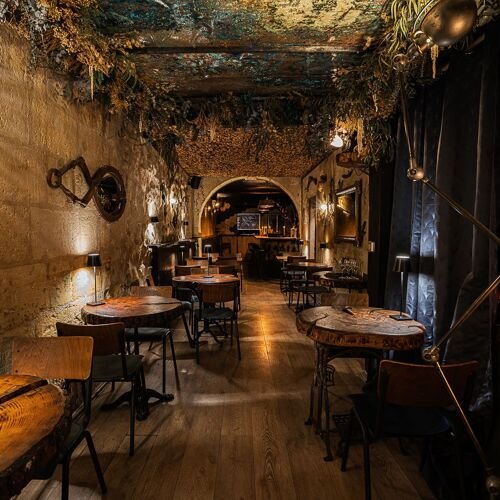
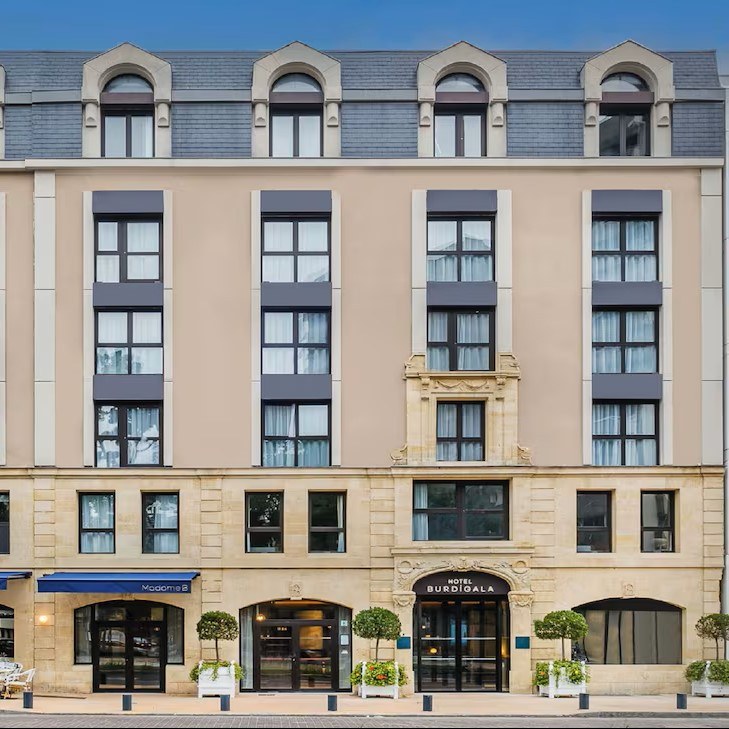
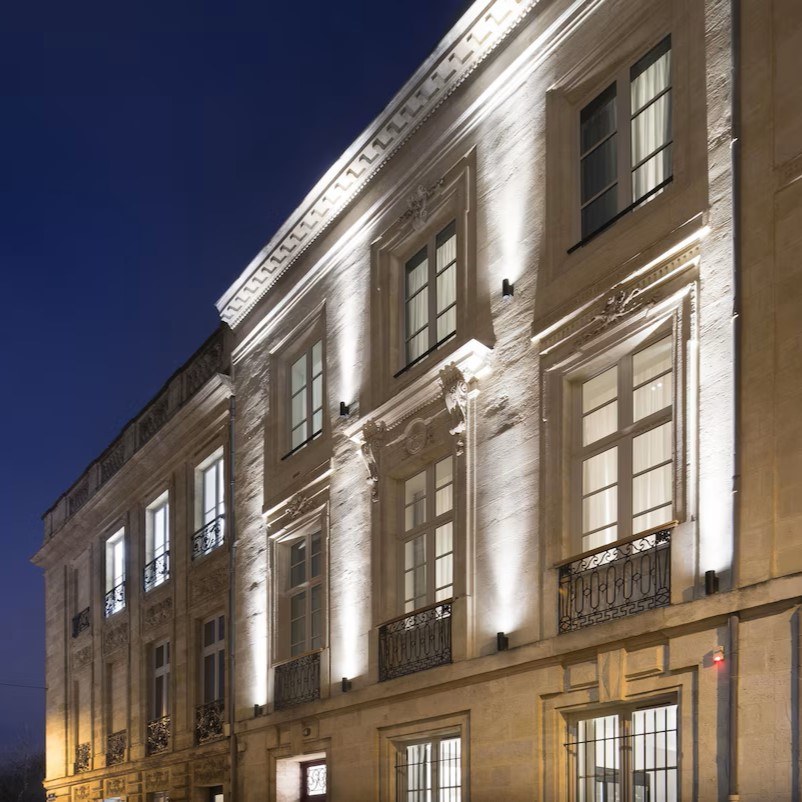
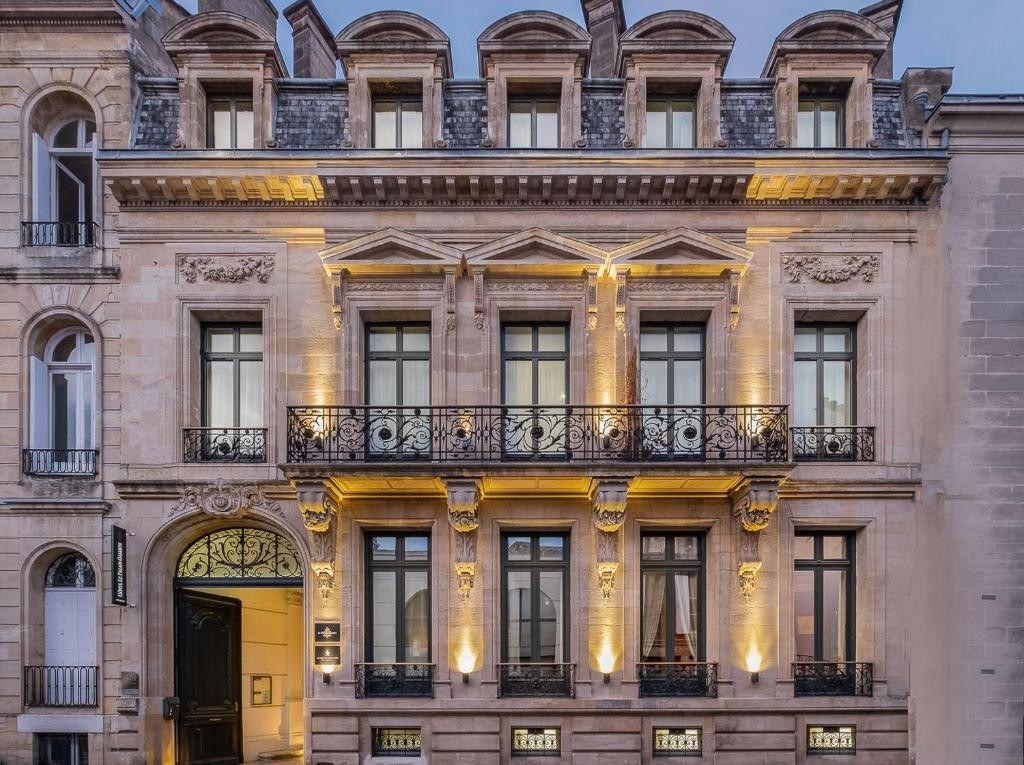
Papillon anchors itself on Bordeaux’s Quai des Chartrons, occupying a converted stretch of stone warehouses that still read as industrial and historic. The riverside setting and the memory of négociant houses lend the bar a scenic, portside atmosphere that balances weighty heritage with contemporary drinking culture. Rather than a slick, anonymous cocktail den, Papillon feels like a neighborhood bar respectful of its architectural context: the quay’s scale and trading history shape a distinctive, quietly theatrical backdrop for crafted drinks and conversation along the Garonne.
Best For
Papillon is best for evening outings that lean into Bordeaux’s revived bar culture—after-work cocktails, relaxed pre-dinner drinks, or late-night rounds. Its placement on the riverfront makes it a destination stop when exploring Chartrons’ galleries and restaurants, and the focus on serious cocktails suits people who appreciate technique and a thoughtful beverage programme. Visitors looking to experience how Bordeaux’s drinking scene sits alongside its wine heritage will find Papillon a natural place to pause and soak up the quay’s atmosphere.
Ordering Tips
The bar foregrounds a serious cocktail programme in a city traditionally dominated by wine, so approach the menu expecting technique and considered compositions rather than casual, novelty serves. Ask the bartender about how they balance cocktail craft with local wine culture—there may be thoughtful references or approaches shaped by Bordeaux’s vinous context. For first visits, engage the bartender with your flavor preferences and let them guide you toward something that reflects both the cocktail programme’s intent and the riverside setting.
Venue details
Ambiance
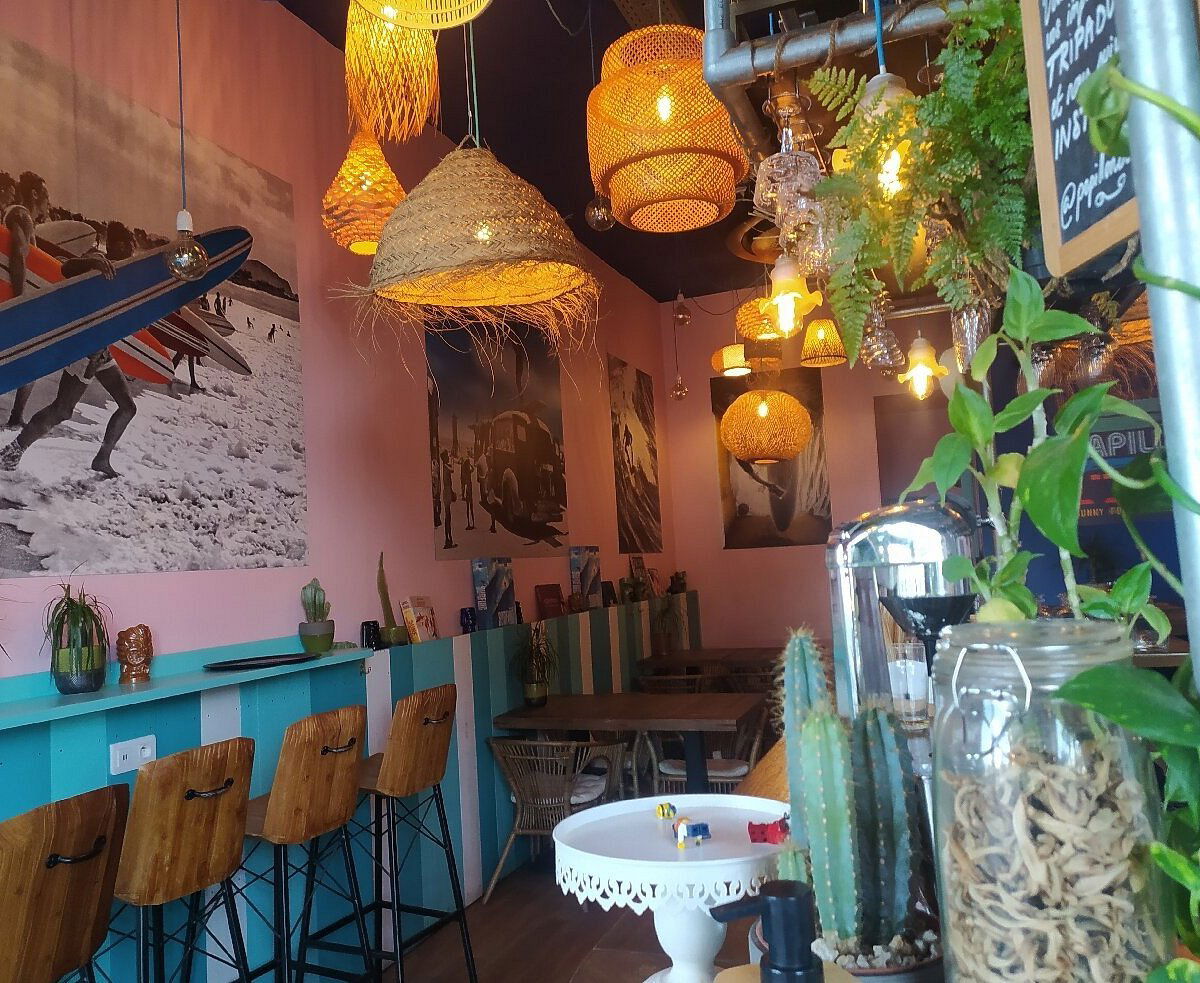
Warm, vibrant Californian vibe with chilled music at a comfortable volume.
Tags
Vibe
Best For
Experience
Format
View
At the Bar
- Bar Category
- Cocktail Bar
- Late Night
- Closes by Midnight
- Music
- Chilled
Signature Pours
- Royale Espresso Martini
- Lychee Martini
Know before you go
Know Before You Go
- Getting there
- 8 Quai des Chartrons, 33000 Bordeaux, France
Planning details
Location
8 Quai des Chartrons, 33000 Bordeaux, France · Directions
Also consider
Where to go if this does not fit
If Papillon is not the right match, try Symbiose for a more defined cocktail-and-dining night, or Bar Casa Bordeaux for a direct bar alternative in Bordeaux.
Bar context
How Papillon compares in Bordeaux
Papillon is the easier, lower-pressure choice in this set: better for a casual Chartrons night than for a carefully planned food or wine itinerary. Symbiose is the stronger call when the evening needs a more defined cocktail-and-dining identity, while Le Sobre Chartrons is the closer neighborhood cross-shop if staying in Chartrons is the main requirement.
For ambiance, choose Papillon when the night should feel flexible and social. YARRA and Le Ferdinand are better fits for readers who want a clearer sense of occasion from the booking itself. Bar Casa Bordeaux is the safer alternative when the group wants a more direct bar-first plan and does not need the Chartrons setting.
On value, Papillon's case is convenience rather than a proven splurge. Without confirmed pricing or awards, treat it as a smart easy-book option, not as the place to justify a premium night out.
Around this place
Discover more on Pearl
Unlock the full Papillon guide in Pearl, including awards, comparisons, FAQs, planning details, and nearby places.
Compare Papillon
| Venue | Location | Awards |
|---|---|---|
| Papillon | Bordeaux | No published awards |
| Symbiose | Bordeaux | No published awards |
| Le Sobre Chartrons | Bordeaux | No published awards |
| YARRA | Bordeaux | No published awards |
| Le Ferdinand | Bordeaux | No published awards |
| Bar Casa Bordeaux | Bordeaux | No published awards |
How Papillon Bordeaux compares with similar nearby venues.
FAQ
Frequently Asked Questions
Is Papillon good for a date?
It can be, if you want a casual Bordeaux date that can run late. Papillon's hours are Tuesday through Saturday from 6 PM to 2 AM, which makes it easier to fit into a flexible evening than a tightly scheduled dinner plan. If you need more specific food details before choosing, compare with Symbiose or another Bordeaux option and check current details directly.
Is the food good at Papillon?
Choose Papillon for its casual Bordeaux setting and late hours rather than as a dinner-first, award-led booking. If your priority is a dinner-first plan, compare available details for Le Ferdinand, YARRA, or other Bordeaux options before deciding. Check Papillon's official channels for the latest details.
Does Papillon have happy hour deals?
Do not plan around a specific happy hour deal. If you are comparing casual Bordeaux stops, you can also look at Bar Casa Bordeaux. Check Papillon's official channels for the latest details.
What's the best time to go to Papillon?
Papillon opens at 6 PM Tuesday through Saturday and stays open until 2 AM. Go earlier if you want the start of the evening, or later if your plan depends on its late-night schedule. If you are comparing timing with another Bordeaux option, Le Sobre Chartrons is one reference point to check directly.
Is Papillon open late?
Yes. Papillon runs until 2 AM on Tuesday, Wednesday, Thursday, Friday, and Saturday, and is closed Sunday and Monday.