    Bar in Bondi Beach, Australia

    Besa

    100Pearl Points

    Coastal Tapas Room

    Besa, Bar in Bondi Beach

    About Besa

    <strong>Besa brings Spanish and tapas</strong> cues into <strong>Bondi Beach</strong>, a suburb where drinking and dining are shaped as much by the oceanfront rhythm as by the plate. With no public awards, chef attribution, price range, or signature-drink data in the record, it reads as a local-format venue rather than a credential-driven destination, useful for readers weighing a casual Spanish-leaning night against <strong>Bondi’s larger coastal bar</strong> circuit.

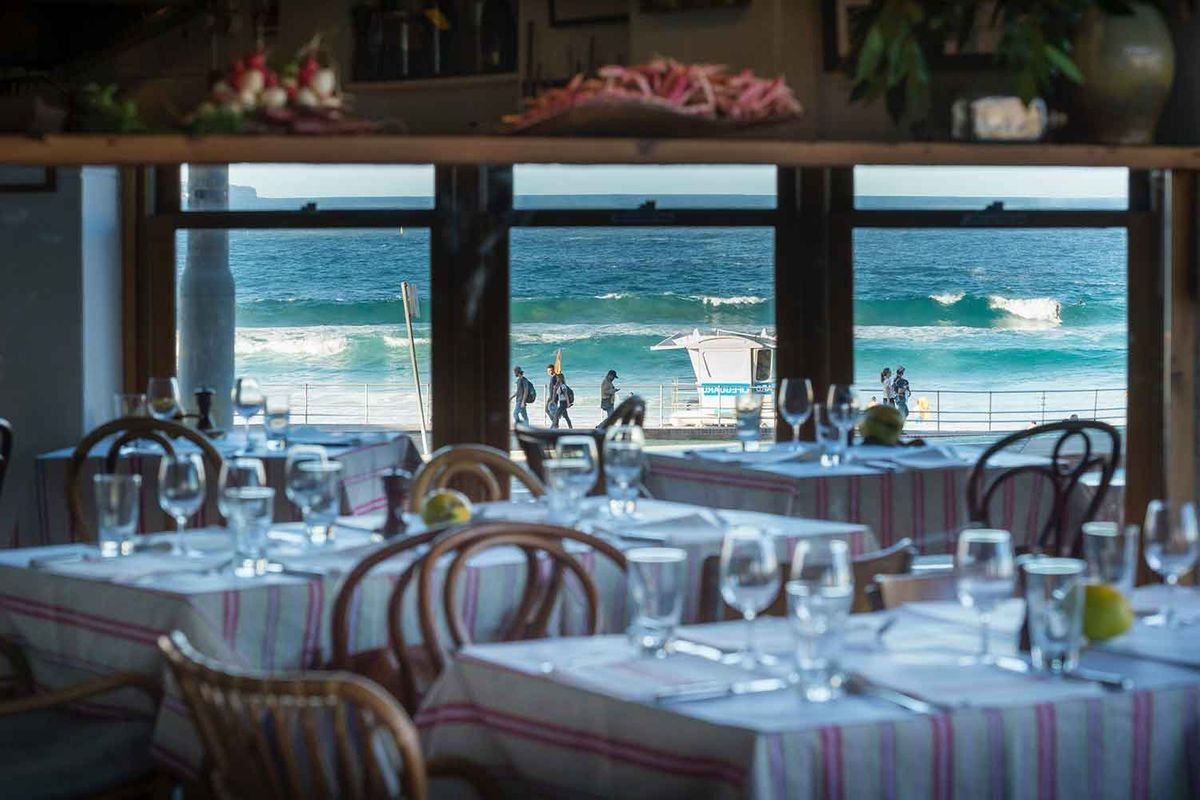
    Approaching a Bondi Beach dining room, the first reference point is rarely the menu. It is the salt in the air, the after-swim traffic, the shift from beach towels to linen shirts, and the way groups choose venues based on how long they want the night to run. In that setting, Spanish and tapas formats make particular sense: they allow a table to eat in increments, drink without committing to a formal degustation, and keep the mood social rather than ceremonial.

    Besa belongs to that Bondi Beach category: a Spanish / tapas address in a suburb where the line between bar and restaurant is often deliberately thin. The available record does not list awards, chef name, price range, hours, seat count, booking method, or signature drinks, so the useful reading is not through claims of prestige. It is through format. Tapas in a beach suburb works when it gives structure to a loose evening, and when the drinks list can sit beside shared plates rather than act as a separate afterthought.

    Bondi’s Spanish-leaning table, read through the glass

    Spanish dining culture travels well to coastal Australia because it treats appetite as modular. A plate of tapas is not trying to impose a full-course rhythm on a group that may have arrived after a swim, a coastal walk, or a late-afternoon drink. The format suits mixed pacing: two people can stop for a glass and something small, while a larger table can build dinner through repeat ordering. That flexibility is the real engine of the category.

    The cocktail programme, where details are public, usually gives away how seriously a venue understands that rhythm. A Spanish-leaning list might pull toward vermouth, gin and tonic, sherry, citrus, bitter aperitifs, or spritz-style drinking, but those specifics cannot be assigned here without venue data. What can be said safely is that a tapas venue in Bondi has to answer a particular local demand: drinks that can handle salt, heat, and shared food without turning the room into a formal cocktail temple.

    That is a different proposition from the inner-city cocktail bar model. Sydney’s more specialised drinking rooms, including The Baxter Inn in Sydney, often make the bar itself the subject, with backbar depth, bartender technique, or spirit category expertise driving the evening. Bondi asks a different question. The drink has to carry enough intent to matter, but not so much theatre that it slows the social tempo.

    Why tapas works in a beach suburb

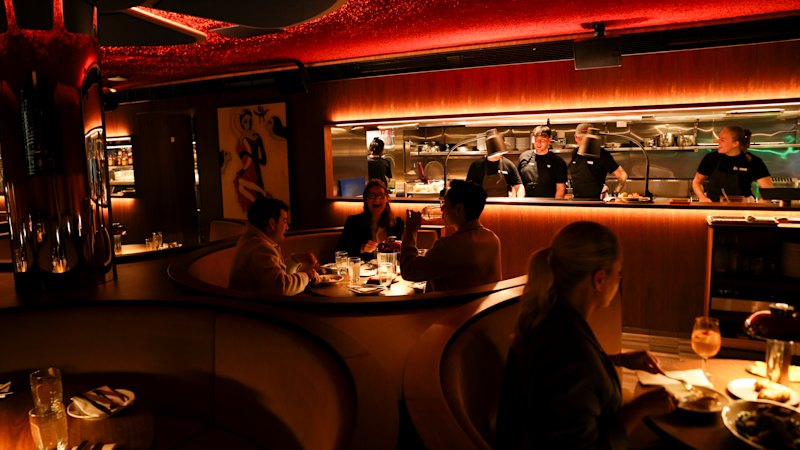
    Bondi Beach is not a neutral dining backdrop. Its restaurants and bars operate in a suburb where daylight activity bleeds into dinner service, where international visitors sit beside long-term locals, and where the oceanfront exerts pressure on everything from dress to timing. A Spanish / tapas venue fits because it offers a middle register: more considered than a quick snack, less formal than a tasting-menu room, and more conversational than a standard main-course format.

    That middle register also matters for price perception, even when a specific range is not available. Tapas menus can feel casual because dishes are shared and ordered progressively, but the final spend depends on pace, drink choices, and appetite. Readers should not treat the absence of a listed price range as a promise of affordability. In Bondi, coastal location and small-plate ordering can produce a bill that varies sharply between a pre-dinner stop and a full evening built around drinks and repeated plates.

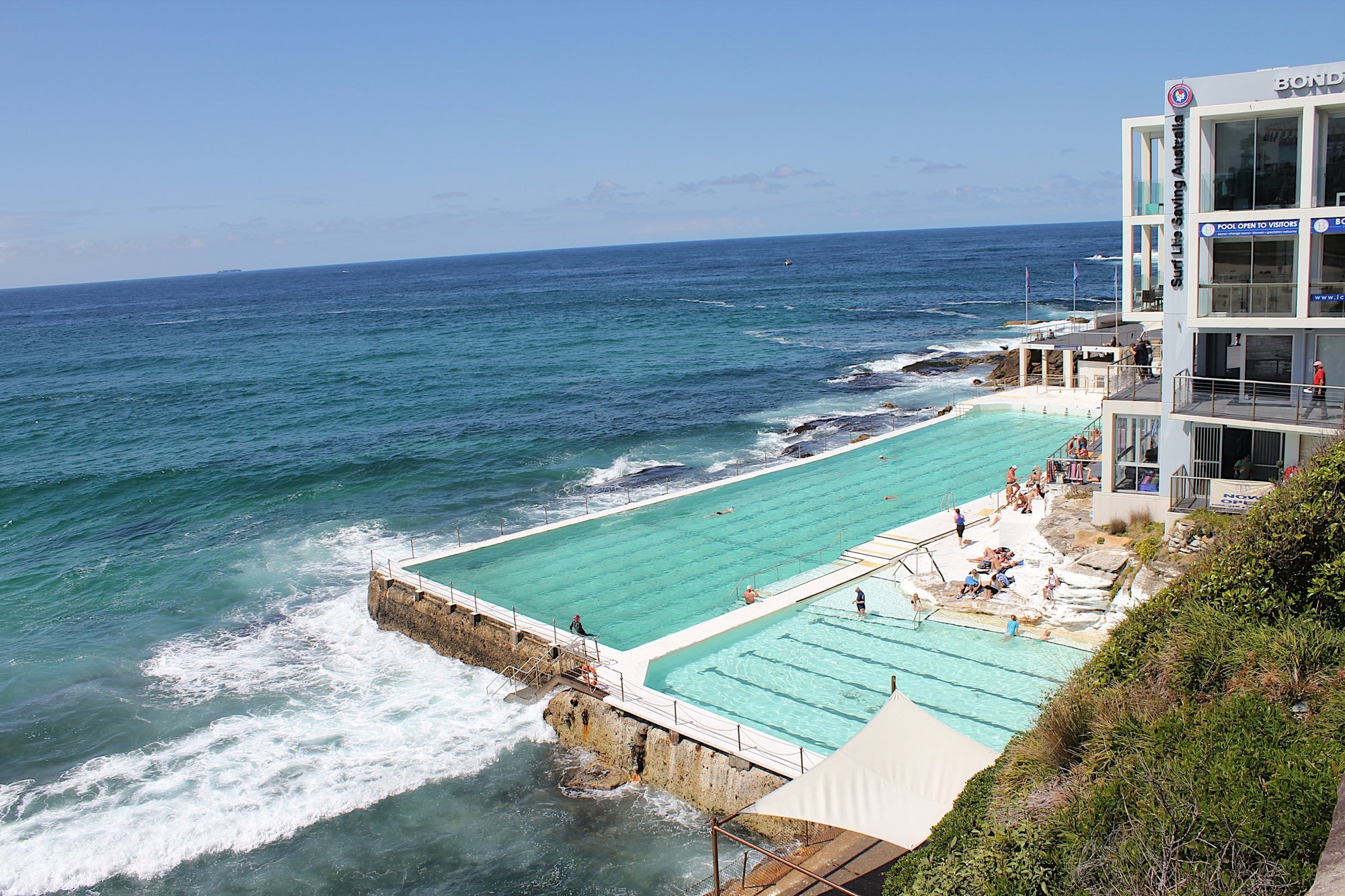
    For a reader mapping the suburb, the comparison is useful. Bondi Icebergs Swimming CLUB sits within the civic mythology of the pool and the cliff edge, while Icebergs Dining Room and Bar connects ocean-facing dining with a more established restaurant-bar identity. A Spanish / tapas room operates on a smaller social axis: less about the panorama, more about the table’s internal rhythm.

    The cocktail-programme lens, with caution

    The assigned way to read this venue is through drinks, but the public database record is thin. There is no named bartender, no cocktail list, no house drink, no bar awards, and no published technique notes. That absence matters. A responsible editorial assessment should not invent a signature serve or suggest a clarified, barrel-aged, sherry-led, or vermouth-heavy programme without evidence.

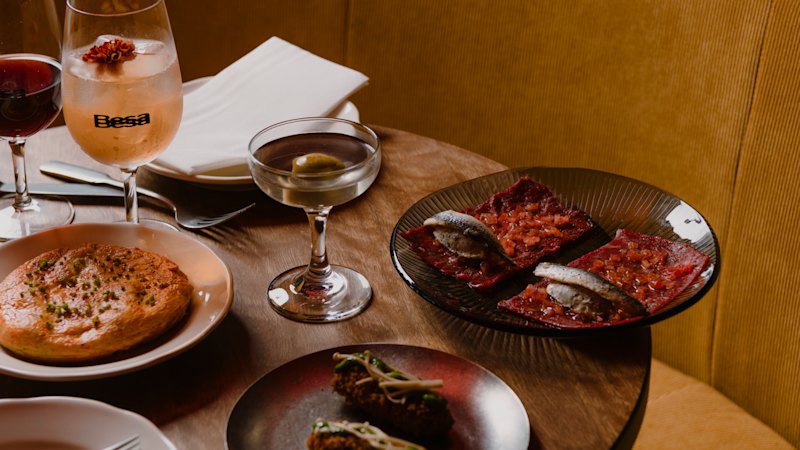
    Instead, the stronger point is category expectation. In a Spanish / tapas setting, drinks should work with salt, oil, acid, and smoke when those elements appear in the cuisine, and they should be ordered at the same tempo as food. Aperitif structure matters more than dessert-like richness. Length and freshness matter more than high-alcohol density early in the night. If the bar follows the logic of the cuisine, the drinks will support grazing rather than interrupt it.

    This is where Australian cocktail culture provides a broader frame. Melbourne’s Black Pearl in Melbourne helped normalise bartender-led seriousness without stripping away ease. Brisbane addresses such as Bowery Bar in Brisbane show how a city’s cocktail identity can develop around intimate rooms and repeat locals. Bondi has a different pressure system: climate, beach traffic, and all-day movement push the drinks conversation toward sociability.

    That does not make the drinks less important. It makes balance harder. A cocktail programme in Bondi needs to satisfy guests who came for a proper drink and others who chose the venue for food first. The dining room has to avoid the trap of treating cocktails as decoration, but also avoid the bar-world habit of turning every order into a lesson. For tapas, the stronger move is usually restraint, acidity, and timing.

    How to place it among Bondi Beach restaurants

    The useful reader question is not whether this is a trophy booking. There are no Michelin stars, hat ratings, 50 Best citations, or named editorial awards in the venue record. The question is whether a Spanish / tapas format is the right fit for the evening. For groups that want a beach-adjacent dinner without locking into a rigid structure, the format has clear value. For diners seeking documented chef credentials, a published tasting-menu arc, or a destination-level awards trail, the available data does not provide those signals.

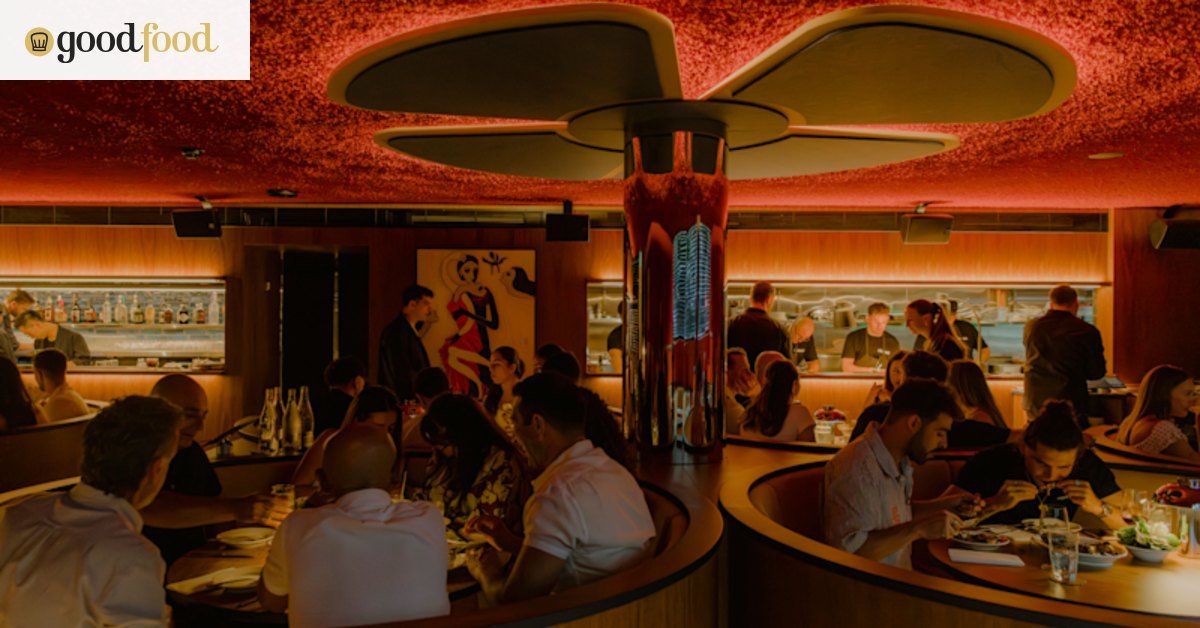
    Bondi’s dining identity often splits into several lanes: ocean-view institutions, casual counters, polished neighbourhood rooms, and hybrid bar-restaurants designed for flexible evenings. A tapas venue sits closest to the hybrid lane. It works for groups because sharing lowers the friction of ordering. It works for drinkers because small plates extend the night. It works for travellers because Spanish food vocabulary is broadly legible without reducing the experience to a tourist script.

    For broader planning, Our full Bondi Beach restaurants guide is the better starting point, particularly for readers comparing oceanfront bars with smaller neighbourhood options. The decision should be based on occasion: view-led drinks, late dinner, casual shared plates, or a more formal table. Bondi compresses those choices into a small area, which is why misreading the format can lead to the wrong kind of booking.

    Australian bar comparisons that sharpen the read

    Context helps because Australia’s bar culture is not one thing. A whisky-led Sydney room, a Melbourne cocktail institution, a Brisbane cellar bar, and a beach hotel all answer different social needs. A Bondi Spanish / tapas venue should not be measured against each of them on the same scale. It should be judged on whether it makes drinks and shared food feel natural in a coastal suburb.

    Other Australian venues show the range. 10 Oceanside Promenade in Mullaloo belongs to another oceanside context, where location shapes the drinking occasion before the menu is read. The Cottesloe Beach Hotel in Cottesloe sits in a beach-hotel tradition with its own social code. La Cache à Vín in Spring Hill points toward a more wine-led European register, while The Angel of Malvern in Malvern and Palace Westgarth Cinemas in Northcote show how local setting can define the reason people drink before the drinks themselves do.

    There is also value in looking beyond Australia. Café La Trova in Miami demonstrates how a bar can connect food, music, and drinks through a cultural frame rather than a narrow cocktail-lab identity. That comparison is not a claim of equivalence. It clarifies the point: when cuisine and drinks share a cultural language, the bar programme needs coherence more than spectacle.

    Planning a night here

    Because the record does not provide address, hours, phone number, website, or booking method, readers should verify current operating details directly before setting out. That is especially relevant in Bondi Beach, where weather, season, and day of week can change the feel of a night. Summer evenings and warm weekends tend to make casual coastal dining more competitive across the suburb, while midweek plans usually give groups more room to choose by mood rather than availability.

    The practical play is to treat the venue as a flexible Spanish / tapas option rather than a formal occasion restaurant unless current information proves otherwise. Arrive with a sharing mindset, expect the drinks decision to shape the pace of the meal, and avoid overplanning the order at the start. Tapas formats usually reward a staged approach: begin light, see how the table is drinking, then build the meal around appetite rather than ceremony.

    Dress expectations are not listed, so Bondi’s general code applies: relaxed, beach-adjacent, but not careless if the plan extends into dinner. The absence of a listed chef also means the kitchen should be read through cuisine and format rather than personality. That is not a weakness. In a suburb defined by movement, social energy, and coastal timing, the more useful question is how well the room lets food and drinks keep pace with the night.

    FAQ

    What’s the vibe at Besa?

    In Bondi Beach, the vibe is likely shaped by the suburb’s coastal dining rhythm: casual enough for shared plates, but structured enough for a proper Spanish / tapas meal. The venue record does not list awards or price range, so it should be approached as a format-led local option rather than an awards-led destination.

    What’s the signature drink at Besa?

    No signature drink is listed in the available venue record. Given the Spanish / tapas cuisine anchor, readers should look for drinks that work with aperitif pacing and shared food, but any specific cocktail claim should be checked against the current menu.

    Why do people go to Besa?

    The main draw is the fit between Spanish / tapas dining and Bondi Beach’s social, coastal pattern. Without listed awards, chef details, or price range, the case rests on occasion: shared plates, drinks, and a flexible meal rather than a credential-heavy restaurant experience.

    Is Besa a good choice for Spanish tapas in Bondi Beach?

    For a long-tail search such as Spanish tapas in Bondi Beach, the venue’s clearest anchor is its cuisine type: Spanish / Tapas. The record does not provide chef, awards, or menu specifics, so it is better suited to readers seeking the format and neighbourhood context than those comparing named chefs or documented accolades.

    Location

    Bondi Beach, Australia

    Keep this place

    Save or rate Besa on Pearl

    Keep this venue in your Pearl passport, rate it after you visit, and track it alongside every other place you collect.