
Viniculture
Charlottenburg, Berlin
Bar in Berlin, Germany
 Book with Pearl
The Read
Price
$20–30per person
Why go
A practical Charlottenburg wine stop for value-focused drinkers who care more about bottle quality than late-night atmosphere. Go earlier in the day or before dinner; it is a stronger fit for focused wine decisions than for a long evening out.
About Viniculture
Viniculture is a Berlin venue with daytime and early-evening opening hours and Star Wine List recognition in 2026. Plan it as a casual Berlin stop around its schedule rather than as a late-night destination.
Use it when the timing fits: Viniculture is open Monday through Friday from 12 PM to 7 PM, Saturday from 11 AM to 7 PM, and closed on Sunday. The dress code is casual, so there is no need to treat it like a formal occasion venue. Its Star Wine List recognition is a useful trust signal.
A better fit for daytime planning than late-night visits
Viniculture is easiest to recommend when you want a Berlin venue with clearly limited evening hours. It is not the address to save for the end of the night, and that limitation should shape the plan.
It works better as an earlier stop or a scheduled visit before moving elsewhere in the city. For a broader Berlin plan, use Our full Berlin bars guide; for dining around it, check Our full Berlin restaurants guide.
Who should choose it, and who should not
Choose Viniculture if the schedule and casual dress code suit your plans, and if Star Wine List recognition is a useful signal for you. It is a less natural fit for anyone looking for a late-night venue or a long evening out.
For alternatives with a different feel, compare it with Berlin options such as GRACE Bar, Lang Bar, Library, Bristol Lounge & Eatery, or Bottega Seppel. Travelers building a wider city plan can also use Our full Berlin hotels guide.
Planning details
- Location
- Grolmanstraße 44-45, 10623 Berlin, Germany
- Website
- viniculture.de
- Phone
- +49 30 8838174
The take
The Take
The Vibe
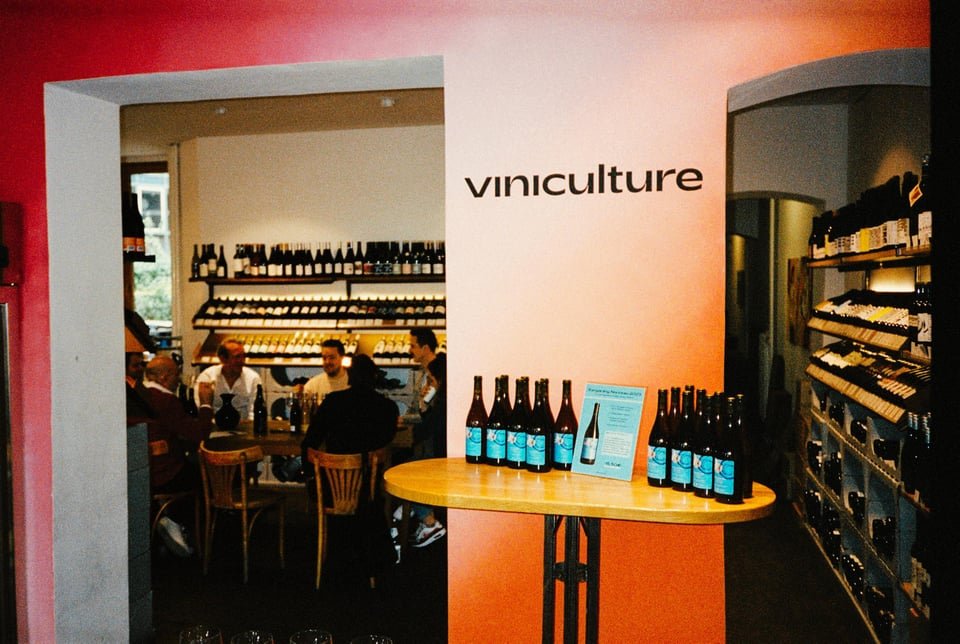
Viniculture reads like a specialist's study more than a neighborhood watering hole. Located on a quieter, residential stretch of Charlottenburg, the arrival is purposeful—this is a place you seek out rather than stumble into. Inside, the atmosphere is measured and attentive: conversations center on provenance and production, and the selection is curated with an editorial sensibility. The spirit of the low‑intervention wine movement threads through the room, lending a serious, sophisticated tone that rewards patience and curiosity rather than loud socializing. Overall, Viniculture feels calm and considered, designed for people who want to engage with what’s in the glass.
Best For
Viniculture is best for visits focused on discovery and education rather than casual bar‑hopping. It suits solo guests or small groups who want to explore producer‑driven bottles, compare glass pours, or pick up a bottle to take home. The bar functions as both a retail shop and tasting destination, so it’s ideal for wine enthusiasts who appreciate low‑intervention and minimal‑sulfite approaches and who enjoy staff‑led explanations about provenance and producers. If you’re looking for a deliberate, wine‑centric evening where conversation follows the bottle, this is the place.
Ordering Tips
Treat the visit like a curated tasting: ask staff for context about producers and farming practices, and use by‑the‑glass pours to sample unfamiliar bottles before committing to a full bottle. The venue doubles as a retail shop, so consider buying a bottle to take home if something stands out. Expect a selection oriented toward natural and low‑intervention wines; mention your preferences or curiosities and let the team point you to bottles that illustrate specific regions, techniques, or varietals. Because the space rewards focused attention, pace your tasting and prioritize conversation with staff.
Venue details
Ambiance
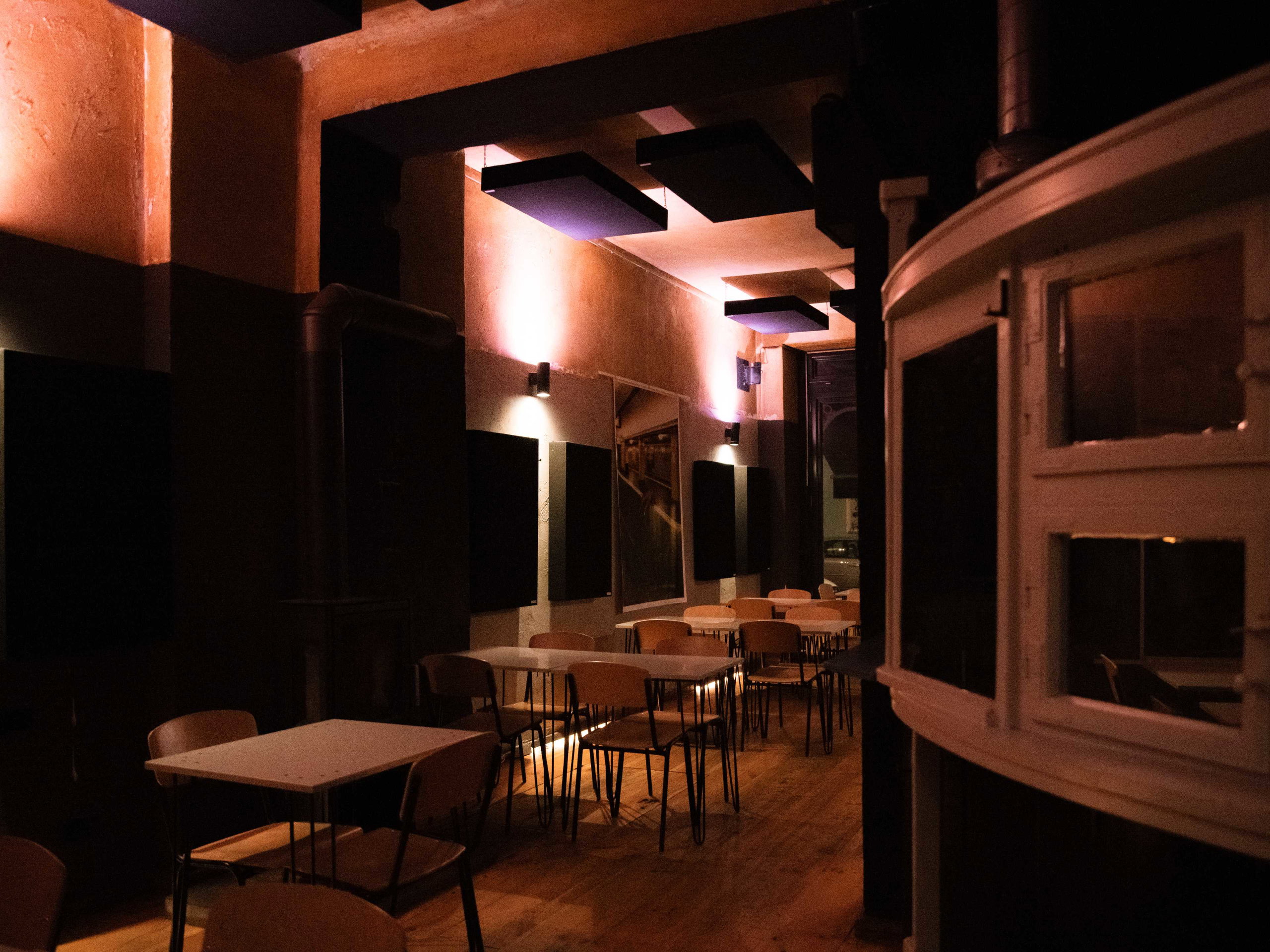
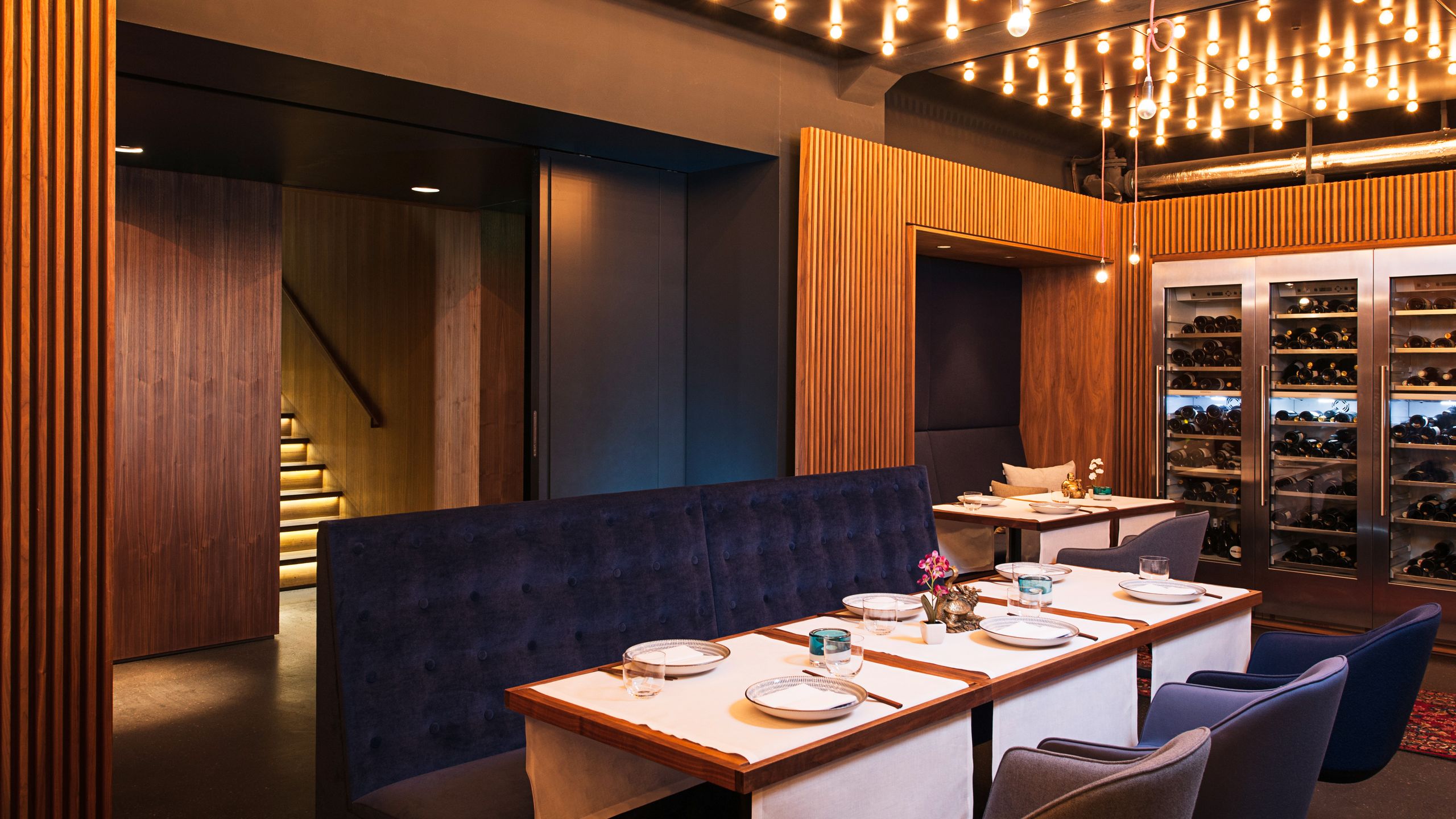
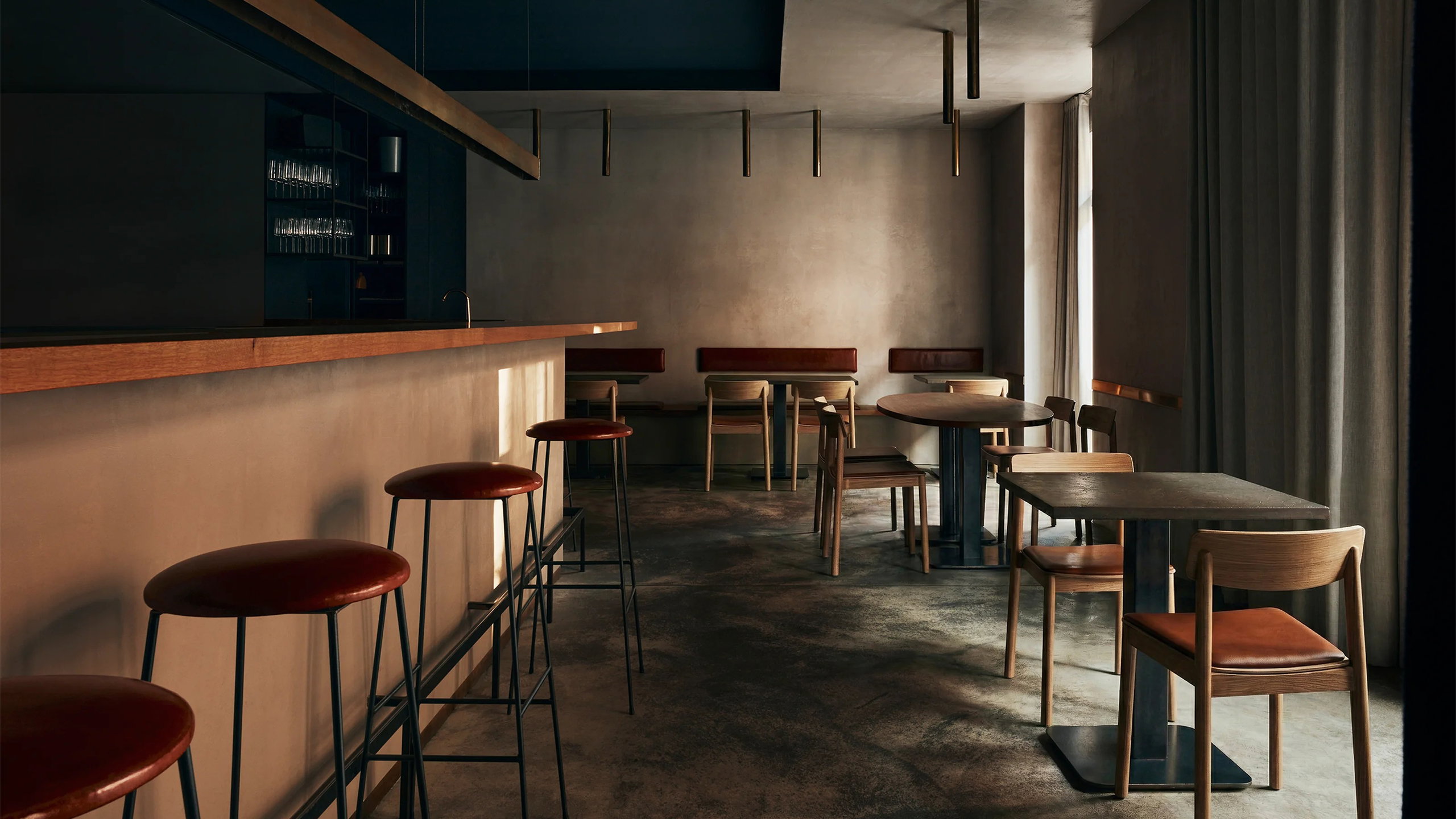
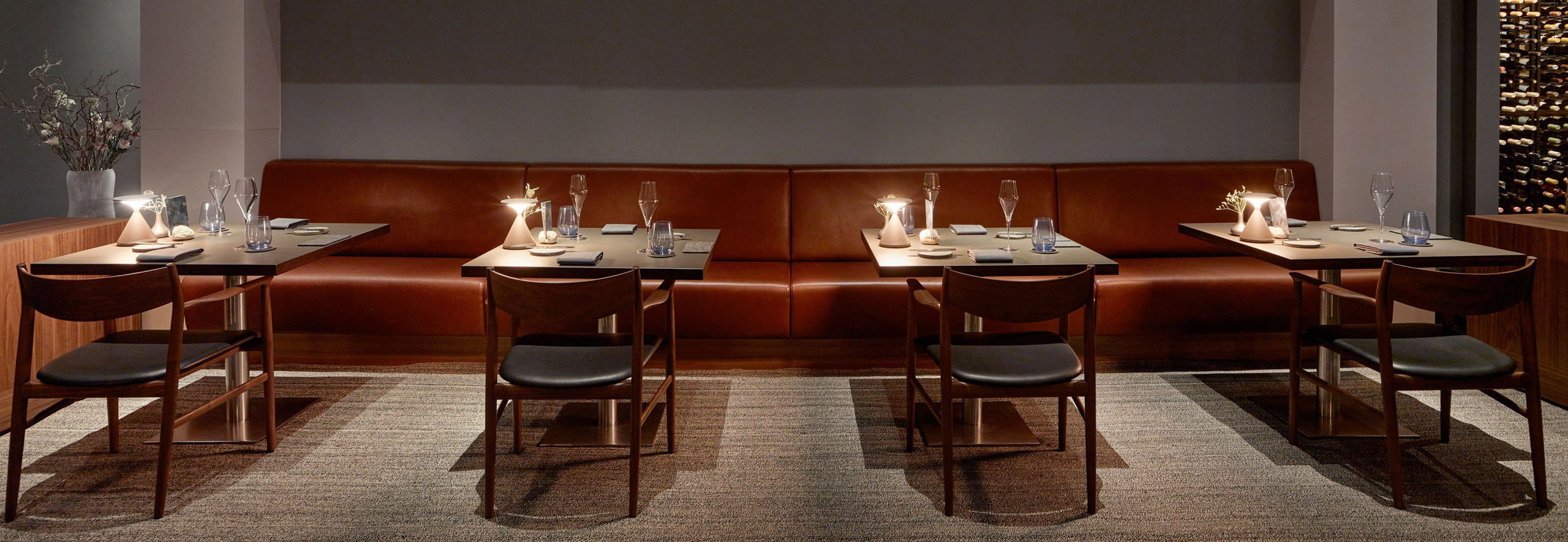
Cozy and intimate shop atmosphere with knowledgeable staff, small indoor tables, and outdoor seating in warmer weather.
Tags
Vibe
Best For
Experience
Format
At the Bar
- Bar Category
- Wine Bar
- Late Night
- Closes by Midnight
Know before you go
Know Before You Go
- Getting there
- Grolmanstraße 44-45, 10623 Berlin, Germany
Planning details
Location
Recognition and awards

Also consider
Also Consider
- Bristol Lounge & Eatery, Notable alternative
- GRACE Bar, Notable alternative
- Bottega Seppel, Notable alternative
- Library, Notable alternative
- Lang Bar, Notable alternative
Bar context
How It Compares
Choose Viniculture when the decision is wine-first and value-conscious. Against Bristol Lounge & Eatery and Lang Bar, it reads as the more practical pick for bottle selection and a calmer spend, while those peers make more sense if the night needs a polished lounge setting.
GRACE Bar and Library are better cross-shops for guests prioritizing atmosphere over retail-style wine focus. If the group wants a Berlin bar night with more mood and less decision-making around bottles, start there instead.
Bottega Seppel is the peer to compare if the plan is casual and wine-led rather than hotel-bar formal. Viniculture has the clearest case for easy planning and price-to-quality discipline; pick the others when ambiance carries more weight than the wine choice itself.
Around this place
Discover more on Pearl
Unlock the full Viniculture guide in Pearl, including awards, comparisons, FAQs, planning details, and nearby places.
Compare Viniculture
| Venue | Location | Awards |
|---|---|---|
| Viniculture | Berlin | Star Wine Lists 2026 |
| Bristol Lounge & Eatery | Berlin | No published awards |
| GRACE Bar | Berlin | No published awards |
| Bottega Seppel | Berlin | No published awards |
| Library | Berlin | No published awards |
| Lang Bar | Berlin | No published awards |
How Viniculture Berlin compares with similar nearby venues.
FAQ
Frequently Asked Questions
Is Viniculture open late?
No. Viniculture closes at 7 PM Monday through Saturday, and it is closed on Sunday, so it works better for an earlier planned visit than a late-night stop.
What's the best time to go to Viniculture?
Plan around the hours: Viniculture is open from 12 PM to 7 PM Monday through Friday, from 11 AM to 7 PM on Saturday, and closed on Sunday. That schedule suits an earlier visit more than a late evening plan.
What is Viniculture known for?
Viniculture has Star Wine List recognition for 2026 and a casual dress code in Berlin.