Prince Charles
Kreuzberg, Berlin
Bar in Berlin, Germany
 Book with Pearl
The Read
Price
$20–30per person
Why go
Prince Charles is a better fit for an easy Kreuzberg bar stop than for a wine-led evening. Value-seekers should choose it when convenience and group flexibility matter; for a more focused by-the-glass plan, compare it against Berlin wine bars before committing.
About Prince Charles
Prince Charles is a Berlin venue with a casual dress code. That is the main practical detail and it is useful precisely because it keeps the planning frame simple. Beyond that, only limited practical details are available, so plan with flexibility and check the venue's official channels before making specific plans around it.
Use this page as a concise planning note rather than a full menu, drinks, pricing, or reservations guide. It can help you decide whether Prince Charles belongs on a loose Berlin shortlist, especially if a casual dress code suits the kind of evening you are organizing. If you are comparing options, consider Prince Charles alongside other Berlin choices such as Kater Blau, L'Apéro Bar, Nomi Weinbar, Orania.Bar, and Schwarze Traube, or browse our full Berlin bars guide. Comparing it in that broader context is the safest approach, since each venue may be better understood through its own details and current information.
Use it as a flexible Berlin option
The clearest planning detail is simple: the dress code is casual. That makes Prince Charles easier to consider for an unforced Berlin plan, where you may not want to build the whole outing around formal attire or tightly defined expectations. Still, specifics such as menus, prices, hours, reservations, or a particular drinks focus should not be assumed from this guide. If any of those details would affect your decision, confirm them directly before you go, rather than relying on inference.
For broader trip planning, use our full Berlin restaurants guide and our full Berlin hotels guide to build the rest of the visit around confirmed details. Those guides can help place Prince Charles within a wider Berlin itinerary while keeping this page focused on the essentials.
Planning details
- Location
- Prinzenstraße 85F, 10969 Berlin, Germany
- Website
- bechstein-network.com/prince-charles
- Phone
- +49 15678 662100
The take
The Take
The Vibe
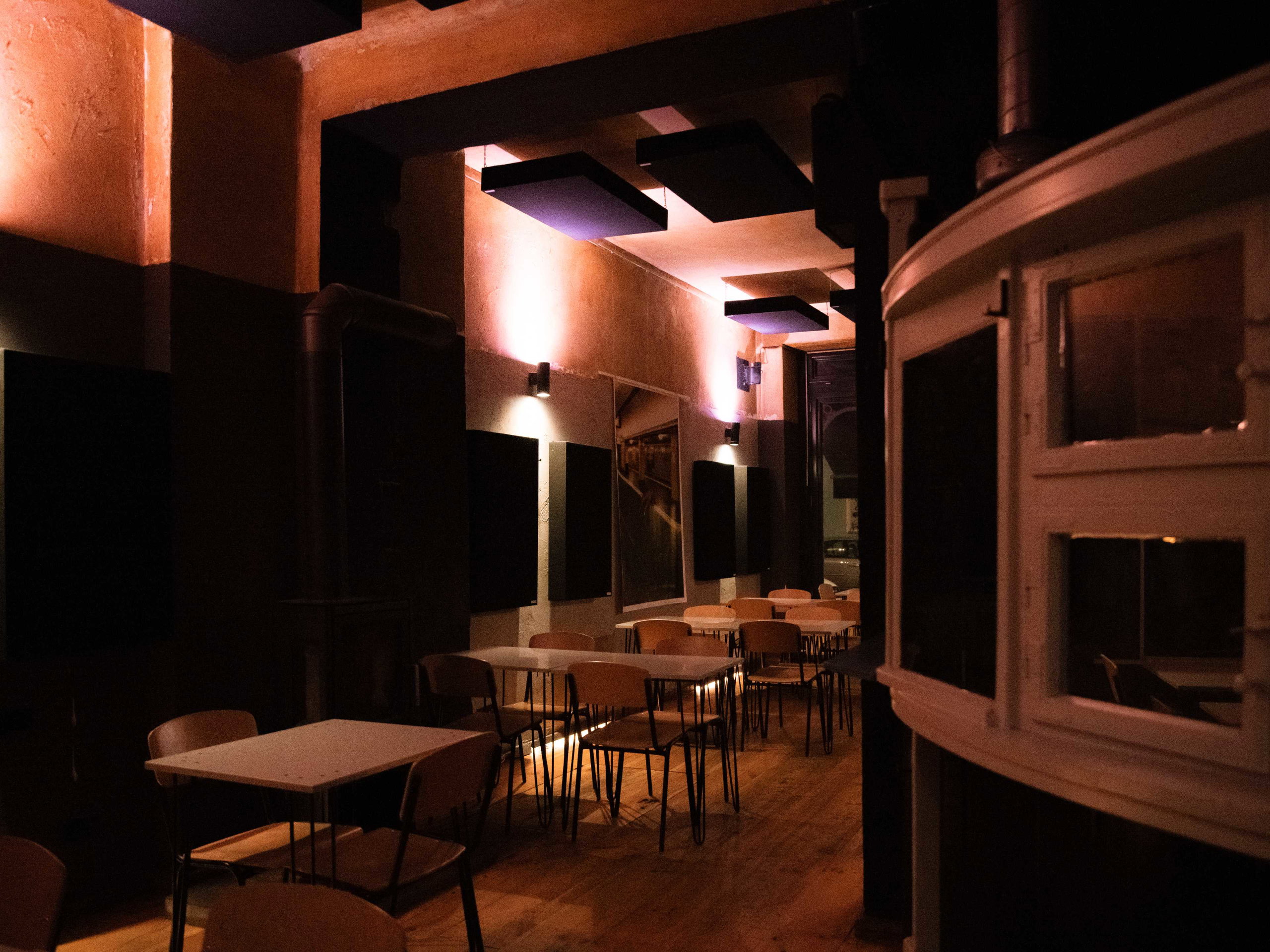
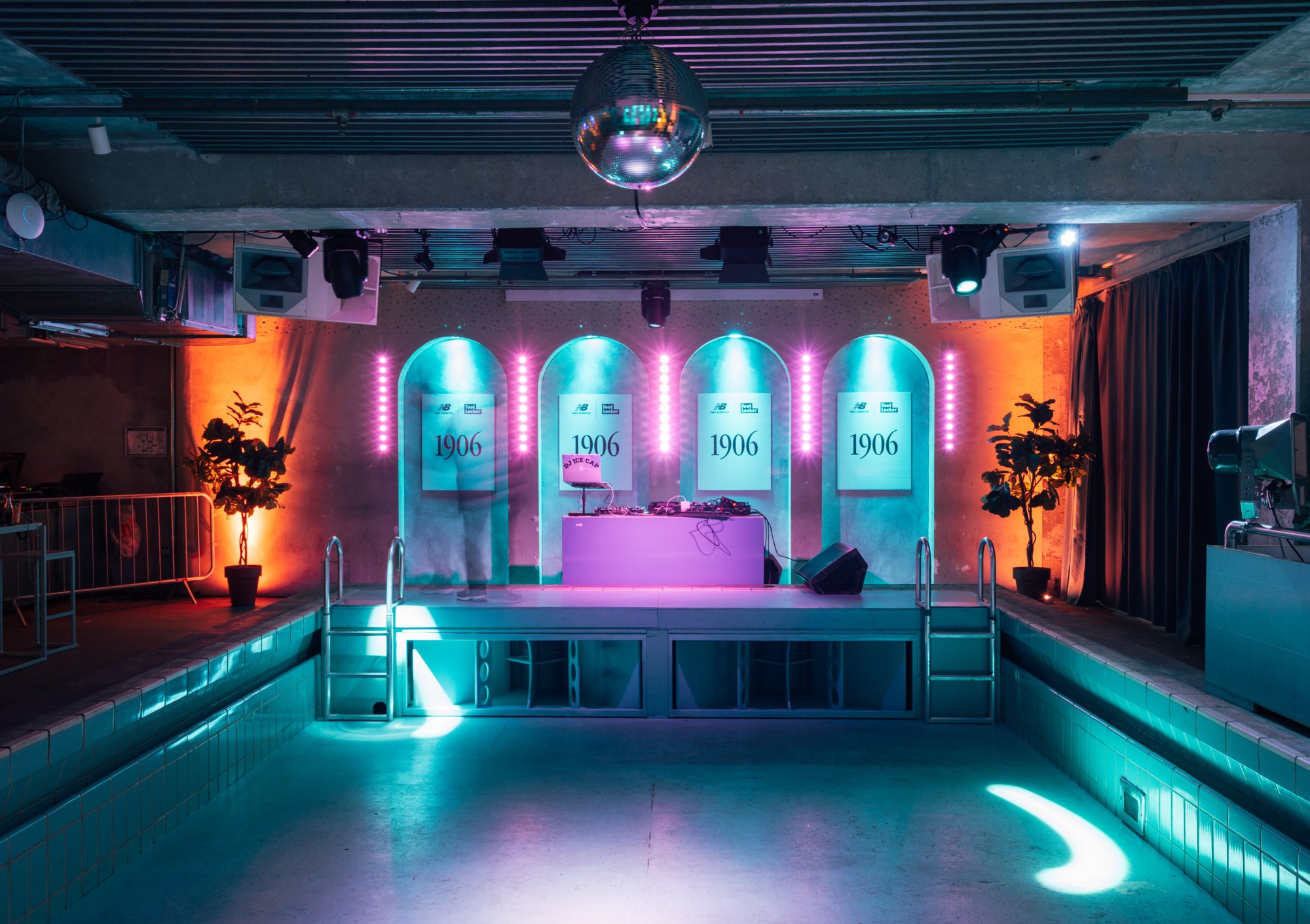
Prince Charles lives inside its architecture. Housed in a decommissioned public swimming pool, the bar leaves tiled walls, the recessed basin and the raw geometry exposed so the building’s past remains legible. That adaptive quality gives the space an industrial, almost museum-like authenticity: less about polished club design and more about letting structure and history set the mood. In Kreuzberg — a district long associated with alternative culture — Prince Charles aligns with venues that privilege atmosphere, programming and spatial interest over conventional comfort. The result is an intentionally rough-edged, historic-meets-industrial nightlife room that rewards visitors who come for character as much as for music and crowds.
Best For
This is a late-night destination for people who value atmosphere and architectural character. It suits groups and anyone immersed in Berlin’s club culture: those who come for programmed nights, communal energy and a place where the building itself is part of the draw. If you prefer tidy, seat-centric venues or fine-dining service, Prince Charles is not aimed at you; instead it favors visitors who appreciate raw spatial qualities, adaptive-reuse storytelling and nights shaped by events and crowd dynamics typical of Kreuzberg’s alternative scene.
Ordering Tips
Expect the venue to prioritize programming and atmosphere over formal comforts. Check the event listing before you go so you arrive for the night’s lineup rather than a generic bar hour. Be prepared for a space defined by its former pool architecture — less conventional seating and more open, standing areas — and dress and plan accordingly. The copy underscores a focus on spatial interest and nightlife energy rather than curated décor or table-service rituals.
Venue details
Ambiance
Energetic club atmosphere in an unconventional historic space with dancing in the old pool area.
Tags
Vibe
Best For
Experience
Format
At the Bar
- Bar Category
- Lounge
- Late Night
- Open Until 4am
- Music
- Electronic, House, Hip Hop
- Live Music
- Yes
Know before you go
Know Before You Go
- Getting there
- Prinzenstraße 85F, 10969 Berlin, Germany
Planning details
Location
Prinzenstraße 85F, 10969 Berlin, Germany · Directions
Also consider
Also Consider
- Orania.Bar, Notable alternative
- Nomi Weinbar, Notable alternative
- Schwarze Traube, Notable alternative
- L'Apéro Bar, Notable alternative
- Kater Blau, Notable alternative
Bar context
How it compares in Berlin
Choose Prince Charles when ease is the priority. Against Orania.Bar, it reads as the lower-commitment Kreuzberg option rather than the polished hotel-bar choice. Orania.Bar is the better pick for a more composed evening; Prince Charles is better when the group wants less ceremony.
For wine value, Nomi Weinbar and L'Apéro Bar are stronger cross-shops if the by-the-glass list is the main reason to go out. Prince Charles is the practical fallback when the night is more about location and pacing than comparing producers or ordering around a focused bottle list.
If ambiance is the deciding factor, Schwarze Traube is the more cocktail-led alternative, while Kater Blau pushes further into late-night energy. Prince Charles sits between those poles: useful for an easier booking, less convincing as a special-occasion drinks choice.
Around this place
Discover more on Pearl
Unlock the full Prince Charles guide in Pearl, including awards, comparisons, FAQs, planning details, and nearby places.
Compare Prince Charles
| Venue | Location | Awards |
|---|---|---|
| Prince Charles | Berlin | No published awards |
| Orania.Bar | Berlin | No published awards |
| Nomi Weinbar | Berlin | No published awards |
| Schwarze Traube | Berlin | No published awards |
| L’Apéro Bar | Berlin | No published awards |
| Kater Blau | Berlin | No published awards |
How Prince Charles Berlin compares with similar nearby venues.
FAQ
Frequently Asked Questions
What is Prince Charles known for?
Prince Charles is a venue in Berlin. The dress code is casual.
How can I contact Prince Charles?
Use the venue's official channels for current contact information.
Do I need reservations at Prince Charles?
Reservation details should be checked with the venue's official channels.