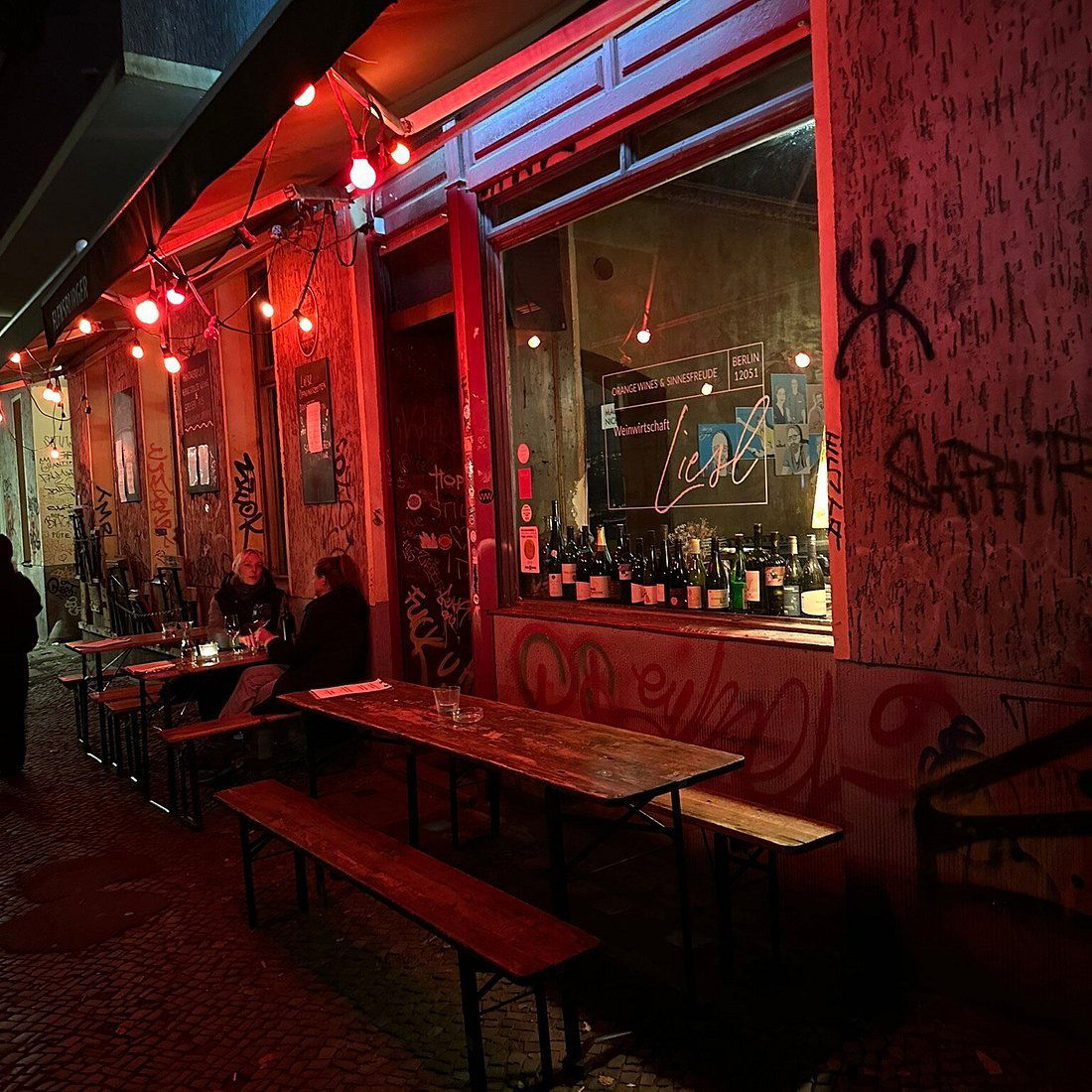


Liesl Weinwirtschaft
Neukolln, Berlin
Bar in Berlin, Germany
 Book with Pearl
The Read
Price
$20–30per person
Why go
A good Neukölln pick when the evening is about wine rather than a full restaurant plan. The 2026 Star Wine List recognition is the reason to prioritize it over a generic bar stop, especially for dates or small groups that want to compare glasses without committing to one bottle.
About Liesl Weinwirtschaft
Liesl Weinwirtschaft is a Berlin venue open Wednesday through Sunday evenings with a casual dress code. The clearest reason to put it on a shortlist is its Star Wine List recognition for 2026, alongside a schedule that makes it an evening plan rather than a lunch stop.
The essentials are direct: Liesl Weinwirtschaft is closed Monday and Tuesday, opens at 5 PM Wednesday through Sunday, closes at 11 PM Wednesday through Saturday, and closes at 10 PM on Sunday.
Go for the wine recognition and evening hours
The most useful planning hook is the Star Wine List recognition for 2026. That makes Liesl Weinwirtschaft relevant for people choosing among Berlin venues with wine in mind; if a specific bottle list, by-the-glass format, food menu, chef, price point, or service style matters to your plans, check directly before going.
For a return visit, plan around the opening hours rather than an assumed format. Wednesday through Saturday gives the longest evening window, from 5–11 PM, while Sunday is shorter, from 5–10 PM. The venue is closed Monday and Tuesday.
Who should pick this over Berlin's louder bar options
Choose Liesl Weinwirtschaft when you want a Berlin evening plan with wine recognition and casual dress. If the night depends on dancing, cocktails, a full dinner, outdoor seating, or a specific menu format, check the venue directly before committing. For broader planning, compare it with our full Berlin bars guide, then use our full Berlin restaurants guide if dinner needs to carry equal weight.
Plan at the city level and confirm exact logistics through the venue's official channels. If the evening needs a hotel nearby, start with our full Berlin hotels guide. For a wider trip plan, compare other Berlin dining and drinking options without assuming that Liesl Weinwirtschaft covers every part of the itinerary.
Quick reference: Liesl Weinwirtschaft is a casual Berlin venue with Star Wine List recognition for 2026, open Wednesday through Sunday evenings and closed Monday and Tuesday.
Planning details
- Location
- Nogatstraße 30, 12051 Berlin, Germany
- Website
- lieslwein.de
- Phone
- +49 160 2856262
The take
The Take
The Vibe
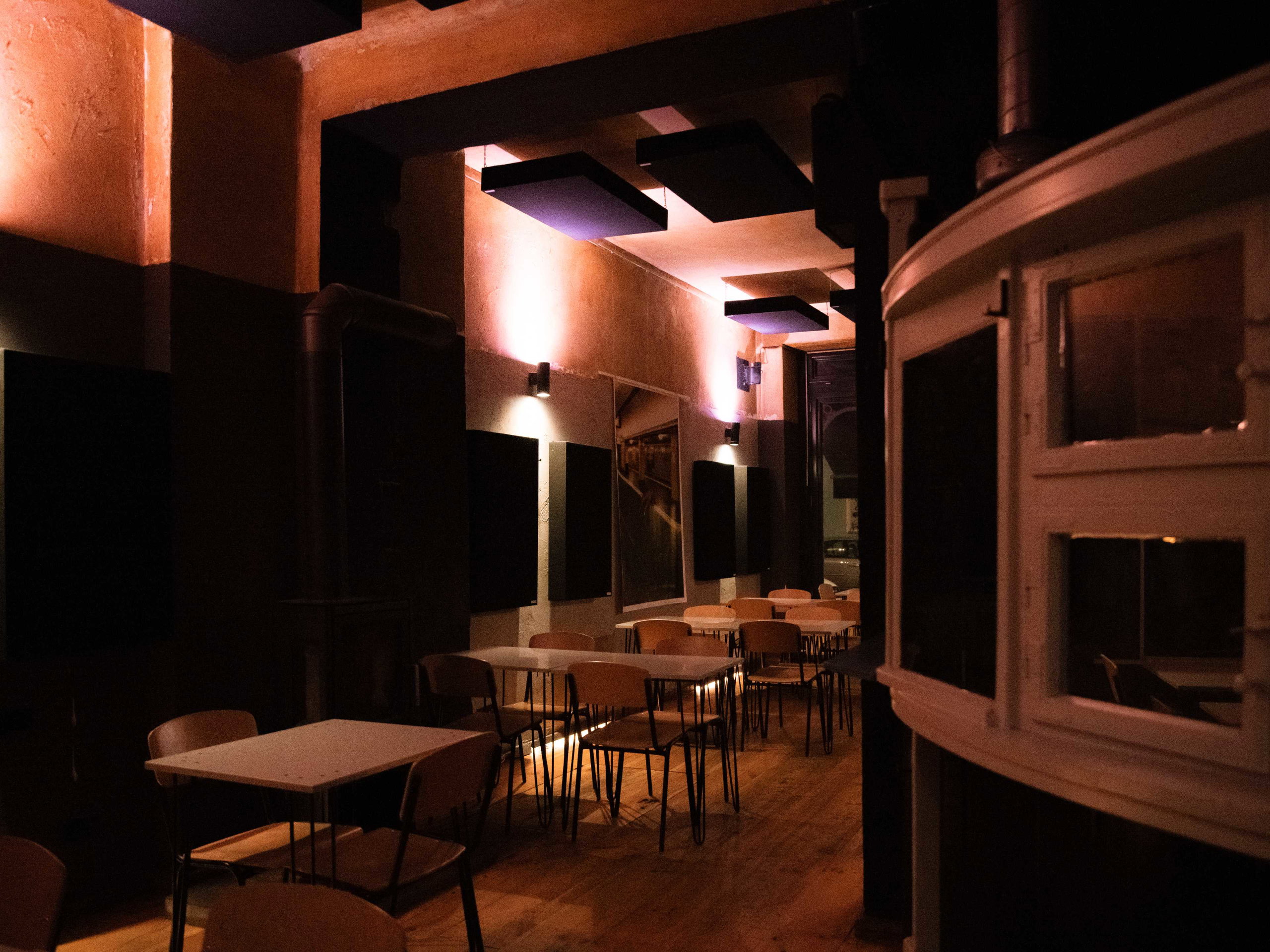
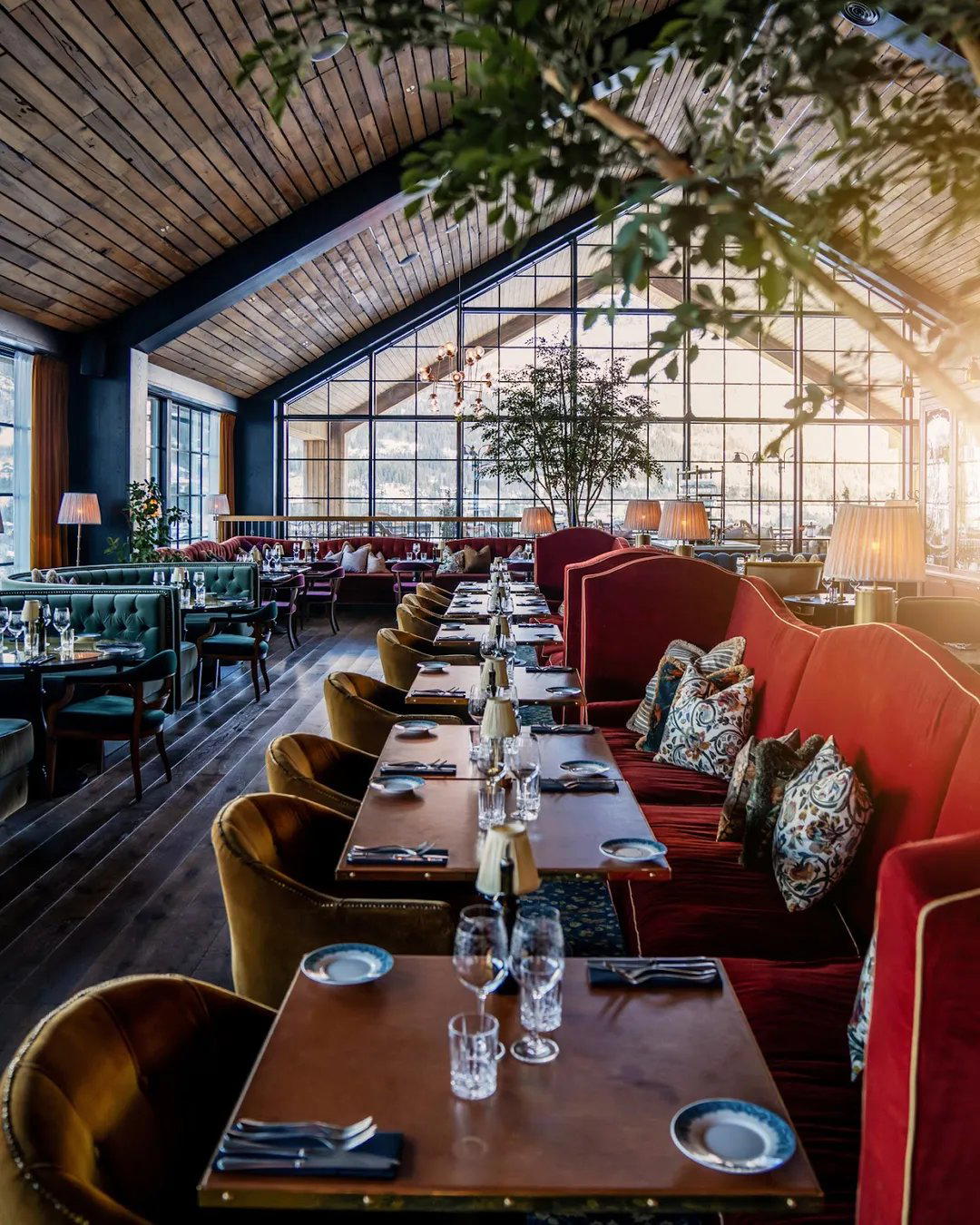
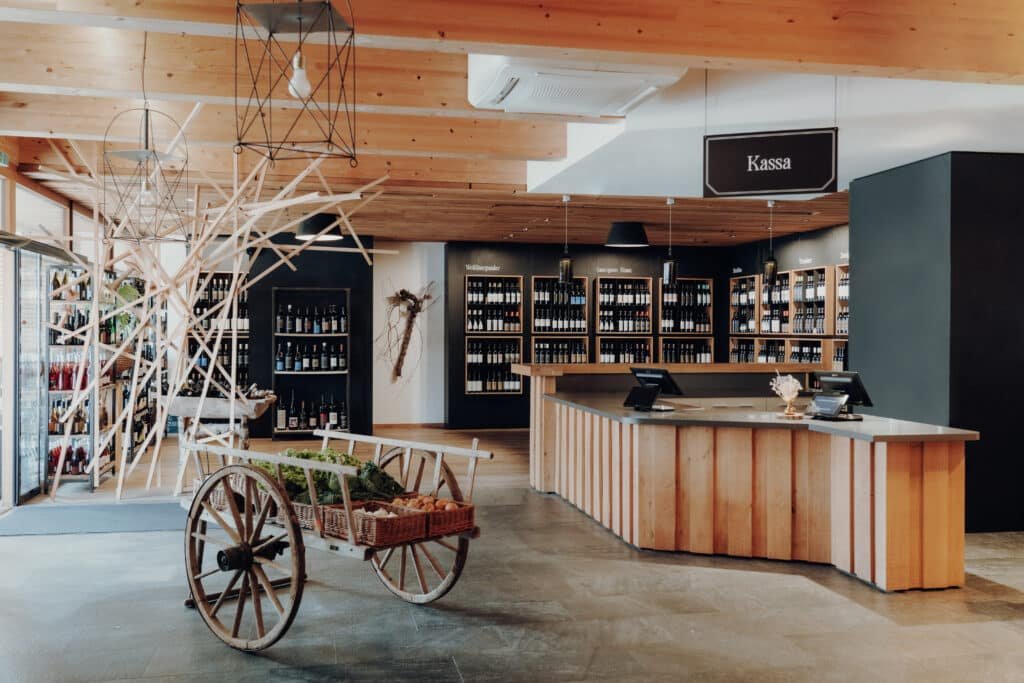
Liesl Weinwirtschaft sits quietly in a residential seam of Neukölln, trading the city's busier drinking corridors for a single-room Weinladen that feels embedded in merchant tradition. The space reads less like a cosmopolitan concept bar and more like an import from southern Germany and Austria: retail and hospitality folded into one intimate format, shelves of bottles doing double duty as shop stock and by-the-glass options. The provenance of the operators—Bavarian and Austrian—gives the place a rooted, classic sensibility, and the overall tone is low-key and deliberate rather than flashy or trend-driven.
Best For
This is a neighborhood stop for people who want a slower, considered wine experience rather than a loud night out. It suits solo visitors, pairs on a relaxed date, and small groups who want to lean into a regional wine conversation. Because the shop-pour model places buying and tasting side by side, it also works well for anyone interested in learning about specific German-speaking regions or curatorial approaches to wine. The setting’s residential calm encourages lingering over a glass and, if a bottle clicks, taking it home from the shelves.
Ordering Tips
Treat the staff as merchant-curators: the same people choosing the bottles are pouring them, so ask for recommendations tied to the Bavarian–Austrian axis that frames the list. You can expect a tightly edited selection—ask for by-the-glass options to taste before committing to a bottle to take away. Because retail and hospitality share one room, clarify whether you want to drink in or purchase to-go, and lean on the operators’ regional knowledge when you want something representative or off the beaten path.
Venue details
Ambiance
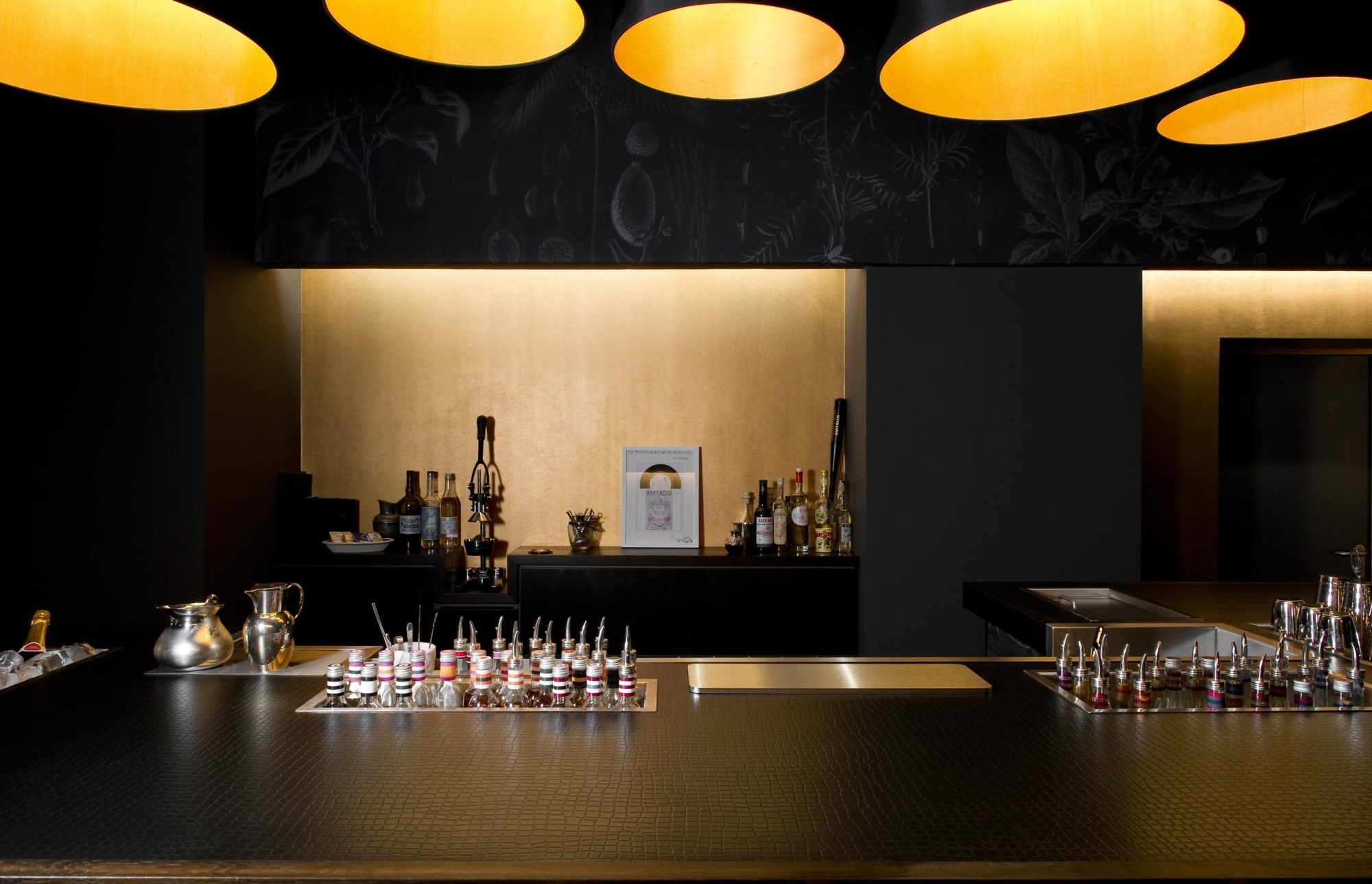
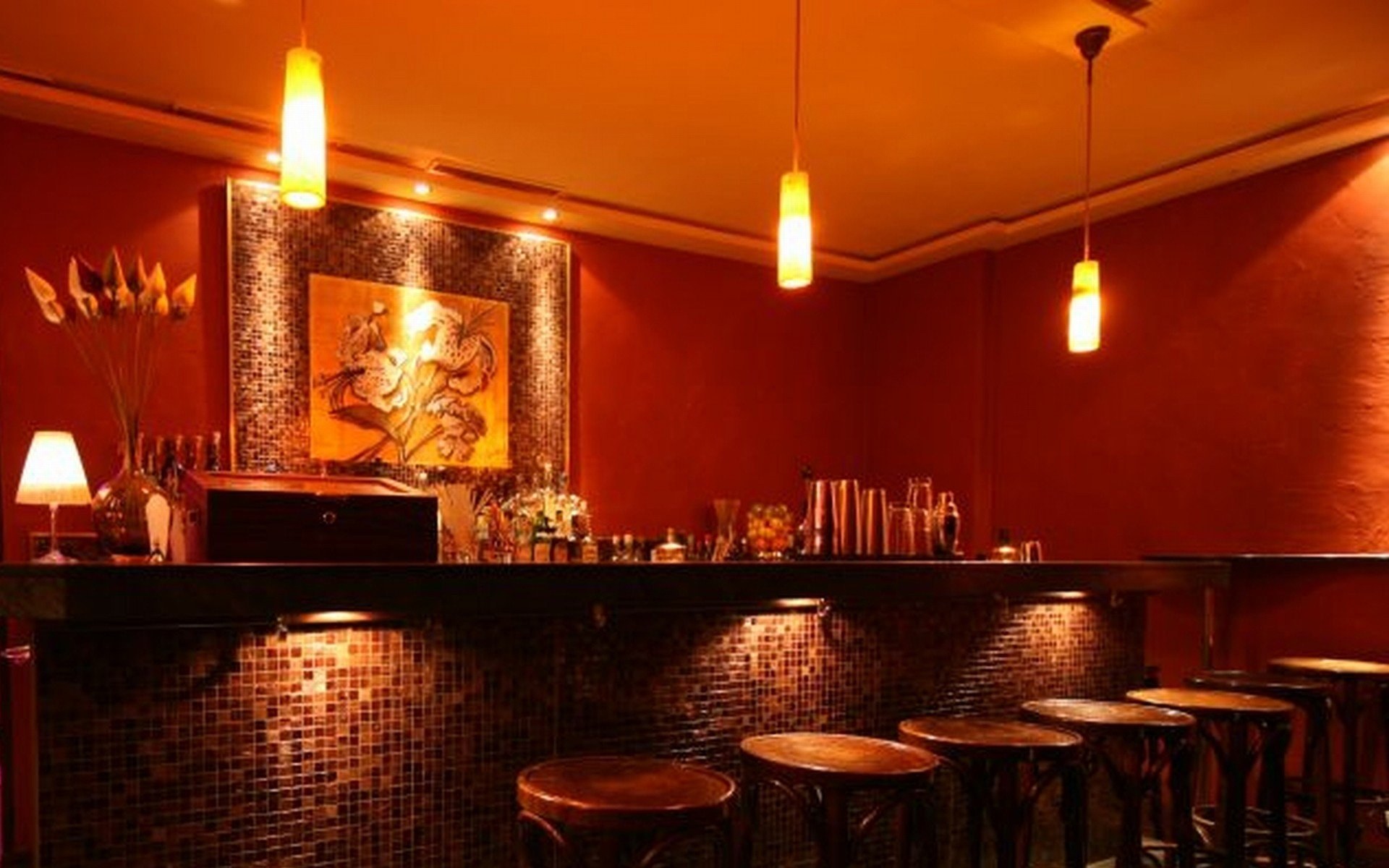
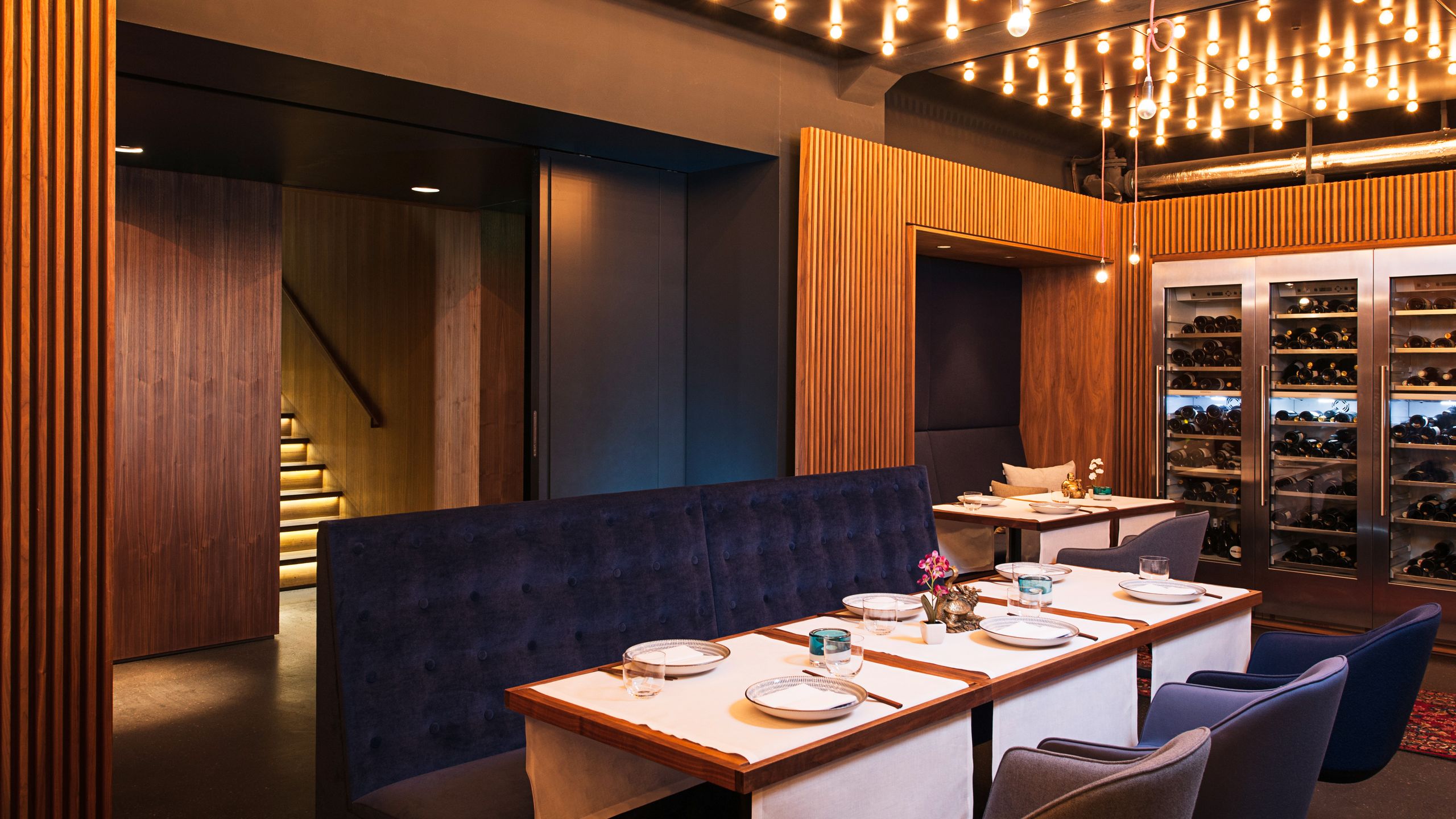
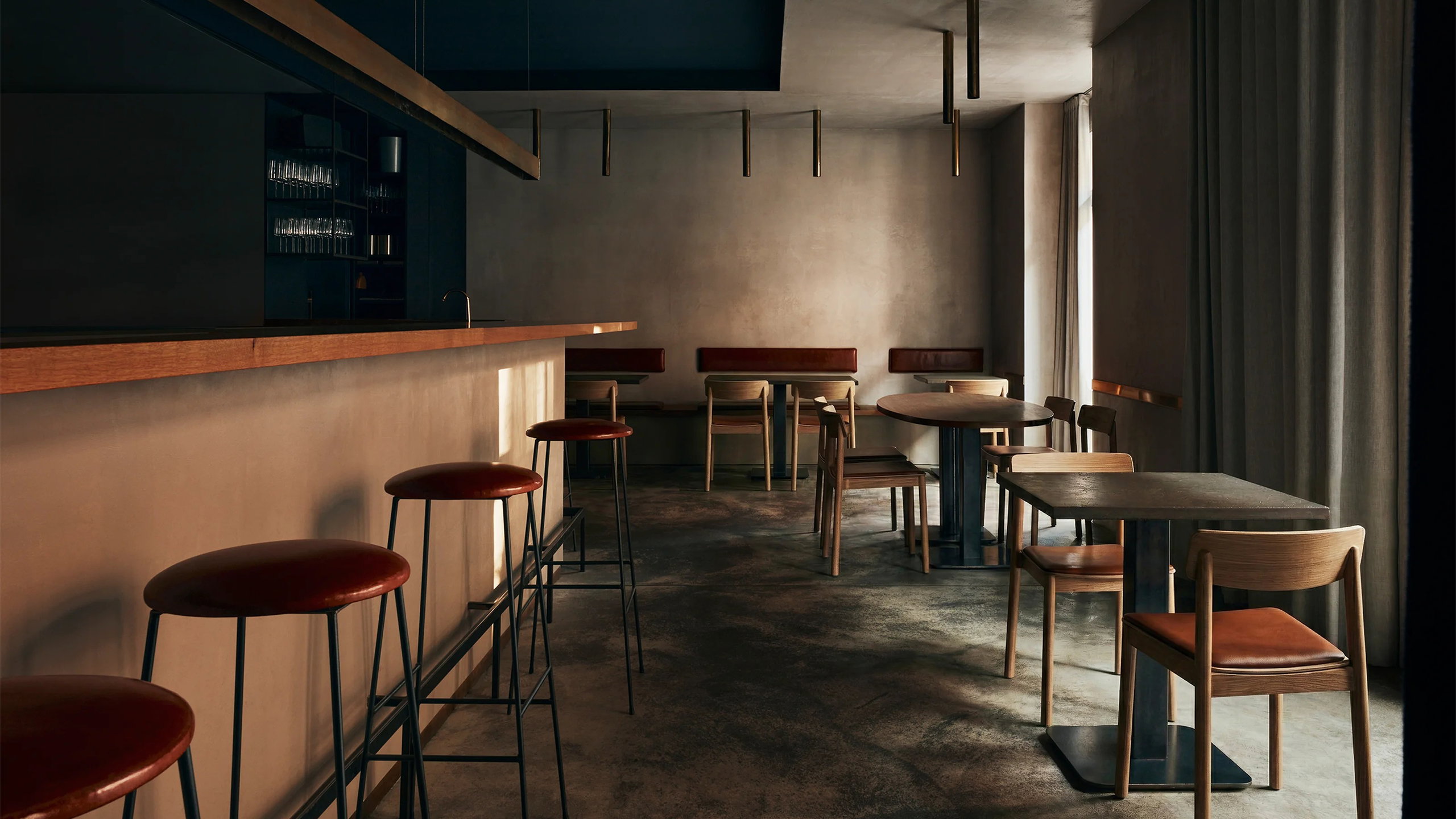
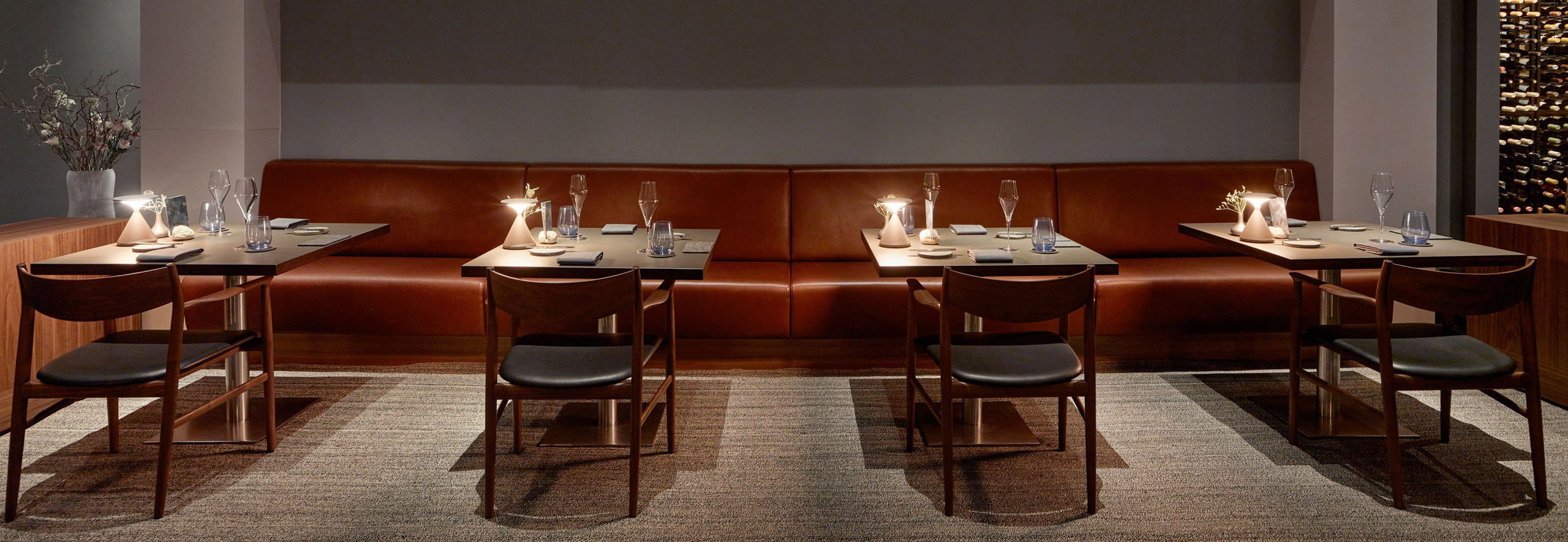
Unpretentious and cozy atmosphere with great natural lighting in good weather; intimate wine bar setting with a relaxed, welcoming vibe.
Tags
Vibe
Best For
Experience
Format
At the Bar
- Bar Category
- Wine Bar
- Late Night
- Closes by Midnight
Know before you go
Know Before You Go
- Getting there
- Nogatstraße 30, 12051 Berlin, Germany
Planning details
Location
Recognition and awards


Also consider
Also Consider
- SchwuZ, Notable alternative
- Velvet, Notable alternative
- Jaja, Notable alternative
- Ä, Notable alternative
- Thelonious Bar, Notable alternative
Bar context
How it compares in Berlin
Liesl Weinwirtschaft is the better choice if the night is wine-led and conversation matters. Velvet is the stronger cross-shop for cocktails and a more produced bar experience, while Thelonious Bar makes more sense when the group wants a classic drinking-room feel rather than a wine-focused evening.
For energy, SchwuZ is a different decision entirely: pick it for a late, social, higher-volume night, not for working through glasses. Jaja is the closer alternative for natural-wine drinkers who want a similar category, while Ä is useful when the plan is more casual and less destination-driven.
If this is full or the location does not fit the night, widen the search with 8000 Vintages, Bar 3, Bar Elisabeth, and Becketts Kopf. For wine-bar ideas beyond Berlin, compare the format with 075 Weinbar & Handel in Nuremberg, 1575 Weinbar & Handel in Herford, or ¡BE! Club in San Sebastián.
Around this place
Discover more on Pearl
Unlock the full Liesl Weinwirtschaft guide in Pearl, including awards, comparisons, FAQs, planning details, and nearby places.
Compare Liesl Weinwirtschaft
| Venue | Location | Awards |
|---|---|---|
| Liesl Weinwirtschaft | Berlin | Star Wine Lists 20262026 Falstaff Wine Bar Guide |
| SchwuZ | Berlin | No published awards |
| Velvet | Berlin | Top 500 Bars 2026 · #3692026 Pinnacle GuideTop 500 Bars 2025 · #144 |
| Jaja | Berlin | No published awards |
| Ä | Berlin | No published awards |
| Thelonious Bar | Berlin | No published awards |


How Liesl Weinwirtschaft Berlin compares with similar nearby venues.
FAQ
Frequently Asked Questions
Is Liesl Weinwirtschaft good for groups?
Liesl Weinwirtschaft is open Wednesday through Sunday evenings in Berlin. Check directly with the venue if you are planning for a group. For a different kind of Berlin night, SchwuZ or Velvet may also be worth comparing.
Does Liesl Weinwirtschaft have outdoor seating?
Is Liesl Weinwirtschaft open late?
Liesl Weinwirtschaft is open from 5–11 PM Wednesday through Saturday and from 5–10 PM on Sunday. It is closed Monday and Tuesday. If you are comparing Berlin options, Jaja is another venue to consider depending on the kind of evening you want.
Is Liesl Weinwirtschaft good for a date?
It can be considered for an evening date in Berlin if these details fit your plan: casual dress, Star Wine List recognition for 2026, and opening hours from 5 PM on Wednesday through Sunday. For a different style of night, Thelonious Bar is another Berlin option to compare.