
Der Kleine August
Mitte, Berlin
Bar in Berlin, Germany
 Book with Pearl
The Read
Price
$30–50per person
Why go
Der Kleine August is a practical Mitte pick for a wine-led evening, especially for small groups that want conversation rather than a party-bar setup. Star Wine List recognition in 2026 gives it a credible reason to book, but use it for drinks-first plans rather than a meal where published menu and pricing detail matter.
About Der Kleine August
Der Kleine August is a Berlin venue open Tuesday through Saturday evenings. The safest way to plan around it is to treat it as an evening stop rather than assume a fuller restaurant, bar, or daytime format.
A key trust signal is Star Wine List recognition in 2026. Expect a casual dress code and evening opening hours; plan ahead if you need menu format, pricing, seating capacity, take-out or delivery, dietary accommodations, or a specific food program.
A Berlin evening option for simple plans
For a first visit, plan around the schedule: Der Kleine August is open Tuesday through Saturday from 5 PM to 12 AM, and closed on Monday and Sunday. That makes it relevant for evening plans rather than daytime plans.
For street address, neighborhood, table setup, or service style, check directly before relying on them. For broader planning around the same trip, use Our full Berlin bars guide, Our full Berlin restaurants guide, Our full Berlin hotels guide, Our full Berlin wineries guide, and Our full Berlin experiences guide rather than building the evening around one stop.
Who should consider it, and who should pick another venue
Consider Der Kleine August if the priority is a Berlin evening venue with casual dress and Star Wine List 2026 recognition. Choose another option if the group needs details on menu style, pricing, seating, outdoor space, delivery, dietary accommodations, or a specific service format before committing.
For planning context, compare Der Kleine August with other Berlin options such as Hackbarth's, Mein Haus am See, Muret La Barba, Root Bar, and Strandbad Mitte. The clean verdict: Der Kleine August is worth considering for a casual Berlin evening when the hours and Star Wine List recognition are enough for the plan, but it is not the right pick for readers who need fuller detail before choosing.
Planning details
- Location
- Auguststraße 23, 10117 Berlin, Germany
- Website
- derkleineaugust.de
- Phone
- +49 171 4156617
The take
The Take
The Vibe
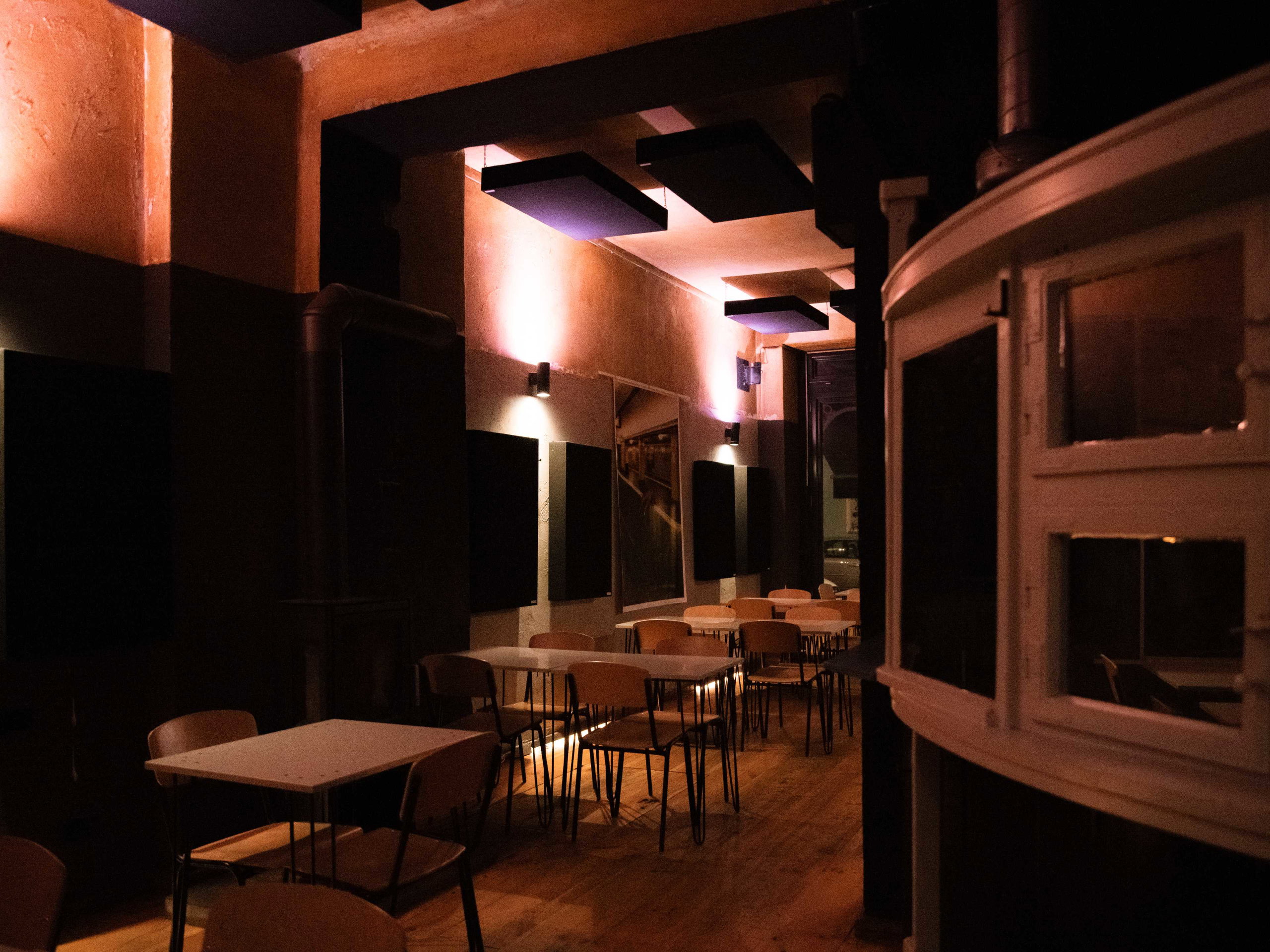
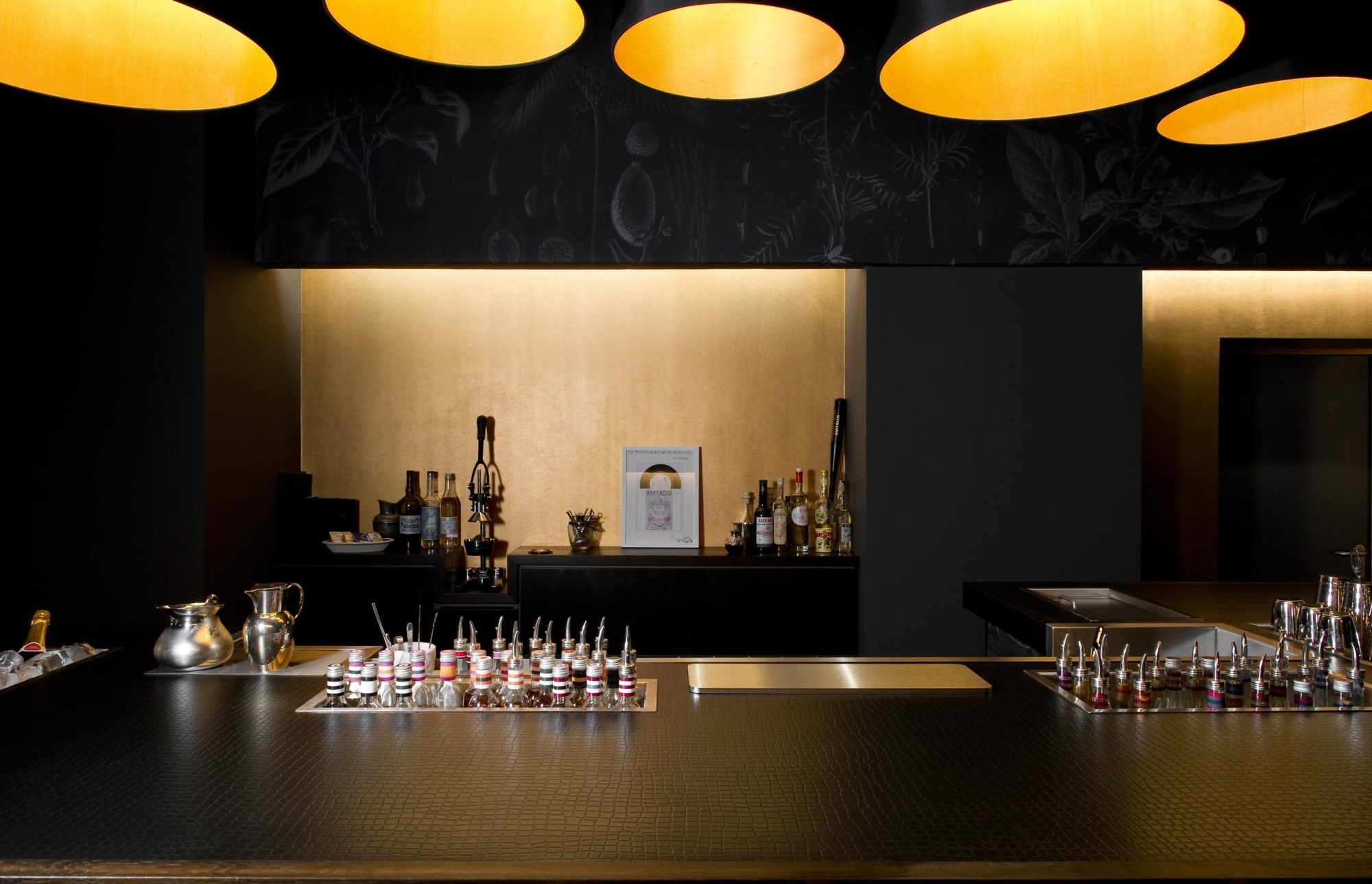
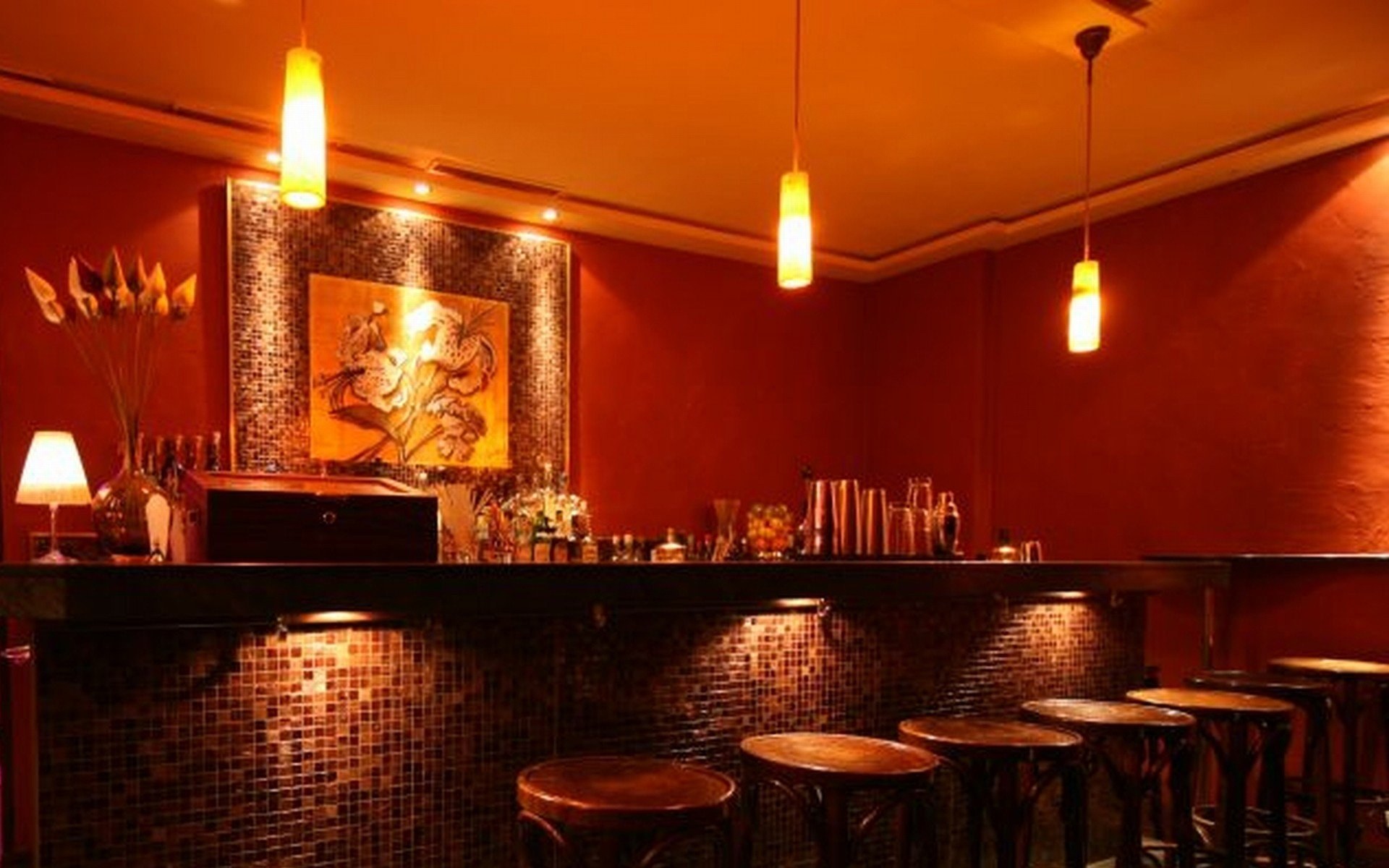
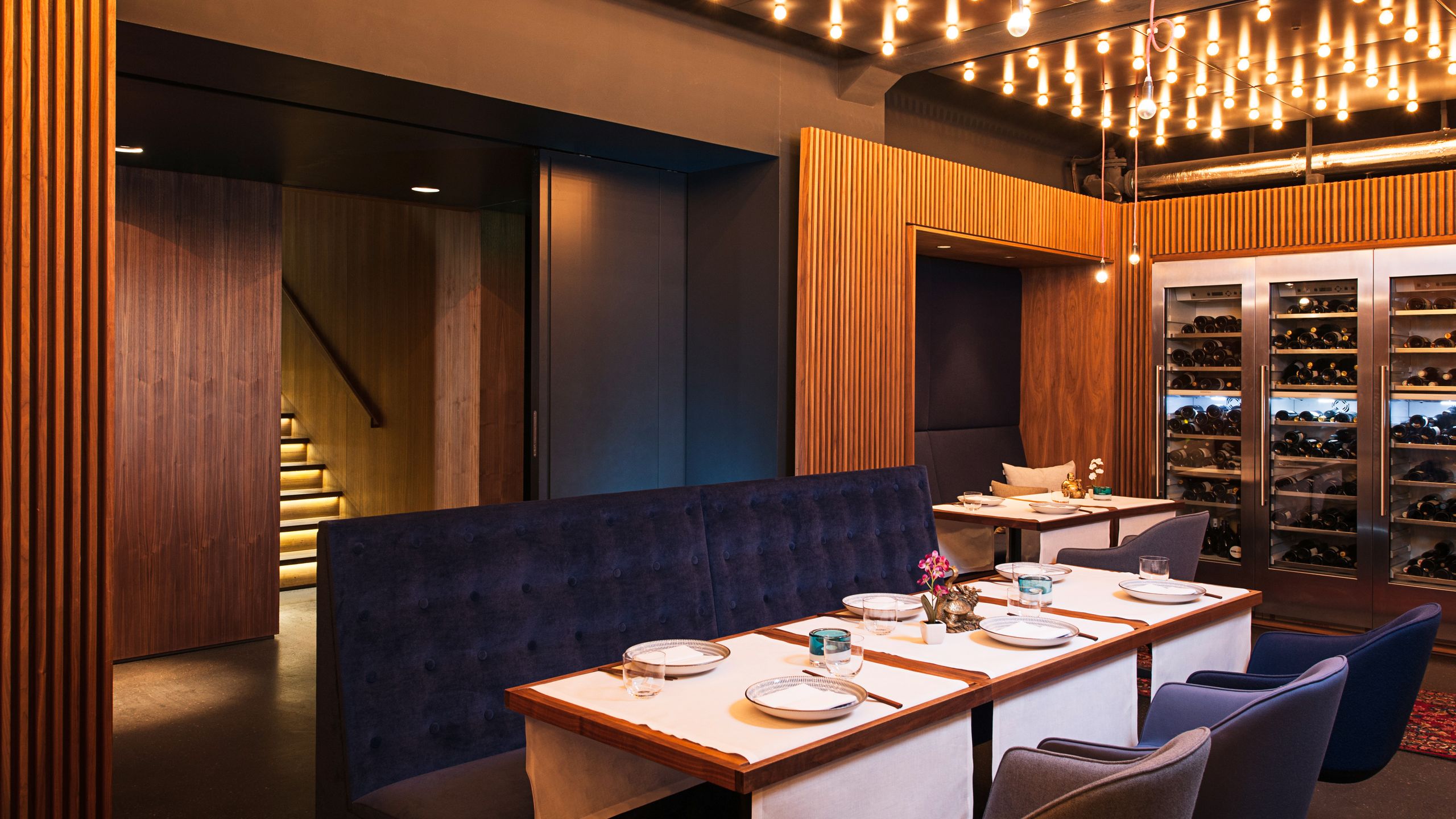
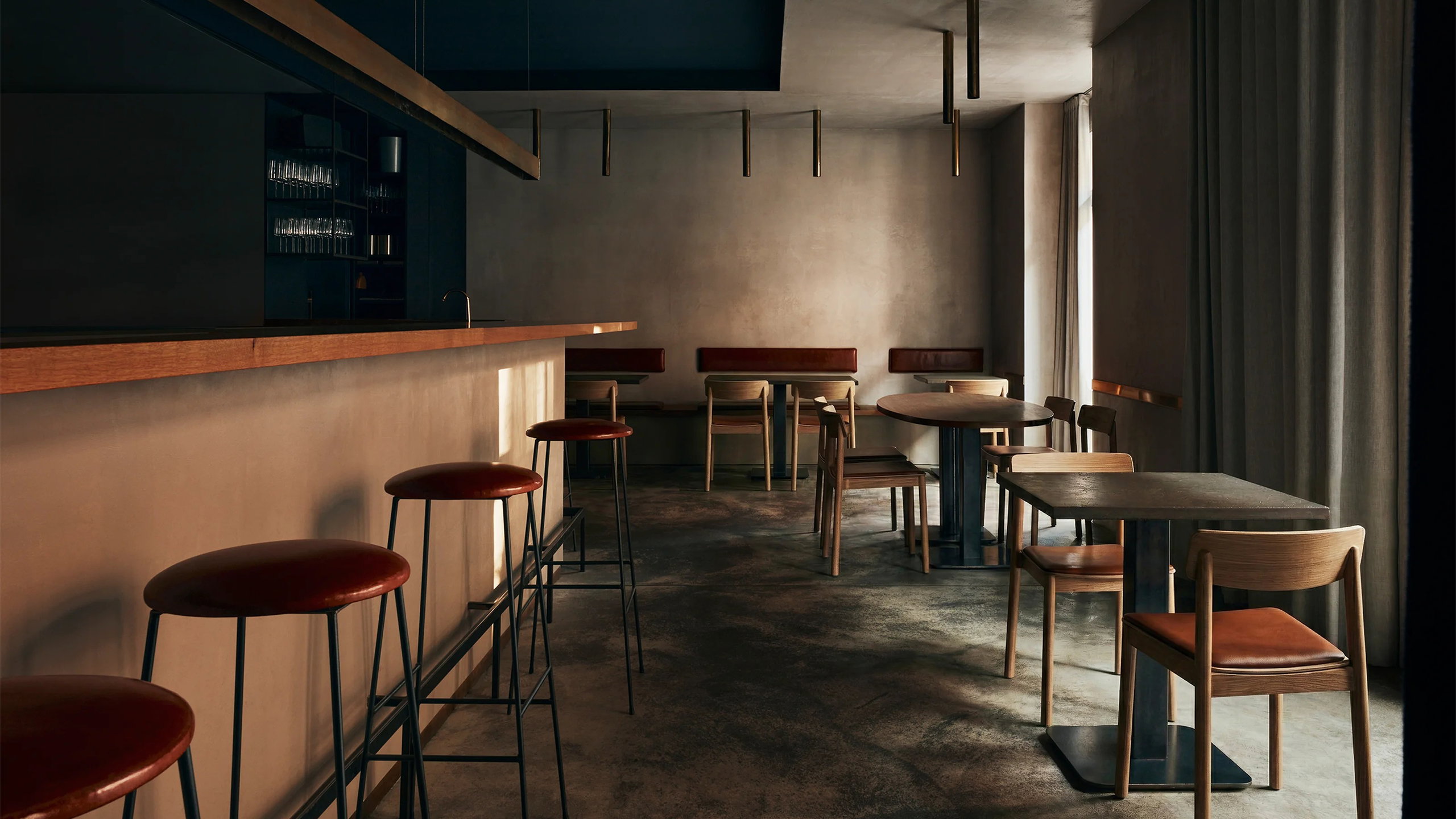
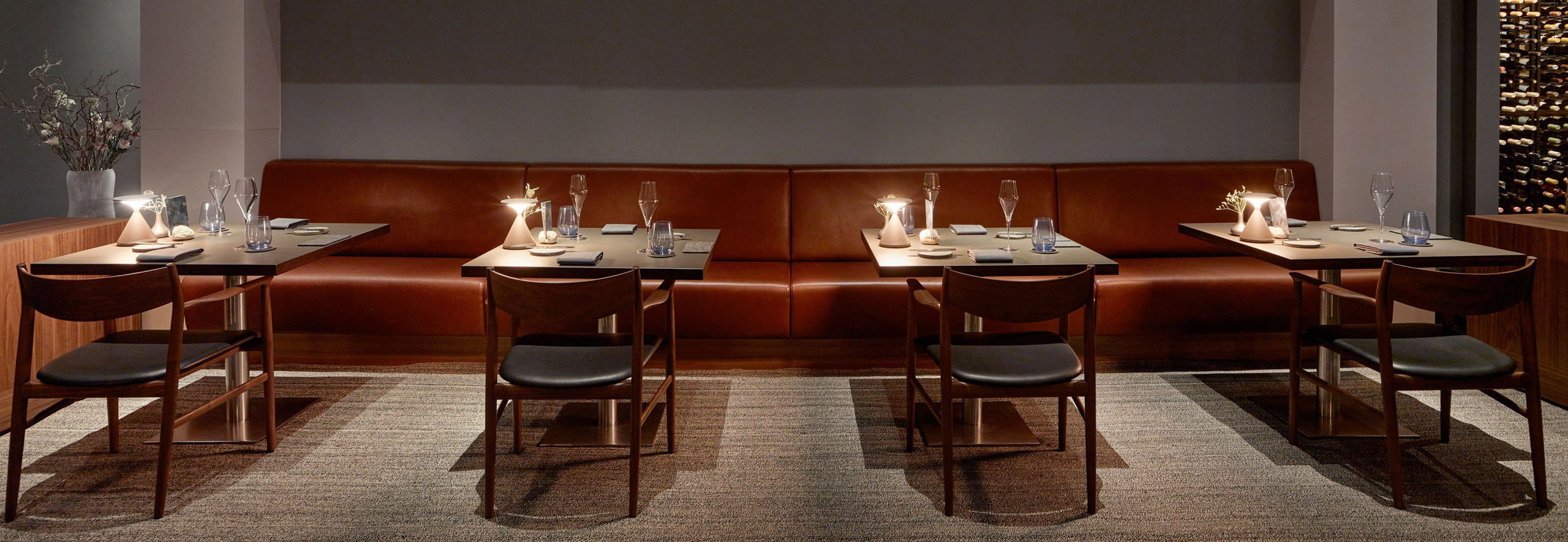
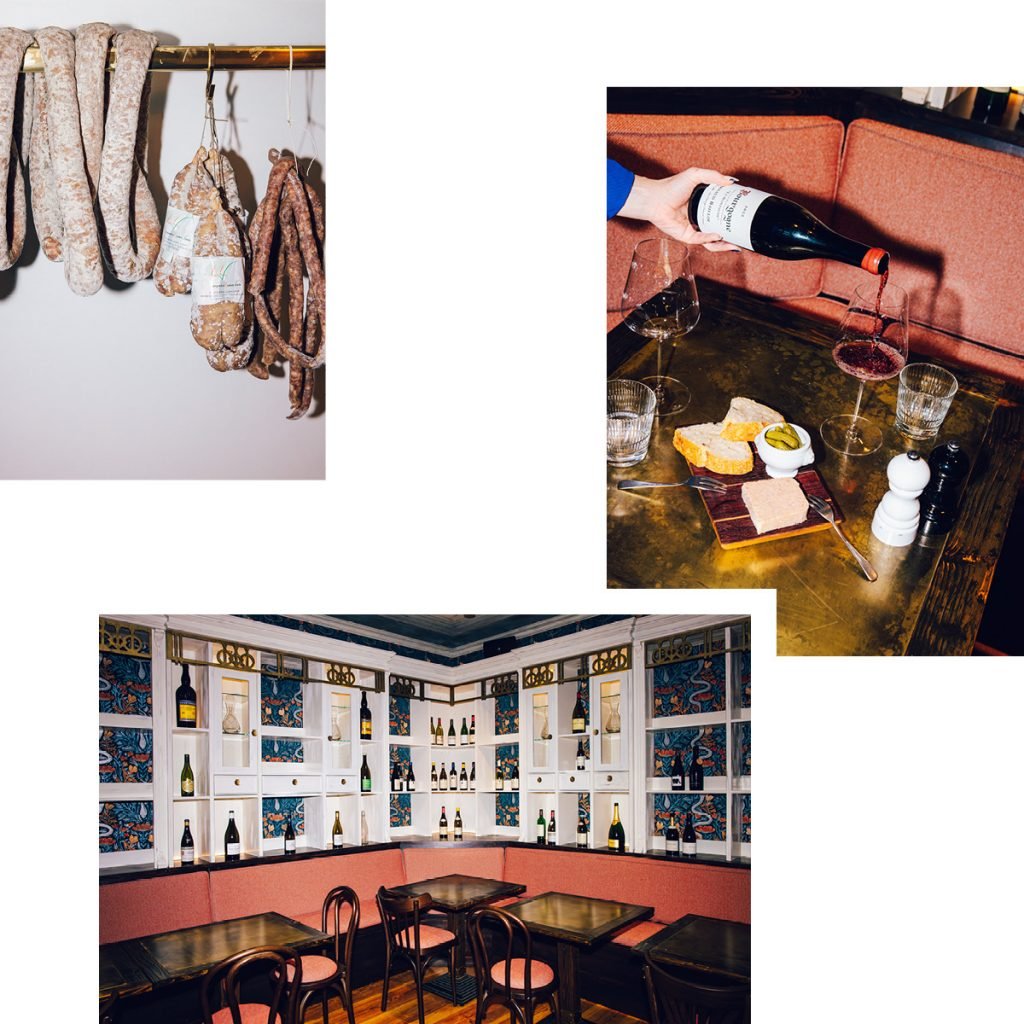
Der Kleine August reads like a considered translation of French wine-bar culture into Berlin Mitte. The room is small and deliberate, trading spectacle for precision and warm hospitality. Staff and list favour producers and glass service, which keeps attention on what’s in the glass rather than on theatrical presentation. Because the bar anchors itself beside Clärchens Ballhaus and among local galleries, it feels plugged into the neighbourhood’s cultural life while remaining quietly assured. The overall impression is sophisticated and charming, a warm, focused place to drink thoughtfully rather than to be seen.
Best For
This is a venue built for evenings that linger. Its focused format and glass-centric list suit date nights and small celebrations, and the compact room also makes it an easy stop for after-work pours or solo tasting sessions. The bar’s attention to producers and to how plates complement wine rather than compete with it means visits skew toward appreciation rather than loud socializing. If you want an intimate, quality-first wine experience in Mitte—where the city’s art and nightlife circuits meet—Der Kleine August fits that bill.
Ordering Tips
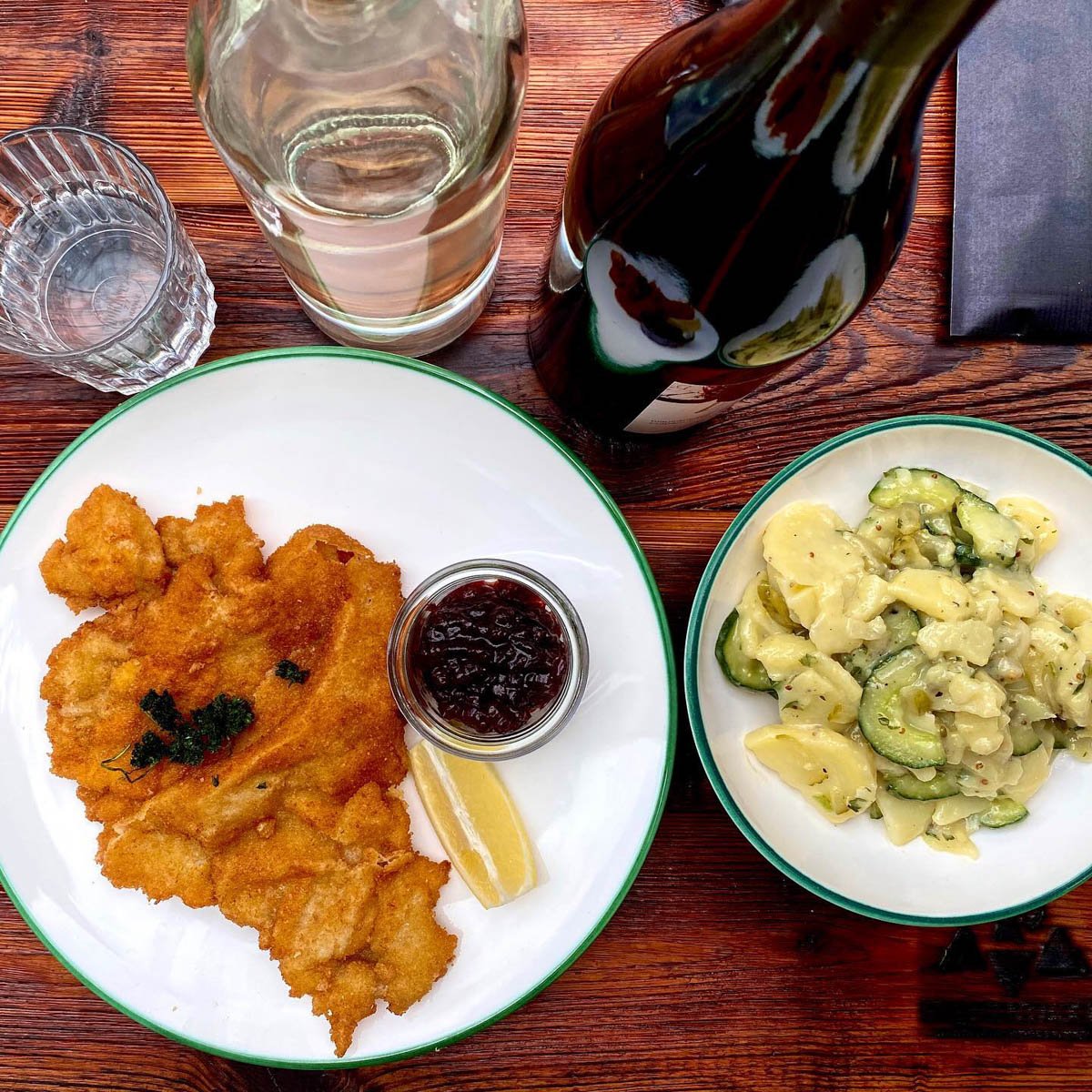
The bar privileges the glass as the primary unit of engagement, so plan to taste by the glass rather than committing immediately to bottles. Menus and plates are framed to complement wines, not to outshine them, so favour small, shared dishes that are described as pairings or accompaniments. Because the program prioritises producers over regional labels, approach the list with curiosity about individual winemakers and ask about tasting options that let you sample different producers in smaller pours. This format rewards a slow, attentive approach to drinking.
Venue details
Ambiance
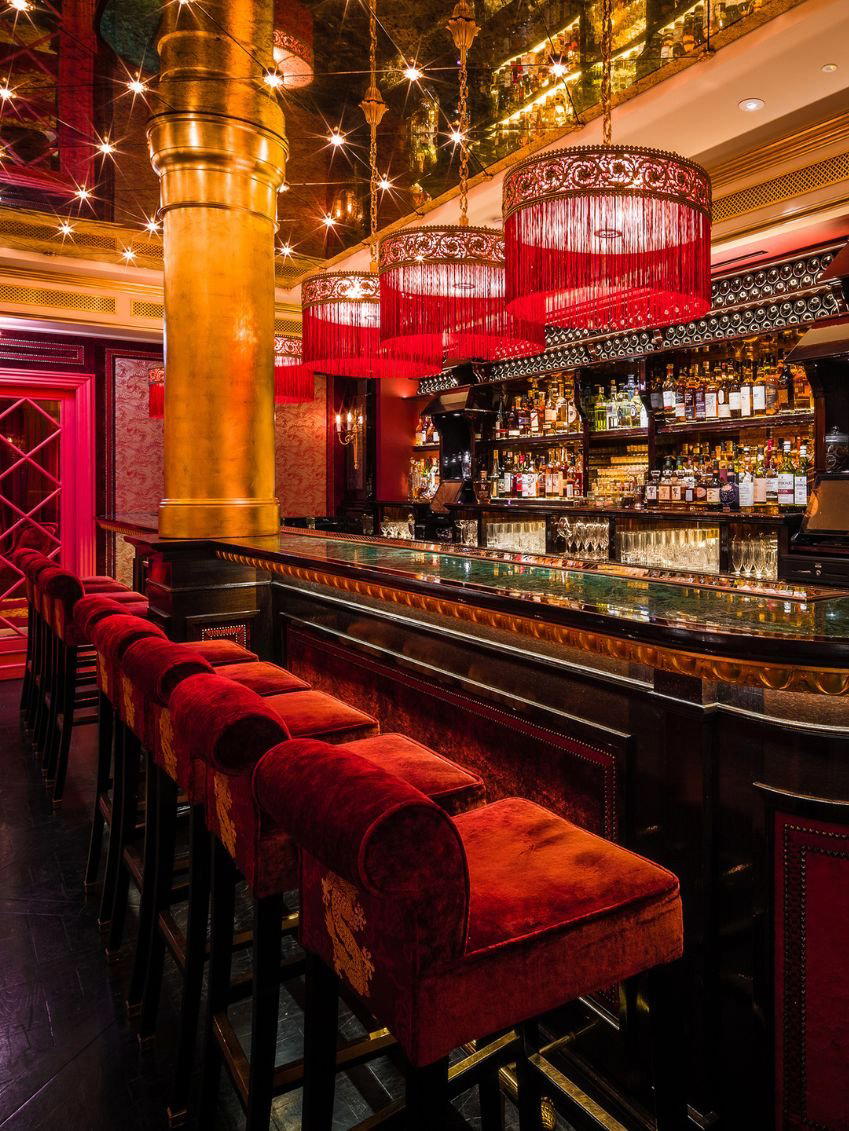
Dimly lit, sexy boudoir-like atmosphere with theatrical decor and vibrant, welcoming energy.
Tags
Vibe
Best For
Experience
Format
At the Bar
- Late Night
- Open Until 2am
- Music
- Burlesque Cabaret Performances
- Live Music
- Yes
Know before you go
Know Before You Go
- Getting there
- Auguststraße 23, 10117 Berlin, Germany
Planning details
Location
Recognition and awards

Also consider
Also Consider
- Strandbad Mitte, Notable alternative
- Hackbarth's, Notable alternative
- Root Bar, Notable alternative
- Mein Haus am See, Notable alternative
- Muret La Barba, Notable alternative
Bar context
How Der Kleine August compares with nearby Berlin bars
Choose Der Kleine August when wine credibility is the deciding factor. Its Star Wine List recognition gives it a clearer wine-bar signal than Mein Haus am See, which is a better fit when the group wants a more casual, late-moving night, and Root Bar, which works better for readers prioritising a bar-led evening over a wine-led one.
For a central Mitte plan, Strandbad Mitte and Hackbarth's are the natural cross-shops. Pick Der Kleine August for a more wine-focused brief; pick those peers when the group cares more about a broader bar mood than a list-driven choice. Booking difficulty is listed as easy here, so it is the safer option when the group needs less planning pressure.
Muret La Barba is the comparison to make if the night could tilt toward food as much as drinks. Der Kleine August is the cleaner call for a drinks-first group in Mitte; Muret La Barba makes more sense when the group wants the bar choice to carry more of the meal.
Around this place
Discover more on Pearl
Unlock the full Der Kleine August guide in Pearl, including awards, comparisons, FAQs, planning details, and nearby places.
Compare Der Kleine August
| Venue | Location | Awards |
|---|---|---|
| Der Kleine August | Berlin | Star Wine Lists 2026 |
| Strandbad Mitte | Berlin | No published awards |
| Hackbarth’s | Berlin | No published awards |
| Root Bar | Berlin | No published awards |
| Mein Haus am See | Berlin | No published awards |
| Muret La Barba | Berlin | No published awards |
How Der Kleine August Berlin compares with similar nearby venues.
FAQ
Frequently Asked Questions
Does Der Kleine August have outdoor seating?
Is Der Kleine August open late?
Yes. Der Kleine August is open Tuesday through Saturday from 5 PM to 12 AM, and closed on Monday and Sunday.
What is Der Kleine August known for?
Der Kleine August has Star Wine List recognition in 2026, a casual dress code, and evening hours from Tuesday through Saturday.