
Cielo
Friedrichshain, Berlin
Bar in Berlin, Germany
 Book with Pearl
The Read
Price
$30–50per person
Why go
Cielo is a better fit for a two-person wine evening than for a big group plan. Its 2026 Star Wine List recognition gives it a clear reason to book, especially if the night is about conversation and a focused drinks list rather than a full dinner.
About Cielo
Cielo is a Berlin venue with confirmed Star Wine List recognition for 2026. Because practical details are limited, the strongest reason to consider it is that recognition itself, along with its evening-only opening pattern and casual dress code. Not every part of the night can be planned from published specifics. It is better read as a concise, useful signal: Cielo has a confirmed wine-list credential, operates in the evening, and does not require a formal dress approach.
Plan around what is known rather than filling in the gaps. Cielo is closed on Monday and Sunday, opens Tuesday through Thursday from 6–11 PM, and opens Friday and Saturday from 6 PM–12 AM. Those hours make it easier to frame as an after-work or later-evening option during the week, with a longer window on Friday and Saturday. Cuisine, menu, seating, price, booking difficulty, or service format are not listed, so those parts of the experience should remain open questions rather than assumptions.
Choose it for wine recognition, not a fully documented dinner plan
Cielo is worth considering if the evening is built around a venue with confirmed Star Wine List recognition. That recognition is the clearest reason to keep it on a shortlist, especially for people who want wine to be a meaningful part of the decision rather than an afterthought. The cuisine style and signature food items are not listed, so do not make this the anchor for a meal unless the plan is flexible. If food is the priority, use our full Berlin restaurants guide before committing the night here.
The better approach is to keep expectations centered on the known details: Berlin location, casual dress code, evening hours, and Star Wine List recognition. Those facts are enough to support a low-pressure plan, but not enough to support a tightly specified dinner itinerary. If the night needs a hotel nearby, use our full Berlin hotels guide; if it turns into a broader itinerary, broader Berlin planning tools may be more useful than asking one venue to answer every part of the evening. Treat Cielo as one possible stop within a flexible night, rather than as a fully mapped experience with every detail pre-set.
The practical verdict for a two-person night
Go when the listed hours match your plan. Tuesday through Thursday are 6–11 PM, while Friday and Saturday extend to 12 AM. Cielo is closed on Monday and Sunday, so it is not a fit for the beginning or end of a standard week if those are the only available nights. For two people, the most sensible approach is to choose a night when the schedule is not rushed and when the wine recognition is enough of a draw on its own. For a broader search before deciding, start with our full Berlin bars guide.
Because only limited venue details are available, avoid assuming a specific room style, menu format, price point, or reservation difficulty. That restraint matters: without complete information, it would be easy to overbuild the plan around details that may not apply. Keep the decision practical and narrow. The grounded case is simple: Cielo is a casual Berlin venue with evening hours and confirmed Star Wine List recognition. If those facts match the kind of night you want, it belongs on the list; if the evening depends on cuisine, price, seating, or booking certainty, keep comparing before you commit.
Planning details
- Location
- Lenbachstraße 7, 10245 Berlin, Germany
- Website
- cieloberlin.com
- Phone
- +49 30 53050912
The take
The Take
The Vibe
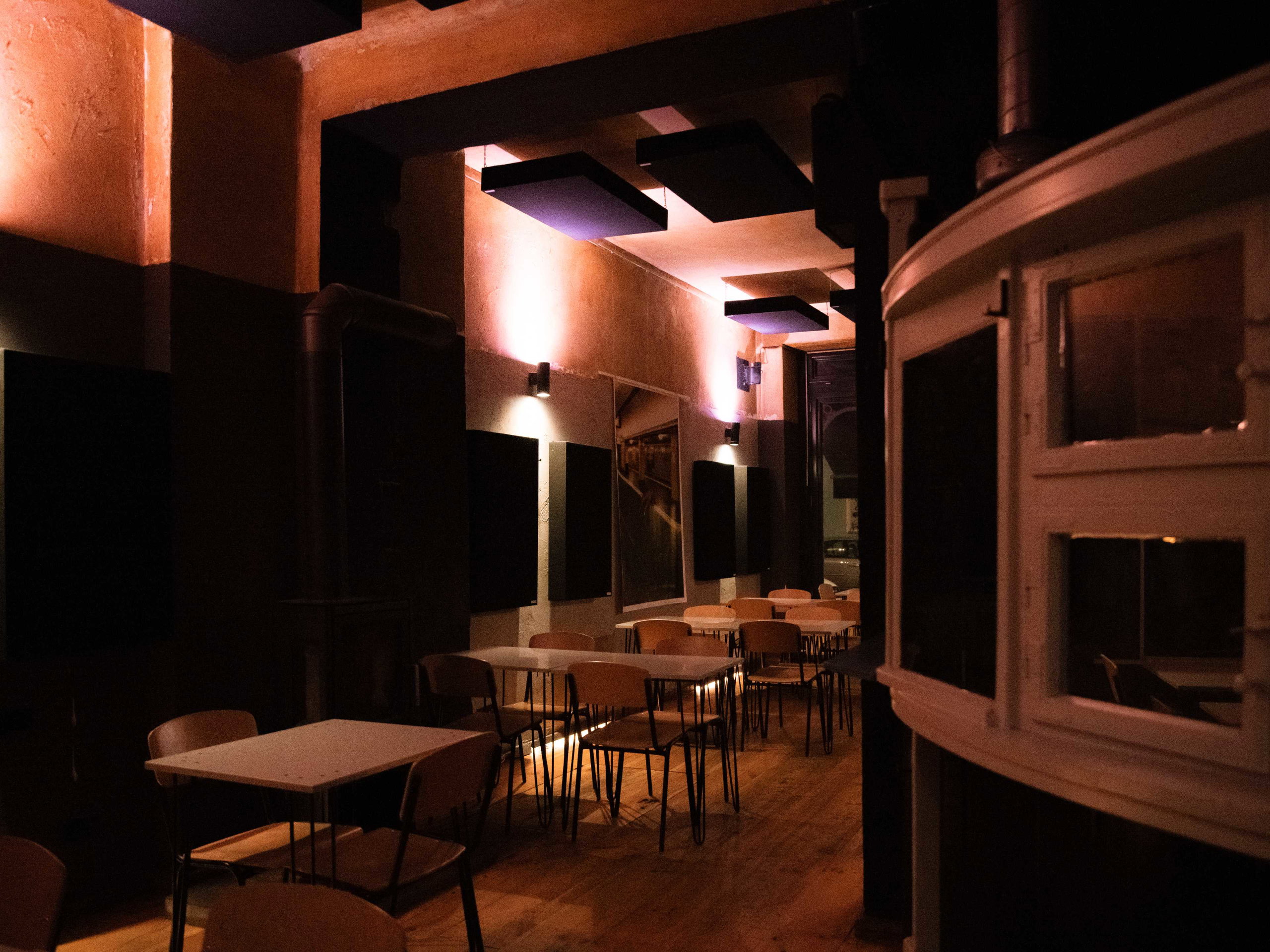
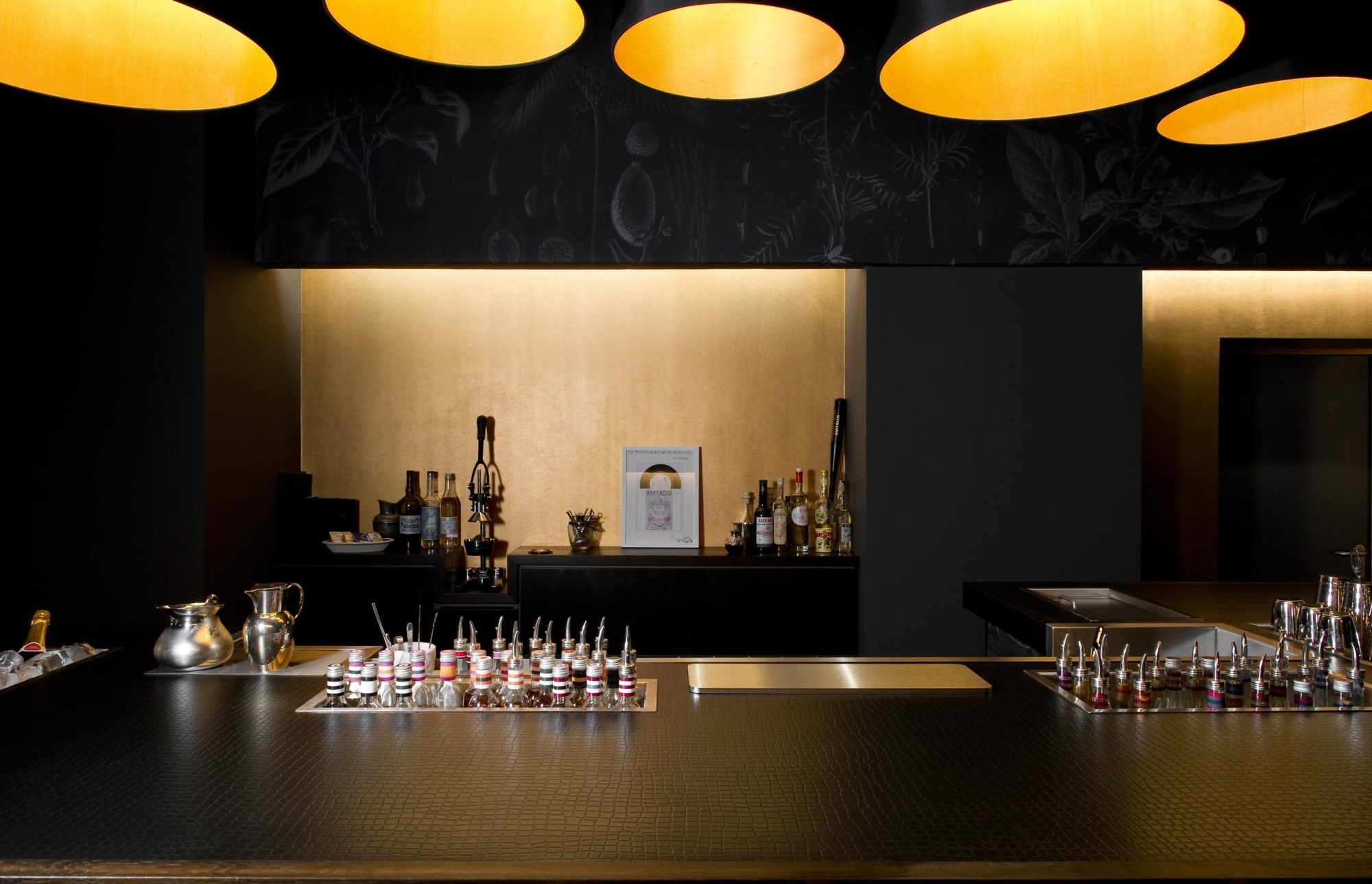
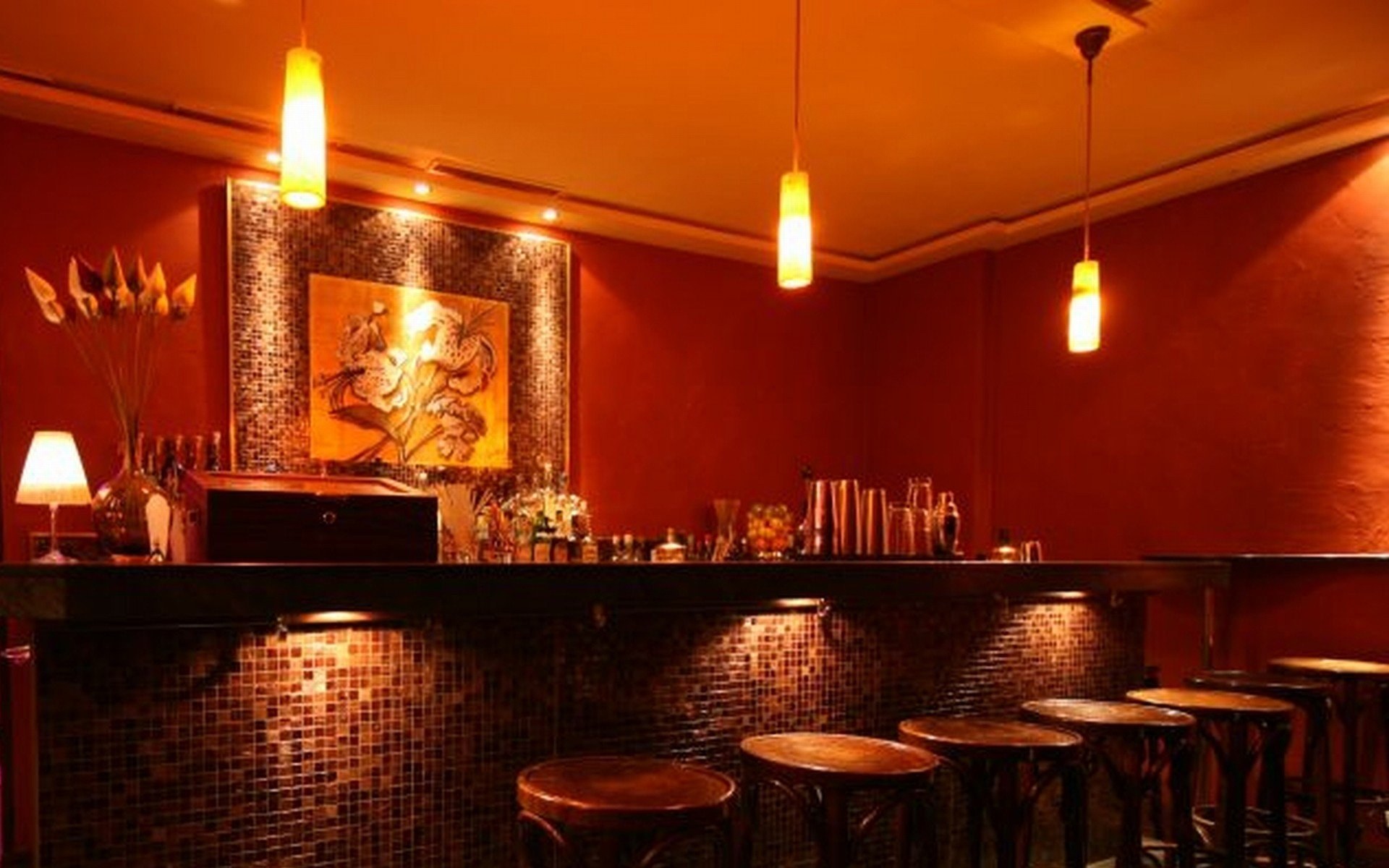
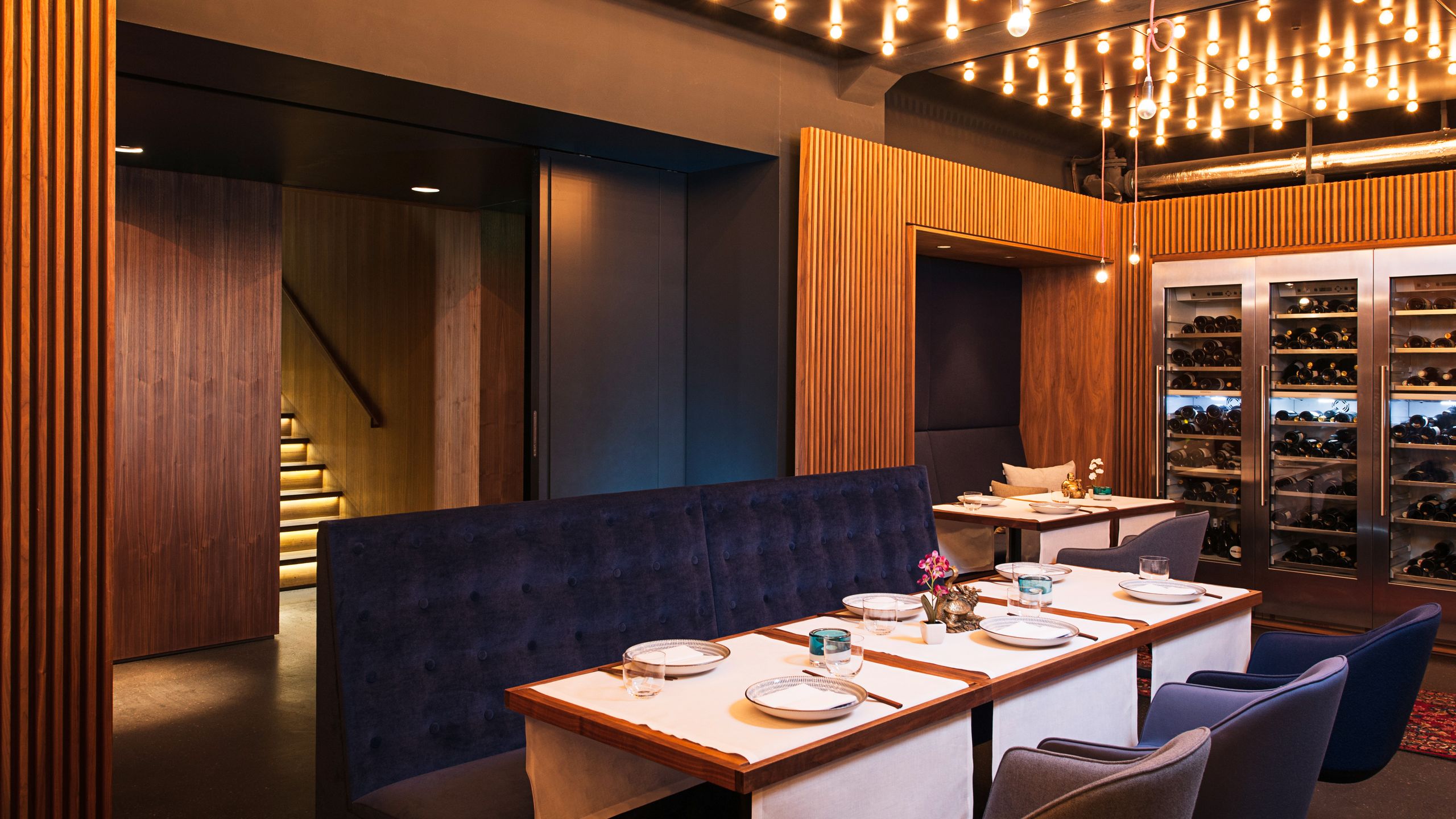
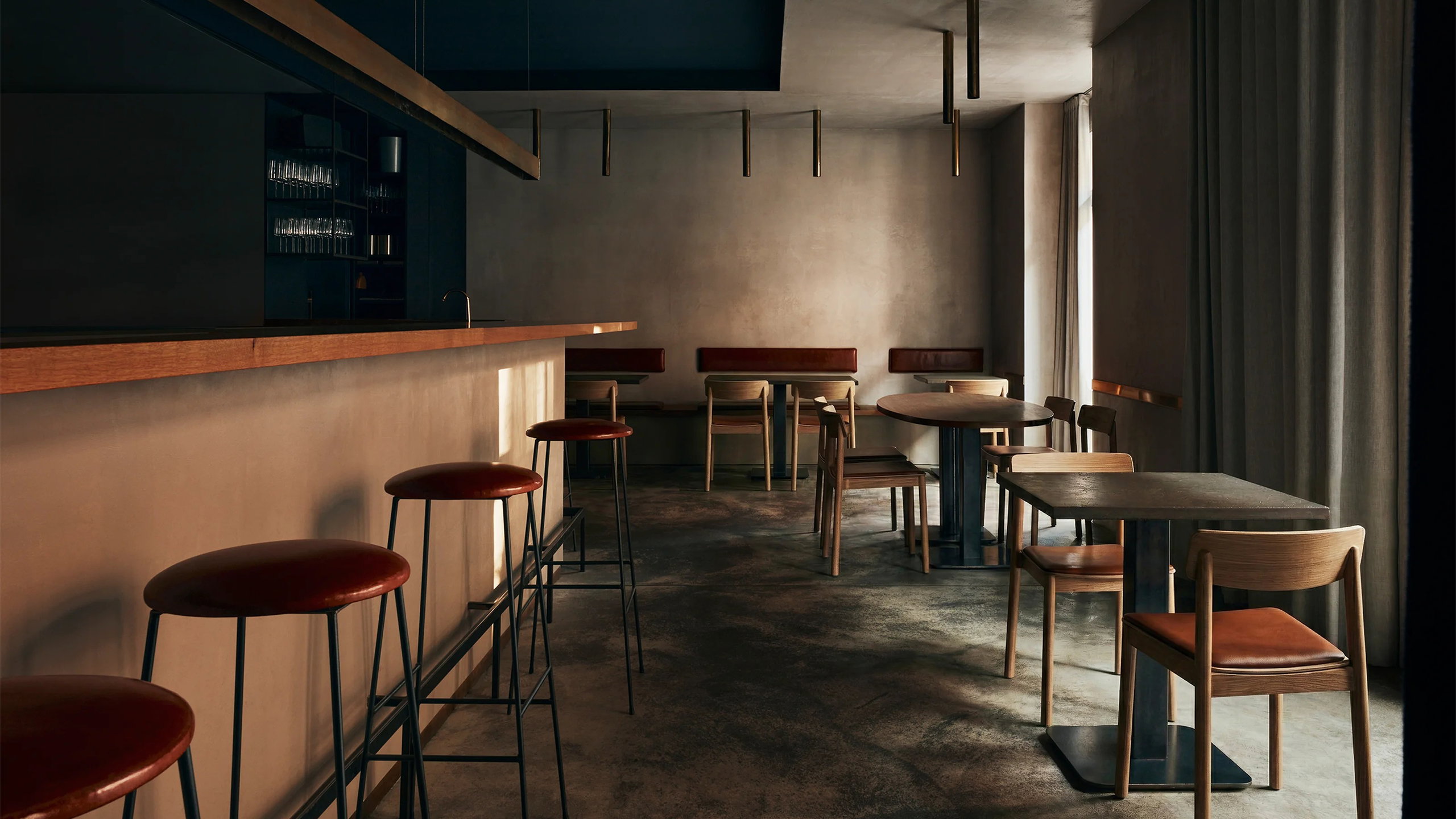
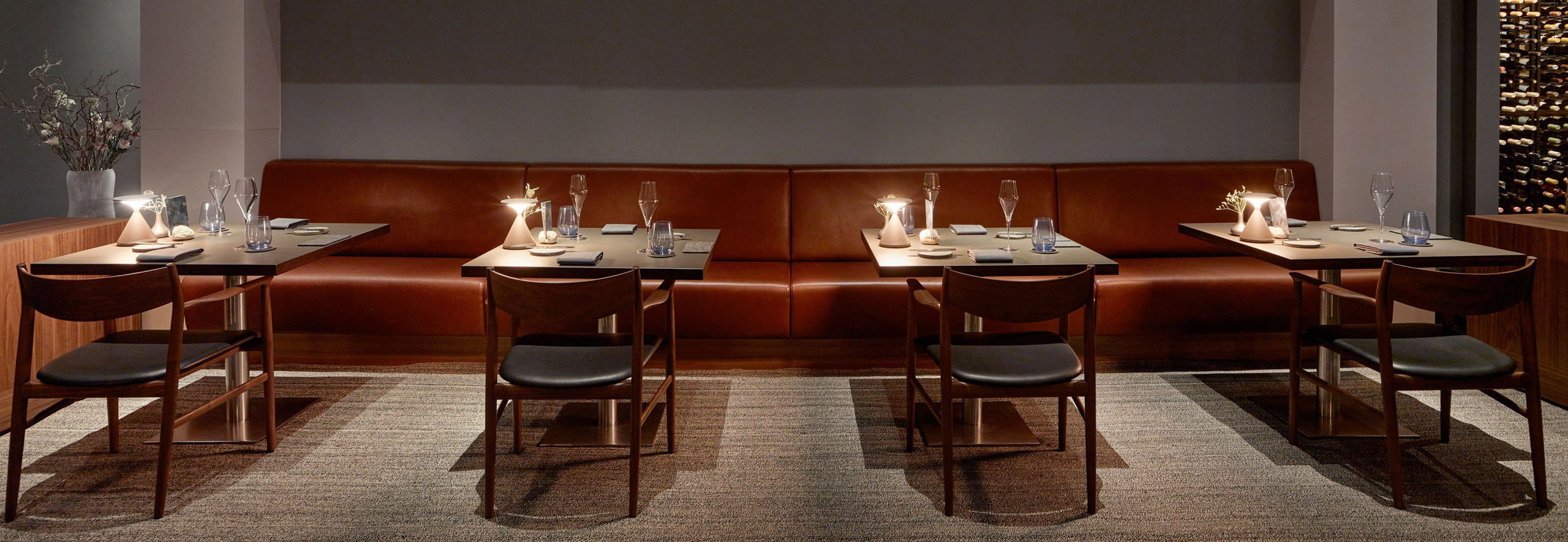
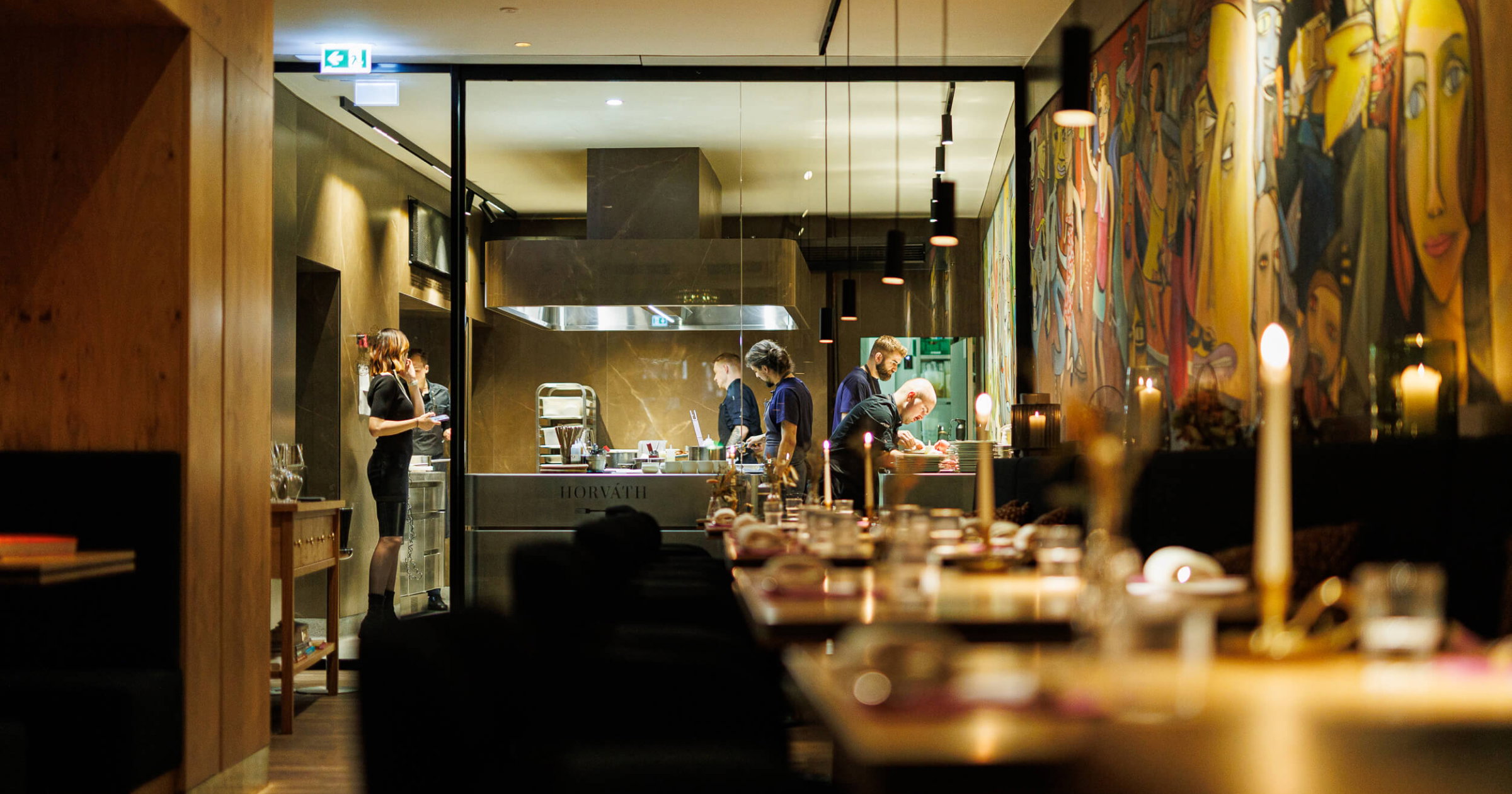
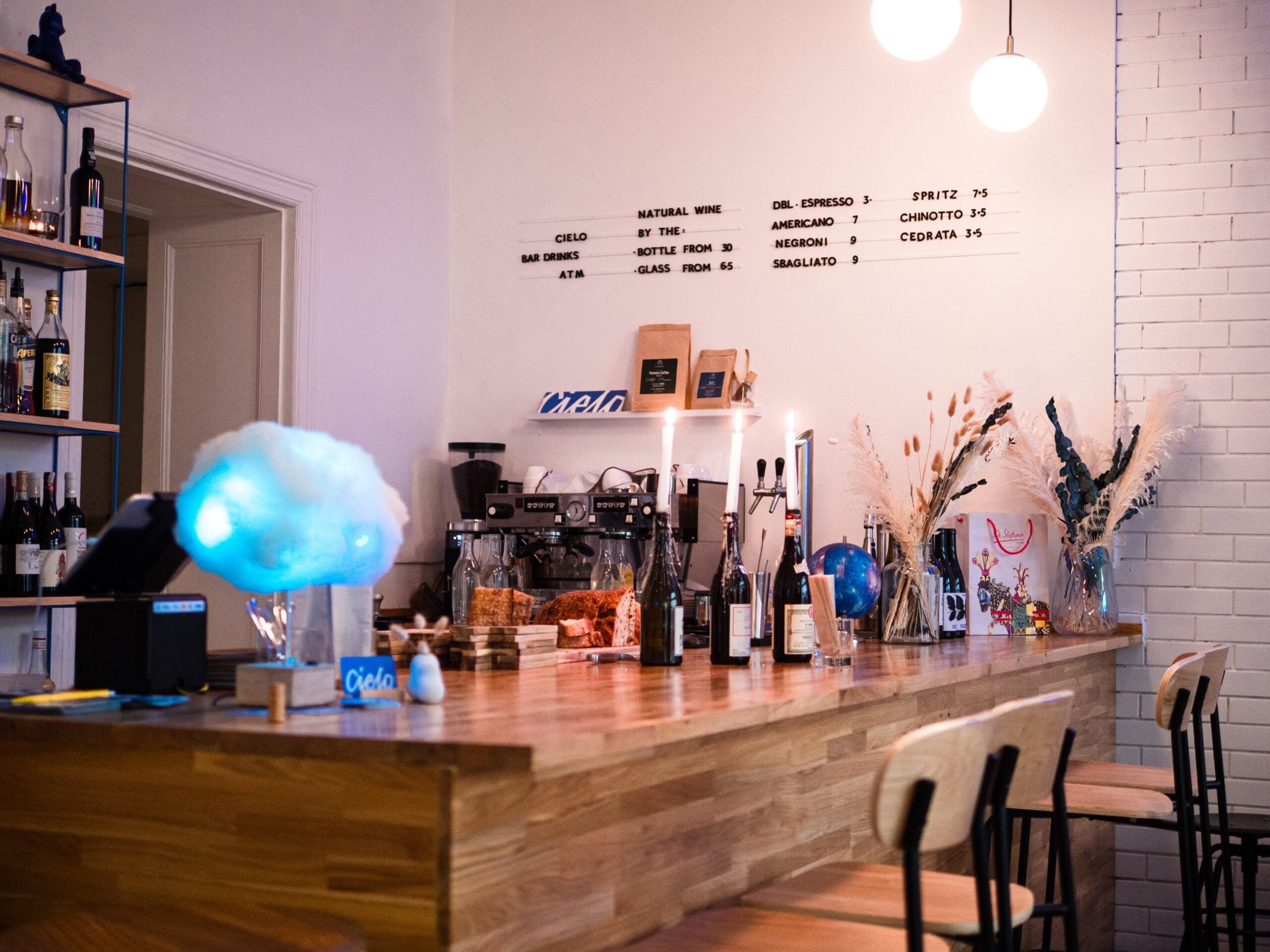
Cielo settles into Friedrichshain's quieter residential stretch with a small, warmly lit frontage that reads as intentionally modest. The room favors counter seating and close tables, creating an intimate, low-key atmosphere that still feels thoughtful rather than casual in the slipstream sense. The bar aligns with a European wine-bar tradition: compact in scale, attentive to detail and deliberately arranged so food and drink inform one another. It has the relaxed, walk-in-friendly temperament of the neighbourhood while carrying a quietly sophisticated bent in its wine-and-kitchen focus.
Best For
This is a wine-bar experience built around close table service and counter seats, making it well suited to date nights and low-key meetups where conversation matters. The modest room size and short, considered menus point toward evening visits—couples or solo diners who enjoy a focused selection of wines paired with a chef-driven small-plates program will get the most out of Cielo. It rewards spontaneous plans as much as deliberate visits; the neighbourhood context favors walk-ins and unhurried time at the bar.
Ordering Tips
Approach Cielo expecting a compact, curated menu in which the kitchen and the wine list are in dialogue. Ask staff for kitchen-to-glass suggestions—the bar’s whole premise is pairing food and drink rather than treating plates as an afterthought. Counter seats are ideal for sampling a few things and talking through options with the team; close tables work for two. Because the room is intentionally small and geared toward a shorter, considered list, plan to order multiple small dishes to create a full meal rather than one large plate.
Venue details
Ambiance
Cozy and relaxed with a lovely atmosphere highlighted by guests.
Tags
Vibe
Best For
Format
At the Bar
- Bar Category
- Wine Bar
Know before you go
Know Before You Go
- Getting there
- Lenbachstraße 7, 10245 Berlin, Germany
Planning details
Location
Recognition and awards

Also consider
Also Consider
- Noble Rot Weinbar, Notable alternative
- Szimpla Berlin, Notable alternative
- Renate, Notable alternative
- Warschauer Straße, Notable alternative
- Scheers Schnitzel, Notable alternative
Bar context
How Cielo compares in Berlin
Pick Cielo over Szimpla Berlin or Renate when the night needs wine focus and easier conversation. Szimpla Berlin and Renate make more sense for a higher-energy Berlin evening, while Cielo is the stronger call for a date or a low-friction catch-up where the drinks list matters.
Noble Rot Weinbar is the closest comparison for readers prioritising wine. If Noble Rot Weinbar is the first-choice wine-bar booking, Cielo is the practical cross-shop when availability or location points you east. Without listed pricing for either venue here, compare them on format and mood rather than value claims.
Warschauer Straße and Scheers Schnitzel are better backups if the evening is more casual, spontaneous, or food-led. Choose Cielo when the priority is a composed wine stop; choose Scheers Schnitzel when the group needs something more relaxed and meal-oriented.
Around this place
Discover more on Pearl
Unlock the full Cielo guide in Pearl, including awards, comparisons, FAQs, planning details, and nearby places.
Compare Cielo
| Venue | Location | Awards |
|---|---|---|
| Cielo | Berlin | Star Wine Lists 2026 |
| Noble Rot Weinbar | Berlin | No published awards |
| Szimpla Berlin | Berlin | No published awards |
| Renate | Berlin | No published awards |
| Warschauer Straße | Berlin | No published awards |
| Scheers Schnitzel | Berlin | No published awards |
How Cielo Berlin compares with similar nearby venues.
FAQ
Frequently Asked Questions
What's the crowd like at Cielo?
Details about the crowd are not available. Cielo is in Berlin, has a casual dress code, and has Star Wine List recognition for 2026.
Is the food good at Cielo?
Cuisine type, menu, or signature dishes are not listed for Cielo. If dinner is the priority, a venue with a clearer food program will be easier to judge; Cielo is best considered using the available details.
Is Cielo open late?
Yes, but only on Friday and Saturday, when it runs until 12 AM. Midweek is earlier, with Tuesday through Thursday listed at 6–11 PM. Cielo is closed on Monday and Sunday.
Does Cielo have outdoor seating?
Is Cielo good for a date?
It can be a reasonable Berlin option if the plan fits the known details: casual dress, evening hours, and Star Wine List recognition. Tuesday through Thursday run from 6–11 PM, while Friday and Saturday run from 6 PM–12 AM.
Is Cielo good for groups?
Group suitability is not listed. Check directly with Cielo for seating or booking details, especially if you are planning for more than a small party.
What's the best time to go to Cielo?
Choose based on the listed opening hours. Tuesday through Thursday are 6–11 PM, while Friday and Saturday run from 6 PM–12 AM. Cielo is closed on Monday and Sunday.