TEP BAR - Cultural Bar of Thailand
Talat Noi, Bangkok
Bar in Bangkok, Thailand
 Book with Pearl
Why go
Choose TEP BAR - Cultural Bar of Thailand for a Bangkok night with local character rather than a generic lounge feel. It is a stronger fit for dates and small-group bar-hopping than for anyone who needs published pricing, named food items, or award-backed cocktail credentials before committing.
About TEP BAR - Cultural Bar of Thailand
Consider TEP BAR - Cultural Bar of Thailand when the night calls for a Bangkok bar listing with simple planning details. It is in Bangkok, the dress code is casual, and it opens daily from 6 PM to 12 AM. Use those facts to decide whether it fits your evening.
The venue suits guests who want an evening bar option in Bangkok and are comfortable checking current details directly before going. There is no cuisine type, named cocktail program, public price range, seat count, food format, or award signal here, so the decision should be based on schedule and occasion fit. If you want to compare it with other venues, consider Asia Today or Teens of Thailand as options to research.
Use it for a Bangkok evening, not a formal drinks brief
The strongest case for planning around TEP BAR - Cultural Bar of Thailand is practical: it is open every day from 6 PM to 12 AM and has a casual dress code. That makes it direct to consider for an evening stop in Bangkok, especially when you do not need a fully documented menu or price range in advance.
For similar planning, compare it with Asia Today, Ba hao 八號, G.O.D, Messenger Service, or Teens of Thailand depending on what else you want to research. For wider trip planning, use Our full Bangkok bars guide, then branch into Our full Bangkok restaurants guide, Our full Bangkok hotels guide, Our full Bangkok experiences guide, and Our full Bangkok wineries guide if the evening is part of a larger itinerary.
Who should choose it, and who should cross-shop
Choose TEP BAR - Cultural Bar of Thailand if you want a Bangkok bar option with daily evening hours and a casual dress code. Cross-shop if you need details on named dishes, exact spend, seating, outdoor space, awards, or a specific drinks program before committing. For other comparisons, look at Asia Today, Ba hao 八號, G.O.D, Messenger Service, or Teens of Thailand.
Planning details
- Location
- 69 ซ. นานา Pom Prap, Pom Prap Sattru Phai, Bangkok 10100, Thailand
- Website
- linktr.ee/tepbar
- Phone
- +66 98 467 2944
The take
The Take
The Vibe
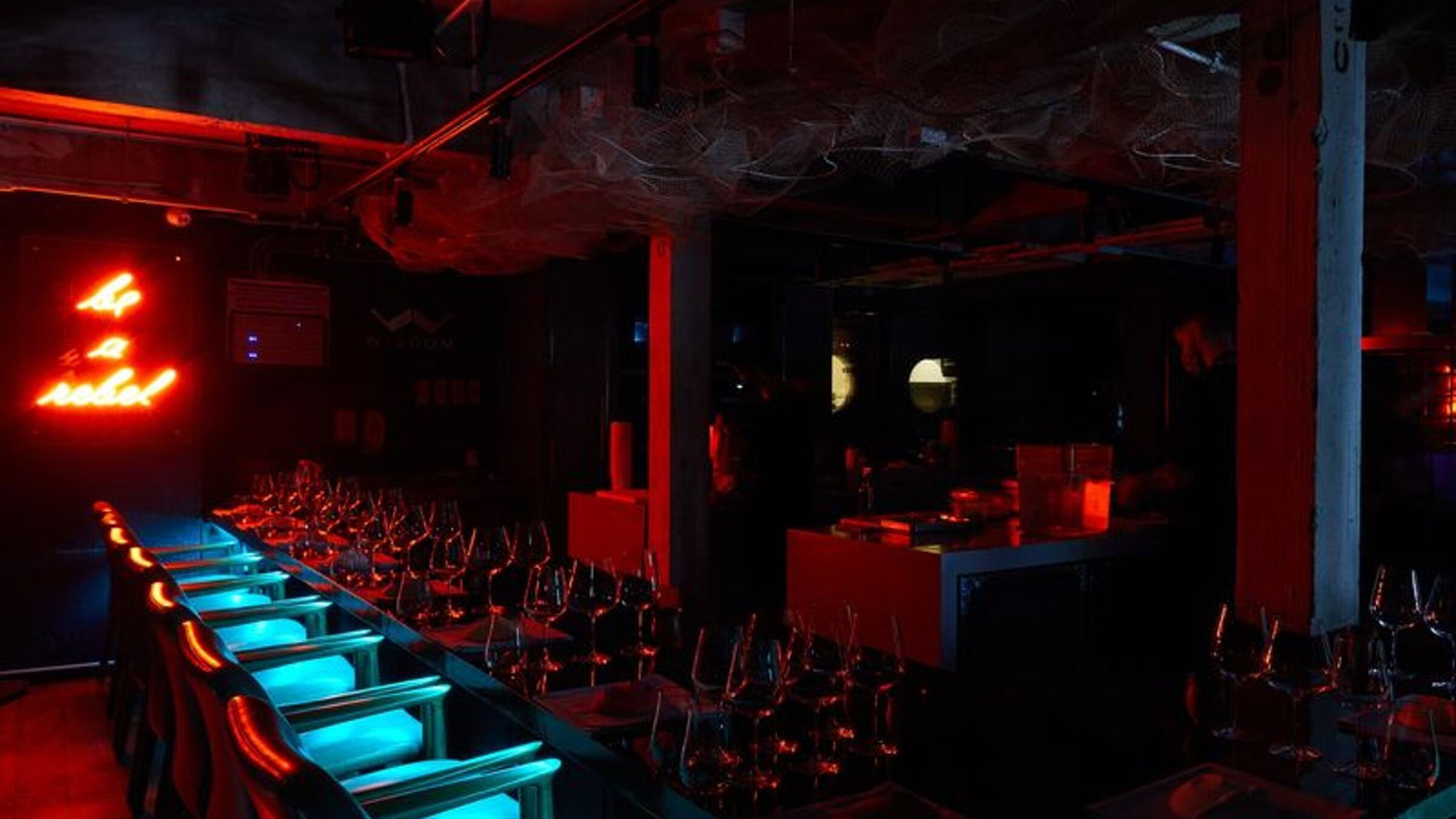
TEP BAR sits discreetly on 69 Soi Nana in Pom Prap Sattru Phai, the kind of neighbourhood that preserves shophouse architecture and local rhythms. The bar leans into that rootedness, presenting Thai fermentation traditions and lao khao spirits with archival rigor rather than slick international polish. The result is a quietly refined neighborhood destination that feels both historic and considered: a place where bartenders treat indigenous botanicals and herbal liqueurs as cultural artifacts. It reads less like a trend-driven cocktail lounge and more like a living cabinet of regional drinking practices, appealing to guests who value depth and provenance.
Best For
TEP BAR is best for people who want to study and taste Thailand’s drinking traditions rather than chase flashy cocktail theatre. It suits culture-minded locals and travelers who seek a bar that foregrounds lao khao, herbal liqueurs and regional fermentation practices, offering a learning-first experience comparable to a focused wine bar. The setting works for small groups interested in guided tasting conversations, solo visitors who want to explore spirits deeply, and anyone looking for a neighborhood spot that prioritizes provenance and storytelling over ubiquity.
Ordering Tips
Order with curiosity: the drinks program emphasizes lao khao rice spirits, herbal liqueurs and indigenous botanicals, so start by asking about those traditional formats and any archival bottles the bar highlights. Let the bartender frame tastings that trace regional techniques and fermentation styles rather than defaulting to familiar cocktails. If you want context, ask for explanations of how particular herbs or distillation methods inform flavor; the program treats these elements like a curated list, so a guided approach yields the richest insights.
Venue details
Ambiance
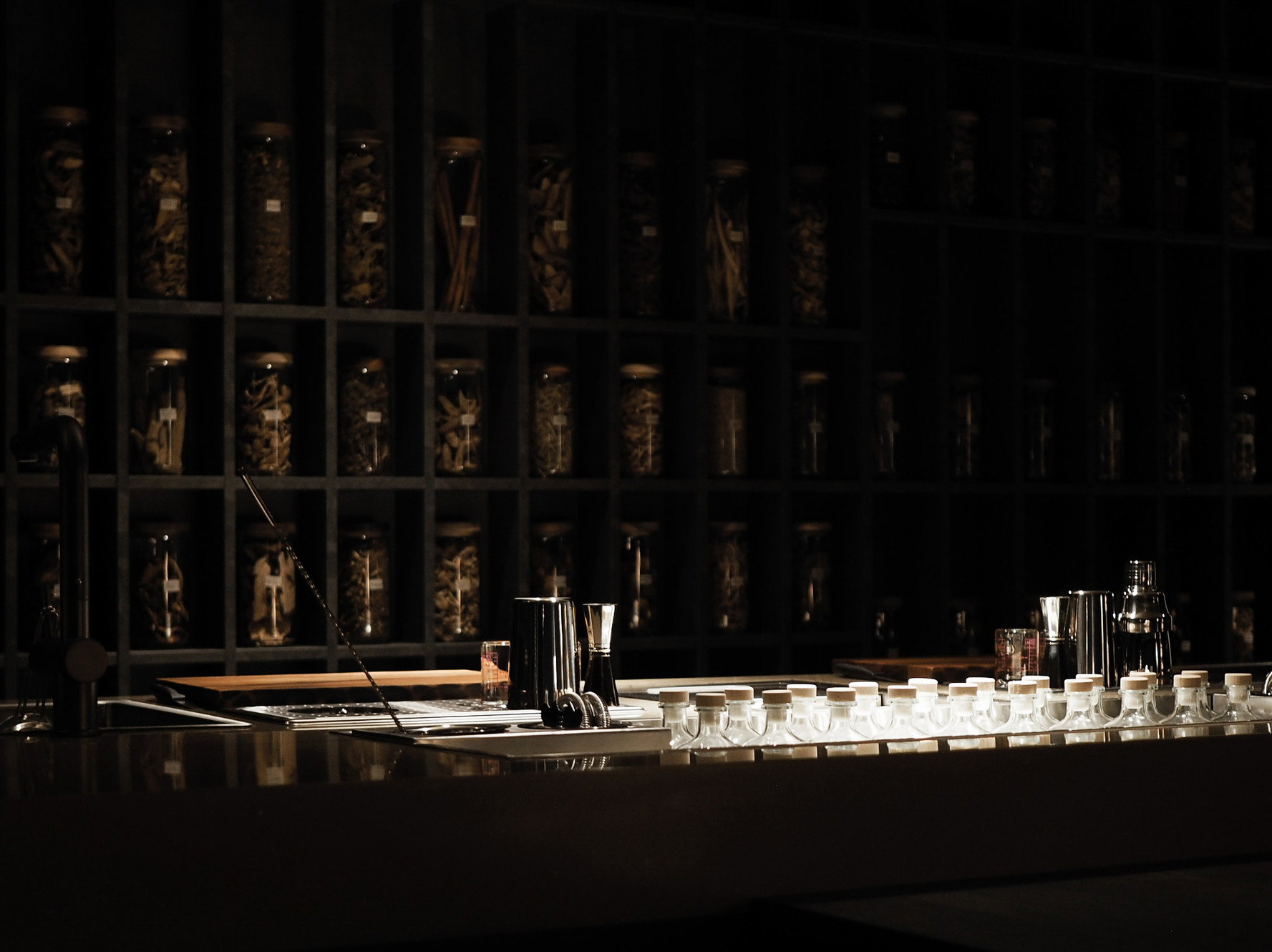
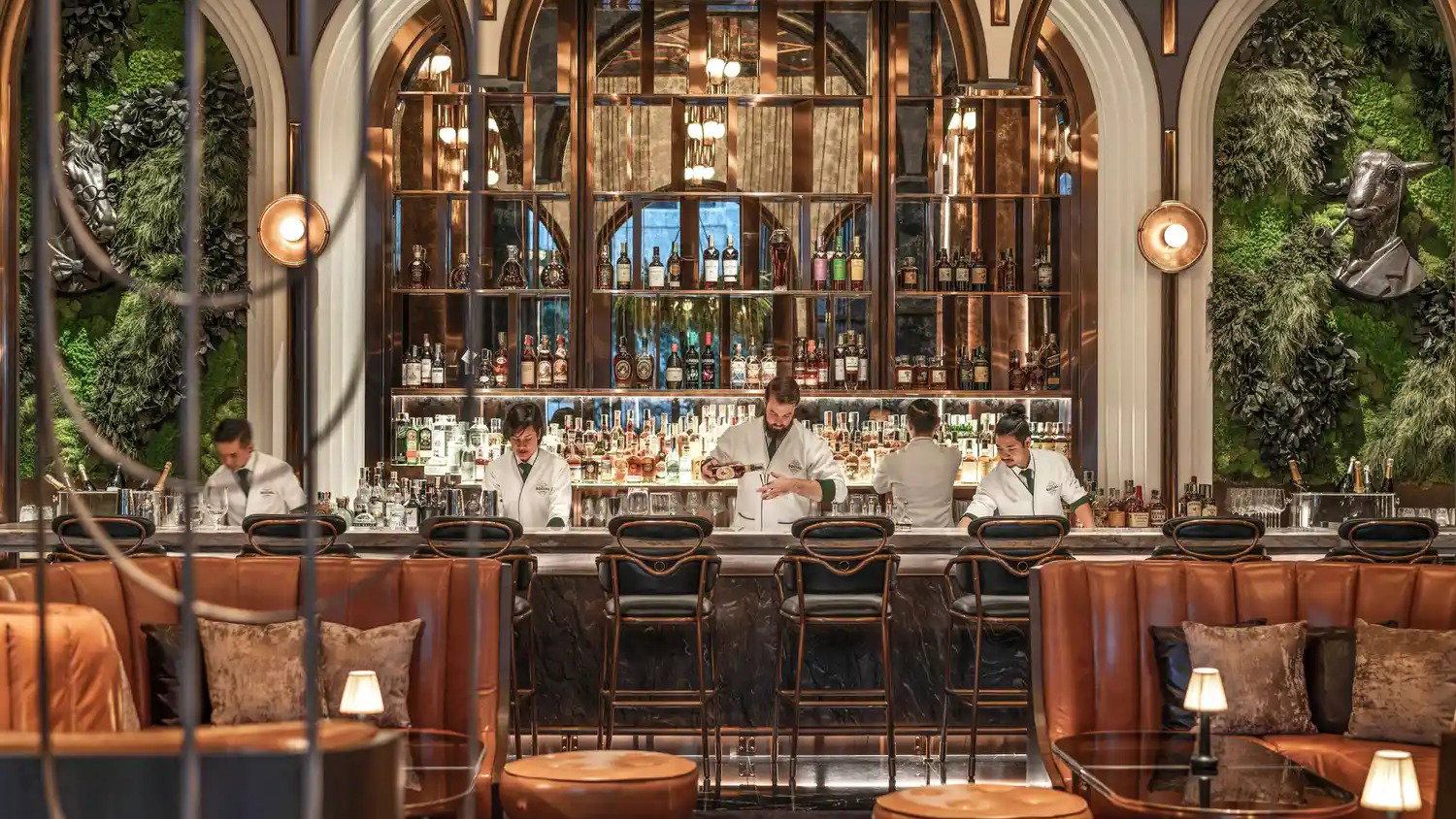
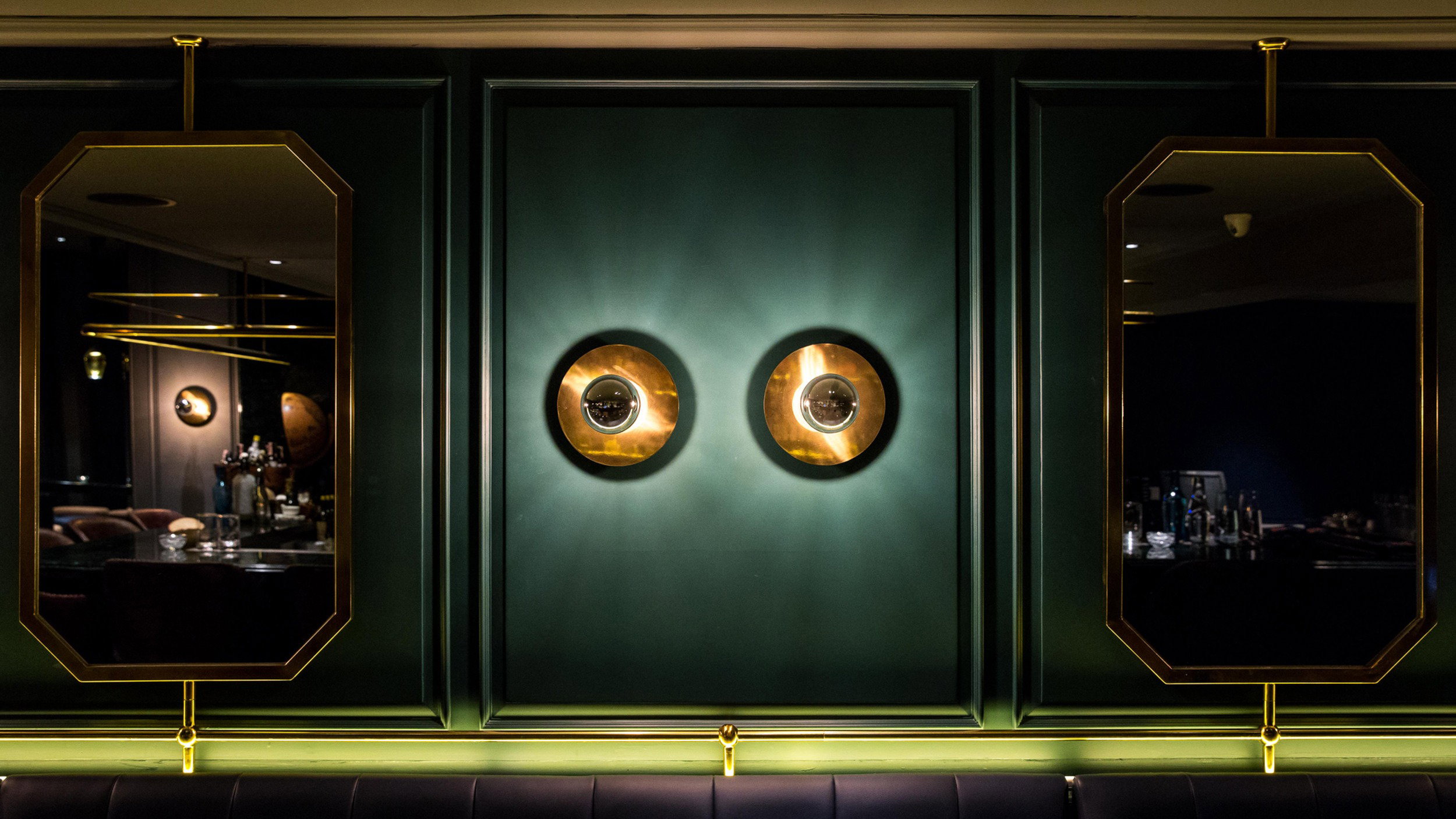
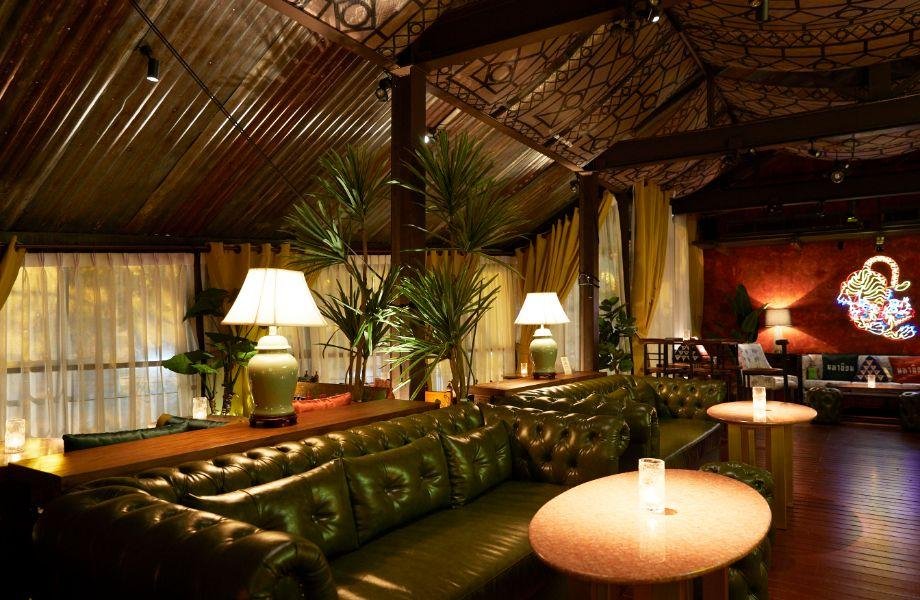
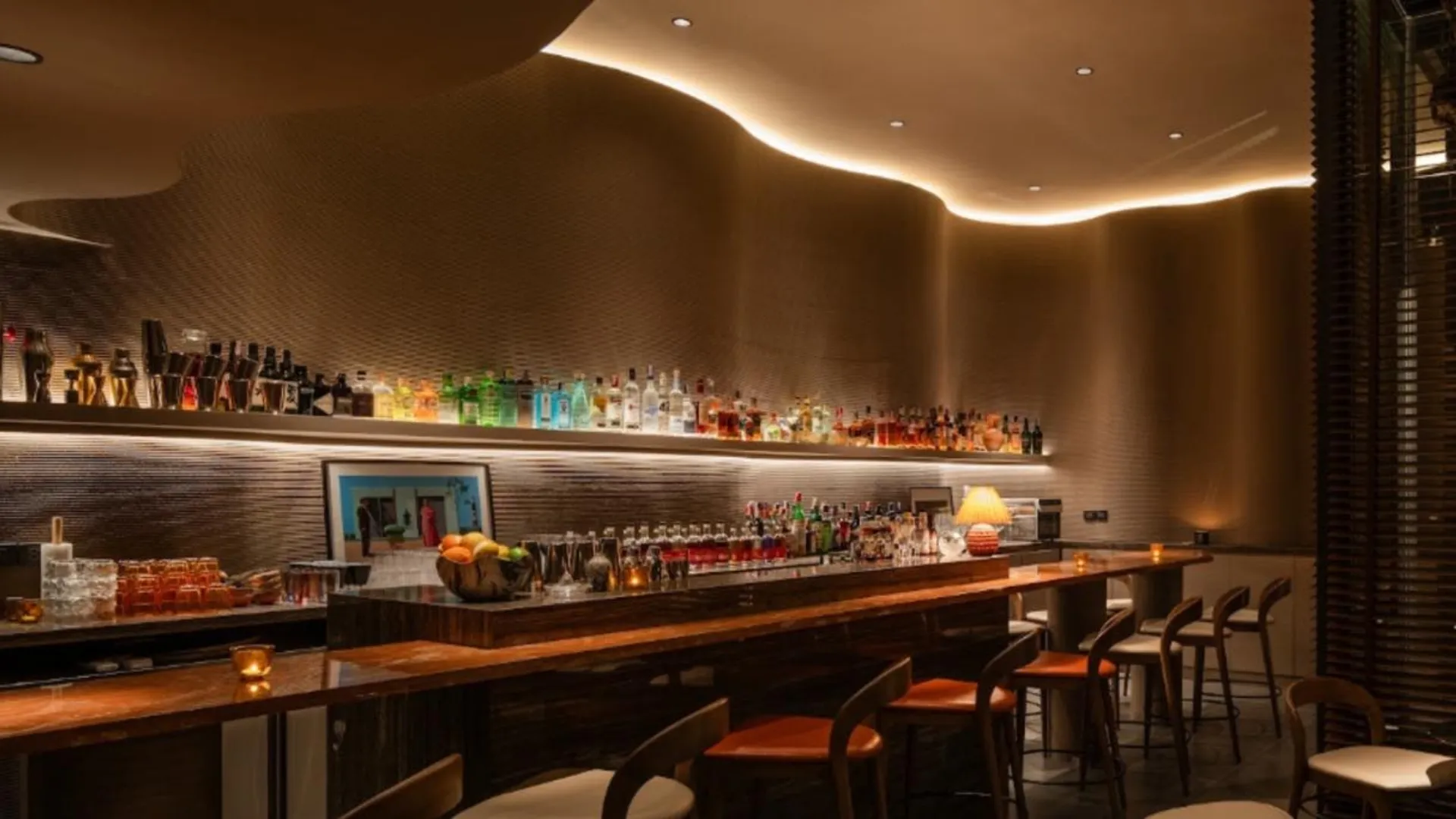
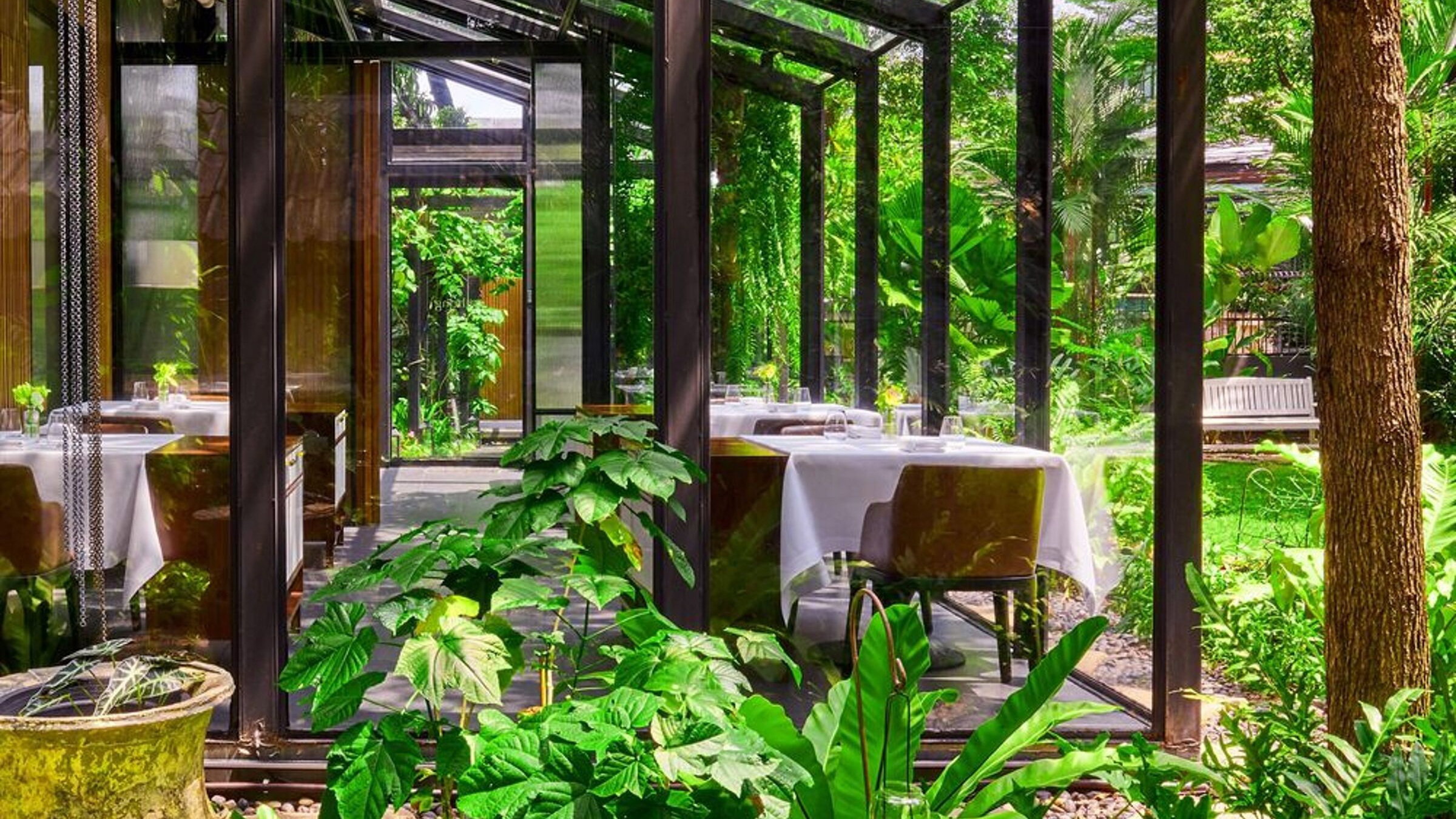
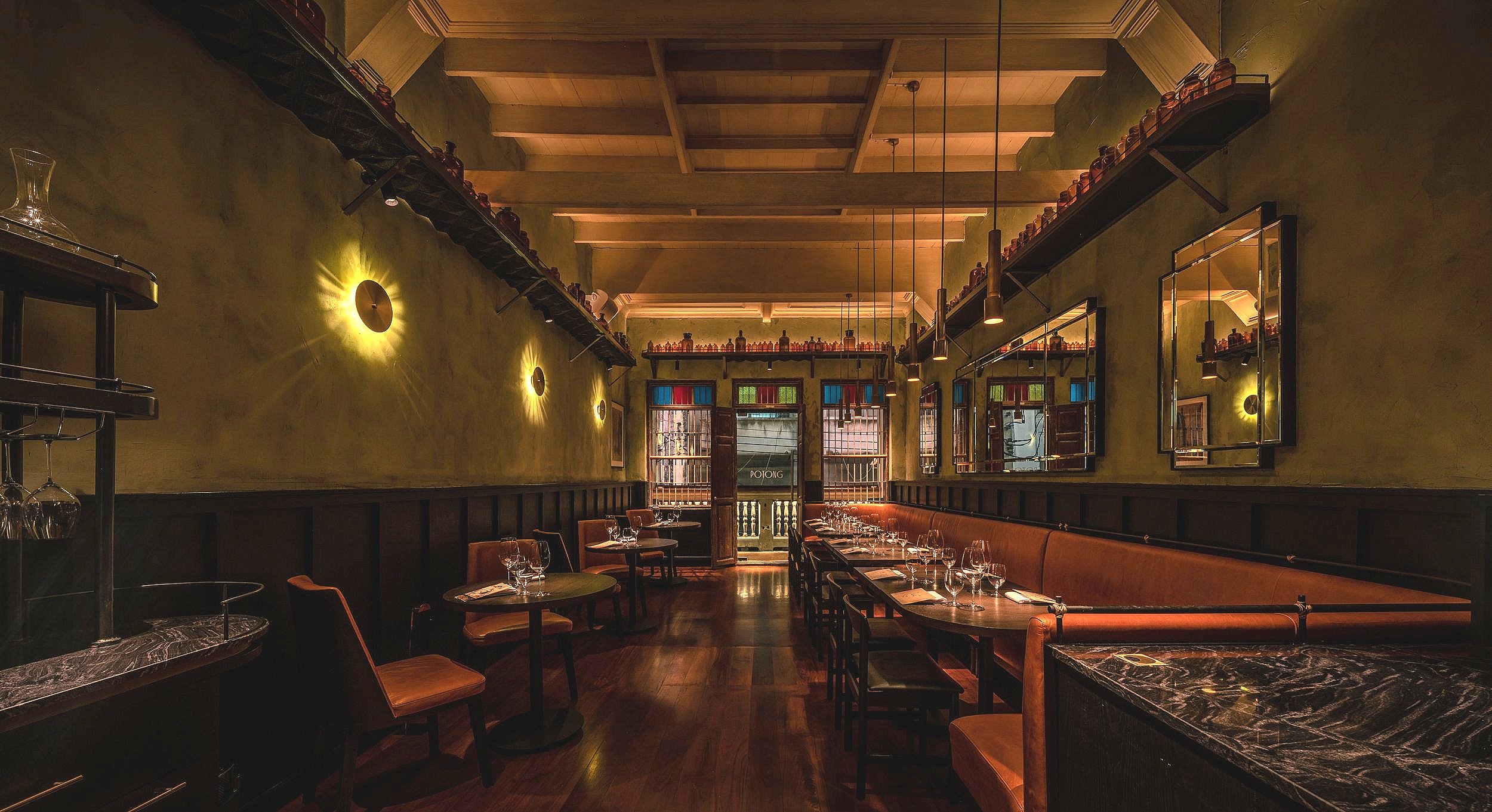
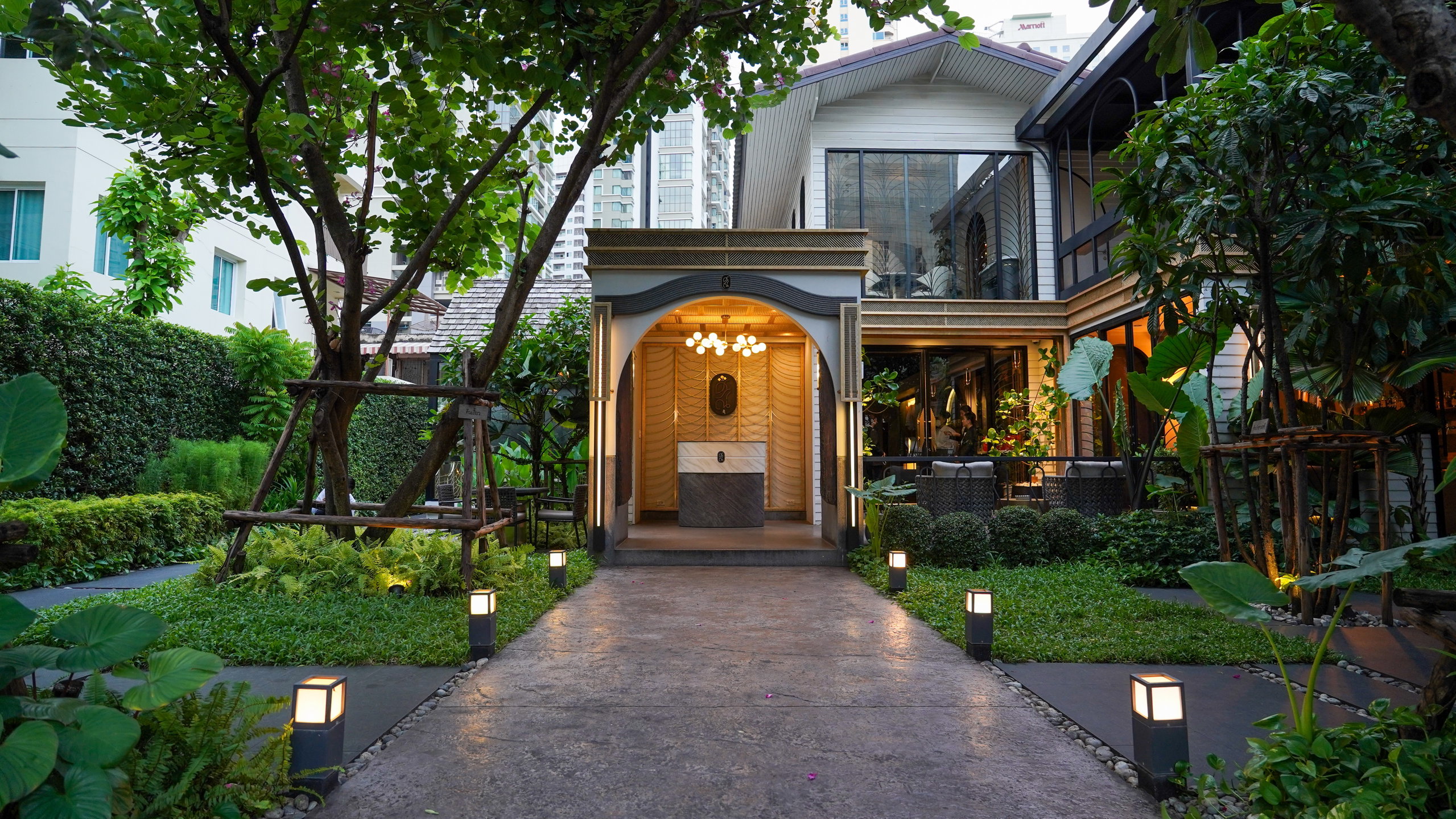
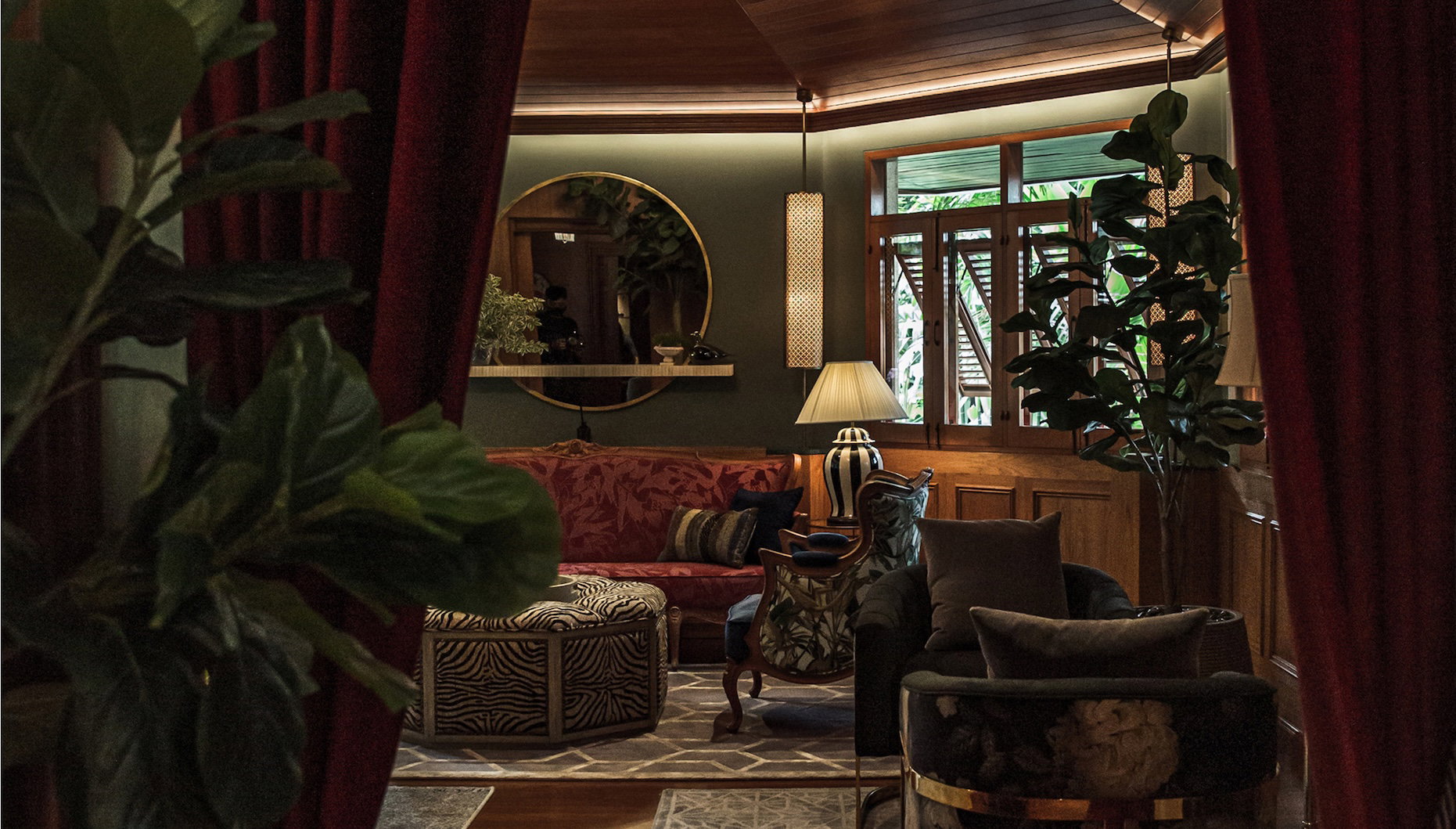
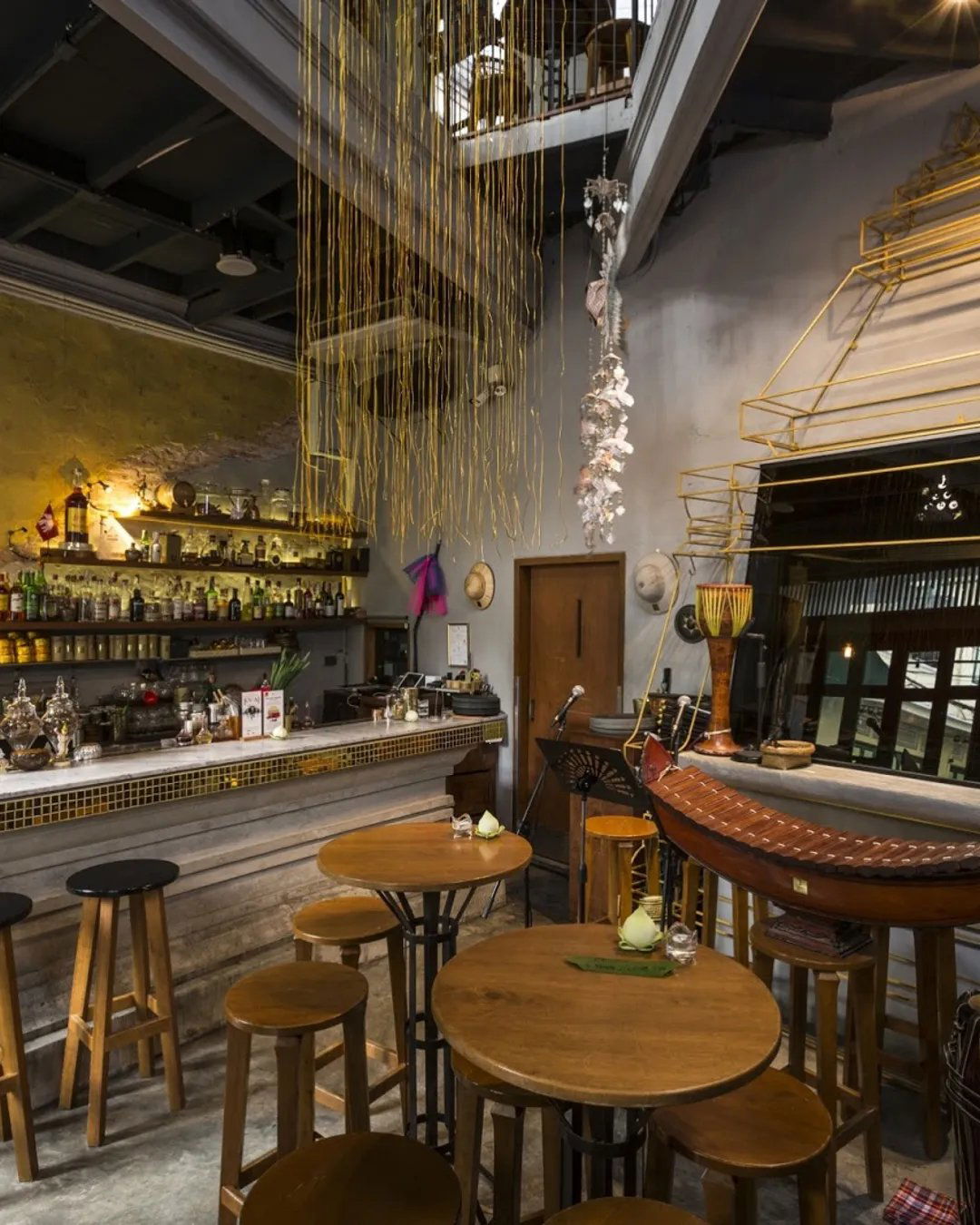
Moody lighting with traditional Thai gold décor in a restored shophouse, warm glow of lanterns, intimate two-story setting that transports guests into Thailand's cultural heritage with vibrant energy and passionate crowds.
Tags
Vibe
Best For
Experience
Format
At the Bar
- Bar Category
- Cocktail Bar
- Late Night
- Open Until 2am
- Music
- Traditional Thai Music Including Piphat Ensemble, Molam Band, and Contemporary Thai Songs
- Live Music
- Yes
Signature Pours
- Thai Basil Mojito
- Tep Ron
- Pussy Whipped
- Seven Eleven
- Lion King
Know before you go
Know Before You Go
- Getting there
- 69 ซ. นานา Pom Prap, Pom Prap Sattru Phai, Bangkok 10100, Thailand
Planning details
Location
69 ซ. นานา Pom Prap, Pom Prap Sattru Phai, Bangkok 10100, Thailand · Directions
Also consider
Also Consider
- G.O.D, Notable alternative
- Asia Today, Notable alternative
- Teens of Thailand, Notable alternative
- Ba hao 八號, Notable alternative
- Messenger Service, Notable alternative
Bar context
How it compares in Bangkok
TEP BAR - Cultural Bar of Thailand is the better fit if the priority is atmosphere with a Thai cultural cue and an easy Chinatown-area night. G.O.D and Messenger Service are stronger cross-shops for readers who want a more contemporary bar-room brief, while this venue makes more sense when the setting matters as much as the drink list.
For cocktail-focused planning, Asia Today and Teens of Thailand are safer picks because they are easier to understand as dedicated drinks destinations. Choose TEP BAR - Cultural Bar of Thailand when the group wants a Bangkok-specific night out and does not need every menu or pricing detail settled in advance.
Ba hao 八號 is the better comparison for readers building a Chinatown-led evening with food, drinks, and neighborhood movement. If the plan is one polished reservation, cross-shop elsewhere; if the plan is a textured bar crawl, TEP BAR belongs on the shortlist.
Explore Bangkok
Around this place
Discover more on Pearl
Unlock the full TEP BAR - Cultural Bar of Thailand guide in Pearl, including awards, comparisons, FAQs, planning details, and nearby places.
Compare TEP BAR - Cultural Bar of Thailand
| Venue | Location | Awards |
|---|---|---|
| TEP BAR - Cultural Bar of Thailand | Bangkok | No published awards |
| G.O.D | Bangkok | No published awards |
| Asia Today | Bangkok | 2024 Asia's 50 Best Bars · #902022 Asia's Best Bars · #43 |
| Teens of Thailand | Bangkok | No published awards |
| Ba hao 八號 | Bangkok | No published awards |
| Messenger Service | Bangkok | 2026 Asia's 50 Best Bars 51-100 · #692025 Asia's 50 Best Bars · #90Top 500 Bars 2025 · #397Tatler Best Bars Asia-Pacific 2025 |



How TEP BAR - Cultural Bar of Thailand Bangkok compares with similar nearby venues.
FAQ
Frequently Asked Questions
Is TEP BAR - Cultural Bar of Thailand open late?
TEP BAR - Cultural Bar of Thailand is open from 6 PM–12 AM every day, so it can work for an evening plan in Bangkok.
Is TEP BAR - Cultural Bar of Thailand good for groups?
Is TEP BAR - Cultural Bar of Thailand good for a date?
It can be considered for a date if daily evening hours and a casual dress code fit your plan. Menu, price, seating, and drinks-program specifics are not included, so check current information directly if those details matter.