
Kefli
Sahil, Baku
Bar in Baku, Azerbaijan
 Book with Pearl
The Read
Price
$10–20per person
Why go
Kefli is the practical Baku pick for a wine-led evening rather than a full dinner plan. Its Star Wine List recognition gives it a clearer reason to book than many general-purpose bars, while easy booking and late hours make it useful before or after dinner.
About Kefli
Kefli in Baku is a practical option to consider when the evening calls for a venue with late hours, a smart casual dress code, and Star Wine List recognition in 2026.
With no street address, neighborhood, cuisine, chef, menu format, price range, or seating count listed, the safest planning frame is simple: treat Kefli as a Baku stop with late operating hours and wine recognition, then confirm finer details directly before going.
Choose it for wine recognition, not a full restaurant brief
The strongest reason to put Kefli on the shortlist is its Star Wine List recognition, not a documented chef, cuisine style, or named food program. That makes the recommendation clear: choose it when that recognition matters. If the evening needs a fully planned dinner, use a broader Baku dining search first, then confirm Kefli's current details directly before relying on it for the full plan.
For an explorer comparing options, Kefli can be considered alongside other Baku venues without assuming they serve the same purpose. Eyvan Terrace, Bentley's Bar, and H2O Pool Bar and Grill are other named options to compare. Kefli's clearest distinction is its wine recognition and late schedule.
Value depends on the round, so keep the occasion tight
Because no price range is available, the smart move is to decide the occasion before you go and confirm current details directly. That keeps expectations grounded without inventing prices, menus, or service details.
The practical read is simple. Kefli opens at 3 PM daily, runs until 1 AM from Sunday through Thursday, and stays open until 3 AM on Friday and Saturday. Dress is smart casual. Those details make it useful for an evening plan in Baku, especially when you want a later stop with wine recognition.
Bottom line: choose Kefli when the group wants a Baku venue with late hours, smart casual dress, and Star Wine List recognition. Skip it if the decision hinges on a named tasting menu, a known chef, a published cuisine style, or detailed pricing.
Planning details
- Location
- Tarlan Aliyarbeyov St, Baku, Azerbaijan
- Website
- facebook.com/kefliwinebar/?fref=ts
- Phone
- +994 51 308 99 09
The take
The Take
The Vibe
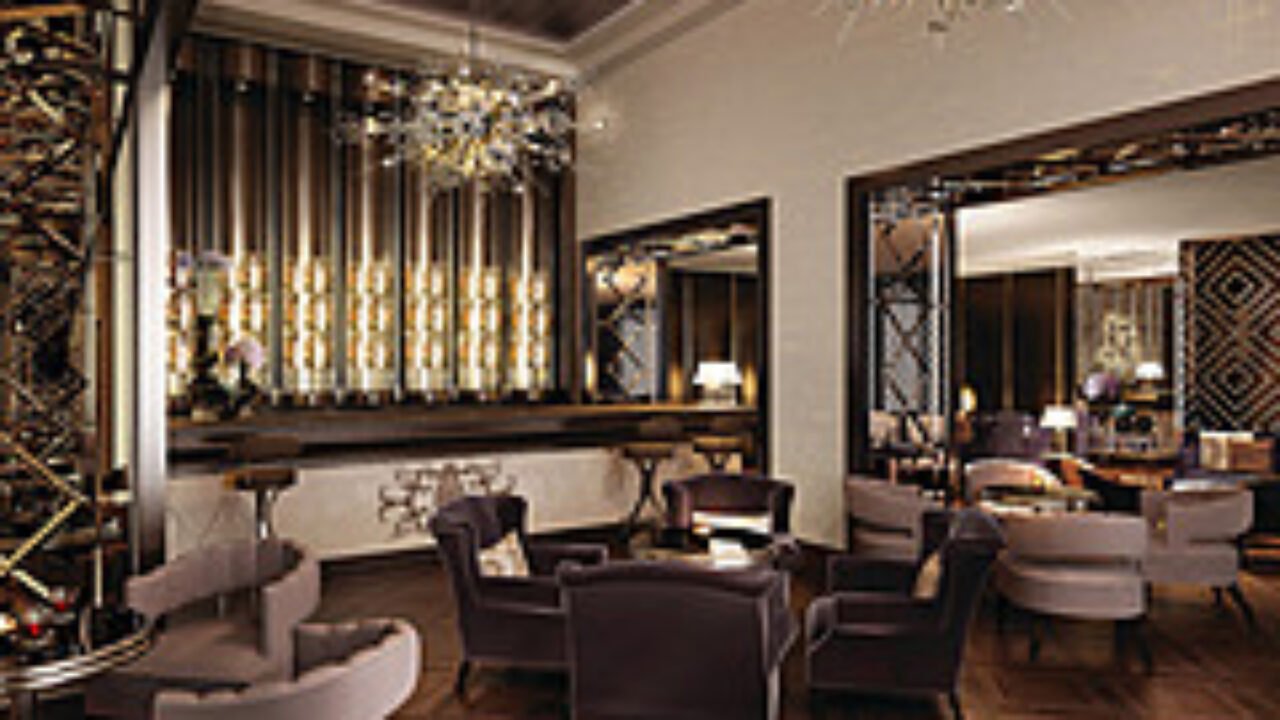
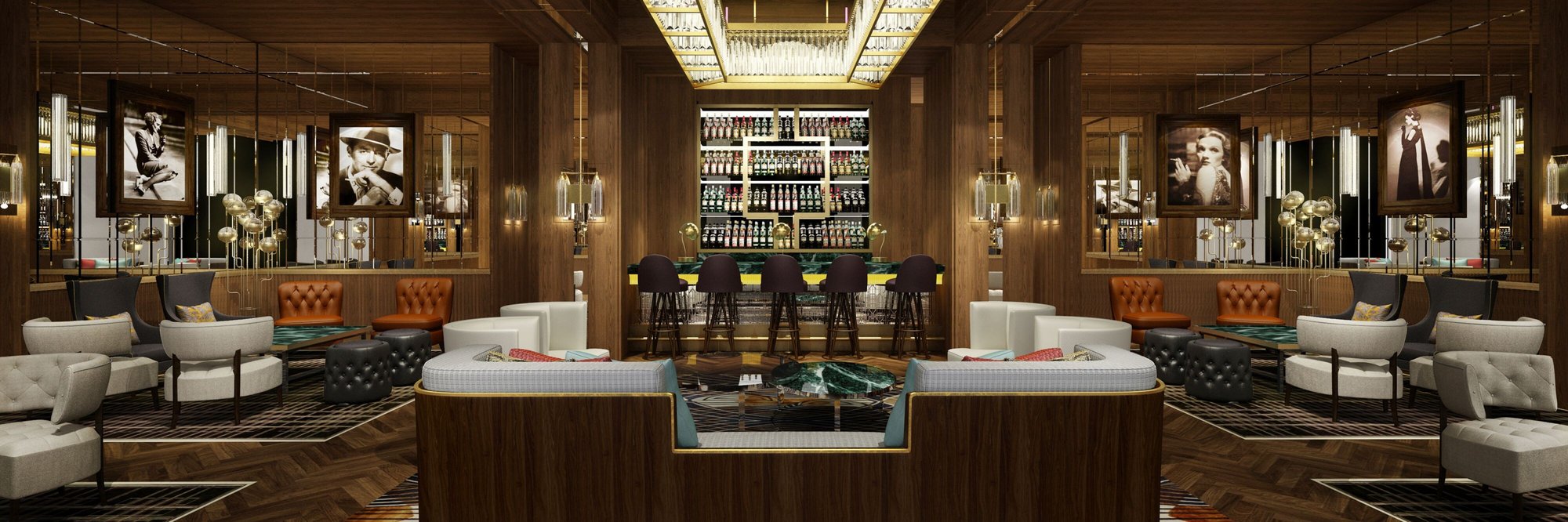
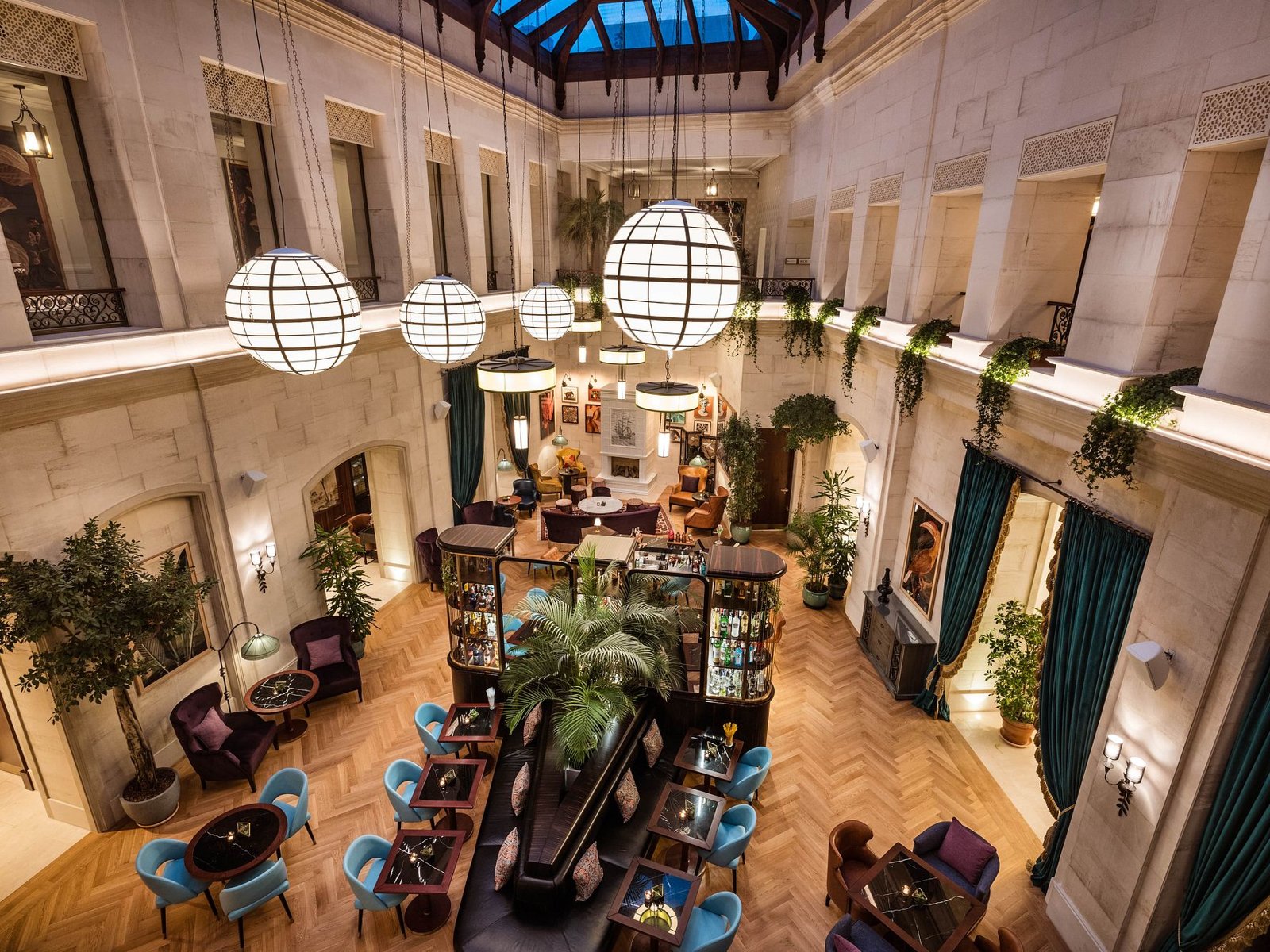
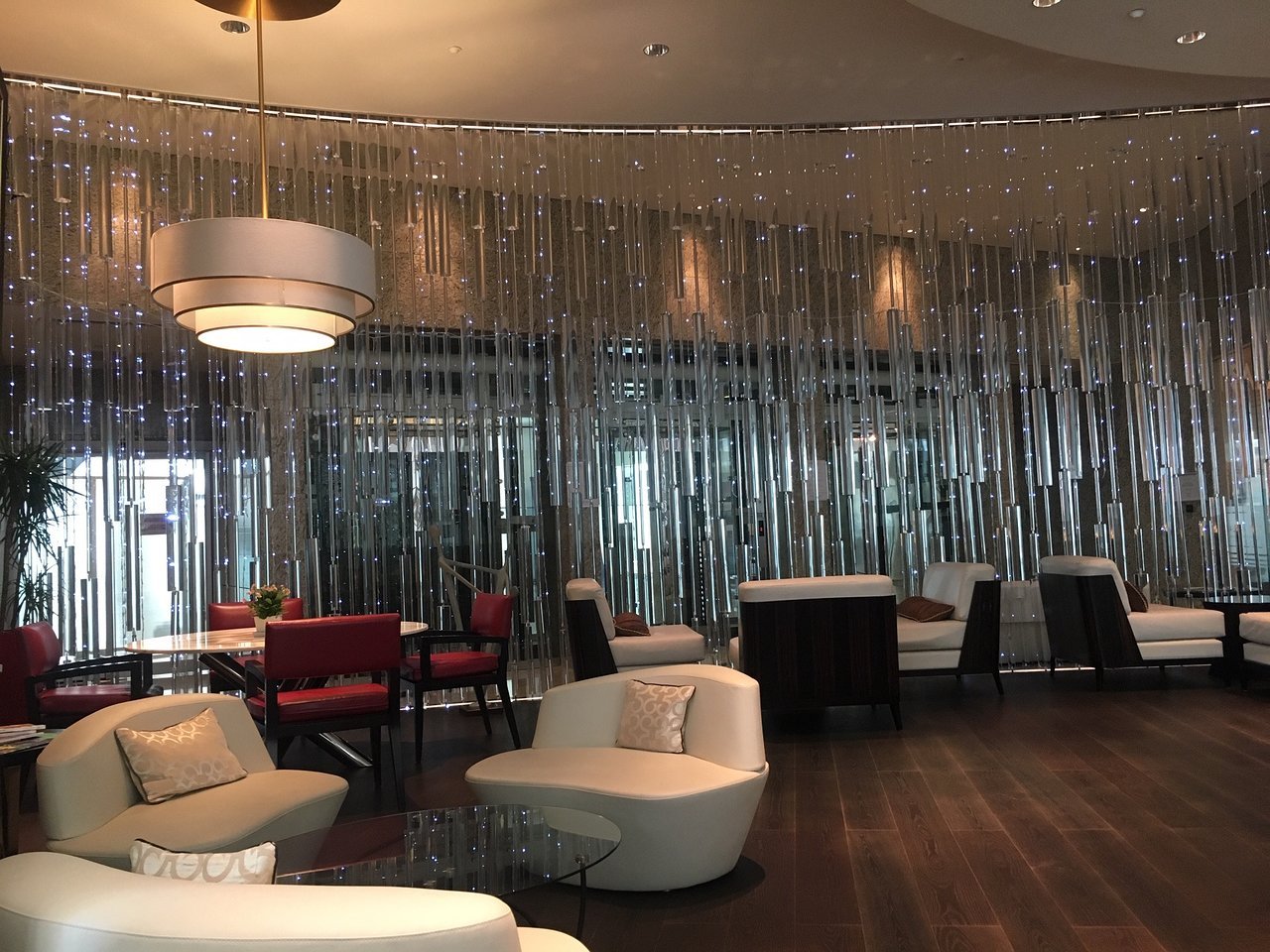
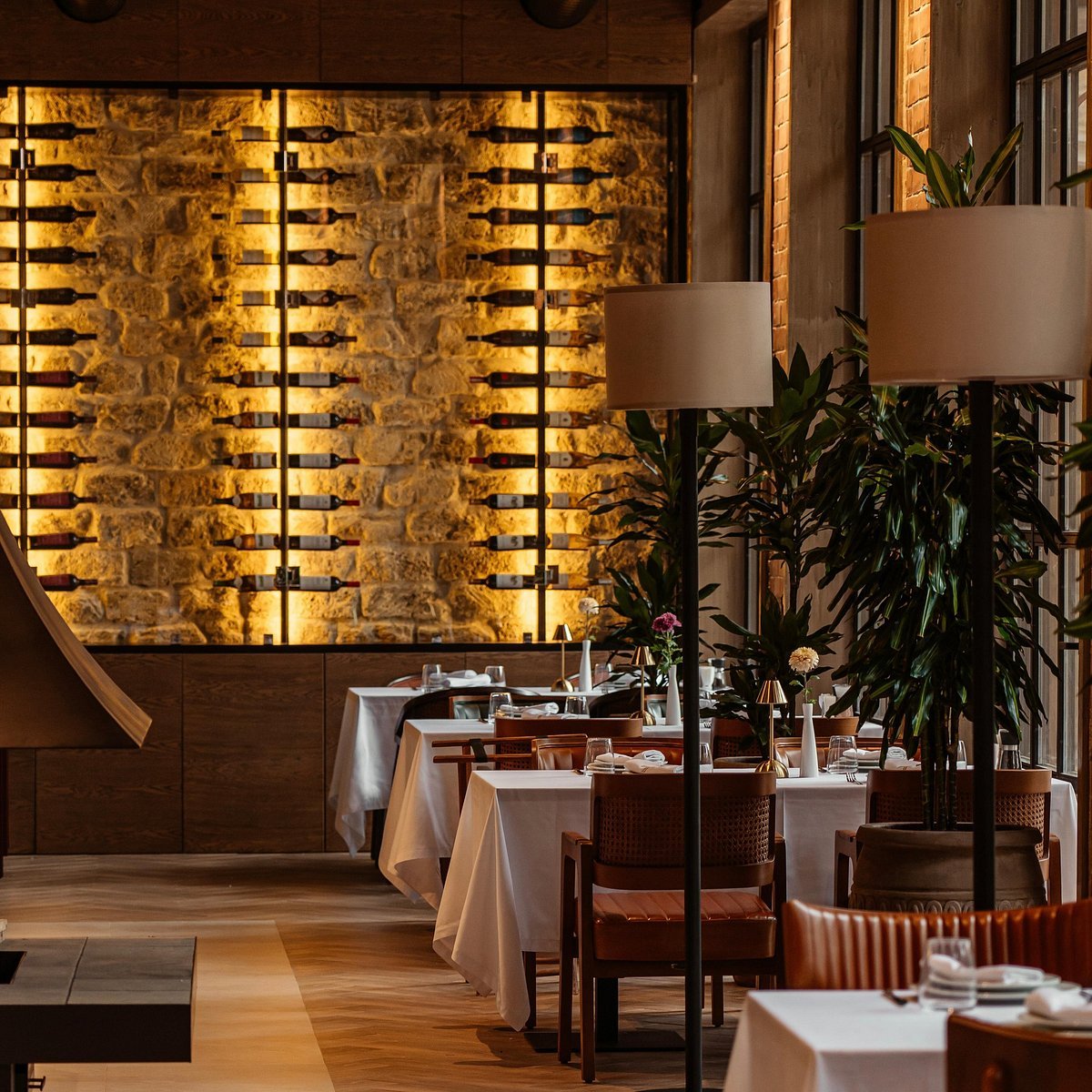
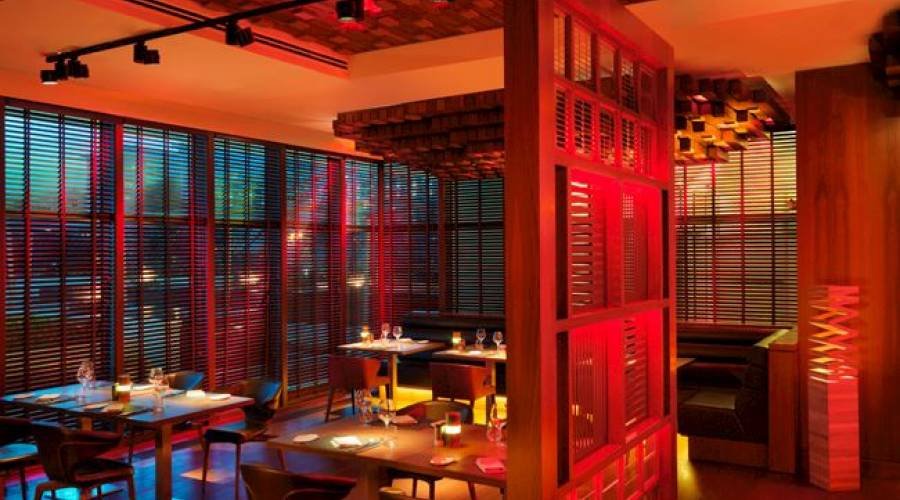
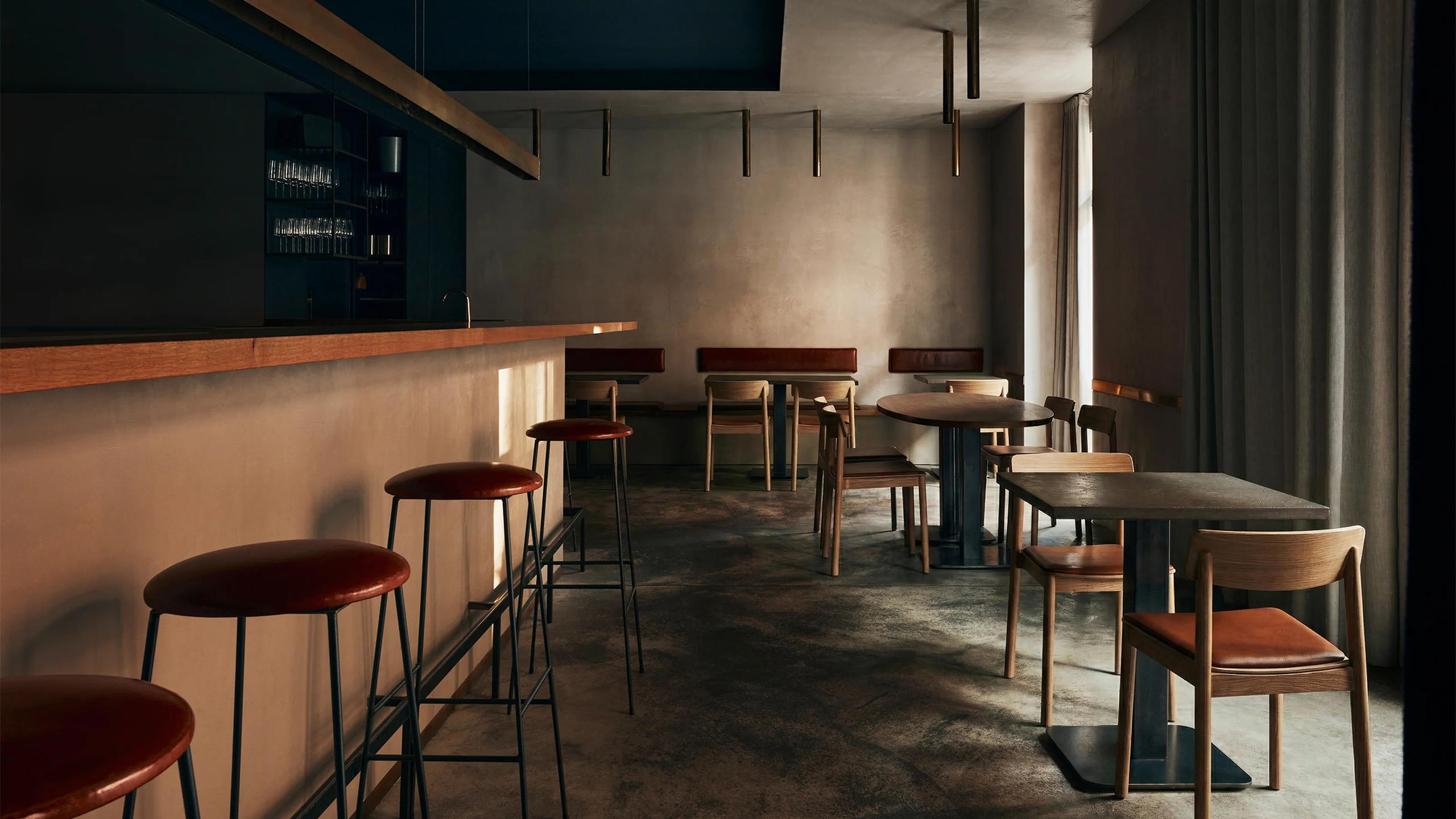
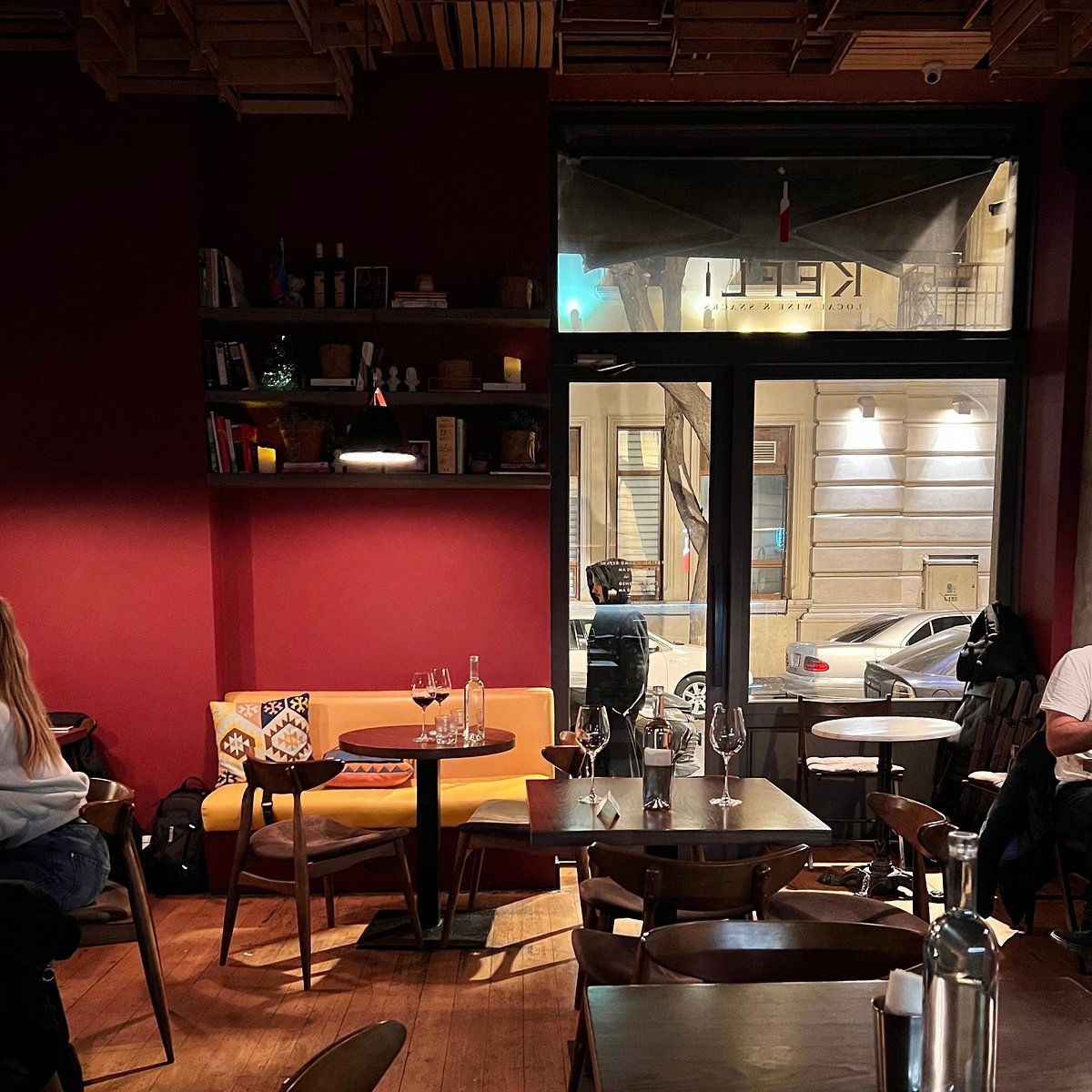
Kefli reads like a quietly confident, classic wine bar tucked just outside Baku’s busiest tourist corridors. The space is compact and unfussy, deliberately keeping attention on the glass rather than theatrical room design. Its location near the walled Old Town lends a sense of history to the experience: you can feel the neighbourhood’s stonework and trading past in the surroundings. The bar’s restraint and focus on regional wines signal an operator that doesn’t need to perform — locals and repeat guests arrive for the drinks and linger, not for spectacle.
Best For
Kefli is best for evenings when the priority is wine and conversation. It suits date nights and relaxed hangouts where guests plan to stay rather than drift in off the street: the description stresses reputation, word of mouth and repeat custom over passing trade. For wine-minded visitors, the bar’s commitment to Azerbaijani and South Caucasian bottles makes it a natural stop for those interested in regional styles. In short, it’s an evening destination for quiet, focused drinking and discovery rather than a tourist-driven or high-energy nightlife spot.
Ordering Tips
Lean into the regional list: the programme deliberately foregrounds Azerbaijani and South Caucasian wines, so prioritise those bottles if you want the bar’s distinctive offering. Expect a compact, glass-forward format — the focus is on drinking rather than elaborate plating — and plan to linger: the venue builds on reputation and repeat custom instead of passing trade. If you want to get a sense of the bar’s character, choose a few local-by-the-glass pours and settle in; the place rewards slow tasting and quiet conversation.
Venue details
Ambiance
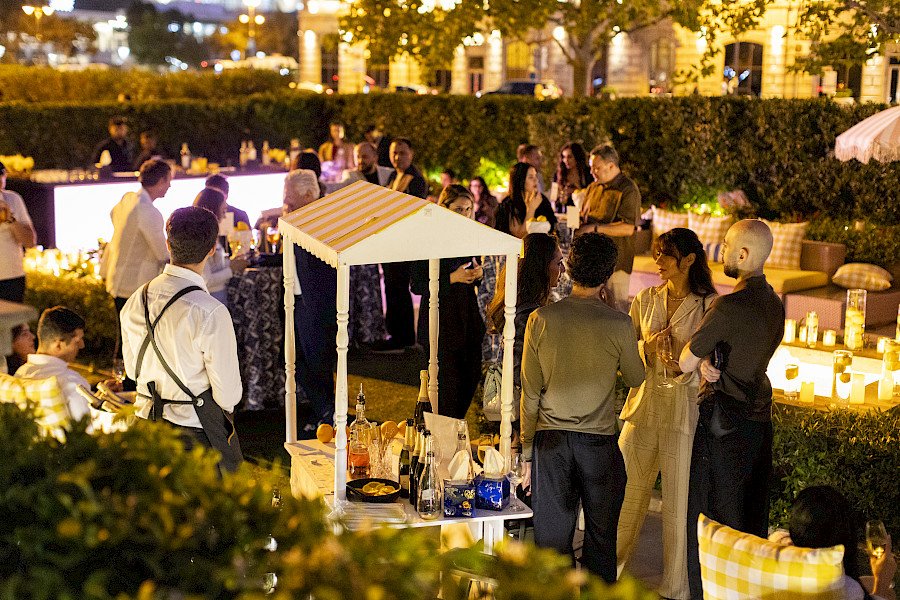
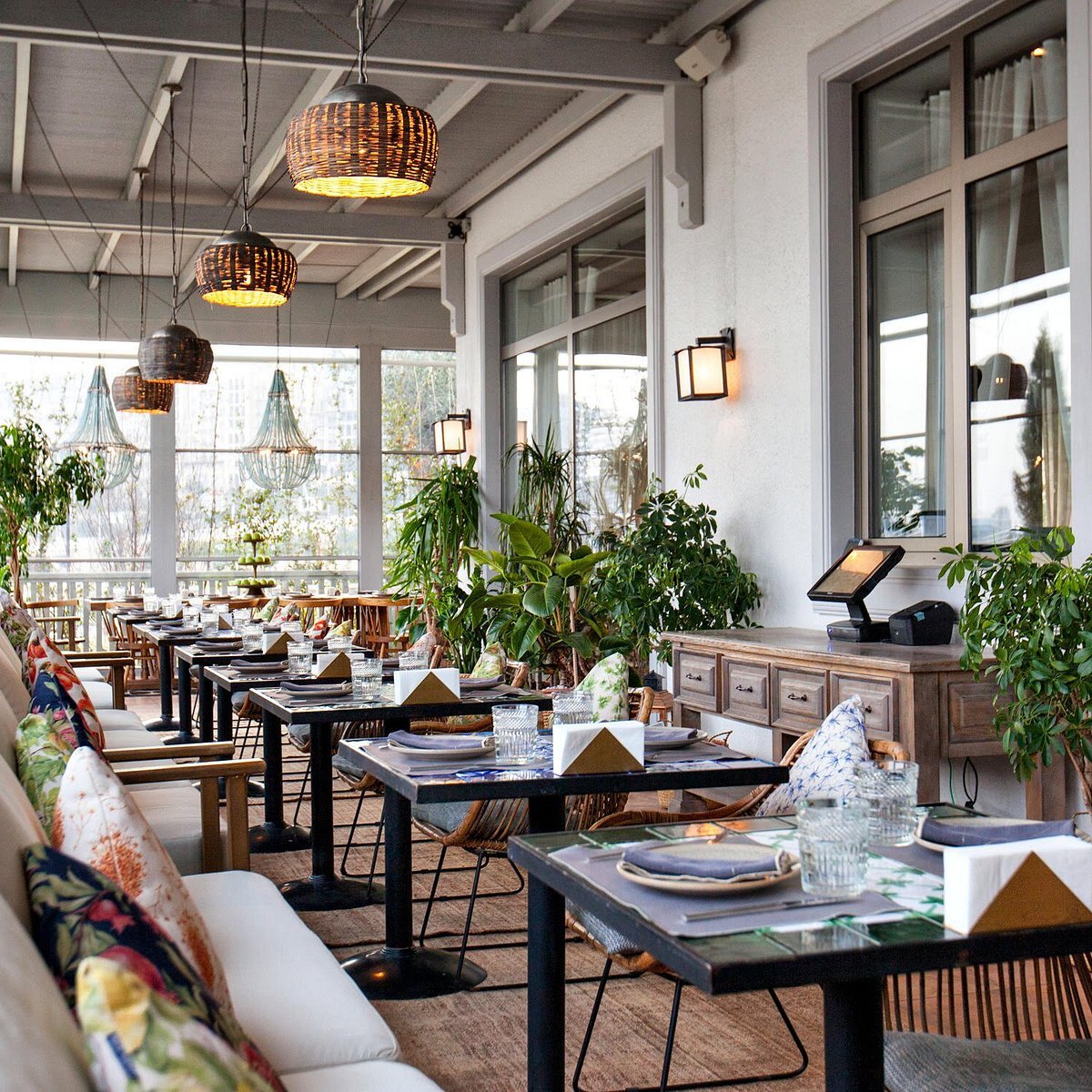
Cozy and warm with music playing, buzzing atmosphere packed with locals and young ritzy people, intimate tables under understated lighting.
Tags
Vibe
Best For
Experience
Format
At the Bar
- Bar Category
- Wine Bar
Know before you go
Know Before You Go
- Getting there
- Tarlan Aliyarbeyov St, Baku, Azerbaijan
Planning details
Location
Tarlan Aliyarbeyov St, Baku, Azerbaijan · Directions
Recognition and awards

Also consider
Where to go if Kefli is not the right fit
Pick Eyvan Terrace if the priority is setting and open-air energy. Pick Bentley's Bar if the group wants a more classic hotel-bar feel.
Bar context
How Kefli compares in Baku
Kefli is the wine-first choice in this group. Choose it when the round is about bottles or glasses rather than a view, pool setting, or classic hotel-bar polish. Latitude and Longitude Lounge Bar is the more hotel-lounge-coded alternative, while Eyvan Terrace makes more sense when ambiance matters more than wine focus.
For value, Kefli works better as a controlled stop: one or two rounds, a shared bottle, or a post-dinner drink. Bentley's Bar is the safer cross-shop for a classic bar mood, and Piazza is the one to compare if the group wants a broader, less wine-specific night.
If ease matters, Kefli has the advantage of an easy booking signal. H2O Pool Bar and Grill is better for a casual poolside-style drink, not a focused wine stop. For travelers comparing beyond Baku, keep Kefli in the same decision bucket as destination bars such as Blind Tiger, ¡BE! Club in San Sebastián, '70s-inspired bar in Sydney, and 'a veo veo yu in Alishan: the right choice depends on format, not hype.
Explore Baku
Around this place
Discover more on Pearl
Unlock the full Kefli guide in Pearl, including awards, comparisons, FAQs, planning details, and nearby places.
Compare Kefli
| Venue | Location | Awards |
|---|---|---|
| Kefli | Baku | Star Wine Lists 2026 |
| Latitude and Longitude Lounge Bar | Baku | No published awards |
| Eyvan Terrace | Baku | No published awards |
| Bentley’s Bar | Baku | No published awards |
| Piazza | Baku | No published awards |
| H2O Pool Bar and Grill | Baku | No published awards |
How Kefli Baku compares with similar nearby venues.
FAQ
Frequently Asked Questions
What's the crowd like at Kefli?
Kefli in Baku has Star Wine List recognition in 2026, so it is reasonable to consider it when that recognition is relevant to the night.
Do I need a reservation at Kefli?
Is Kefli open late?
Yes. Kefli is open from 3 PM to 1 AM Sunday through Thursday, and from 3 PM to 3 AM on Friday and Saturday.
Is the food good at Kefli?
The clearest confirmed detail is Star Wine List recognition, so do not assume a food-led visit without confirming current details directly.
Is Kefli good for a date?
It can be a practical date option if you want a smart casual Baku stop with late hours and recognition. For a dinner-focused date, confirm the food details directly first.