
Bar in Aurora District, United States
Thank Sool
100ptsKorean Sool-Bar Format
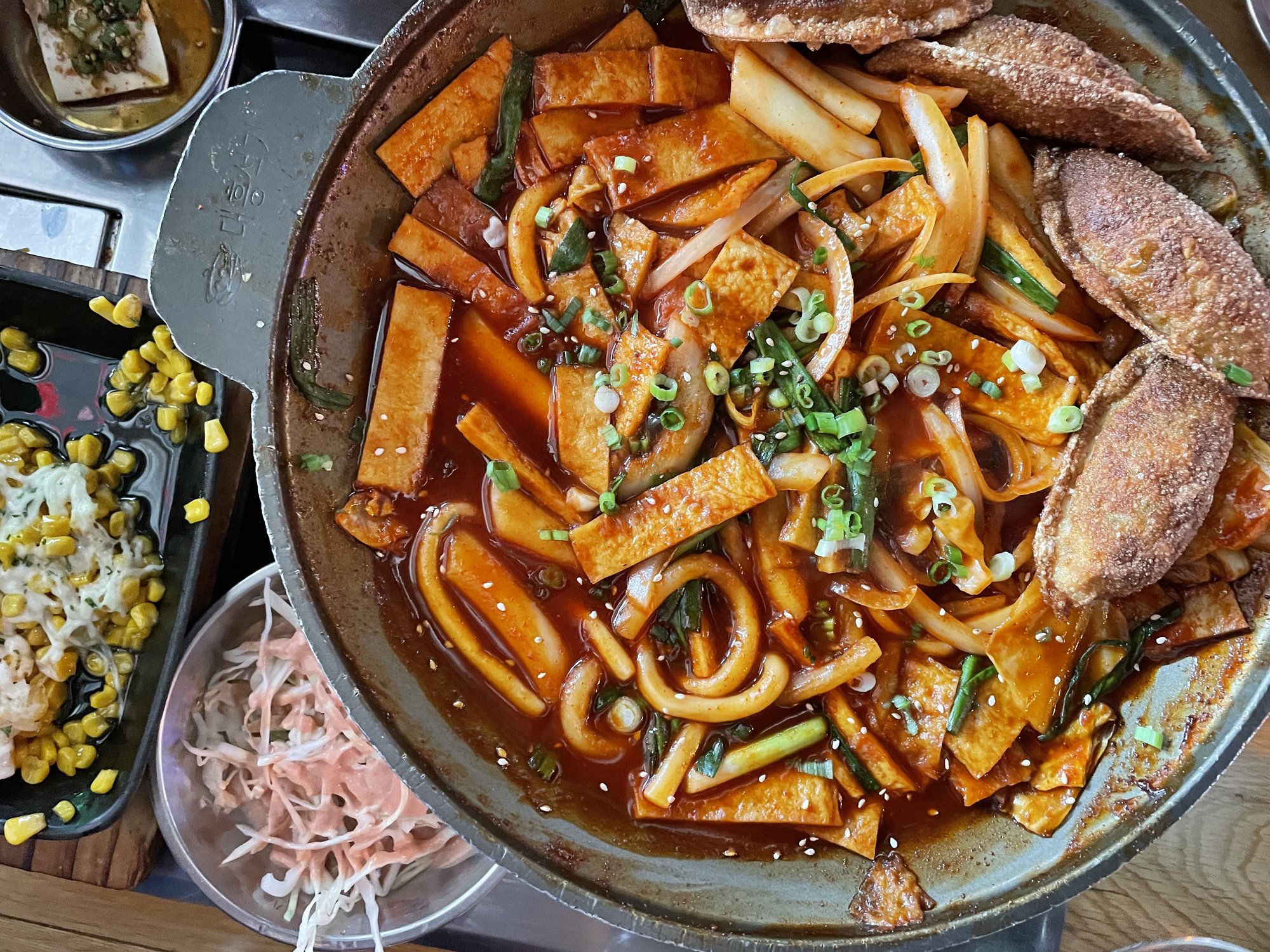
About Thank Sool
Thank Sool sits on South Havana Street in Aurora's increasingly Korean-influenced dining corridor, representing the kind of neighborhood-rooted drinking and dining spot that anchors a local scene rather than performing for visitors. The name itself signals intent: 'sool' is the Korean word for alcohol, a menu philosophy in one syllable. Aurora's Korean dining strip rewards those willing to look past the strip-mall facades for what's inside.
South Havana and the Korean Drinking Tradition
Aurora's South Havana corridor has quietly become one of the Denver metro area's most concentrated pockets of Korean dining and drinking culture. The strip runs through a part of Aurora that functions less as a destination for day-tripping food tourists and more as a working neighborhood with a genuine Korean-American community anchoring its commercial identity. That distinction matters. Restaurants and drinking spots here answer to regulars first, which tends to produce menus that reflect actual tradition rather than an interpretation of it designed for outsider consumption.
Thank Sool, located at 2222 S Havana St E, sits within that corridor and signals its orientation directly in its name. In Korean, sool (술) means alcohol, encompassing the full spectrum of traditional Korean drinking culture: makgeolli (fermented rice wine), soju, dongdongju, and the food designed to accompany them. A venue that names itself after the category of Korean drinking is making an implicit argument about what the menu prioritizes and how the experience is meant to unfold.
What the Name Tells You About the Menu
Korean drinking culture has a structural logic that differs from the Western bar format in ways that matter for understanding how to approach a venue like Thank Sool. Drinking in Korea is organized around anju, the food that accompanies alcohol, and the relationship between the two is codified rather than incidental. You do not order a drink and then decide whether to eat. The food and the drink are planned together, with specific dishes understood to pair with specific beverages in ways developed over centuries of culinary practice.
This gives Korean drinking-oriented venues a menu architecture that differs from both a standard restaurant and a standard bar. The menu is neither food-first nor drink-first but parallel, with the categories in active conversation with each other. Pajeon (scallion pancakes), dubu kimchi, and assorted jeon dishes exist on these menus because their texture, salinity, and weight interact specifically with the effervescence of makgeolli or the clean heat of soju. The menu is not decorative. It is functional in a tradition-specific sense.
Venues along South Havana like Daebak Korean Restaurant operate within related traditions, and together they form a corridor where Korean culinary logic, rather than approximating Western dining formats, runs on its own terms. Thank Sool's name places it specifically in the drinking-oriented tier of that ecosystem rather than the BBQ-primary or hot-pot-primary segments represented by operations like KPOT Korean BBQ and Hot Pot nearby.
The Aurora Setting and What It Means Logistically
Aurora is a distinct city from Denver, a fact that its own residents will remind you of and that shapes the character of eating and drinking there. The South Havana corridor is accessible by car from central Denver in roughly twenty to thirty minutes depending on traffic, and the surrounding neighborhood is built to the scale of car culture: parking is available, strip mall frontages are the dominant architecture, and the experience of arriving is functional rather than scenic.
This is worth stating plainly because it frames expectations correctly. What the area lacks in pedestrian-friendly urbanism it compensates for in density of authentic community-facing businesses. The Korean dining concentration here is not manufactured by a developer's vision of cultural programming. It reflects where Korean-American families, workers, and institutions have chosen to locate. That organic origin produces a different dining register than a curated food hall or a neighborhood that has been positioned as a dining destination by a city's tourism infrastructure.
For visitors staying in central Denver, the trip to South Havana requires intention. Those who make that trip with an understanding of what they are looking for tend to find it. Our full Aurora District restaurants guide covers more of the corridor's range for those planning a broader visit. Nearby, Cheluna Brewing Company offers a craft beer anchor with its own distinct neighborhood identity, and Coffee Story by Barakah Brews represents Aurora's parallel café culture for a different hour of day. Annette rounds out the local options with a different register entirely.
Korean Sool Culture in a National Context
The growth of Korean drinking culture as a distinct hospitality category in American cities has accelerated alongside broader Korean cultural influence over the past decade. Where Korean-American dining was once predominantly organized around BBQ formats designed for table-centered group experience, a secondary tier focused on the drinking house tradition has emerged in cities with established Korean-American populations.
The comparison points are instructive. Cocktail-forward venues in cities like Chicago, New York, and Honolulu have developed programs that incorporate Korean spirits and flavor profiles within Western bar frameworks: Kumiko in Chicago brings Japanese-influenced precision to its spirits program in ways that have shifted how Midwestern drinkers think about Asian drinking traditions; Superbueno in New York City applies similar conceptual rigour to Latin spirits. Bar Leather Apron in Honolulu and Jewel of the South in New Orleans anchor their respective cities' premium cocktail tiers with programs that treat spirits culture as a serious editorial subject.
Thank Sool operates in a different mode: not the Korean-inflected cocktail bar aimed at a craft-spirits audience, but the community-embedded Korean drinking house serving a population for whom sool culture is not exotic but quotidian. That positioning is its own form of authenticity, and one that the cocktail-destination tier, however accomplished, cannot replicate. Julep in Houston, ABV in San Francisco, and The Parlour in Frankfurt each occupy specific cultural niches within their cities' drinking scenes. Thank Sool's niche is defined by community rootedness rather than by program architecture or critical recognition.
Planning Your Visit
Specific hours, booking policies, and current menu details for Thank Sool are not confirmed in our database at time of publication, and the venue's contact information has not been verified. The address — 2222 S Havana St E, Aurora, CO 80014 — is confirmed. Visitors planning a trip to the South Havana corridor are advised to verify current operating hours directly before travelling, as neighborhood dining operations of this type sometimes shift schedules seasonally or without significant advance notice online.
The South Havana strip is leading approached as an evening destination when the full range of Korean dining and drinking options are operating. Arriving by car is the practical choice given the area's layout. For those building a broader Aurora evening, the corridor offers enough density across Korean BBQ, hot pot, and drinking-house formats to sustain a multi-stop visit without needing to travel further.
Frequently Asked Questions
What's the atmosphere like at Thank Sool?
Thank Sool sits within Aurora's South Havana Korean dining corridor, a neighborhood-facing strip that operates at a community rather than destination register. The atmosphere reflects that positioning: functional, local, and oriented toward regulars rather than first-time visitors looking for a curated experience. Specific interior details are not confirmed in our current database, so visitors should set expectations around a working neighborhood drinking house rather than a designed hospitality concept.
What should I try at Thank Sool?
The name signals a drinks-forward orientation rooted in Korean sool culture, which encompasses makgeolli, soju, and dongdongju alongside anju food designed to accompany them. Without confirmed menu data, specific dish recommendations are not possible here, but the venue's framing suggests that approaching the menu as a drinking-first, food-paired experience reflects its intended logic. Scallion pancakes, fermented vegetable dishes, and egg-based jeon are common anju formats in Korean drinking houses of this type.
What makes Thank Sool worth visiting?
Aurora's South Havana corridor is one of the Denver metro area's most concentrated and community-rooted Korean dining and drinking zones, and Thank Sool is positioned within its drinking-house tier rather than the BBQ or hot-pot formats that dominate the strip's higher-profile end. For visitors specifically interested in Korean drinking culture as a distinct tradition rather than as a side element of a larger BBQ experience, that positioning matters. No formal awards data is confirmed in our database, but the venue's name and location within an established Korean-American community corridor are meaningful trust signals in their own right.
Can I walk in to Thank Sool?
Walk-in policies are not confirmed in our current database, and the venue has no verified phone or website contact listed. The South Havana corridor generally operates at a neighborhood pace where walk-ins are common for Korean drinking houses, but busy weekend evenings can create waits at popular spots. Verifying current policies directly before visiting is advisable. Given that no booking platform is confirmed, arriving in person or reaching out through any social media presence the venue maintains is the practical path.
Is Thank Sool worth the trip from central Denver?
The South Havana corridor requires deliberate travel from central Denver, and Thank Sool does not carry confirmed awards or ratings data that would anchor a specific critical case for the journey on its own. The stronger argument is corridor-level: the density of Korean dining and drinking culture along South Havana is genuine in a way that neighborhood-tourist-facing alternatives closer to downtown are not. If Korean drinking-house culture specifically is what you are looking for, the trip holds up. If you are weighing a single destination against Denver's more centrally located options, the case is harder to make without more specific data.
How does Thank Sool fit into Aurora's Korean drinking scene compared to its neighbors?
Aurora's South Havana strip covers several distinct formats within Korean dining culture, from Korean BBQ and hot pot operations to café-style and drinking-house venues. Thank Sool's name places it in the sool-forward tier, meaning the menu architecture is organized around Korean drinking traditions and their accompanying food rather than around a primary cooking format like tabletop grill or hot pot. Within a corridor that includes operations like Daebak Korean Restaurant, Thank Sool occupies a specific niche for visitors whose interest is in the drinking-house dimension of Korean food culture rather than the group-grill experience that more commonly anchors Korean-American restaurant strips in the United States.
Related editorial
- Best Fine Dining Restaurants in ParisFrom three-Michelin-star icons to the next generation of Parisian chefs pushing boundaries, these are the restaurants that define fine dining in the world's culinary capital.
- Best Luxury Hotels in RomeFrom rooftop terraces overlooking ancient ruins to Michelin-starred hotel dining, these are the luxury hotels that make Rome unforgettable.
- Best Cocktail Bars in KyotoFrom sleek lounges to hidden speakeasies, Kyoto's cocktail scene blends Japanese precision with global influence in ways you won't find anywhere else.
Save or rate Thank Sool on Pearl
Keep this venue in your Pearl passport, rate it after you visit, and track it alongside every other place you collect.