Mani Osteria and Bar
downtown, Ann Arbor
Bar in Ann Arbor, United States
 Book with Pearl
The Read
Price
$20–30per person
Why go
Mani Osteria and Bar is a practical downtown Ann Arbor pick for a two-person dinner when you want energy without making the meal feel formal. It is easier to recommend for date night than a beer-first stop like HopCat, while Aventura or Taste Kitchen may fit better depending on whether the night calls for a livelier or quieter room.
About Mani Osteria and Bar
Mani Osteria and Bar in Ann Arbor is open Tuesday through Sunday, with posted hours running 4–10 PM Tuesday through Thursday, 12–10 PM Friday and Saturday, and 12–9 PM Sunday. It lists a smart casual dress code. Those details make the venue easy to evaluate as a practical dinner option.
A date-night pick when you want momentum, not formality
The clearest use case is an evening dinner for two when you want something planned but not overly formal. The smart casual dress code gives it more polish than an entirely casual stop, while the posted hours cover the core dinner window on the days it is open.
For couples, the main advantage is predictability. Mani Osteria and Bar is closed Monday, open 4–10 PM Tuesday through Thursday, open 12–10 PM Friday and Saturday, and open 12–9 PM Sunday. If a tasting-menu format, price tier, or signature dish is important to your plans, confirm those menu-specific priorities directly with the venue.
Who should choose it over another Ann Arbor night out
Pick Mani Osteria and Bar when the plan calls for an Ann Arbor dinner with posted evening hours and a smart casual dress code. If you are comparing nearby options, consider it alongside HopCat, Aventura, Taste Kitchen, or AC Lounge based on the kind of night you want and the current details each venue provides.
For specifics such as signature dishes, chef-driven awards, exact pricing, outdoor seating, happy hour deals, or service format, check directly with the venue. The practical recommendation is to consider it for an Ann Arbor dinner with smart casual expectations and posted evening hours. For a broader scan before committing, use Our full Ann Arbor restaurants guide and Our full Ann Arbor bars guide.
Planning details
- Location
- 341 E Liberty St, Ann Arbor, MI 48104
- Reservations
- Book on OpenTable
- Website
- maniosteria.com
- Phone
- +1 734 769 6700
The take
The Take
The Vibe
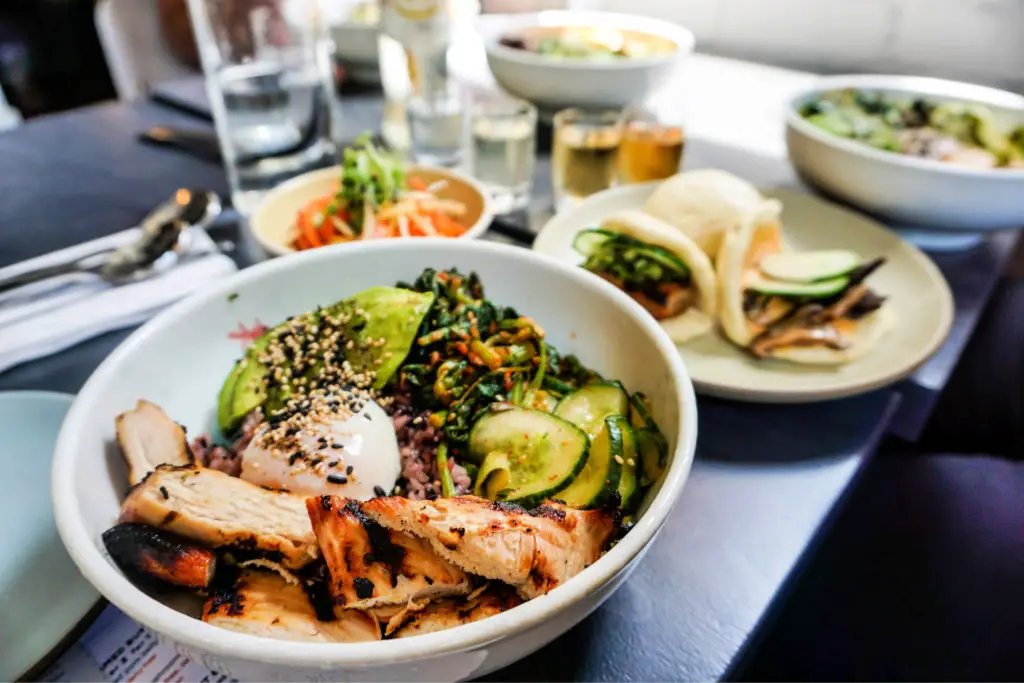
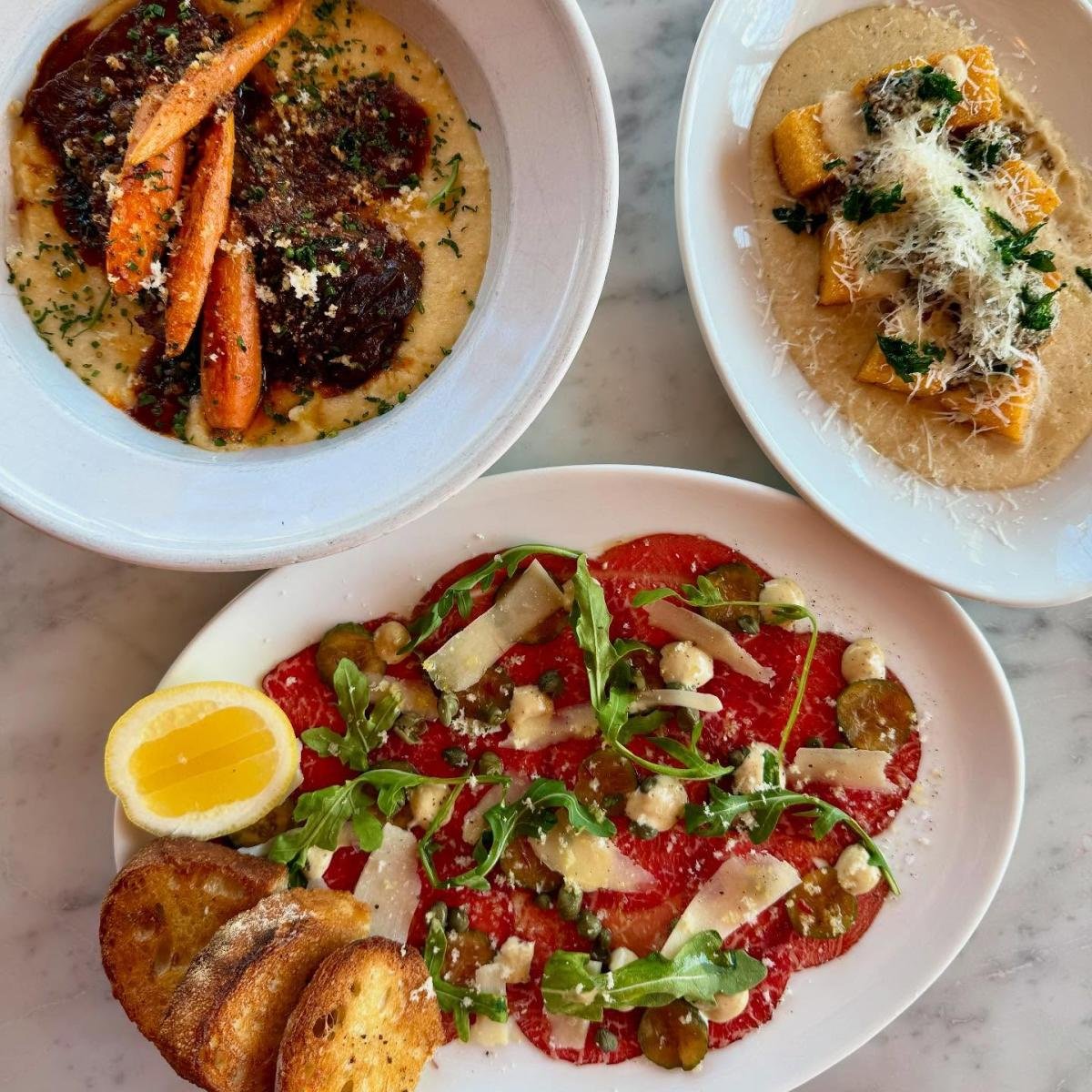
Mani reads like a respectful translation of an Italian osteria into an American college-town setting. The room favors an unhurried rhythm over hurried transactions: guests arrive, settle, and let dishes arrive in waves. Pasta is the editorial center, and the kitchen frames the meal as a sequence rather than a single plate. The result is a classic, intimate dining experience that prizes pacing and convivial drinking: more about lingering over carafes or glasses of wine than racing through a checklist of courses.
Best For
This is a dinner destination for diners who want to slow down. Mani rewards groups, couples, and anyone willing to let the evening unfold: start with antipasti, move into housemade pastas, and continue into secondi at a measured pace. It fits date nights and relaxed group outings more naturally than hurried weekday lunches; the room is arranged to support conversation and shared plates, and the menu is structured for a multi-course progression rather than a single quick meal.
Ordering Tips
Treat the menu as a sequence: begin with antipasto, order a pasta or two to share, and follow with secondi if you have the appetite. Wine is presented by the carafe or glass as well as bottle, so consider sampling by the glass or sharing a carafe with the table. The house leans into a slower rhythm: arrive without urgency and let the kitchen set the pace to get the full osteria experience.
Venue details
Ambiance
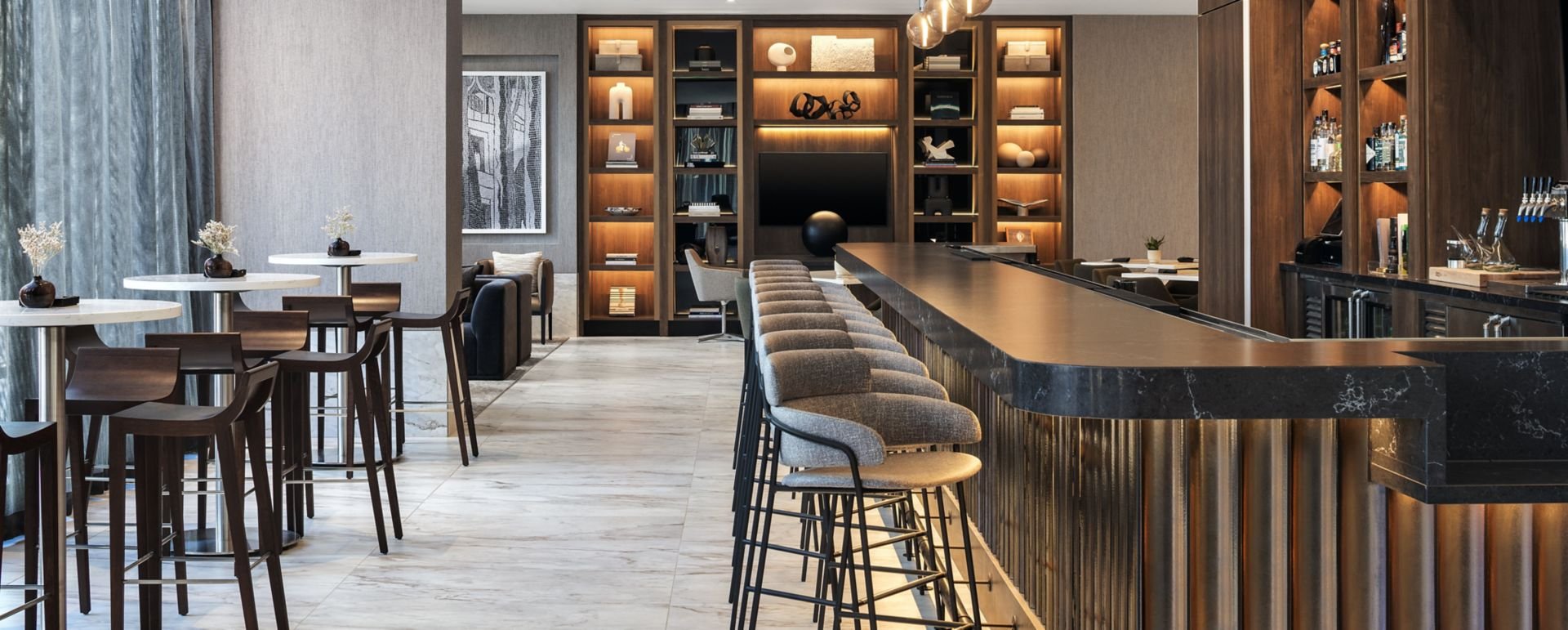
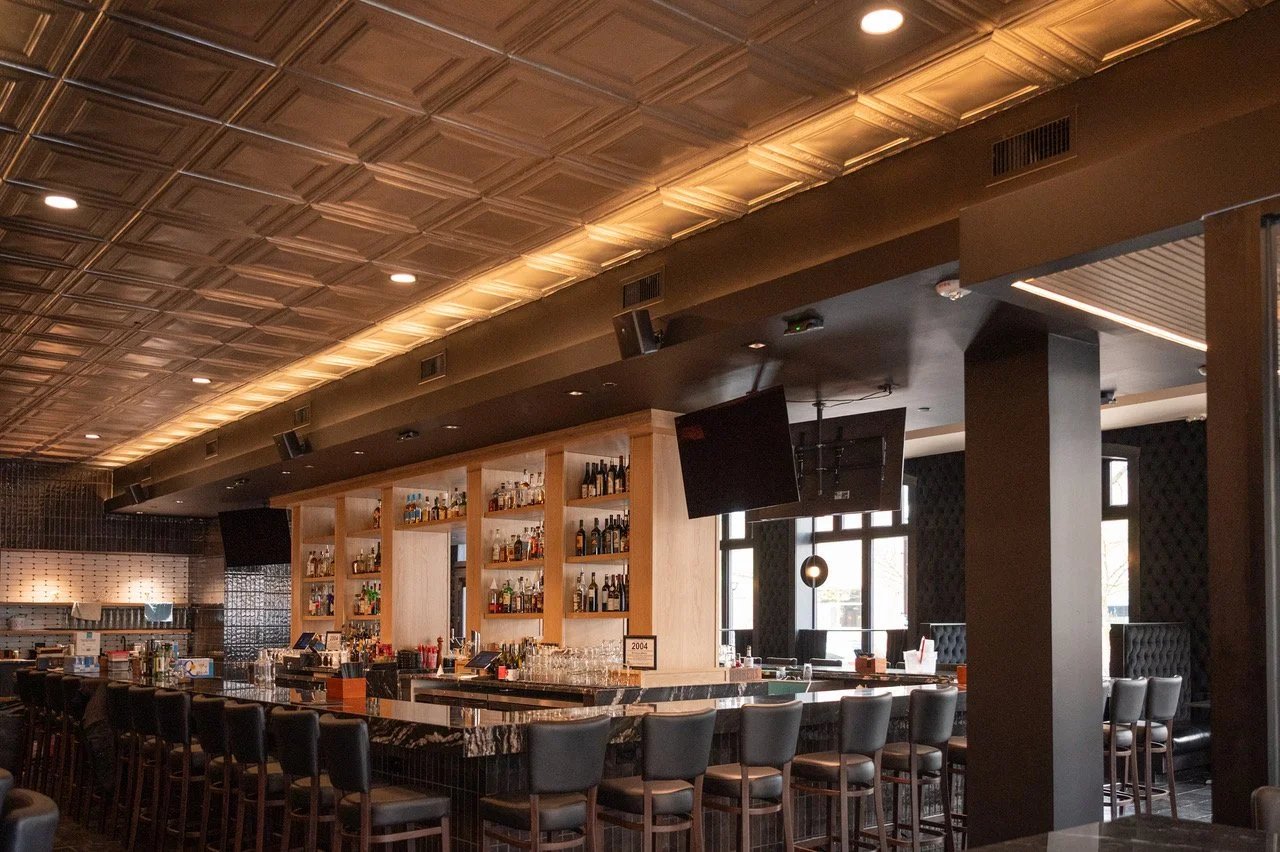
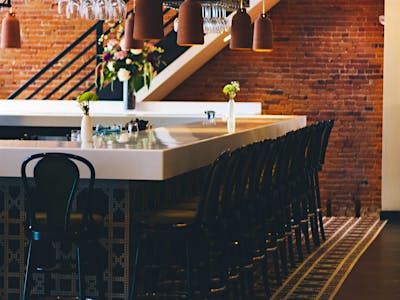
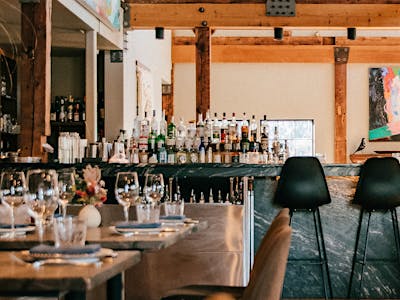
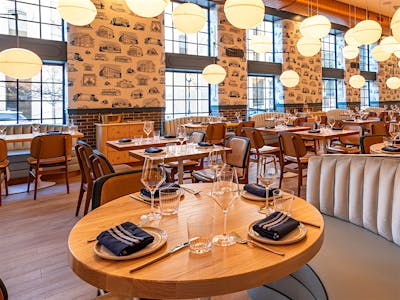
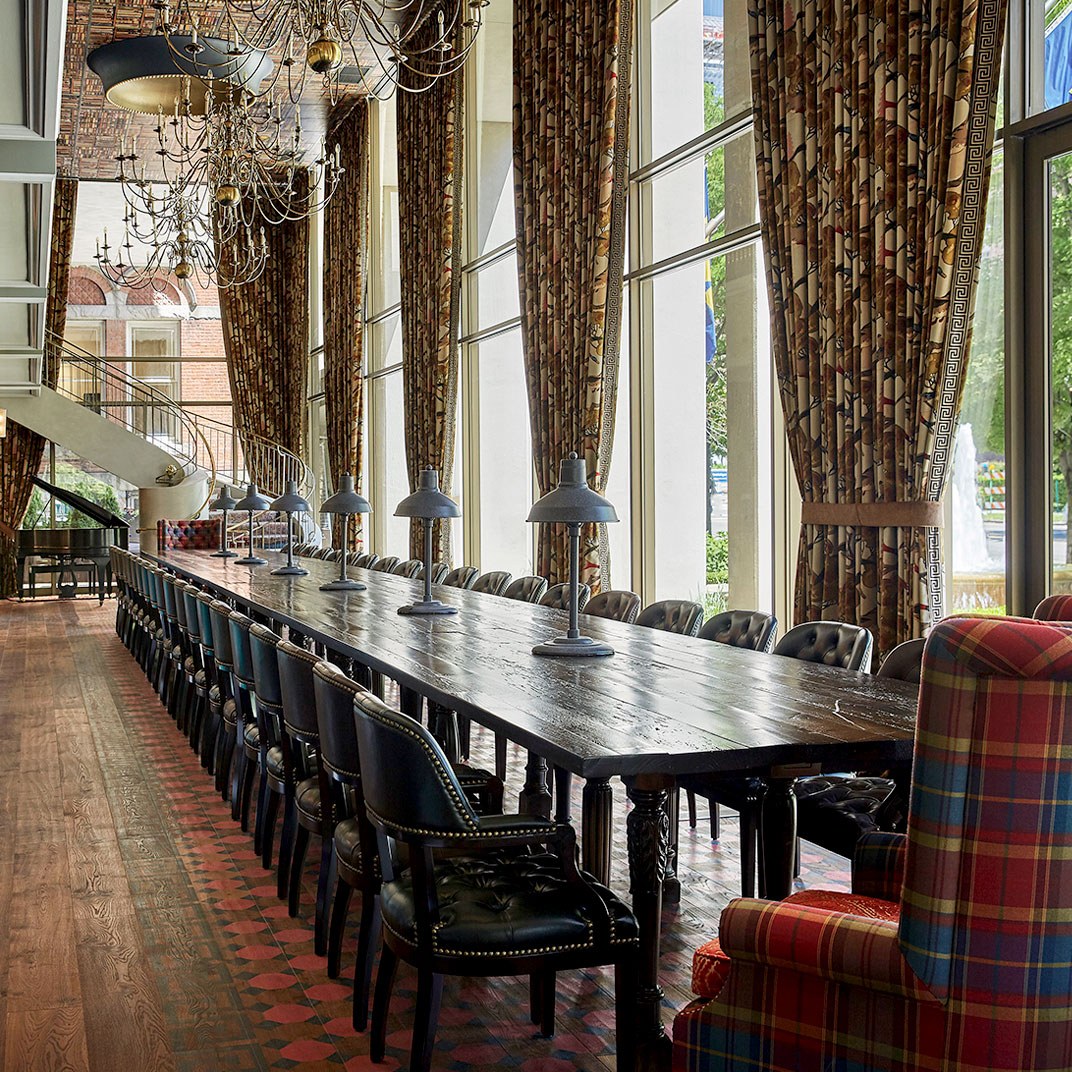
Warm and lively with moderate noise, friendly staff, and a welcoming community hub vibe.
Tags
Vibe
Best For
Experience
Format
At the Bar
- Bar Category
- Lounge
- Late Night
- Closes by Midnight
Signature Pours
- House_Negroni
- House_Old_Fashioned
Know before you go
Know Before You Go
- Getting there
- 341 E Liberty St, Ann Arbor, MI 48104
Planning details
Location
Also consider
Also Consider
- Tomukun Korean BBQ, Notable alternative
- Taste Kitchen, Notable alternative
- Aventura, Notable alternative
- AC Lounge, Notable alternative
- HopCat, Notable alternative
Bar context
How it compares in Ann Arbor
Choose Mani Osteria and Bar when the night needs a dinner-first plan with enough bar energy for a date or small group. Tomukun Korean BBQ is better for a hands-on group meal, while Taste Kitchen is the better fit for a quieter, more composed dinner.
Aventura is the stronger cross-shop for a livelier shared-table mood, especially if the group wants the room to drive the night. AC Lounge works better for drinks in a hotel-bar setting than for a full dinner booking, and HopCat is the easier casual choice when beer and low-commitment food matter more than date-night polish.
On booking difficulty, Mani is the safer recommendation when the plan needs to stay easy and central. For value, HopCat usually wins for casual volume, Tomukun wins for groups that want an interactive meal, and Mani is the better middle lane for two people who want dinner to feel planned without turning formal.
Explore Ann Arbor
Around this place
Discover more on Pearl
Unlock the full Mani Osteria and Bar guide in Pearl, including awards, comparisons, FAQs, planning details, and nearby places.
Compare Mani Osteria and Bar
| Venue | Location | Awards |
|---|---|---|
| Mani Osteria and Bar | Ann Arbor | No published awards |
| Tomukun Korean BBQ | Ann Arbor | No published awards |
| Taste Kitchen | Ann Arbor | No published awards |
| Aventura | Ann Arbor | No published awards |
| AC Lounge | Ann Arbor | No published awards |
| HopCat | Ann Arbor | No published awards |
How Mani Osteria and Bar Ann Arbor compares with similar nearby venues.
FAQ
Frequently Asked Questions
Is Mani Osteria and Bar open late?
Mani Osteria and Bar is open into the evening on the days it operates: 4–10 PM Tuesday through Thursday, 12–10 PM Friday and Saturday, and 12–9 PM Sunday. It is closed Monday, so it works for dinner planning but should not be treated as an after-hours stop.
Is Mani Osteria and Bar good for a date?
Yes, it can be a practical date-night choice if you want an Ann Arbor dinner with a smart casual dress code. The posted weekday evening hours make it usable for an early or prime-time dinner Tuesday through Thursday, with longer windows on Friday and Saturday.