HopCat
Downtown, Ann Arbor
Bar in Ann Arbor, United States
 Book with Pearl
The Read
Price
$20–30per person
Why go
HopCat is the Ann Arbor pick for casual drinks, group plans, and an easy downtown meet-up rather than a polished special-occasion dinner. It works when flexibility matters more than ceremony, especially for low-pressure dates, birthdays, and post-event plans.
About HopCat
HopCat is a casual option in Ann Arbor with hours that run from late morning or morning into the evening, and later on Thursday, Friday, and Saturday. It has a casual dress code, and its schedule makes it usable across many parts of the week.
Use HopCat when the priority is a casual Ann Arbor stop with direct timing. It may make sense for straightforward plans, especially when the group needs a place whose posted hours are easy to work around. If you are weighing other venues, Aventura, AC Lounge, Mani Osteria and Bar, Taste Kitchen, and Tomukun Korean BBQ are useful names to consider depending on the kind of outing you want.
A casual Ann Arbor option with broad weekly hours
The most reliable reason to shortlist HopCat is its schedule. It is open 11 AM–11 PM Monday through Wednesday, 11 AM–12 AM Thursday and Friday, 10 AM–12 AM Saturday, and 10 AM–11 PM Sunday. Those hours make it easier to consider for plans that fall outside a narrow dinner window.
For travelers building a broader Ann Arbor plan, treat HopCat as one casual option rather than as a fully defined dining recommendation. Our full Ann Arbor restaurants guide is the better starting point for dinner-first planning, while our full Ann Arbor bars guide is more useful if bars are the point of the night. HopCat fits best into planning when its casual dress code and posted hours match the timing you need.
Who should choose it
Choose HopCat if you want a casual Ann Arbor venue with later closing times on Thursday, Friday, and Saturday. It is a practical candidate for informal plans. For a hotel-led evening, check our full Ann Arbor hotels guide. For broader trip planning, Pearl also keeps Ann Arbor guides for other parts of a visit.
Planning details
- Location
- 311 Maynard St, Ann Arbor, MI 48104
- Reservations
- Book on OpenTable
- Website
- hopcat.com/?olonwp=JjBtp_vMLk25gkYh_bnoiQ
- Phone
- +1 734 436 2875
The take
The Take
The Vibe
HopCat reads as a high-energy, casual craft-beer bar anchored in Ann Arbor’s downtown. The place leans into volume and breadth: a big tap list is the principal attraction, and the physical space is built to hold crowds from students and longtime local regulars alike. Rather than dressing itself up, the venue foregrounds accessibility and social density: think rowdy game days, robust weekend nights and a steady stream of visitors who come expressly for beer variety. Overall, it’s an unpretentious, convivial spot where the drinks drive the atmosphere.
Best For
This is a go-to for group outings and relaxed nights out centered on beer discovery. Its downtown location and capacity to handle loud, crowded moments make it ideal for university crowds, game-day gatherings and after-work groups that want a lively, unpretentious setting. Because the program emphasizes tap rotation and range, it also suits drinkers who arrive with the intent to sample regional breweries or work through a tasting flight. It’s less about formal dining and more about social drinking and shared energy.
Ordering Tips
Treat the tap list as the menu’s headline: ask staff about current rotations, seasonal taps and regional highlights before committing. Expect a broad, high-volume selection where variety is prioritized, so sample pints or flights to find what you like. Food exists to keep sessions going, so order shareable plates if you plan to linger. On big event days, arrive early or accept a bustling room: the staff is set up for volume, but lines and turnover can be part of the experience.
Venue details
Ambiance
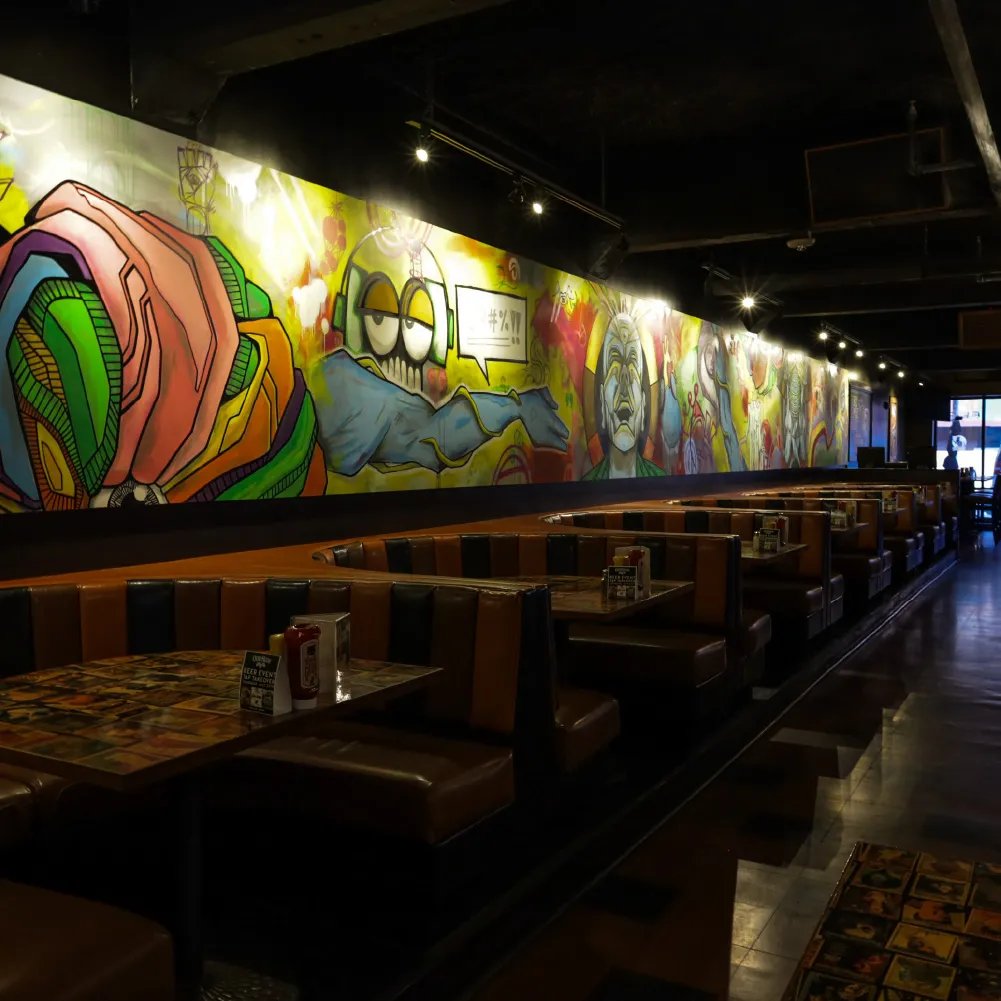
Funky, psychedelic decor with late 60’s art, modern graffiti, and vibrant atmosphere.
Tags
Vibe
Best For
Experience
Format
At the Bar
- Bar Category
- Beer Bar
- Late Night
- Closes by Midnight
- Zero-Proof Program
- Yes
Know before you go
Know Before You Go
- Getting there
- 311 Maynard St, Ann Arbor, MI 48104
Planning details
Location
311 Maynard St, Ann Arbor, MI 48104 · Directions
Also consider
Also Consider
- Taste Kitchen, Notable alternative
- Tomukun Korean BBQ, Notable alternative
- Mani Osteria and Bar, Notable alternative
- AC Lounge, Notable alternative
- Aventura, Notable alternative
Bar context
How It Compares
Choose HopCat when the night needs flexibility more than polish. Compared with Taste Kitchen, it reads as the easier casual pick, while Taste Kitchen is the better direction for a dinner-first plan. Against Tomukun Korean BBQ, HopCat is simpler for mixed groups that want drinks without committing the whole table to one dining format.
Mani Osteria and Bar and Aventura are stronger cross-shops for a more intentional meal or date-night atmosphere. HopCat is better when the plan is loose, the group size may change, or the night is centered on a bar setting rather than a composed dinner.
AC Lounge is the cleaner comparison for a hotel-bar feel and a more contained evening. HopCat has the edge for a louder, more social Ann Arbor stop; AC Lounge is the better choice when conversation, arrival logistics, and a calmer room matter more.
Explore Ann Arbor
Around this place
Discover more on Pearl
Unlock the full HopCat guide in Pearl, including awards, comparisons, FAQs, planning details, and nearby places.
Compare HopCat
| Venue | Location | Awards |
|---|---|---|
| HopCat | Ann Arbor | No published awards |
| Taste Kitchen | Ann Arbor | No published awards |
| Tomukun Korean BBQ | Ann Arbor | No published awards |
| Mani Osteria and Bar | Ann Arbor | No published awards |
| AC Lounge | Ann Arbor | No published awards |
| Aventura | Ann Arbor | No published awards |
How HopCat Ann Arbor compares with similar nearby venues.
FAQ
Frequently Asked Questions
Is HopCat open late?
Yes. HopCat is open until 11 PM Monday through Wednesday, until 12 AM on Thursday and Friday, until 12 AM on Saturday, and until 11 PM on Sunday in Ann Arbor.
Is HopCat good for a date?
It can make sense for a casual date if the timing and casual dress code fit your plan. Consider Mani Osteria and Bar if you want to compare other options.
Is HopCat good for groups?
It may work for informal group planning because its hours are broad and the dress code is casual. AC Lounge and Taste Kitchen are other names to compare depending on the kind of outing you are planning.
What's the best time to go to HopCat?
Base the timing on the posted hours: 11 AM–11 PM Monday through Wednesday, 11 AM–12 AM Thursday and Friday, 10 AM–12 AM Saturday, and 10 AM–11 PM Sunday.
Is the food good at HopCat?
If you are weighing other venues, Aventura and Tomukun Korean BBQ are other options to consider.