The Dylan
Felix Meritisbuurt, Amsterdam
Bar in Amsterdam, Netherlands
 Book with Pearl
Why go
The Dylan is a polished canal-belt choice for a quiet drink or date night in Amsterdam, especially when atmosphere matters more than a destination cocktail program. Treat the food as secondary unless current menus make the case; for a drink-focused night, compare it with Pulitzer's Bar, Flying Dutchmen Cocktails, or Advocatuur.
About The Dylan
The Dylan is in Amsterdam, the dress code is smart casual. Plan accordingly, confirm any specific details about drinks, dining, service style, awards, or atmosphere directly before you go.
An Amsterdam choice with smart-casual expectations
The clearest practical point is the dress code. Plan for smart casual rather than treating The Dylan as an especially informal stop. Beyond that, no cuisine, menu, chef, price point, award, seating format, or beverage program is specified here.
That means The Dylan should not be described as a food-first booking or as a specialist cocktail destination. If dining or drinks are the main reason for the night, confirm the current offering directly before making plans.
Who should choose it over a specialist cocktail bar
Choose The Dylan if an Amsterdam venue with a smart-casual dress code fits the tone of your plans. Choose a dedicated cocktail bar instead if the drink program is the whole point, or compare options more broadly using Our full Amsterdam bars guide, Our full Amsterdam restaurants guide, Our full Amsterdam hotels guide.
Quick reference: The Dylan is in Amsterdam and has a smart-casual dress code; other specific details should be confirmed directly before you go.
Planning details
- Location
- Keizersgracht 384, 1016 GB Amsterdam, Netherlands
- Website
- dylanamsterdam.com
- Phone
- +31 20 530 2010
The take
The Take
The Vibe
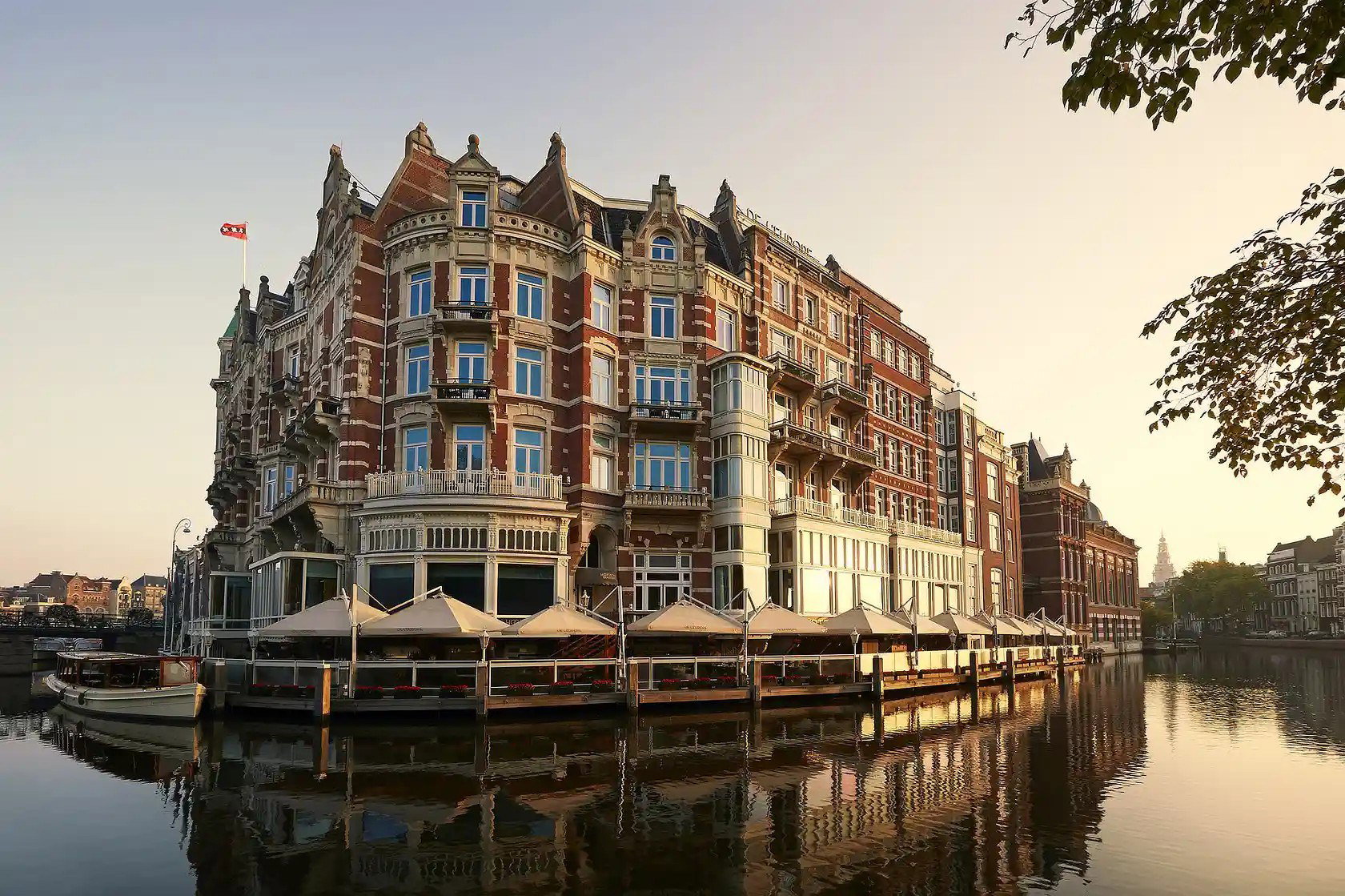
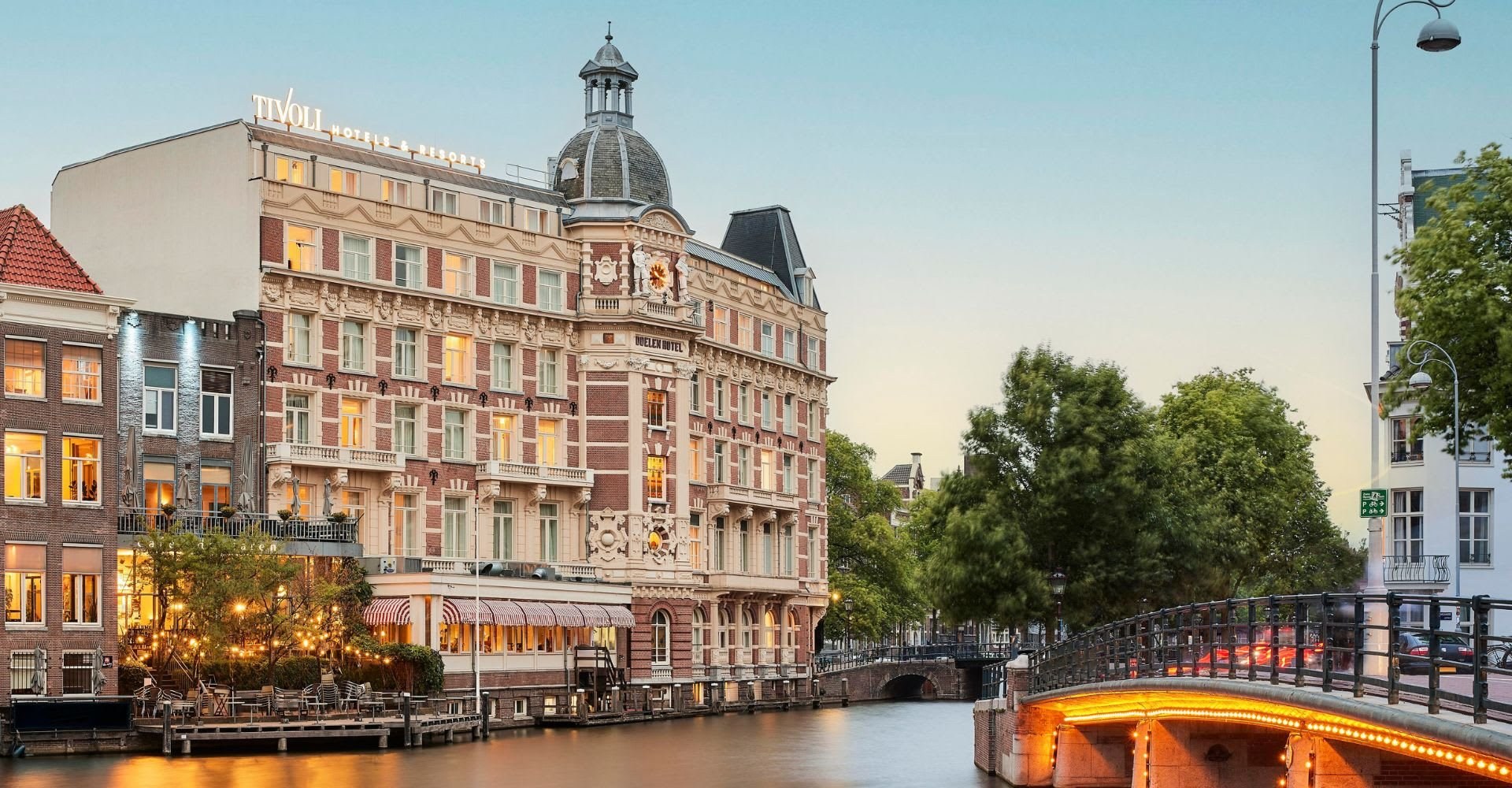
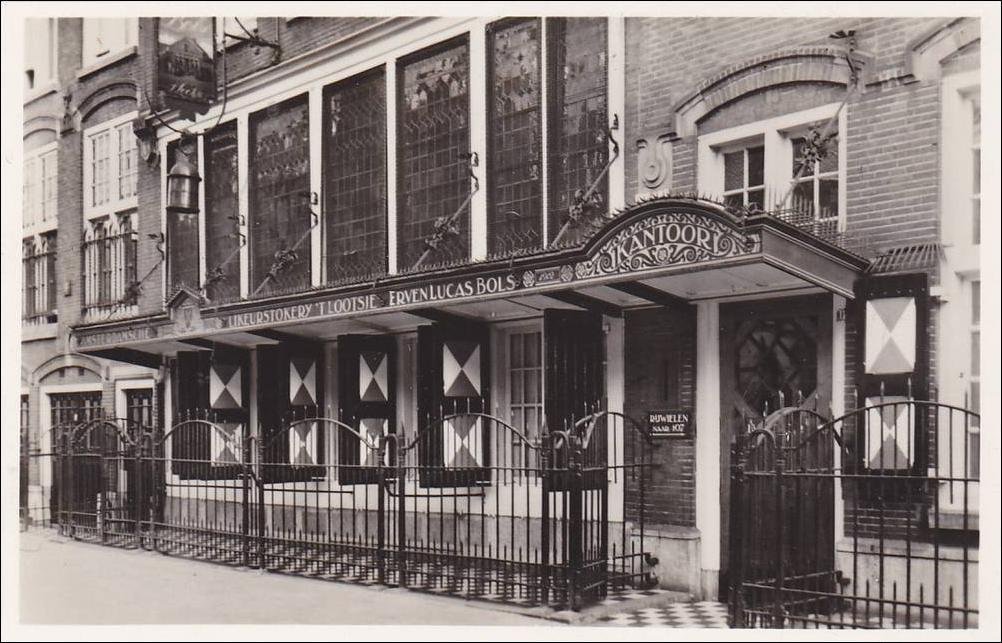
The Dylan presents as a quietly historic canal house that foregrounds architectural continuity over contemporary flash. Housed in a 17th-century merchant plot within Amsterdam’s preserved Grachtengordel, the property reads as part of the streetscape rather than an overlay on it. Light and reflections play across the façade and canal, creating a scenic, old-world atmosphere that regulars prize. The tone is intimate and restrained: small-key hospitality, domestic scale and listed-building authenticity shape every encounter, so guests feel they’ve stepped into a place that predates modern hotel trends and will remain distinct across returns.
Best For
This address rewards return visits and short escapes rather than one-off sightseeing stops. The Dylan suits travellers who value continuity of place — people who return to learn which side of the building catches the morning light, how the canal sounds at different hours, and which nearby streets are best for a stroll. It’s a natural fit for weekend getaways and solo exploration where the neighbourhood’s slow-changing character and local rhythms matter more than novelty. The hotel’s profile skews toward repeat guests who prize an authentic, canal-side Amsterdam experience.
Ordering Tips
Because the property’s pleasures hinge on light, view and location, prioritize canal-facing spots and timing your visit to match the light you prefer: mornings bring particular warmth to one side of the building. Regulars pay attention to which façade catches the amber glow and how the canal sounds at different hours; asking staff about the building’s orientation helps you secure the view or atmosphere you want. The description also suggests exploring nearby bars on foot rather than expecting a rooftop spectacle, so allow time to walk the surrounding Nine Streets and Jordaan pocket streets.
Venue details
Ambiance
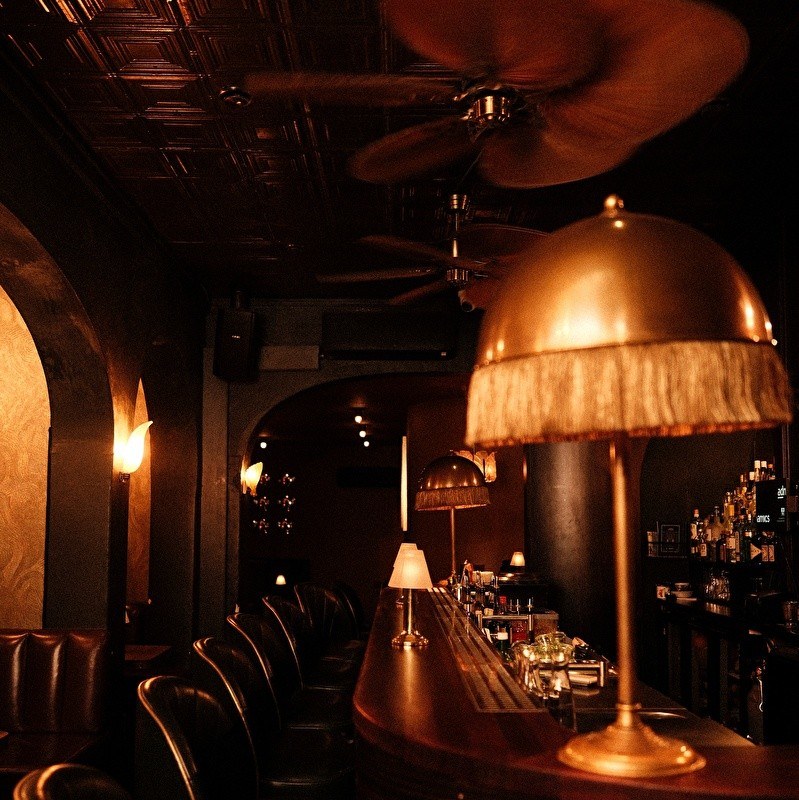
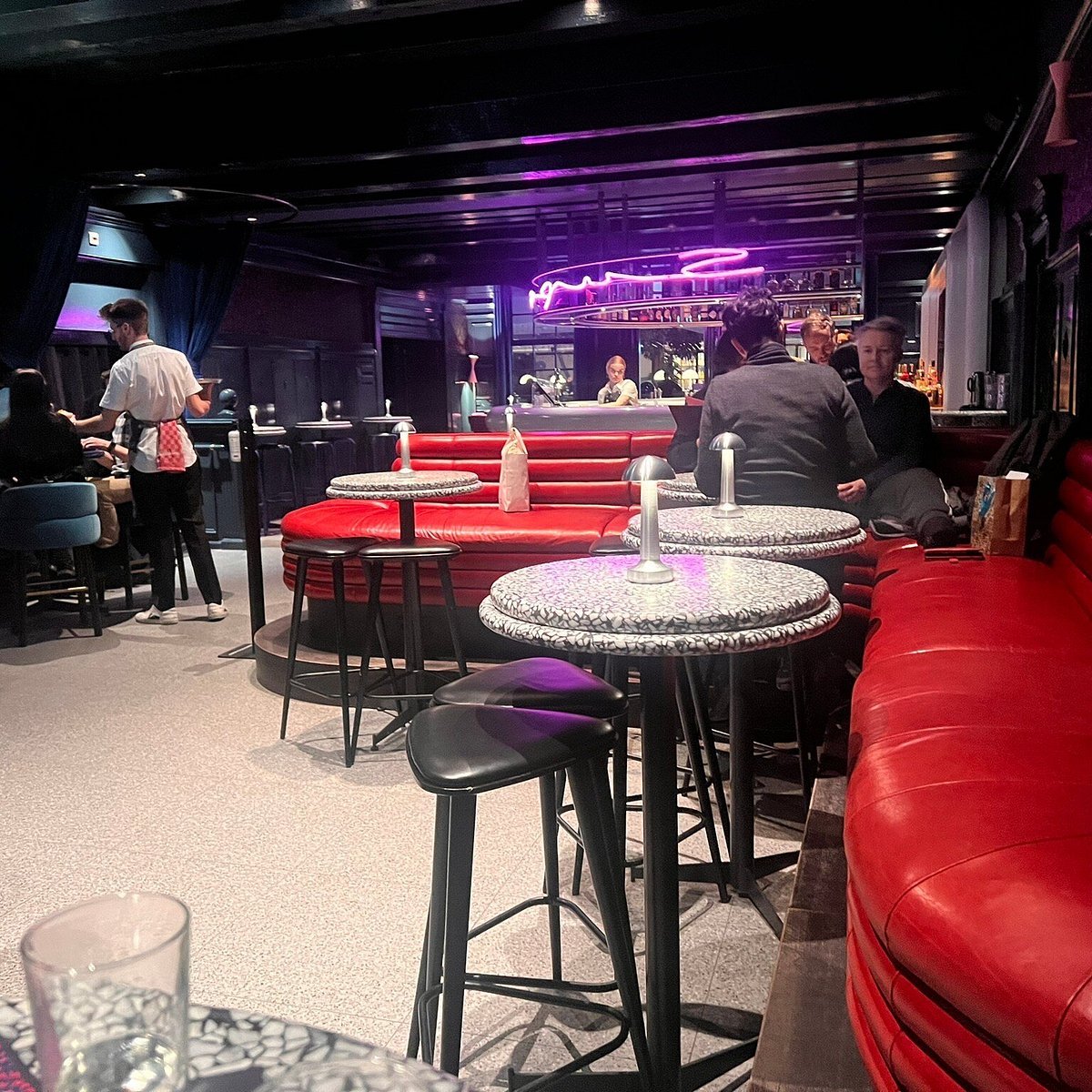
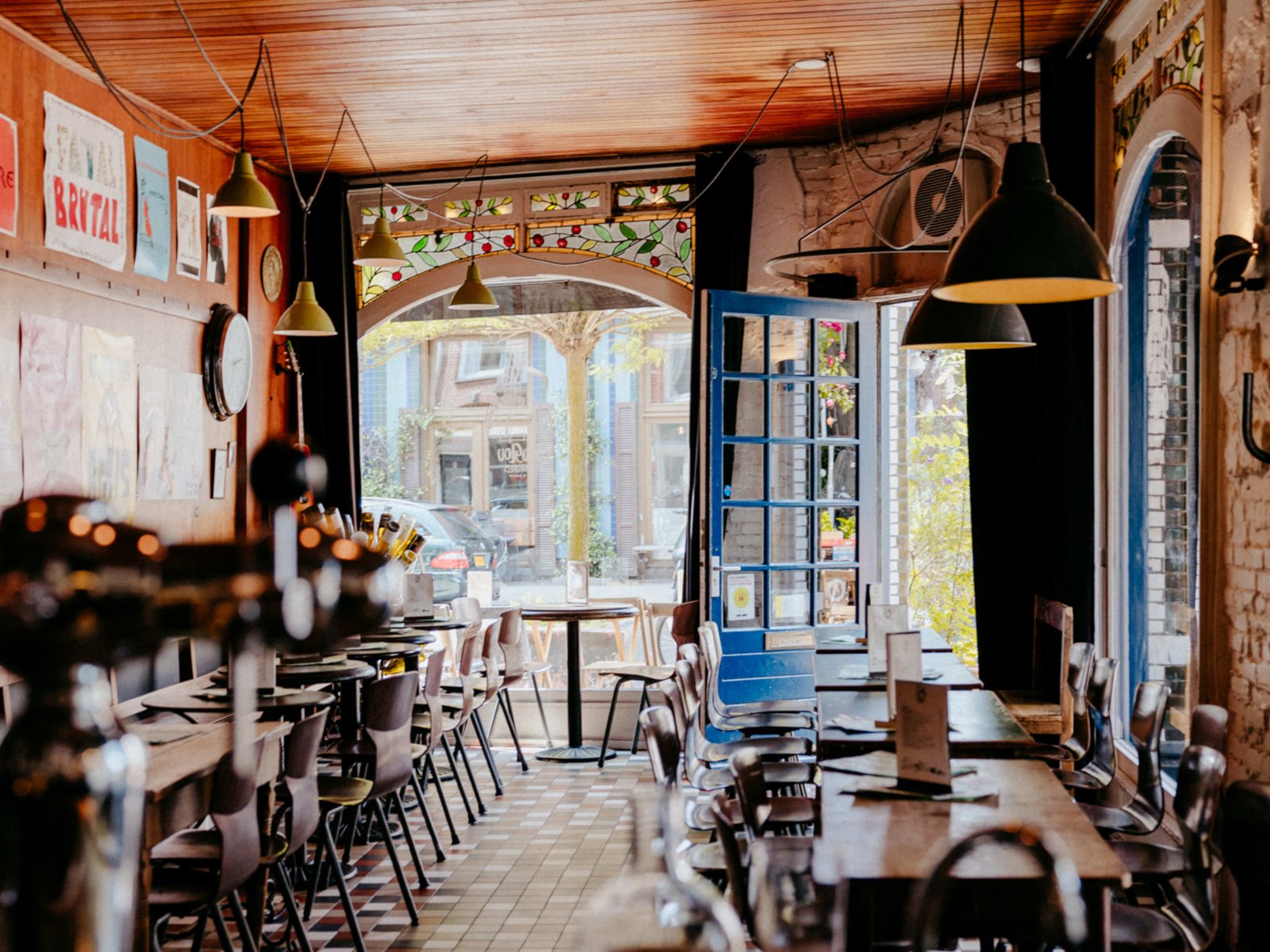
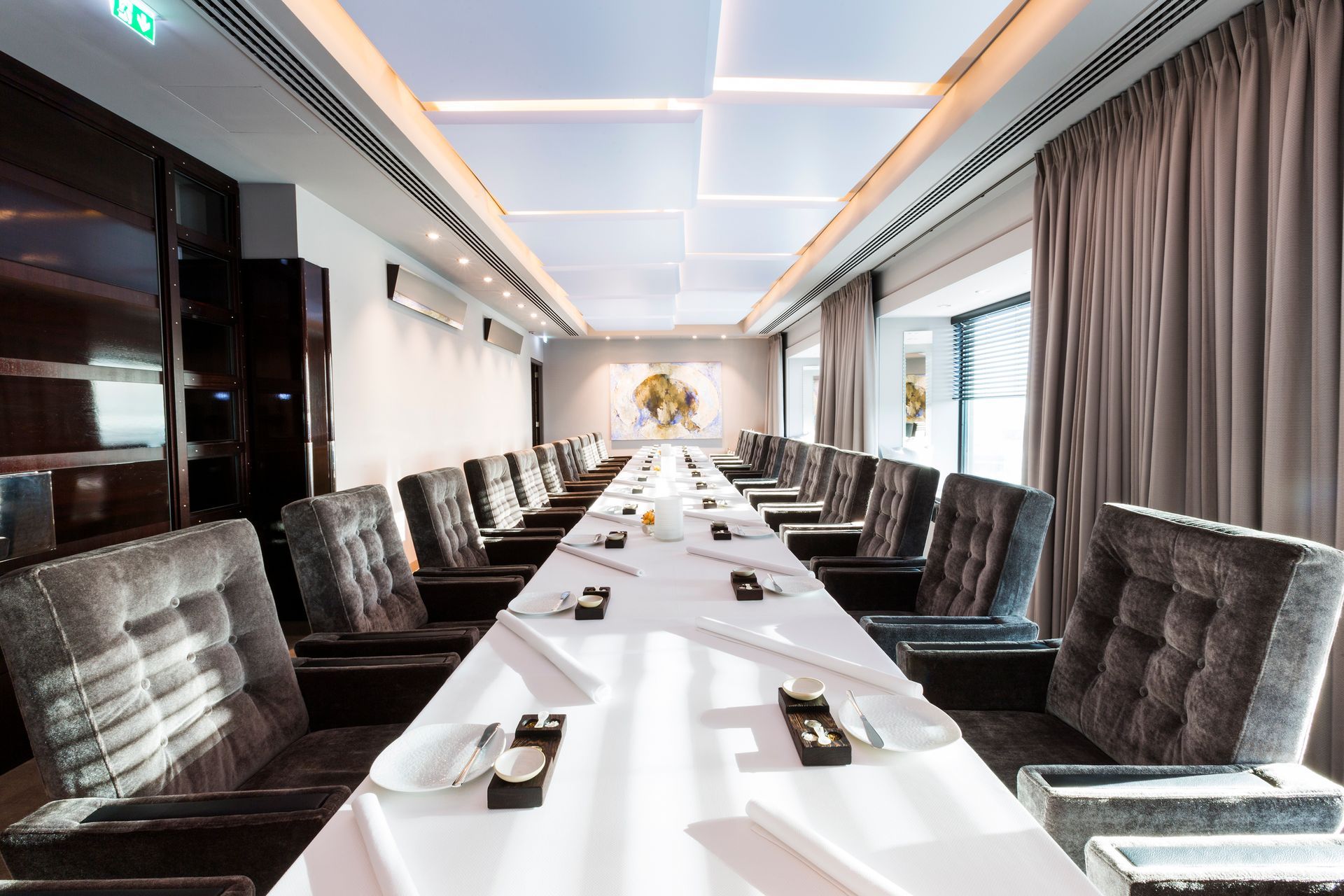
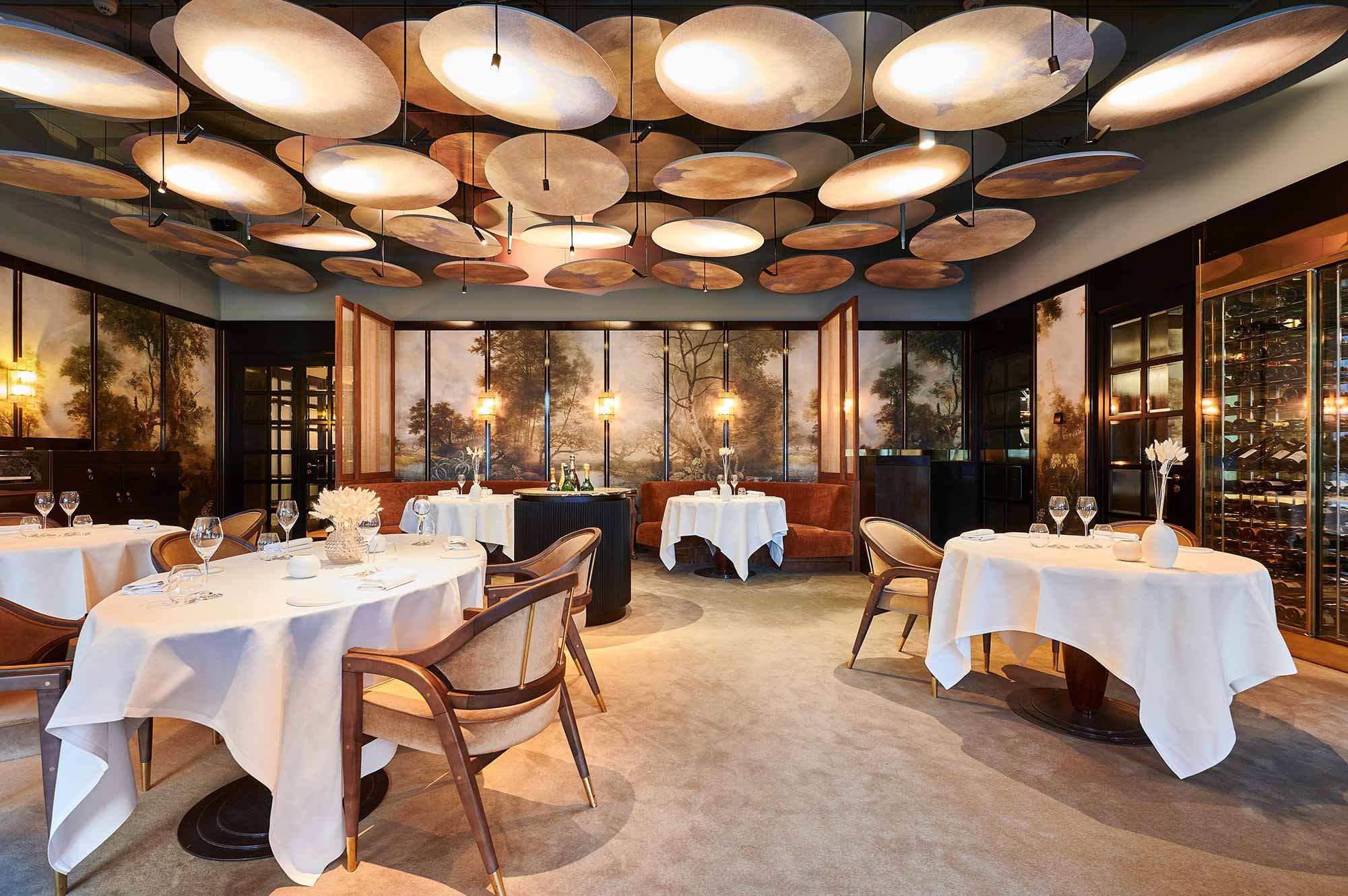
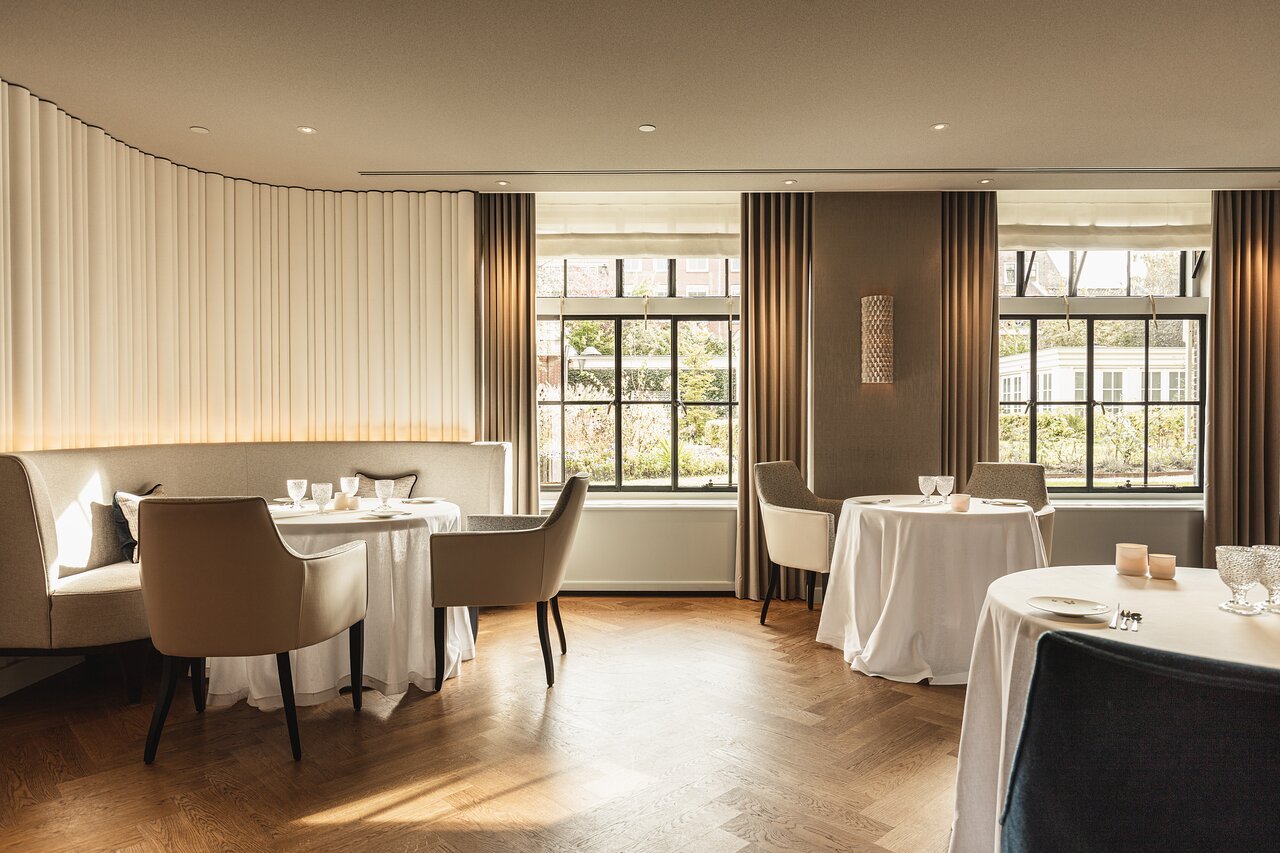
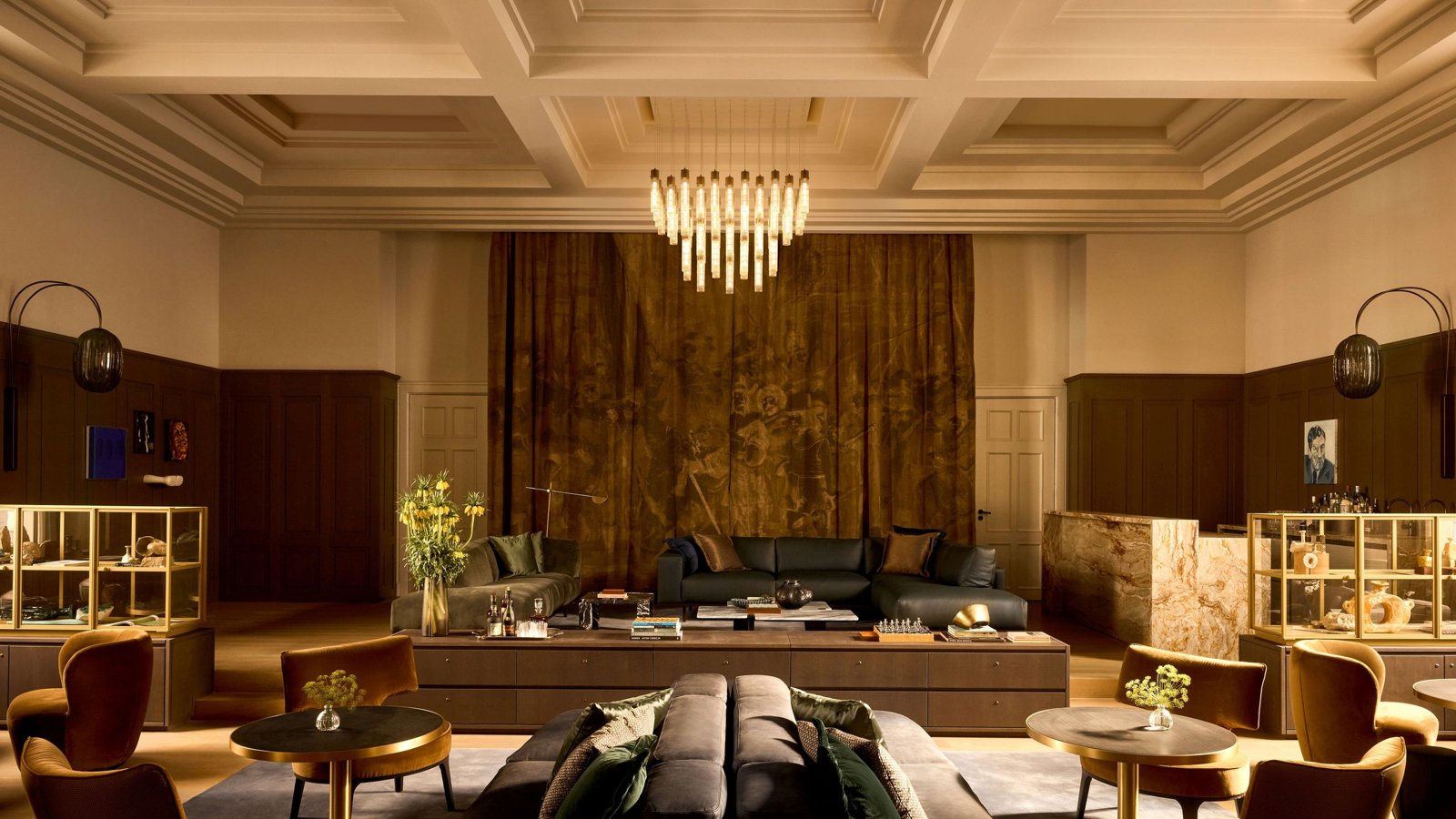
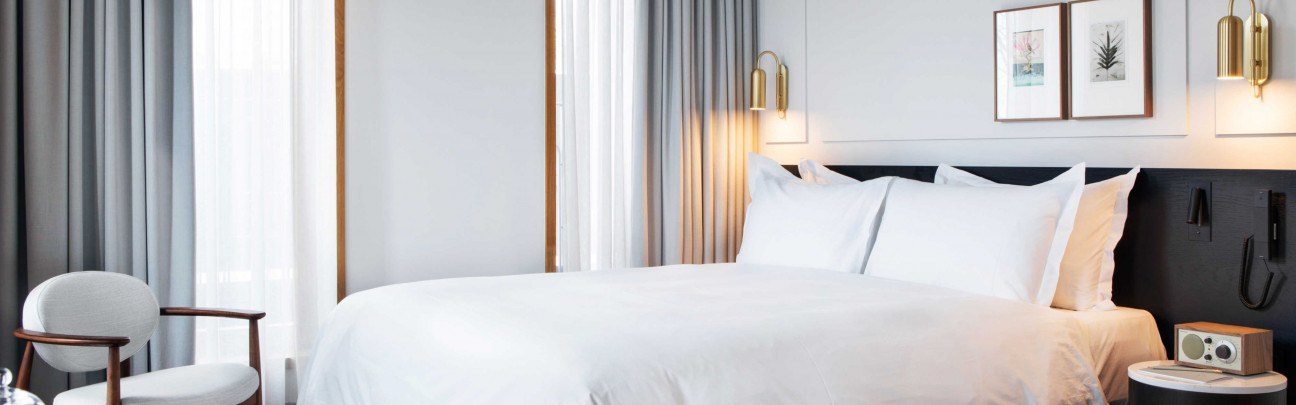
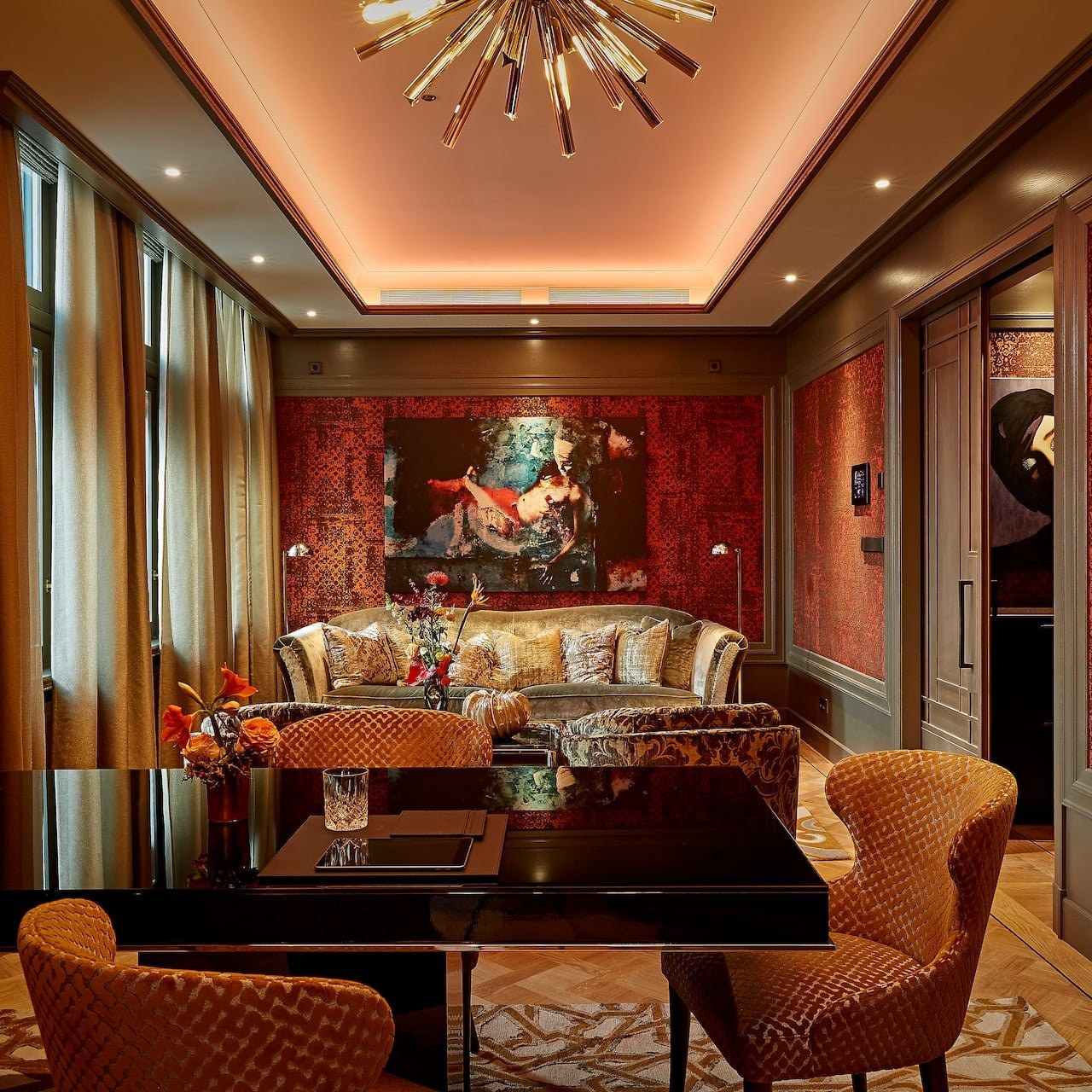
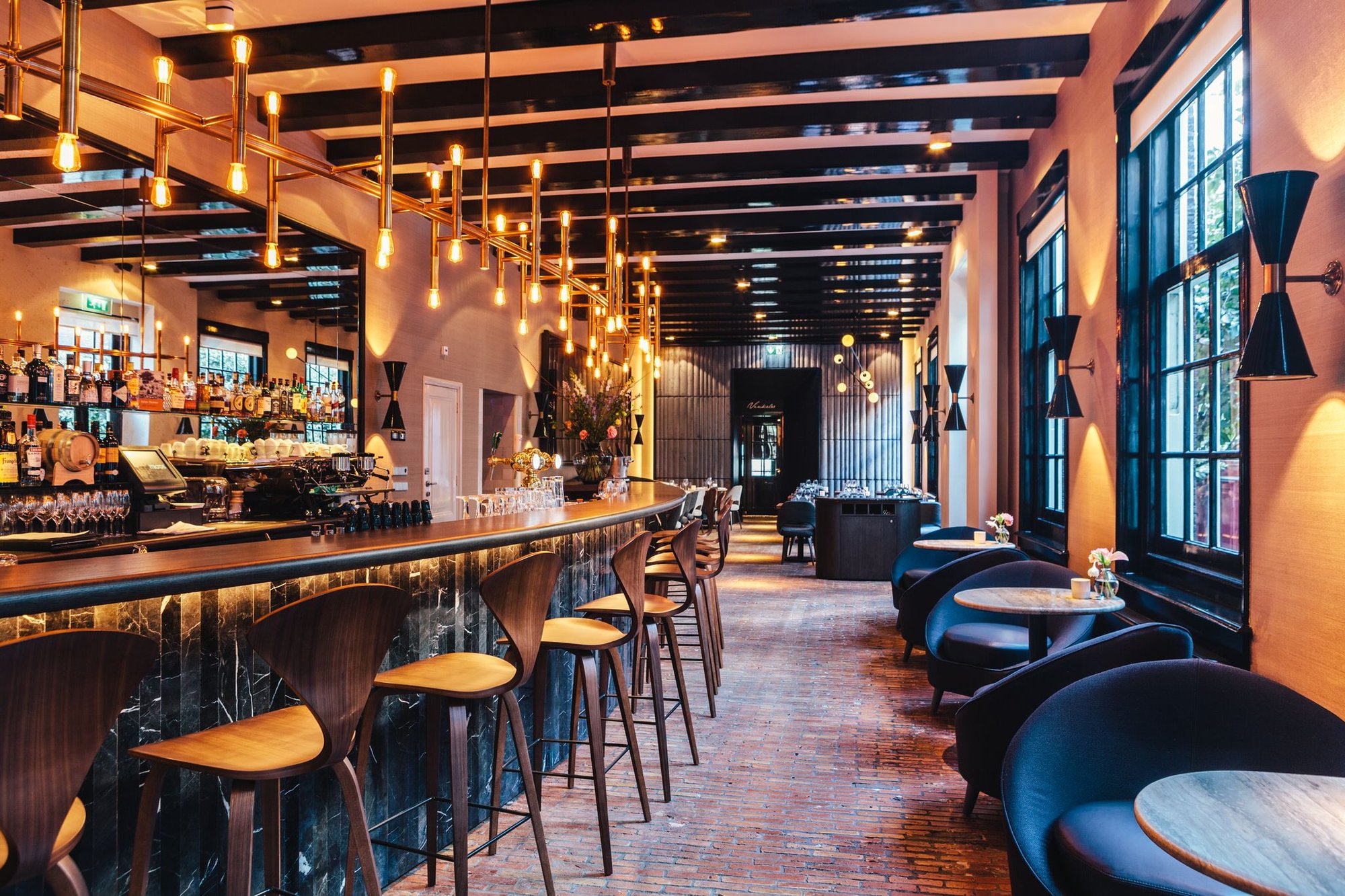
Sophisticated and vibrant with sleek curved bar, brass lighting, velvet sofas, cozy fireplace, and courtyard garden.
Tags
Vibe
Best For
Experience
Format
At the Bar
- Bar Category
- Cocktail Bar
- Late Night
- Open Until 2am
- Music
- Ambient
Signature Pours
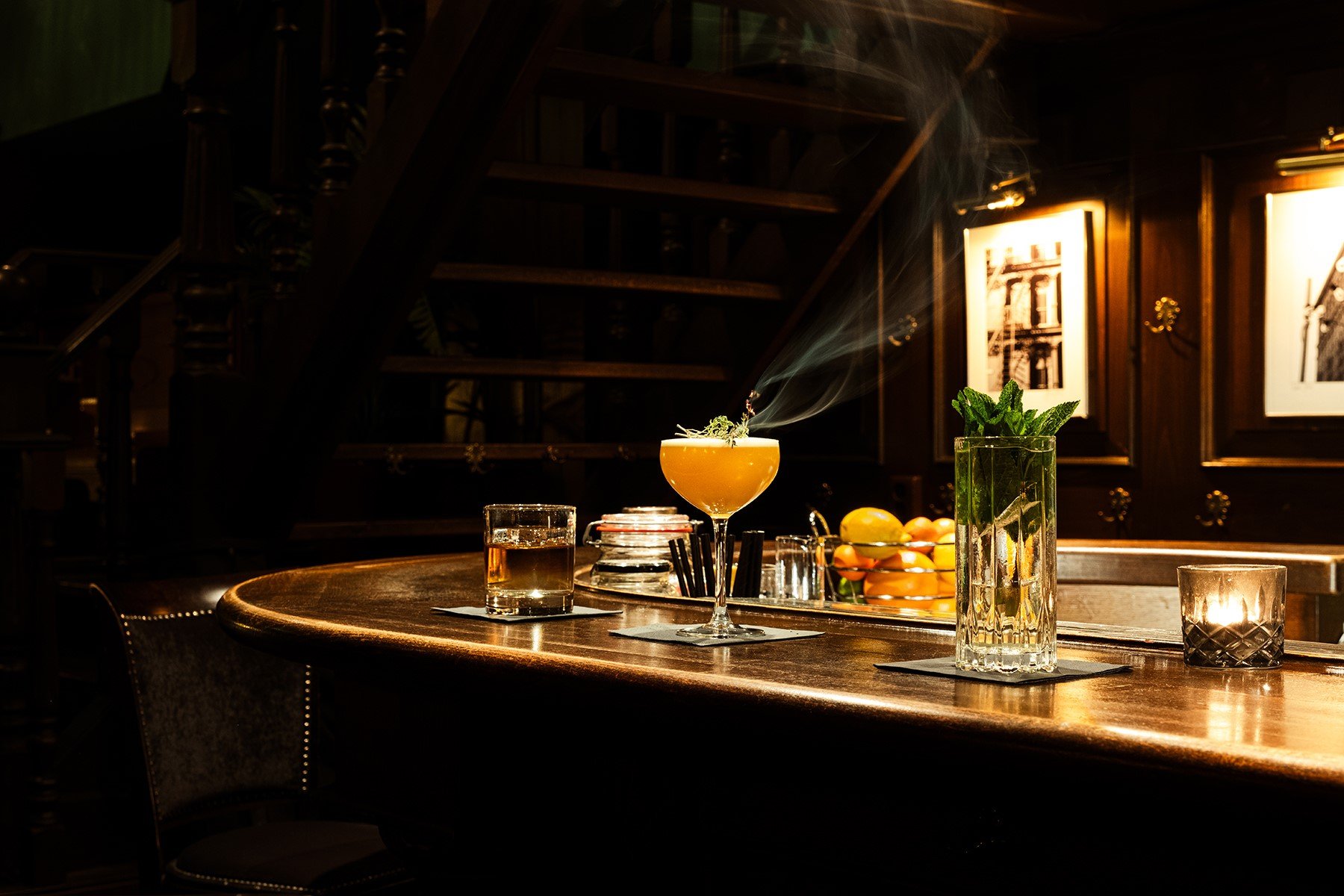
- Negroni
- Pencas de Amor
- Suckerpunch
Planning details
Location
Also consider
Where to go if this is not the fit
If food is part of the brief, start with Bar Brasserie OCCO. If the night is built around cocktails, choose Flying Dutchmen Cocktails instead. For a livelier hotel-bar mood, W Lounge is the stronger alternative.
Bar context
How it compares with Amsterdam peers
Bar Brasserie OCCO is the closer cross-shop if food matters, because the brasserie format gives the meal more weight than a pure drinks stop. The Dylan is the calmer choice for a polished hotel-bar moment; OCCO is the better bet when the table needs to eat as well as drink.
Pulitzer's Bar is the more obvious comparison for canal-side hotel-bar atmosphere. Pick Pulitzer's Bar for a stronger bar-first identity; pick The Dylan when the occasion calls for a quieter, more private-feeling evening. Flying Dutchmen Cocktails is the better choice for cocktail enthusiasts who want the drinks to drive the night.
Advocatuur and W Lounge serve different moods. Advocatuur reads more specialist and intimate; W Lounge is better for a bigger, higher-energy Amsterdam night. The Dylan is the one to choose when low-friction booking and conversation matter more than scene.
Around this place
Discover more on Pearl
Unlock the full The Dylan guide in Pearl, including awards, comparisons, FAQs, planning details, and nearby places.
Compare The Dylan
Comparison snapshot
Against Bar Brasserie OCCO, The Dylan is less food-led and more occasion-led. Against Pulitzer's Bar, it competes on canal-belt polish but feels like the quieter call. Against Flying Dutchmen Cocktails, it is less suited to a drinks-geek itinerary and better for a composed start or finish to the evening.
FAQ
Frequently Asked Questions
Does The Dylan have outdoor seating?
Does The Dylan have happy hour deals?
Do I need a reservation at The Dylan?
If you want a specific time, contact The Dylan directly. For other Amsterdam options, you may also compare Flying Dutchmen Cocktails or Pulitzer's Bar.
Is The Dylan good for a date?
The Dylan is in Amsterdam and has a smart-casual dress code, which may suit a more polished plan.
Is the food good at The Dylan?
What's the crowd like at The Dylan?
Plan around the confirmed smart-casual dress code, compare other Amsterdam venues such as W Lounge or Flying Dutchmen Cocktails if you want a different kind of night.