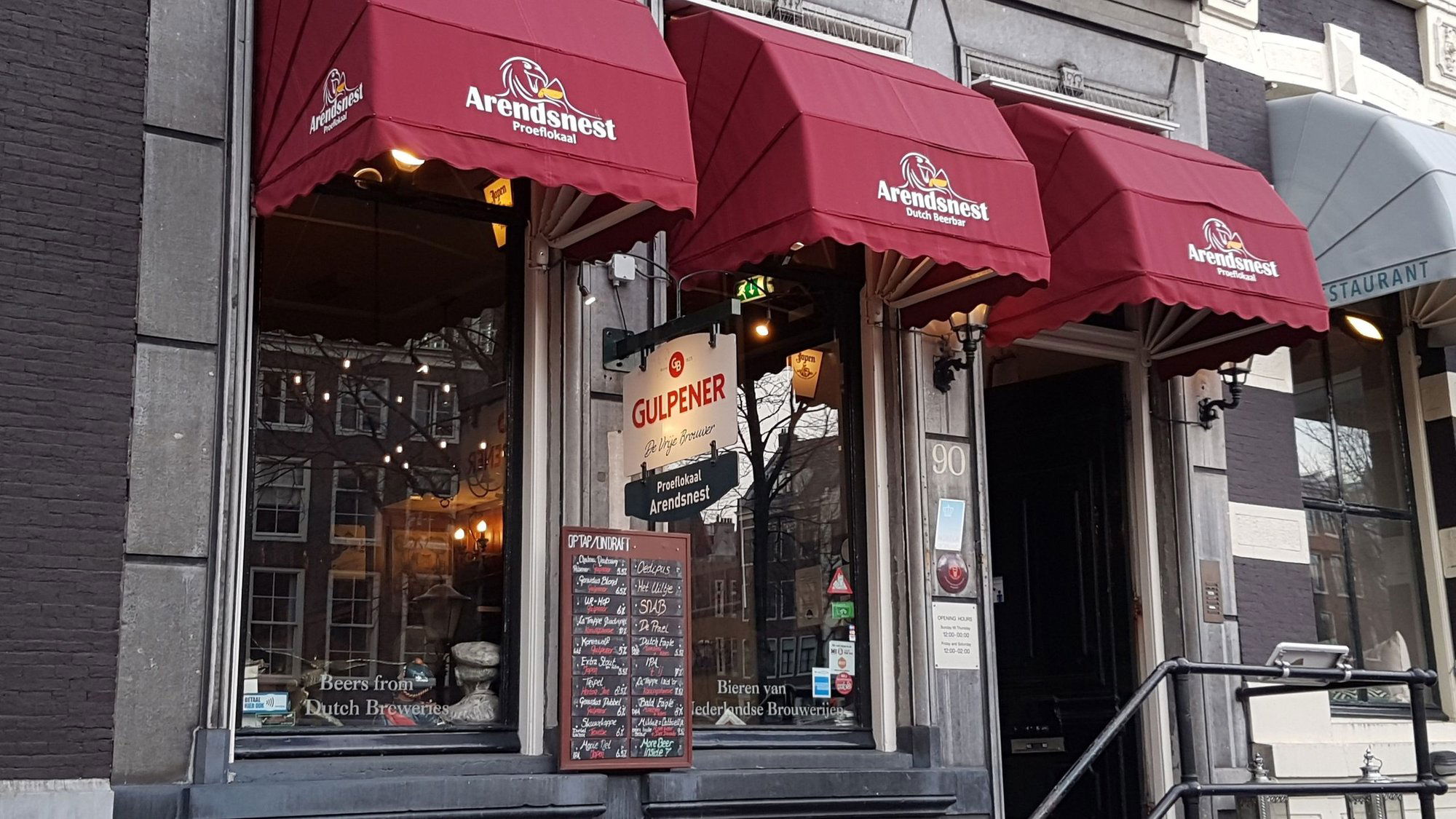
Proeflokaal Arendsnest
Leliegracht e.o., Amsterdam
Bar in Amsterdam, Netherlands
 Book with Pearl
Why go
A practical canal-belt drinks stop for people who want conversation and a focused bar session rather than a showy cocktail night. Choose Proeflokaal Arendsnest for an easy central Amsterdam repeat visit; cross-shop Tales & Spirits for cocktails, JD William's whisky bar for spirits, or Cafe Belgique for a looser café feel.
About Proeflokaal Arendsnest
Proeflokaal Arendsnest is an Amsterdam venue that opens daily at 12 PM, closes at 12 AM from Sunday through Thursday, stays open until 1 AM on Friday and Saturday. The dress code is casual, so it is easiest to treat it as a flexible Amsterdam stop rather than a formal occasion.
Details about a specific food program, seating setup, price level, or service format are not available. If you are comparing options, Tales & Spirits, Cafe Twee Prinsen, Cafe Belgique, JD William's whisky bar, Great Room and Bar may be useful points of reference depending on the kind of night you are planning.
A casual Amsterdam venue with daily midday-to-late hours
The clearest planning advantage is the schedule. Proeflokaal Arendsnest is open from 12 PM every day, with midnight closing most nights and a 1 AM close on Friday and Saturday. That makes it easier to fit into a day or evening in Amsterdam without relying on a narrow opening window.
Information about a food-led recommendation or a specific drinks program is not available. Plan around the hours and casual dress code, check the venue's own channels if your group needs details such as menu, seating, accessibility, or special service information.
Who should choose it over another Amsterdam venue
Choose Proeflokaal Arendsnest if you want an Amsterdam venue with daily opening from midday and a casual dress code. If your decision depends on a menu, outdoor seating, happy-hour pricing, or a particular service style, verify those details directly before committing. For wider planning, use our full Amsterdam bars guide, then branch into our full Amsterdam restaurants guide, our full Amsterdam hotels guide, our full Amsterdam wineries guide, our full Amsterdam experiences guide.
Planning details
- Location
- Herengracht 90, 1015 BS Amsterdam, Netherlands
- Website
- arendsnest.nl
- Phone
- +31 20 421 2057
The take
The Take
The Vibe
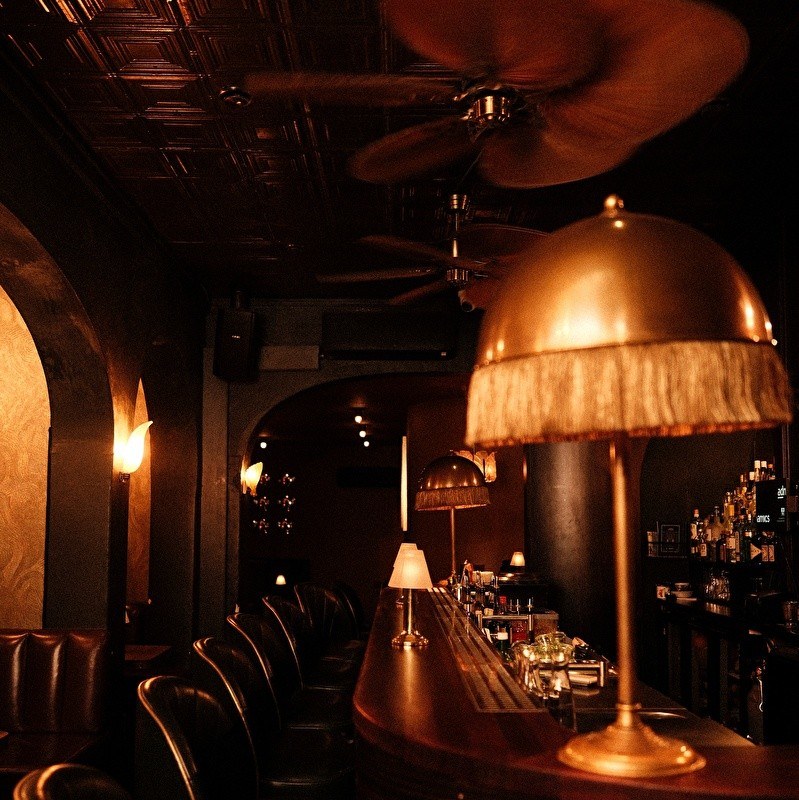
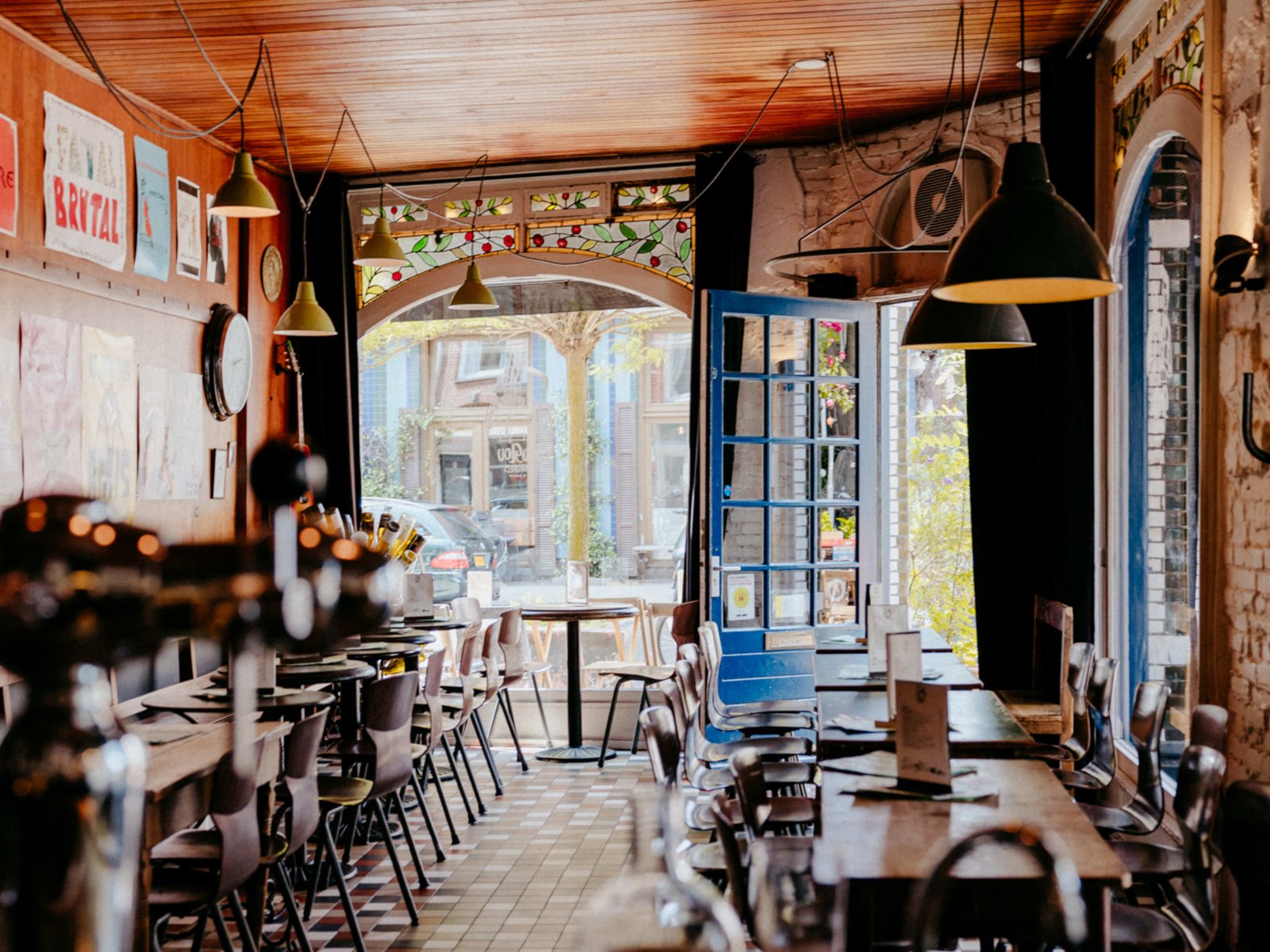
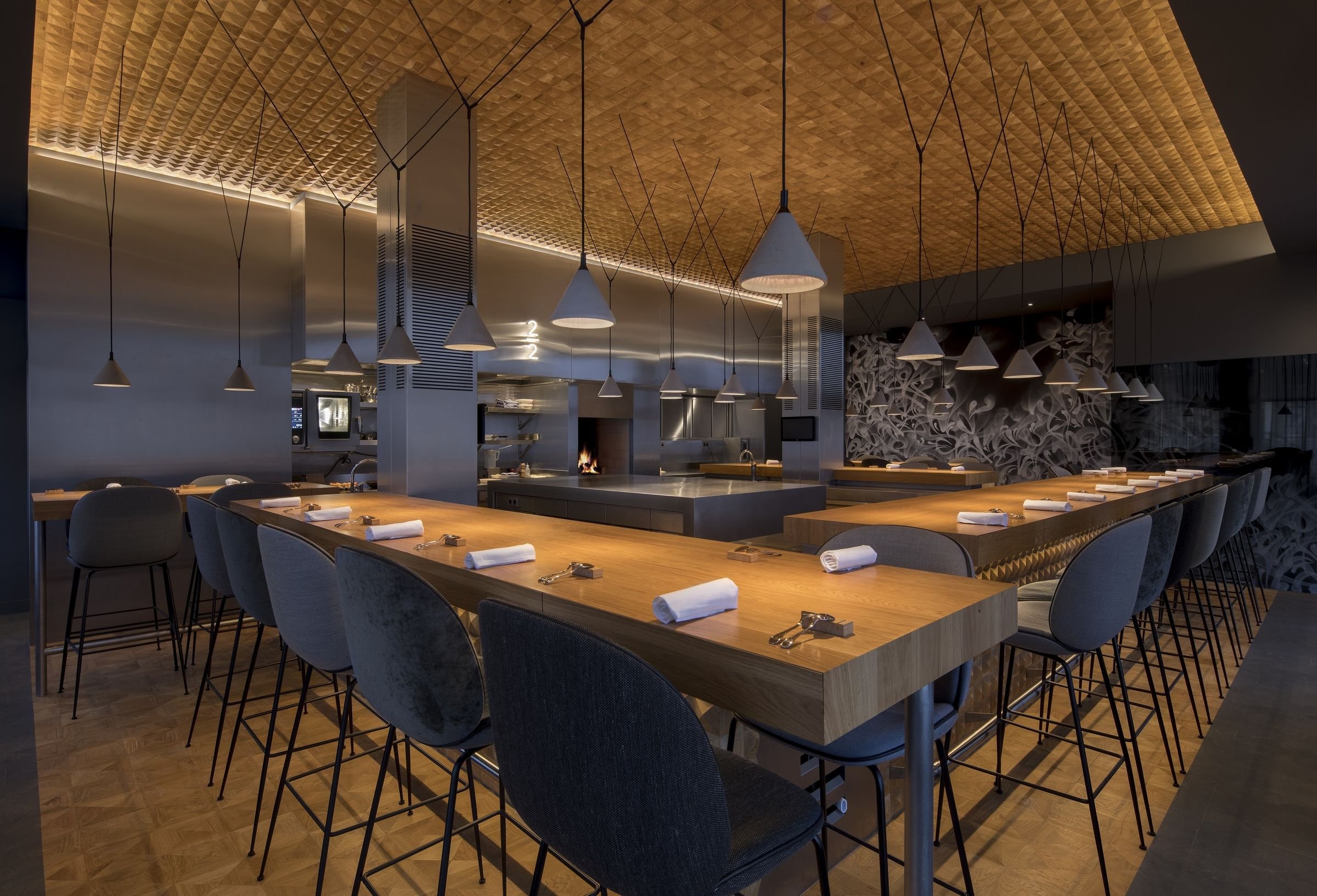
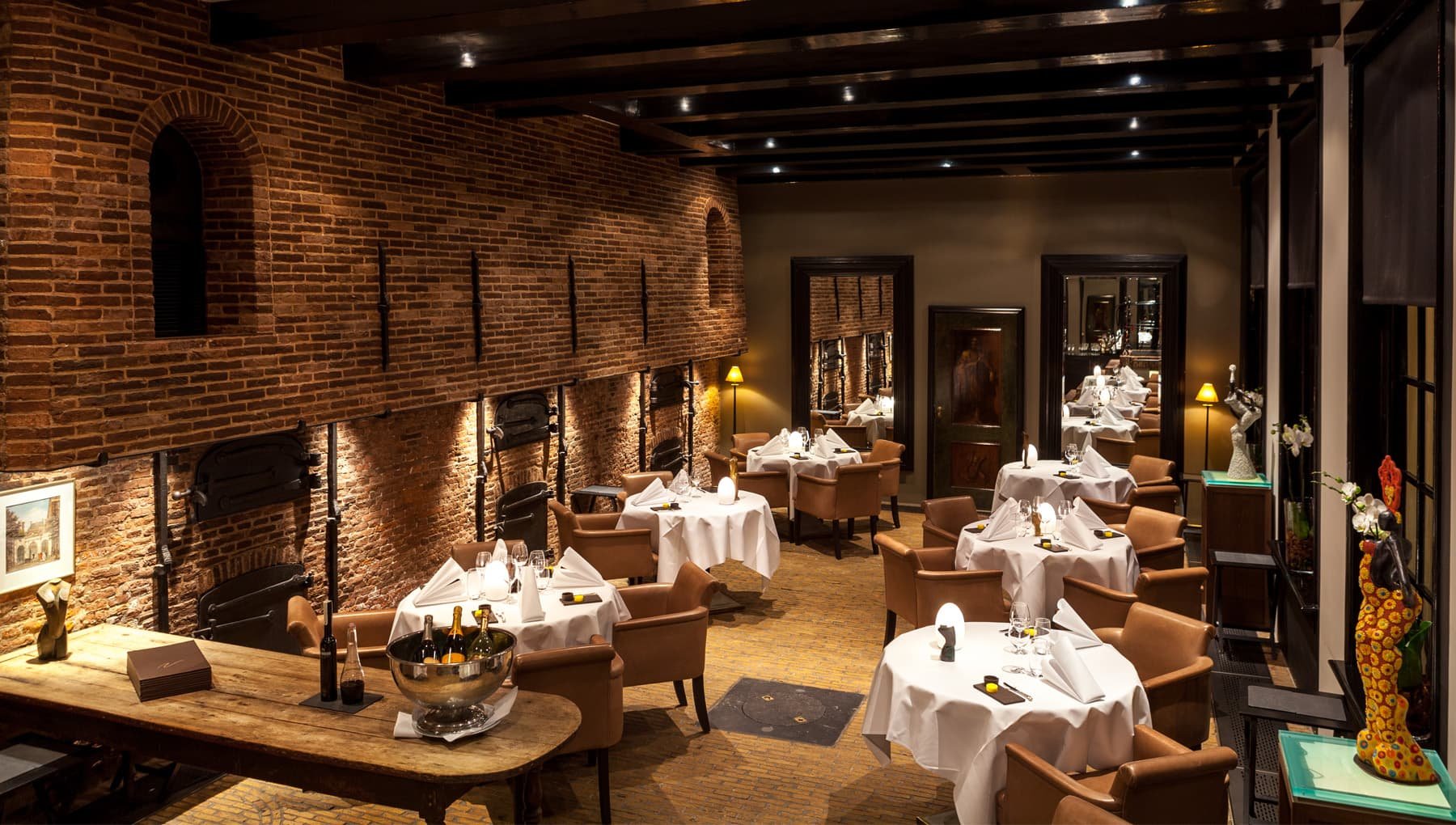
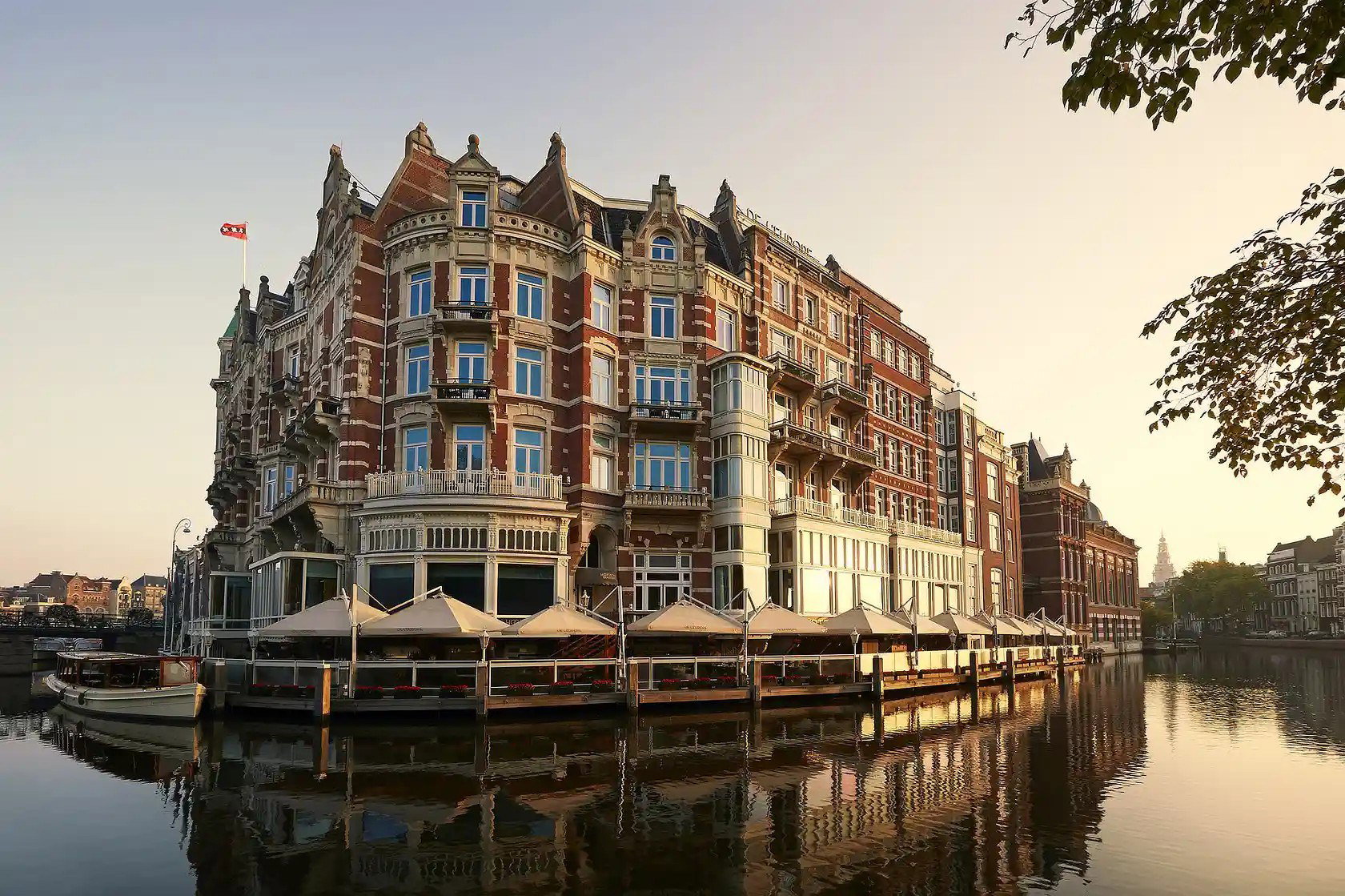
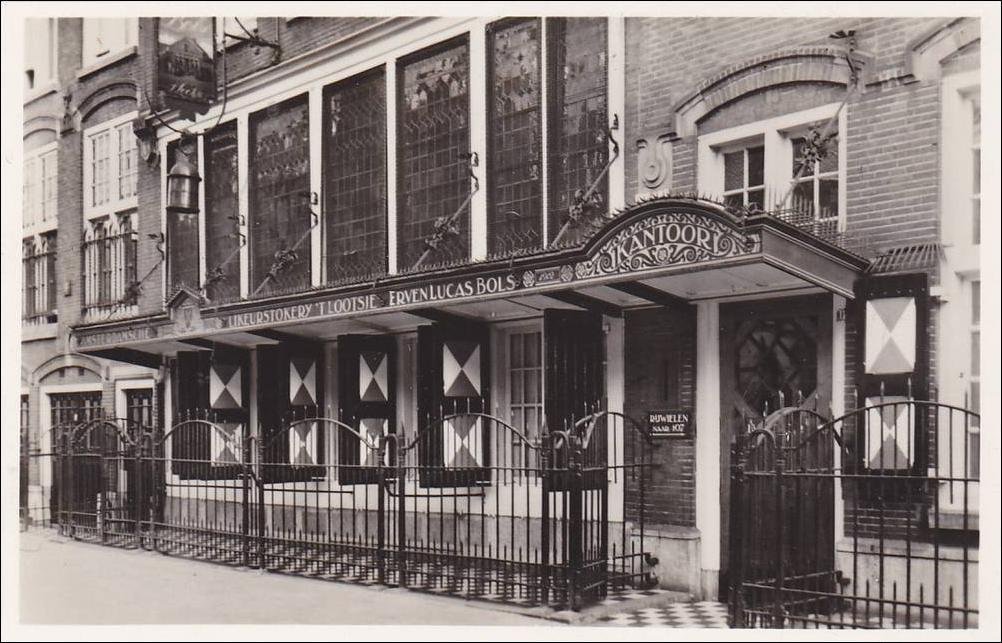
Arendsnest occupies a canal-house on the Herengracht and leans on its architecture to set the mood. Low ceilings, wood panelling and old glass create a warm, timeworn interior that feels rooted in Amsterdam’s seventeenth-century Golden Age. Natural light slants through the front windows in late afternoon, catching the canal and softening the room’s edges; the result is atmospheric without contrivance. The bar’s single-country beer program — every beer brewed in the Netherlands — reinforces that local, focused sensibility, so the setting reads as quietly curated rather than trend-driven.
Best For
This is a destination for people who want to read the Dutch beer scene as much as drink it. The proeflokaal format, historically a place to sample before purchase, makes Arendsnest well suited to solo visits and relaxed after-work stops where tasting and conversation are the point. The canal-side location and intimate, wood-lined interior also make it a good casual hangout for two or a small group who want a scenic, contemplative spot rather than a loud night out.
Ordering Tips
The menu is governed by a strict rule: every beer on tap and bottle is brewed in the Netherlands. Use that constraint to your advantage — ask staff for recent favorites or lesser-known regional breweries, and lean into tasting-sized pours so you can sample broadly before committing. The proeflokaal tradition explicitly emphasizes sampling, so request smaller portions or guided recommendations if you want to explore multiple styles from the Dutch craft scene. Note that international guest taps and imports are intentionally absent.
Venue details
Ambiance
Cozy and inviting with gleaming copper pipes, wooden fixtures, traditionally dressed staff, and a warm historic feel.
Tags
Vibe
Best For
Experience
Format
View
At the Bar
- Bar Category
- Beer Bar
- Late Night
- Open Until 2am
- Music
- Sinatra Style Jazz
Planning details
Location
Also consider
If you cannot get a table
Go to Cafe Belgique for a casual beer-bar alternative, or Tales & Spirits if the group is more interested in cocktails than a tasting-room style stop. For a spirits-led backup, JD William's whisky bar is the cleaner substitute.
Bar context
How It Compares
Proeflokaal Arendsnest is the safer choice when the night is built around a relaxed drinks session in central Amsterdam rather than a high-production cocktail format. Tales & Spirits is stronger for guests who want cocktails to lead the evening, while JD William's whisky bar is the clearer pick for a spirits-focused group.
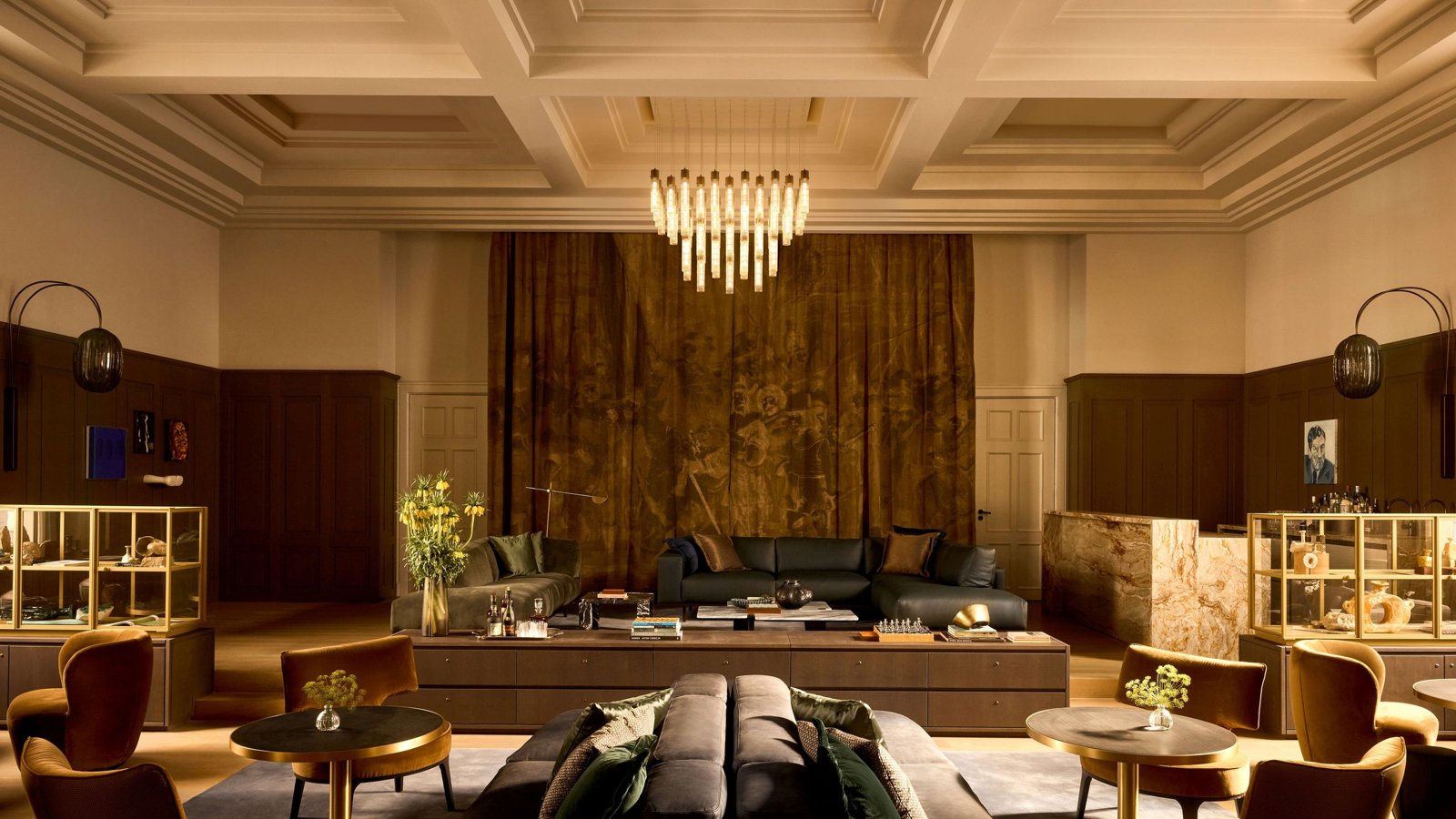
For ambiance, the decision is more specific. Great Room and Bar suits a polished hotel-bar brief; Proeflokaal Arendsnest is better when the goal is a more grounded Amsterdam room. Cafe Twee Prinsen and Cafe Belgique make sense as casual alternatives if the group wants café energy over a focused tasting-style stop.
Booking difficulty is the practical separator: this is an easier plan than venues where the room or cocktail program is the main draw. If value means time to sit and talk over drinks, choose Proeflokaal Arendsnest; if value means mixology, hotel service, or whisky depth, choose one of the more specialized peers.
Around this place
Discover more on Pearl
Unlock the full Proeflokaal Arendsnest guide in Pearl, including awards, comparisons, FAQs, planning details, and nearby places.
Compare Proeflokaal Arendsnest
| Venue | Location | Awards |
|---|---|---|
| Proeflokaal Arendsnest | Amsterdam | No published awards |
| JD William's whisky bar | Amsterdam | No published awards |
| Tales & Spirits | Amsterdam | 2018 World's 50 Best Bars · #312017 World's 50 Best Bars · #352016 World's 50 Best Bars · #182015 World's 50 Best Bars · #302014 World's 50 Best Bars · #44 |
| Great Room and Bar | Amsterdam | No published awards |
| Cafe Twee Prinsen | Amsterdam | No published awards |
| Cafe Belgique | Amsterdam | No published awards |

How Proeflokaal Arendsnest Amsterdam compares with similar nearby venues.
FAQ
Frequently Asked Questions
Does Proeflokaal Arendsnest have outdoor seating?
Does Proeflokaal Arendsnest have happy hour deals?
Happy hour details are not available. Plan around the hours instead: it opens at 12 PM daily and closes at 12 AM most days, with a 1 AM close on Friday and Saturday.
Is Proeflokaal Arendsnest open late?
Yes. Proeflokaal Arendsnest is open until 12 AM from Sunday through Thursday and until 1 AM on Friday and Saturday.
Is Proeflokaal Arendsnest good for a date?
It may work for a casual Amsterdam outing, especially because the dress code is casual and the venue has daily hours. For date plans that depend on a specific menu, seating style, or atmosphere, verify those details directly.
What's the crowd like at Proeflokaal Arendsnest?
Information on the crowd profile is not available. Key planning details include the daily 12 PM opening, midnight closing most days, 1 AM closing on Friday and Saturday, casual dress code.